Snorkelling and Diving Trips at Vivo Resorts
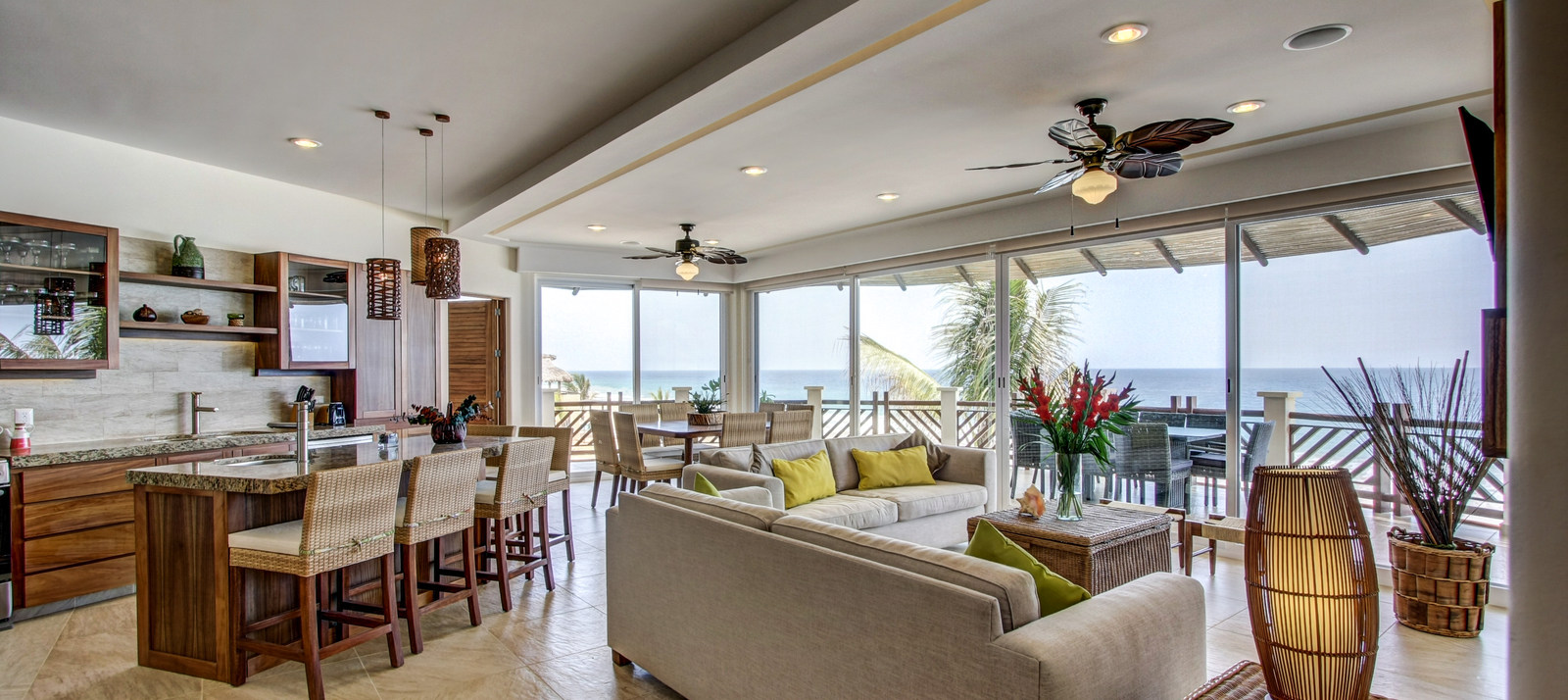
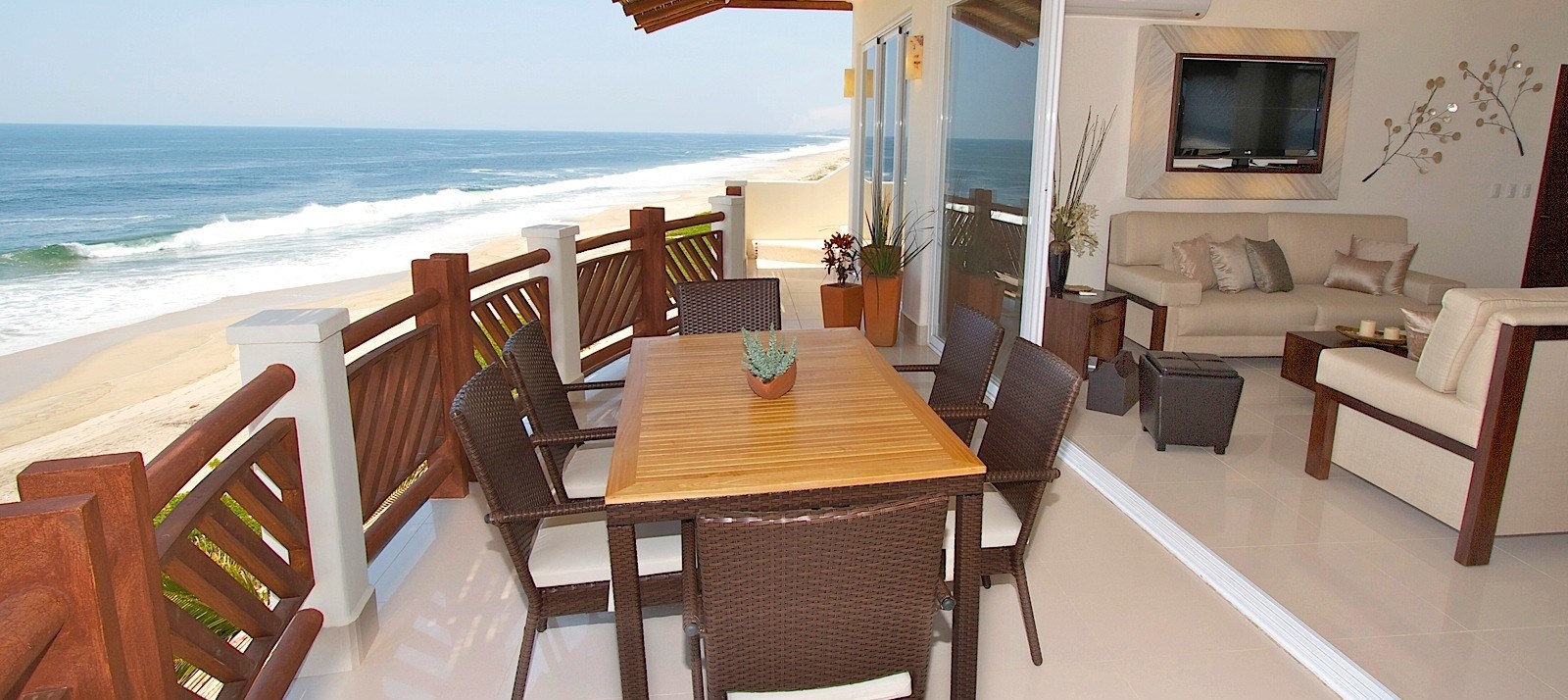
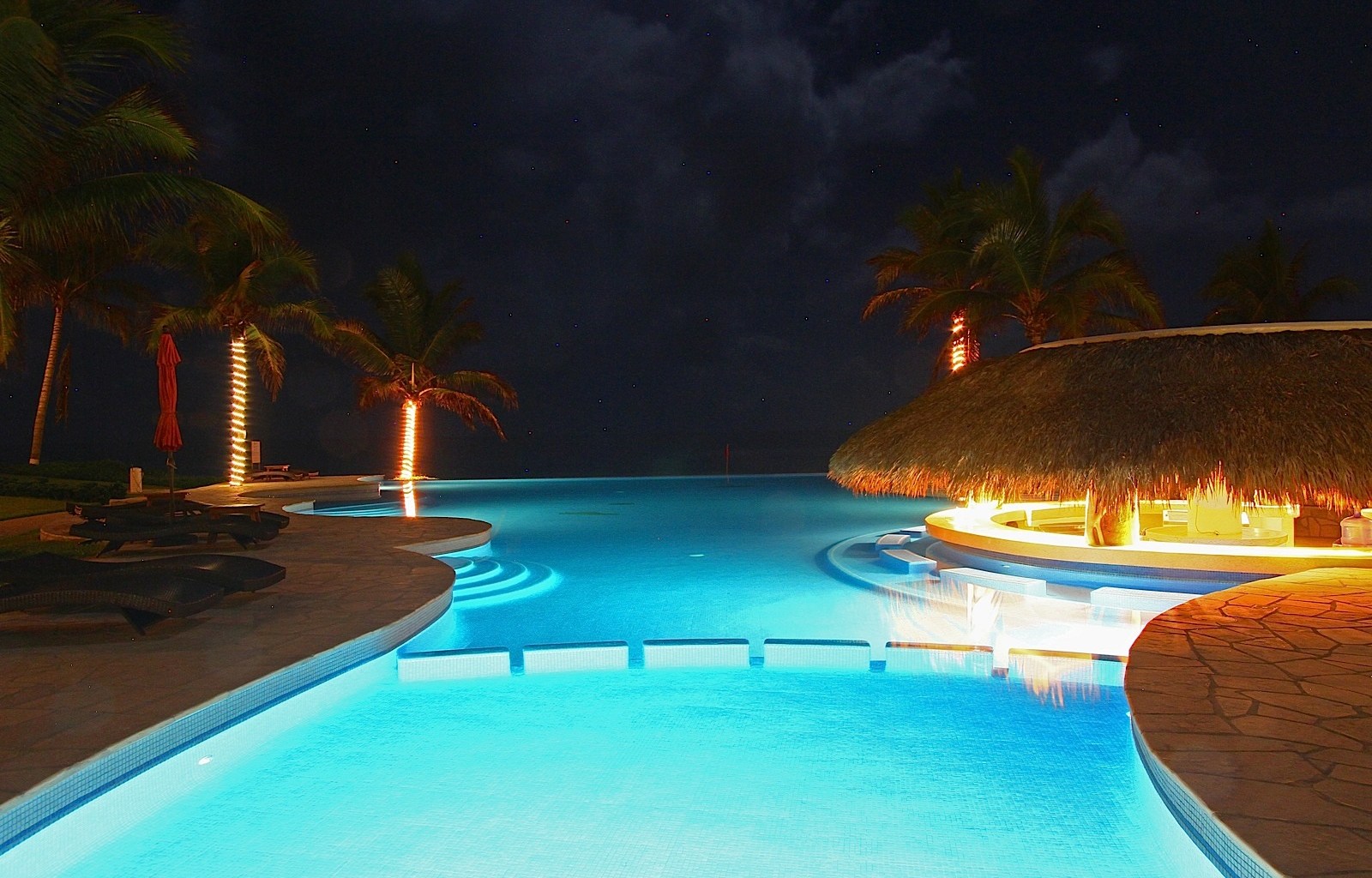
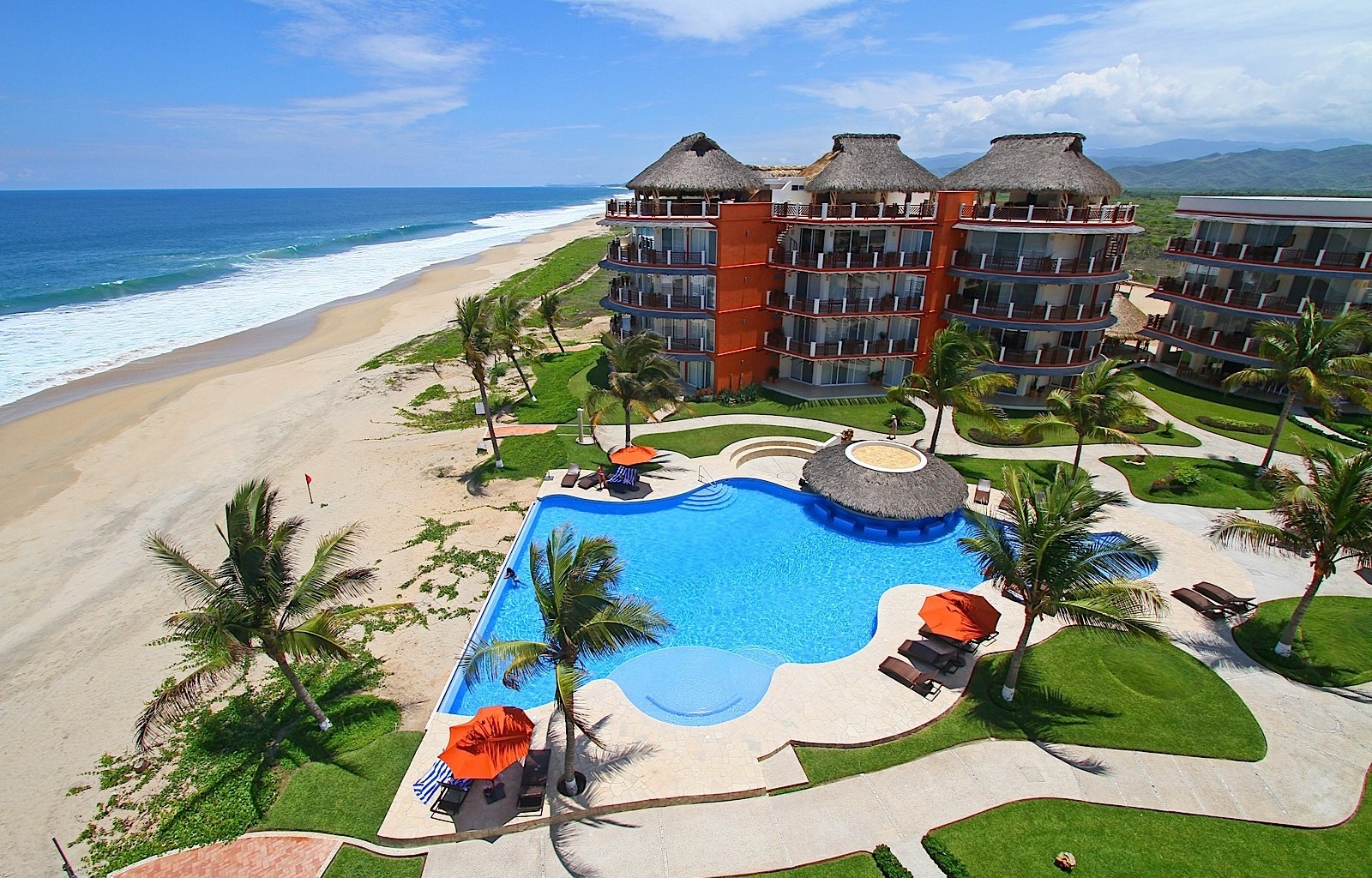
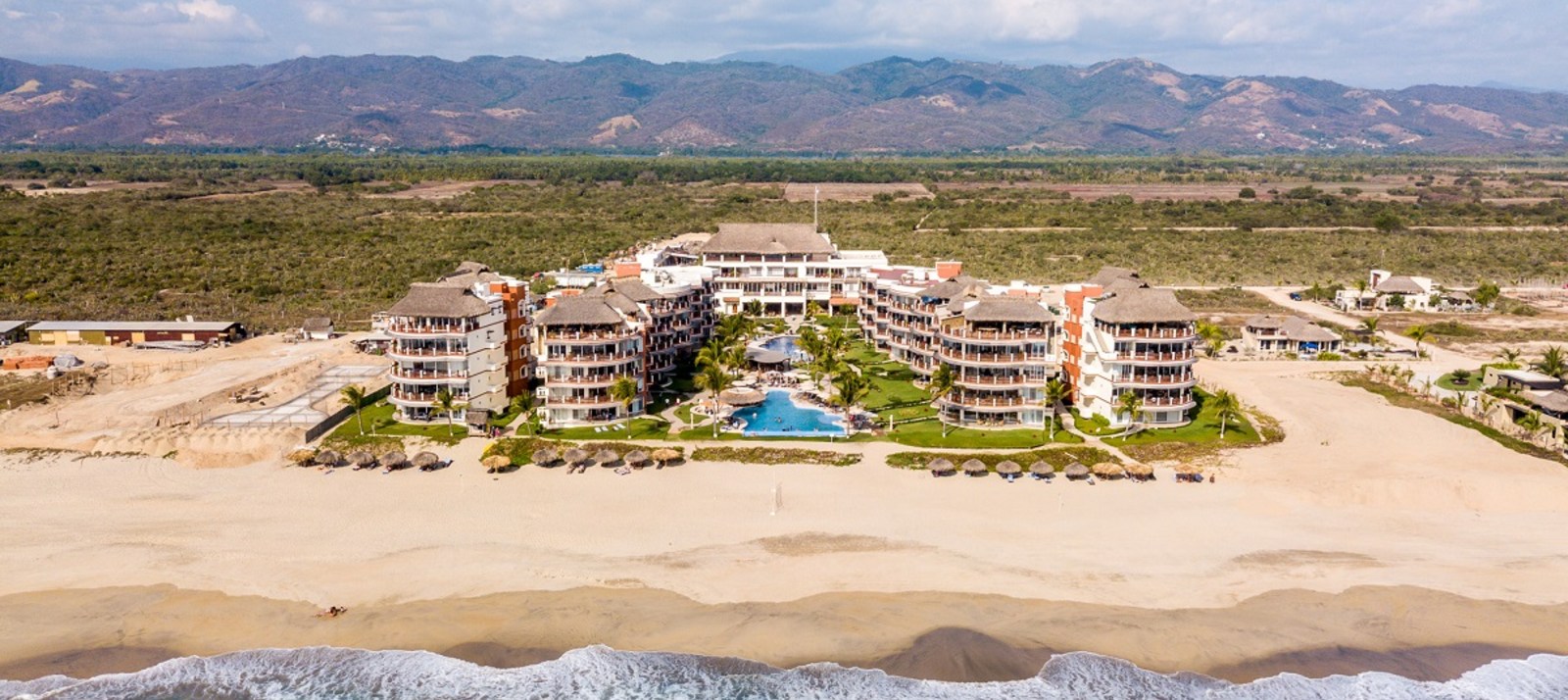
Set on Playa Palmarito near Puerto Escondido, Vivo Resorts gives guests immediate access to the Pacific shoreline, with spacious beachfront suites, private villas and pools that make an activity day easy to pace. Snorkelling and scuba excursions can lead from the sand to offshore drop-offs, rocky pools and clearer water beyond the bay, depending on the sea state and the route selected by local operators.
Guests can arrange these trips through the resort or book with licensed dive operators serving the Oaxaca coast. Snorkelling suits most swimmers and needs no formal qualification, while scuba diving requires certification for open-water sites. Tour descriptions may sound similar, but shore trips, boat snorkelling and dive charters differ in travel time, depth, group size and the equipment included.
Choosing between shore, boat and night excursions
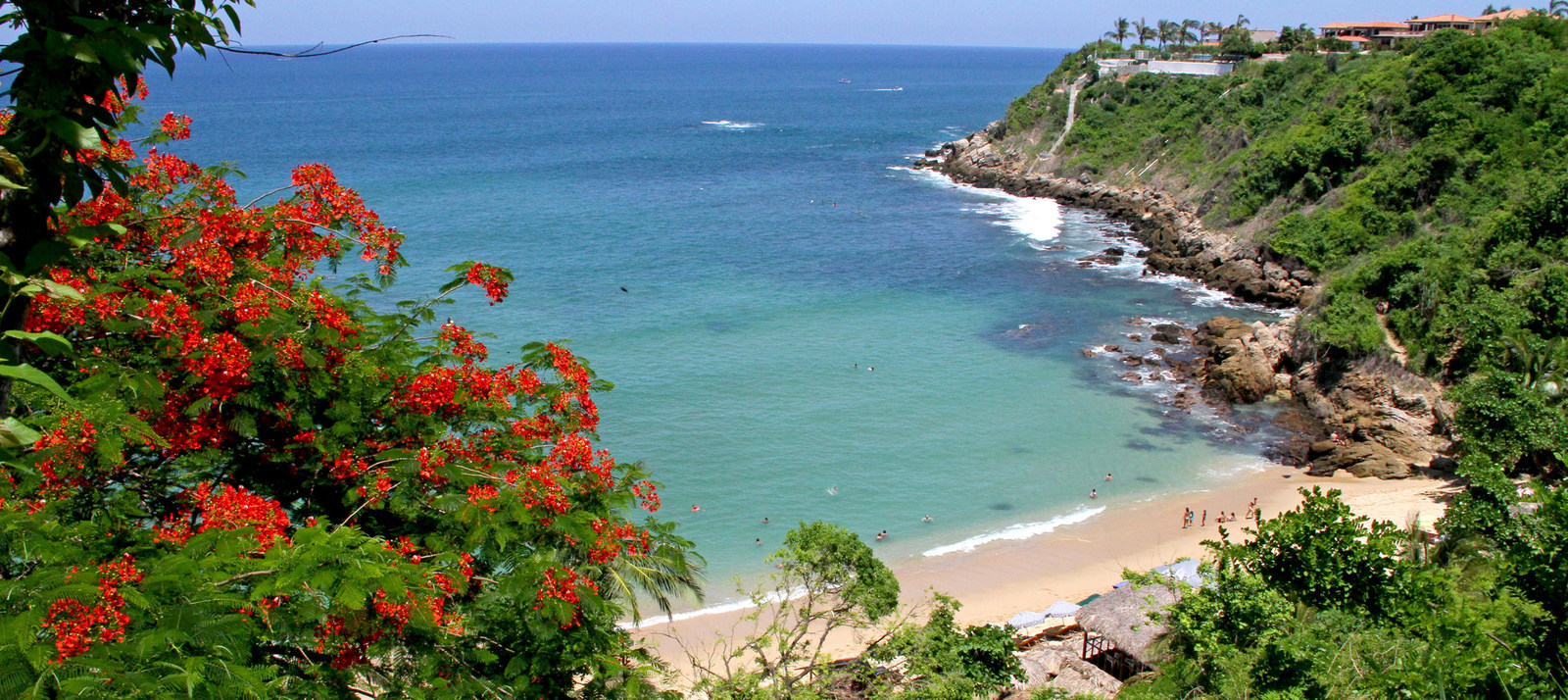
A shore snorkel is the simplest option: participants enter from a sandy beach and remain in shallow water, often over rock or reef patches. A boat trip adds travel time but usually reaches more productive fishing grounds and can include deeper snorkelling for confident swimmers. For certified divers, a charter can access sites beyond the bay, where the itinerary is chosen according to swell, current, visibility and each diver’s experience.
Night excursions reveal a different side of the coast. Movement through dark water may light up bioluminescent plankton spots, although brightness depends on plankton density, moonlight and boat movement. Such displays cannot be promised on every trip, and a reputable operator will explain where and when conditions are most suitable rather than treating them as guaranteed attractions.
Reading Playa Palmarito’s seasons and sea conditions
The broad rainy season runs from May into October, bringing warmer air, heavier rain and a greater chance of rough seas. Tropical storms can affect boat operations, while the Pacific swell may make an otherwise calm shoreline less suitable for beginners. The drier months from November through April often provide more settled boating weather, but each departure still depends on the actual forecast and local inspection.
Water temperatures commonly sit in the mid-to-high 20s Celsius, though wind, cloud and a current can change how it feels. Visibility is often strongest in the morning, before the sea and boat traffic build up. The coastline also has exposed sections beyond the sheltered beach, and the presence of rocks or coral does not make them safe to stand on. Marine life varies with season and site, so sightings of turtles, rays or tropical fish are a possibility rather than a promise.
Practical recommendations for safe days on the water
For scuba trips, check that the operator follows a recognised training system such as PADI or SSI, carries emergency oxygen and a first-aid kit, and uses radios or another dependable communication system. Divers should bring a certification card and logbook, disclose relevant medical conditions and accept the maximum depth chosen by the guide. Weather cancellations are a sign of competent planning, not a disappointing inconvenience.
- Match the activity to your ability, and do not treat snorkelling experience as scuba certification.
- Choose an early departure when possible, then keep the itinerary flexible around weather and water conditions.
- Pack a rash guard, swimwear, reef-friendly sunscreen, a water bottle and a dry bag for phones and valuables.
- Look but do not touch: never stand on coral, feed wildlife or chase animals for a photograph.
Mask, snorkel and fins are normally supplied, but confirm whether wetsuits, buoyancy aids and dive computers are included or need advance booking. A personal mask can improve comfort and seal, particularly for multi-day dives. After an energetic outing, the resort’s late-night dining menu provides a practical way to finish the day without another excursion, while the pools and spa offer a gentler pace onshore.
Planning from Australia without missing the essentials
Travellers from Sydney, Melbourne and Brisbane commonly connect to Oaxaca through a Mexican gateway, and a long-haul arrival can leave muscles tired before entering the water. Build in a recovery day and allow a buffer before the flight home. Australians already work with kilometres, metres, litres and Celsius, so local measurements are familiar, but hats, rash guards and broad-spectrum SPF 50+ sunscreen reflect a familiar sun-protection routine that is worth maintaining here.
For the local market, exchange Australian dollars for Mexican pesos before the trip or on arrival, and choose a reputable exchange provider. Australian-issued cards may levy foreign transaction fees, while cards are widely accepted at the resort; cash in small denominations remains useful for independent guides, market stalls and incidental expenses. Australian travel policies may exclude scuba diving unless it is declared, so read the diving conditions and medical requirements carefully. Tipping is not routine in Australia, while gratuities for Mexican excursion staff may be welcomed. Queensland law prohibits oxybenzone and octinoxate in retail sunscreens, yet Mexico does not apply the same rules, so travellers should not assume one country’s standard carries over.
A day that stays with you
The strongest water days balance activity with attention. Early light and clear water favour reef and coastal exploration; a shaded break on shore can prevent the kind of fatigue that turns an enjoyable swim into a rushed return. Resort pools, dining and spa time also make a snorkelling or diving trip part of a broader beach holiday rather than an isolated activity.
What should remain is a sense of proportion: the reef and open water set the pace, conditions can change quickly, and no operator can guarantee a particular animal, depth or glowing night display. The memory worth keeping is one of careful travel, shifting light and life encountered on the seabed, with the Pacific supplying the soundtrack and every visit respecting the coast it depends upon.