Exploring Bioluminescent Waters Near Playa Palmarito
After sunset along Oaxaca’s Pacific coast, the sea and lagoons can reveal a subtle natural light show. Tiny marine organisms called bioluminescent plankton emit brief blue-green flashes when movement disturbs the water, turning a paddle stroke, swimming hand, or passing fish into a trail of light.
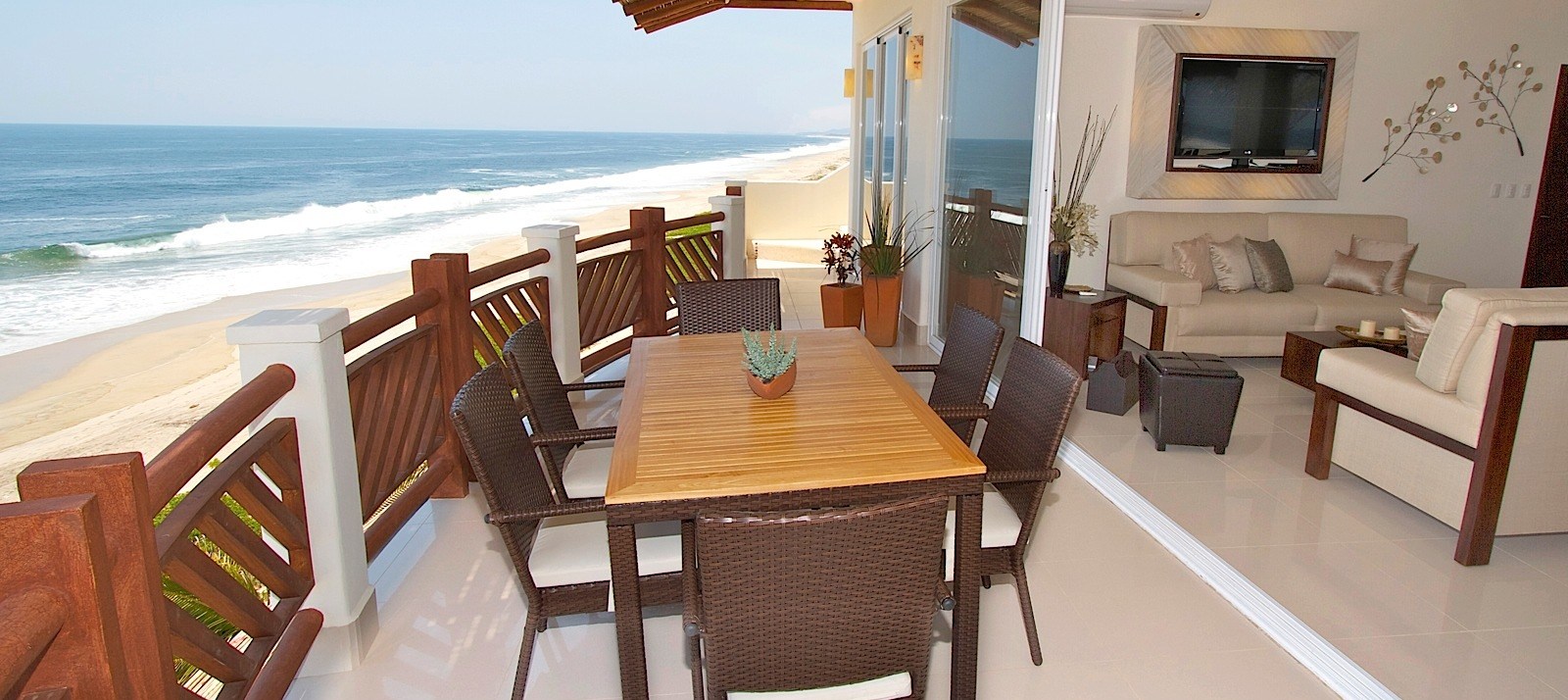
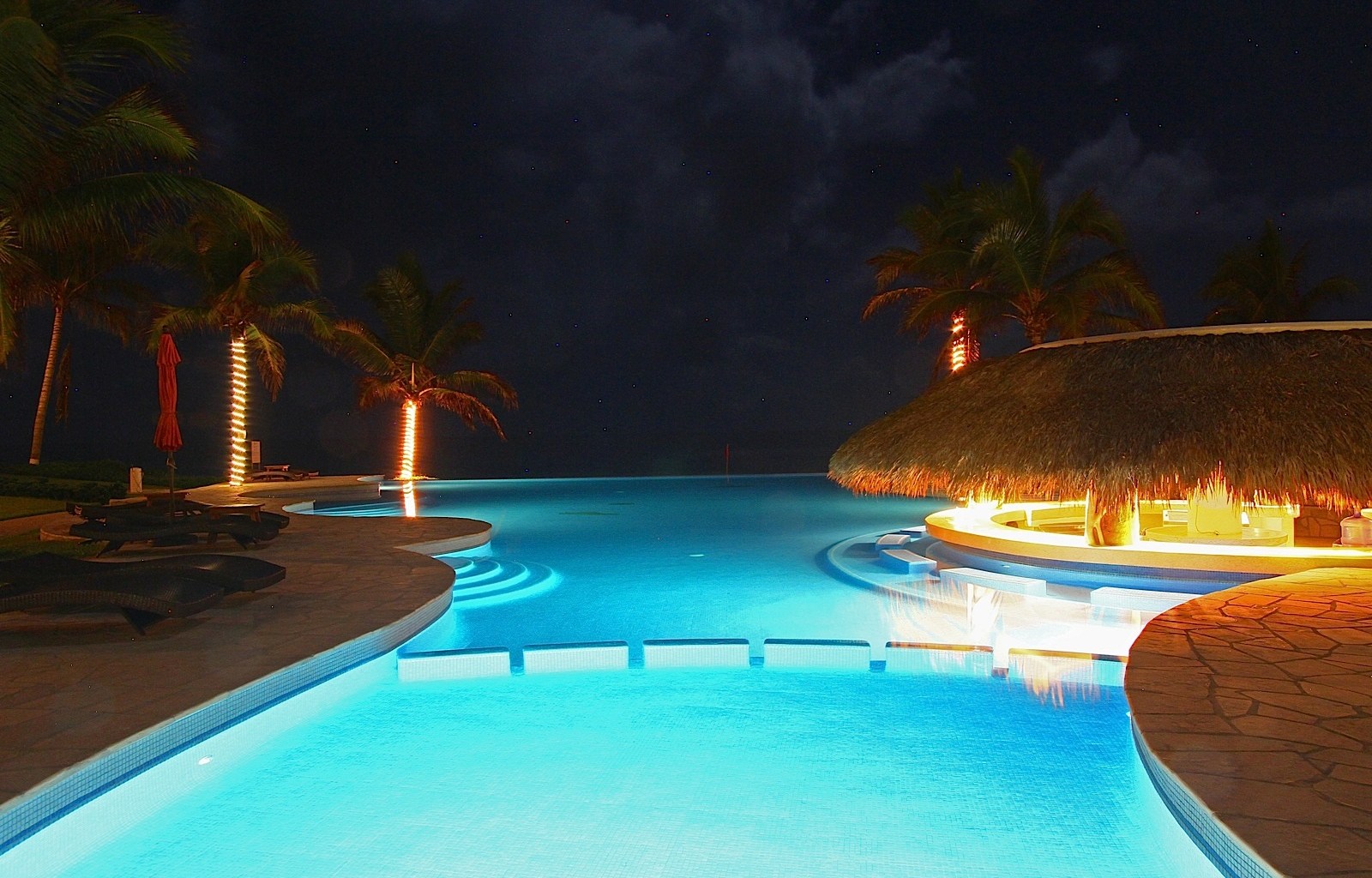
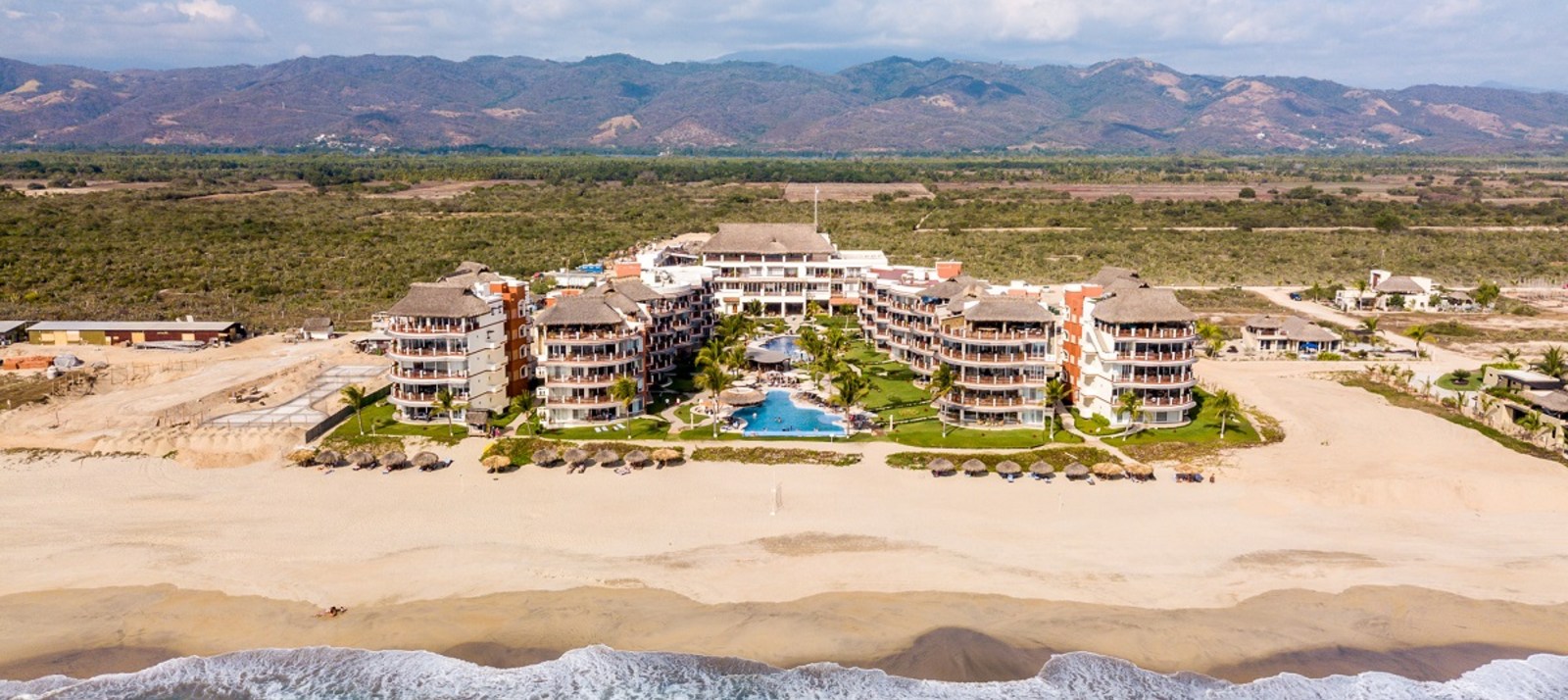
Playa Palmarito is an excellent base for seeking this experience because it sits near several coastal ecosystems, including sheltered lagoons and estuaries where plankton may gather. The glow is never guaranteed, but the journey offers a memorable way to experience the region after dark, especially when paired with a stay at Vivo Resorts.
What Creates The Blue Glow
Bioluminescence is produced by microscopic organisms, commonly dinoflagellates, that use a chemical reaction to create light. In calm water, the effect may appear faint or invisible until the surface is disturbed. A paddle dipping into the lagoon, a fish moving below, or a swimmer making a gentle stroke can trigger short-lived sparks.
The strongest displays usually depend on several conditions working together. Warm water, limited artificial light, low wind, and healthy plankton concentrations can improve visibility. Moonlight also matters: a darker night makes the glow easier to see, although a bright moon does not automatically prevent a worthwhile experience.
Where To Look Near Playa Palmarito
The most practical bioluminescent excursions from Playa Palmarito generally focus on nearby lagoons rather than the open Pacific directly in front of the resort. Manialtepec Lagoon, north of Puerto Escondido, is among the best-known locations in the area. Its brackish waters, mangrove channels, and protected environment can create favorable conditions for a nighttime plankton tour.
Laguna de Chacahua, farther west along the coast, is another celebrated destination for travelers interested in glowing water and coastal wildlife. Travel times vary considerably depending on the route and transport arrangements, so an excursion to Chacahua often requires more planning than a visit to Manialtepec. Local guides can advise which location has the most promising conditions on a particular evening.
Choosing The Right Night
A new moon or a night with a late-rising moon often provides the darkest sky for viewing. Weather is equally important. Heavy rain, strong winds, rough surf, or storm runoff can reduce visibility and make boat trips uncomfortable. The dry season may offer more predictable conditions, while seasonal rainfall can change lagoon salinity and plankton activity.
No month guarantees a glowing lagoon. Ask about recent sightings rather than relying only on an annual calendar, and check the forecast before leaving the resort. This seasonal coast guide can also help place weather, visitor levels, and general travel conditions in context when planning an Oaxaca getaway.
| Location | Typical Experience | Approximate Planning Considerations | Best For |
|---|---|---|---|
| Manialtepec Lagoon | Boat ride through sheltered water with possible blue flashes | Often the most accessible lagoon excursion from the Puerto Escondido area | First-time visitors and families |
| Laguna de Chacahua | Longer coastal adventure with lagoon scenery and village atmosphere | Requires more travel time and careful transport planning | Travelers seeking a broader nature trip |
| Playa Palmarito | Dark beachfront skies and ocean sounds, with no guaranteed plankton display | Conditions change quickly in open water; follow local safety guidance | A relaxed evening close to the resort |
What A Night Tour Is Like
Most bioluminescence tours depart after sunset. Depending on the operator, guests may travel by vehicle to a lagoon, board a small boat, or paddle through calm channels. The ride itself can be peaceful, with mangroves silhouetted against the sky and very little artificial light surrounding the water.
When conditions are favorable, the guide may invite guests to trail their hands through the surface or watch the wake behind the boat. The effect can range from a few scattered pinpricks to a vivid cloud of blue-green shimmer. Responsible operators avoid overcrowding sensitive areas and provide instructions about swimming, footwear, personal items, and preserving the lagoon environment.
Making The Excursion Comfortable
Wear lightweight clothing that can handle splashes, and bring a dry change of clothes. Water shoes are useful around muddy banks or uneven boat entries. A small waterproof bag protects phones and cameras, while a dim red light or a phone kept on its lowest brightness helps preserve night vision for everyone in the group.
Photography can be difficult because the light is brief and faint. Modern phones may capture traces of the glow in night mode, but the resulting image may look brighter than the scene appeared in person. Keep expectations realistic and enjoy the movement of the water rather than focusing entirely on getting a perfect photograph.
Guests staying at Vivo Resorts can make the evening part of a wider coastal itinerary. A spacious residence or private villa provides room to relax before and after the outing, while the resort’s restaurants, pools, ocean views, and spa offer comfortable ways to spend the rest of the day.
Pairing The Lagoon With A Coastal Stay
A bioluminescence tour works well as an evening excursion after a slow beach morning. Spend the day walking Playa Palmarito, relaxing by the pool, or arranging a visit to Puerto Escondido before heading toward the lagoon after sunset. Building in time for dinner and travel buffers keeps the outing enjoyable rather than rushed.
The experience can also suit a romantic escape or destination wedding itinerary. Couples planning an intimate celebration may appreciate the atmosphere of an after-dark nature excursion, especially when it follows a quiet dinner or sunset along the coast. For ideas about ceremonies in this setting, read why couples choose elopements at Vivo Resorts.
Simple Ways To Protect The Glow
Bioluminescent lagoons are living ecosystems, and visitor behavior can affect their health. Choose established guides, follow instructions, and avoid bringing lotions, oils, or other products into the water unless the operator specifically permits them. Do not collect organisms, disturb mangroves, or leave any packaging behind.
A few thoughtful choices can make the outing safer and more respectful:
- Confirm the meeting point, transport time, and cancellation policy before departure.
- Choose a moonless or low-moon evening when the forecast shows calm conditions.
- Bring reusable water, a waterproof pouch, insect repellent for use away from the water, and a light layer.
- Follow local guidance about swimming, sunscreen, photography, and boat safety.
- Treat the glow as a natural possibility rather than a guaranteed performance.
Plan A Memorable Night On The Coast
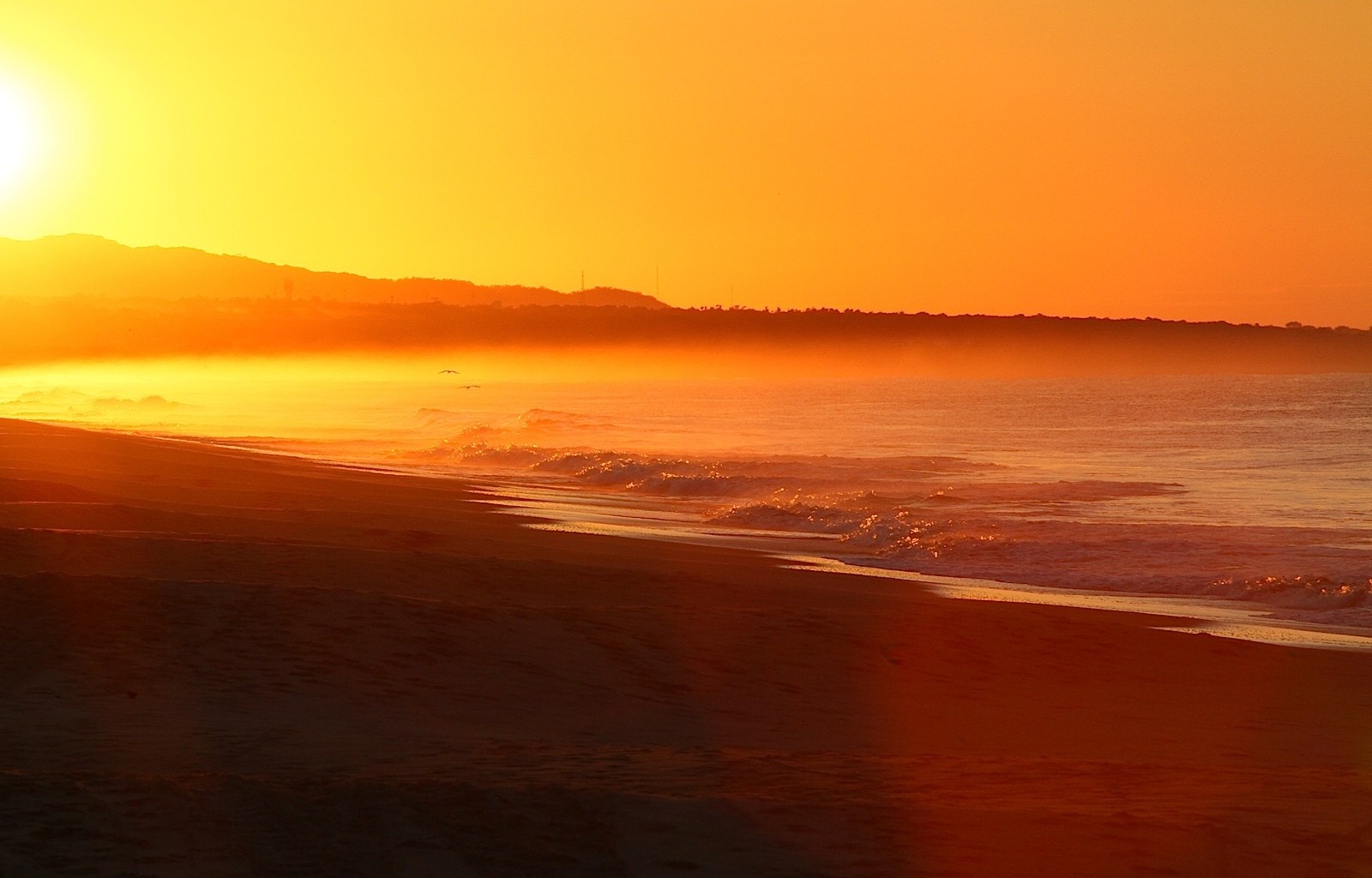
The waters near Playa Palmarito offer more than a chance to see glowing plankton. They invite travelers to slow down, explore Oaxaca’s lagoons, and notice how coastal life changes after sunset. Whether the display is a bright blue shimmer or only a few delicate flashes, the quiet boat ride and dark Pacific sky remain part of the experience.
Speak with the Vivo Resorts team about arranging a lagoon excursion, checking current conditions, and fitting the outing into your beach vacation. With thoughtful planning, a night among Oaxaca’s bioluminescent waters can become one of the most distinctive memories of your stay.