Excursions from Puerto Escondido for adventure seekers
Puerto Escondido opens onto a broad crescent of Pacific beach, but the best excursions from Puerto Escondido for adventure seekers extend well beyond the sand. Around Oaxaca’s coast, travellers can surf world-class breaks, dive coral walls, explore caves, paddle secluded coves and soar above the shoreline.
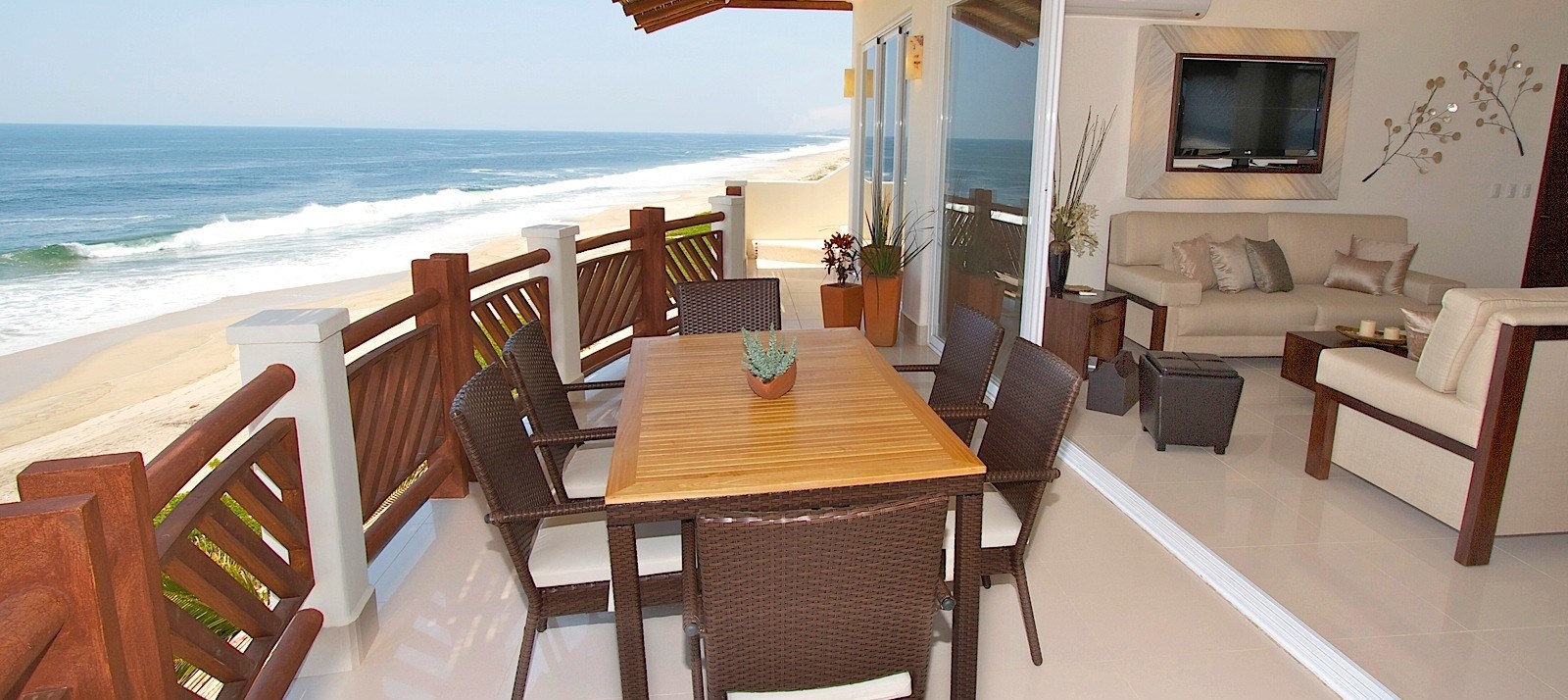
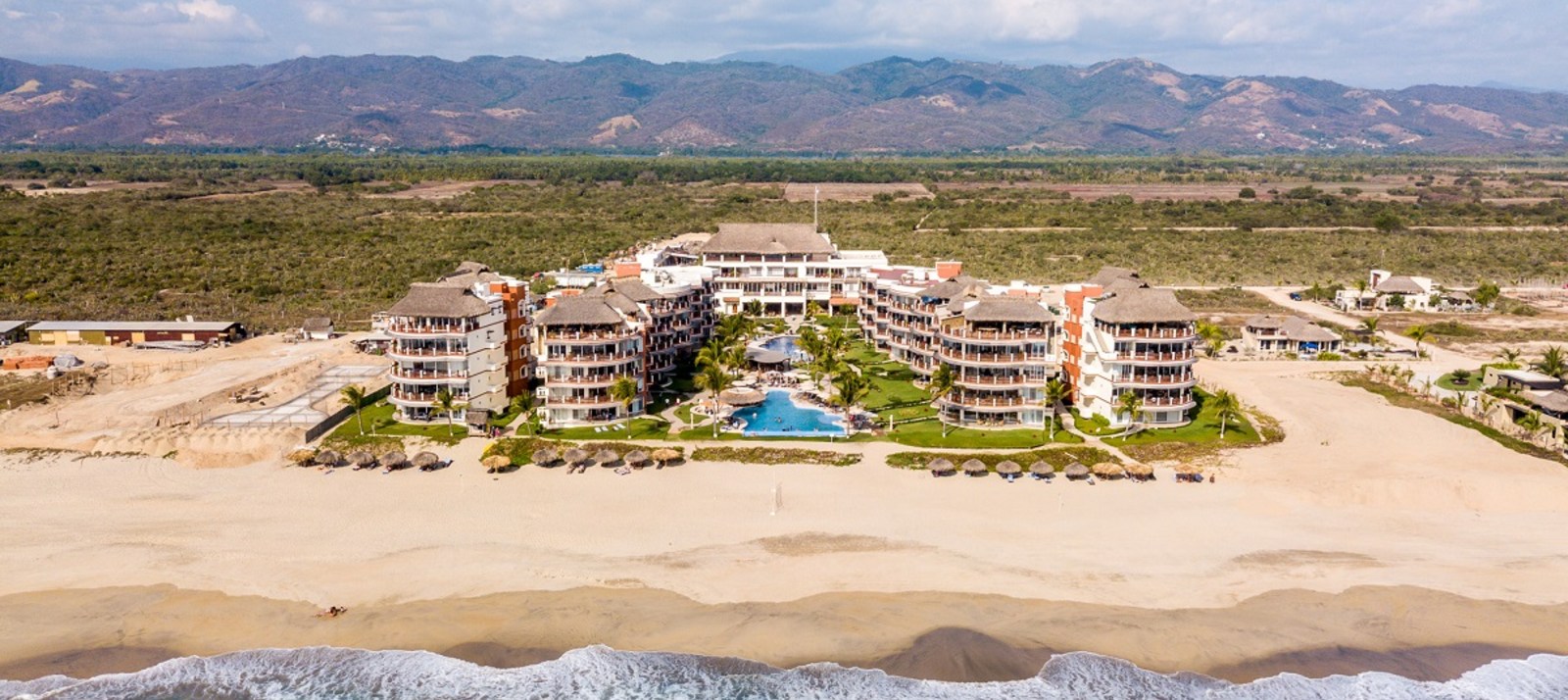
Staying at Vivo Resorts places guests close to many of these activities. Its private beachfront villas and spacious residences provide space to recover between busy days, while the concierge can arrange guides, transfers and equipment. Most coastal attractions are within a relatively short drive of Playa Palmarito.
Australian travellers commonly begin their journey through Mexico City or another connecting airport from Sydney or Melbourne. The Australian school-holiday period in December and January coincides with Oaxaca’s drier season, making it ideal for cave walks and reliable surf conditions. Carry some Mexican pesos for smaller operators, remember Mexico drives on the right unlike Australia, and allow time for the long-haul journey.
Find the right wave for your experience
Playa Zicatela is the coast’s best-known surf zone, producing fast, powerful waves that appeal strongly to experienced surfers. Punta, Costa Chica and nearby beaches offer alternatives, although currents, reef and submerged rocks can vary between sandbar and beach-break conditions. A local school can assess the swell before taking beginners to a safer section.
For intermediate riders, morning sessions generally provide cleaner waves and fewer people than the afternoon. Check the tide, wind and marine warnings rather than choosing a beach solely because it appears manageable from the sand. Sunscreen, reef-safe clothing and drinking water are essential under the strong Oaxacan sun.
Explore Puerto Escondido’s underwater world
The region has earned a serious diving reputation thanks to clear water, sea turtles, rays, barracuda and occasional whale sharks. Sites around Punta Cometa and the offshore reef systems reward certified divers with blue-water drop-offs, coral gardens and a freedom rarely found at a resort pool. Visibility is often excellent beyond the shallow entry areas.
Open-water certification is required for many offshore dives, while introductory programmes can introduce basic skills in a controlled environment. Even experienced divers should review current strength, surface intervals and boat procedures with the operator. Choosing a small local guide can also provide a more flexible itinerary than a large schedule-focused dive boat.
Walk into caves and hidden ravines
The cave systems around La Bufonada offer a more rugged form of sightseeing. Guided visits involve uneven paths, steep sections and squeezes through natural rock passages, with views that extend across dry hills toward the ocean. Waterfalls and pools in the surrounding countryside add variety, but access can change after heavy rain.
These outings work best from approximately November to April, when trails are drier and clearer. Wear shoes with a secure grip, carry water and follow the guide’s instructions rather than attempting to explore alone. Swimming conditions can deteriorate rapidly upstream, so treat warnings around currents, contaminated water and flash flooding seriously.
Paddle beyond the main beach
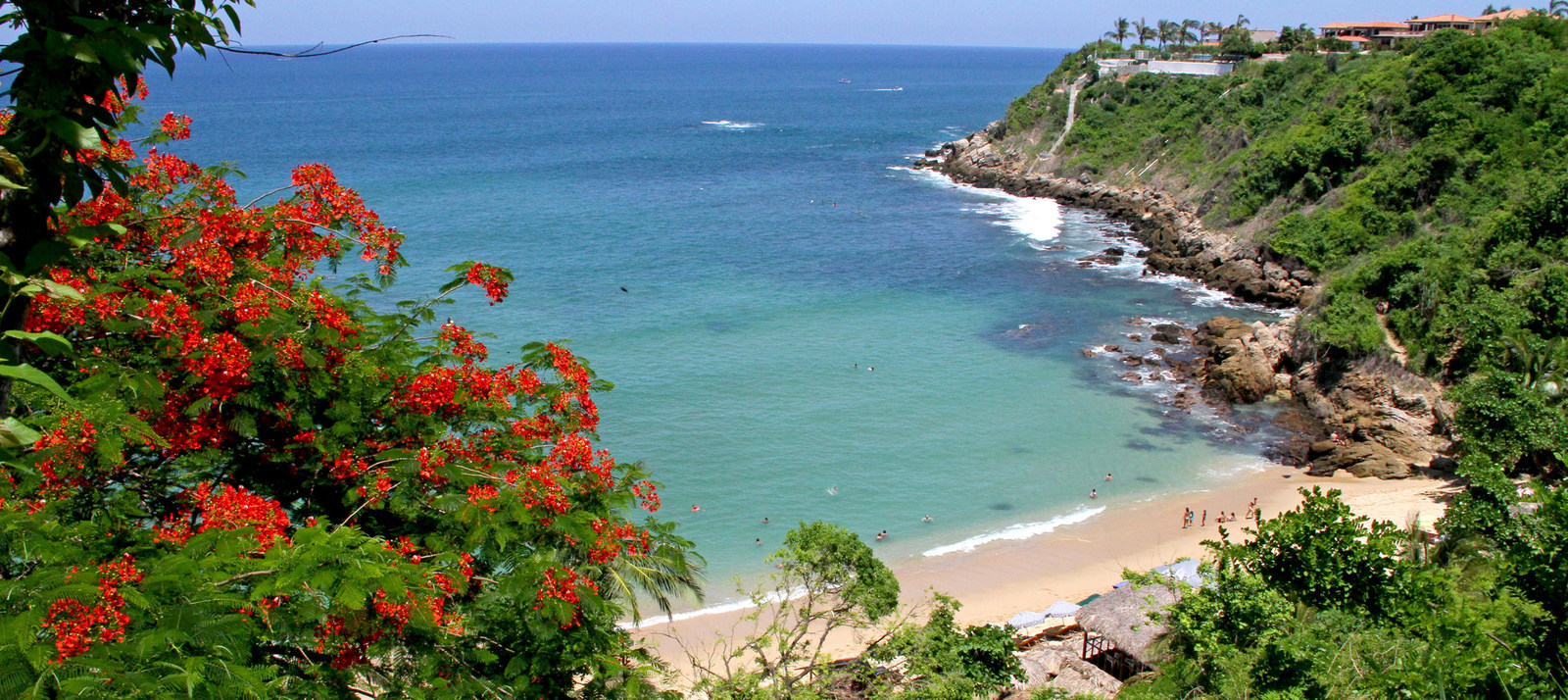
Kayaks and stand-up paddleboards reveal a quieter side of the coast around Carrizalillo Bay and the headlands toward Mazunte. Depending on the tide, paddlers can enter rocky coves, pass sea caves and watch seabirds working above the water. The perspective makes familiar beaches feel surprisingly remote.
Start early, when winds are lighter, and check the ocean forecast because a modest offshore swell can make exposed paddling difficult. Keep a safe distance from breaking waves and rocky shelves, and never approach nesting turtles or resting marine wildlife. A guided outing is worthwhile for anyone unfamiliar with reading currents or landing safely.
Hike and ride through coastal landscapes
For a change of pace, the foothills and headlands around Mazunte and San Pedro Mixtepec provide rewarding walks with views over farming valleys and the Pacific. Local guides can lead routes through scrub, cactus and dry woodland, stopping at village cafés or family-run produce stalls along the way. Some paths cross private land, so permission and a local guide prevent accidental trespass.
Cycling is another practical way to explore, although the coastal highway carries heavier traffic and limited shoulders. A quieter early-morning route is more enjoyable, ideally with a guide who knows side roads, shortcuts and safe places to pause. Mountain bikes suit rougher tracks better than standard road bicycles.
See Oaxaca’s coast from the air
A helicopter or small-plane tour changes the scale of the landscape. From above, the line between beach, lagoon and mountain becomes easier to understand, and reefs, coves and remote shoreline appear that are difficult to reach on foot. Flights operate according to visibility and wind conditions, so schedules can shift quite quickly in the wetter months.
Before booking, review coastal flight preparation and confirm baggage limits, hearing protection, boarding arrangements and cancellation terms with the operator. Australians familiar with the Great Ocean Road may appreciate the comparison, but the Oaxacan coastline has a rougher, more isolated character of its own.
Build one well-paced adventure day
Plan by geography rather than trying to complete every activity. Surfing, diving and cave walks work better on separate days, while paddling and coastal walks can share a morning if the tide is right. Private transfers from Playa Palmarito save time, and an early start usually gives the broadest choice of conditions. Keep a weather-dependent alternative ready for the afternoon.
Your next step is to reserve a two-hour surf lesson at Costa Chica for the morning after arrival.