How to Prepare for a Helicopter or Small-Plane Tour of the Coast
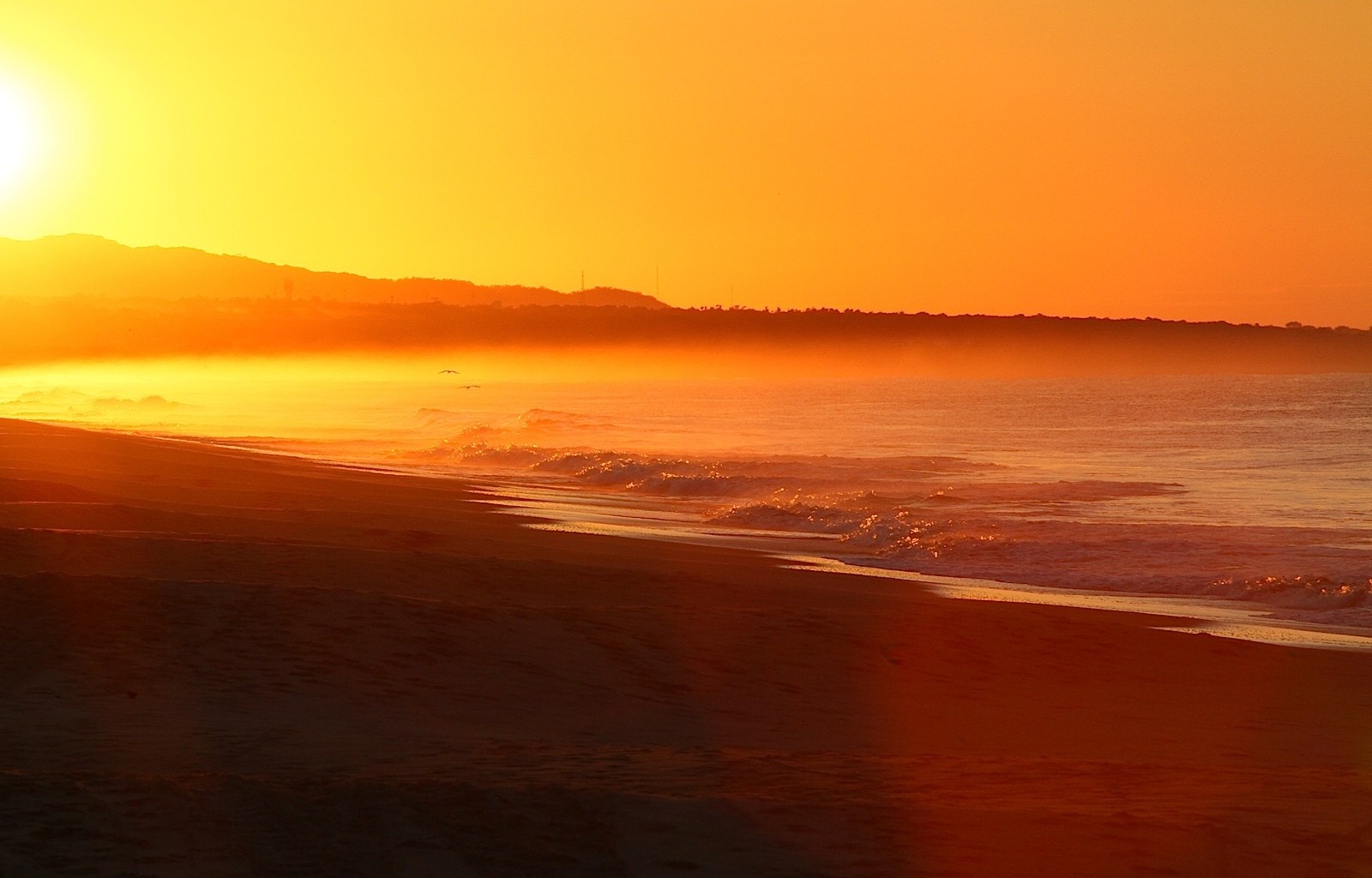
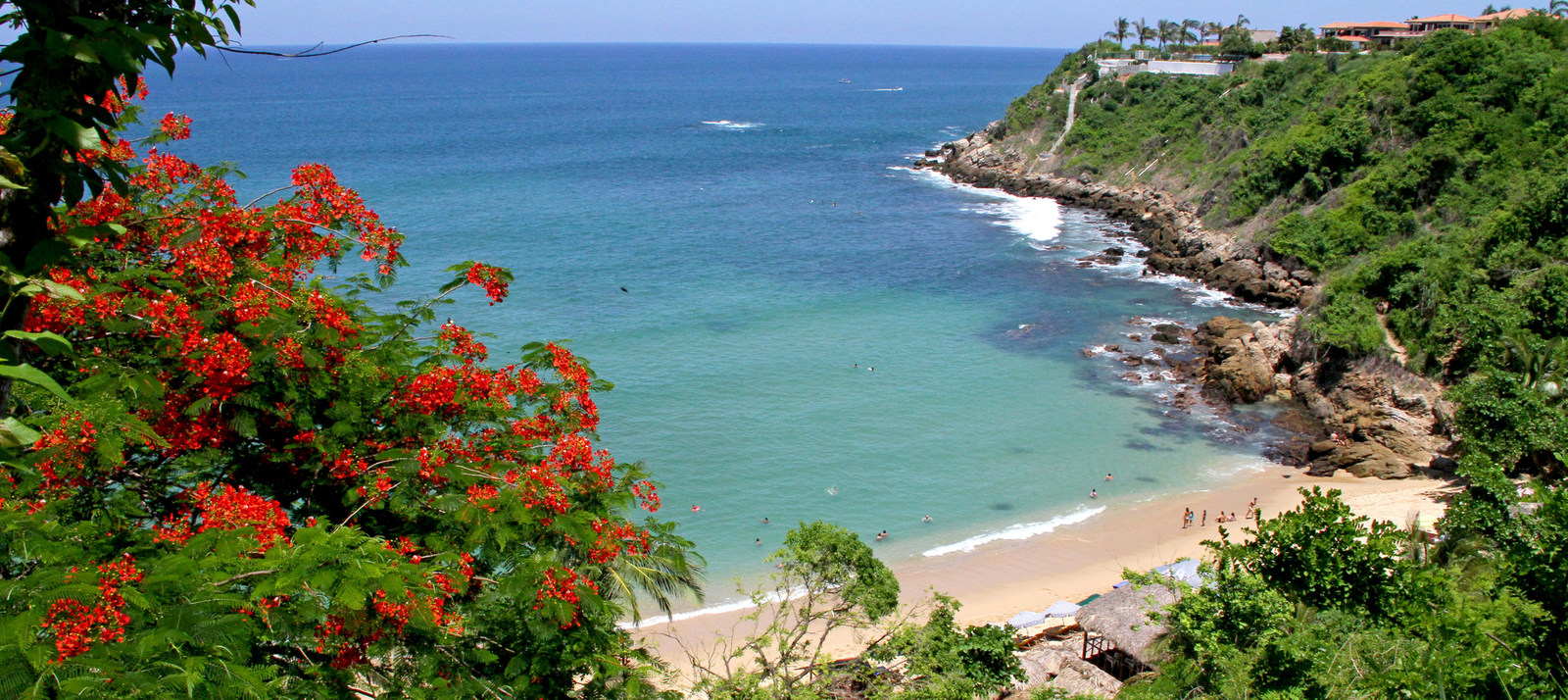
A flight along Oaxaca’s Pacific shoreline offers a perspective that is impossible to capture from the beach. From above, you may see long ribbons of sand, hidden coves, rocky headlands, fishing villages, and the deep blue transition between the open ocean and sheltered bays.
Good preparation makes the experience smoother and more enjoyable. The right clothing, realistic expectations, and a clear understanding of the route can help you stay comfortable while leaving your attention free for the scenery.
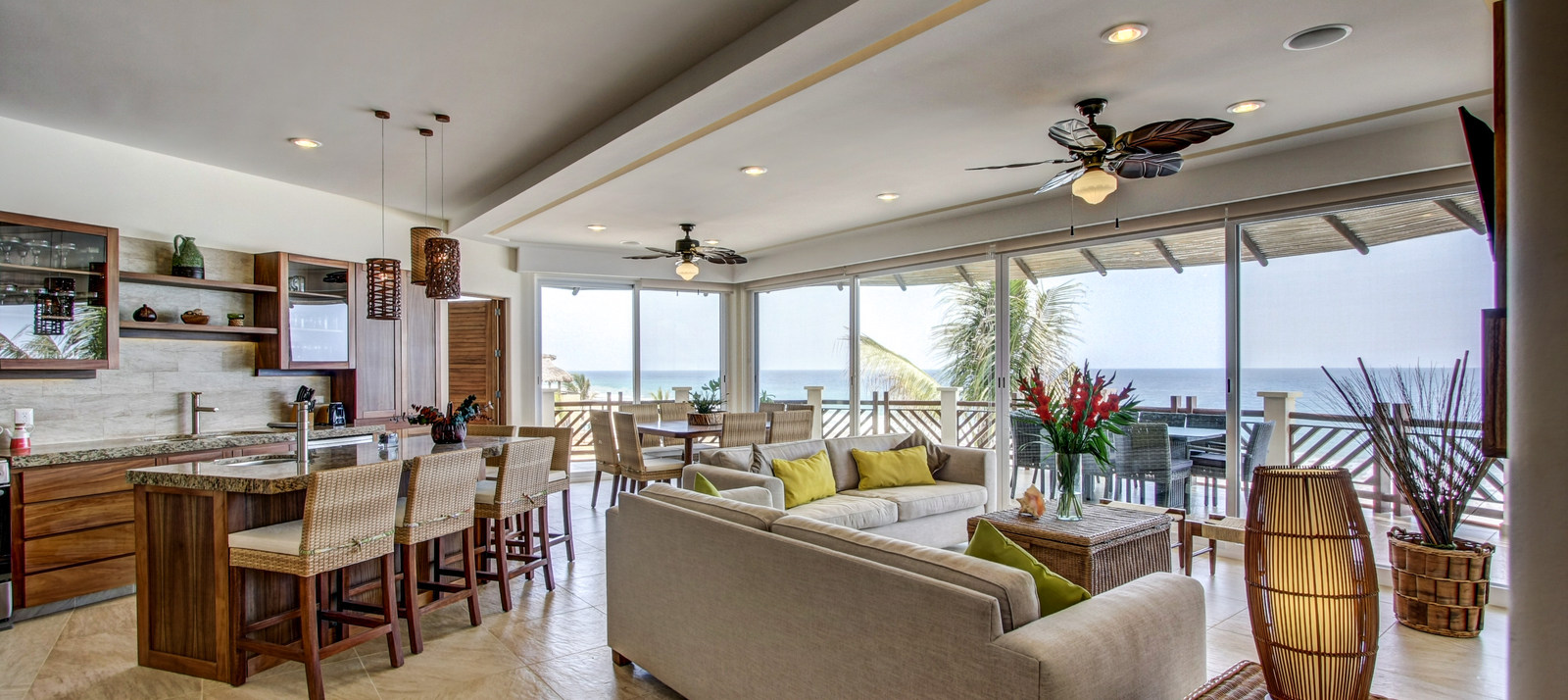
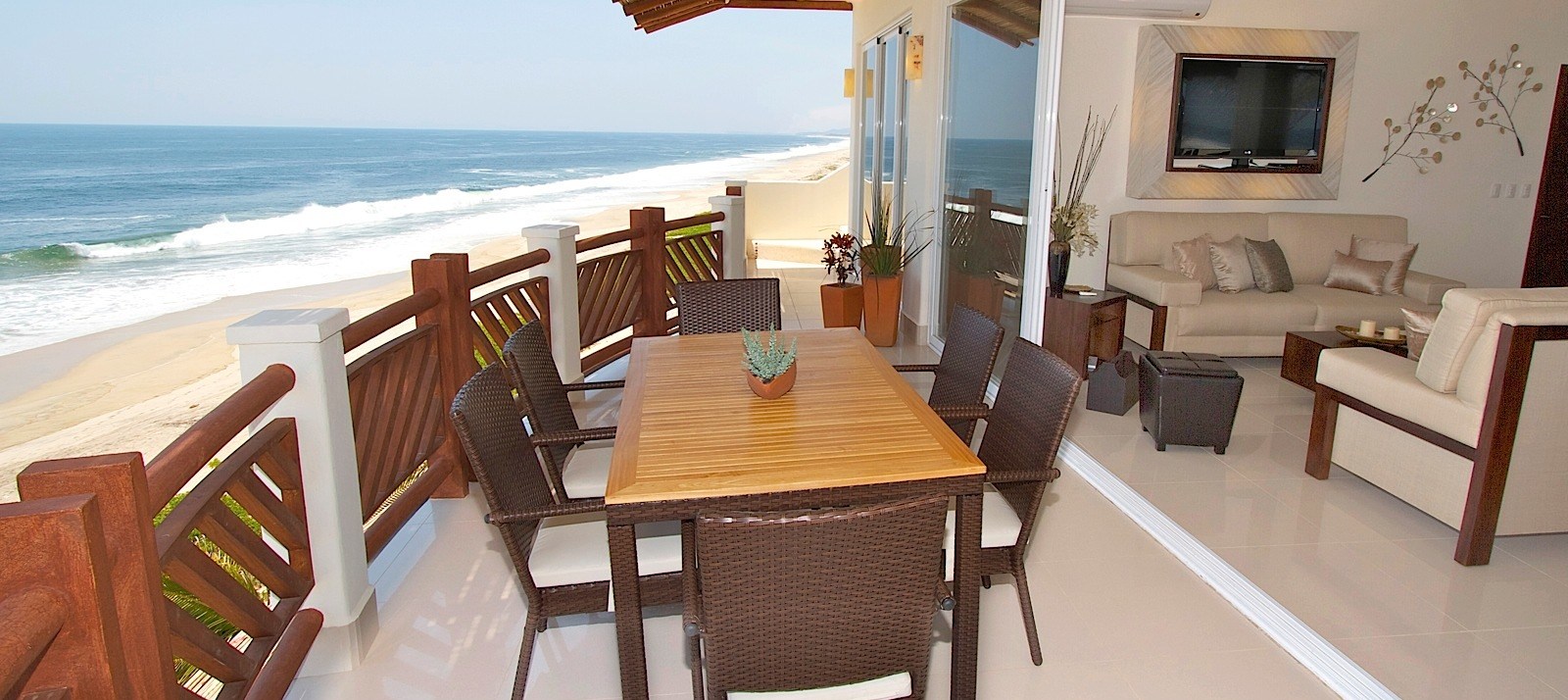
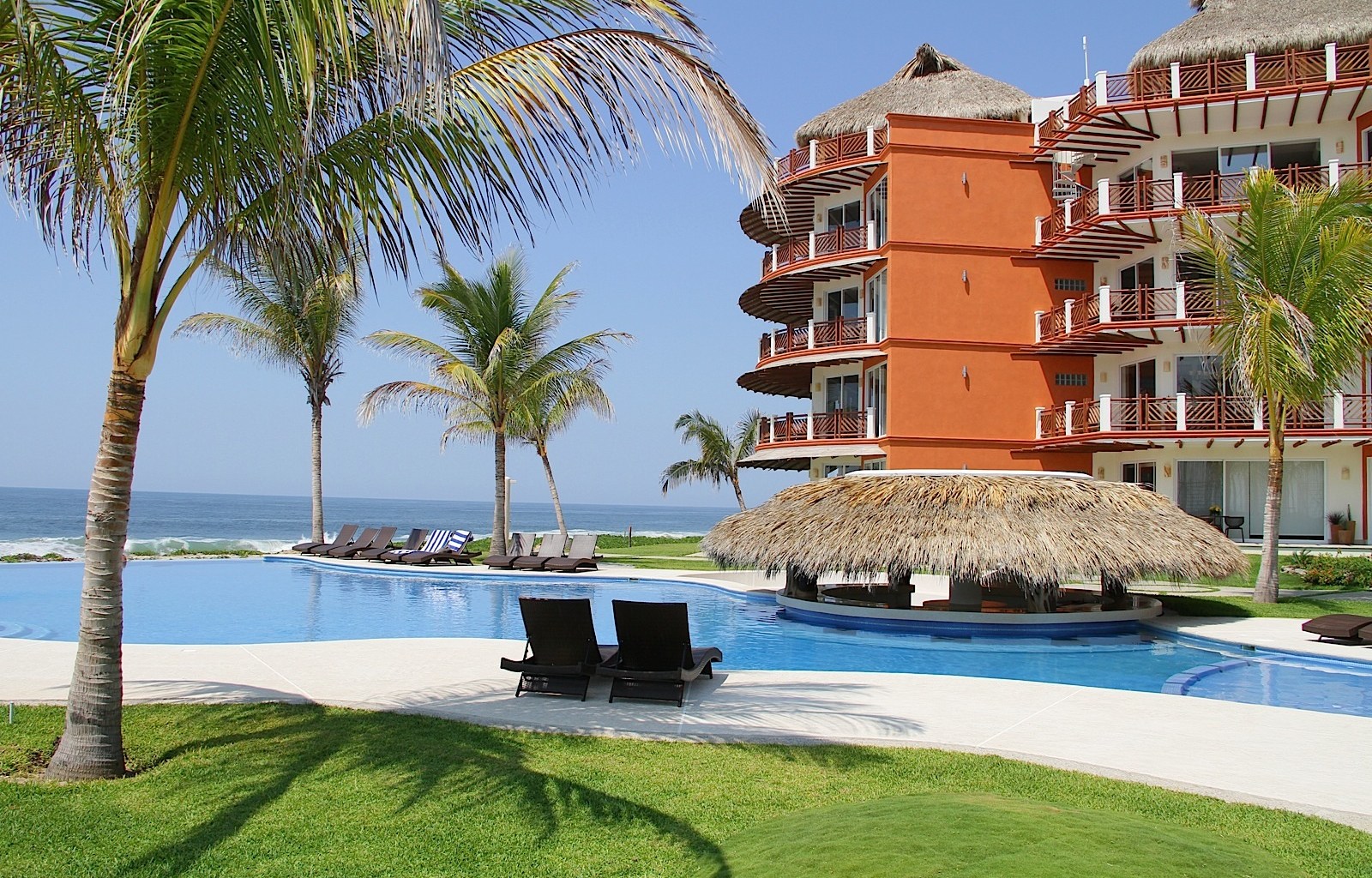
If you are staying at Vivo Resorts on Playa Palmarito, a coastal flight can fit naturally into a romantic escape, family vacation, or longer exploration of the Puerto Escondido area. Give yourself enough time around the excursion so the day feels relaxed rather than rushed.
Pick A Route That Matches Your Plans
Helicopter sightseeing flights often focus on dramatic viewpoints close to the departure area, while small-plane tours may cover a broader stretch of coastline. Depending on the operator, a route might include beaches near Puerto Escondido, lagoons, surf breaks, cliffs, or quieter sections of Oaxaca’s coast.
Ask how long you will be in the air, where the aircraft departs, and whether the route is fixed or adjusted for weather. Confirm the total duration, transfer arrangements, passenger limits, and whether hotel transportation is included. A short flight can still require several hours when check-in and ground transfers are added.
Consider what you most want to see. A couple may prefer a sunset-oriented scenic flight, while families might value a shorter daytime trip. Travelers interested in photography should ask which side of the aircraft usually has the clearest views, although seating arrangements may not be guaranteed.
Dress For Wind, Sun, And Movement
Wear lightweight clothing that allows you to move comfortably, along with secure shoes. Sandals may be fine for the transfer, but closed-toe footwear is often more practical around an aircraft. Avoid loose scarves, wide-brimmed hats, and flowing garments that can move unpredictably in strong rotor or propeller airflow.
Sun protection remains important even when the flight is brief. Use sunscreen before departure, bring sunglasses with a reliable fit, and consider a thin layer for air-conditioned cabins or cooler conditions at altitude. Choose a small bag that closes securely and complies with the operator’s size restrictions.
Large luggage, drones, tripods, and bulky camera equipment may be prohibited or impractical. Check the baggage policy ahead of time rather than arriving with items that must be left behind.
Prepare Your Body And Camera
If you are prone to motion sickness, eat a light meal and avoid heavy, greasy foods before departure. Follow any medication guidance from a healthcare professional, and tell the operator about relevant medical concerns in advance. A helicopter may involve more vibration and banking, while a small plane can experience noticeable movement in coastal air.
Keep water available, but avoid drinking so much that you feel uncomfortable during a flight with limited facilities. Families should explain the experience to children beforehand, including the noise, headset use, seat-belt rules, and the need to remain seated.
For photography, use a phone or camera with a wrist strap and turn off the flash. Reflections can affect images through cabin windows, so place the lens close to the glass without pressing against it. Shoot at a fast shutter speed when possible, and take a few moments to look away from the screen so you do not miss the view itself.
Read The Weather And Safety Briefing
Pacific weather can change quickly, and coastal visibility is affected by clouds, haze, wind, and rain. Operators may delay, shorten, reroute, or cancel a flight when conditions are unsuitable. Treat those decisions as part of responsible aviation rather than an inconvenience.
Book the flight early in your stay if your schedule allows. This creates room to reschedule if weather interferes and avoids placing the excursion immediately before a flight home, wedding event, or other fixed commitment. Morning departures may offer calmer air and clearer visibility, though the best timing depends on the season and operator.
Listen carefully to the safety briefing. Keep your seat belt fastened, follow instructions about phones and cameras, and never approach an aircraft until the crew indicates that it is safe. At a helicopter landing area, secure loose items and wait for staff guidance at all times.
Compare Flight Options Before Booking
The best choice depends on your priorities, budget, comfort level, and available time. A private helicopter provides flexibility and an intimate setting, while a shared small-plane tour may cover greater distances at a lower per-person cost. Neither option is automatically better; the route and operating standards matter most.
| Consideration | Helicopter Tour | Small-Plane Tour |
|---|---|---|
| Typical view | Close perspectives of beaches, cliffs, and resorts | Broad views across a longer coastline |
| Flight character | More hovering, turning, and vibration | Smoother forward travel with possible turbulence |
| Group size | Often private or very small | May accommodate several passengers |
| Best for | Short scenic flights and special occasions | Wider coastal sightseeing |
| Booking priorities | Landing procedures, noise, weight limits | Aircraft type, seating, route, and visibility |
| Weather sensitivity | Strongly affected by wind and low visibility | Also affected by cloud, wind, and rain |
Ask whether taxes, transfers, refreshments, and insurance are included in the quoted price. Weight limits can affect seating or availability, so provide accurate passenger information during booking. If anyone in your group has mobility limitations, discuss boarding arrangements before paying.
Keep The Flight Day Simple
Build a practical schedule around the air tour instead of filling every hour with activities. Allow time for transportation, check-in, the flight itself, and possible delays. Keep valuables at your accommodation and carry only the essentials permitted by the operator.
Use this short flight-day checklist:
- Confirm the departure location and pickup time the evening before.
- Wear secure clothing, comfortable shoes, and fitted sunglasses.
- Eat lightly, hydrate sensibly, and bring approved medication if needed.
- Charge your phone and camera, then pack them in a closed, compact bag.
- Leave flexibility in your itinerary for weather-related changes.
Save the operator’s contact information on your phone, along with the resort’s front desk details. If you are traveling with children, bring a simple distraction for the transfer, but avoid items that could become loose near the aircraft.
Pair The Excursion With A Relaxed Stay
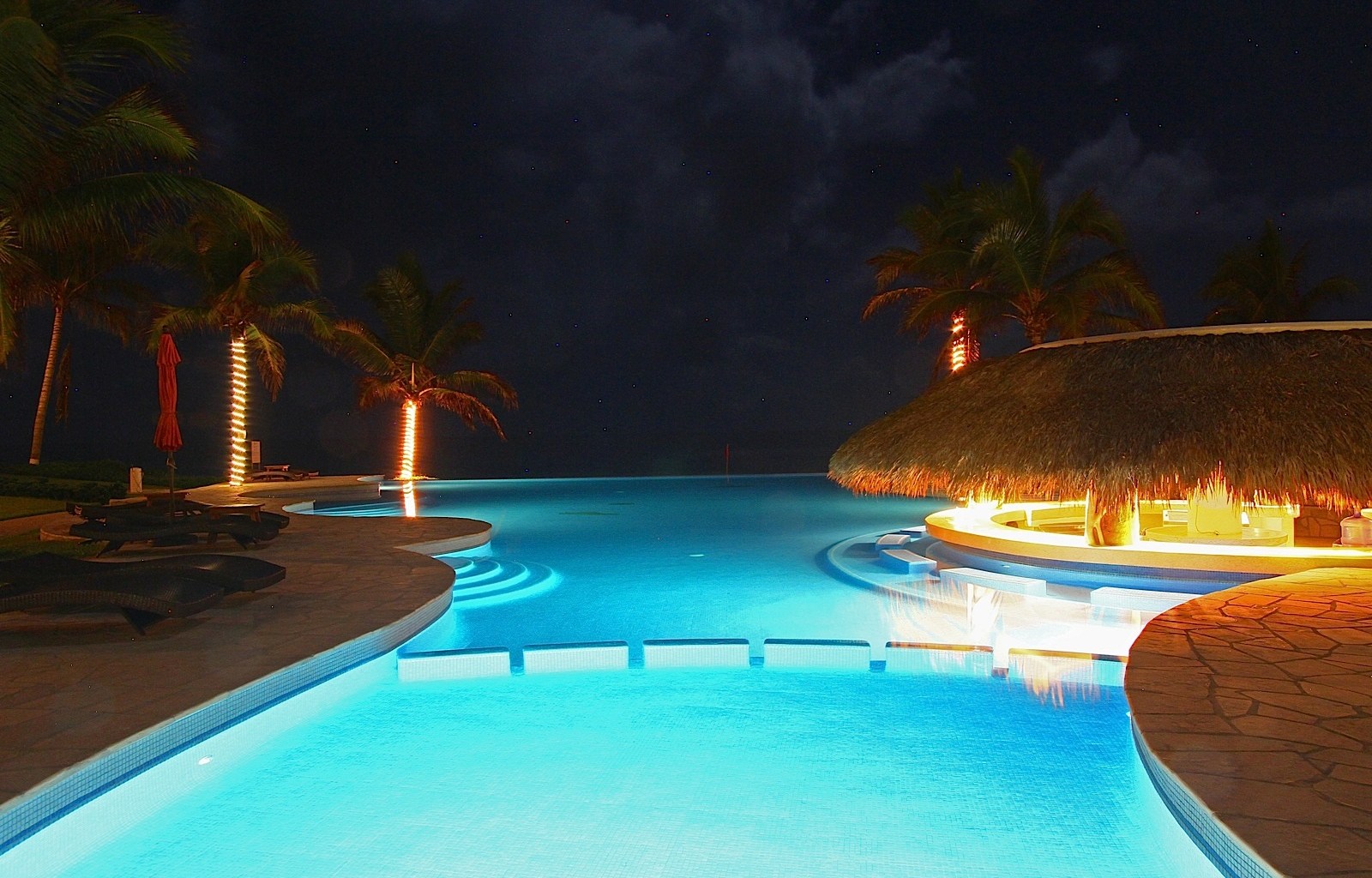
A coastal flight is most enjoyable when it complements the rest of the vacation. After returning, allow time to cool down, rest by the pool, or walk along Playa Palmarito rather than immediately starting another demanding excursion. The resort’s spacious residences and villas make it easy to keep the rest of the day private and comfortable.
Plan meals around the flight schedule and reserve a table before departure when possible. Reviewing the resort’s dining venues can help you choose between a quick meal, a leisurely dinner, or a casual drink after the excursion. A spa treatment or quiet ocean-view afternoon can also balance the excitement of time in the air.
For help coordinating accommodations, activities, and the wider Puerto Escondido experience, explore Vivo Resorts before your trip. Book the flight with a weather buffer, prepare thoughtfully, and let the coastline become one memorable part of a well-paced Oaxaca getaway.