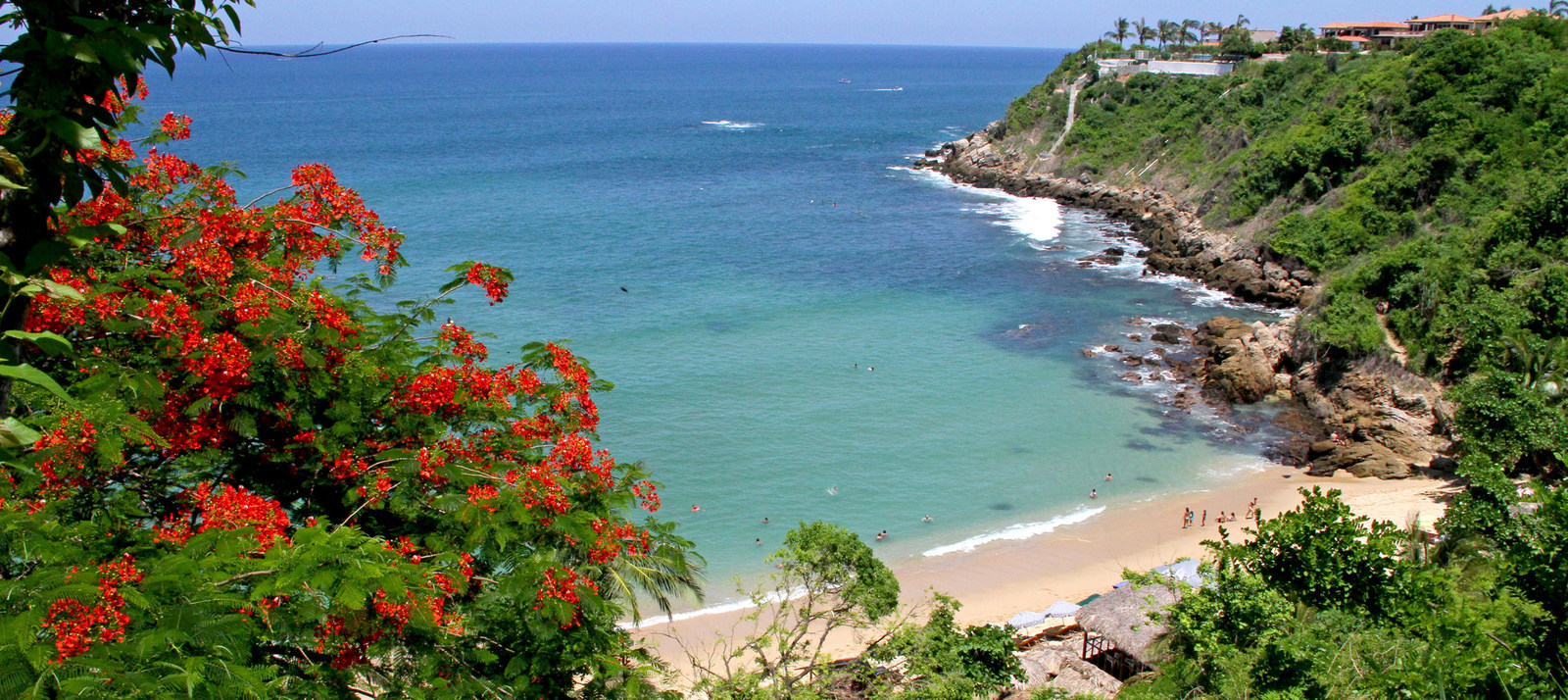
How to enjoy a yoga session with ocean views at the resort
A morning yoga session at Vivo Resorts can combine slow movement, ocean air and uninterrupted views across the Pacific. Residents can practise beside a private villa, while couples and solo travellers can choose a beachfront-facing space. The rhythm suits honeymooners, families and wedding parties as easily as guests who simply want a quieter morning by the sea.
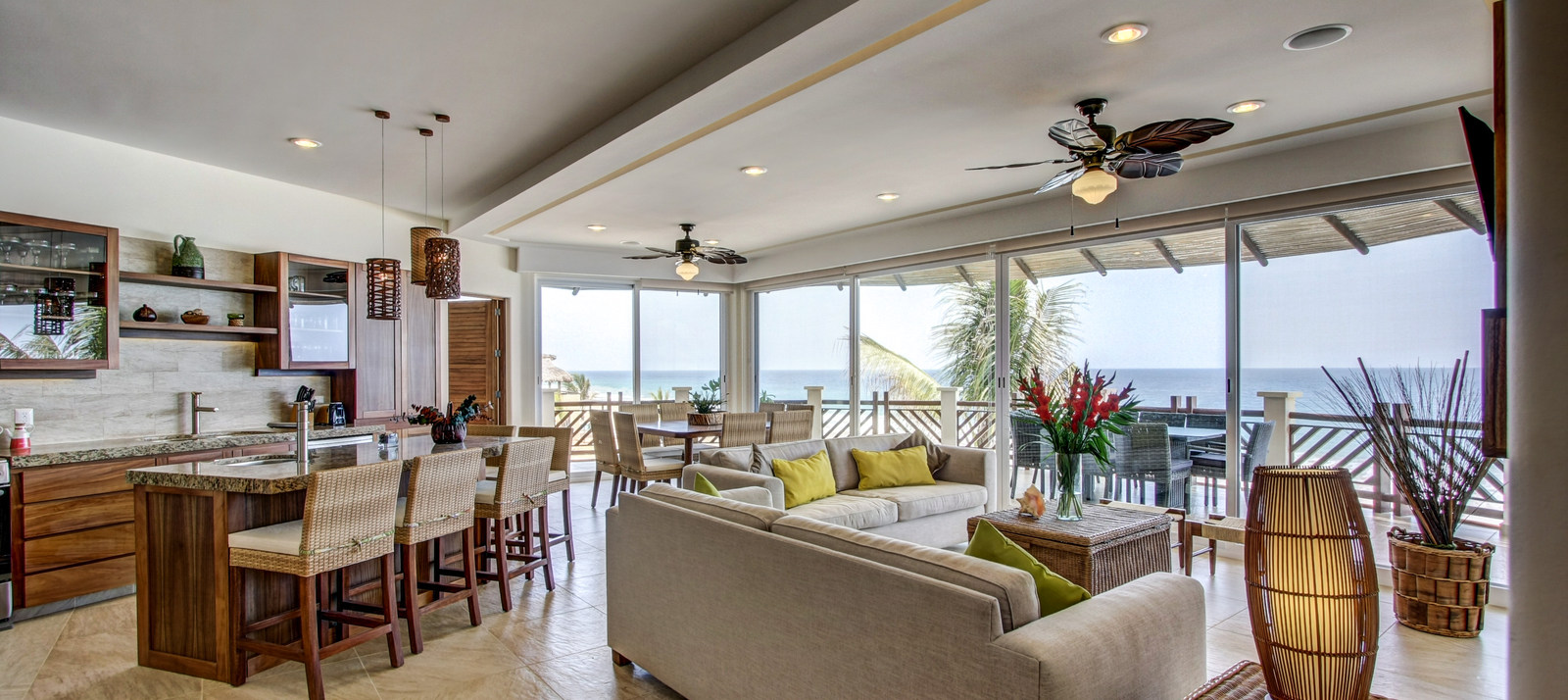
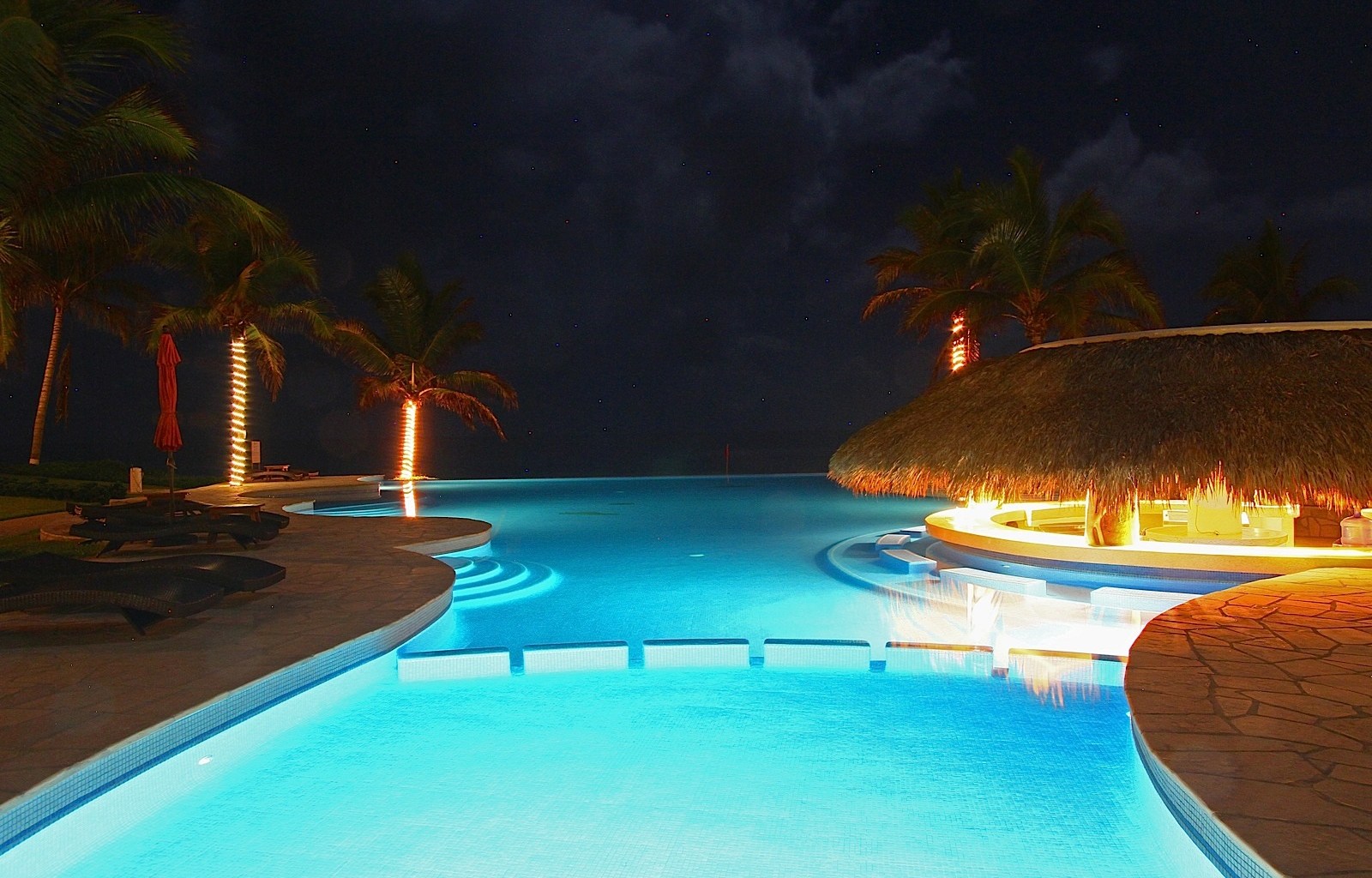
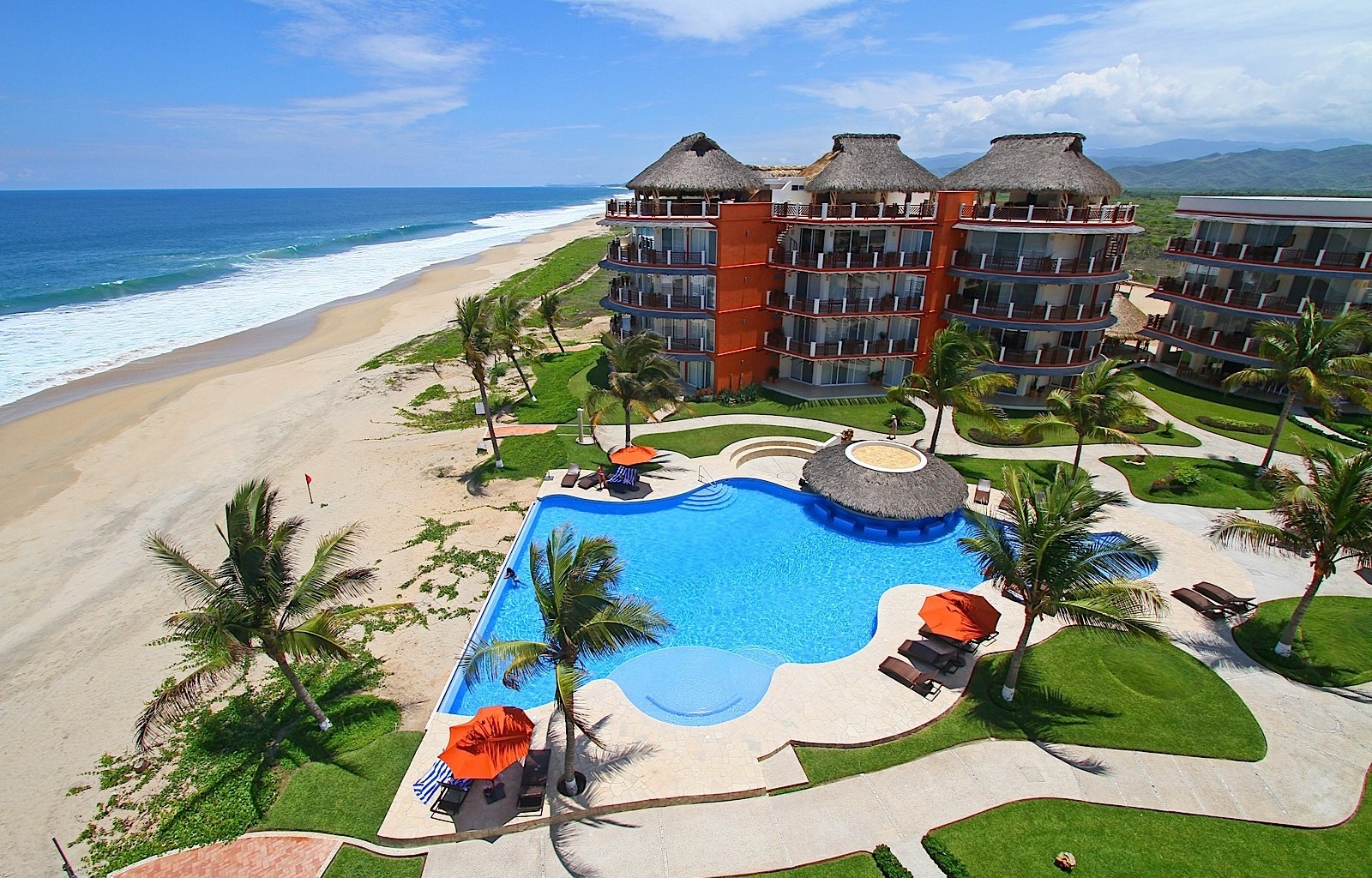
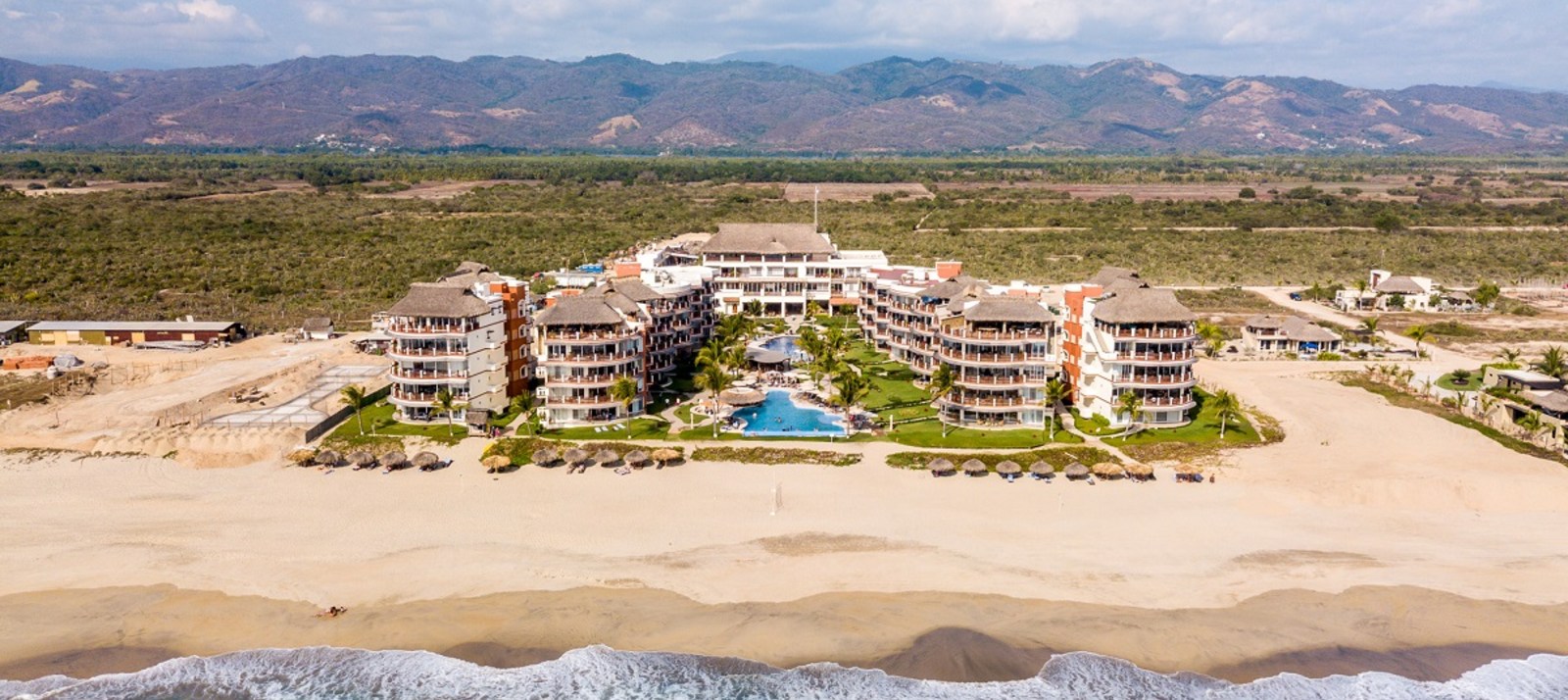
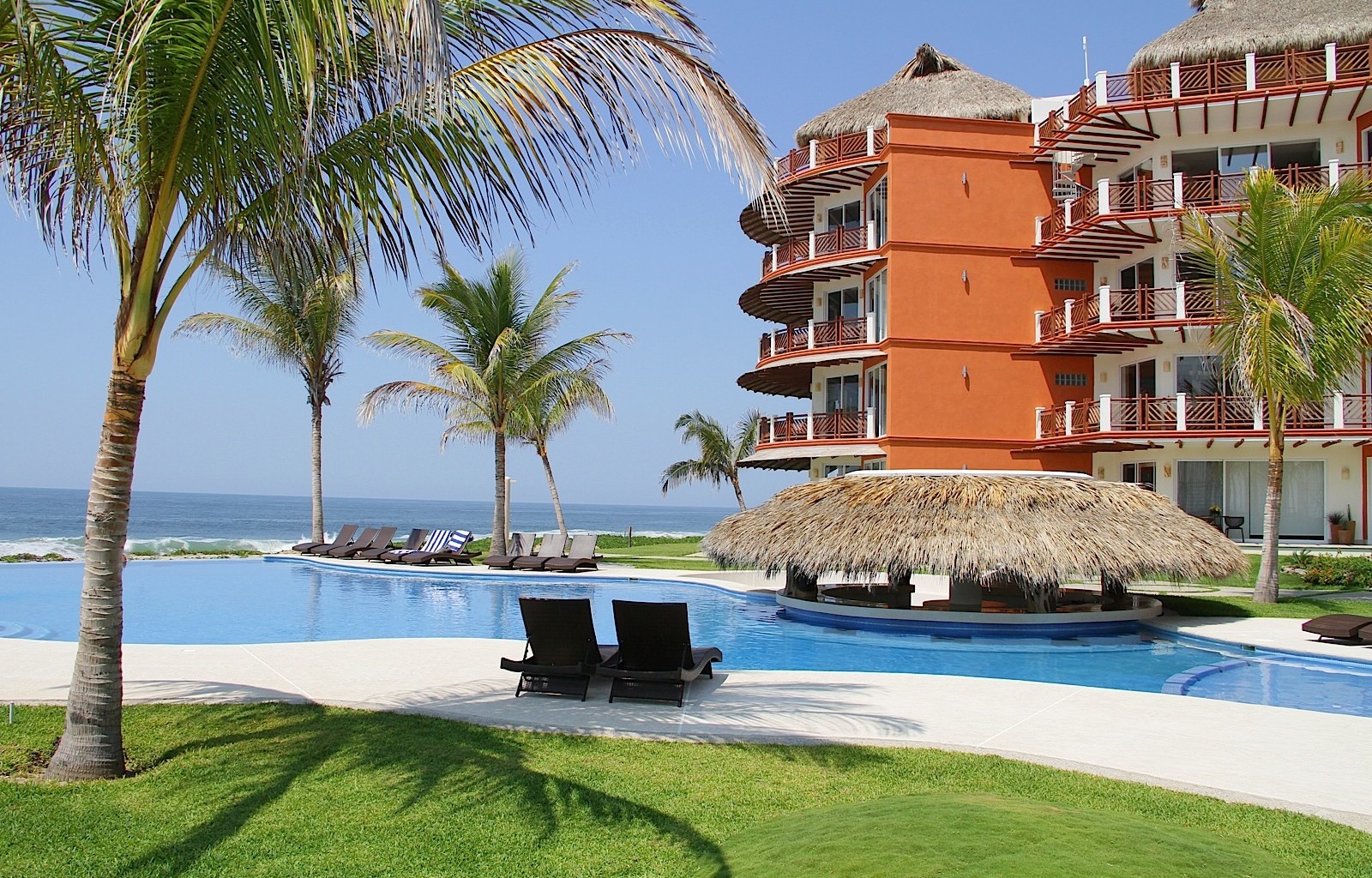
Vivo Resorts occupies a beachfront setting on Playa Palmarito, near Puerto Escondido in Oaxaca. Spacious residences, private villas, pools, dining venues and a full-service spa make it easy to build a restful day around one session rather than rushing between activities. Nearby beaches and coastal excursions provide a natural extension after yoga.
Australian travellers often compare Playa Palmarito with familiar shores such as Bondi, Byron Bay and the Gold Coast, but the Mexican coast offers a different pace and warmer conditions. It is common to research hotels through online agencies, compare the full Australian-dollar cost, then contact a property directly when children, room layout or private-villa access matter.
Sydney is generally 16 or 17 hours ahead of Playa Palmarito, depending on daylight saving, so session times can look misleading on a booking screen. Confirm the local hour in writing, keep a flexible arrival plan around long transfers, and leave enough space to settle in before the first movement.
Prepare for Playa Palmarito’s coastal warmth
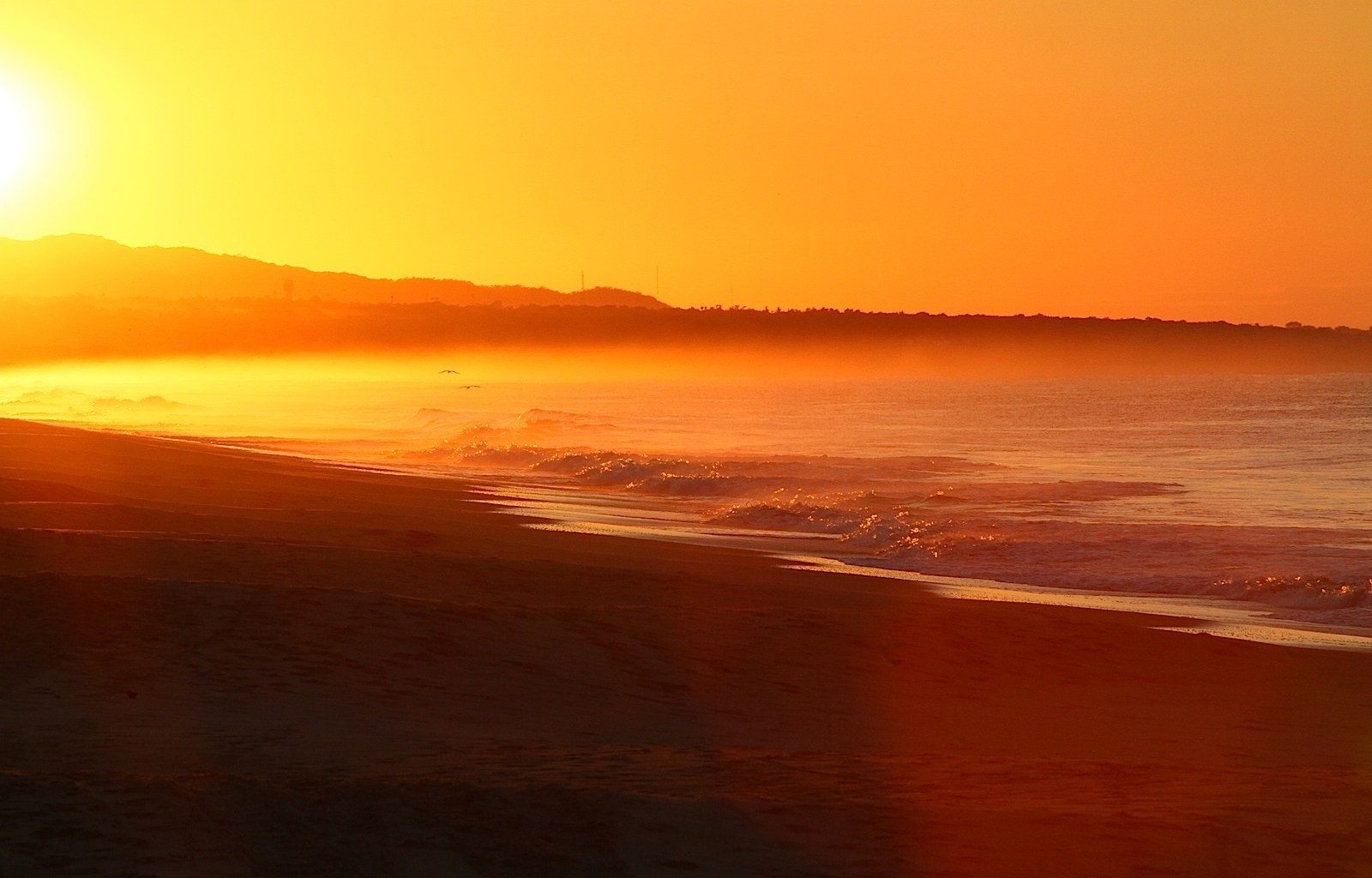
Mexico’s Pacific coast is often warm and humid when southern Australia is enjoying summer. Temperatures are quoted in Celsius, and the midday sun can feel intense even near the water. For outdoor practice, an early morning or the period near sunset usually offers more comfortable conditions than the middle of the day.
Bring water, a light covering for your shoulders and broad-spectrum SPF 50+ sunscreen; a familiar Cancer Council product is a sensible choice for many Australians. Secure hats, sunglasses and loose items before a breeze picks up, and remove outer layers for sun salutations so they do not restrict your range of motion.
The resort’s guide to beating peak heat offers further ways to make the warmest hours more comfortable. Combine that advice with hydration, shade breaks and an unhurried session rather than trying to match a demanding practice you would manage easily at home.
Find an ocean-facing practice space
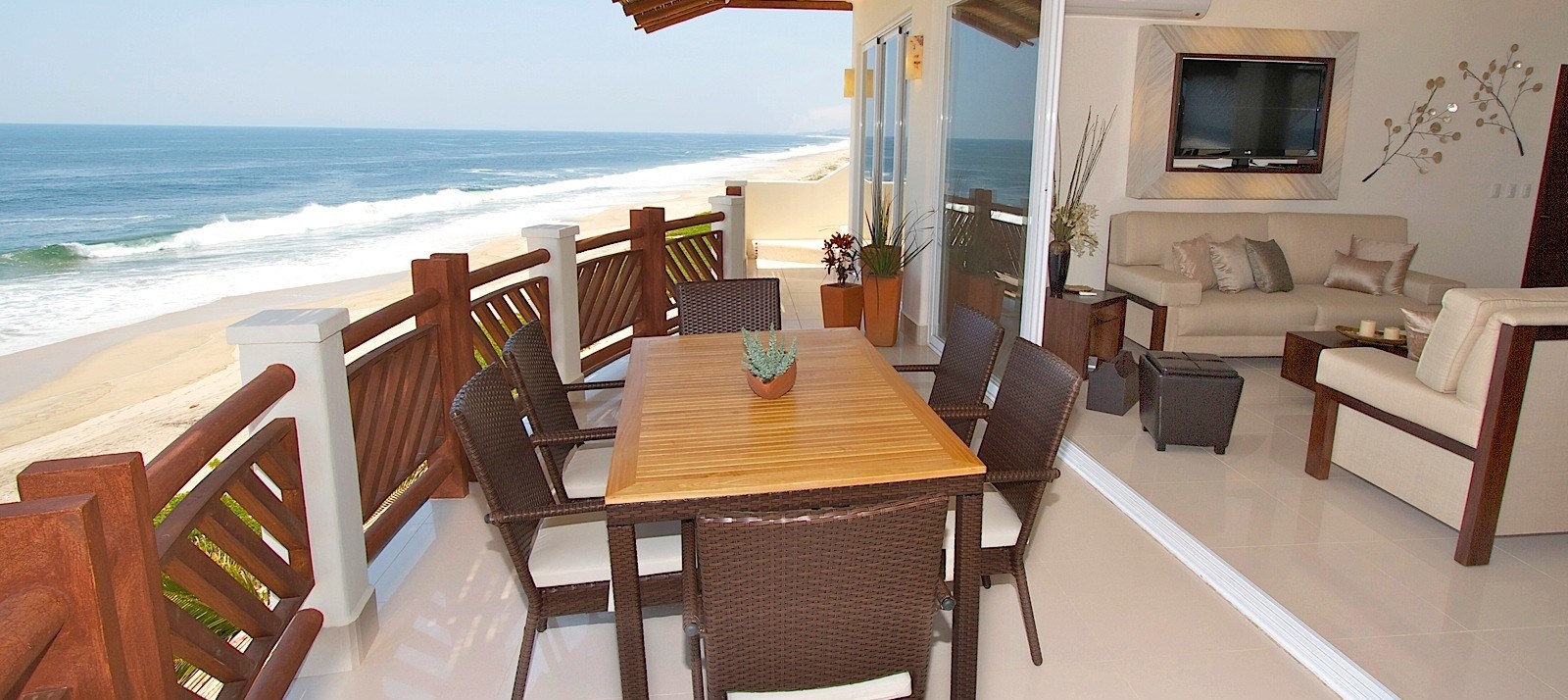
The ideal location depends on whether privacy, a direct horizon or a barefoot beach experience matters most to you. Ask about an ocean-facing deck, a villa terrace, a shaded garden space or a sand-based setup, as availability will vary by season and group size. None should be assumed without confirmation.
For a particular room, view or session time, contacting the resort before travel is the clearest way to check the details. Give your group size, experience level and preferred date, then request confirmation of the exact location, available props and whether the practice area has natural shade.
Ocean wind can be refreshing, yet it also affects balance and turns loose mats, towels and paper notes into distractions. A sheltered edge of the deck may work better for beginners than an exposed corner, while experienced practitioners may enjoy the greater airflow. Wear grippy soles if bare feet feel unstable on hot or uneven ground.
Shape a session that feels right
Arrive 10 to 15 minutes early so the instructor can adjust your position and you can settle into the local rhythm. A light meal beforehand is better than arriving ravenous, but heavy food and large drinks are unlikely to feel comfortable during twists or forward folds.
A balanced class might move from breath work and gentle warm-ups into standing shapes, balance, floor work and a final relaxation facing the ocean. Listen to your body rather than copying every posture, especially if heat, travel fatigue or unfamiliar terrain has affected your usual flexibility.
Australian directness works well here: “No worries, I would like a gentler balance” is perfectly clear to an instructor. Share any relevant injury, pregnancy or mobility considerations, and skip inversions if you feel unsteady; the ocean view will still be there after class.
Include partners, children and flexibility
A family does not need everyone doing exactly the same thing. One adult can practise while another rests with the children, then the adults can swap or join a shorter family session if the resort confirms it is suitable for their ages. The resort’s family suite guide helps with comparing layouts and planning space.
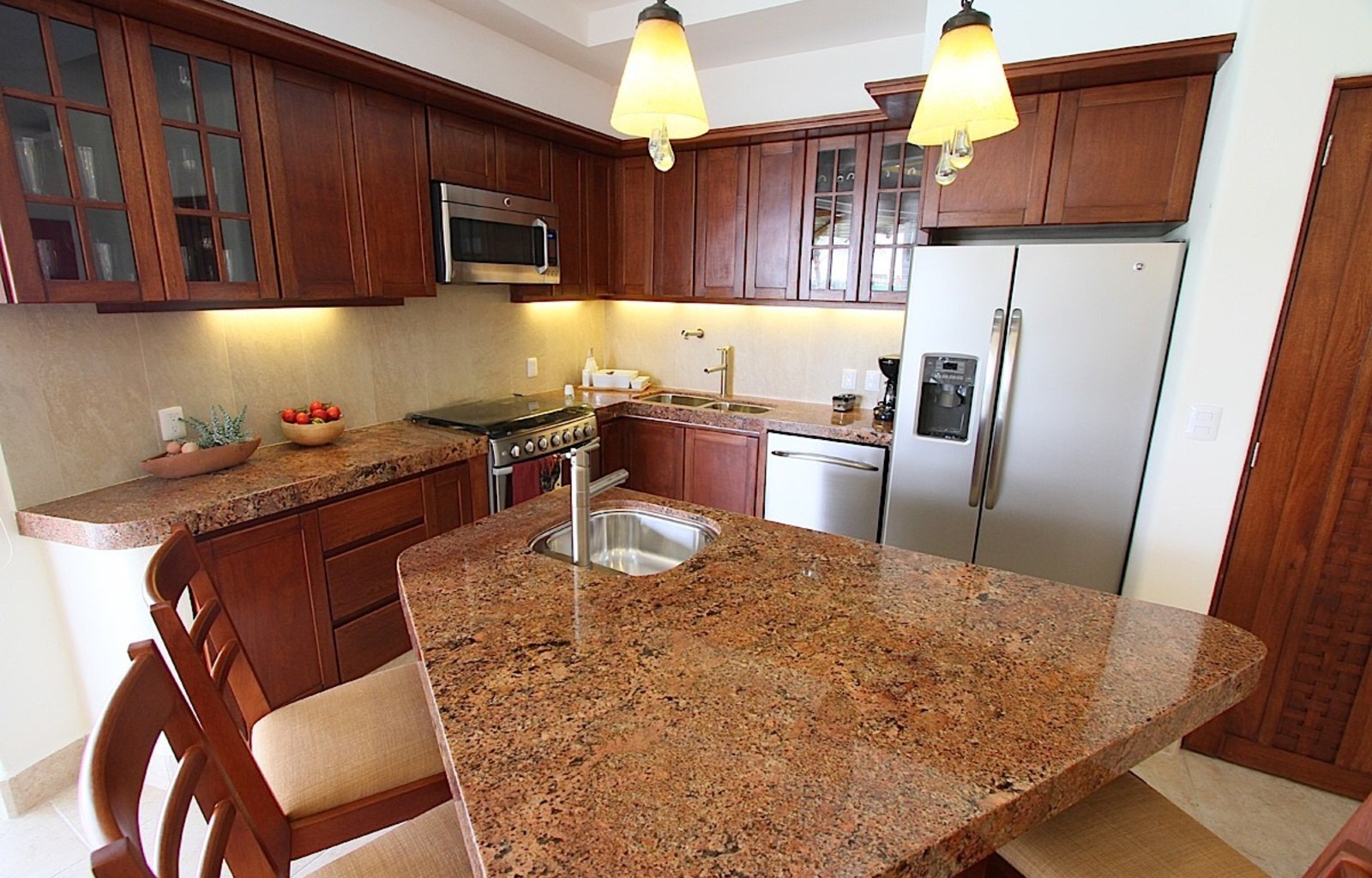
Private-villa accommodation can separate sleeping and living areas, giving children a place to wind down without cutting into the adults’ routine. Pool time, shaded breaks and easy access to dining keep the rest of the day flexible, especially because Mexican meal times may sit later than some Australian travellers expect.
For a mixed group, agree on the non-negotiables: a private setting, a beginner-friendly pace, enough water and a firm finish time. Excursions to nearby beaches, Puerto Escondido or other coastal attractions can then fit around the session without turning the morning into a rushed transfer between activities.
Compare the settings you can request
Your best option depends on privacy, comfort and how much of the ocean you want to feel. Availability changes, so treat the following comparison as a planning guide rather than a guarantee of a particular space or view.
| Setting | Best suited to | Main benefits | Keep in mind |
|---|---|---|---|
| Private villa terrace | Couples or private groups | Privacy and doorstep convenience | Confirm shade, breeze and exact view |
| Ocean-facing deck | View-focused practice | Wide horizon and open-air airflow | Exposure to sun, wind and hard surfaces |
| Shaded garden or spa area | Heat-sensitive guests and families | Cooler, calmer practice space | The ocean view may be partial |
| Beach lawn or sand session | Barefoot, immersive practice | Direct sea sounds and sand beneathfoot | Heat, uneven ground and access vary |
Before settling, ask for current photographs and a clear description of access, shade and surfaces. A private terrace may be quieter, a deck may give the widest horizon, and a beach session may feel most immersive while exposing you to sand, heat and wind.
Carry useful details into the stay
A compact checklist prevents small issues from distracting from the practice itself.
- Choose an early or late session and confirm the local start time in writing.
- Hydrate through the morning, eat lightly and keep a bottle within reach.
- Pack grippy socks, a light layer and SPF 50+ sunscreen for outdoor practice.
- Tell the instructor about your level, any limitations and your preferred modifications.
Afterward, leave time for a cool drink, breakfast or a slow walk rather than adding another demanding excursion immediately. Let the ocean remain the session’s defining feature rather than a backdrop to constant activity. The memory worth keeping is simple: an ocean-view yoga session works best when comfort, timing and a clear view come before trying to do everything.