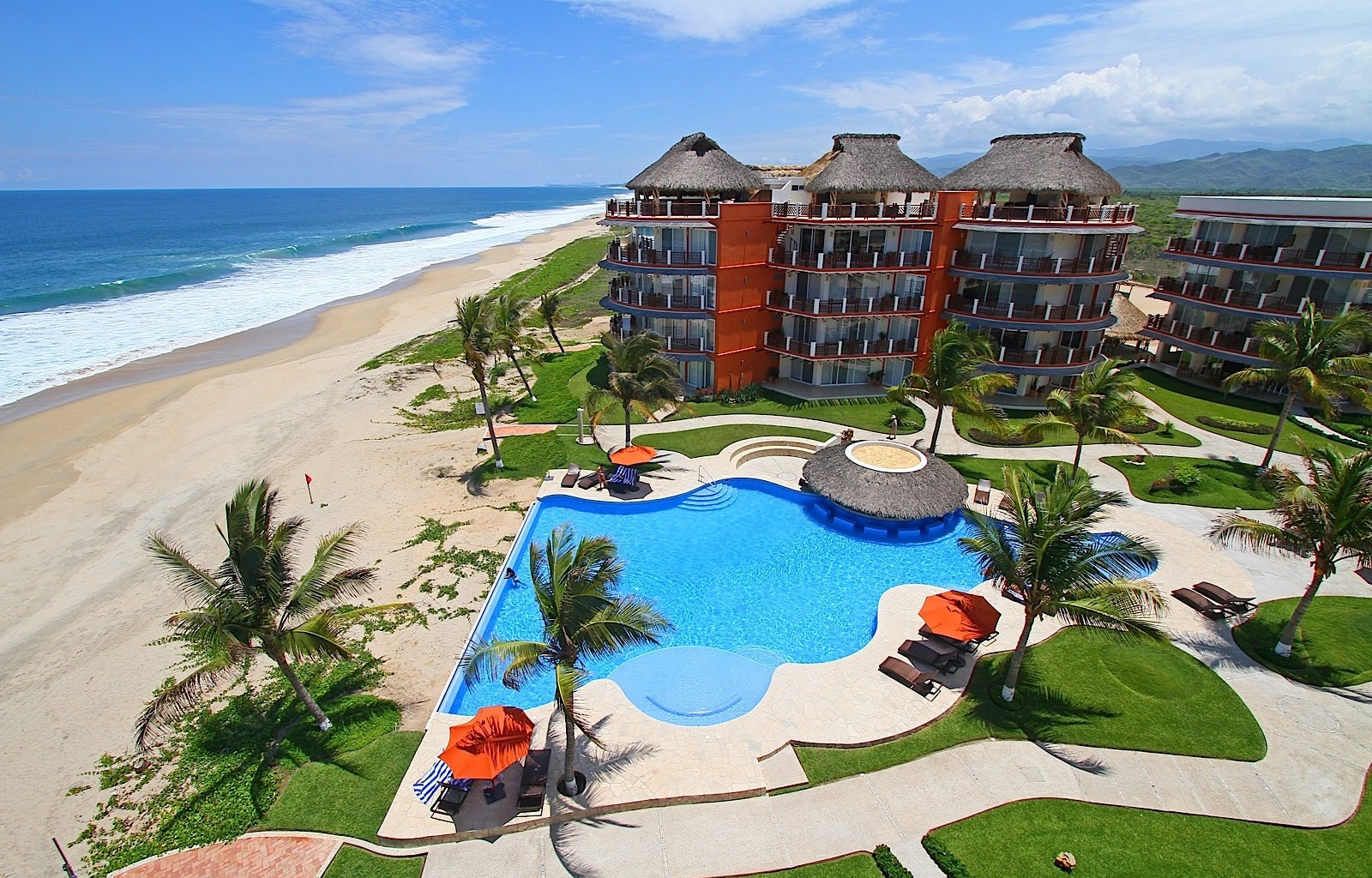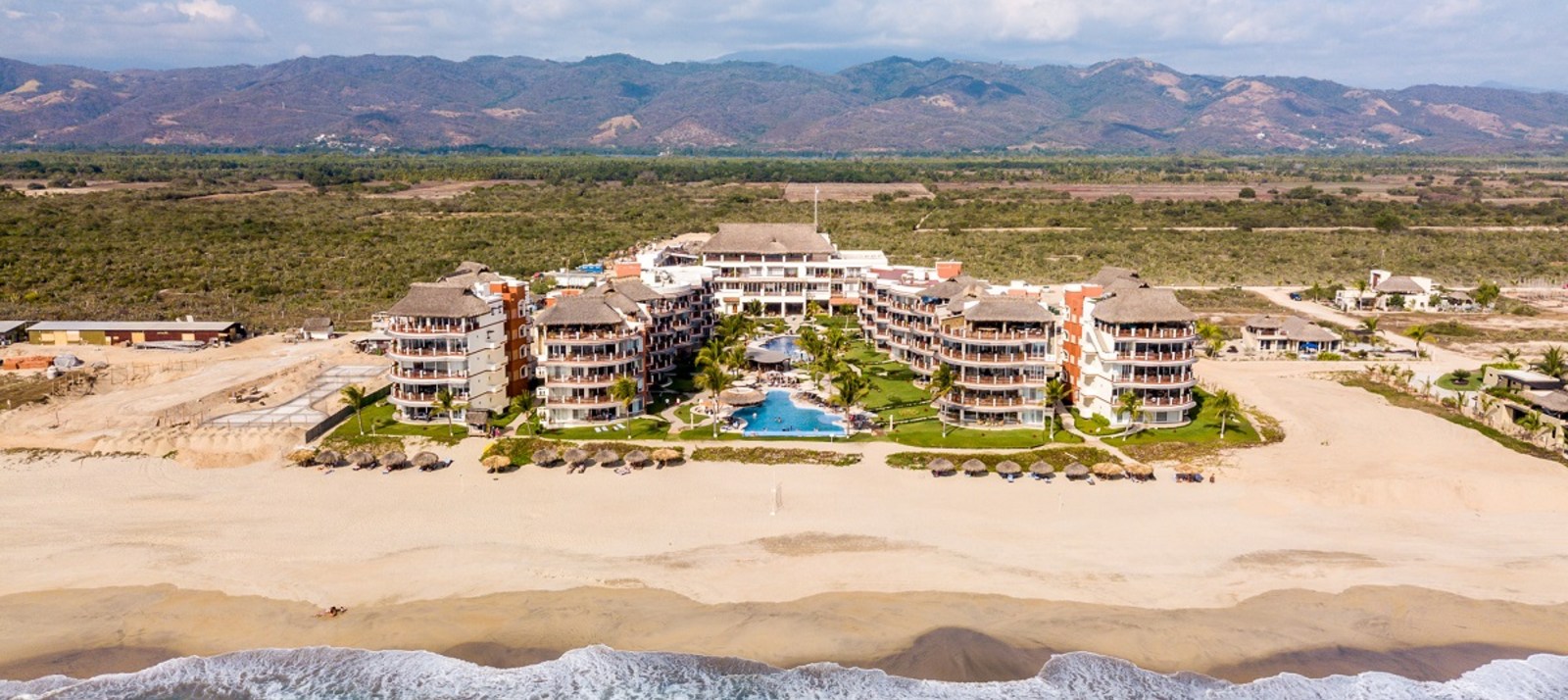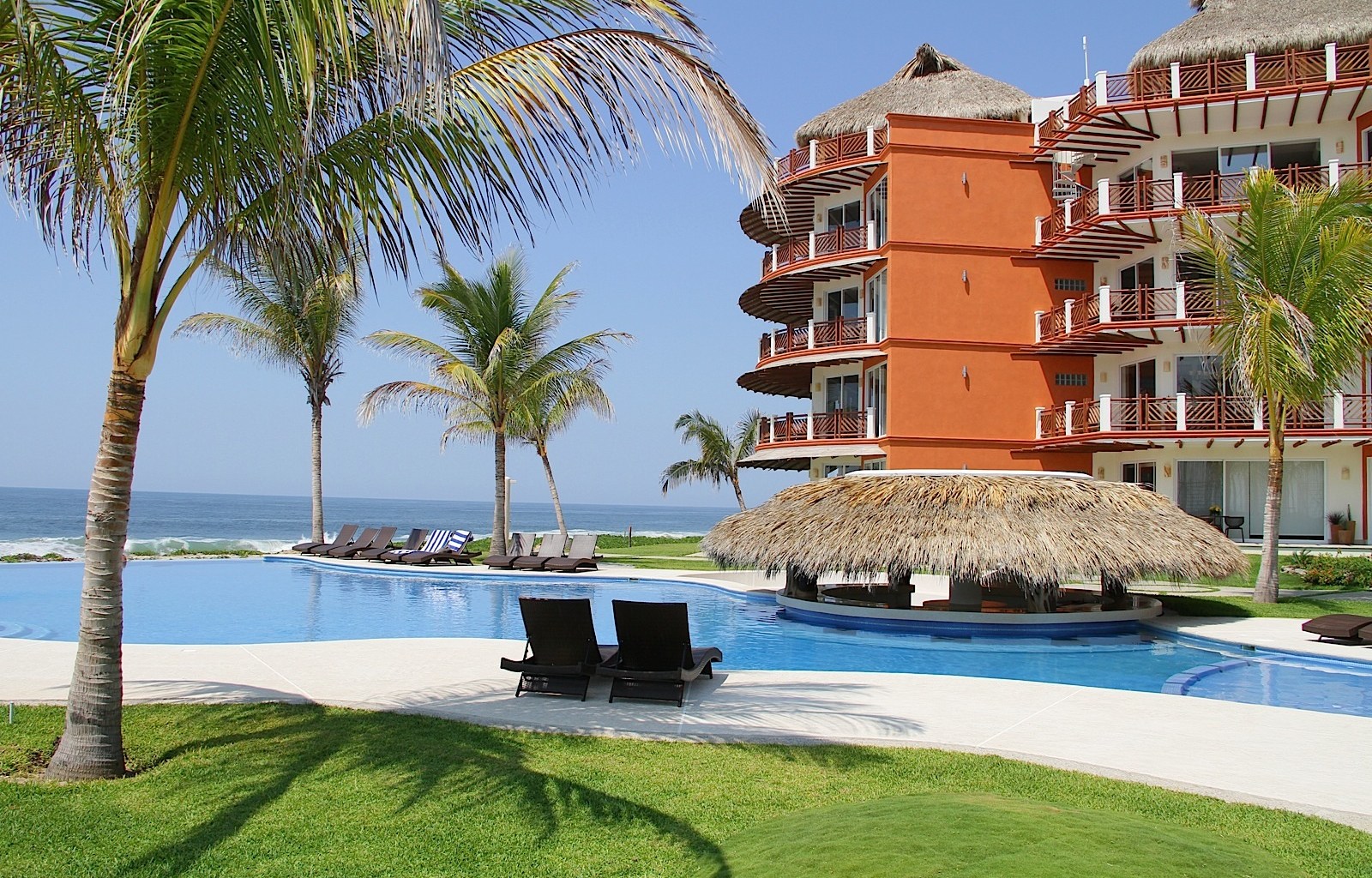
How to stay cool during the hottest hours at Vivo Resorts
Playa Palmarito enjoys a warm Pacific climate, and the strongest heat usually builds from late morning through the middle of the afternoon. At Vivo Resorts, the answer is less about avoiding the outdoors completely and more about arranging the day around shade, water, airflow and recovery time.
For travellers arriving from Australia, the rhythm may feel familiar in summer but more humid than a dry Melbourne or Adelaide day. Guests from Brisbane, Sydney and other coastal cities will recognise the value of sea breezes, though tropical sunshine can still cause rapid sunburn when the UV index is high.
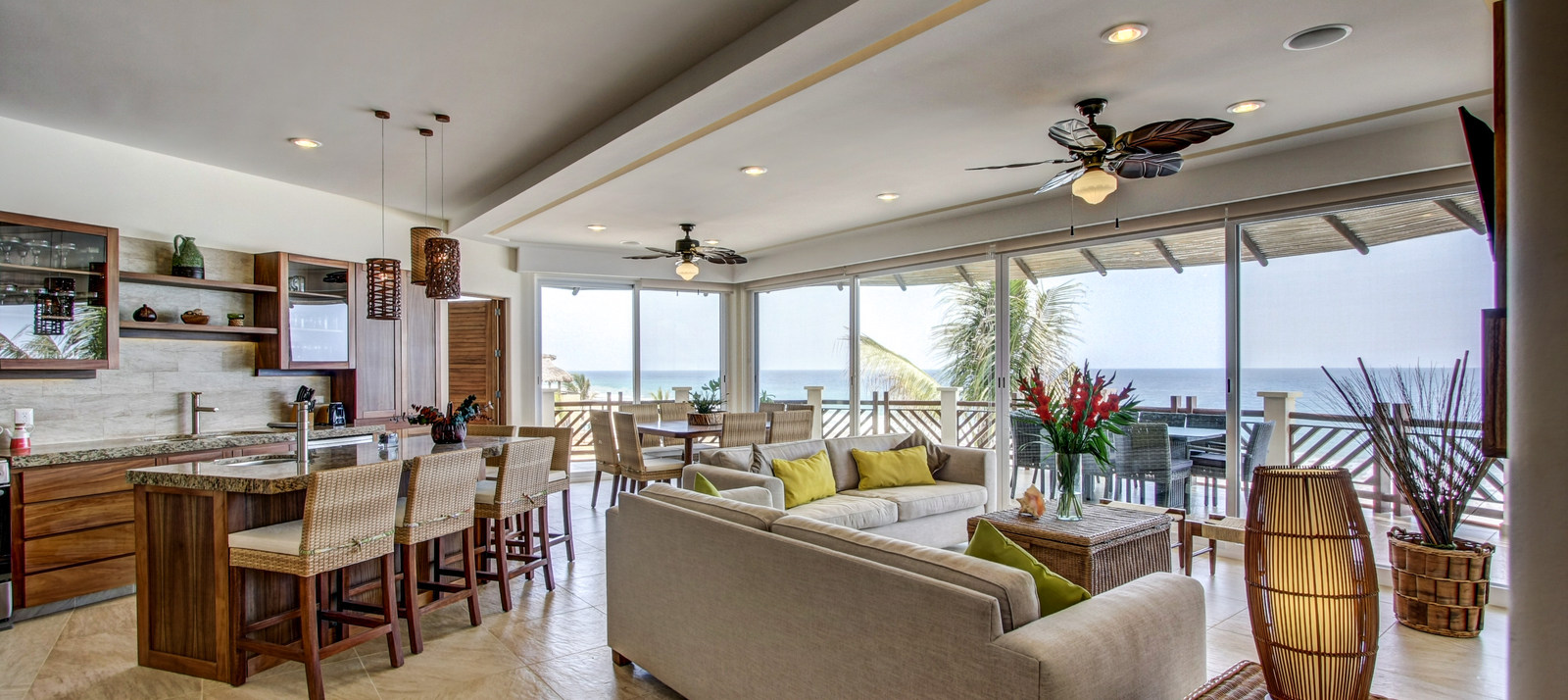
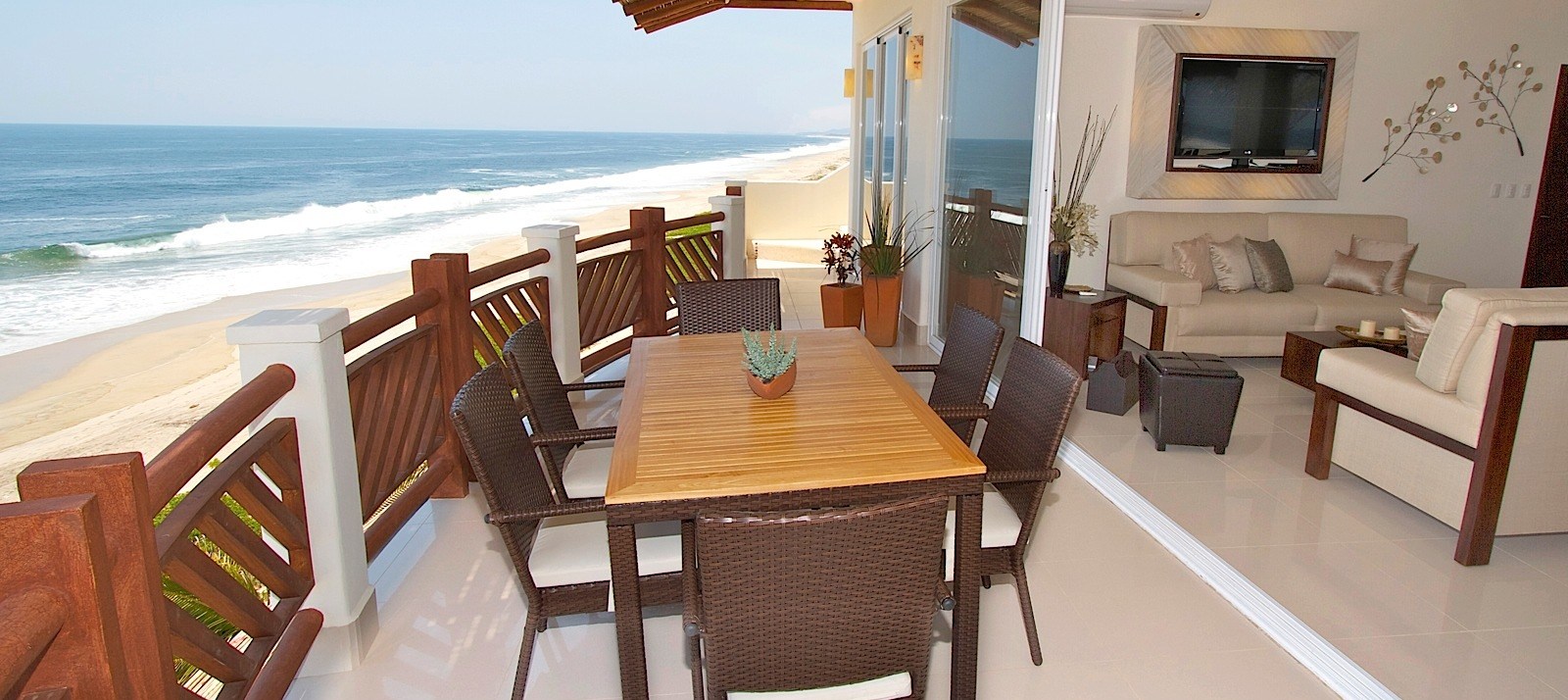
A comfortable holiday plan leaves the beach and pool for earlier or later hours, then treats the hottest period as time for a long lunch, a cool suite, a spa appointment or a quiet siesta. The resort’s spacious residences and private villas make that easier, particularly for families travelling during Australian school holidays.
Plan around the tropical rhythm
Aim for swimming, paddleboarding or relaxed beach time before 11 am, when the sand and outdoor surfaces are more comfortable. A second useful window begins in the late afternoon, when the sun is lower and the ocean breeze often feels more refreshing.
Use a weather app and check the UV Index rather than relying only on the air temperature. Australians are used to checking the Bureau of Meteorology before a beach day, and the same habit works well in Oaxaca. Heat can feel manageable while ultraviolet exposure remains intense.
Keep the middle of the day flexible. Instead of booking a long excursion at noon, reserve that period for lunch, reading, a nap or an indoor activity. This simple change prevents the common holiday pattern of becoming overheated before the afternoon has properly begun.
Turn your suite into a cool base
Close curtains or blinds on windows receiving direct sunlight, especially in the hours after breakfast. Set the air conditioning to a comfortable temperature rather than an icy one, as a dramatic change between a cold room and hot pavement can feel unpleasant and may encourage dehydration.
Place chilled water where everyone can reach it, including children. Reusable bottles are practical for moving between the residence, pool and beach, while a small insulated bag can keep fruit or electrolyte drinks cool. Guests accustomed to carrying water in Australia will find the same routine valuable here.
Keep wet swimwear and towels off beds and sofas so the room stays fresh. A quick shower after the beach removes salt and sand, and a cool, damp face cloth can provide immediate relief without making the room excessively cold.
Use water without overdoing it
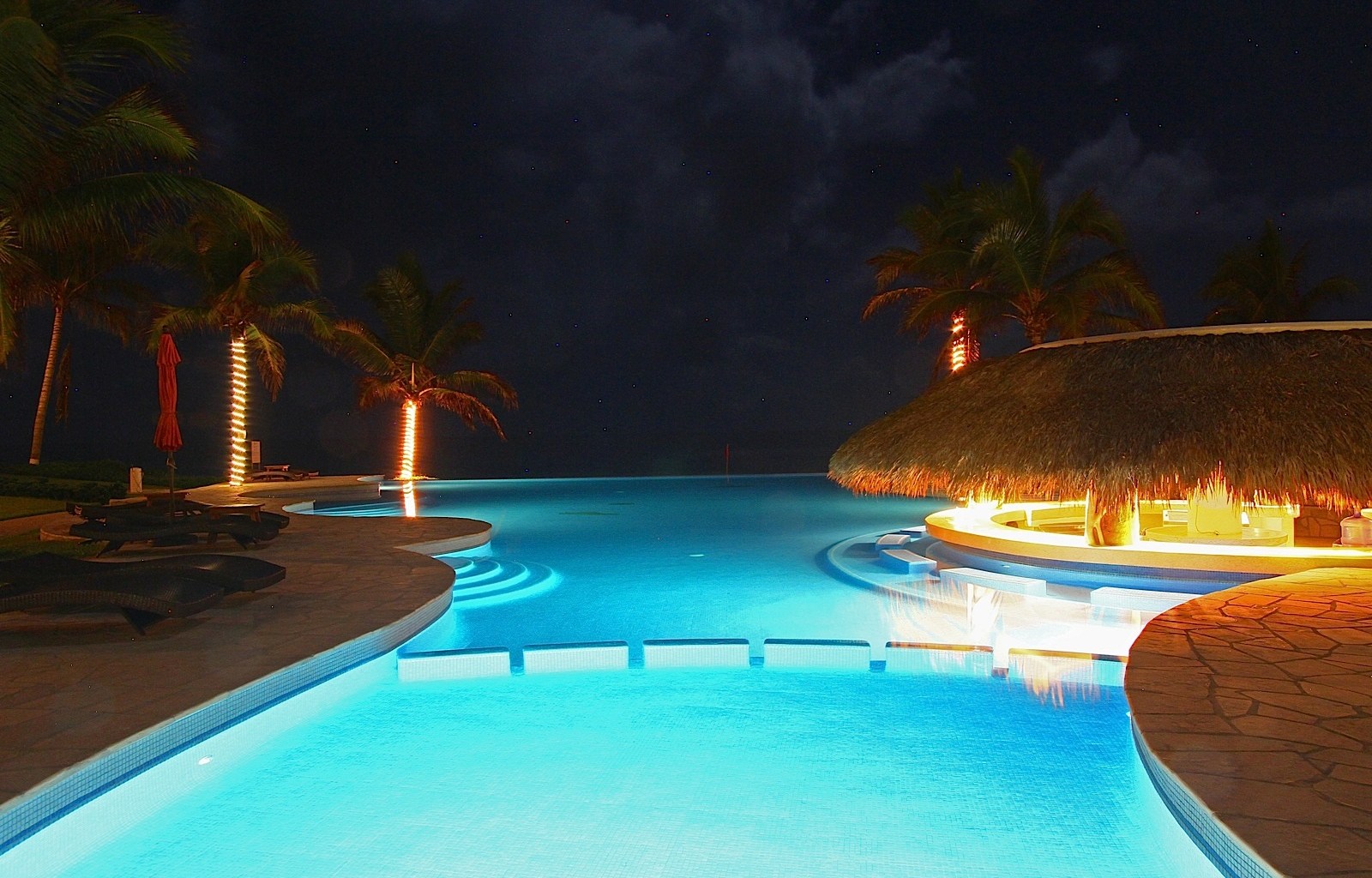
A swim is one of the easiest ways to lower body temperature, but it should be paired with shade and fluids. Take regular breaks from the pool, sit under an umbrella and reapply sunscreen after swimming or towelling off.
Do not wait until thirst becomes strong. Water should be the main drink during the hottest hours, with electrolytes useful after extended time in the sun or significant sweating. Alcoholic cocktails may be tempting beside the pool, but alternating them with water helps avoid feeling drained later.
Families can make cooling breaks part of the routine: swim for a short interval, drink water, dry off in the shade and return indoors before anyone becomes flushed or unusually quiet. Young children may not recognise heat exhaustion early, so adults should watch their behaviour as well as their skin.
Choose shaded dining and slower lunches
A long lunch is a pleasant way to avoid the harshest sunshine, especially when the menu includes fresh seafood, fruit, salads and lighter Mexican dishes. Check the resort’s dining and bars options before the day begins, then choose a venue or seating area with shade and good airflow.
Eat smaller portions if the heat affects your appetite. Fresh watermelon, citrus, cucumber and chilled soups can feel more appealing than heavy meals, while a breakfast with protein and fruit provides useful energy for an early beach outing.
The Australian habit of grabbing an iced coffee from a café can be replaced with water, agua fresca or another non-alcoholic drink during the hottest stretch. Caffeine is not automatically a problem, but relying on coffee alone is a poor way to hydrate in strong sun.
| Cooling choice | Best time | Practical benefit |
|---|---|---|
| Beach walk or swim | Early morning | Lower sun exposure and cooler sand |
| Pool break | Morning or late afternoon | Easy access to water and shade |
| Spa treatment | Midday | Air-conditioned recovery time |
| Long lunch | Around noon | Keeps guests out of peak heat |
| Suite rest | Early afternoon | Quiet, cool space for sleep or reading |
| Sunset outing | Late afternoon | Softer light and more comfortable temperatures |
Dress and protect like an Australian
Choose loose, breathable clothing in linen, cotton or lightweight technical fabric. A broad-brimmed hat, sunglasses and sandals with secure straps are more useful than fashionable but heavy layers. A long-sleeved shirt with a UPF rating can provide extra protection for boat trips and walks.
Use broad-spectrum SPF 50+ sunscreen on exposed skin and reapply according to the product directions, particularly after swimming. Australian sunscreen products are regulated by the Therapeutic Goods Administration, so travellers often arrive with familiar SPF 50+ brands from Chemist Warehouse, Coles or Woolworths; packing one before departure can be convenient.
Follow the Australian “Slip, Slop, Slap, Seek, Slide” habit: slip on protective clothing, slop on sunscreen, slap on a hat, seek shade and slide on sunglasses. Local Mexican products are also available, but buying sunscreen early is safer than assuming a preferred formula will be easy to find near the resort.
Make the afternoon restorative
The full-service spa offers a natural midday refuge when the sun is at its strongest. A massage or other treatment can turn the hottest hours into a planned part of the holiday rather than lost time. Book ahead during busy periods, including December and January when Australian families often travel during summer holidays.
Quiet time in a private villa or residence is equally worthwhile. Read, listen to music, play a card game or let children watch a short film while adults rest. Drawing the curtains and keeping plans light can make a substantial difference by late afternoon.
Excursions should be timed carefully. Horseback riding, for example, is more comfortable when scheduled away from peak heat; review local riding tours and confirm departure times, shade availability, water stops and required footwear before booking.
Recognise heat stress early
Headache, dizziness, nausea, unusual tiredness, muscle cramps and confusion can signal that someone needs immediate cooling. Move the person into shade or an air-conditioned room, loosen extra clothing, offer small sips of water if they are alert and use cool damp towels.
If symptoms are severe, worsening or include fainting, confusion or inability to drink, contact resort staff and seek medical assistance promptly. Children, older adults and anyone with a medical condition may need more frequent breaks, even when other members of the group feel comfortable.
At check-in, save the resort’s front desk number, identify the nearest shaded pool area and put a filled water bottle beside the door before the first morning outing.