A guide to meetings and business retreats at Vivo Resorts
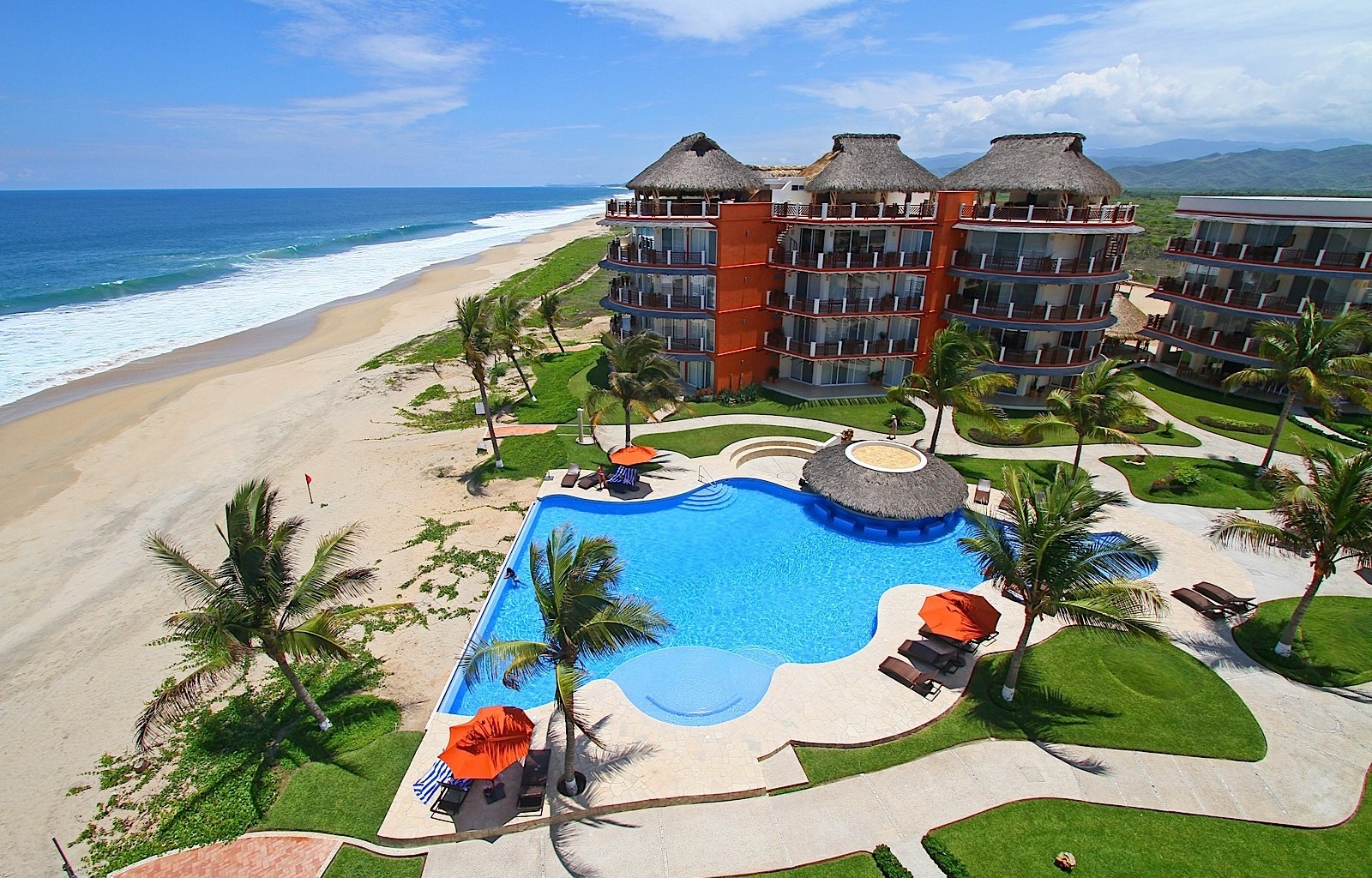
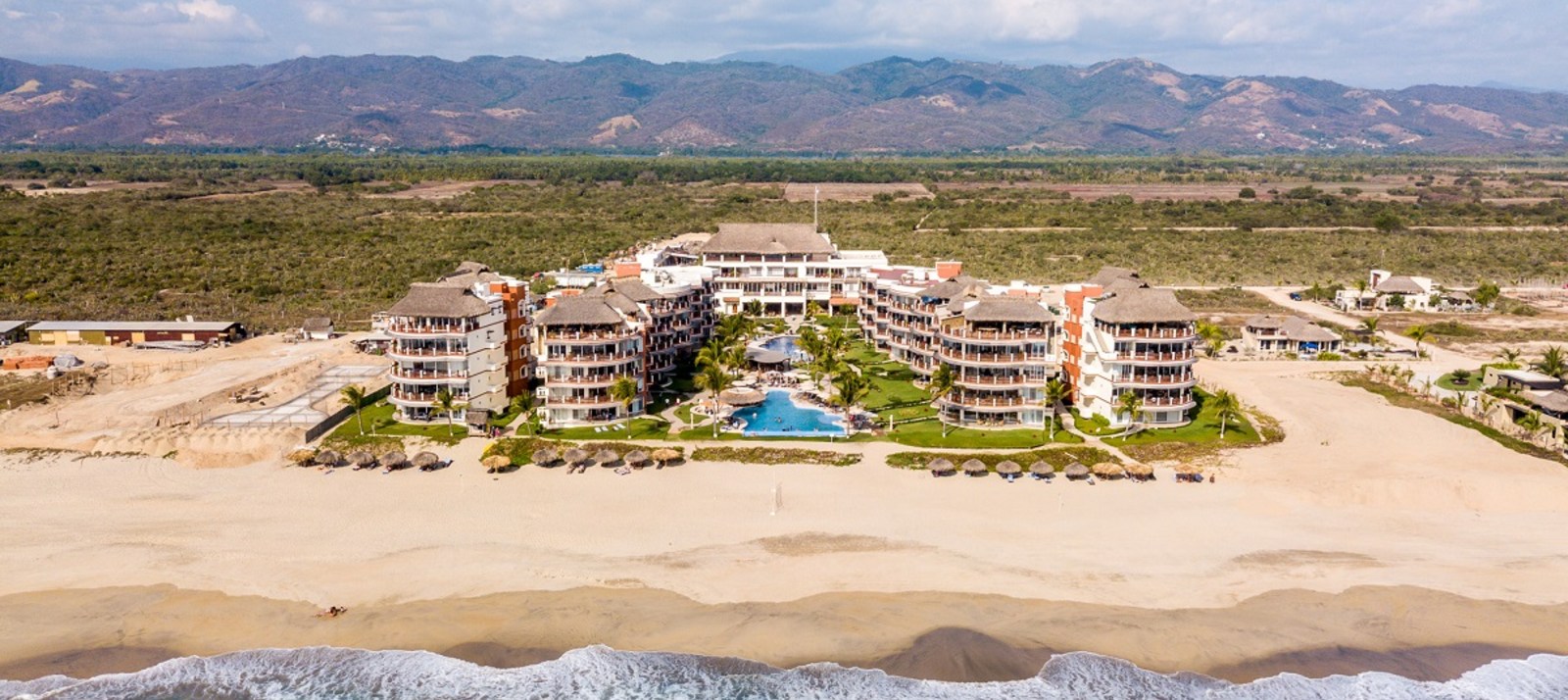
Corporate travel does not have to mean trading the coast for a conventional conference venue. At Vivo Resorts, an all-suite beachfront hotel on Playa Palmarito near Puerto Escondido, groups can build a working trip around ocean-view spaces, shared meals and restorative downtime. The resort suits leadership retreats, training days, planning sessions and incentive travel.
This guide to the meeting rooms and business facilities explains what to compare, request and budget for. Spacious residences and private villas sit alongside restaurants, pools and a full-service spa, giving delegates a complete base for the trip. Before booking, the property should confirm current capacities, layouts, technology and group arrangements in writing.
Finding the right space for your group
Begin with the working brief rather than the view: how many delegates will attend, whether sessions are boardroom-style or classroom-based, and how much private breakout space the group needs. The ocean-front setting is memorable, but the best room supports the agenda without forcing delegates to move between buildings. Ask for a floor plan and maximum occupancy before choosing a package.
The Vivo Resorts site is the best starting point for current property information and direct enquiries. For a small executive session, request an intimate layout around one table; for a workshop, check sightlines, movable seating and wall space. For a larger gathering, establish whether the room can be divided or paired with a reception area. Capacities, configurations and equipment can change with each event.
Planning technology and hybrid connections
Treat connectivity as part of the room, not an optional extra. Give the resort a detailed technology brief covering internet access, power outlets, projection or display, microphones, video conferencing and audio for hybrid attendees. If colleagues remain in Australia, request a live connection test and ask who will support the technician on site.
A useful run sheet assigns a session owner, start and finish times, and where delegates join from the hotel. Recording consent, translation needs and screen-sharing roles should be settled early. Many Australian travellers build an early start around flights from Sydney, Melbourne or Brisbane, so time-zone notes in the final agenda are more useful than a vague instruction to 'be online'.
Accommodation for work and downtime
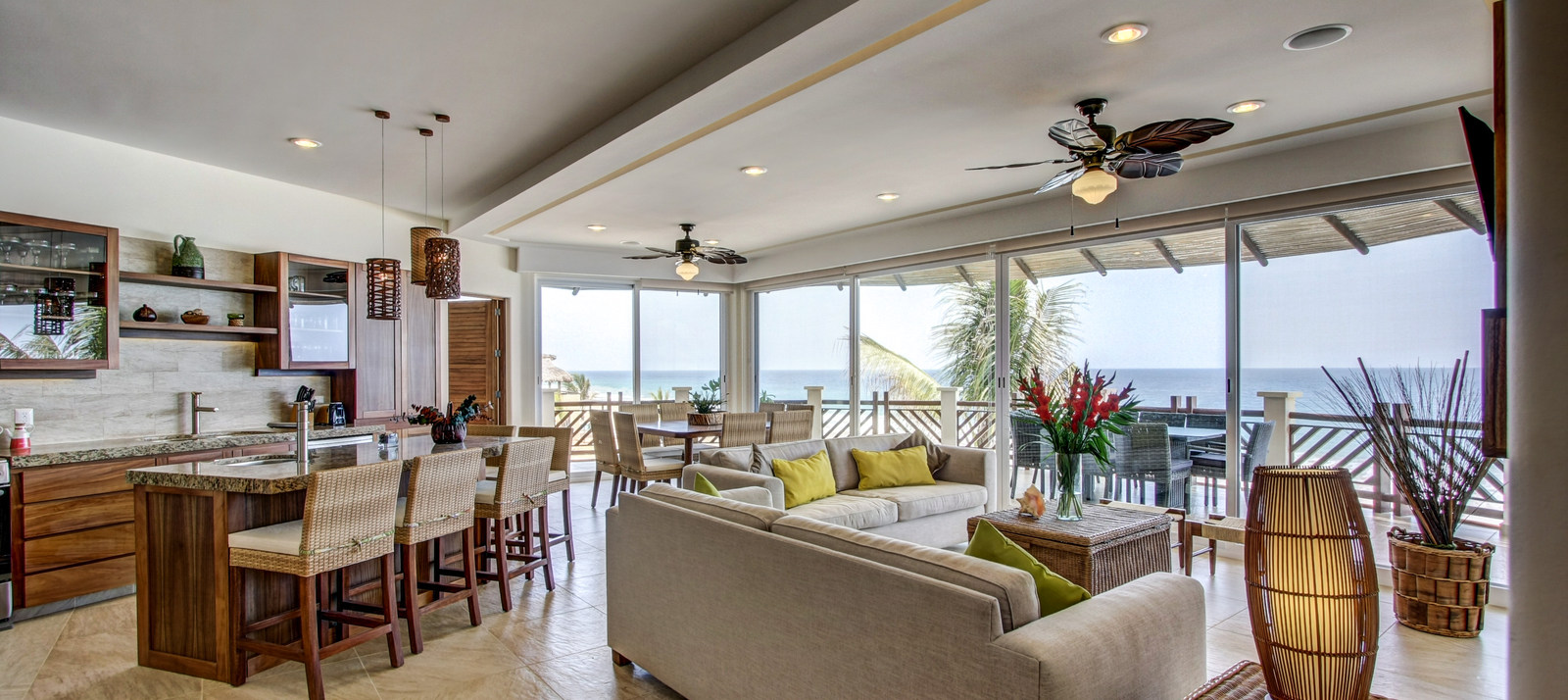
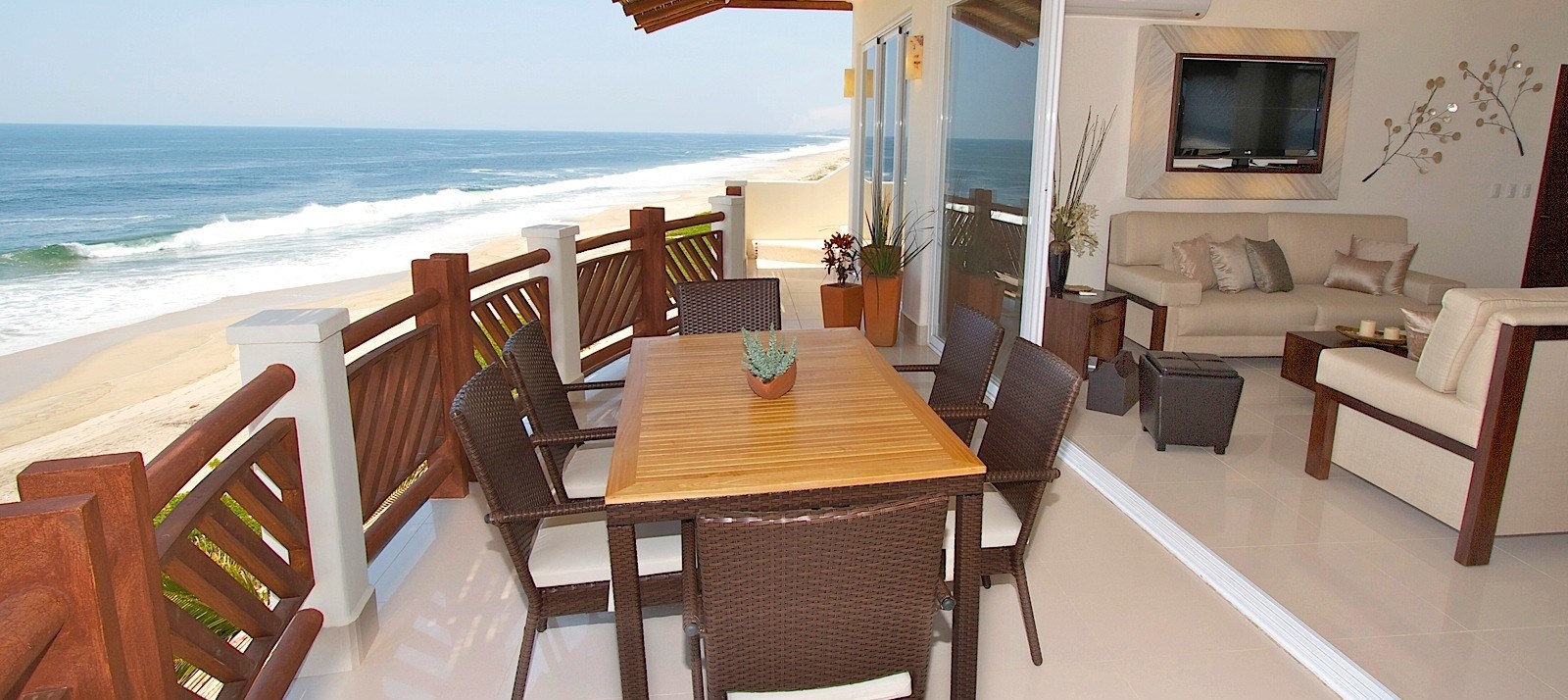
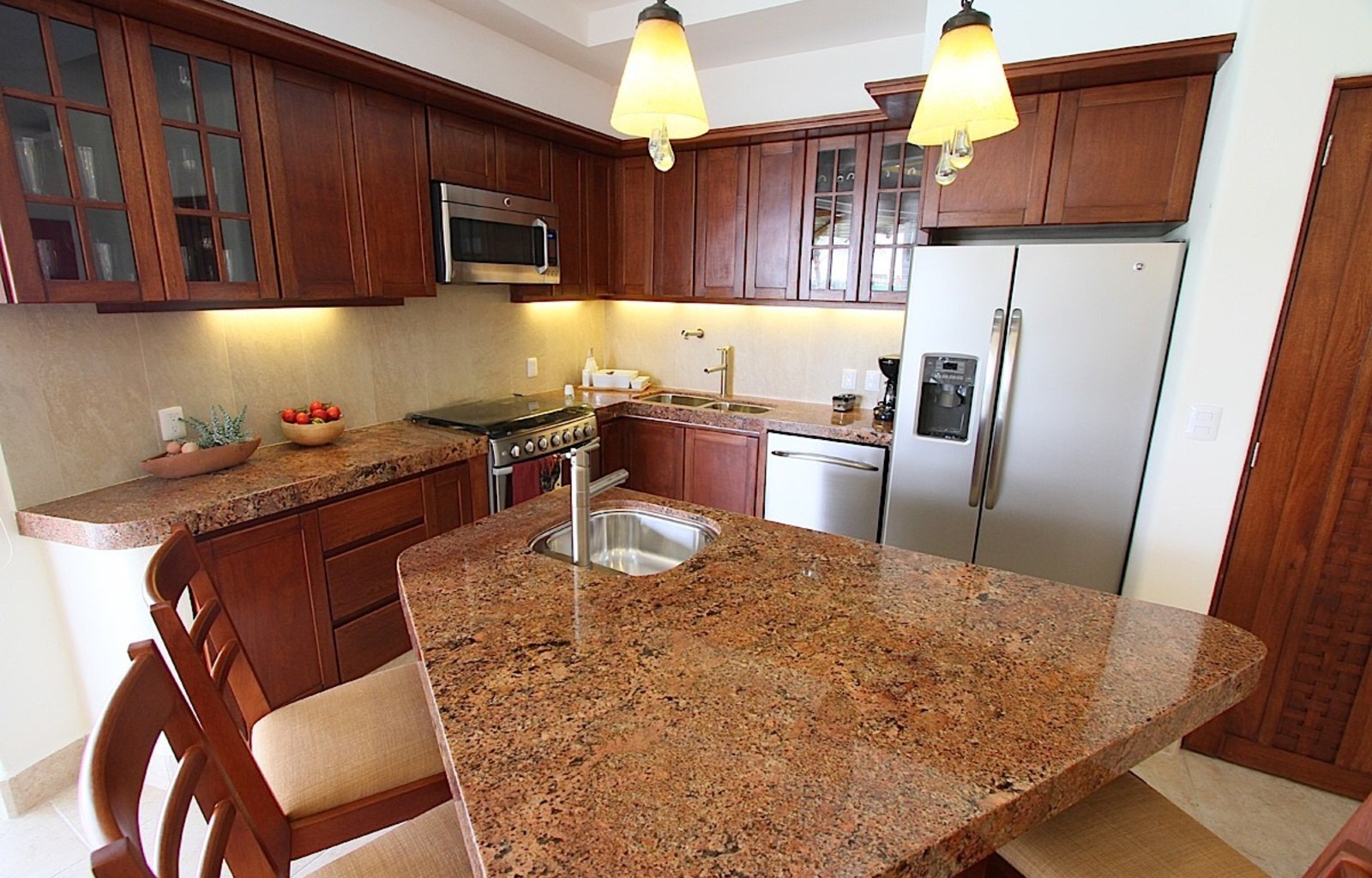
The all-suite layout gives groups room to reset without leaving the property. Private villas may suit a leadership team that wants seclusion, while larger residences can keep a project group together. Delegates taking calls between sessions benefit from separate living and working zones. Ask whether a residence can serve as an informal breakout room, subject to availability and approval, rather than assuming every suite has meeting equipment.
Budgeting should cover more than the nightly rate. Australian travellers commonly compare the complete trip from major cities, including airfares, transfers, meeting hire and meals, so ask for a written per-delegate total. A clear breakdown helps a company judge whether an offshore retreat is justified by the programme alone or by combining it with client hospitality and team bonding.
Dining and wellbeing around the agenda
Multiple dining venues give organisers options for formal dinners, shared tables and relaxed group meals. Hold a tasting or menu discussion to collect dietary requirements, preferences and allergy details, then agree when food is served so the schedule keeps moving. Coffee breaks can be working sessions, while a final dinner supports the informal conversation the meeting room rarely allows.
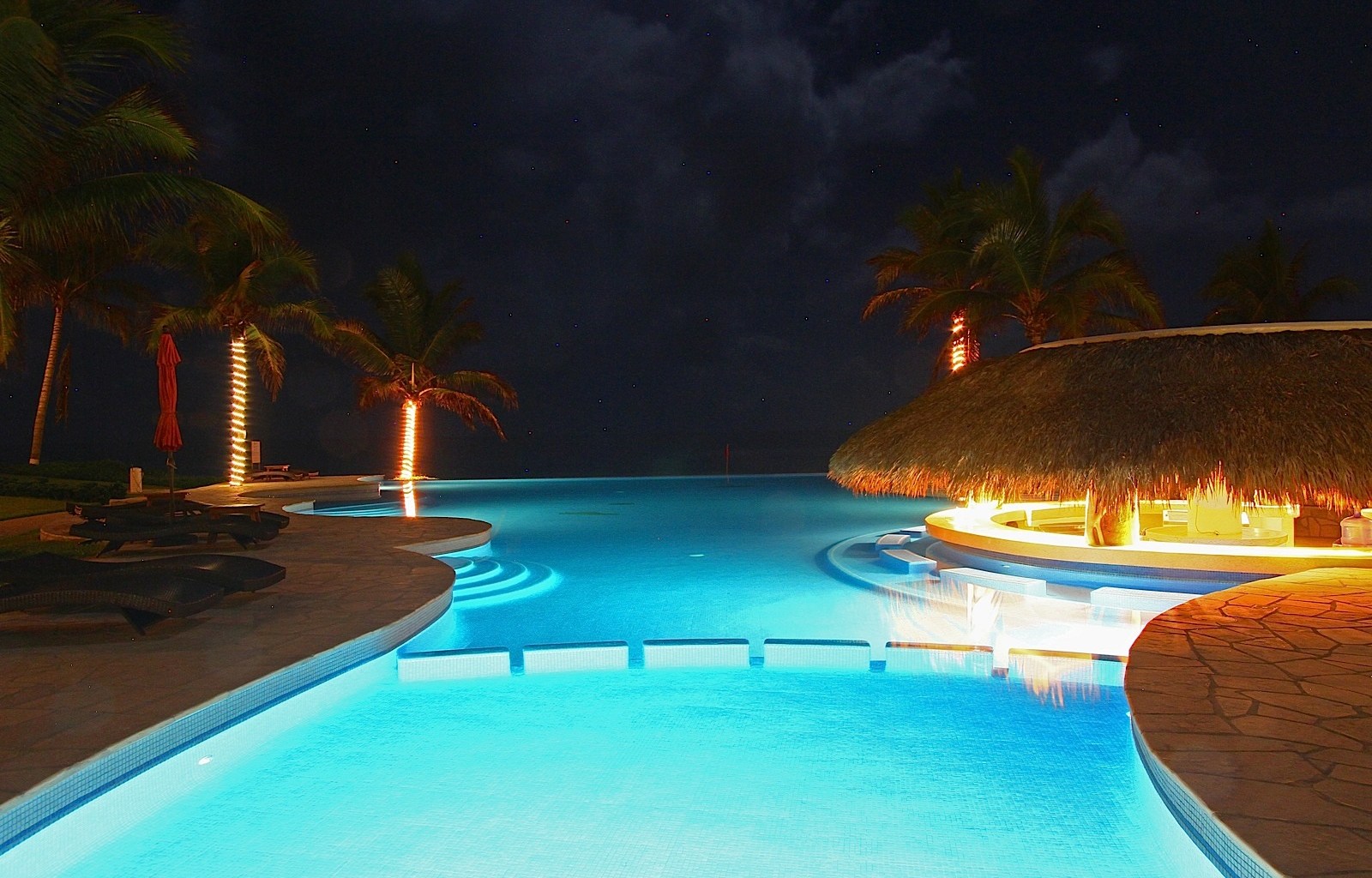
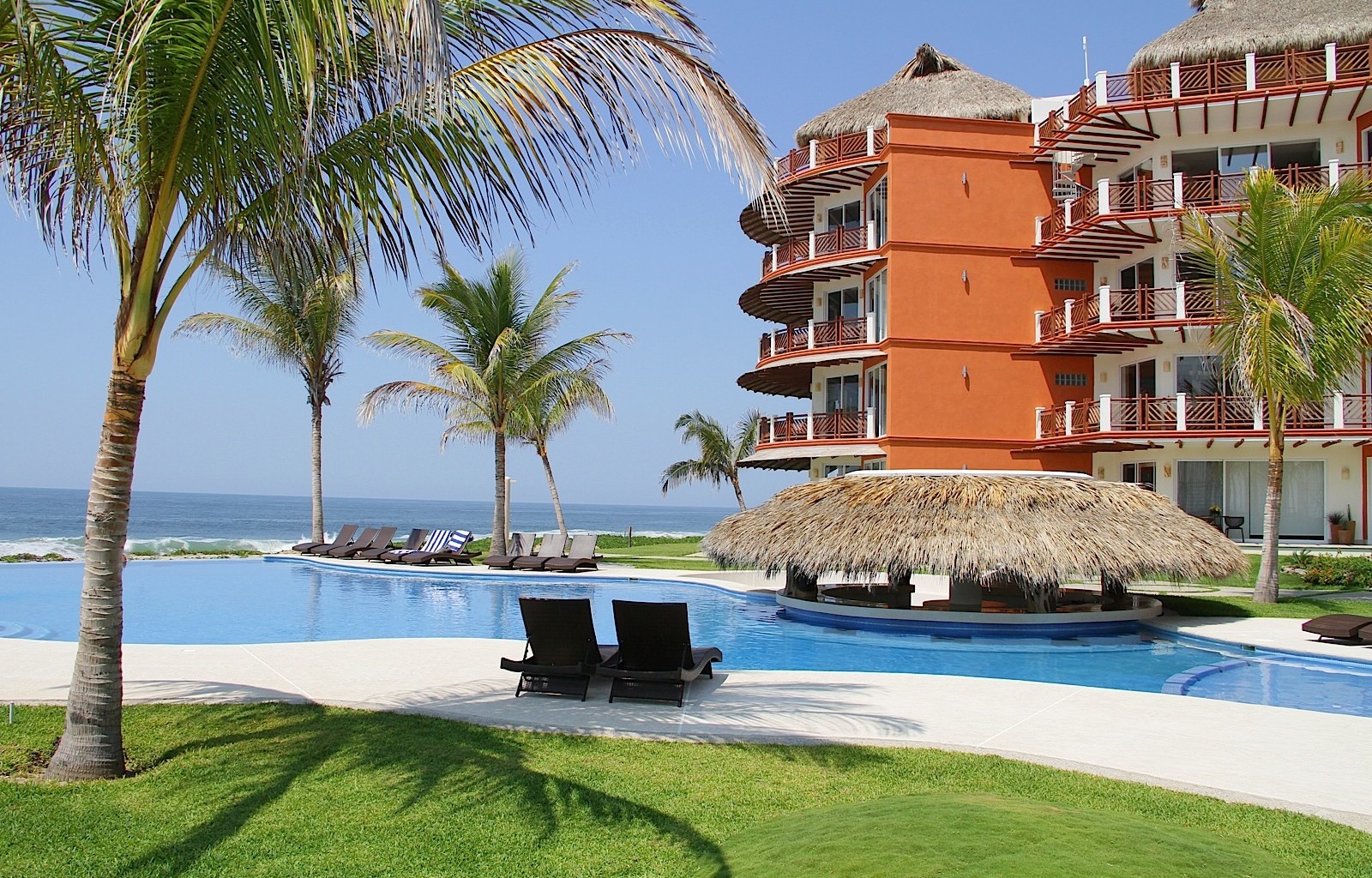
Pools and the full-service spa provide a natural way to balance long travel and concentrated workshop time. Treat leisure as an organised part of the programme: name the facilities, reserve any required treatments or sessions, and explain whether pool areas have adults-only hours. This keeps the experience comfortable for mixed-age groups while preserving predictable working times.
Using the location for team experiences
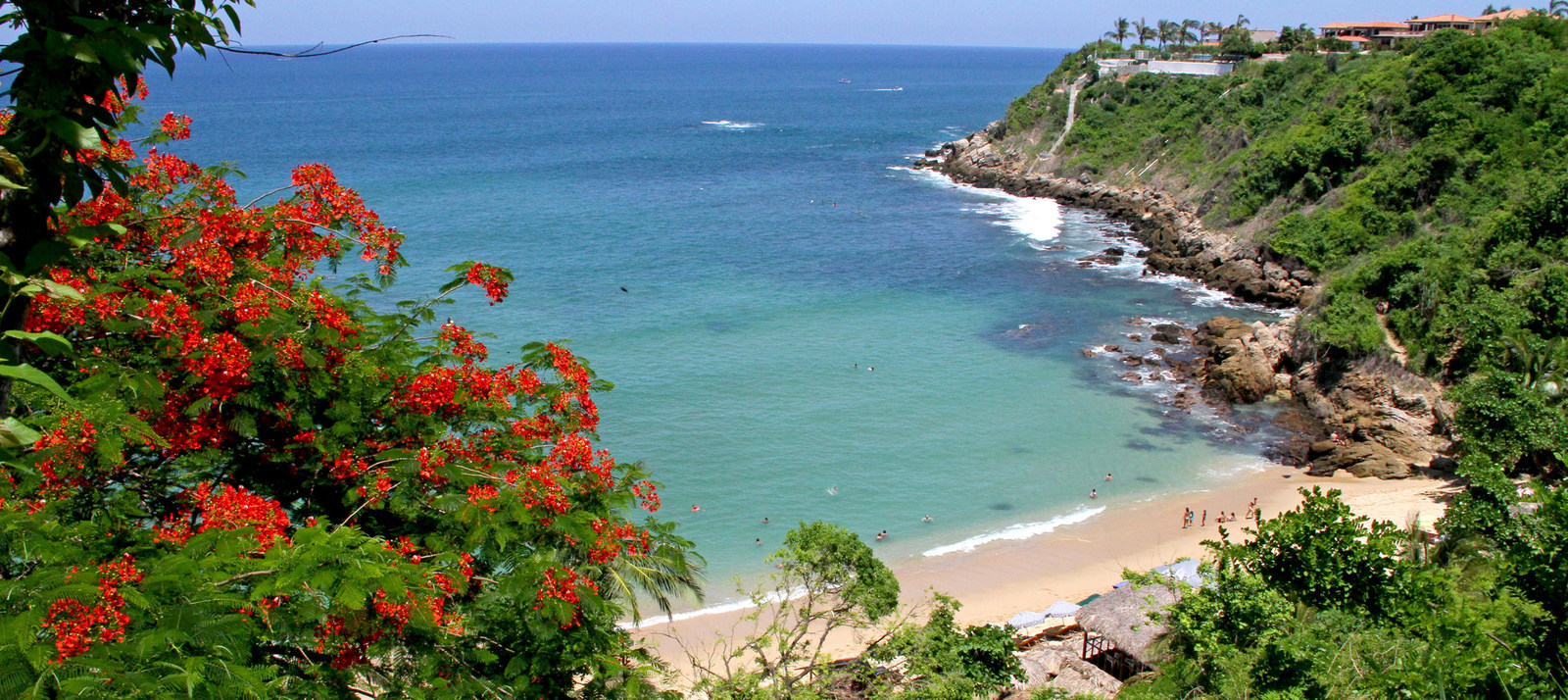
Playa Palmarito's position near Puerto Escondido makes excursions a practical extension of a stay. Teams can arrange visits to nearby beaches, explore the town or choose other experiences along Oaxaca's coast. A short outing can break up a multi-day retreat, but check travel times and return schedules before adding it to a working itinerary. A late activity should not quietly compress the final session.
Australian organisers often use coffee or lunch to build rapport, and the resort's ocean setting provides that space without leaving the site. An Australian group might label a catch-up as 'arvo coffee' and use a relaxed 'no worries' when plans shift, while the written schedule still gives drivers, guides and venue staff exact timings. Familiar language can ease the atmosphere, but precise operational notes matter more.
Combining corporate gatherings with celebrations
Vivo Resorts also hosts destination weddings, creating another business use: combining a small corporate session with a client celebration or leadership trip. The destination wedding timeline offers a model for working backwards from the event day, assigning decisions to guests, suppliers and organisers. The same discipline helps a company plan a retreat and avoid changing venue arrangements late.
Keep the two purposes distinct in contracts and run sheets. Weddings may need extensive guest movement, ceremony space and social production, whereas a business meeting requires quiet, uninterrupted hours. Ask whether rooms, dining areas and transportation can serve both without compromising either programme. If the dates align, sharing accommodation can simplify travel, but group pricing and inclusions must be confirmed.
A practical plan for Australian teams
Request a written proposal with room capacity, layout options, hire fees, technology, catering, accommodation, taxes and cancellation terms. For Australian tax and finance teams, have it separate local Australian costs from Mexican venue charges. A GST-registered business may be able to claim input tax credit on eligible expenses, including GST paid to Australian suppliers with an ABN, but overseas payments need a separate check. Confirm payment deadlines too.
Create one responsibility sheet for organisers and one short delegate guide. The first covers approvals, dietary needs, transfers, equipment and contacts; the second covers arrival details, dress and the rhythm of meeting days. A beach wardrobe tips guide can support the latter, although formal events may need a different standard of dress from casual working sessions.
Leave contingency space in the schedule and budget, then finalise numbers early enough for the resort to secure the right rooms and services. The most workable meeting day reserves the space, food and travel time first, and treats the beach as a genuine part of the programme rather than an uncertain extra.