A practical timeline for your destination wedding in Mexico
A destination wedding becomes easier to enjoy when each decision arrives at the right moment. Instead of managing every detail at once, divide the planning process into clear stages: establish the celebration, secure the location, coordinate travel, confirm suppliers, and prepare guests for the experience.
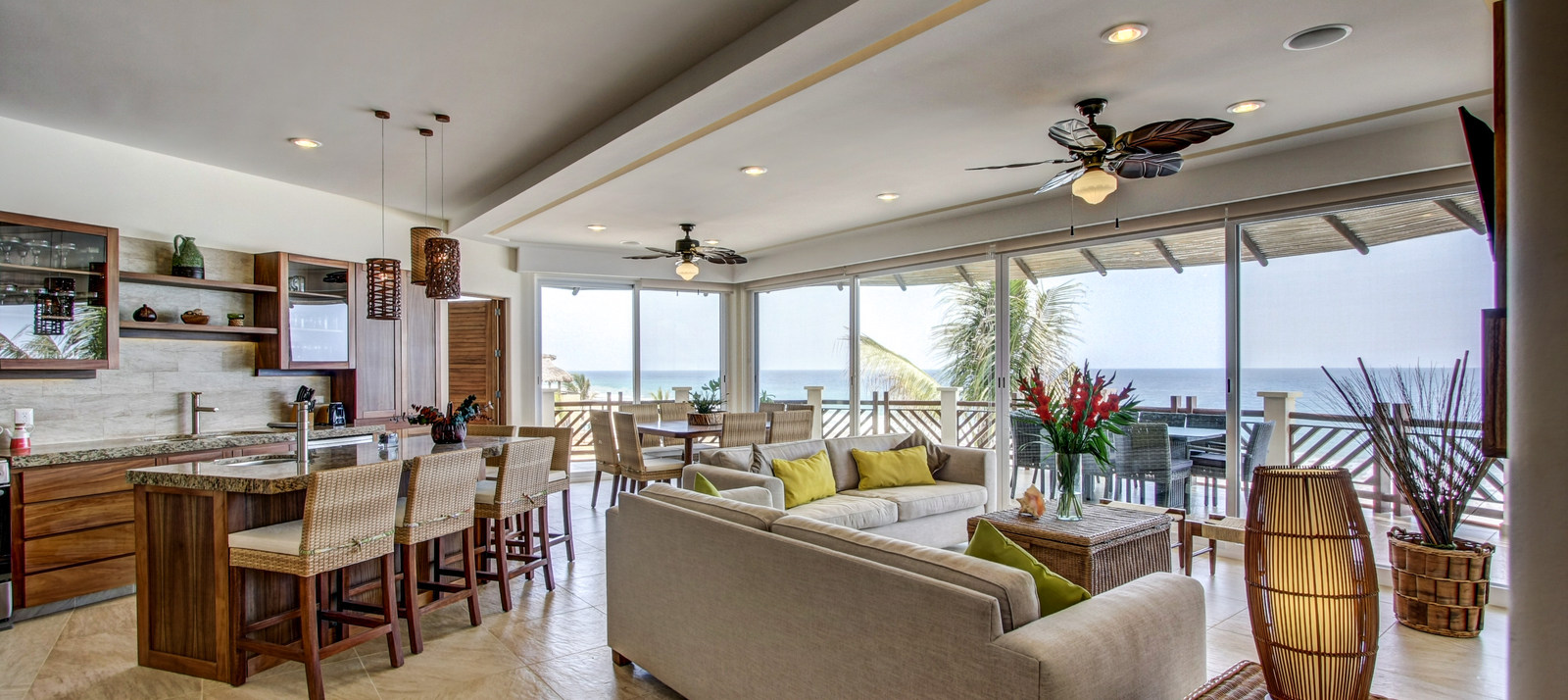
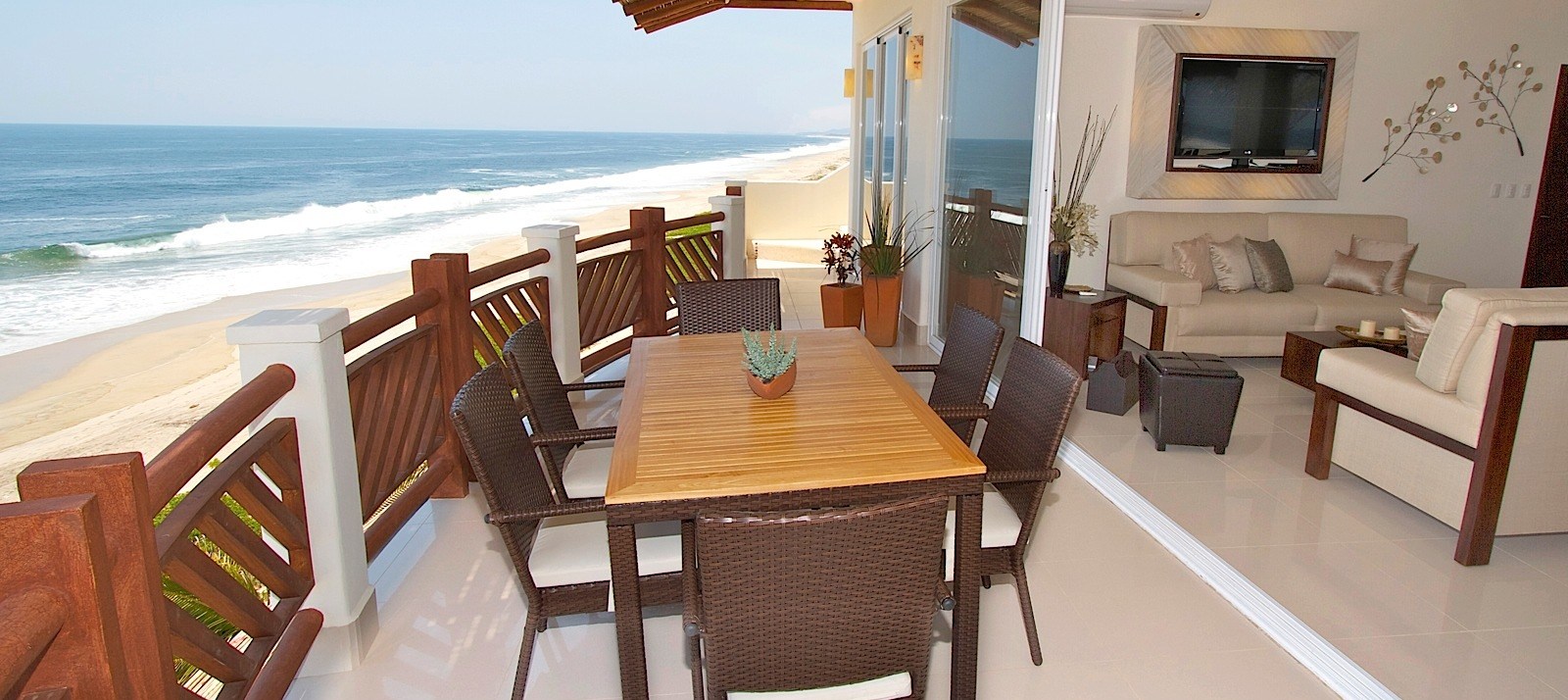
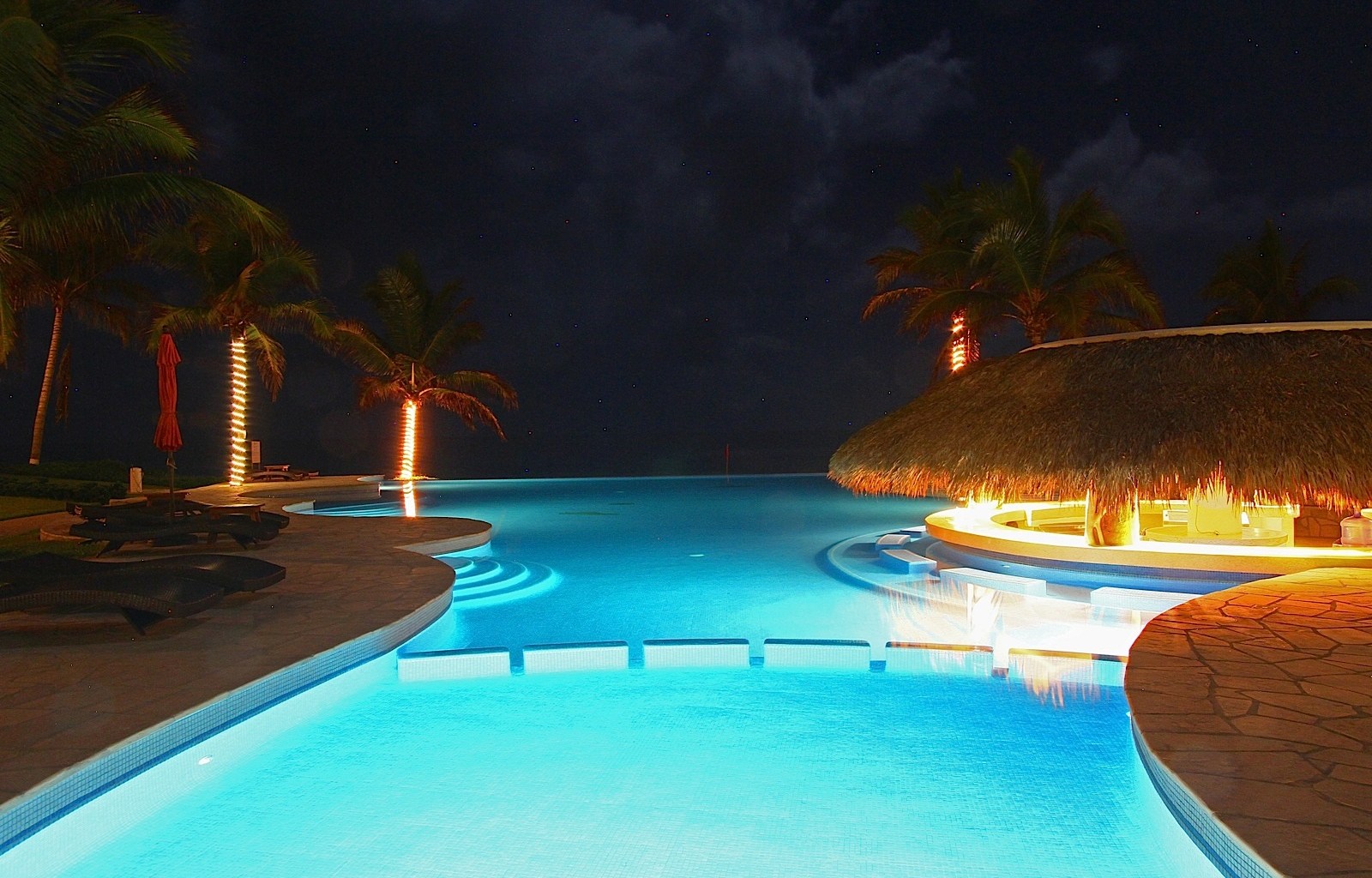
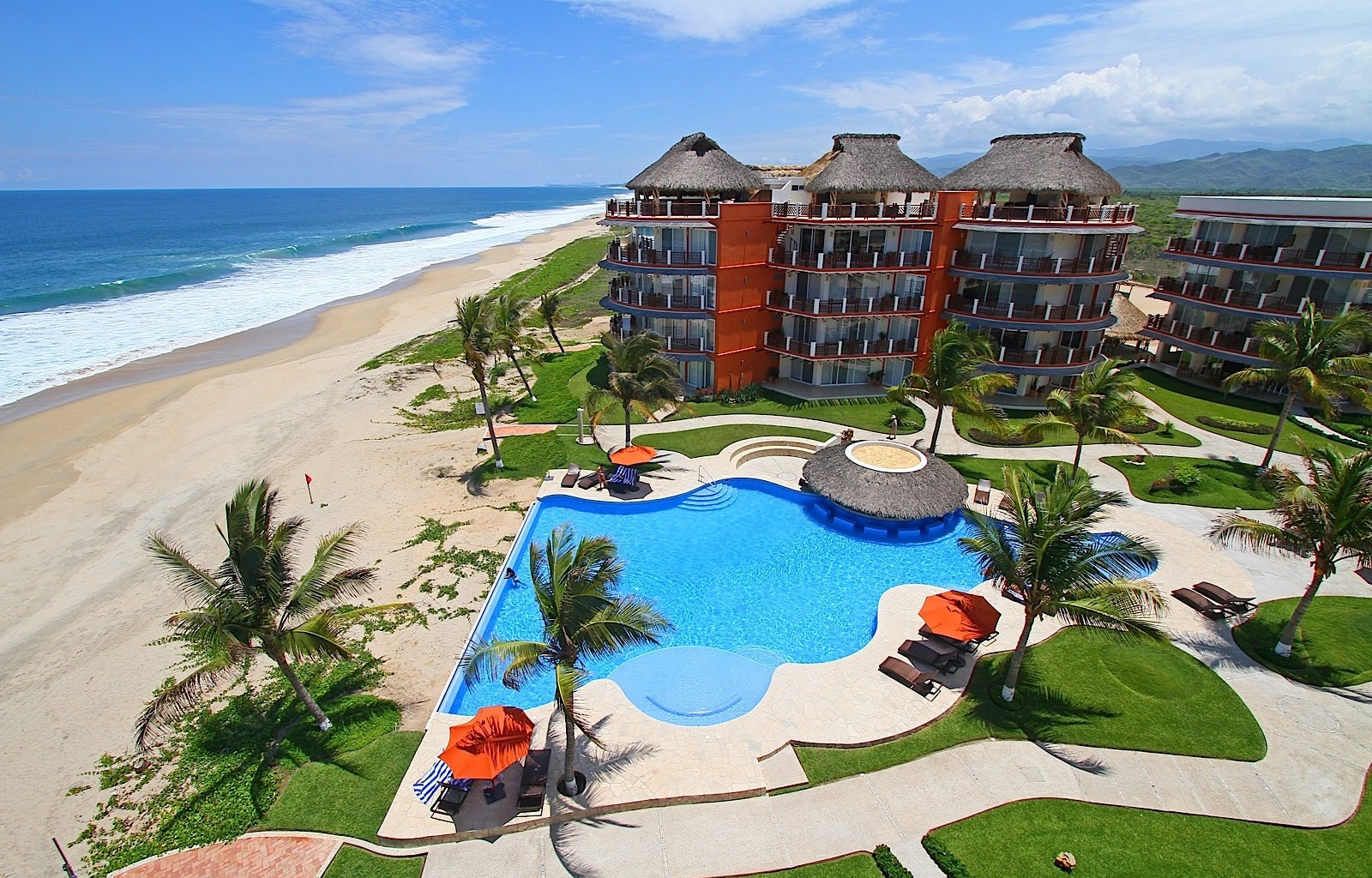
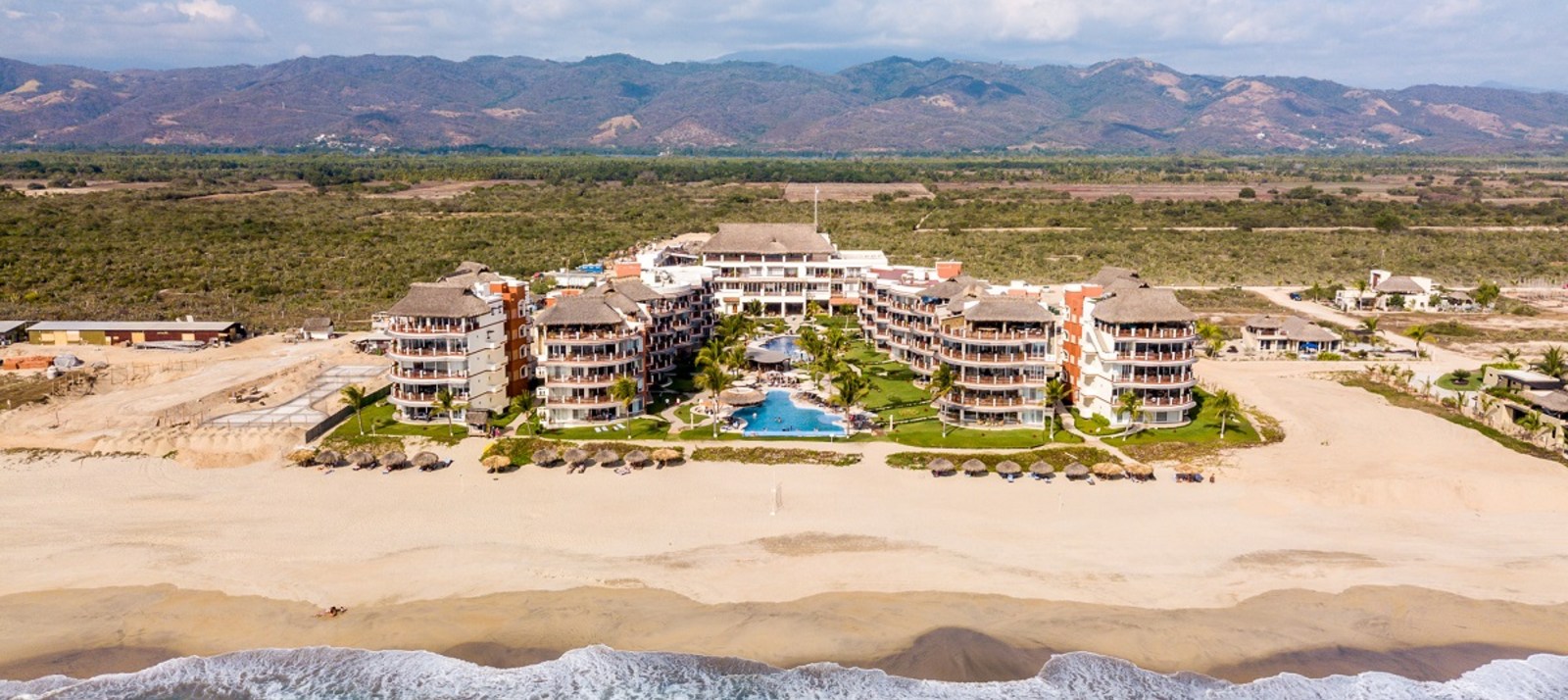
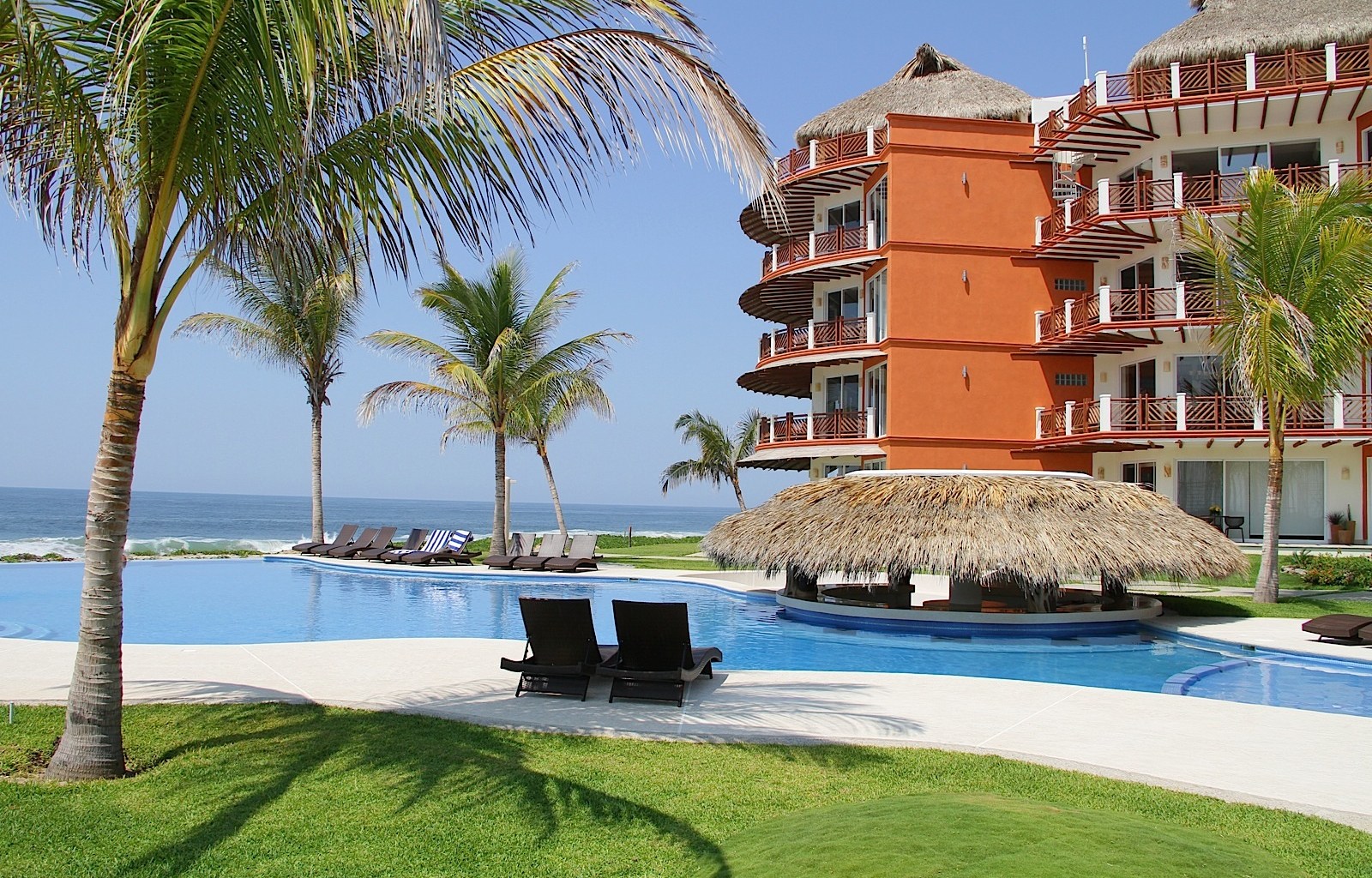
Playa Palmarito near Puerto Escondido offers a relaxed setting for couples who want ocean scenery without sacrificing comfort. At Vivo Resorts, spacious residences and private villas give wedding groups room to gather, while pools, restaurants, beach access, and spa services help turn the event into a complete vacation.
Your timeline should balance wedding logistics with the guest experience. A well-paced schedule leaves space for arrivals, excursions, quiet mornings, and time together before the ceremony.
12 to 18 months before the wedding
Begin with the essentials: your preferred wedding season, estimated guest count, overall budget, and the atmosphere you want to create. Decide whether your celebration will be an intimate beach ceremony, a formal reception, a multi-day family gathering, or a romantic elopement with a small group.
Next, research destination wedding venues and request complete proposals. Ask about ceremony locations, reception spaces, weather backup plans, catering, décor, music, photography, guest accommodations, transportation, and service fees. A full-service resort can simplify planning by keeping many arrangements in one place.
Reserve the venue as soon as your date and guest numbers are reasonably firm. Popular weekends and pleasant travel seasons can fill quickly, especially when several families need adjoining suites or villas.
9 to 12 months before the wedding
Create a guest list and send save-the-dates with the destination, expected dates, resort information, and a rough estimate of travel costs. Guests need time to arrange passports, flights, childcare, and vacation days, so early communication is especially important for international celebrations.
Set up a simple wedding website or information page with arrival instructions, accommodation options, dress guidance, contact details, and a preliminary itinerary. Include practical information about the local climate and encourage guests to review beach packing guide before they travel.
During this stage, select your primary wedding vendors. Confirm the photographer, videographer, florist, entertainment, hair and makeup team, officiant, and planner or coordinator. Review contracts carefully, including cancellation terms, deposits, overtime rates, and what happens if weather affects an outdoor event.
6 to 9 months before the wedding
Now refine the visual direction and guest experience. Choose a color palette, ceremony backdrop, table design, stationery, floral style, lighting, and attire. Beach weddings benefit from breathable fabrics, secure hairstyles, comfortable footwear, and décor that can withstand sun and coastal breezes.
Build a preliminary wedding weekend schedule rather than focusing only on the ceremony. A welcome dinner, casual beach gathering, group excursion, rehearsal, wedding day, and farewell breakfast can create a natural rhythm for the group.
| Timing | Main planning focus | Guest-facing action |
|---|---|---|
| 12–18 months | Venue, date, budget, guest estimate | Share save-the-date information |
| 9–12 months | Vendors, website, travel details | Explain booking and arrival plans |
| 6–9 months | Design, attire, weekend itinerary | Send formal invitations or updates |
| 3–6 months | Menus, music, décor, ceremony details | Collect RSVPs and dietary needs |
| 1–3 months | Final counts, payments, seating | Distribute the confirmed schedule |
| Wedding week | Setup, rehearsal, guest support | Enjoy planned events and downtime |
Use this phase to confirm meal preferences and accommodation needs. Ask about vegetarian, vegan, allergy-friendly, and children’s options early enough for the culinary team to prepare thoughtfully.
3 to 6 months before the wedding
Send formal invitations with a clear RSVP deadline. Include ceremony and reception times, resort details, transportation guidance, dress code, and any planned activities that require advance registration. If guests are staying at different properties, provide a reliable meeting point and transfer instructions.
Review the legal side of the ceremony with your planner and the appropriate local authorities. Requirements for a legally recognized marriage in Mexico may include specific documents, translations, identification, witnesses, and timing for civil procedures. Some couples choose a legal ceremony at home and hold a symbolic destination ceremony, while others complete the local legal process.
Finalize your menu, cake, bar service, ceremony wording, music selections, and décor. Ask the venue how far in advance changes can be made and which items are included in the package. This is also a good time to schedule spa appointments, fittings, and a hair and makeup trial.
1 to 3 months before the wedding
Use the RSVP count to finalize room assignments, seating, meals, transportation, and event quantities. Prepare a master contact sheet with vendor numbers, guest arrivals, dietary notes, emergency contacts, and payment deadlines. Give this document to the planner or a trusted member of the wedding party so you are not the point person for every question.
Confirm the ceremony timeline in detail. Include vendor arrival, setup, getting ready, first look, guest seating, processional, photographs, cocktail hour, dinner, speeches, dancing, cake cutting, and the final departure. Build in extra time for beach photography and transitions between locations.
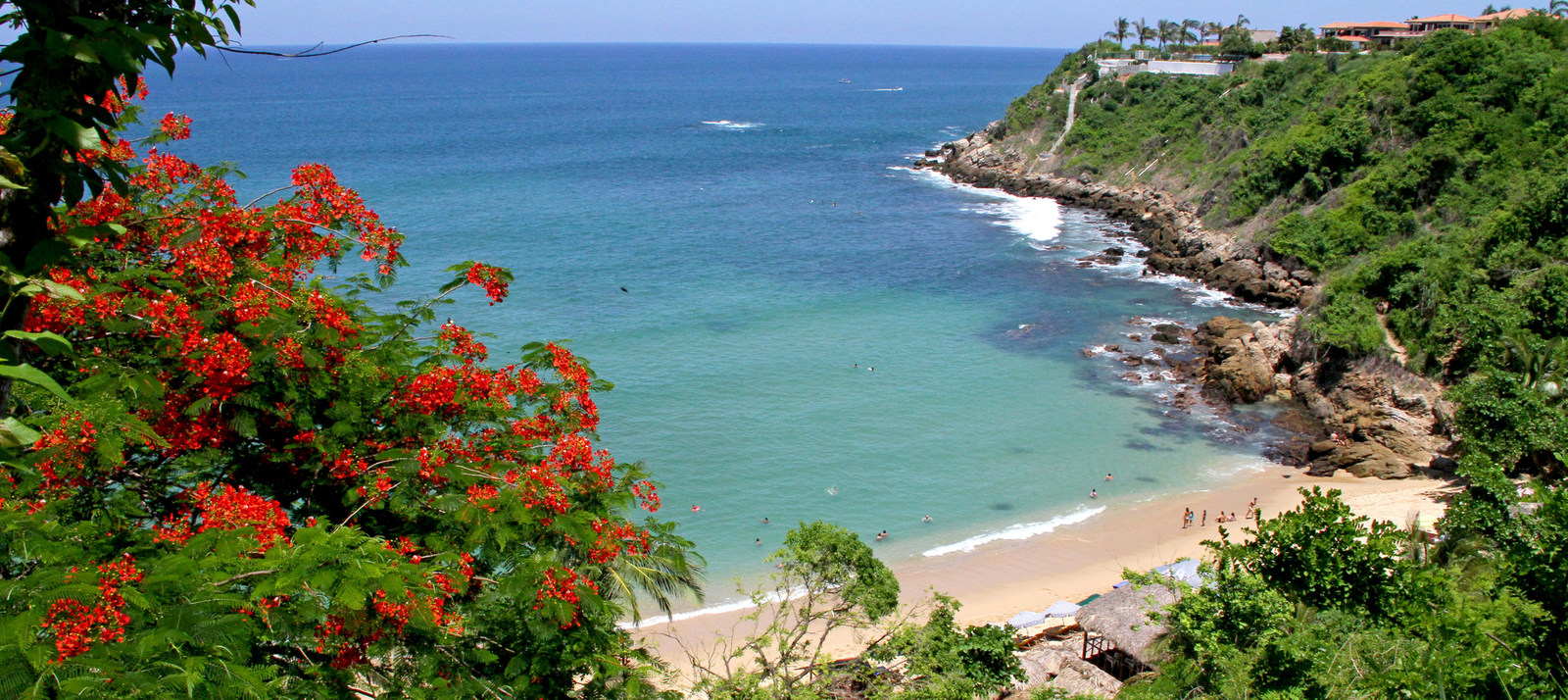
If guests have free time, suggest experiences that suit different interests rather than filling every hour. They might explore Puerto Escondido, relax by the pool, visit local markets, or discover coastal scenery. Couples interested in planning an outing can share ideas such as nearby beaches with their group.
The wedding week and wedding day
Once guests begin arriving, shift from active planning to hosting. Welcome them warmly, provide itinerary cards or a digital schedule, and make it easy to find help with transportation, check-in, and event questions. A welcome gathering gives everyone a chance to connect before the main celebration.
Hold a short rehearsal if the ceremony includes a processional, readings, cultural traditions, or special family roles. Walk through the order, clarify where everyone should stand, and confirm who has the rings, vows, marriage documents, and any ceremonial items.
On the wedding day, protect time for meals, hydration, rest, and private moments together. Assign someone else to handle vendor questions and last-minute decisions. Your coordinator should verify setup, payments, timing, weather adjustments, and the transition from ceremony to reception.
Final planning checks
- Confirm the final guest count, seating plan, meal selections, and allergy notes.
- Recheck flight arrivals, transfers, room assignments, and welcome materials.
- Pack ceremony essentials, rings, documents, vows, accessories, and backup items.
- Give vendors one approved timeline and one designated contact person.
- Leave open time for rest, photographs, and spontaneous celebrations.
A thoughtful destination wedding timeline gives every part of the celebration room to work. At Vivo Resorts, couples can combine a beachfront ceremony with comfortable accommodations, dining, spa treatments, pools, and coastal activities for a wedding weekend that feels personal rather than rushed.
Start shaping your dates, guest list, and preferred celebration style, then contact Vivo Resorts to explore venue options and plan a wedding experience on Playa Palmarito.