Snorkeling at Playa Palmarito Right Outside Your Suite
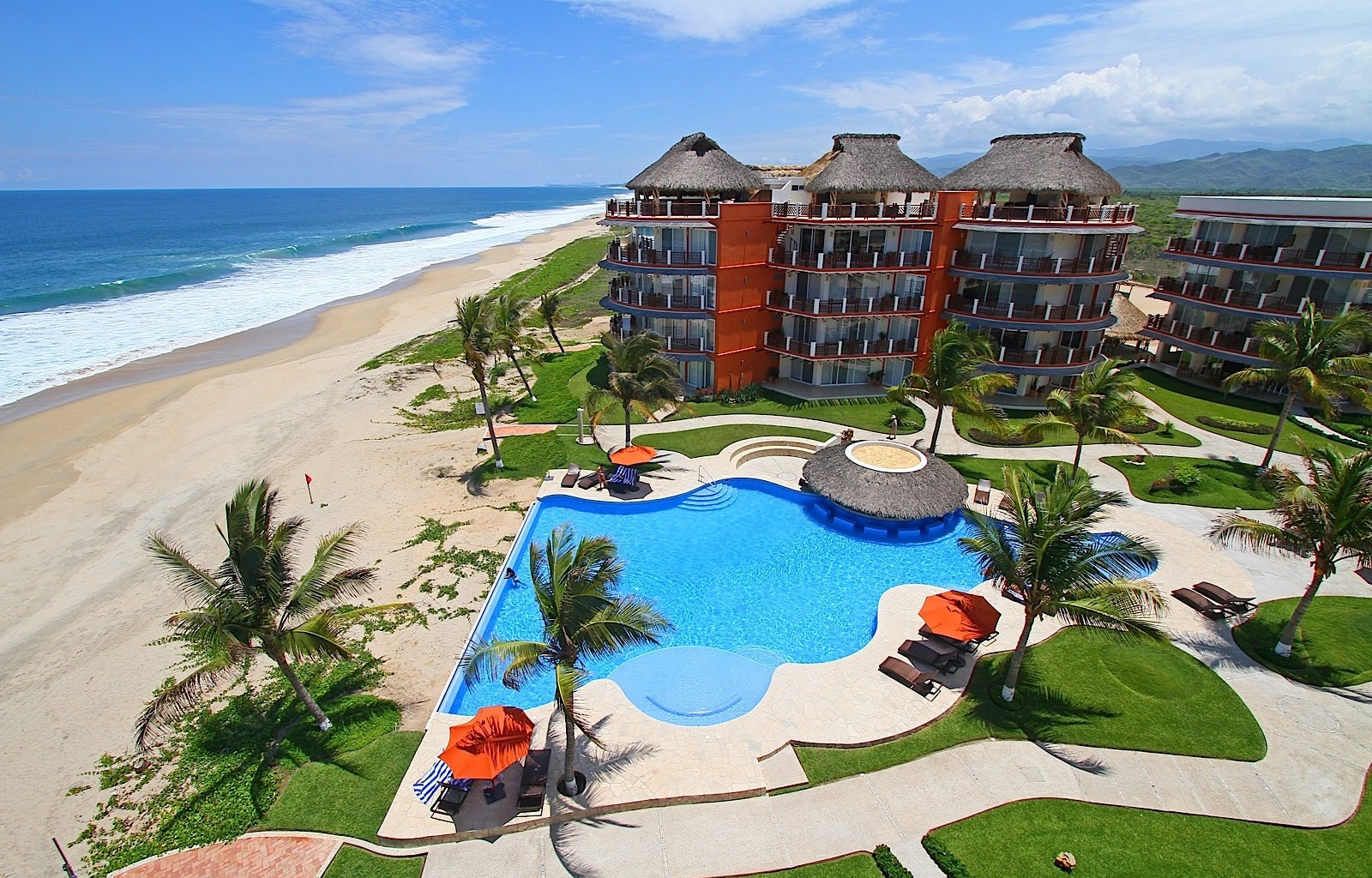
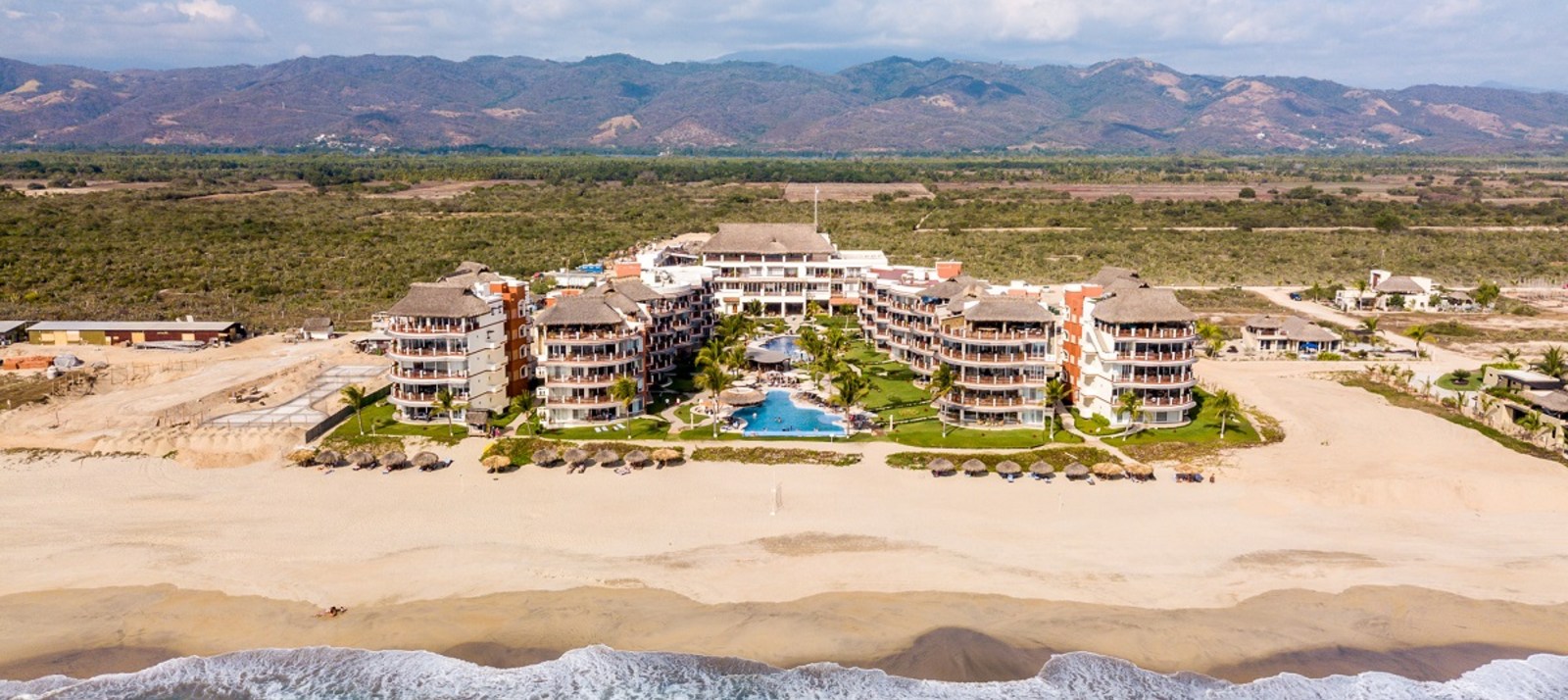
Just metres from the sand in front of your suite at Vivo Resorts, the Pacific waters of Playa Palmarito offer some of the most rewarding snorkeling on the Oaxacan coast. Unlike crowded Caribbean reefs, this stretch of Mexico's Pacific feels untouched, with rocky outcrops and volcanic ledges sheltering a surprising variety of tropical fish. For travellers who want a relaxed ocean experience without strapping gear onto a boat, the reef here is right where you want it.
Many Aussie holidaymakers chasing turquoise water are used to the Great Barrier Reef or the calm shallows around Cairns, but Playa Palmarito has a wilder, more intimate feel. The water is warm year-round, the visibility is often best in the early arvo, and the drop-off sits close enough to shore that even a casual dip will reward you with colour. If you have ever wished the reef would just come to you, this is the spot.
Why Playa Palmarito stands out for snorkelers
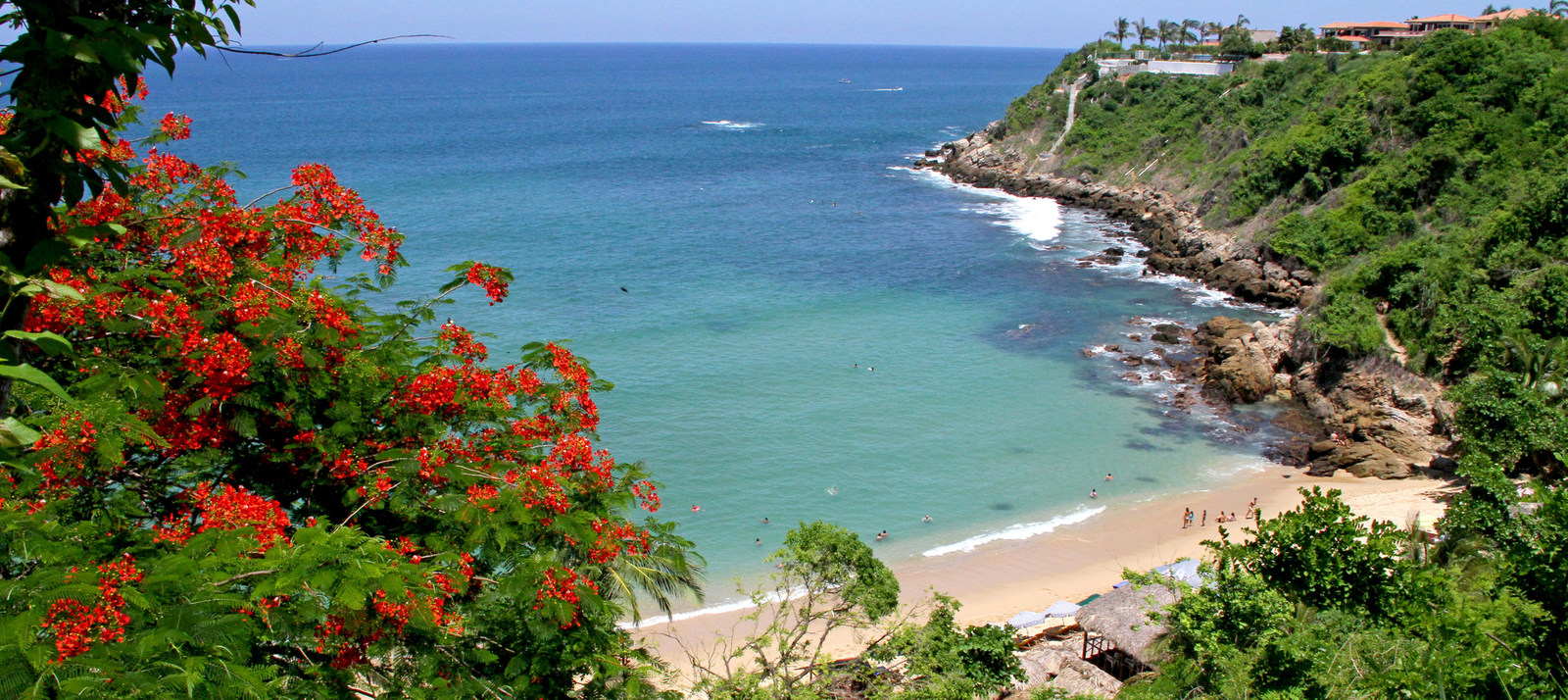
The bay curves gently between two headlands, which means the surface stays calmer than the open Pacific further south. Rocks and boulders create natural pools where juvenile fish, sergeant majors, and the occasional Mexican hogfish drift past in a lazy parade. Because the reef sits only a few fin kicks from the beach, you can be in the water within a minute of grabbing your mask.
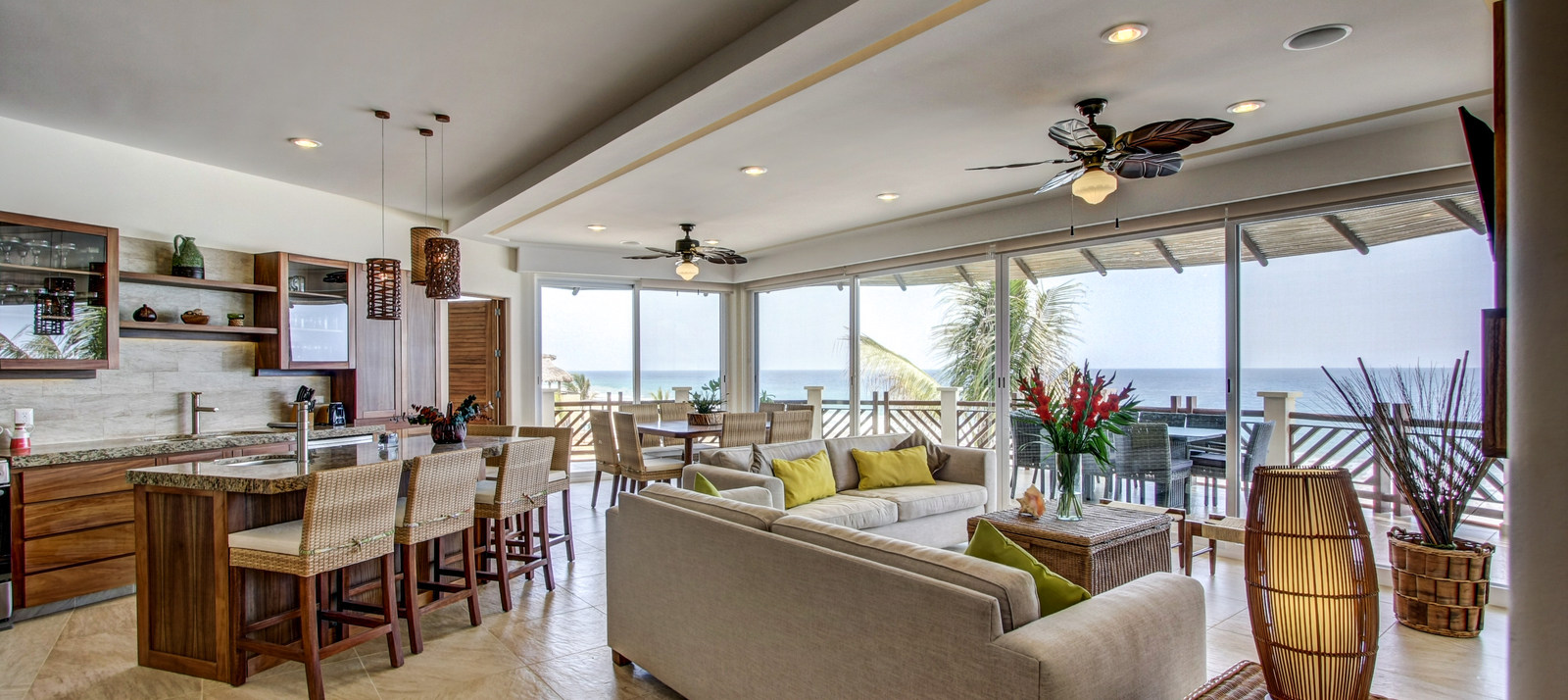
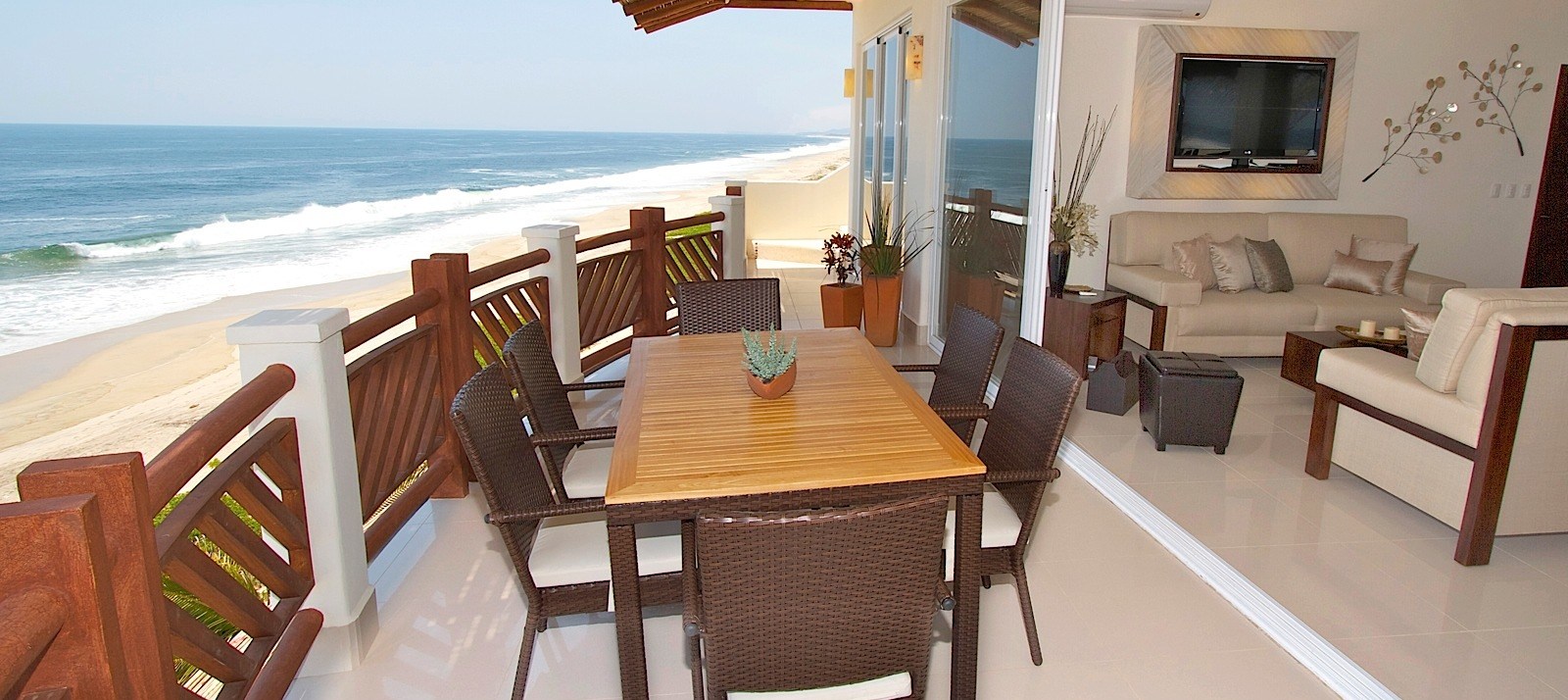
This proximity is what makes the experience at Vivo Resorts different from tours that bus you to a remote cove. You can have a slow brekkie on your terrace, slip into your swimmers, and be watching parrotfish before your coffee gets cold. Travellers from Sydney or Melbourne who have spent years doing laps at Bondi or Bells will appreciate not having to chase the ocean.
Marine life to look out for in the shallows
The closer you stay to the rocks, the more you will see. Look for electric-blue damselfish hovering over ledges, sergeant majors schooling in the gaps, and bright-yellow surgeonfish that nibble algae off the volcanic stone. In the cooler months from November to April, the visibility often clears enough to spot stingrays gliding along the sandy patches between boulders.
If you are lucky, you may also see green sea turtles popping up for air, moray eels peeking from crevices, and the odd octopus changing colour on a coral head. Pelicans dive-bomb the surface in noisy groups, and frigatebirds circle overhead. Avid birdos will want to keep one eye on the sky and the other on the water, as the area is just as rich above the surface as below — a point explored further in birdwatching along Oaxaca's coast.
Best time of day and season for clear water
Mornings tend to be the calmest, with glassy water and the best visibility, while late arvo brings gentle surge and softer light for photography. The dry season from November to April is generally the easiest window: less rain, fewer northerly winds, and water temps sitting around 25 to 28°C. Aussie travellers planning a winter escape from a chilly July in Brisbane will find this timing ideal.
The shoulder months of May and October can still be lovely, but expect choppier conditions after tropical weather. If you are flexible, ask the concierge about the surf report for Puerto Escondido before heading in. A small swell on the main beach can mean even better snorkeling around the rocky points, where fish are used to a little movement.
Gear, etiquette, and reef-safe habits
Before you head into the water, a few practical points make the day smoother.
- Bring reef-safe sunscreen from home, as Australian-standard zinc formulas are widely available in Puerto Escondido and gentle on coral.
- A rashie or long-sleeve swim top will save your back on long sessions, especially if you are fair-skinned after a Melbourne winter.
- Use fins even in shallow water; they help you glide over fragile structures rather than kicking up sand.
- Float rather than stand on the reef, as standing kills the organisms you have come to admire.
The resort provides mask and snorkel sets, but serious snorkellers often prefer to bring their own low-volume mask from a dive shop in Sydney or the Gold Coast for a better seal. A dry bag is also handy for your phone and room key, and a pair of water shoes will protect your feet on the entry rocks.
Beyond the bay: day trips and boat excursions
When you crave a change of scene, the local skippers run half-day trips to nearby Manialtepec Lagoon, where the bioluminescence on dark nights feels almost otherworldly. Another favourite is a boat ride south to rocky coves near Puerto Escondido that are reachable only by sea and are famous for encounters with larger pelagics.
These tours can usually be arranged through the resort concierge a day in advance. They are a great add-on for couples on a romantic escape and for families who want a break from the resort pool. Travellers planning a longer celebration can review the destination wedding timeline to see how snorkeling days might fit into a multi-event stay.
Combining the reef with the rest of the Vivo experience
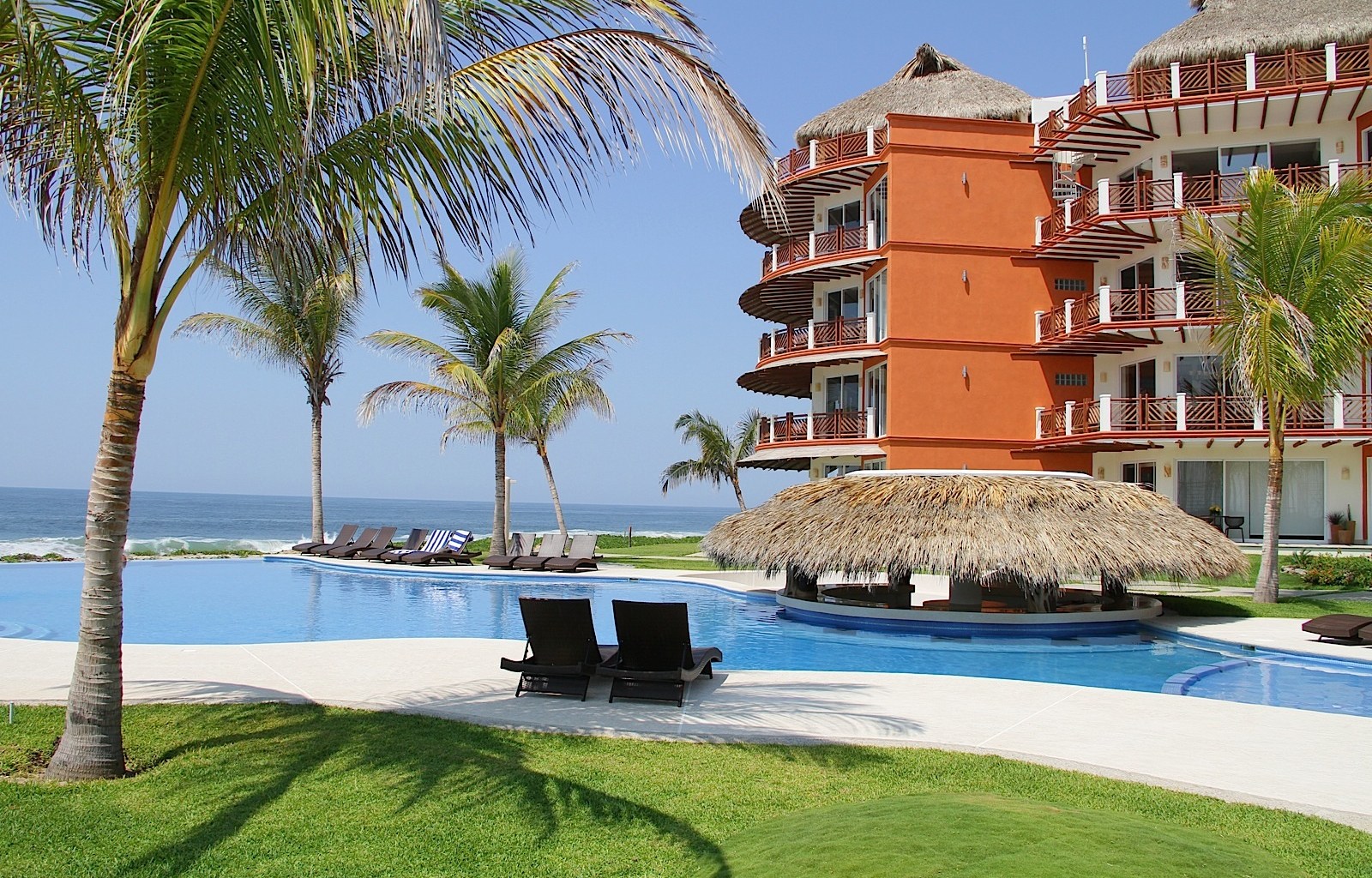
The easy rhythm at Vivo Resorts means you can snorkel at first light, eat a long breakfast, and still be on a lounger by mid-morning. Spas, oceanfront dining, and the family-friendly pools sit a short walk from the water, so non-snorkelers in the group never feel left out. If you are travelling for a milestone — a birthday, anniversary, or a wedding with a small group of mates — the resort's groups and weddings team can arrange everything from beach dinners to a private sunset boat for the bridal party.
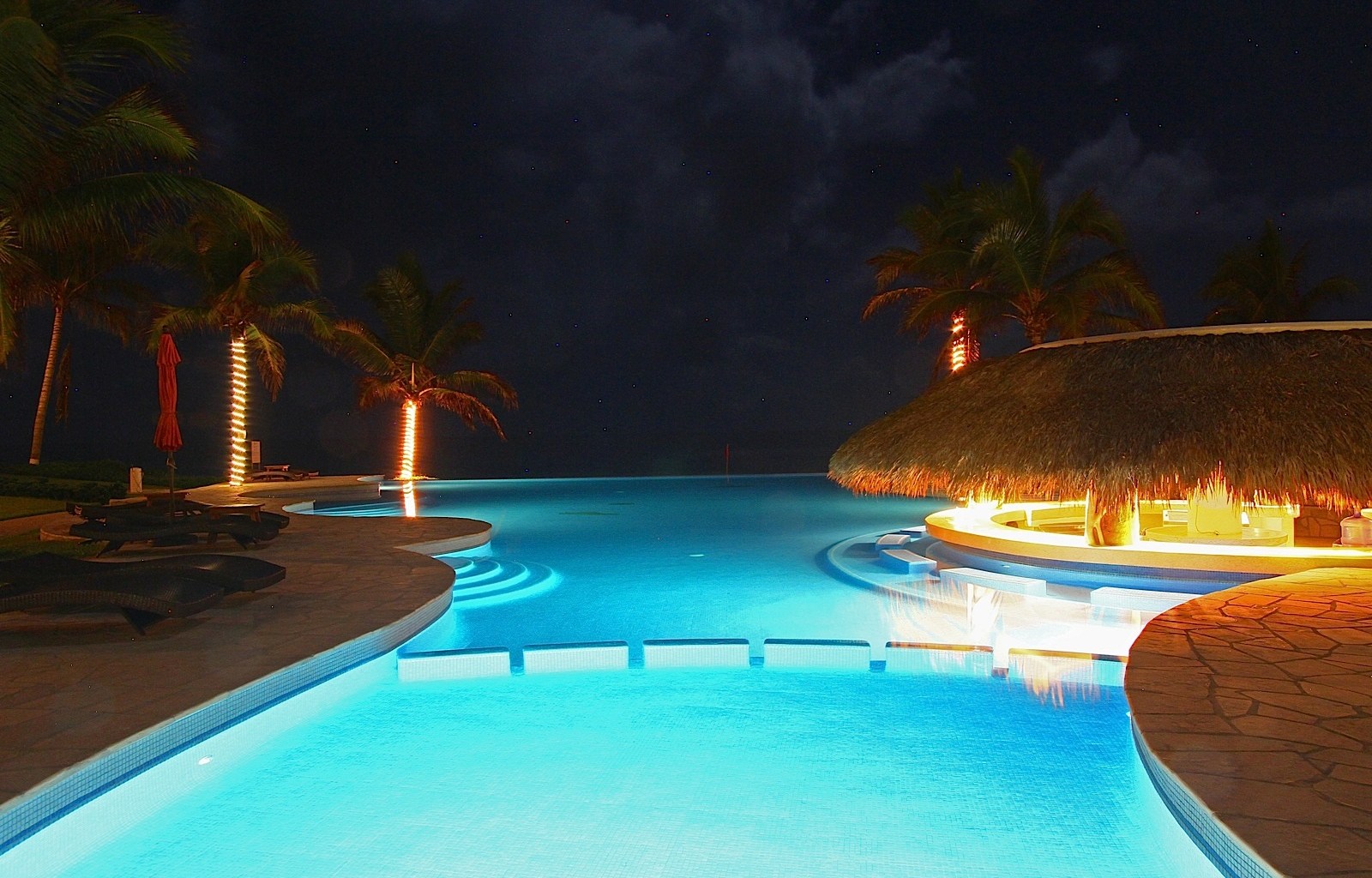
The resort also offers yoga, cooking classes, and surf lessons in nearby Playa Bacocho, so the days off the reef feel just as full. Many guests plan their snorkeling for the early session, hit the spa in the arvo, and finish with cocktails on the terrace watching the sun drop into the Pacific.
Practical tips for Australian travellers
A few small details smooth the trip from the Southern Hemisphere.
- Flights from Sydney or Melbourne typically route through Los Angeles or Mexico City, so pack a spare mask in your carry-on in case of delays.
- Australian dollars aren't widely accepted, but card payment is easy, and tipping in pesos is appreciated by local guides.
- Bring an eSIM or a Telstra-compatible roaming plan to keep maps and translation apps working on the drive from Puerto Escondido airport.
- Remember that Australian passports don't require a visa for short tourist stays, but you do need to complete the official entry form online before landing.
The easiest way to settle in is to spend your first full day at the resort easing into the water, saving boat trips and long snorkel sessions for days two through four. That pacing also helps you adjust to the time difference, which sits around 16 to 17 hours behind the east coast of Australia.
Snorkel right at sunrise tomorrow, have the concierge book a half-day lagoon trip for the day after, and keep the rest of the week open for slow mornings on the sand in front of your suite.