Finding Stillness at Dawn: Yoga and Meditation on Playa Palmarito
For Australian travellers used to Byron Bay's morning salt-air classes and Melbourne's inner-north yoga studios, the draw of practising at first light on a Pacific beach feels like the ultimate wellness move. The hour before sunrise carries a particular hush, a kind of pre-coffee quiet that many Sydneysiders chase at Bondi Icebergs or that Brisbanites find at the bayside stretches of Shorncliffe.
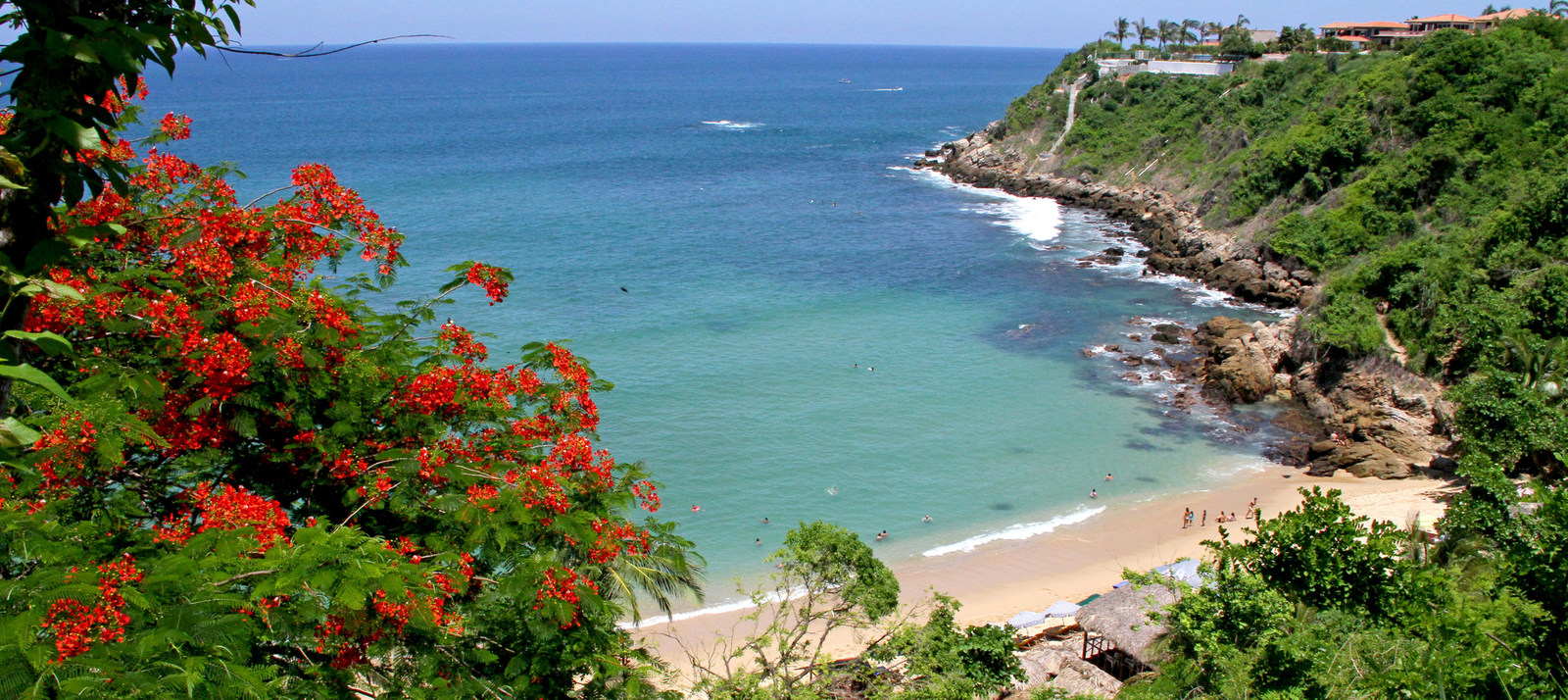
Playa Palmarito, a wide crescent of sand south of Puerto Escondido, offers that same quality of stillness, with the bonus of much warmer water and a slower, less populated shoreline. The sand is firm underfoot, the horizon stretches unbroken toward Guatemala, and the only sound beyond the surf is the occasional pelican skimming the surface. It is the kind of setting where a basic sun salutation sequence turns into something quietly transformative.
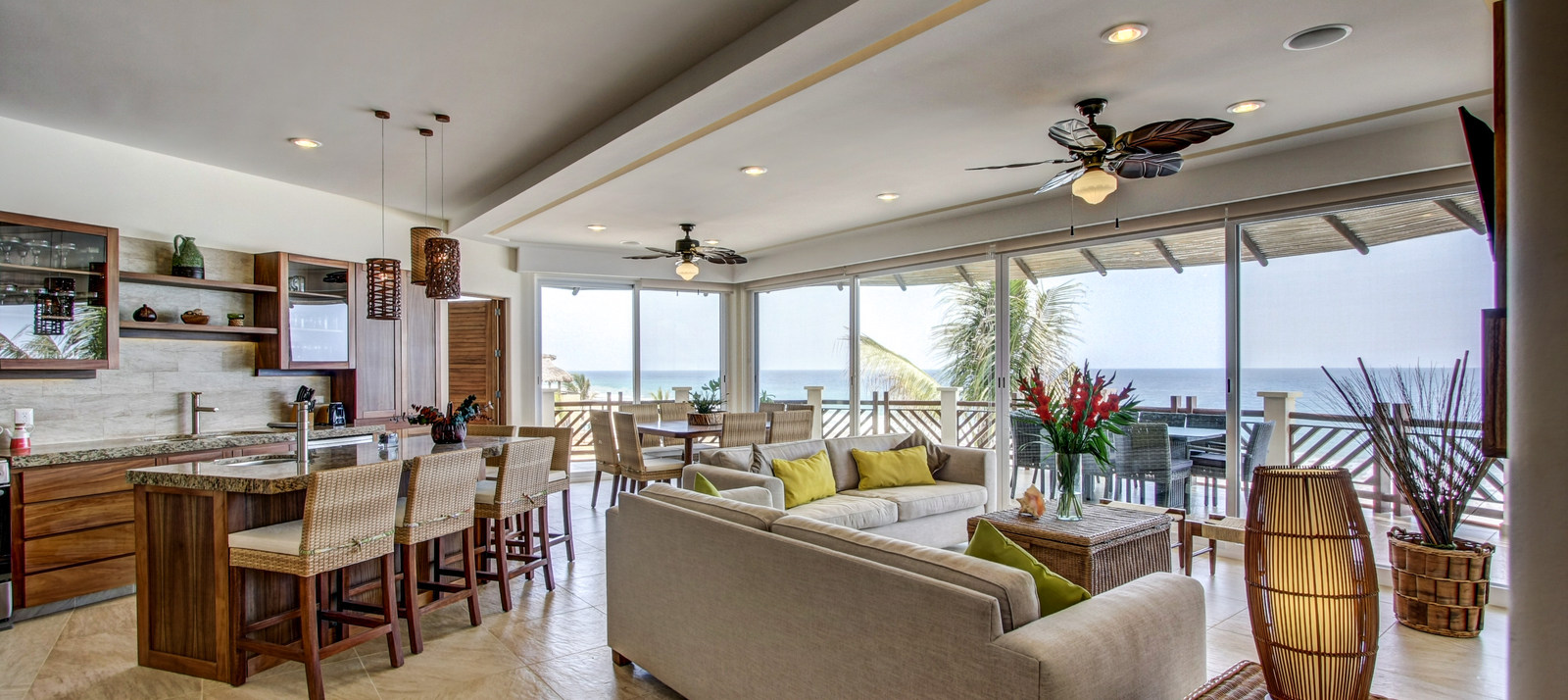
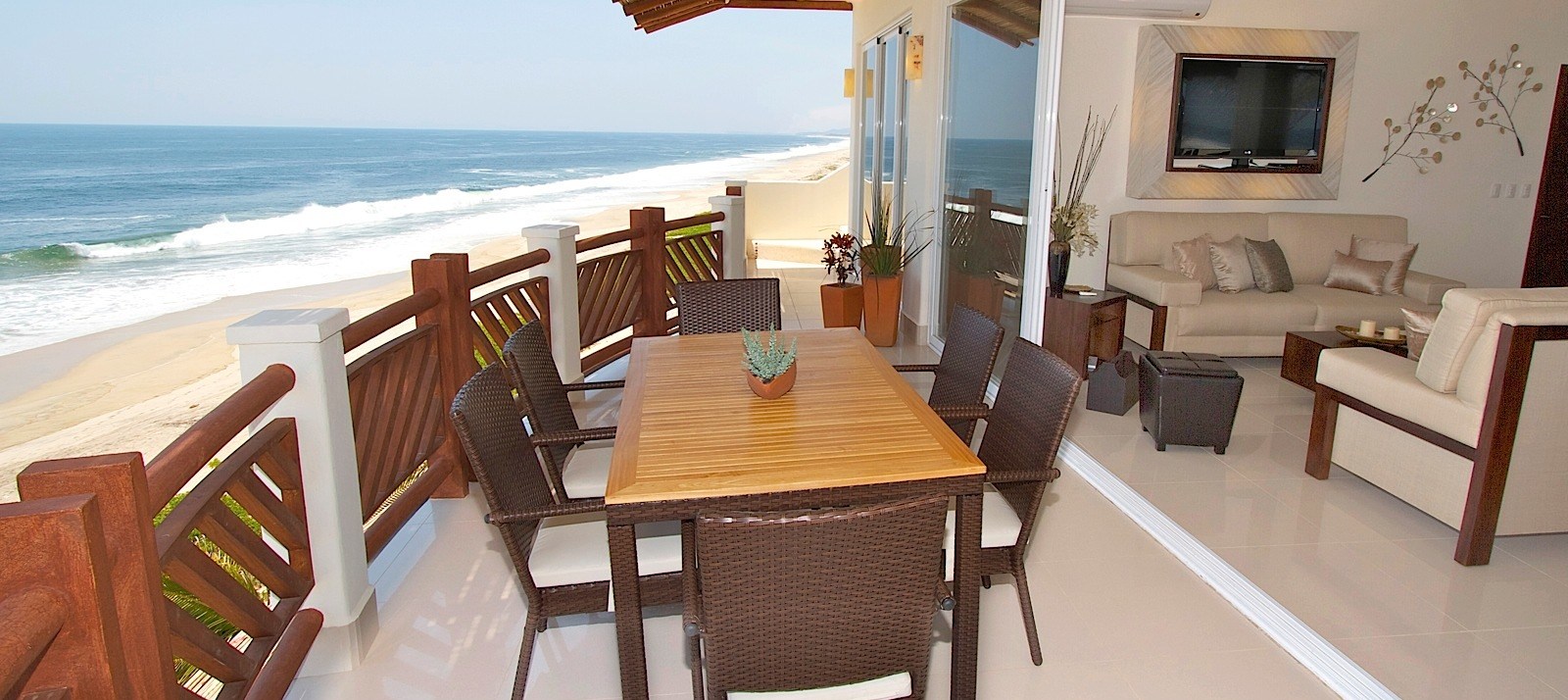
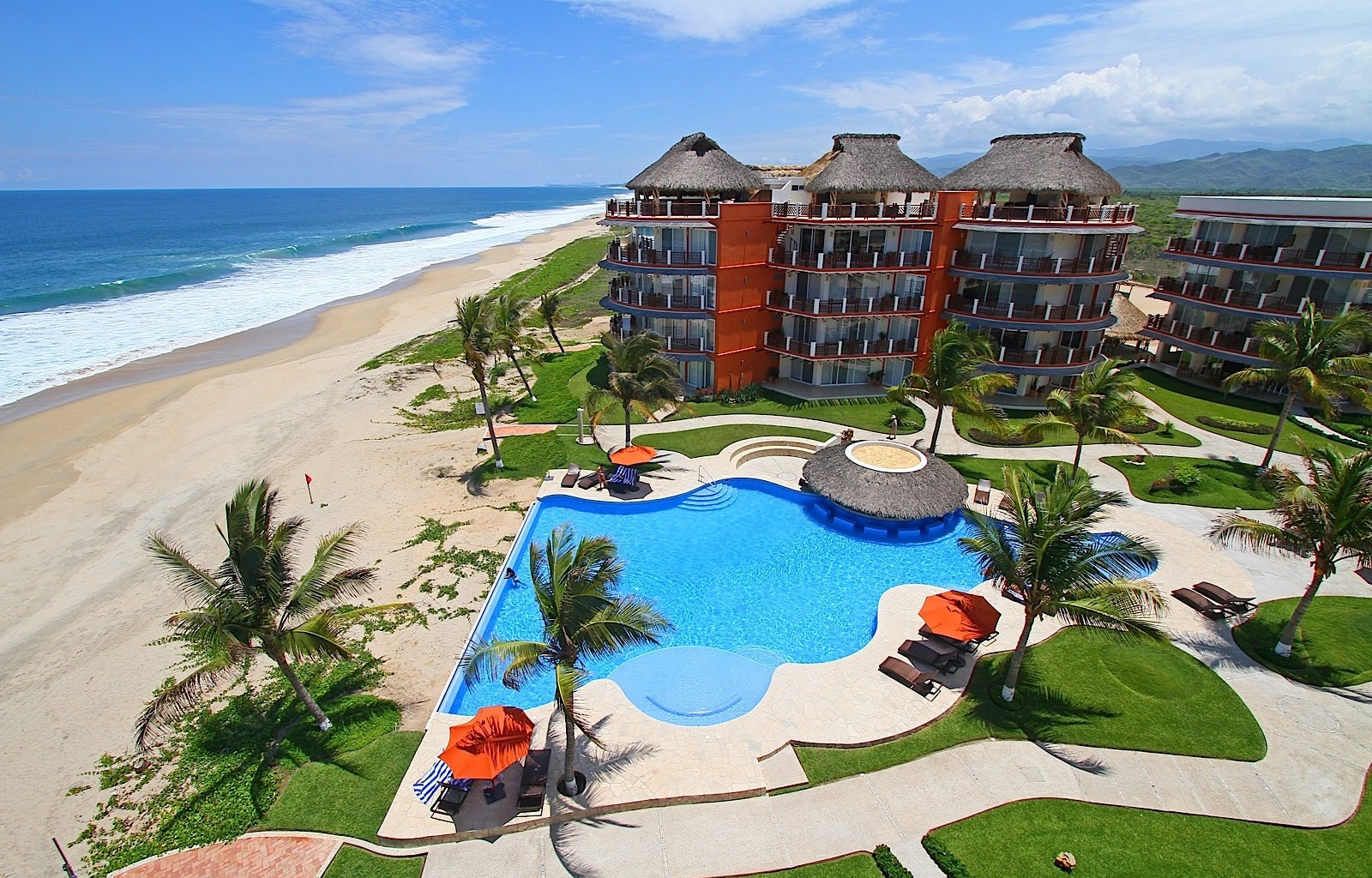
Many guests arrive after the 20-plus-hour journey from Sydney, Melbourne, or Perth, running on flat whites and aeroplane cabin air. A dawn session on the beach becomes less about perfecting a pose and more about recalibrating the body, easing the spine after hours in a cramped seat, and letting the rhythm of the waves replace the hum of a Qantas jet. The resort's beachfront layout means you can roll out a mat within seconds of your suite.
Plenty of Australians book wellness retreats expecting a mirrored studio, lavender-scented towels, and piped spa music. What they find here is the real thing: bare feet on cool sand, salt mist on the skin, and a sunrise that takes its time. It is a different way to begin a day, and one that stays with you long after the flight home.
Why the East-Facing Horizon Matters at Dawn
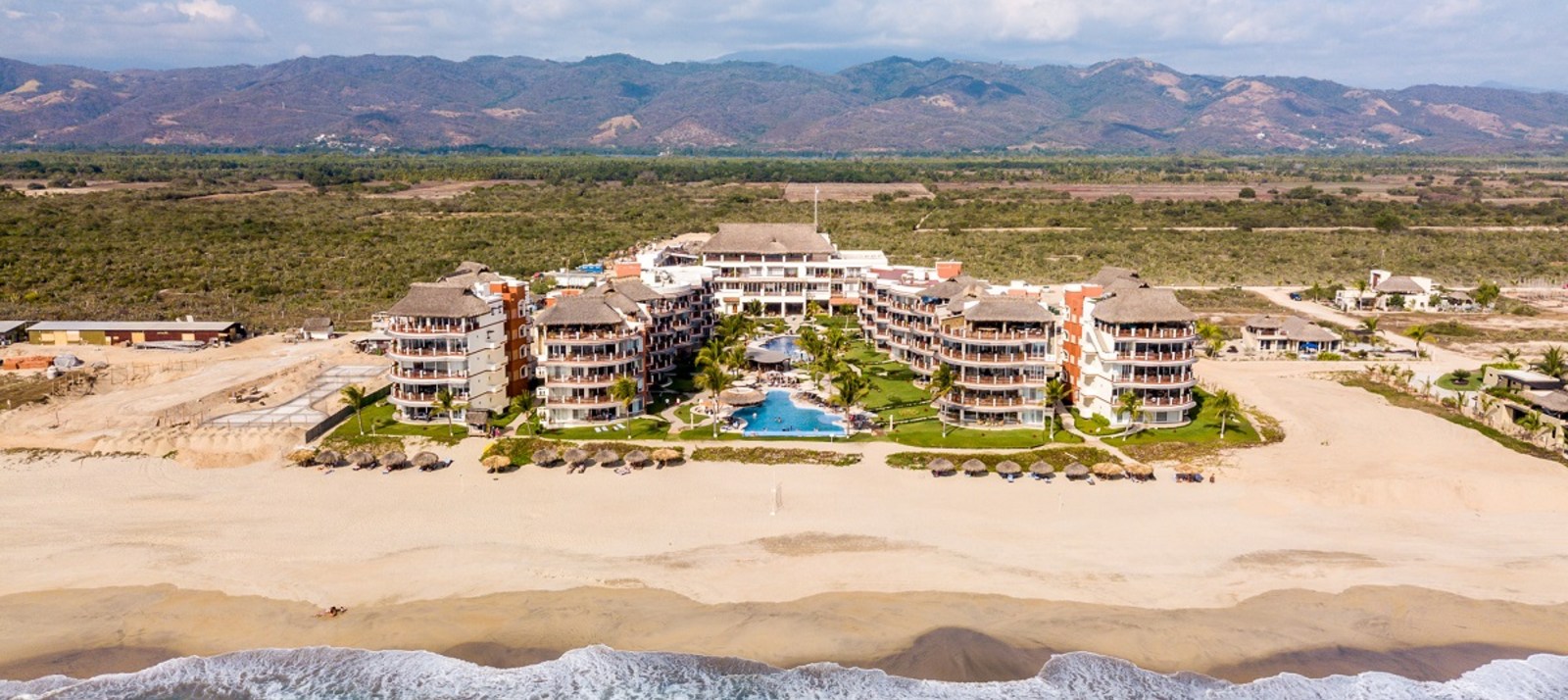
Playa Palmarito runs roughly north-south, but the most sheltered pockets of the resort's beach face east and slightly south, so the first true rays reach the sand without a hill or headland blocking them. The sheer width and absence of built-up shoreline changes the sensory experience for anyone used to practising at places like the Spit in Mosman or Cottesloe in Perth. Light arrives evenly, shadows are soft, and the temperature shifts gently from a cool pre-dawn breeze to a warm shoulder-of-the-day glow.
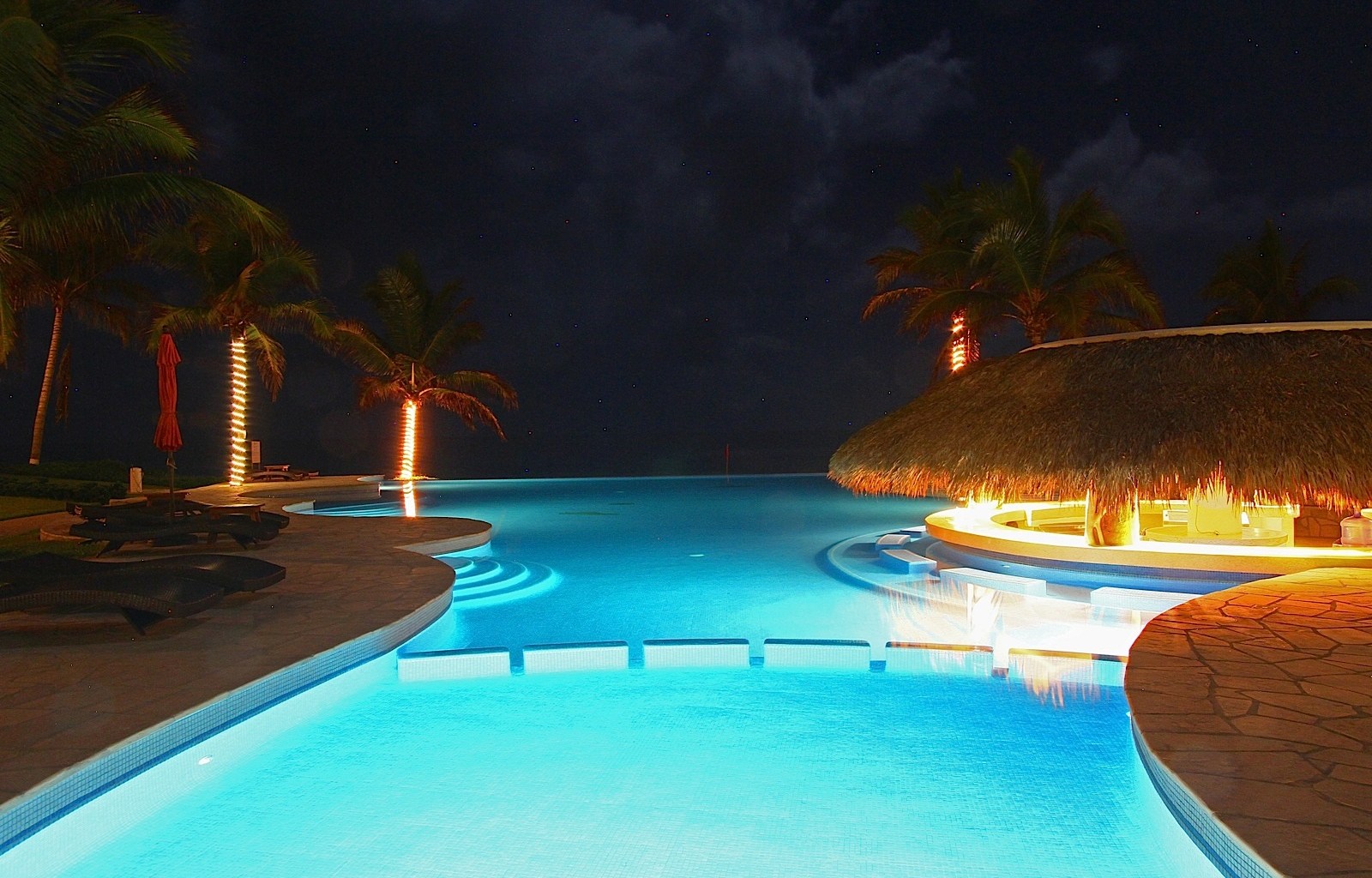
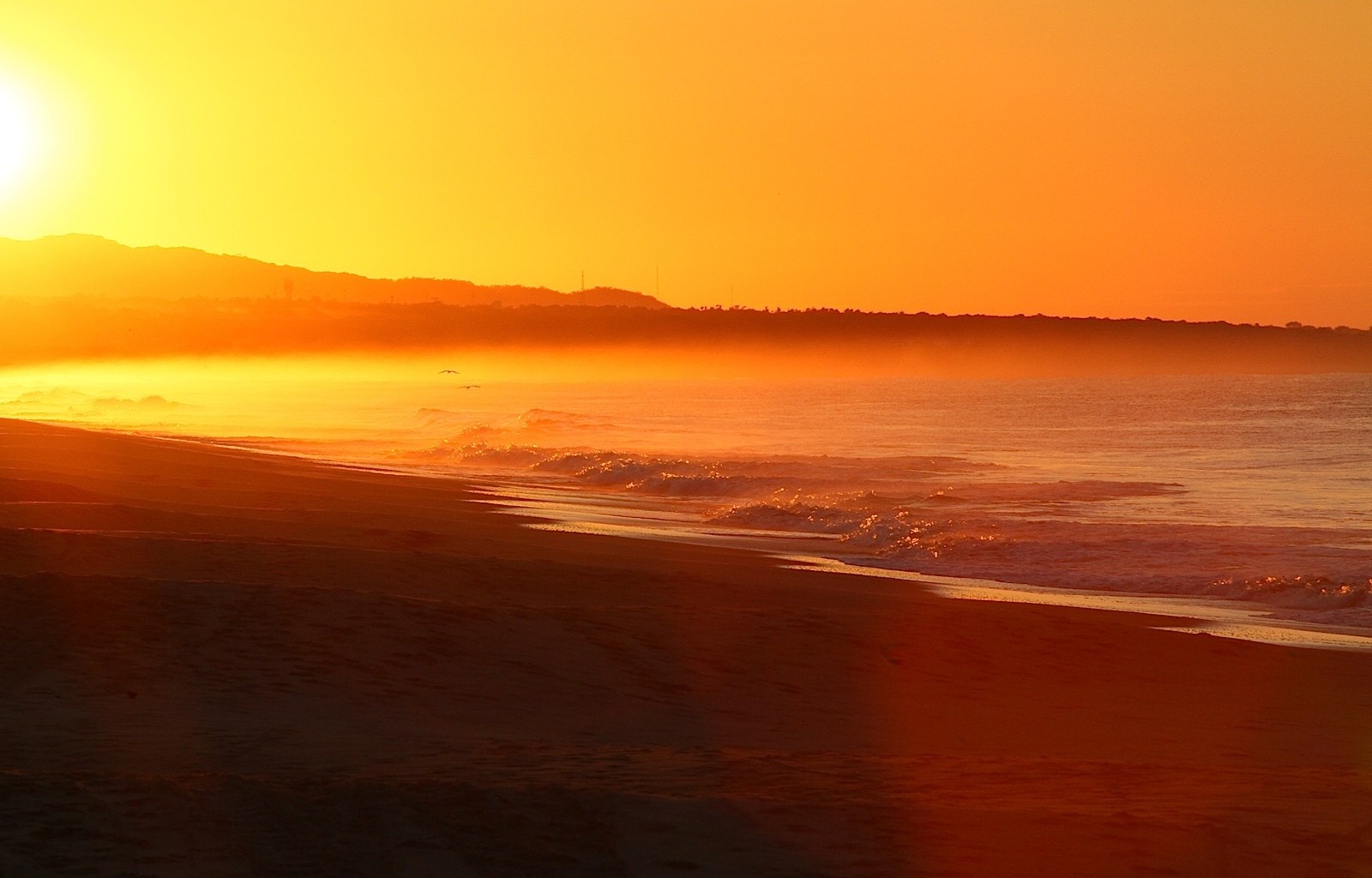
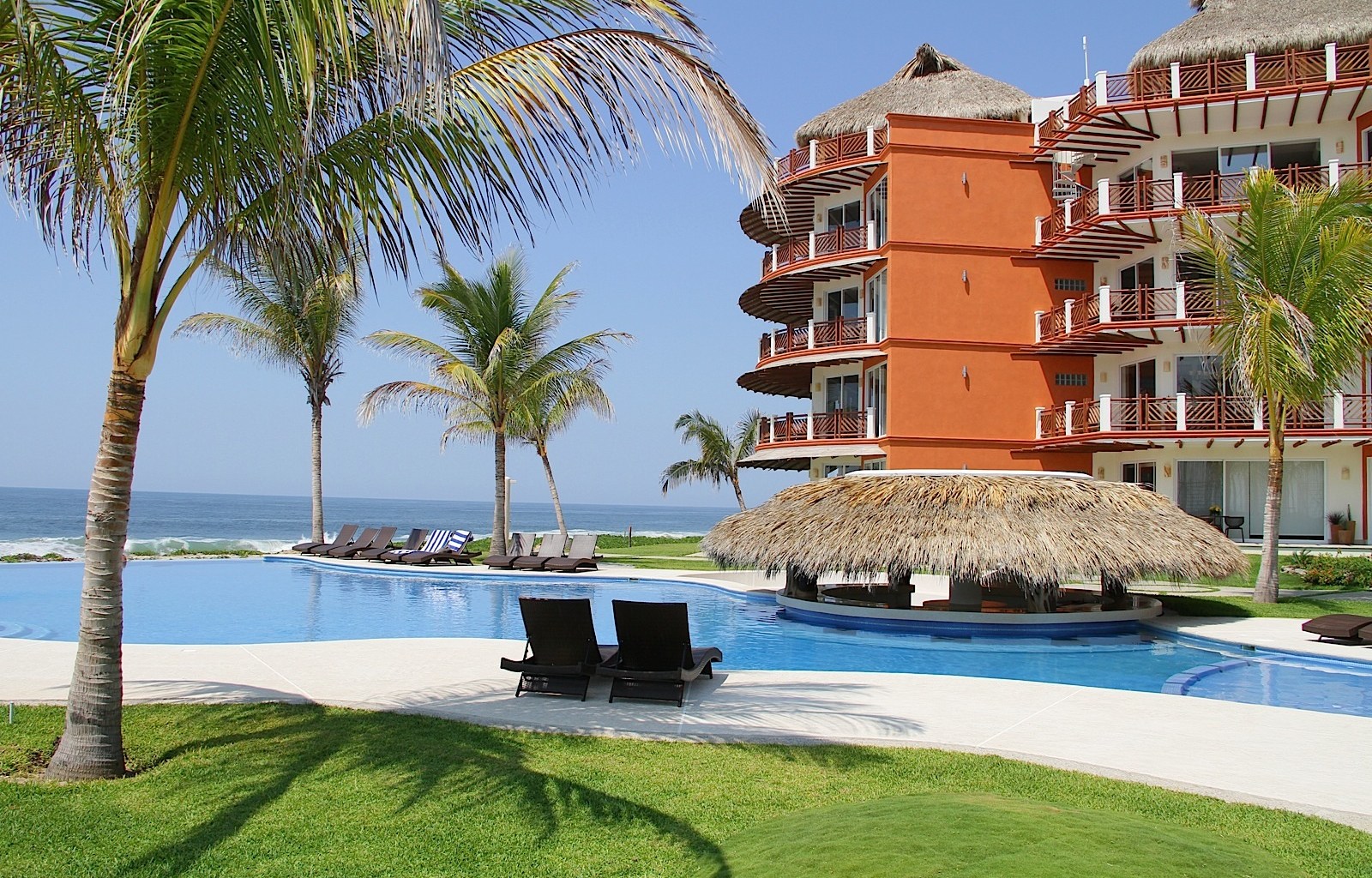
The early stretch, between the main infinity pool and the southern rocks, is where most regular guests drift. The sand has a slight slope toward the water, which gives just enough natural rise for inverted poses. Photographers often point their lenses in this direction too, and a practical look at capturing sunrise confirms it: the colour builds behind the distant fishing pangas, the horizon line is uncluttered, and the wet sand reflects the sky in a way that almost doubles the light.
Quiet Corners Away from the Main Stretch
Beyond the obvious section in front of the resort, a few tucked-away spots reward anyone willing to walk a little further. The southern end, just past where the sand turns a slightly darker volcanic grey, has a small natural alcove formed by rocks and sea grape trees. It feels private without being remote, and the canopy offers enough shade to make seated meditation comfortable as the sun climbs higher.
Further still, around the bend toward the neighbouring cove, the beach opens into a long, flat expanse where low tide leaves a polished mirror of wet sand. This is a great spot for walking meditation, particularly for guests who find stillness on the mat harder than movement. The pace of the waves sets a natural cadence, and the soft give of the sand under each step keeps the mind in the body rather than in tomorrow's to-do list. A few Australians compare it favourably to morning walks at Noosa Main Beach or along the cliff paths of Coogee, but without the joggers, dog walkers, or Sydney ferry horns.
A Simple Sunrise Sequence for Beginners and Long-Haul Bodies
No need to attempt a full vinyasa class on the first morning, especially if your body is still adjusting to a ten-hour time difference from Sydney or a nine-hour difference from Perth. A gentle, breath-led sequence of about twenty-five minutes works beautifully on the sand. Start standing at the water's edge with a wide stance, soft knees, and a few rounds of slow diaphragmatic breathing. The salt air makes this easier than it sounds.
Move through three rounds of cat-cow on all fours, letting the spine articulate with the breath. Then, depending on how the hips feel, a low lunge on each side, holding for five breaths and using the hands on the sand for balance. From there, a simple downward-facing dog, pedalling the feet, followed by a slow forward fold and a gentle backbend. Close with a legs-up-the-wall equivalent, lying flat on the sand with the legs draped over a beach bag or rolled towel for five minutes. The sand supports the joints in a way a studio floor does not, useful for anyone whose core has gone soft from too many hours at a desk in Melbourne's CBD.
Sound, Scent, and the Sensory Layers of Dawn
A dawn practice engages the senses well beyond the visual. The soundscape on this stretch of Oaxacan coast changes in layers: first, the slow, even wash of the surf; then, the higher call of frigate birds returning from night fishing; finally, the soft scratch of iguanas moving through the undergrowth at the dune line. Each layer arrives in roughly the same order, which makes the practice feel rhythmic and predictable even for newcomers.
Scent is just as important. The early air carries a faint mineral note from the sea, mixed with frangipani from the resort's gardens and a light, almost sweet smoke from the kitchens firing up for breakfast. It is a scent unlike any studio in Surry Hills or Fitzroy, and worth noticing before the day crowds in. By evening, the same beach offers a different but complementary rhythm. The resort runs thoughtful sunset cruises for guests who want a slower wind-down after a week of dawn practice, and the contrast between morning stillness and evening movement often feels like the missing piece of a balanced retreat.
Pairing the Practice with the Rest of Your Stay
A dawn yoga session works best when it folds into a fuller day rather than sitting as an isolated event. After rolling up the mat, a swim in the calm morning sea is almost mandatory, and the water at Playa Palmarito at sunrise is often glassy enough to feel like swimming in warm honey. Breakfast at the resort's beachfront terrace, with fresh tropical fruit, eggs to order, and a proper strong coffee, rounds out the morning without any rush.
For guests who want to extend the contemplative mood into a full-day adventure, an organised day trip to Agua Blanca or Chacahua delivers mangrove lagoons, lagoon swimming, and a slower pace that pairs naturally with a week of dawn practice. Many Australian guests treat it as the midpoint of their stay, after several mornings on the mat and before the return home. By the second week, the rhythm tends to set itself: awake at 5:45, mat down by 6:10, practice until 6:40, swim, shower, brekkie.
The most useful thing any guest can do on arrival is commit to the first three sunrises, even if the body is still arguing with the time zone. By the fourth morning, the body settles, the alarm feels less cruel, and the practice becomes the day's anchor. Pack light, leave the phone behind, and let the Pacific do the rest.