A Photographer’s Guide to Capturing Sunrise Over Playa Palmarito
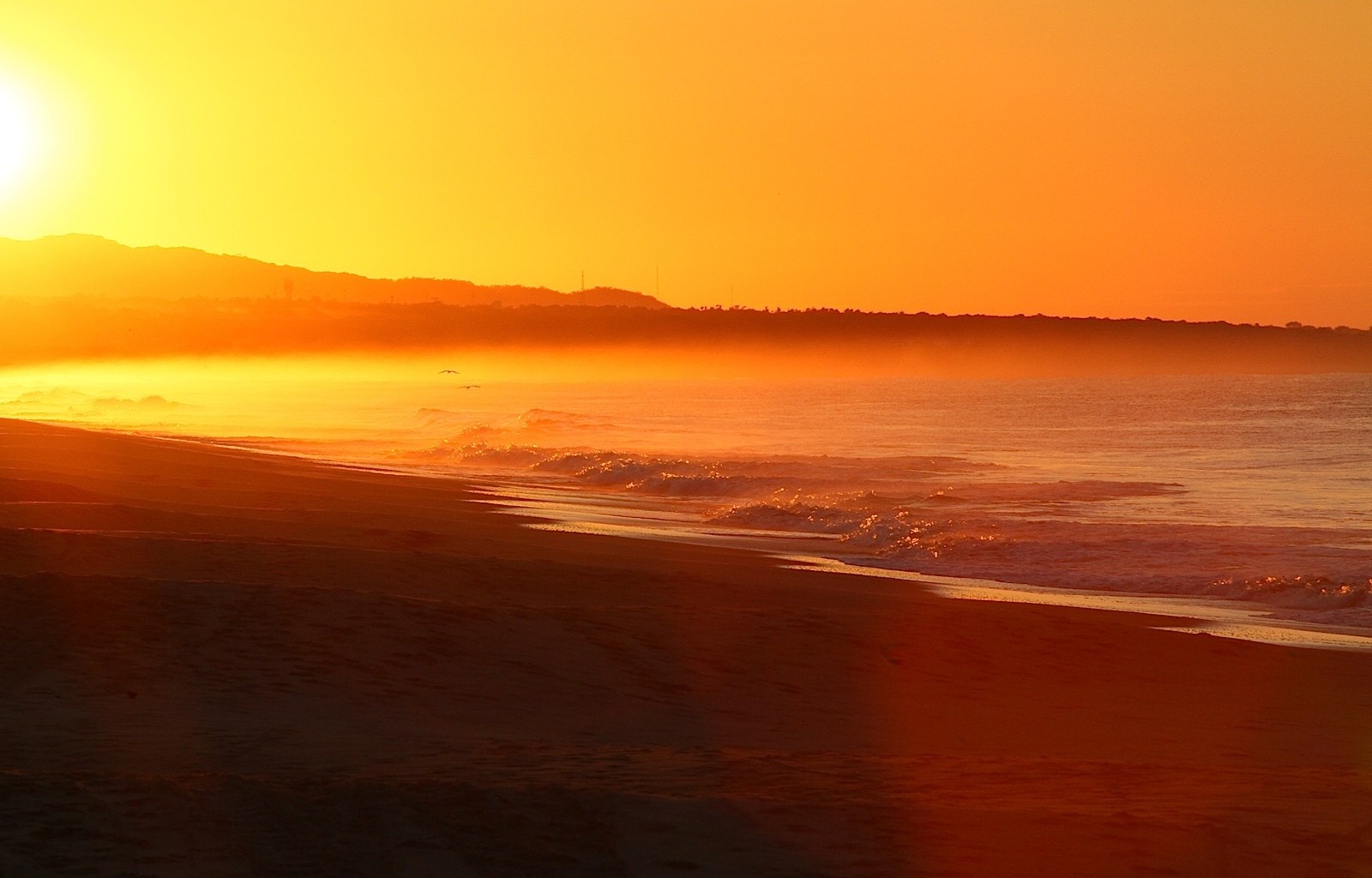
Playa Palmarito offers a dramatic setting for coastal photography, with the Pacific horizon opening into wide bands of color before the sun appears. The beach’s long shoreline, soft surf, palm silhouettes, and changing cloud formations give photographers plenty of ways to create distinctive sunrise images.
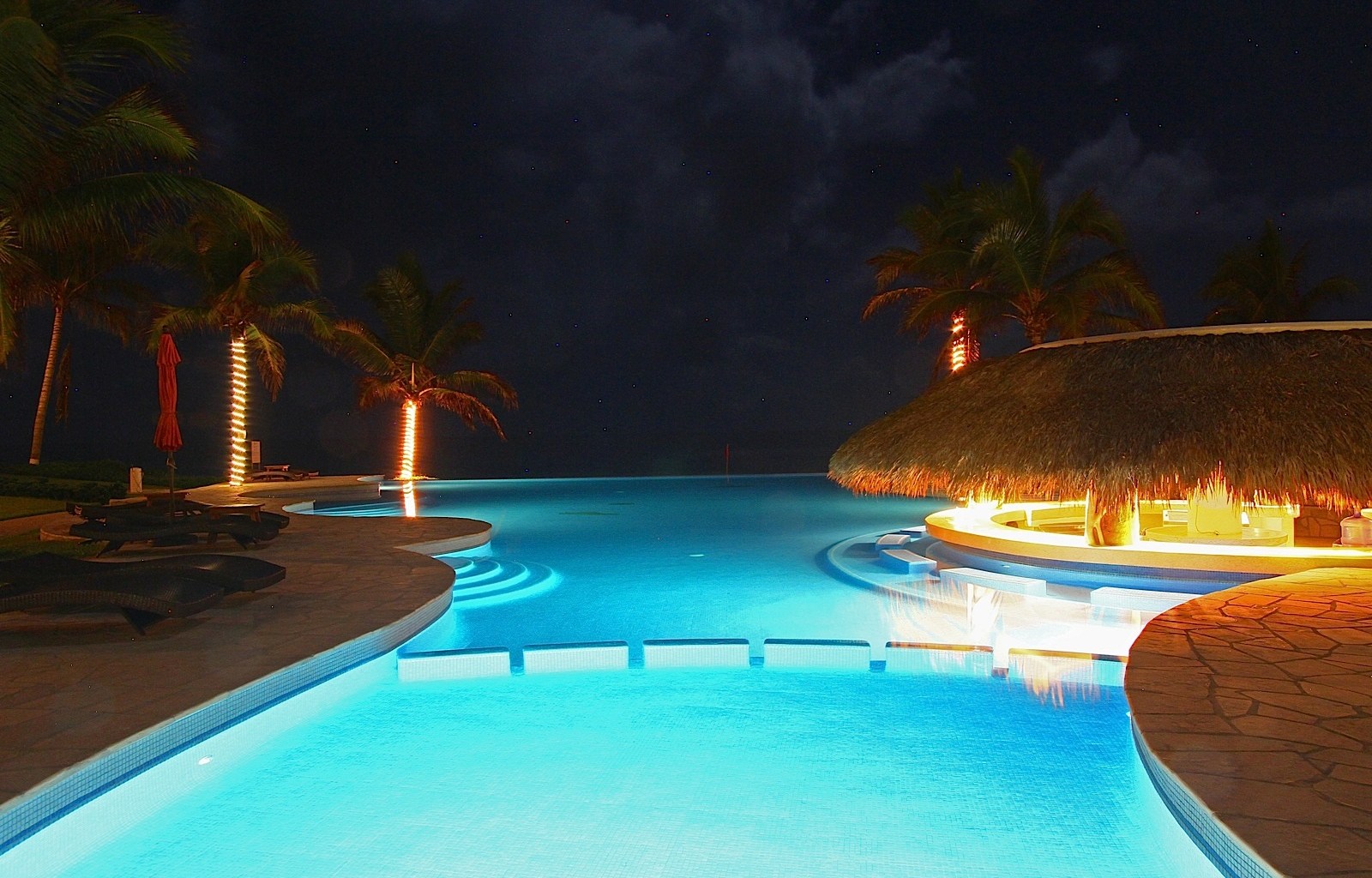
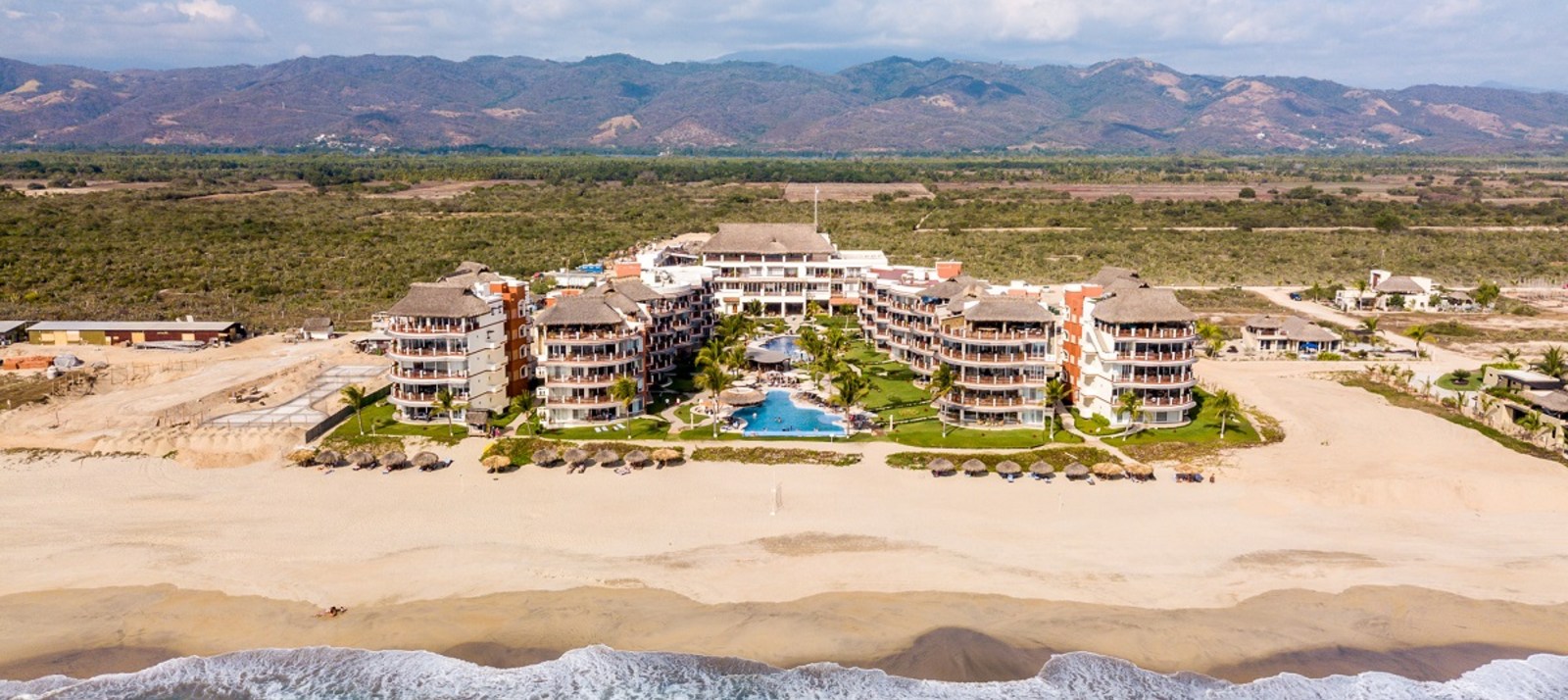
Vivo Resorts places you close to the action. From an ocean-view residence or private villa, you can reach the sand quickly, return for coffee after the shoot, and enjoy the comfort of spacious accommodations, pools, dining, and a full-service spa throughout the day.
A successful morning begins before the first light. Check the forecast, learn the beach access points, and prepare your equipment the night before so you can focus on composition when the sky begins to glow.
Read the coast before sunrise
Arrive 30 to 45 minutes before sunrise to photograph the blue hour. This low light can produce deep blue tones in the sky while the horizon develops subtle pink, lavender, and orange shades. Early arrival also gives you time to walk the beach and identify foreground details such as tidal pools, driftwood, shells, or textured sand.
The Pacific shoreline may look different each morning. Waves can erase footprints, clouds can soften the light, and the tide can change which reflections are available. A quick scouting walk helps you avoid rushing into the first attractive viewpoint and encourages a more intentional image.
For practical planning, review Puerto Escondido travel guide details before your stay. Local information can help you coordinate transportation, beach visits, weather expectations, and extra photography locations along Oaxaca’s coast.
Pack for changing light
A wide-angle lens between 16mm and 35mm works well for expansive scenes, while a standard zoom can isolate palms, distant boats, or layers of color near the horizon. A telephoto lens is useful when clouds or waves become the main subject, so consider bringing one if your camera bag allows it.
Use a sturdy tripod for long exposures during blue hour, especially when the light is too dim for a sharp handheld image. A lens cloth is essential near the surf, and a rain cover or waterproof pouch can protect gear from sea spray. Keep spare batteries and memory cards in a dry compartment.
Shoot in RAW to preserve detail in bright clouds and shadowed sand. A graduated neutral-density filter can help balance a bright sky with a darker foreground, although exposure bracketing is a flexible alternative when the contrast is strong.
Shape the frame with layers
A memorable sunrise photograph usually has a clear foreground, middle ground, and background. Place a wave line, rock, palm, or reflection in the foreground to lead the eye toward the glowing horizon. Low camera positions can make ripples and wet sand appear more prominent.
Avoid placing the horizon in the exact center unless you want a deliberate symmetrical composition. Give more space to the sky when the clouds are colorful, or emphasize the beach when reflections, wave patterns, and footprints create visual interest.
Silhouettes can add a graphic quality to the scene. Palm trunks, a lone figure, or a distant fishing boat may stand out beautifully against warm light, but keep the main shape uncluttered. Check the edges of the frame for stray objects that could distract from the subject.
Match settings to the light
Begin with a low ISO, such as 100 or 200, to retain clean detail and rich color. Aperture settings around f/8 to f/11 can keep much of a landscape sharp, while a wider aperture is useful for separating a nearby shell or plant from a softly blurred horizon.
Exposure compensation may be necessary as the sun rises. Bright skies can cause the camera to underexpose the beach, while reflective wet sand can fool the meter in the opposite direction. Review the histogram and watch for clipped highlights in the clouds.
| Scene or moment | Useful starting point | Creative purpose |
|---|---|---|
| Blue hour landscape | ISO 100–400, f/8, 1–5 seconds | Smooth water and saturated sky |
| First sunlight on clouds | ISO 100–200, f/8–f/11, 1/30–1/125 second | Preserve warm highlights |
| Moving waves | ISO 100–400, f/8, 1/4–1/15 second | Show flowing wave texture |
| Palm or person silhouette | ISO 100–400, f/5.6–f/8, 1/125 second or faster | Create a crisp graphic outline |
| Handheld details | ISO 400–800, f/4–f/8, 1/125 second or faster | Capture shells, foam, and beach life |
Focus on a foreground subject when it is close to the camera, then check sharpness at the horizon. For scenes without a strong foreground, focus approximately one-third into the composition or use manual focus after magnifying a distant object.
Follow the light beyond the beach
The best sunrise session does not need to end when the sun clears the horizon. Warm side light can reveal patterns in the sand, illuminate sea foam, and create soft color on resort architecture. Walk back slowly and look for details that were invisible in the darker blue-hour conditions.
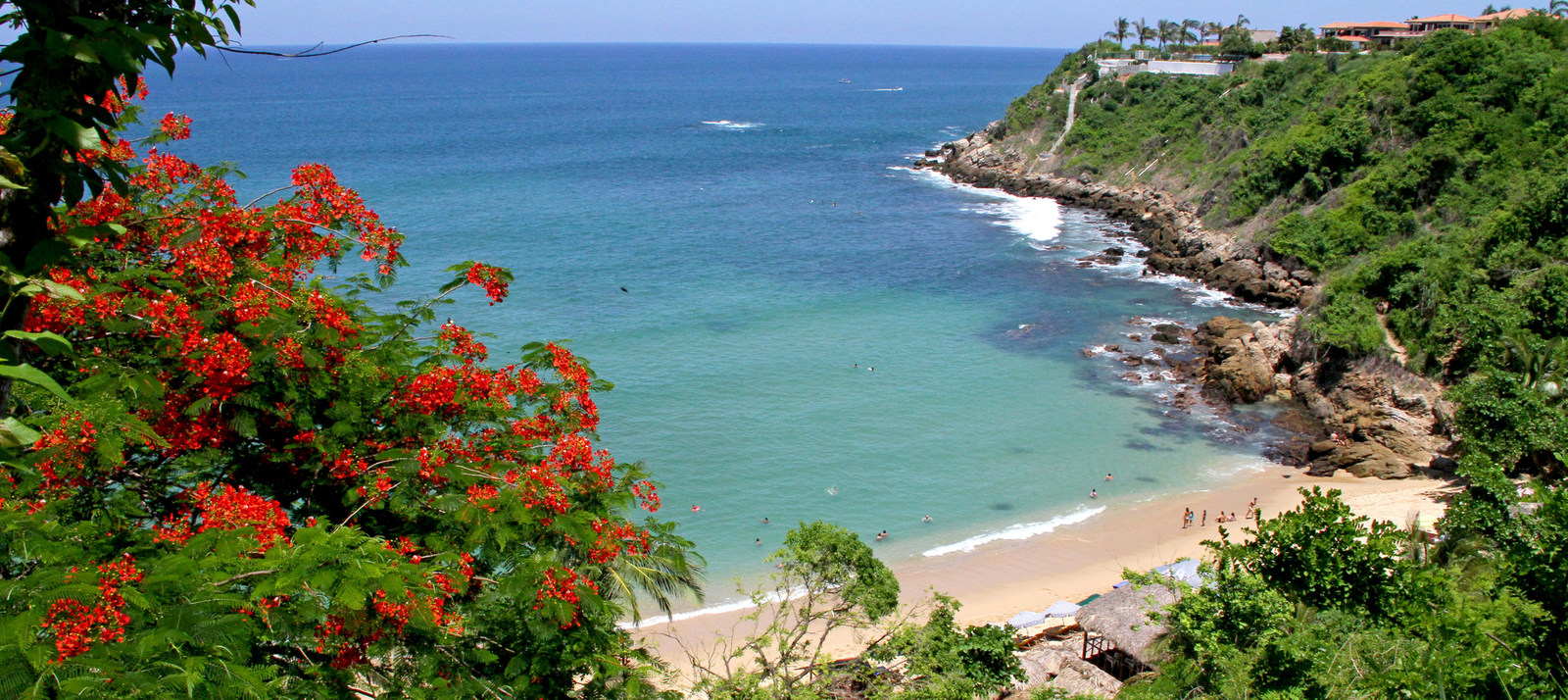
Vivo Resorts can also serve as a base for broader coastal photography. A day in Puerto Escondido may provide urban scenes, fishing activity, markets, and a different shoreline character. The resort’s guide to a Zicatela day-trip itinerary can help you plan a complementary outing after your beach sunrise.
Keep the schedule realistic. After an early shoot, a relaxed breakfast, pool time, or spa appointment can make the day feel balanced rather than rushed. If you are photographing a destination wedding or family holiday, the quiet morning may also be your best opportunity for personal landscape work.
Make the morning comfortable
Beach photography rewards patience, but comfort helps you stay patient. Wear sandals or shoes that can handle wet sand, bring drinking water, and protect yourself from glare even when the air feels cool. Avoid standing too close to the waterline while concentrating on the view; Pacific waves can reach farther than expected.
Respect other guests, local beach users, and wildlife. Keep equipment away from nesting areas, leave shells and natural features where you find them, and use a dimmed screen or silent shutter when people are nearby. A sunrise image is stronger when it reflects a thoughtful relationship with the place.
A Simple Sunrise Workflow
- Check the sunrise time, tide, clouds, and wind the evening before.
- Pack two lenses, a tripod, spare batteries, a cloth, and water.
- Scout the shoreline during blue hour before committing to a composition.
- Capture wide scenes, medium details, silhouettes, and wave movement.
- Stay for the changing side light, then back up important files.
The most rewarding photographs often come from observing small changes rather than chasing a single perfect frame. At Playa Palmarito, the sky, surf, and reflections shift minute by minute, giving every morning its own visual character. Reserve an oceanfront stay at Vivo Resorts, prepare your camera before bed, and step onto the beach early enough to capture the full progression from blue hour to golden light.