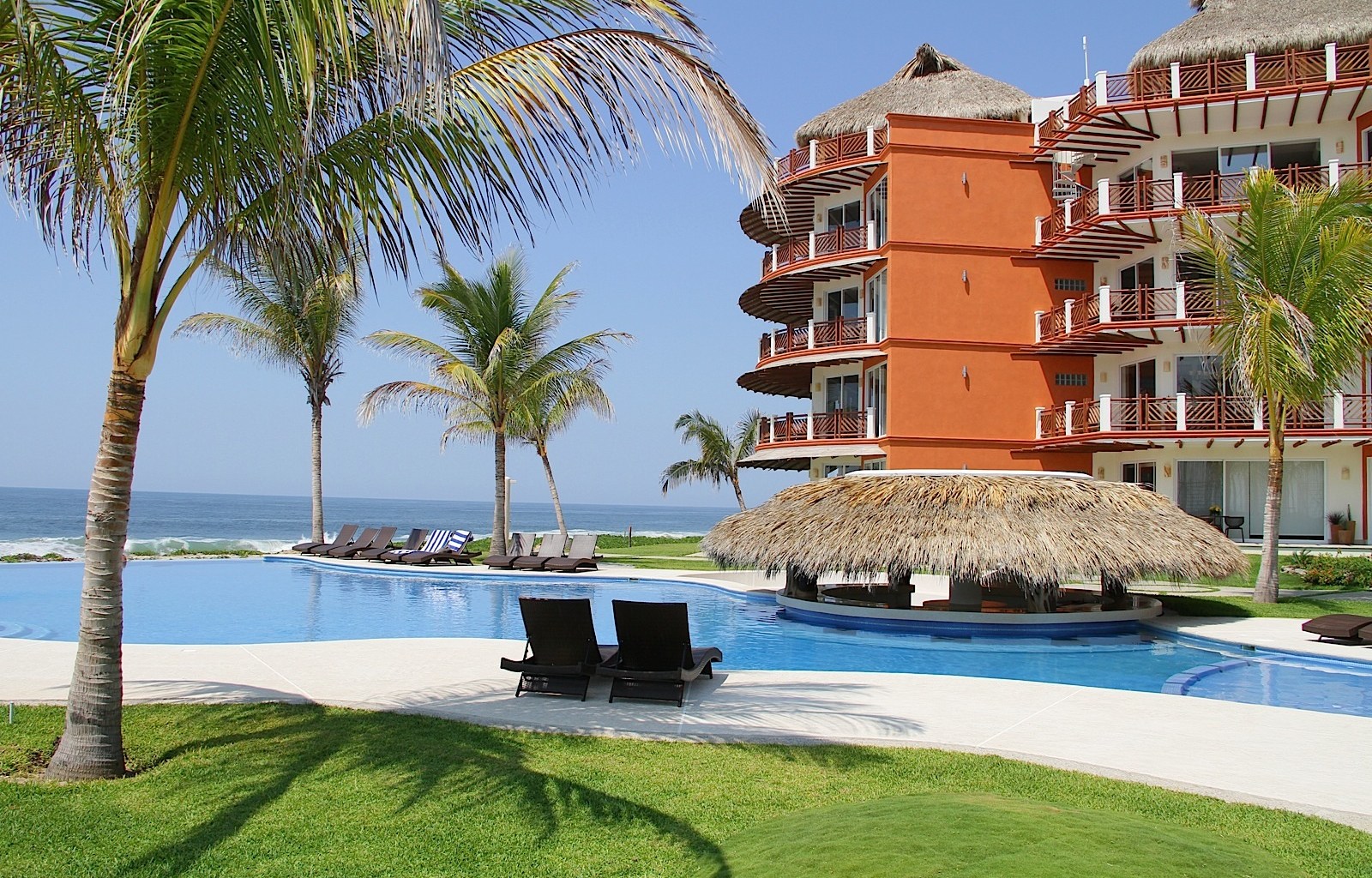
Handcrafted stories from Oaxaca at Vivo Resorts
A holiday souvenir can be far more meaningful than a fridge magnet when it carries the colours, materials and creative traditions of the place you have visited. At Vivo Resorts, the gift shop provides an easy way to discover artisan-made pieces connected with Oaxaca’s rich craft heritage while staying close to Playa Palmarito.
For Australian travellers, these keepsakes offer a tangible reminder of Mexico after returning to Sydney, Melbourne, Brisbane or Perth. The best choice is usually something you understand: a woven pattern, carved figure or ceramic object whose material and symbolism can be explained by the maker or shop team.
A small shop with a strong regional identity
The resort’s location makes the gift shop a convenient place to browse Oaxacan handicrafts without spending a full day travelling inland. Stock can vary, but visitors may find woven textiles, pottery, carved wooden figures, jewellery and small decorative objects sourced from artisan communities.
These pieces reflect Oaxaca’s long relationship with natural materials. Cotton, wool, clay, wood, palm fibre and plant-based dyes are shaped by techniques passed through families and villages. A purchase therefore represents more than a design style; it can preserve a practical skill and support the people who continue it.
The shop is also useful for travellers who want a thoughtful gift but have limited luggage space. A compact bracelet, small textile or lightweight decoration is easier to carry than a large market piece, particularly when your itinerary includes Puerto Escondido, Mexico City and a long flight back to Australia.
Textiles that carry colour and memory
Oaxacan textiles are often recognised for their strong colour combinations and repeated geometric forms. Handwoven runners, scarves, bags and cushion covers may feature stripes, diamonds, stepped shapes or floral details. Patterns vary by community, and their meaning is not always universal, so it is worth asking about a particular design rather than assuming every motif has the same symbolism.
Many weavings represent continuity, place and family knowledge. The loom itself can be part of the story: some textiles are made on backstrap looms, while others use larger floor looms. The time involved explains why a finely finished piece costs more than a factory-made imitation.
A woven runner can suit an Australian home from Fremantle to Canberra, where natural textures and handmade furnishings are popular. It may become a table accent, wall hanging or travel memory rather than something kept in a drawer. Before buying, check whether the item is wool, cotton or a blend, and ask how it should be washed.
Clay, colour and the character of the earth
Ceramics from Oaxaca have distinctive local identities. Barro negro, or black clay, is especially associated with San Bartolo Coyotepec and is known for its dark, often glossy surface. Some pieces are polished by hand before firing, creating a reflective finish, while others retain a more understated matte texture.
The colour is not simply painted on. The clay, firing method and polishing process all contribute to the final appearance. Small black-clay vessels, animal forms and ornaments can symbolise patience and transformation, because an ordinary earth material becomes a carefully shaped object through heat and skilled hands.
Other pottery may use warm red, cream or terracotta tones, with painted flowers, birds or abstract lines. The following guide can help distinguish the most common categories in a resort gift shop:
| Craft | Common material | What it often expresses | Practical use |
|---|---|---|---|
| Woven textile | Cotton or wool | Community identity and continuity | Scarf, runner or wall decoration |
| Black clay pottery | Local clay | Transformation and regional heritage | Display piece or small vessel |
| Alebrije figure | Copal wood or similar wood | Imagination, protection and personality | Ornament or collector’s piece |
| Palm-fibre craft | Dried palm leaves | Resourcefulness and everyday tradition | Basket, mat or small accessory |
| Artisan jewellery | Silver, beads or natural materials | Personal style and local design | Wearable keepsake or gift |
Wrap ceramics carefully and ask whether the shop provides protective packaging. If you are combining a gift-shop visit with an outing, arranging a private boat transfer to a quiet coastal spot can keep the day relaxed while leaving time to choose souvenirs before returning to your suite.
Wooden figures and the language of imagination
Alebrijes are among Oaxaca’s most recognisable folk-art forms. These brightly painted creatures may combine features from several animals: a jaguar with wings, a rabbit with antlers or a bird with an exaggerated tail. Their forms are imaginative rather than zoologically accurate.
The figures are often associated with dreams, creativity and protective spirits. Different colours and details may be given personal meaning by the artist, so the same creature can represent different qualities from one workshop to another. Asking who made the piece and what inspired it adds depth to an otherwise decorative purchase.
Many contemporary examples are carved from copal wood, a material connected with Oaxaca’s craft traditions. Look closely at the surface for hand-painted lines, small brush marks and slight variations. Those irregularities are usually evidence of individual work, not flaws. For an Australian buyer, a small figure is safer to pack than a large carved sculpture and can sit easily on a bookshelf in Adelaide or Hobart.
Choosing a piece with respect and confidence
Price, size and authenticity all matter. A low price may indicate a mass-produced object, while a higher price can reflect carving time, hand painting, natural dyes or a recognised artisan workshop. Ask whether the item is handmade, where it was produced and whether the artist or cooperative is identified.
It is also sensible to compare the object with your home and gifting habits. A compact textile may suit a colleague, a ceramic ornament may suit a host, and a carved figure may be best reserved for someone who appreciates folk art. Australians often return from overseas with gifts for family, neighbours or friends who looked after pets, so lightweight pieces are particularly practical.
If you decide late in your stay that you would like to find a particular type of craft, the resort concierge may be able to advise on local shopping or activities. The concierge’s activity help can be useful when beach time, dining reservations and excursions have already filled the schedule.
Bringing Oaxacan craft home to Australia
Australian biosecurity rules are important when carrying natural materials across the border. Wood, seeds, plant fibres, shells, feathers and products with soil can require inspection or may be restricted. Always declare relevant items on arrival, even if they appear clean, and retain packaging or receipts where possible. Australian Border Force and the Department of Agriculture, Fisheries and Forestry provide the current requirements.
Ceramics, finished textiles and metal jewellery are generally simpler to transport, but they should still be packed securely. Keep fragile items in your carry-on when practical, use clothing as padding and avoid placing heavy objects directly against glazed surfaces. A fabric bag or scarf can protect a smaller souvenir while doubling as part of the gift.
The meaning of a handmade object becomes stronger when you remember its origin rather than treating it as anonymous décor. A black-clay vessel may recall Oaxaca’s villages and kilns; a painted wooden animal may bring back the sound of the Pacific coast; a woven piece may remind you of colour, heat and time spent away from home. For guests considering a future stay, these reasons to return may include discovering a different part of the region’s creative culture.
The practical takeaway is simple: ask about the material, maker and meaning, choose a piece suited to your luggage, and declare natural products when you return to Australia.