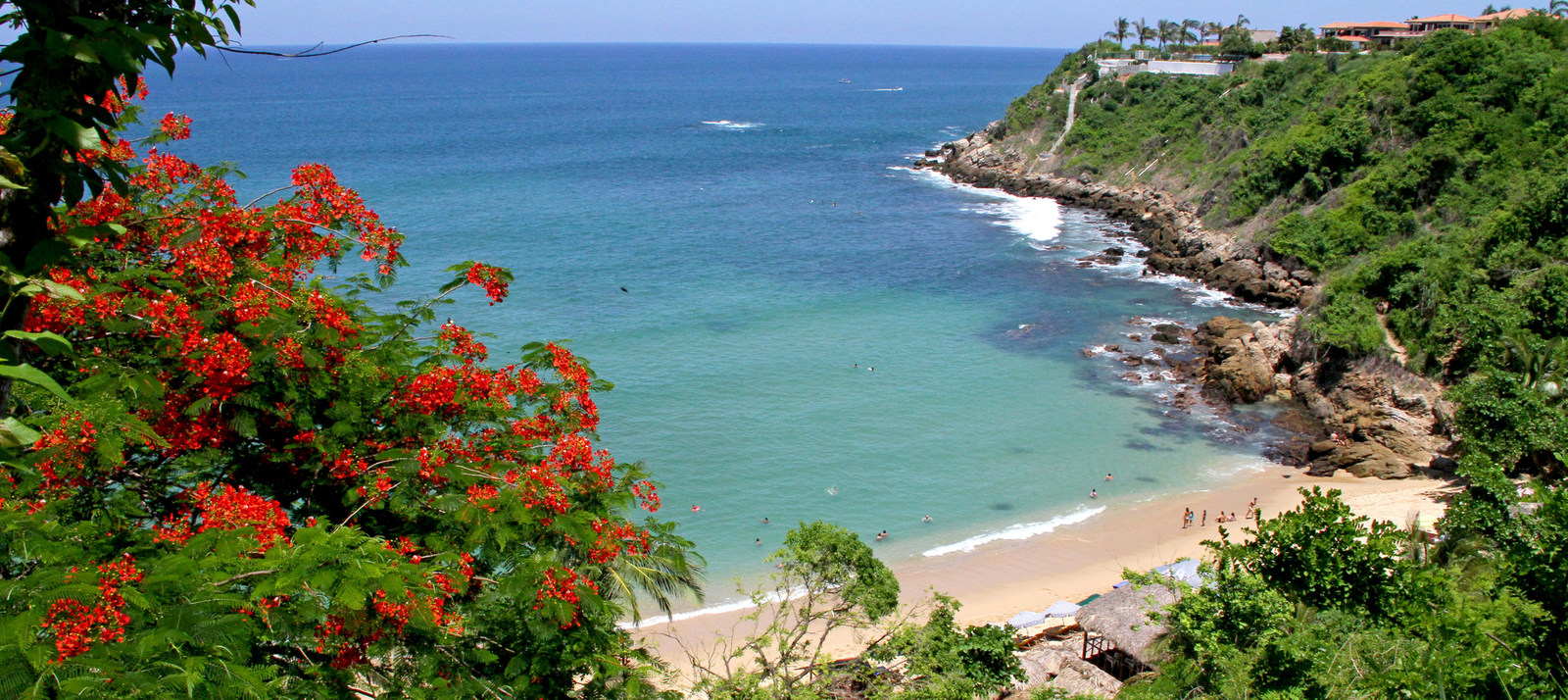
How to arrange a private boat transfer to a secluded beach
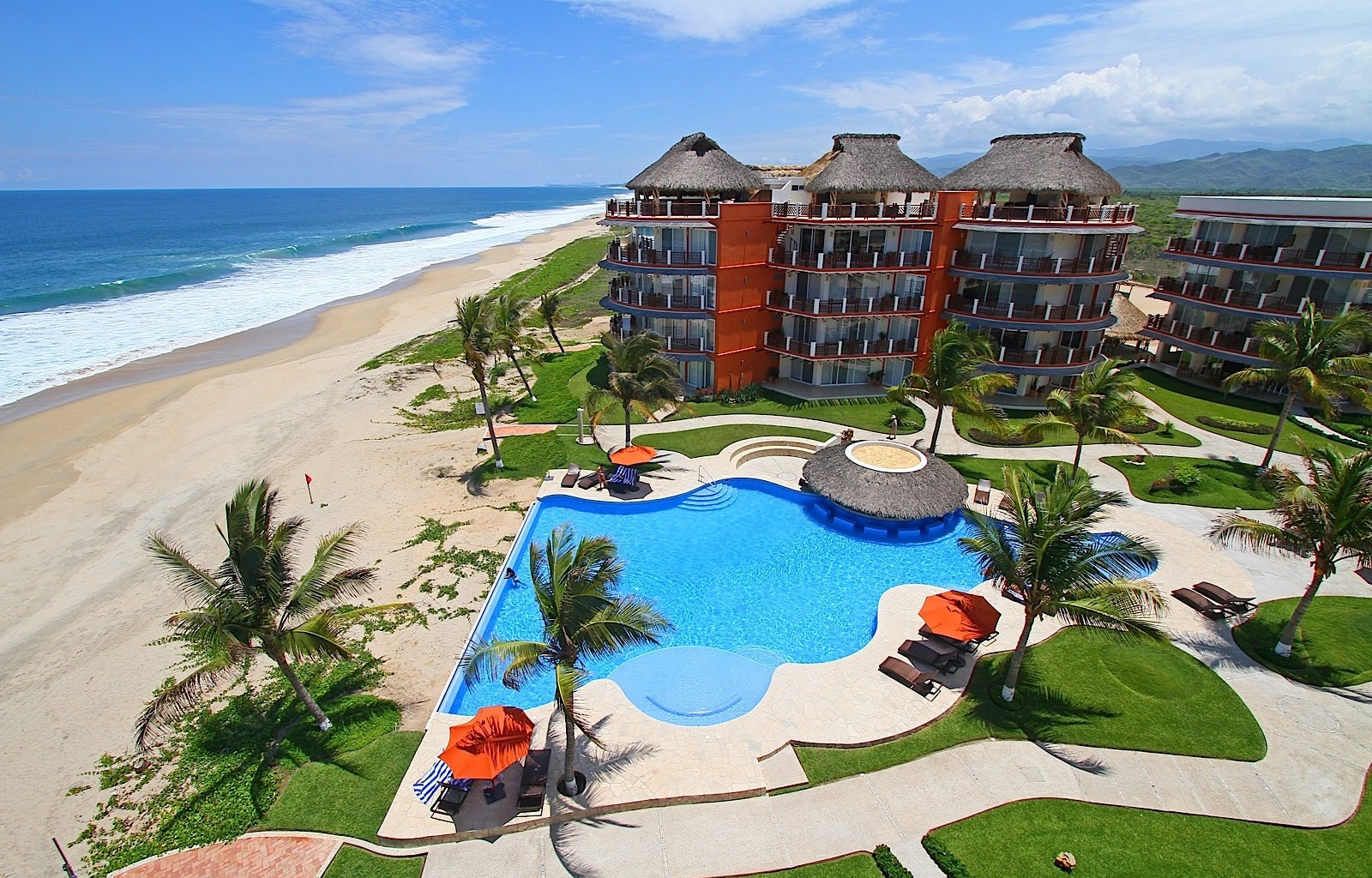
A private boat transfer can turn a beach day along Oaxaca’s coast into a more personal adventure. Instead of following a fixed excursion schedule, you can choose when to leave, how long to stay, and which quiet stretch of shoreline best suits your group. From Vivo Resorts on Playa Palmarito, the experience begins with planning around the tides, weather, and distance to your chosen destination.
Secluded beaches near Puerto Escondido may have limited facilities, little shade, and no reliable food or drink service. A well-organized trip therefore requires more than booking a boat. You will need to confirm the departure point, select a vessel, arrange provisions, and establish a clear return plan before setting out.
The resort’s concierge or activities team can help coordinate local operators and recommend coastal stops based on current conditions. Guests considering longer stays can also explore ways to own a vacation residence and return to the region for future private excursions.
Choose the right beach and departure point
Start by deciding what you want from the outing. A quiet cove may be ideal for swimming and reading, while a more open beach could offer better snorkeling, photography, or a picnic beside the water. Some locations are accessible only by sea, making a private panga, skiff, or small yacht the most practical option.
Ask about the exact landing area rather than relying on a beach name alone. Local names can refer to several nearby coves, and surf conditions may make one section safer than another. Your boat captain should know where passengers can disembark without wading through strong waves or stepping onto sharp rocks.
Confirm whether the boat leaves directly from a nearby beach, a marina, or a fishing village. Transportation from Vivo Resorts may be needed, especially for early departures. Building that road transfer into the schedule prevents the boat reservation from becoming rushed.
Work with a reputable local operator
A private charter should include a licensed captain and crew familiar with the coastline. Request the operator’s name, vessel details, passenger capacity, safety equipment, insurance information, and cancellation policy. A professional provider should answer clearly and explain how weather decisions are handled.
The best boat for your group depends on the number of passengers and the length of the journey. Smaller pangas can reach narrow coves and are often suitable for couples or small families, while larger vessels provide more shade, seating, and storage. If young children or older adults are traveling, ask about boarding steps, handrails, and toilet facilities.
Reserve several days ahead during holiday periods and destination-wedding seasons. For a last-minute trip, the resort team may still locate an available captain, but flexibility with timing and destination will improve your options.
Build the schedule around coastal conditions
Morning departures are often comfortable because winds can increase later in the day. Ask the captain about tide levels, swell, currents, and likely sea conditions for your preferred date. A calm forecast does not guarantee a smooth landing, so the return journey should be assessed as carefully as the outbound trip.
Allow extra time for wildlife sightings, swimming, and changes in the itinerary. A private transfer gives you control, but the captain remains responsible for safe navigation. Agree in advance on the latest departure time from the beach and keep a buffer before dinner reservations or evening activities at the resort.
| Planning detail | What to confirm | Why it matters |
|---|---|---|
| Departure point | Beach, marina, or fishing village | Determines ground transportation and boarding time |
| Vessel | Size, shade, seating, and safety gear | Matches the boat to your group’s comfort and needs |
| Destination | Landing conditions and beach access | Helps avoid difficult surf or rocky shorelines |
| Timing | Departure, beach stay, and return window | Leaves room for tides, weather, and delays |
| Provisions | Water, meals, towels, and sun protection | Remote beaches may have no services |
| Payment | Deposit, balance, and cancellation terms | Prevents surprises if conditions change |
Pack for a beach with no facilities
Treat a secluded beach outing as a self-contained day. Bring refillable water bottles, snacks, a light meal, reef-conscious sunscreen, hats, sunglasses, towels, and a dry bag for phones and cameras. A lightweight shade structure or umbrella can be useful if the boat operator permits one aboard.
Wear secure sandals or water shoes for rocky entries and avoid carrying unnecessary valuables. If snorkeling equipment is important to your plans, confirm whether the captain supplies masks and fins or whether you should bring your own. Families may also want flotation aids, spare clothing, and familiar snacks for younger travelers.
Ask about waste management before departure. Everything brought ashore should return to the boat, including food packaging and disposable items. Keeping the beach clean protects the quiet character that makes the trip worthwhile.
Coordinate comfort, food, and special occasions
Tell the operator about dietary needs, mobility concerns, children, and any celebration. Some crews can arrange a cooler, fresh fruit, a boxed lunch, or a simple picnic setup. For a birthday, anniversary, or proposal, the concierge may help coordinate flowers, photography, or a private meal after returning to the resort.
A private boat trip also works well as part of a larger coastal itinerary. You might spend the morning at an isolated cove, return for a spa treatment and pool time, then explore local dining or nightlife in the evening. Guests extending their stay can draw on Puerto Escondido nightlife ideas when planning what to do after the boat returns.
Keep expectations realistic about connectivity. Remote beaches may have weak or no mobile service, so share your itinerary with the resort and carry essential contact information offline. The captain should have a dependable communication system for emergencies.
Confirm the details before leaving
A written confirmation should include the date, meeting time, passenger count, boat type, captain’s name, destination, estimated duration, price, inclusions, and payment terms. Clarify whether fuel, transportation, snorkeling gear, food, and gratuity are included. Ask who makes the final call if weather conditions deteriorate.
Use this checklist when arranging the transfer:
- Confirm the operator’s license, safety equipment, and emergency procedures.
- Match the vessel’s capacity and boarding design to your group.
- Check the forecast, tides, swell, and alternate destination options.
- Prepare water, food, sun protection, dry storage, and suitable footwear.
- Share the itinerary with the resort and agree on a firm return time.
Once the plan is confirmed, leave the remaining details to the local crew and enjoy the coastline at an unhurried pace. Contact Vivo Resorts’ concierge before your stay or during check-in to arrange a private boat transfer, coordinate ground transportation, and create a secluded beach day suited to your group.