A Guide To Horseback Riding Along Playa Palmarito
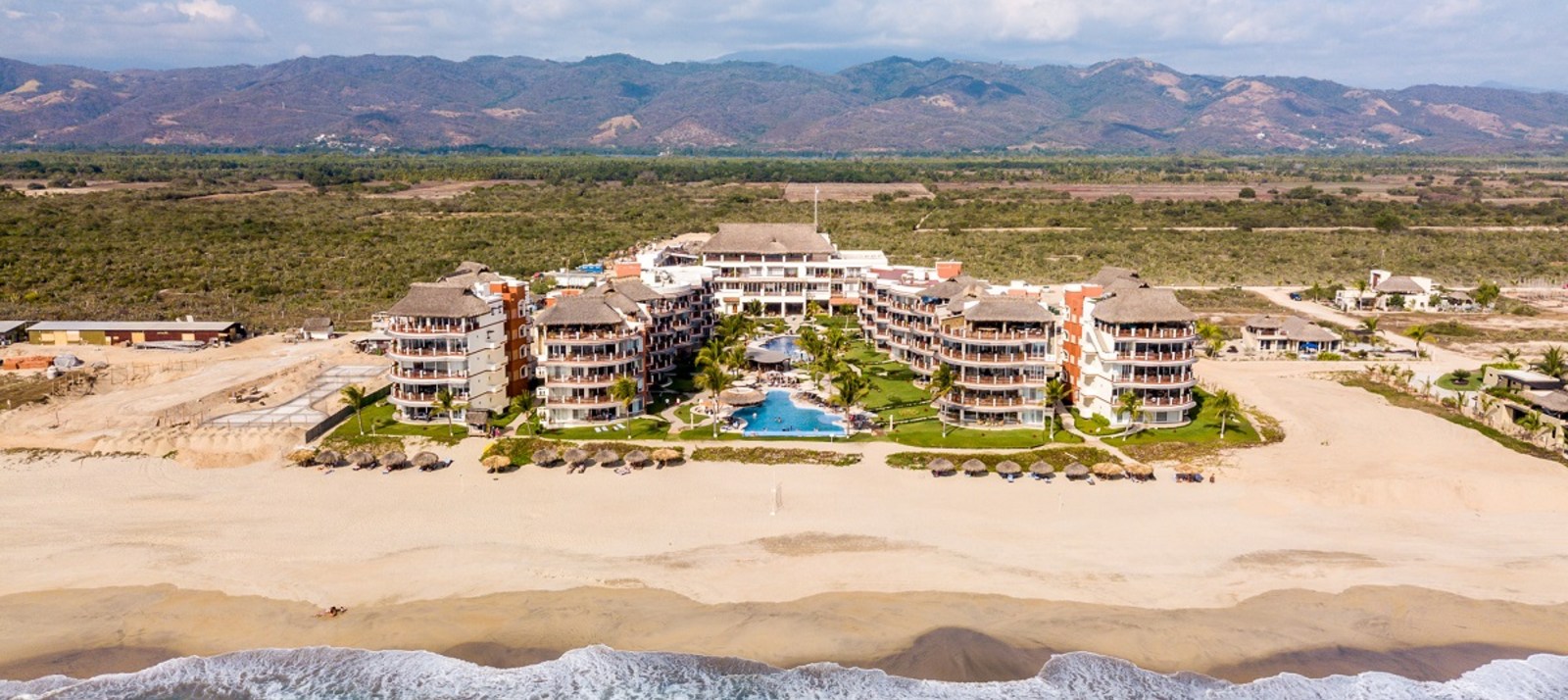
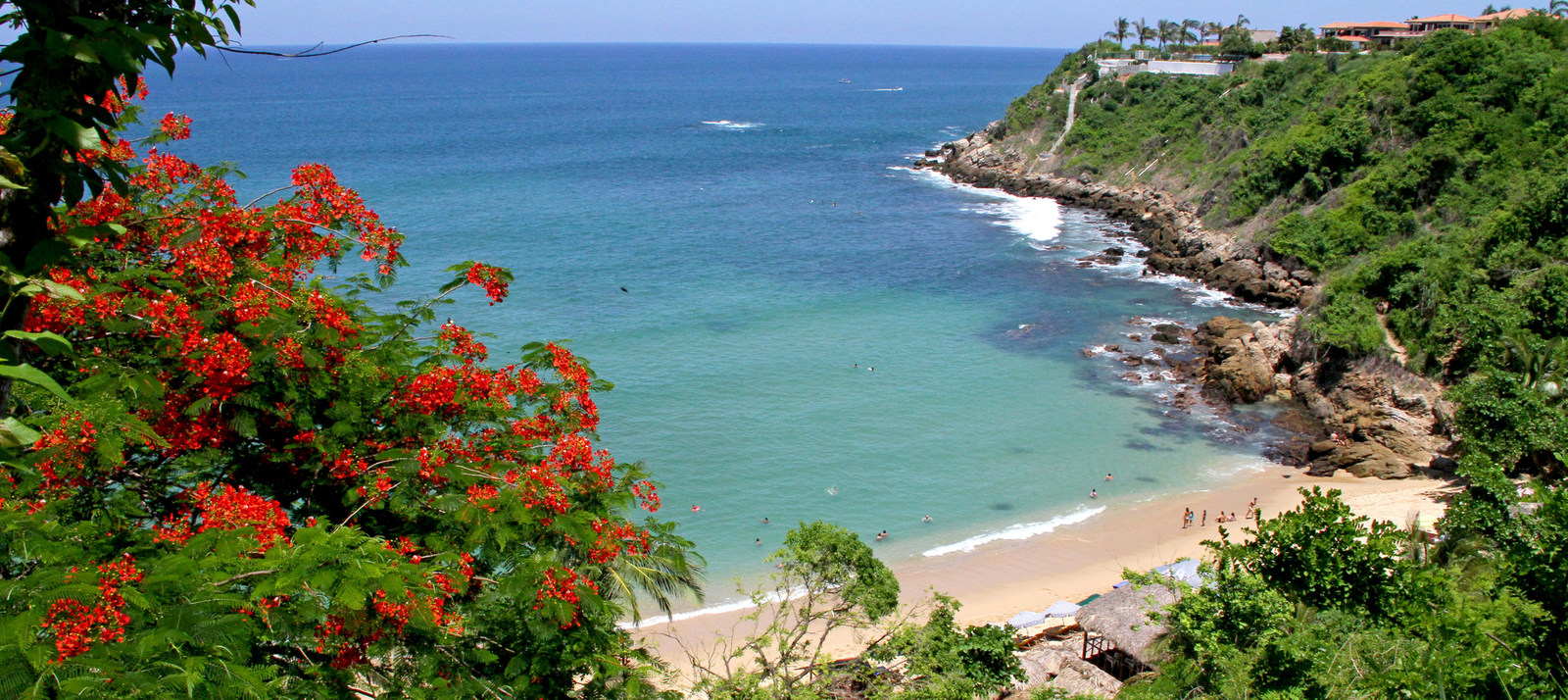
Playa Palmarito offers a memorable setting for exploring Oaxaca’s coast on horseback. Wide sand, warm Pacific light, and the green foothills behind the beach create a landscape that feels very different from a standard sightseeing excursion. Rides may follow the shoreline, pass through coastal vegetation, or continue toward quieter stretches of countryside.
Horseback tours near Puerto Escondido can suit several travel styles. A short morning outing works well for first-time riders, while a longer countryside excursion offers more time to observe local scenery and enjoy the slower rhythm of travel. Sunset rides are especially popular with couples and photographers, although schedules depend on tides, weather, and the operator’s availability.
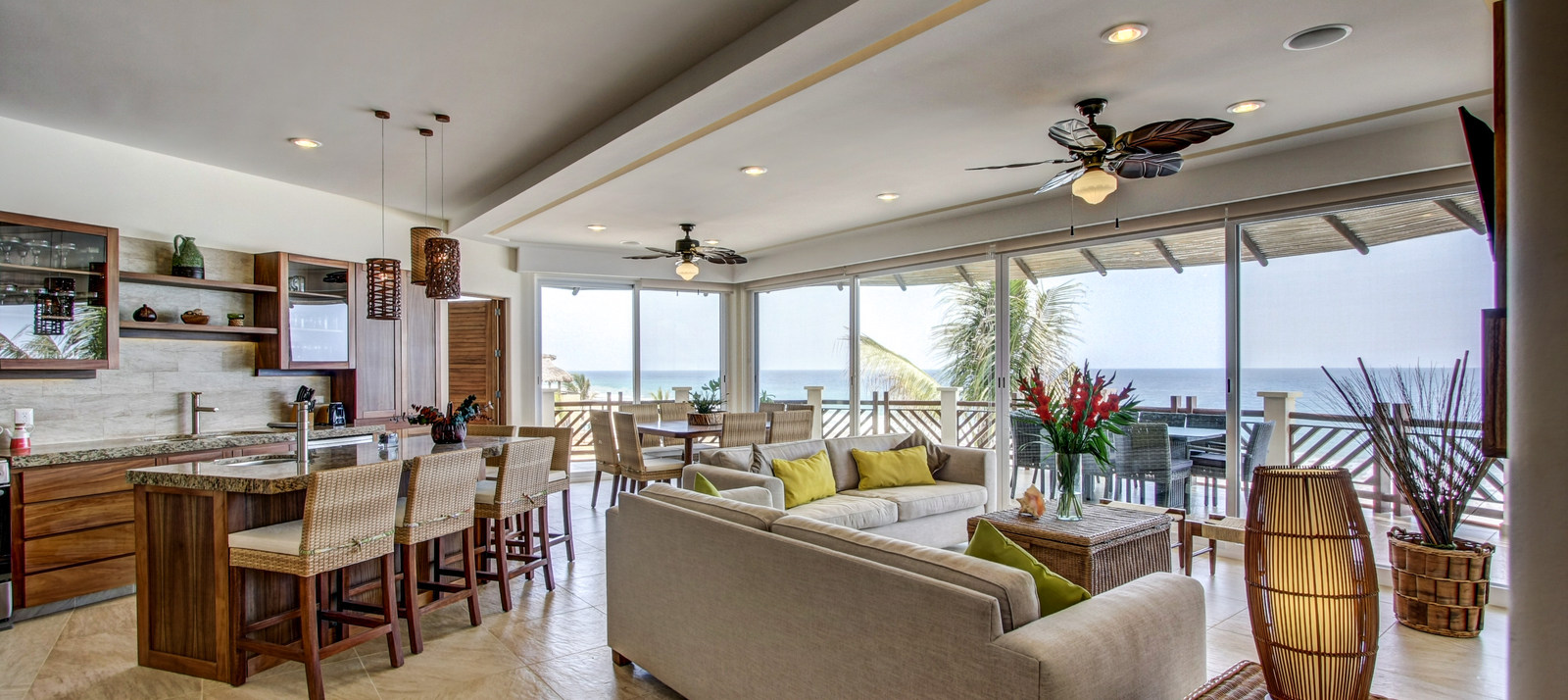
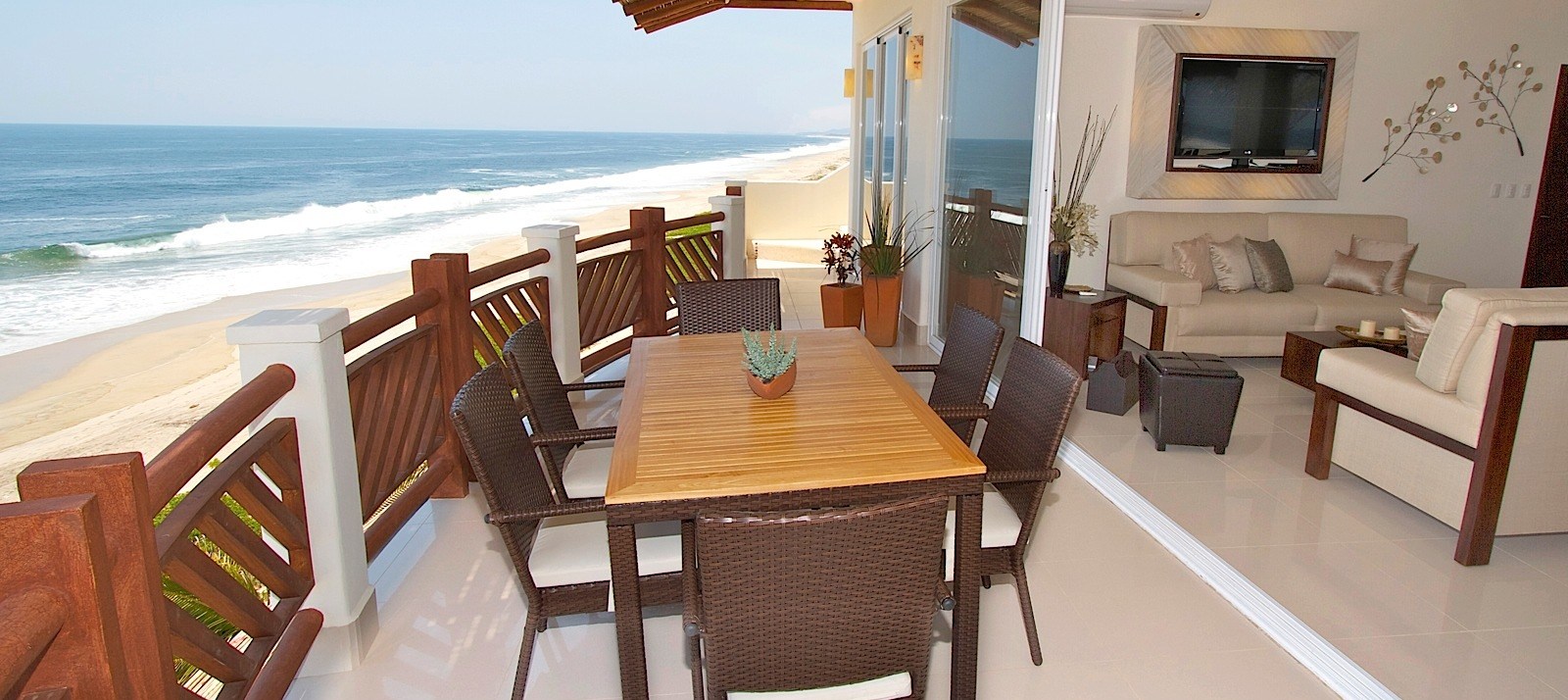
Guests staying at Vivo Resorts can ask the concierge team to help identify current local providers, transportation options, and suitable departure times. The resort’s Vivo Resorts website is also a useful starting point for understanding the beachfront setting and planning a stay around outdoor activities.
What The Ride Usually Includes
Most local horseback riding excursions begin with a short orientation. Guides typically explain how to mount, hold the reins, signal the horse, and maintain a comfortable pace. This briefing is important even for experienced riders because each horse responds differently, and local terrain can change quickly between firm sand, soft beach, and uneven paths.
A standard outing may last between one and three hours, though exact durations vary. Some rides stay close to Playa Palmarito, while others combine beach riding with inland trails, ranch areas, or viewpoints. Ask whether the quoted price includes hotel transfers, a guide, drinking water, equipment, and photographs before confirming.
Choosing The Right Experience
A beach ride is often the simplest choice for beginners and families with older children. The open shoreline makes it easier to maintain a steady walking pace, and the scenery provides plenty of interest without requiring a demanding route. Horses may walk along the waterline, but riders should follow the guide’s instructions because tide conditions can make some sections unsuitable.
Visitors with more riding experience may prefer a longer route through the coastal landscape. Inland trails can offer glimpses of palms, dry forest, farmland, and distant hills. If you want to trot or canter, discuss that preference in advance; many operators restrict faster movement depending on the horse, rider, terrain, and group’s overall ability.
When To Go And What To Expect
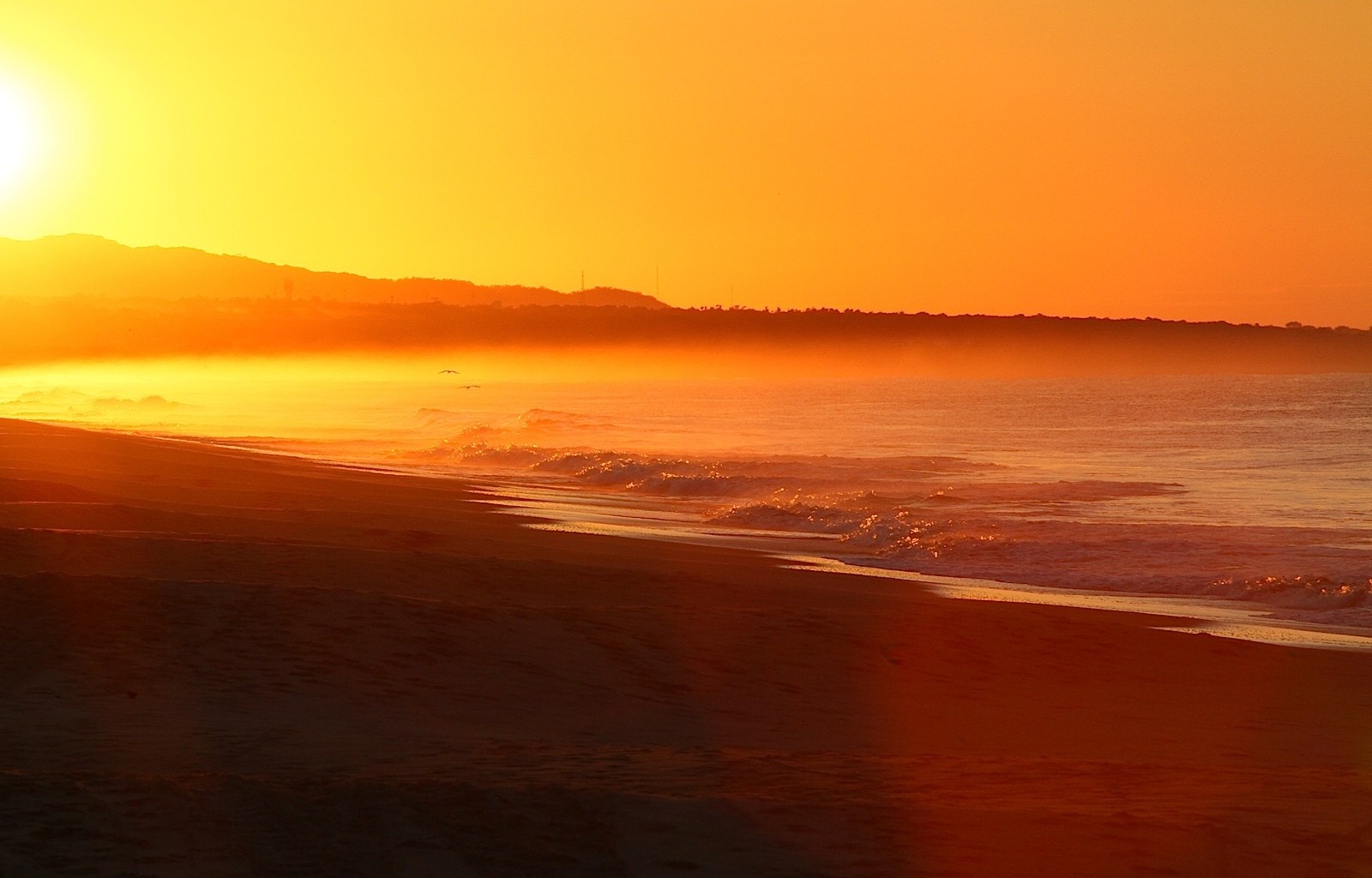
The coolest hours are generally the most comfortable for both riders and horses. Early morning excursions often bring softer light and calmer temperatures, while late-afternoon tours offer beautiful golden tones as the sun lowers over the Pacific. Midday rides can feel intense during warmer months, particularly on exposed sand.
Weather along the Oaxaca coast can shift during the rainy season, and a brief shower may affect trail conditions. Tour operators may alter the route or reschedule when there is heavy rain, lightning, strong surf, or unsafe footing. Flexible plans are helpful, especially during summer and early autumn.
| Ride Style | Typical Pace | Best For | What To Confirm |
|---|---|---|---|
| Short beach ride | Walking, sometimes gentle trotting | Beginners, families, first-time visitors | Weight and age limits, water access |
| Sunset excursion | Relaxed walking | Couples, photographers, special occasions | Return time, lighting, transportation |
| Coastal countryside route | Walking with varied terrain | Travelers wanting broader scenery | Trail difficulty, footwear, meal options |
| Private guided ride | Pace adapted to the group | Experienced riders or special celebrations | Horse selection, route flexibility, private transfer |
Preparing For A Comfortable Outing
Wear lightweight clothing that covers the shoulders and legs where practical. Long pants reduce friction from the saddle, while closed-toe shoes with a secure fit offer better protection than sandals. A brimmed hat can help with the sun, although it should fit securely and not interfere with a helmet.
Use reef-conscious sunscreen, bring insect repellent for inland trails, and carry a refillable water bottle if the operator permits it. Leave loose jewelry and large bags at the resort. A small phone or camera can be useful, but it should be secured so that it does not distract you or startle the horse.
Safety And Horse Welfare
A reputable operator should match each rider with an appropriate horse and provide properly fitted safety equipment. Helmets are a sensible choice for every participant, regardless of riding experience. Guides should remain with the group, explain local hazards, and establish clear rules for spacing between horses.
Pay attention to the animals’ condition before departure. Horses should appear alert, calm, and well cared for, with access to shade and water between rides. Avoid providers who overload animals, use visibly exhausted horses, or encourage riders to push beyond the agreed pace. Responsible tourism protects both visitors and the animals that make these excursions possible.
Tell the operator about injuries, pregnancy, limited mobility, allergies, or riding experience before booking. Children may need to meet minimum age or height requirements, and some guests may find mounting or dismounting difficult. Honest information allows the guide to recommend a safer alternative, such as a shorter route or a private walking-speed ride.
Planning Transport And Reservations
Horseback riding providers may operate from different points along the coast, so transportation should be arranged before the day of the excursion. A resort transfer, taxi, or private driver can prevent confusion about meeting locations, especially when a ranch is outside the main hotel area. Confirm the pickup time and whether the return transfer is included in the rate.
Reserve ahead during holiday periods, winter travel, and destination wedding events. A private ride may be worthwhile for couples seeking a quiet sunset experience or families who need a slower, customized itinerary. If you are combining the tour with a visit to Puerto Escondido or another beach, allow extra time for traffic, changing clothes, and unexpected delays.
Practical Booking Recommendations
A few details can make the experience smoother and more enjoyable:
- Choose an early or late departure to avoid the strongest heat.
- Confirm the operator’s experience with beginners, children, or nervous riders.
- Ask about helmets, horse welfare standards, insurance, and cancellation policies.
- Wear long pants, secure shoes, sun protection, and clothing that can get dusty.
- Leave time after the ride to cool down, hydrate, and rinse away sand.
The best excursion is one that matches your comfort level rather than the longest available itinerary. A relaxed walk beside the ocean can be just as rewarding as a multi-hour trail, particularly when the guide gives the group time to appreciate the scenery.
Make The Ride Part Of Your Coast Stay
Horseback riding near Playa Palmarito fits naturally into a broader Oaxaca itinerary. Pair a morning ride with a leisurely resort afternoon, or schedule a sunset excursion before dinner. Guests can also combine the experience with nearby beaches, Puerto Escondido sightseeing, local food, or time at the spa.
Start planning by speaking with the resort concierge about current operators, seasonal conditions, transportation, and the best route for your group. With the right timing and a responsible guide, a coastal horseback ride can become one of the most distinctive memories of your Playa Palmarito vacation.