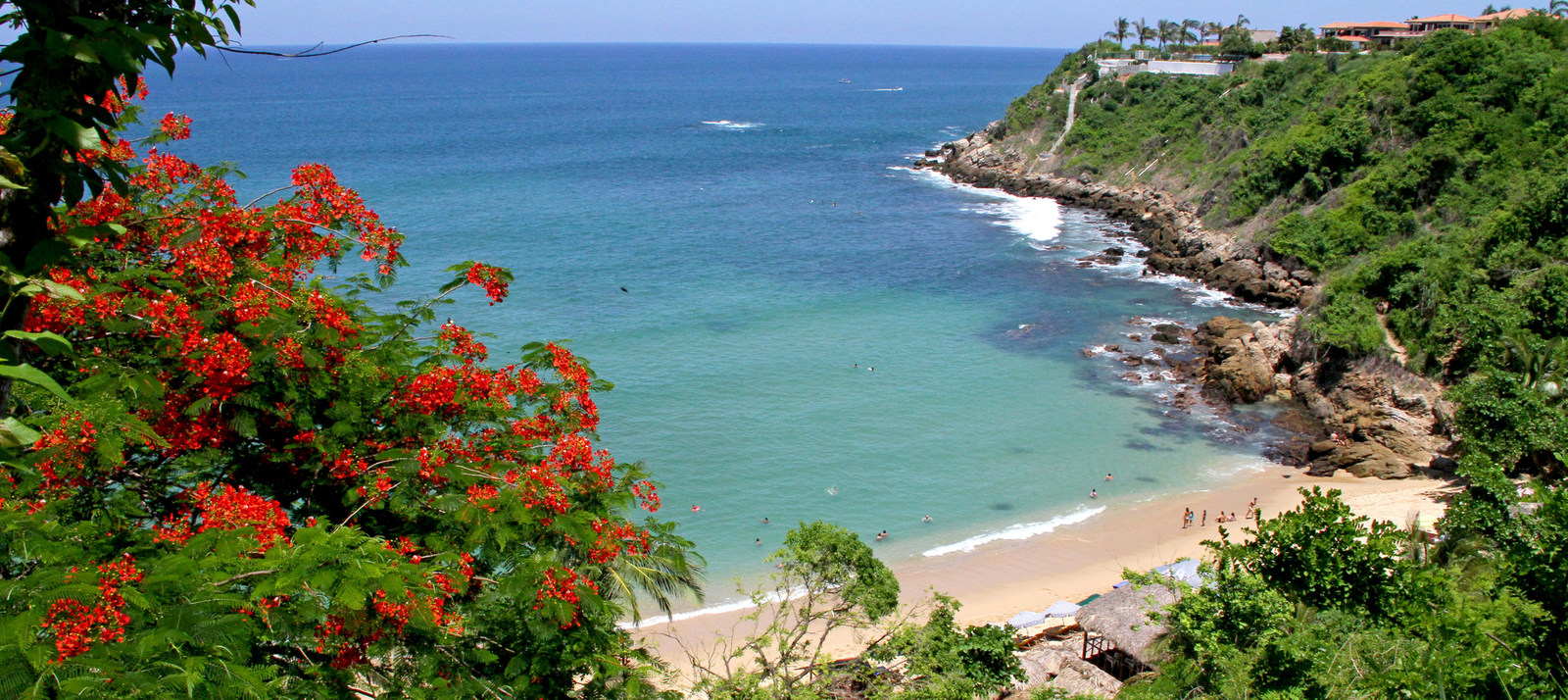
Photographing the Starry Sky Above the Pacific at Vivo Resorts
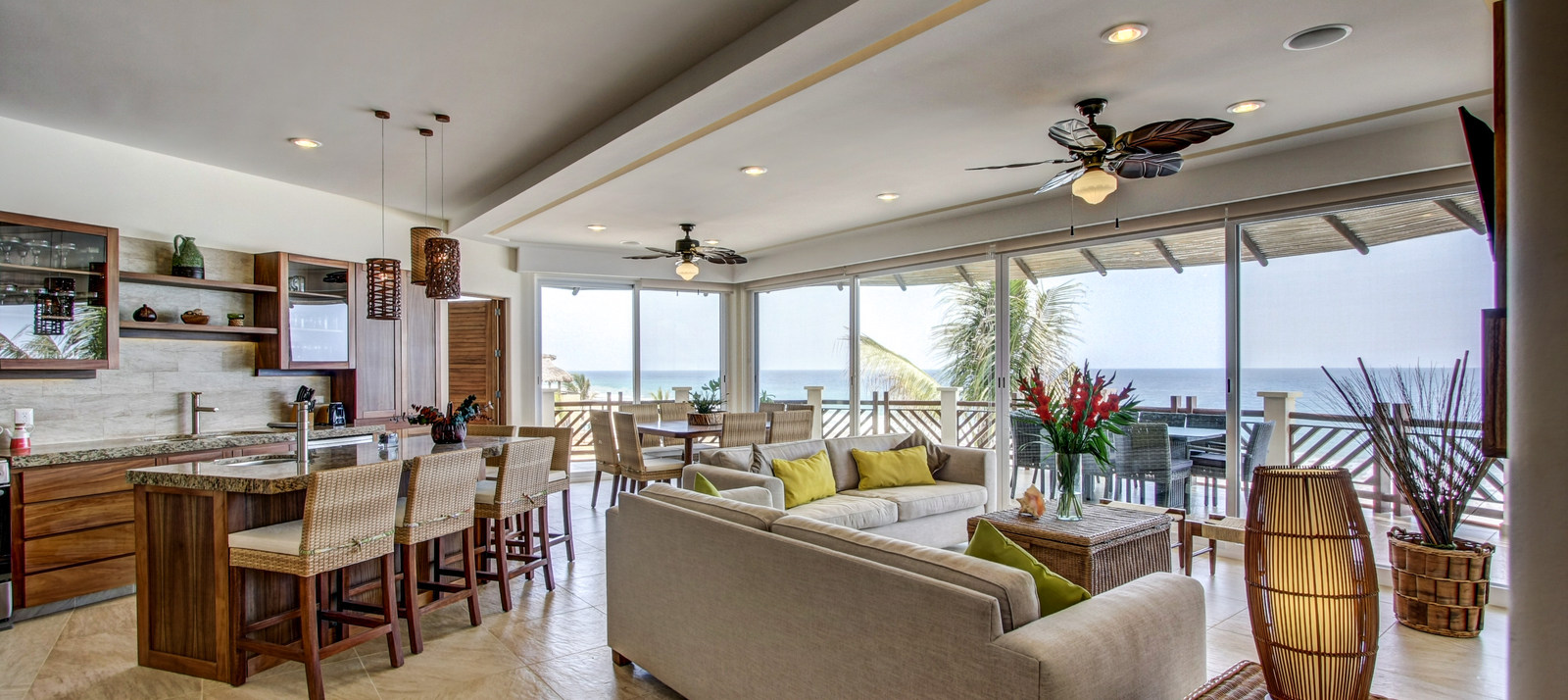
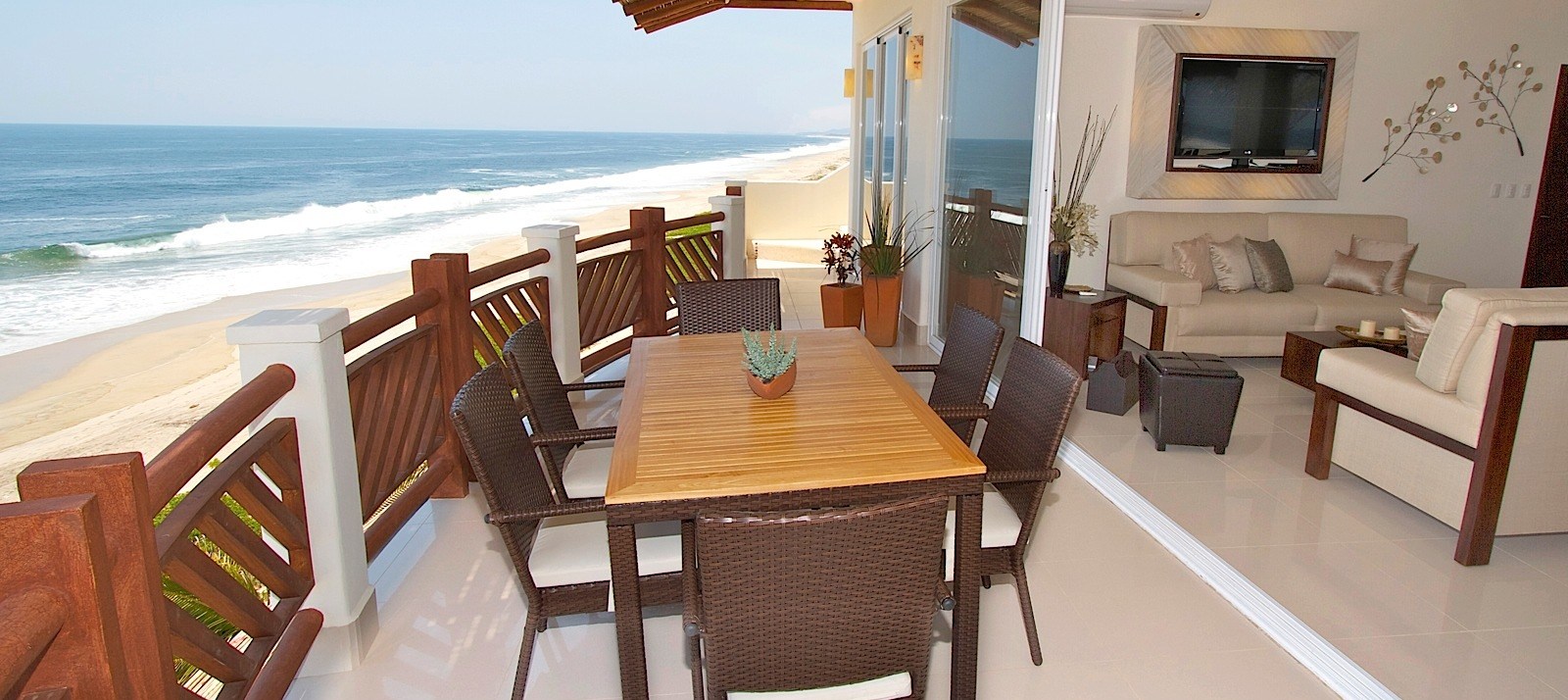
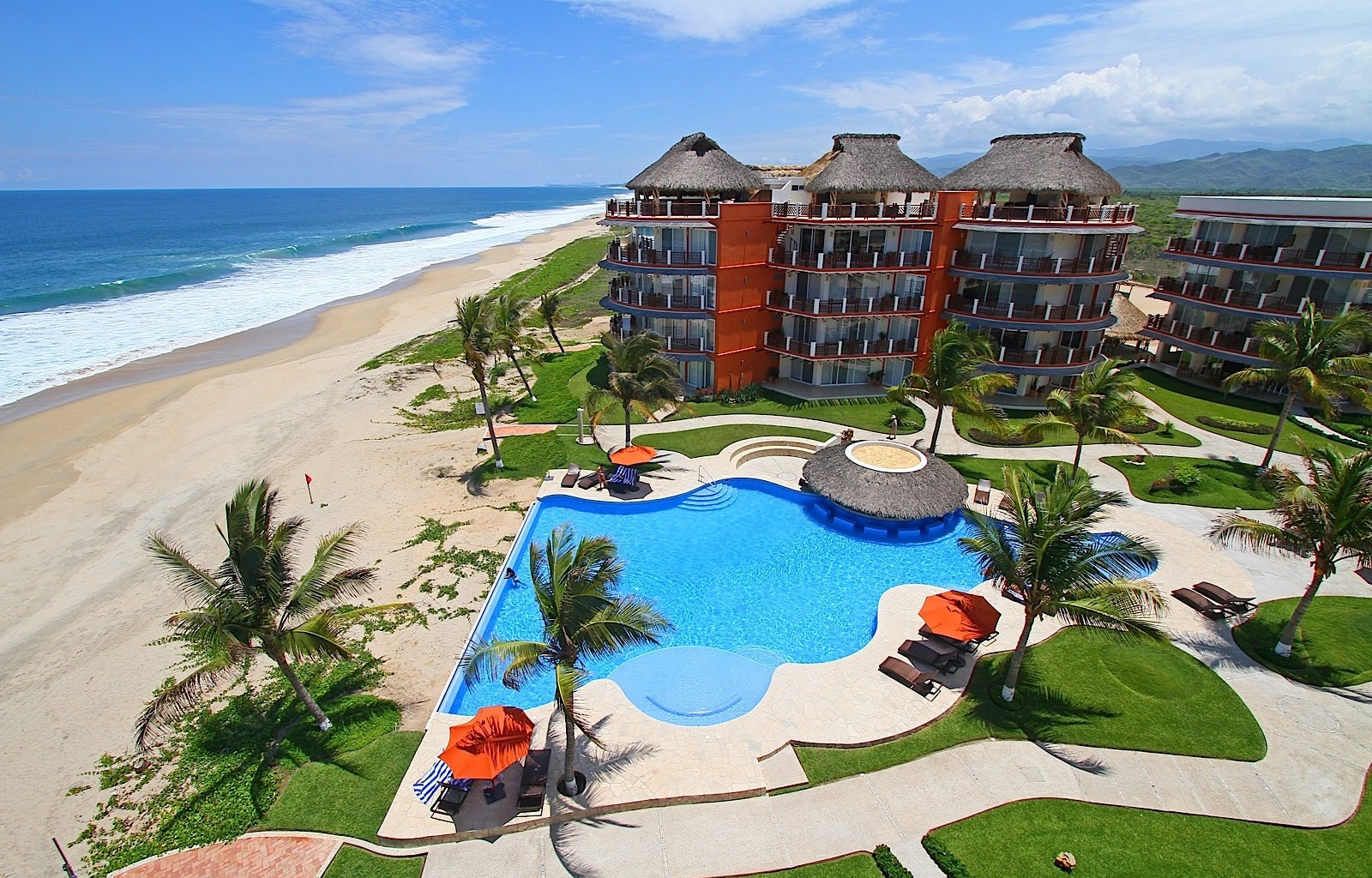
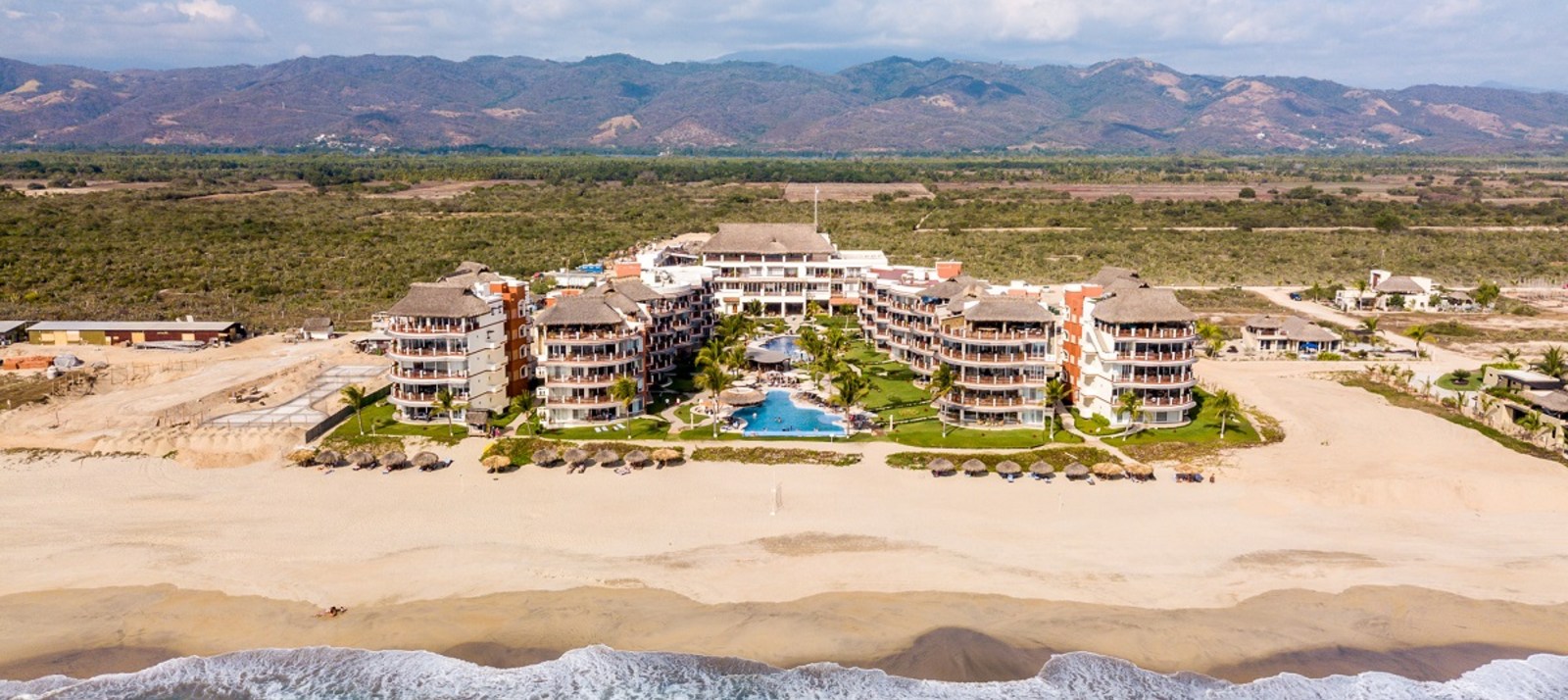
Two hours of slow breathing, the rhythm of waves breaking on dark sand, and a sky so thick with stars that it feels closer than the nearest neighbour back home. For Australians used to the bright washes over Sydney or Melbourne, the night sky above Playa Palmarito comes as a genuine shock. The stretch of Pacific coastline near Puerto Escondido remains one of the least light-polluted shorelines in Mexico, and the suites and villas at Vivo Resorts face directly west toward the open ocean, giving guests an unobstructed horizon for astrophotography.
The latitude difference between Australia and Oaxaca shifts familiar constellations sideways, but it also opens up the dense galactic core of the Milky Way during northern summer. Travellers who have photographed the night sky in the Australian outback or along the coast near Perth will recognise the craft, yet the specific framing, timing, and foreground possibilities here reward a different kind of planning. A thoughtful approach turns a balcony or beach stroll into a portfolio-worthy session.
Why Mexican Pacific Skies Differ from What Australians Know
At roughly 16 degrees north, the resort sits far lower in latitude than Brisbane, and the celestial north pole drops toward the horizon. The Southern Cross, which climbs high over Byron Bay or the Great Ocean Road, skims low here and sometimes disappears below the sea. In its place, Scorpius and Sagittarius rise dramatically from the south during the warmer months, and the galactic centre of the Milky Way hangs directly overhead in the hours before dawn during July and August.
Australian photographers who learned their craft chasing the Magellanic Clouds from dark sites like the Warrumbungle National Park will find those companion galaxies absent from this sky. Instead, the view rewards patience with the rich star clouds of the Sagittarius arm. Recognising this difference in advance keeps expectations realistic and helps with composition, since the brightest section of the Milky Way lies in a completely different part of the frame compared with photographs taken from Tasmania or the Nullarbor Plain.
Timing the Darkest Skies Around Puerto Escondido
Dry season stretches from November through April, bringing clearer atmospheric conditions and reduced humidity along the coast. Nights around the new moon, especially between mid-March and mid-April, deliver the deepest blacks and the faintest nebulosity. Moonless windows during the Australian winter, which corresponds to Mexican summer, catch the Milky Way core at its highest, while moonlit periods suit wider, more dramatic compositions that include the silvered shoreline.
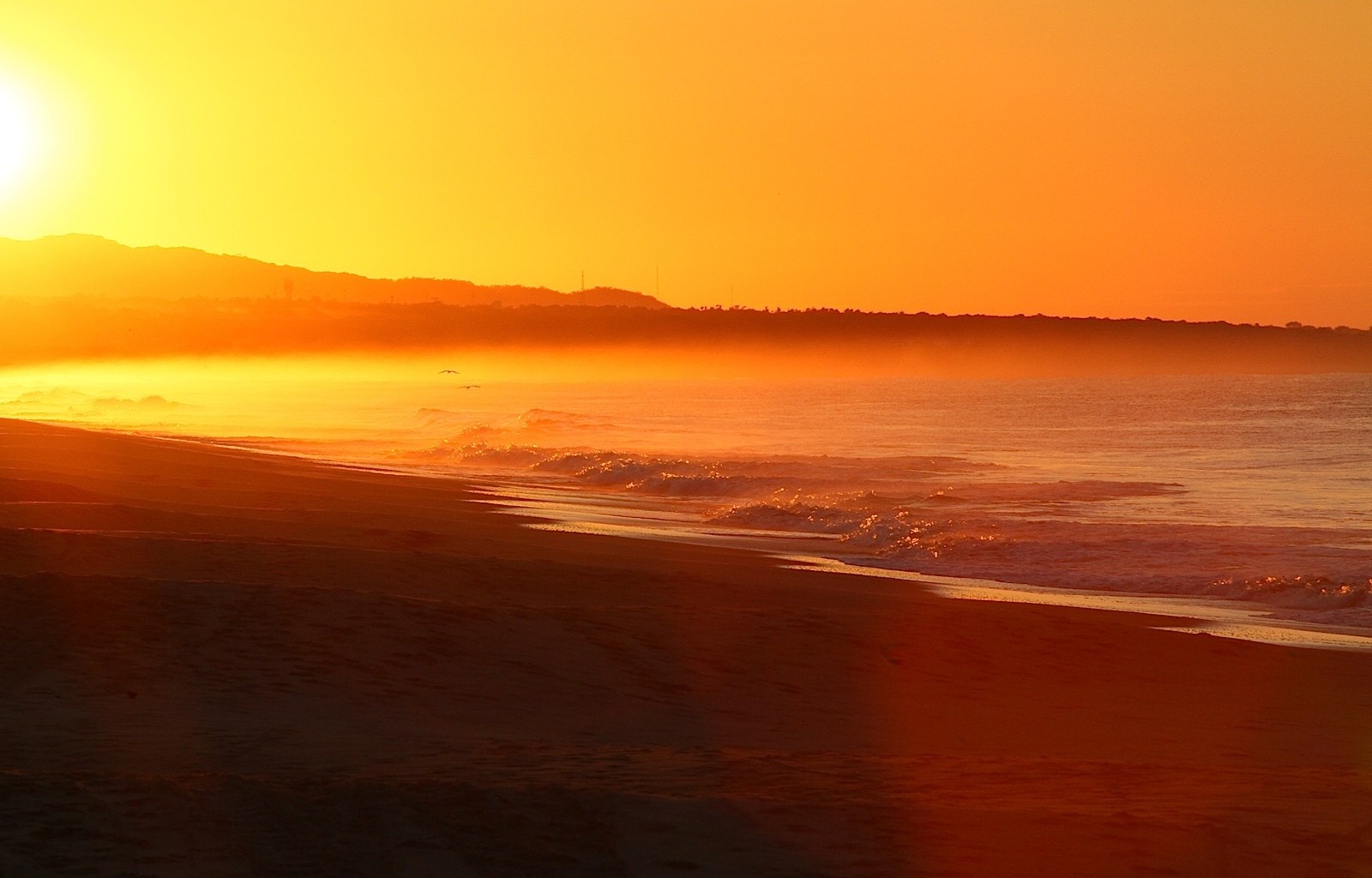
Tides matter too. A low tide at sunset exposes reflective wet sand that doubles the star count in a long exposure. Visitors can check local tide charts before they travel, or simply walk the beach each evening for a few nights to learn the rhythm. Photographers planning their stay around excursions will find a helpful walk-through in this weekly booking guide.
Camera Gear That Travels Well from Down Under
A sturdy tripod is the single most important piece of equipment, and a carbon-fibre model survives the humidity and salt air better than aluminium. Wide-angle lenses between 14mm and 24mm in full-frame terms capture the breadth of the Pacific horizon without obvious distortion. Travellers who own the same lenses they use for the Great Barrier Reef or for shooting weddings in Perth will already have suitable glass.
A red headlamp preserves night vision and does not startle nesting turtles along the beach. Spare batteries lose charge quickly in tropical warmth, so packing two extras per camera body prevents early endings. A small intervalometer makes star-trail stacks easy, and a microfibre cloth wipes the constant salt spray from front elements between exposures. Those who prefer a more relaxed evening may also enjoy arranging a private dinner through a private chef service, leaving the night free for the sky.
Settings for Clean Milky Way Images
Working in manual mode gives full control. A good starting point is ISO 3200, a shutter speed of around 15 seconds at f/2.8 on a 24mm lens, adjusted by the rule of 500 to avoid star trails. Higher ISO values work on modern mirrorless bodies but introduce more noise, which becomes harder to recover in the warm tropical air.
Autofocus struggles in low light, so switching to manual focus and using live view at maximum magnification on a bright star locks in sharpness. A second exposure at a faster shutter speed and lower ISO, focused on the foreground, blends cleanly in post-processing. Visitors already comfortable with sunrise shoots can apply similar layering techniques covered in a sunrise photography guide.
Composing with the Resort and Beach
Composition separates a snapshot from a print. The rock outcrops at the southern end of the bay catch the swell in long exposures, creating soft white water beneath a sharp star field. The curving shoreline leads the eye toward the galactic core when framed low and centred.
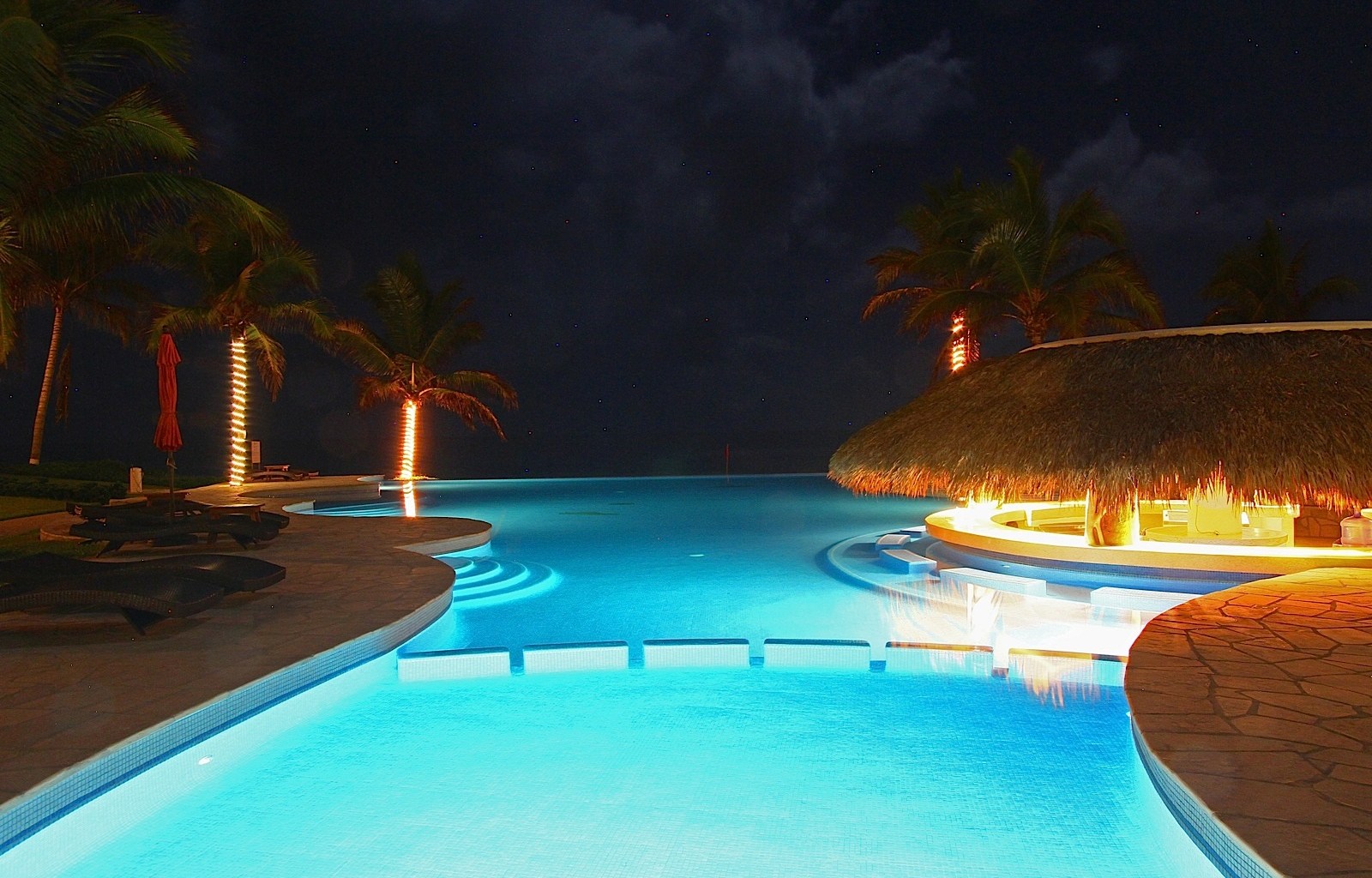
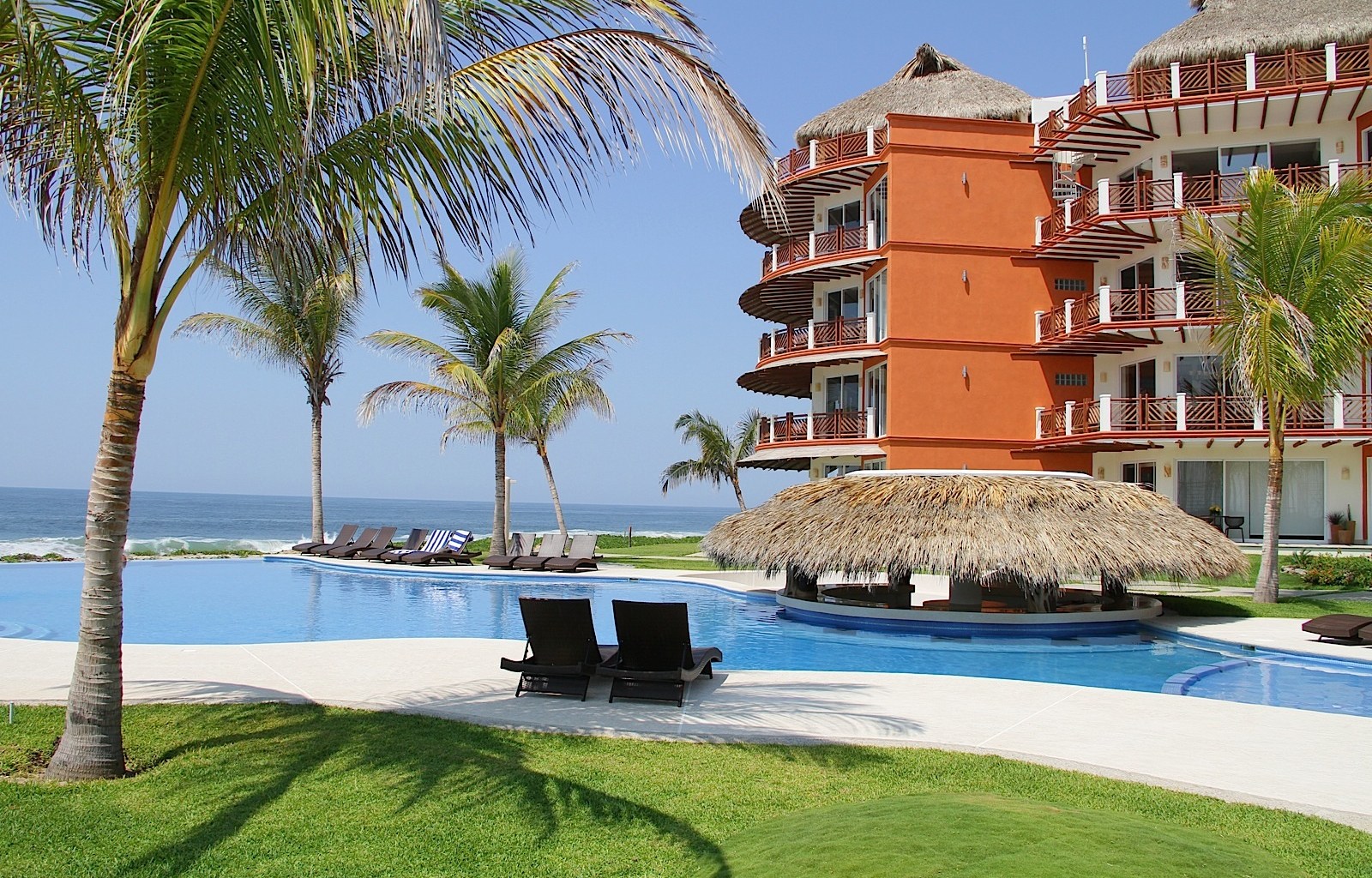
The resort's beachfront lighting can be intrusive if left on, so requesting darkened suites or covering LED indicators with tape helps. Walking five minutes north of the main property often removes every artificial source. Pool decks offer reflective surfaces that mirror the brightest stars, and the silhouettes of mature coconut palms add tropical context that pure-sky images lack.
Quick Reference Before You Head Out
The following table summarises reliable starting settings for the most common scenarios around the resort. Adjust based on your lens speed and how much noise your particular camera body handles well.
| Scenario | ISO | Aperture | Shutter Speed | Focal Length |
|---|---|---|---|---|
| Milky Way core close-up | 3200 | f/2.8 | 15s | 24mm |
| Wide coastline panorama | 1600 | f/4 | 25s | 14mm |
| Star trails single frame | 400 | f/4 | 8 min | 20mm |
| Moonlit beach with stars | 800 | f/5.6 | 30s | 24mm |
Common pitfalls catch out even experienced travellers:
- Forgetting to switch off in-room LEDs that leak through curtains onto the balcony
- Failing to acclimatise lenses to outdoor temperatures, which causes internal fogging
- Wearing dark-coloured clothing only to discover that mosquitoes and sandflies still find exposed ankles
- Assuming the Milky Way looks the same as it does from the Australian outback
A few etiquette points keep the experience pleasant for everyone:
- Keep torch beams pointed at the ground, never at other guests or wildlife
- Step away from pool areas when taking long exposures to avoid splashing
- Pack out any snack wrappers, since beach creatures investigate new smells overnight
- Speak quietly after 22:00, when nearby suites may host honeymooners and families with young children
A successful astrophotography session at Vivo Resorts leaves behind quiet, considerate traces. The sky above the Pacific looks the same tomorrow night, and the combination of reliable gear, careful timing, and respect for the property and its other guests makes the difference between a few good frames and a body of work worth framing. Travellers leaving Australia can take home more than memories; they can return with images of a hemisphere they rarely see, captured from one of the most comfortable bases on Mexico's southern coast.