How to Capture Stunning Drone Footage of the Resort and Coastline
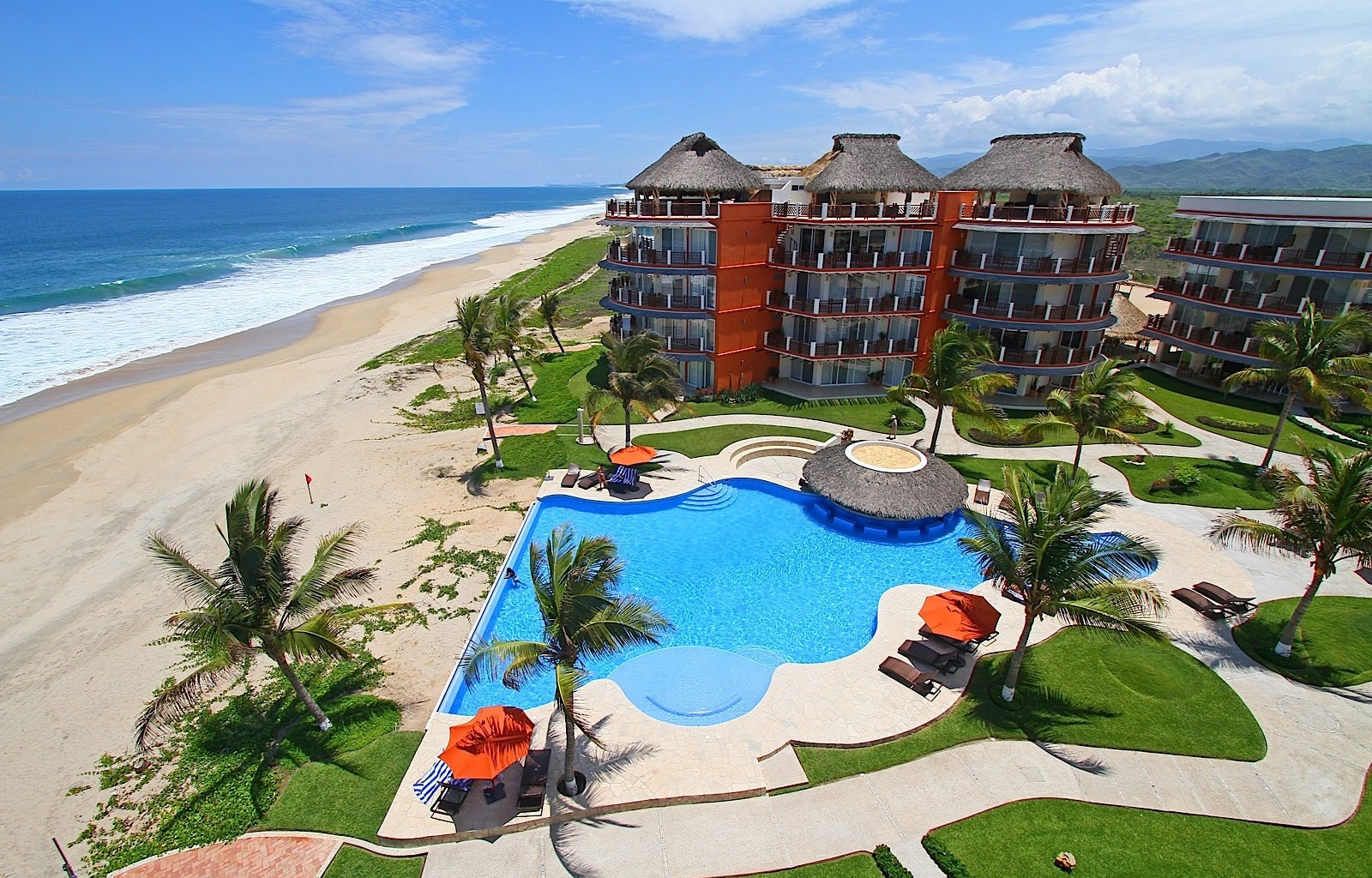
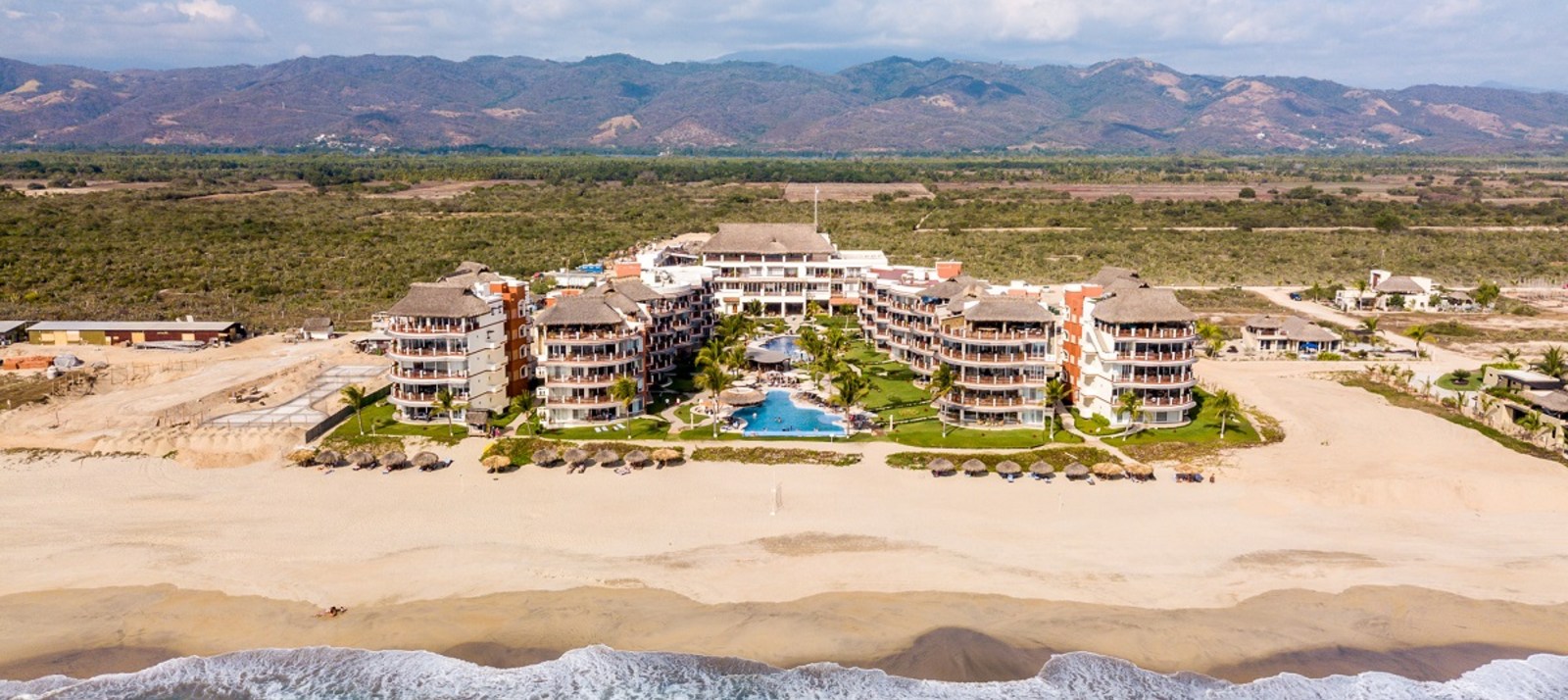
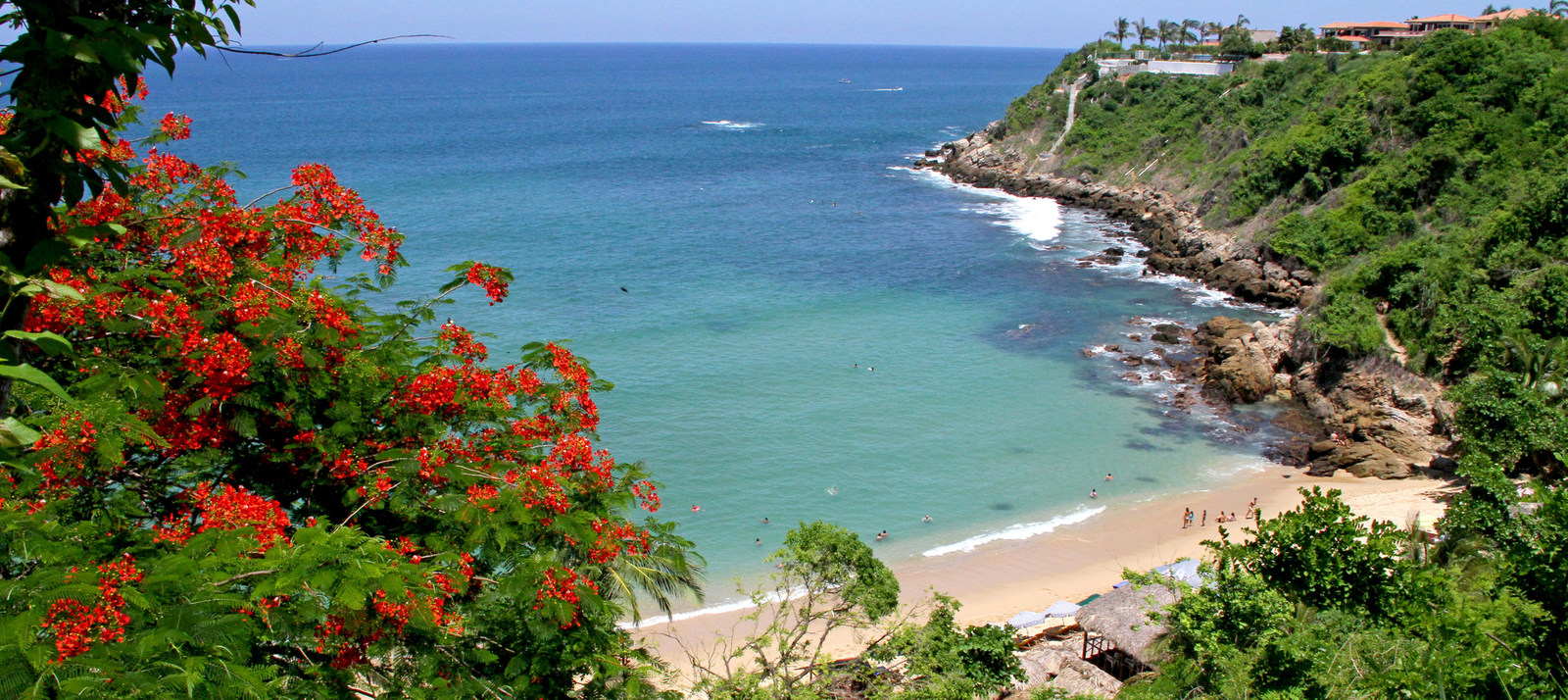
Vivo Resorts sits beside Playa Palmarito on Oaxaca’s Pacific coast, where broad sand, rolling surf and warm evening light create excellent conditions for aerial storytelling. A drone can reveal the scale of the beachfront residences, private villas, pools and gardens while showing how the resort fits into the coastline.
For Australian travellers, the visual language may feel different from a Gold Coast high-rise or a Sydney harbour shoot. Playa Palmarito is quieter and more open, with fewer buildings competing for attention. Careful planning, respectful flying and a restrained editing style will help your footage feel cinematic rather than simply impressive.
| Shot Style | Best Timing | Flight Approach | Visual Result |
|---|---|---|---|
| Resort reveal | Early morning | Rise slowly from behind palms | Shows the property opening to the beach |
| Shoreline tracking | Low-tide morning | Fly parallel to the water | Emphasises surf patterns and scale |
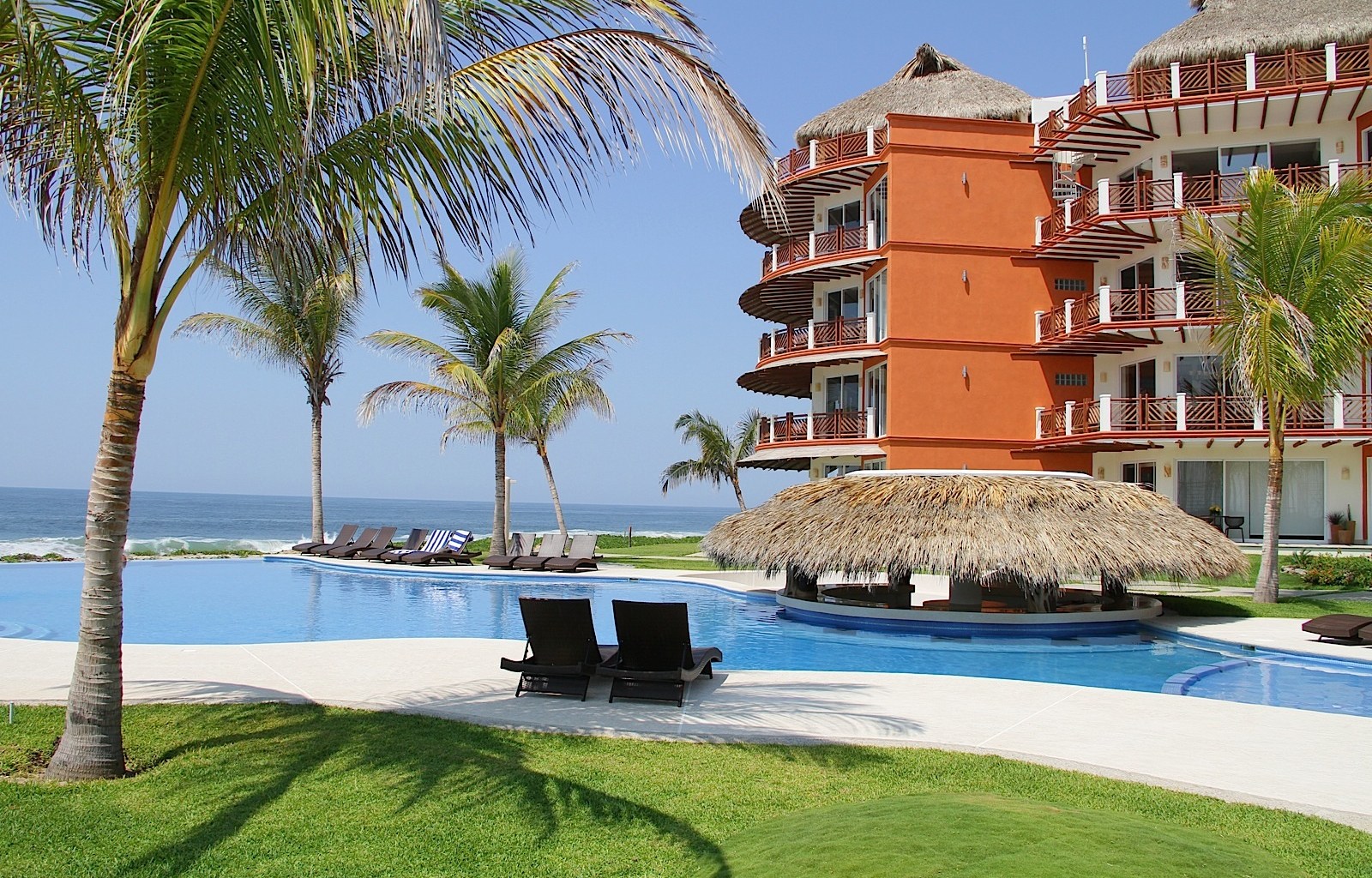
| Villa detail | Soft afternoon light | Hover outside approved areas | Highlights terraces, pools and ocean views |
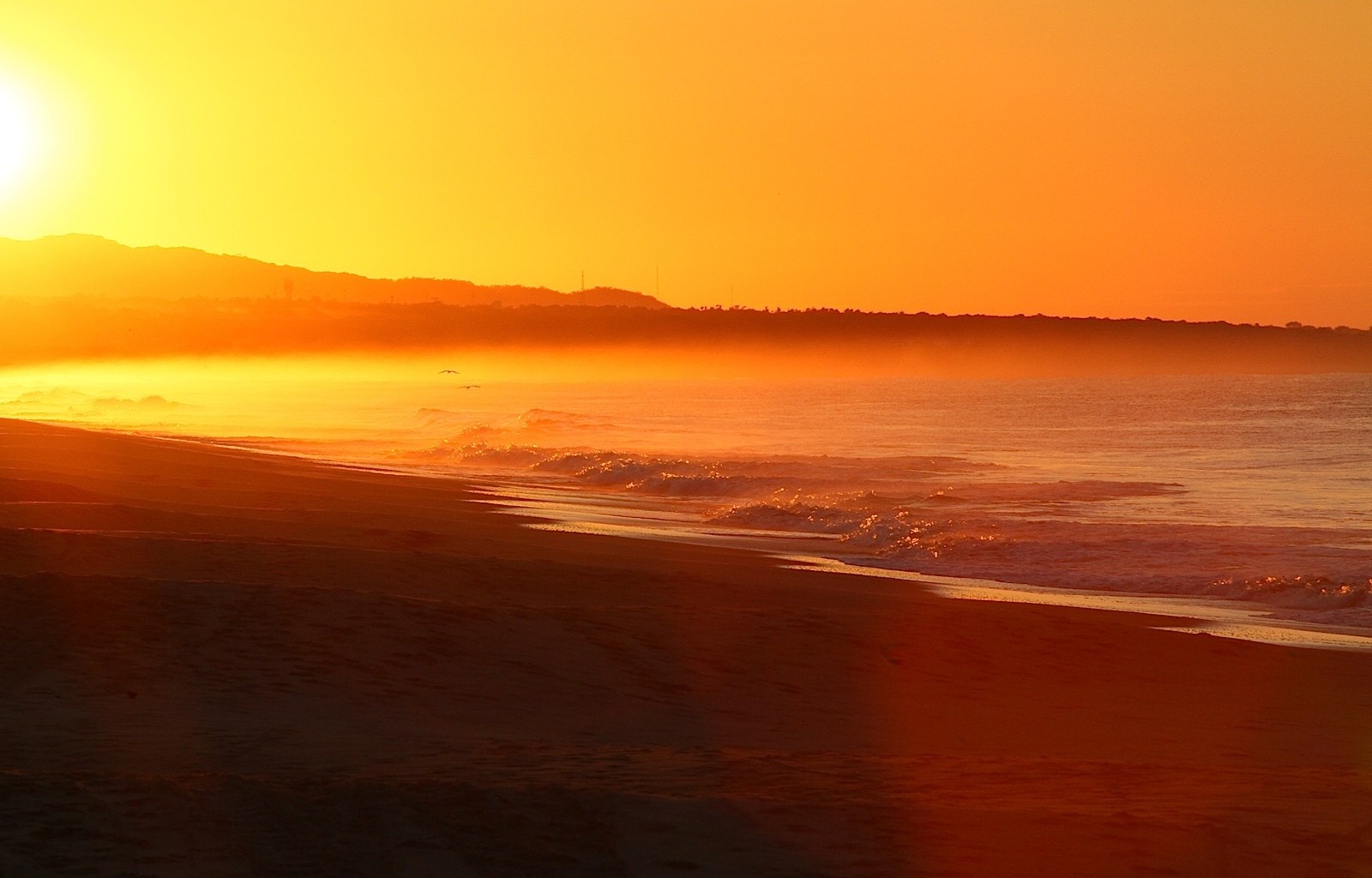
| Sunset pullback | Golden hour | Move backwards and upwards | Connects the resort with the wider coast |
Plan A Legal And Respectful Flight
Before launching, check the current rules for drone operations in Mexico, local restrictions and any requirements from aviation authorities or protected coastal areas. A licence or registration arrangement that applies in Australia does not automatically transfer overseas. Australian operators should be familiar with CASA guidance at home, then confirm the Mexican requirements before packing their aircraft.
Speak with the resort team before filming. They can identify suitable take-off zones, private areas, pool activity and times when guests are least likely to be disturbed. Never fly over sunbathers, wedding ceremonies or children, and avoid capturing identifiable guests without permission. A short briefing can prevent an otherwise beautiful sequence from becoming intrusive.
Read The Pacific Light
Playa Palmarito’s strongest aerial colour often appears shortly after sunrise or during the final hour before sunset. Low-angle light gives the sand texture, adds warm highlights to buildings and creates longer shadows around palms. Midday sun can still work for clear ocean views, but it tends to flatten the scene and intensify glare.
Australia’s bright coastal conditions, from Perth to Brisbane, can make photographers comfortable with strong light, yet tropical and Pacific glare can be surprisingly harsh. Use a suitable ND filter, keep an eye on the histogram and expose carefully for pale sand and reflective water. Slightly underexposing bright areas is usually safer than losing detail in the surf.
Build A Purposeful Shot List
Begin with a wide establishing view that places Vivo Resorts between the beach and the Pacific. Follow it with a gentle approach towards the residences, a vertical reveal of the pools and gardens, and a slow lateral movement along the beachfront. Finish with a broader coastline shot that gives the destination a sense of escape.
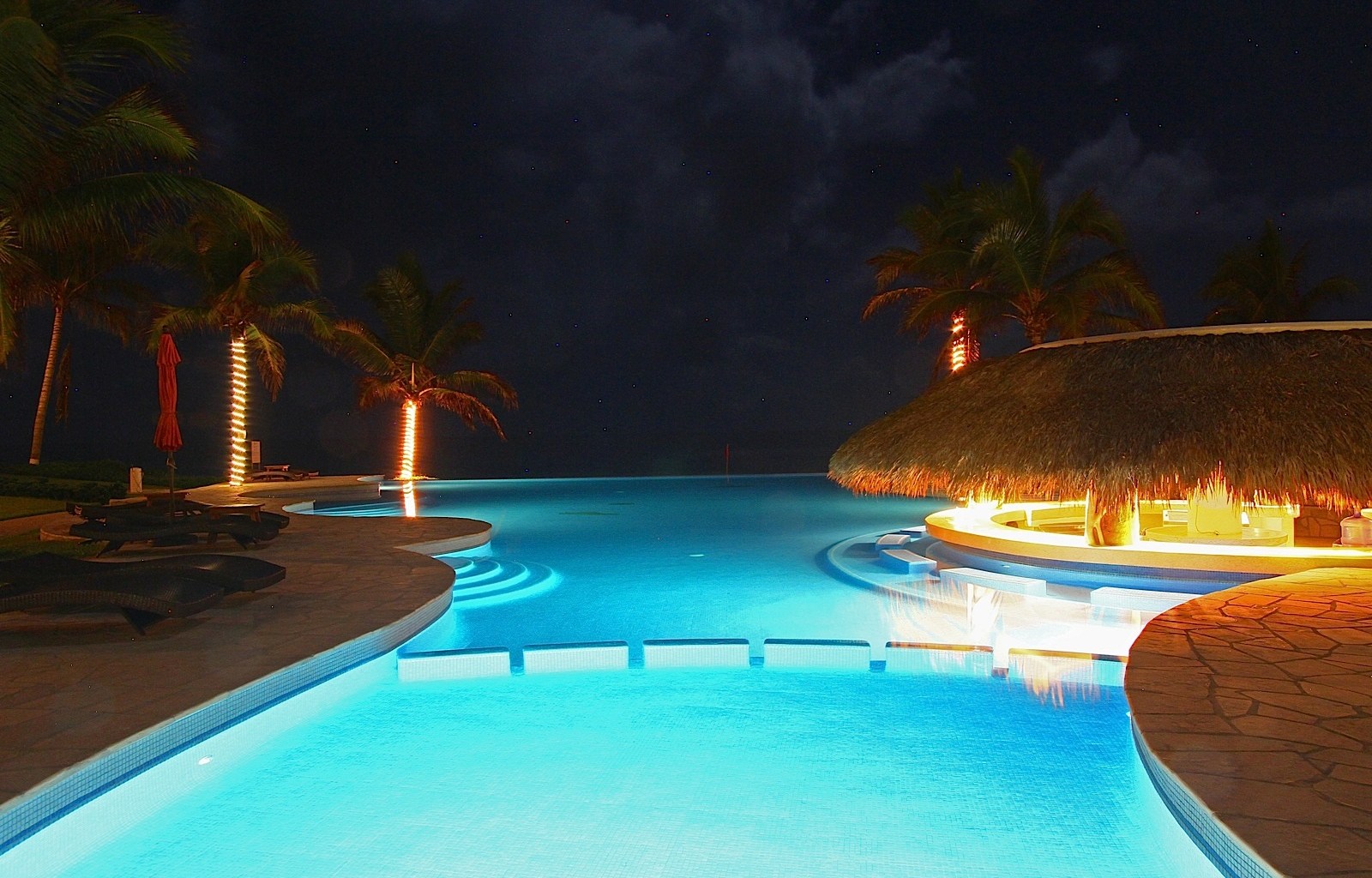
Aerial footage becomes more engaging when each movement has a reason. A rising shot can reveal the relationship between an ocean-view villa and Playa Palmarito, while a top-down clip can show pool geometry, pathways and palm shadows. Keep each move simple: push forward, pull back, orbit or track sideways, rather than combining several directions at once.
Frame Architecture And Atmosphere
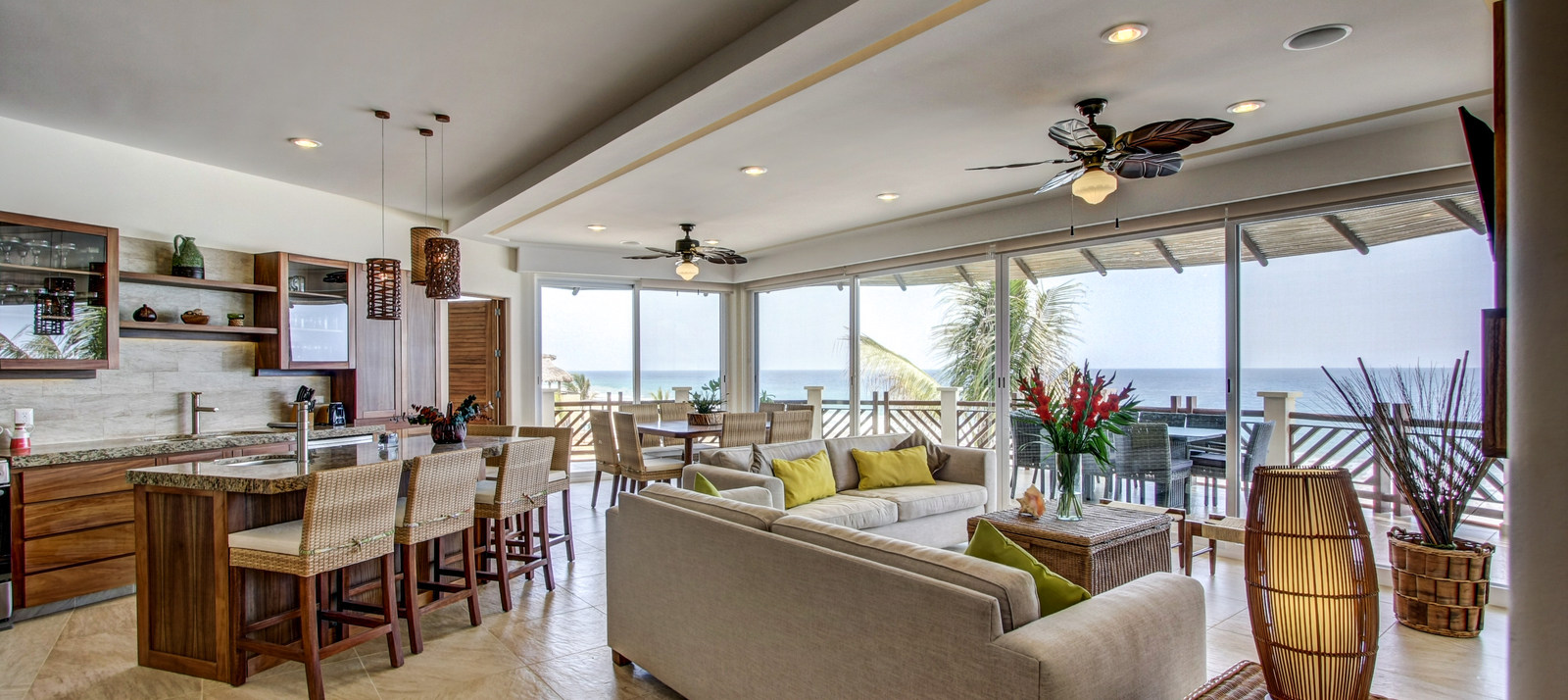
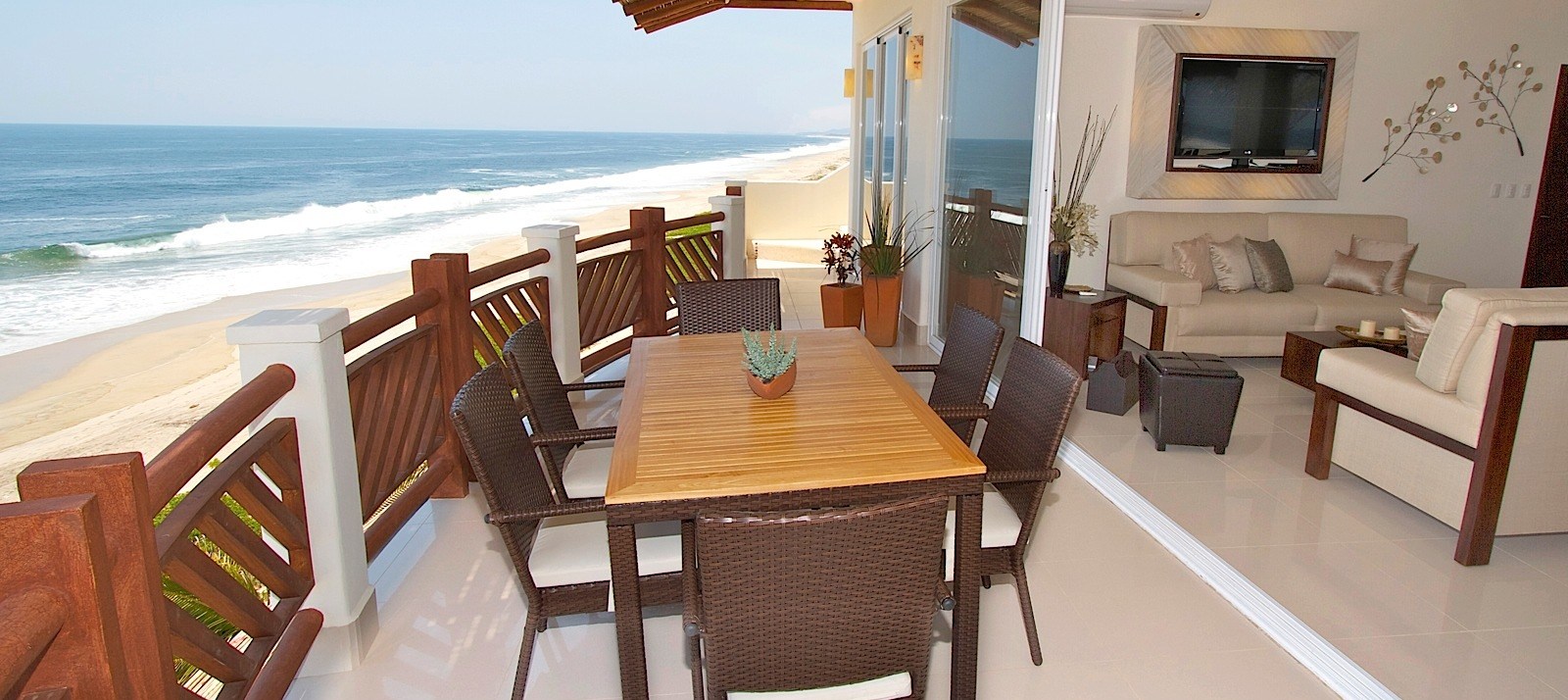
The resort’s spacious suites, private villas, dining venues and spa can provide visual anchors between coastline shots. Look for lines created by balconies, paths and pool edges, then position them against the organic shapes of waves and vegetation. A residence terrace with the ocean beyond may need only a slow lift to communicate space and privacy.
Avoid flying too close to balconies or looking directly into occupied rooms. A medium-distance reveal is generally more elegant and gives viewers a better sense of place. If your holiday includes a private in-villa dining experience, you can pair exterior footage with a relaxed evening narrative and private chef arrangements, provided filming inside the villa is agreed in advance.
Follow The Coastline Safely
A shoreline tracking shot works best when the drone travels parallel to the water at a conservative height and speed. Let the wave rhythm guide the movement, using the whitewater as a natural leading line. A slight angle towards the beach can include palms and resort details without losing the scale of the ocean.
Conditions can change quickly along an exposed Pacific beach. Check wind, battery range, GPS reliability and the location of people, boats and birds before take-off. Keep a clear return route and land well before the battery reaches its minimum reserve. Salt spray is another concern, so inspect the aircraft and lenses after every coastal flight.
Capture A Complete Holiday Story
Drone footage should complement, rather than replace, ground-level images. Combine aerial clips with details such as a spa entrance, a plated meal, a poolside moment, woven textures and footsteps on the sand. This contrast gives the final film warmth and helps viewers imagine a stay instead of viewing a property map.
The resort’s holiday packages can help shape a broader itinerary, whether the focus is a romantic escape, family time, a destination wedding or exploring nearby beaches and Puerto Escondido. For an Australian audience accustomed to planning around annual leave and school-holiday periods, a simple shot list can make a short trip feel productive without turning every day into a production schedule.
Edit With Natural Colour
Keep the grade warm but believable. Ocean water should retain its blue-green variation, sand should remain natural rather than orange, and highlights on white buildings should not look clipped. A restrained contrast curve usually suits the relaxed character of a beachfront resort better than heavy saturation or dramatic teal-and-orange treatment.
Cut movement to the pace of the experience. A five-second rise can establish the resort, while a shorter wave detail can bridge to a dining or excursion scene. Local culture can add texture too: footage of Oaxaca’s craft traditions may pair well with a reference to this artisan market guide, especially for travellers from Melbourne or Sydney who enjoy design markets and handmade goods.
A polished final sequence might open above the coastline, descend towards the resort, move through architecture and pools, then return to the horizon at sunset. Review every clip for privacy, permissions, flight safety and visual purpose before sharing it. The practical takeaway is simple: fly legally, choose soft light, keep movements slow, and let Playa Palmarito provide the natural scale.