A Local Guide To Oaxaca’s Handwoven Textiles And Pottery
Puerto Escondido is known for surf breaks, coastal scenery, and a relaxed beach culture, yet its shopping scene reveals another side of Oaxaca. Small markets, independent galleries, and family-run workshops offer woven bags, embroidered clothing, palm-fiber goods, and handmade ceramics with strong regional identities.
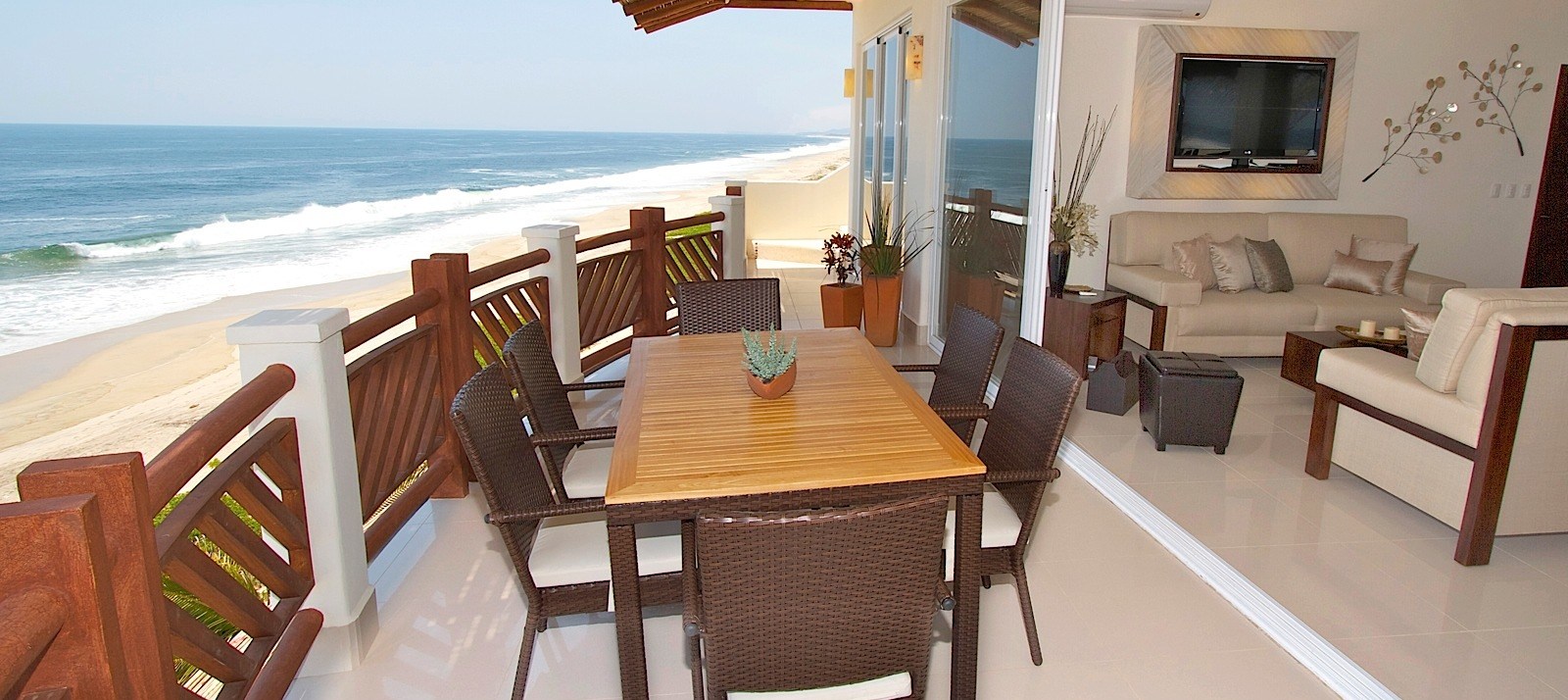
For guests staying at Vivo Resorts on Playa Palmarito, artisan shopping can become an easy half-day outing or part of a longer coastal excursion. The resort’s beachfront setting provides a peaceful base, while Puerto Escondido and nearby communities offer opportunities to meet makers and find useful, distinctive souvenirs.
The best purchases are rarely the most hurried ones. Take time to examine a textile’s weave, ask where a ceramic was made, and learn whether a design reflects a particular town or Indigenous tradition. That small amount of curiosity often makes the item more meaningful.
Where to begin in Puerto Escondido
The central markets in Puerto Escondido are a practical starting point for visitors who want to compare regional products in one outing. Mercado Benito Juárez and nearby market streets commonly feature embroidered blouses, woven belts, huipiles, baskets, hammocks, leather goods, and small clay pieces. Selection changes from vendor to vendor, so walking through more than one stall can help distinguish handmade work from factory-made merchandise.
Independent shops and galleries around El Adoquín, Rinconada, and the town center may offer a more curated selection. These spaces can be useful for travelers looking for higher-quality weaving, contemporary Oaxacan design, or ceramics with information about the artist. A helpful overview of the area’s creative scene is available through this guide to Puerto Escondido galleries.
Markets and villages worth adding
If your schedule allows a longer excursion, the coastal towns east of Puerto Escondido have seasonal craft stalls and small boutiques. Mazunte, San Agustinillo, and Zipolite are especially appealing for browsing woven beach bags, natural-fiber hats, tie-dyed garments, and handmade tableware. These destinations are easy to combine with a beach day, although stock and opening hours can vary outside peak travel periods.
For a deeper look at Oaxaca’s textile and pottery traditions, consider a guided trip inland or ask the resort’s excursion team about suitable routes. San Bartolo Coyotepec is associated with distinctive black clay pottery, while Santa María Atzompa is known for green-glazed ceramics. Teotitlán del Valle is farther from the coast but renowned for wool rugs made on traditional looms. These places are better for travelers who want to visit workshops rather than simply browse souvenir stalls.
How to recognize regional craftsmanship
Handwoven textiles can be made from cotton, wool, agave fiber, or other natural materials. Look closely at the reverse side of a garment or bag: slight variations in thread tension, color, and pattern often indicate a handmade piece. Ask whether the design is woven, embroidered, printed, or machine-appliquéd, since each process requires a different amount of labor and carries a different price.
Pottery also varies considerably. Some pieces are shaped by hand, others on a wheel, and some are molded before being painted or glazed. Check for small irregularities, a balanced base, and a clear explanation of the clay and firing process. Decorative ceramics may be delicate, while cups, bowls, and serving dishes should be labeled as food-safe if you plan to use them.
| Craft | What to look for | Good question to ask |
|---|---|---|
| Handwoven cotton | Even tension, clear pattern, natural or plant-based dyes | “Who made this, and where?” |
| Wool rug | Dense weave, detailed back, secure edges | “Is the design traditional or contemporary?” |
| Embroidered blouse | Hand stitching, consistent motifs, careful finishing | “How long did it take to complete?” |
| Black clay pottery | Smooth burnished surface and light, resonant feel | “Is it decorative or suitable for food?” |
| Green-glazed ceramics | Even glaze, stable base, no unsafe cracks | “Is this piece food-safe?” |
| Palm-fiber basket | Flexible but firm weave and neatly finished rim | “Was the fiber dyed or left natural?” |
Planning a market day from Playa Palmarito
Start early if you want cooler temperatures and a calmer shopping experience. From Vivo Resorts, arrange transportation through the resort or use a trusted local driver, especially when visiting several towns in one day. Bring small bills in Mexican pesos, a reusable bag, water, sunscreen, and enough room to protect fragile purchases.
A market visit pairs well with lunch in Puerto Escondido or a stop at a nearby beach. Guests can begin with central shopping, continue to a gallery or artisan workshop, and return to Playa Palmarito for an afternoon by the pool or on the sand. The resort’s spacious residences and villas are particularly convenient when purchases include larger textiles, baskets, or serving pieces.
Buying respectfully and with confidence
Bargaining is common in some open-air markets, but it should be approached with care. A respectful offer is different from pushing a maker toward an unsustainable price. If an item is clearly handwoven or takes days to complete, paying the requested amount supports the time, skill, and materials involved. Ask politely before photographing a vendor, a workshop, or a person wearing ceremonial clothing.
Provenance matters as well. Some popular motifs have been copied by mass manufacturers, while genuine artisan cooperatives may receive little recognition for their designs. Look for labels naming the community, workshop, or maker, and favor sellers who can explain the production process. When available, receipts and artist cards are useful for remembering the origin of a purchase.
Smart ways to choose and pack your finds
Before shopping, decide whether you want a practical item, a decorative accent, or a meaningful gift. A lightweight textile may be easier to carry than pottery, but a carefully wrapped bowl or small vase can become a lasting reminder of Oaxaca’s coast. Guests interested in returning regularly can explore ownership options connected with the resort lifestyle and enjoy a familiar base for future artisan excursions.
Keep these habits in mind while exploring:
- Compare similar pieces at several stalls before making a decision.
- Ask about materials, dyes, care instructions, and the community of origin.
- Inspect pottery for hairline cracks, unstable bases, or rough food-contact surfaces.
- Carry textiles separately from sunscreen, wet swimwear, and anything that may stain.
- Request protective wrapping and keep receipts for valuable or fragile purchases.
For larger purchases, ask whether the seller can arrange delivery or provide a sturdier travel package. At home, textiles should generally be stored dry and washed according to the maker’s instructions, while pottery should be unpacked promptly and checked for damage.
A visit to the markets around Puerto Escondido turns a simple shopping trip into a closer connection with Oaxaca’s living traditions. Plan a route from Playa Palmarito, leave room in your luggage, and bring home pieces chosen for their story as much as their appearance. Explore Vivo Resorts as your beachfront base for discovering local crafts, coastal villages, and the creative character of Oaxaca.