Private yoga and meditation retreats at Vivo Resorts
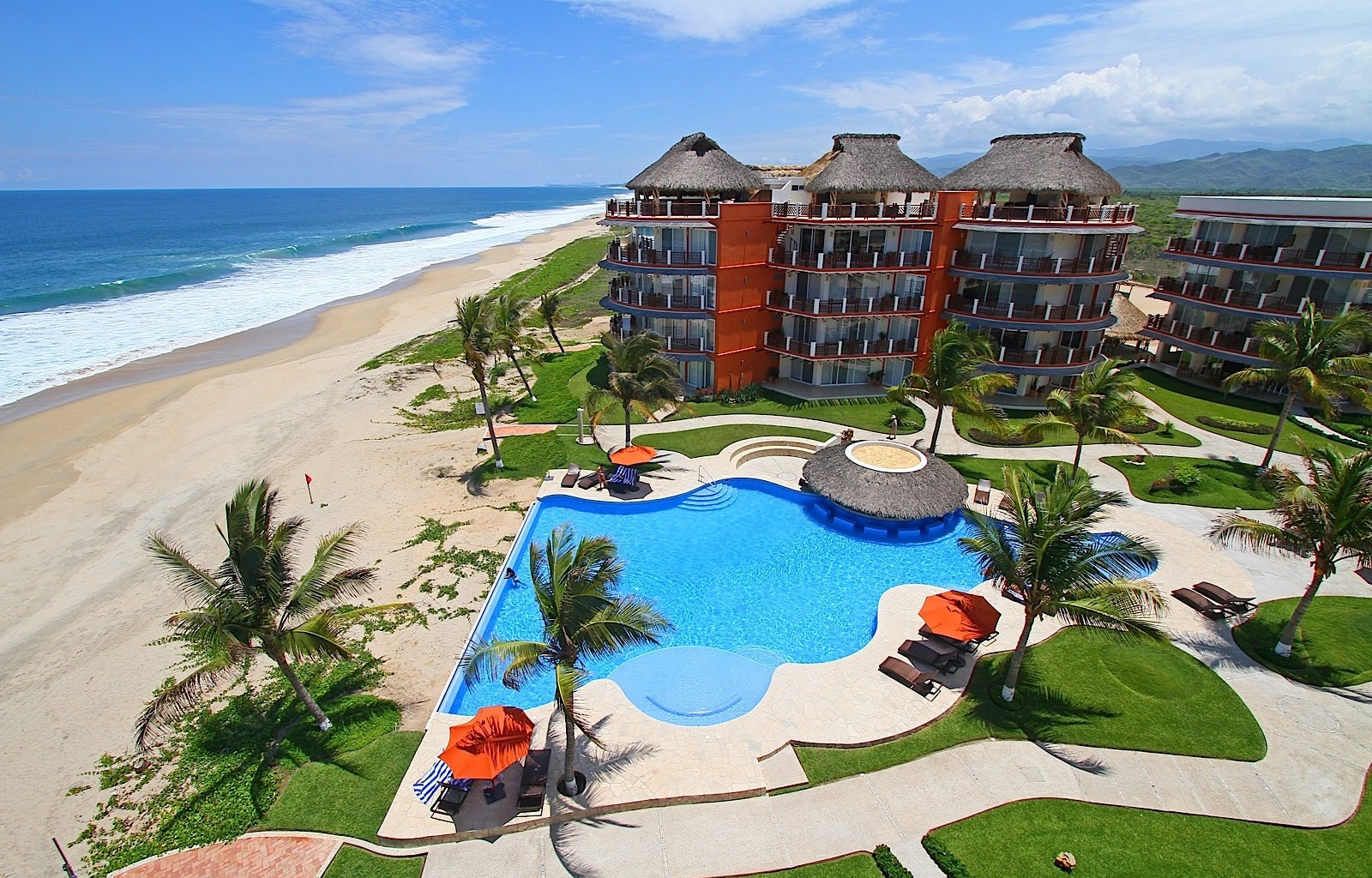
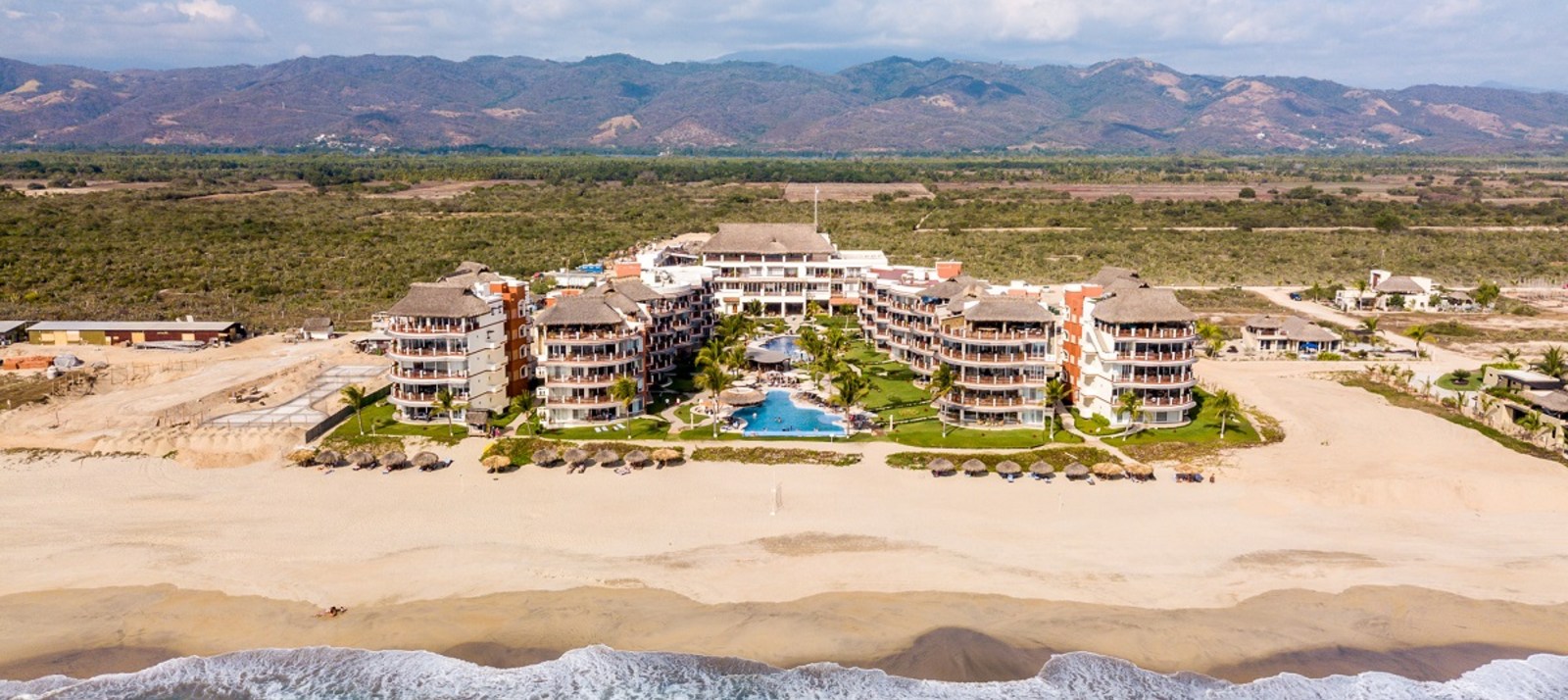
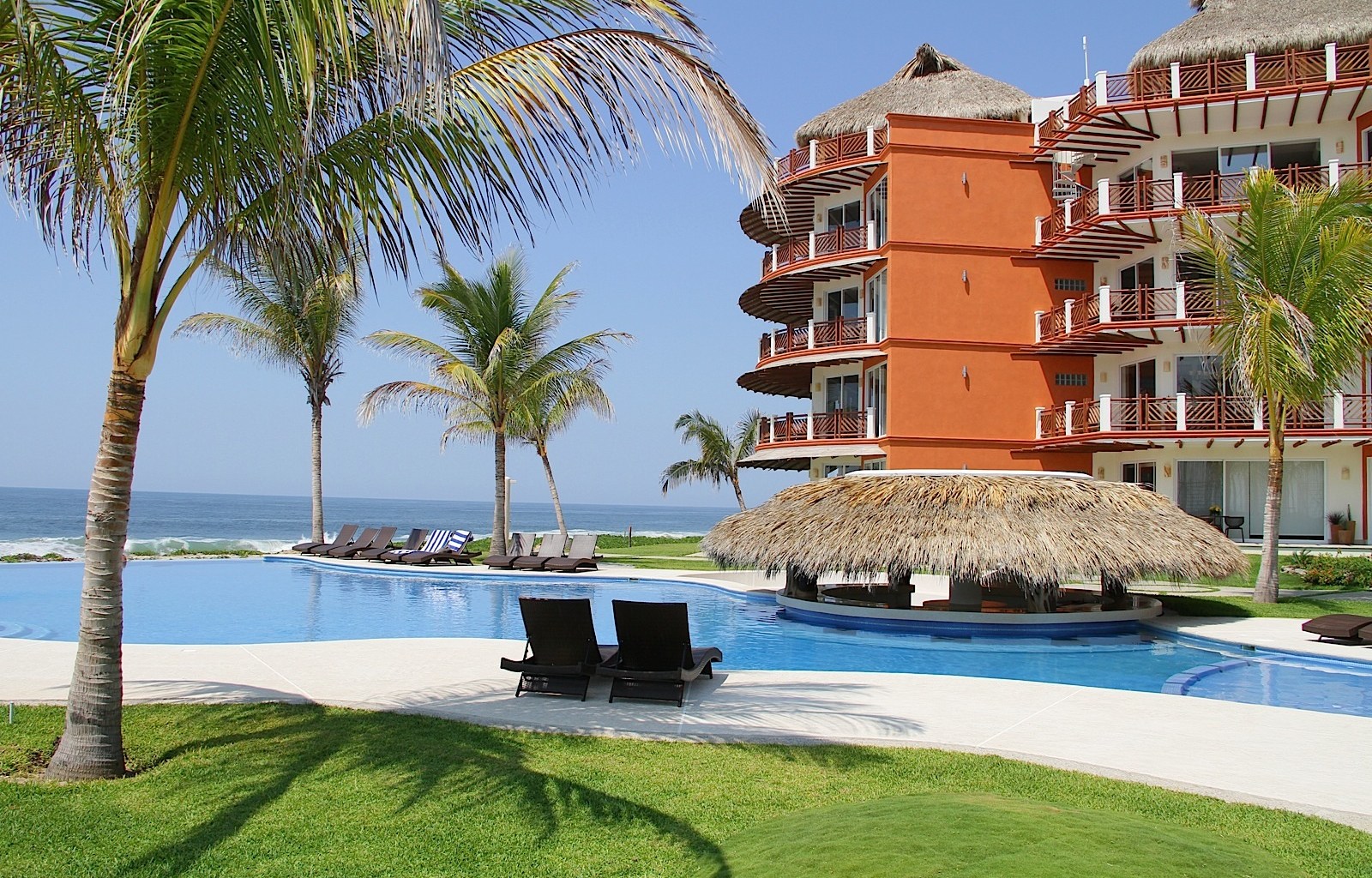
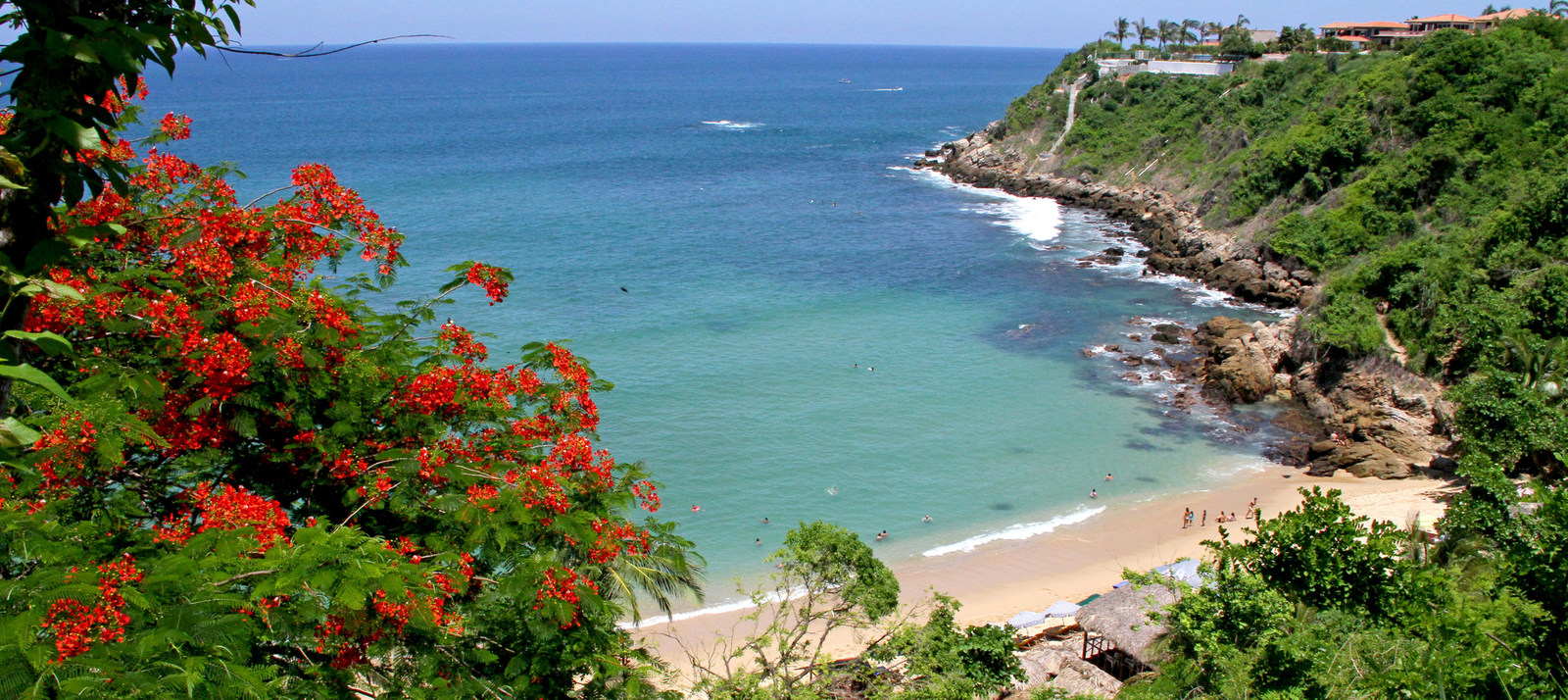
A private wellness retreat at Vivo Resorts can combine daily yoga, guided meditation and unhurried time beside the Pacific. The all-suite beachfront resort on Playa Palmarito, near Puerto Escondido, gives a group room to practise, dine together and rest without the formality of a conference venue.
For Australian guests, the appeal is a complete change of rhythm. Instead of fitting a short class around work, commuting and school schedules in Sydney, Melbourne or Brisbane, participants can build several days around breathwork, movement, nourishing meals and the ocean. Careful planning is important, particularly when coordinating international flights, Australian school holidays and a substantial time difference.
Shape the retreat around your group
Start by deciding who the retreat is for. A private gathering might suit a group of friends, a studio community, a corporate wellness team or couples seeking a restorative escape. The ideal programme will differ for each audience: beginners may need slower sessions and more instruction, while experienced practitioners may prefer longer silent meditation, pranayama or sunrise flows.
Set a realistic group size before approaching the resort. A smaller party can use a residence as a shared base and create a more intimate atmosphere. A larger group may benefit from several suites or villas, private dining arrangements and a dedicated schedule that separates formal practice from leisure time.
Clarify the retreat’s central purpose in one sentence, such as “rest and reset”, “mindful movement for beginners” or “a digital detox by the sea”. That statement will guide the length of classes, the tone of the meditation sessions, the menu brief and the amount of free time.
Coordinate dates, flights and arrival details
Australian travellers should allow time for jet lag when planning the first session. Guests flying from Perth, Adelaide, Melbourne, Sydney or Brisbane may arrive at different times, and connecting flights can make the journey long. A gentle arrival day with hydration, an early dinner and a short grounding practice is usually more comfortable than scheduling a demanding class immediately after check-in.
Avoid building the retreat around a narrow transfer window. Coordinate flight details, airport transfers and dietary information in one shared document, then send a final version to Vivo Resorts before arrival. Mexican pesos are useful for smaller purchases and tips, while international cards may be accepted at many resort and tourism businesses. Keep a modest cash reserve rather than relying exclusively on a phone wallet.
Australian school holidays vary between states, so the best date for a Melbourne group may not suit families in New South Wales or Queensland. Compare local holiday calendars, public holidays and peak airfare periods before confirming the retreat. Travel insurance should cover the activities planned, including yoga equipment, cancellations and medical assistance.
Select accommodation and practice spaces
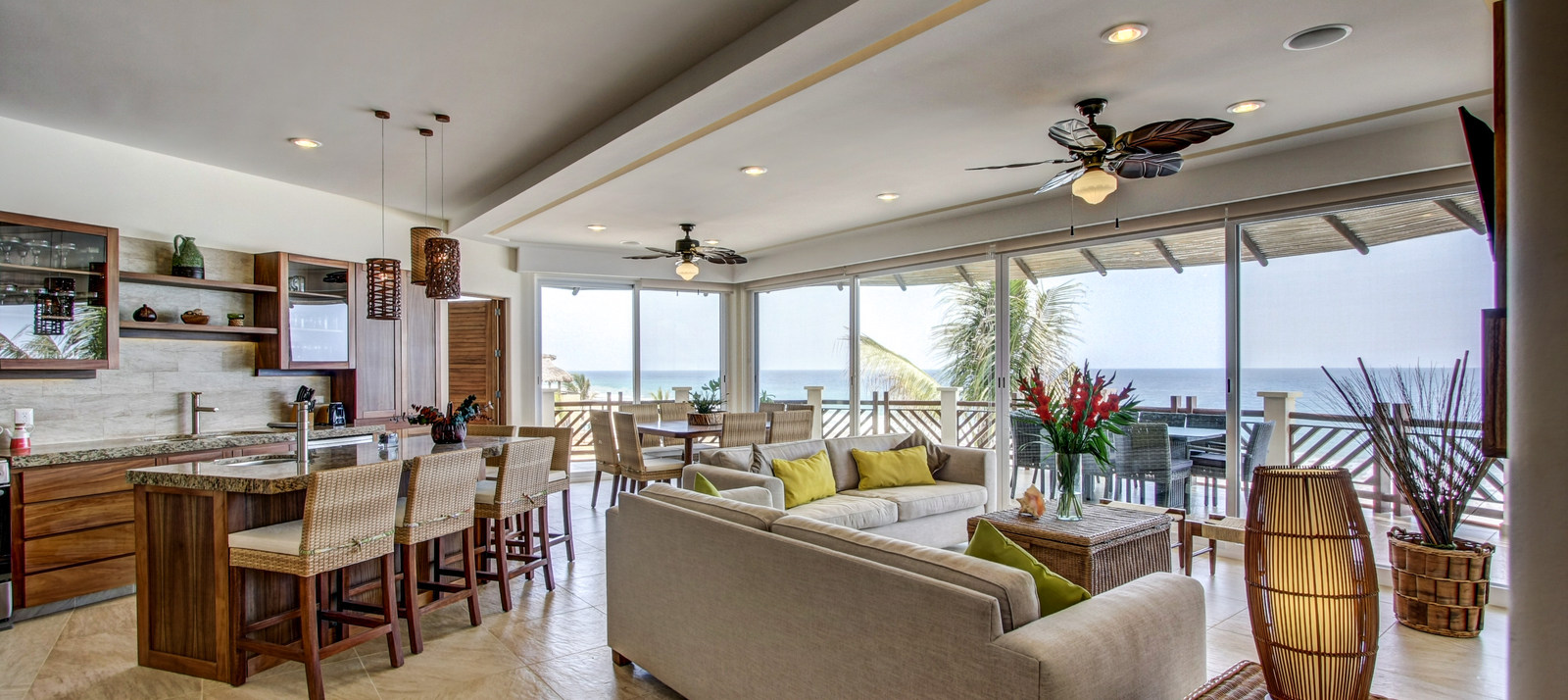
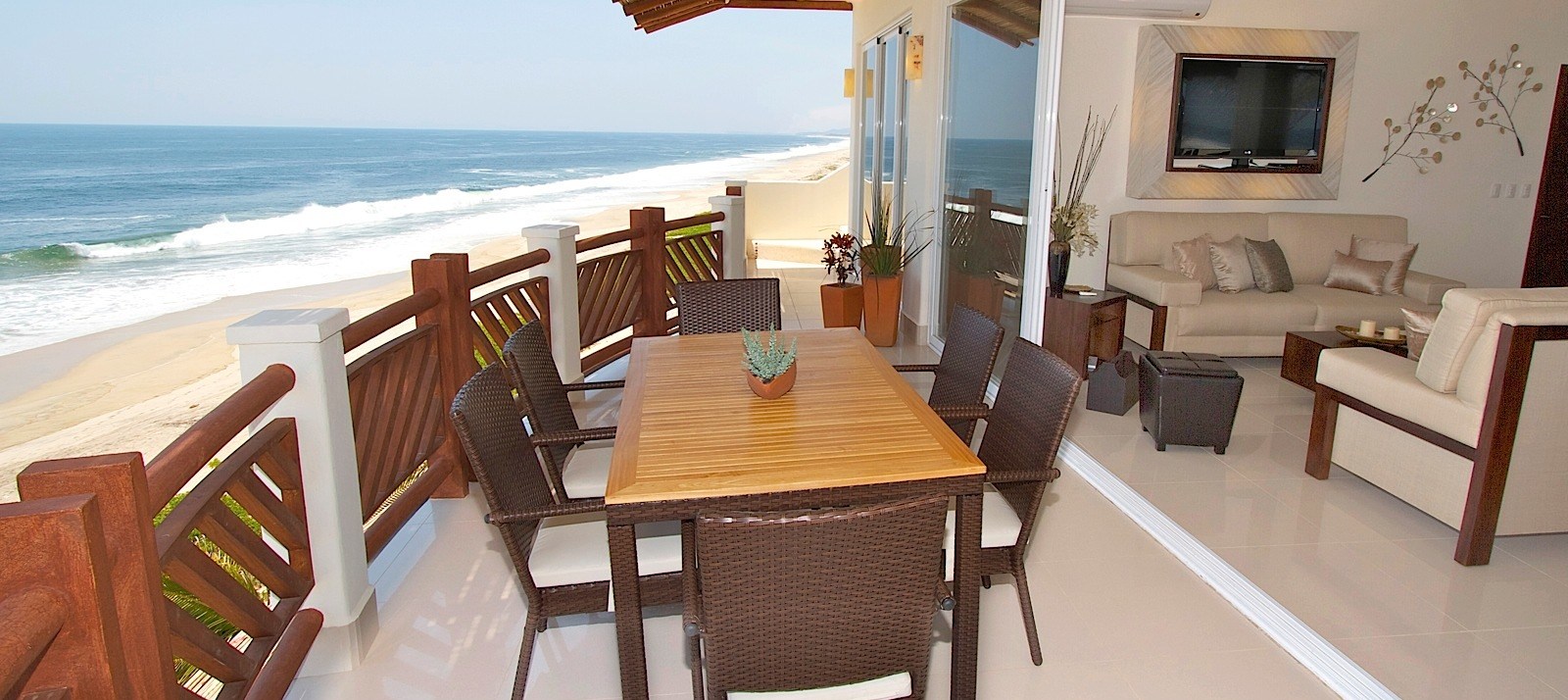
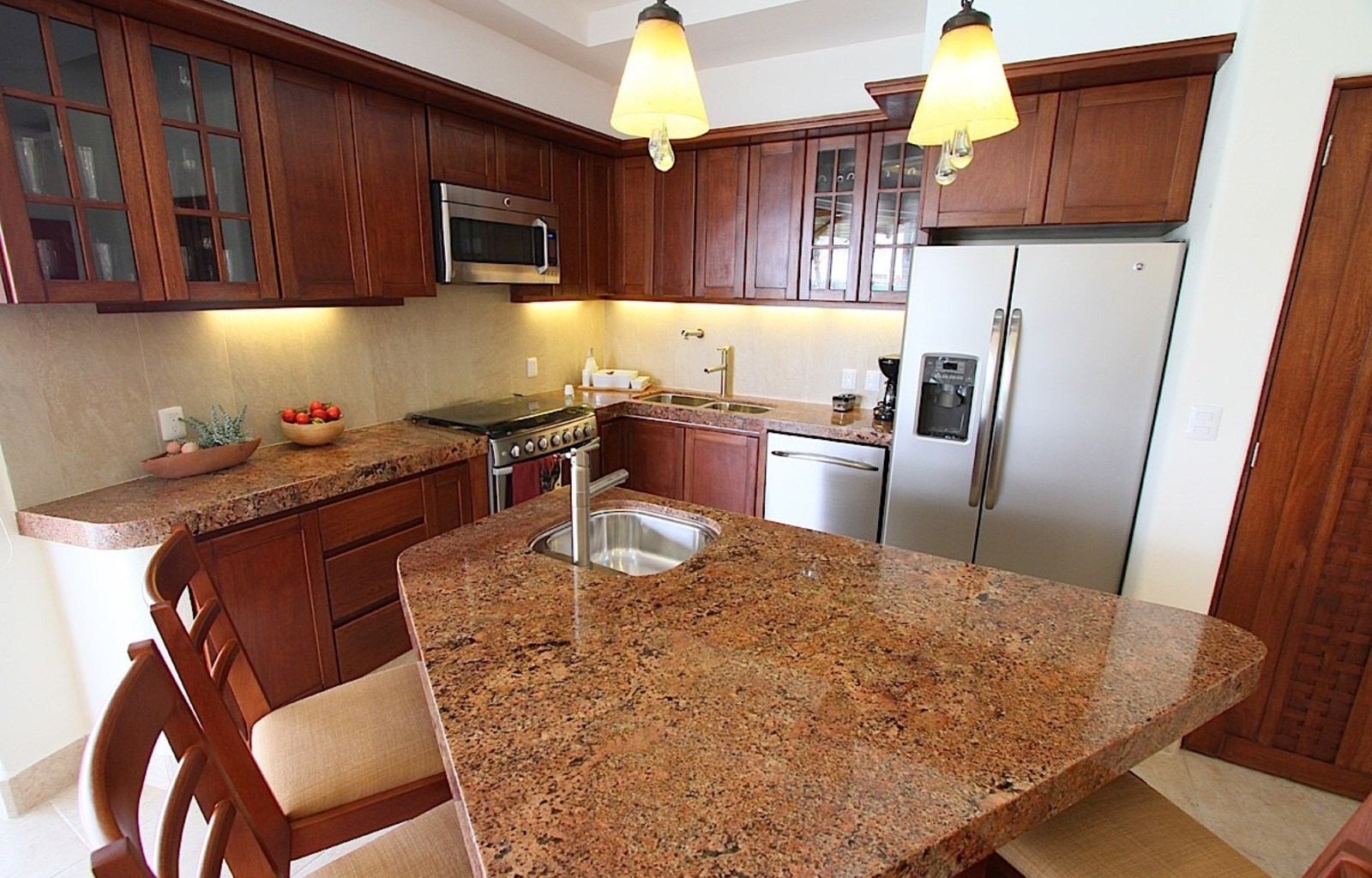
Vivo Resorts offers spacious residences and private villas, making it possible to keep accommodation close to the group’s shared routine while preserving personal space. Ask about bed configurations, kitchen facilities, balconies, ocean views and accessibility before accepting a room allocation. The resort’s accessible room guide can help planners consider mobility, bathroom layouts and comfort requirements in advance.
A practice area should be quiet, level and large enough for mats with safe circulation around them. Confirm whether the resort can provide shade, speakers, mats, bolsters, blankets or a private indoor alternative. Early morning outdoor classes are often especially appealing, while meditation may work better in a cooler, quieter room away from pool activity.
| Retreat style | Suitable length | Daily practice | Best accommodation approach |
|---|---|---|---|
| Weekend reset | 3 nights | One yoga class and one meditation | Shared residence or nearby suites |
| Restorative escape | 5 nights | Gentle morning movement and evening meditation | Ocean-view suites with free afternoons |
| Deep practice retreat | 7 nights | Two structured sessions plus optional silence | Private villas or a dedicated group cluster |
| Family wellness stay | 4–6 nights | Short accessible sessions and flexible activities | Larger residences with communal living space |
Build a climate-conscious daily programme
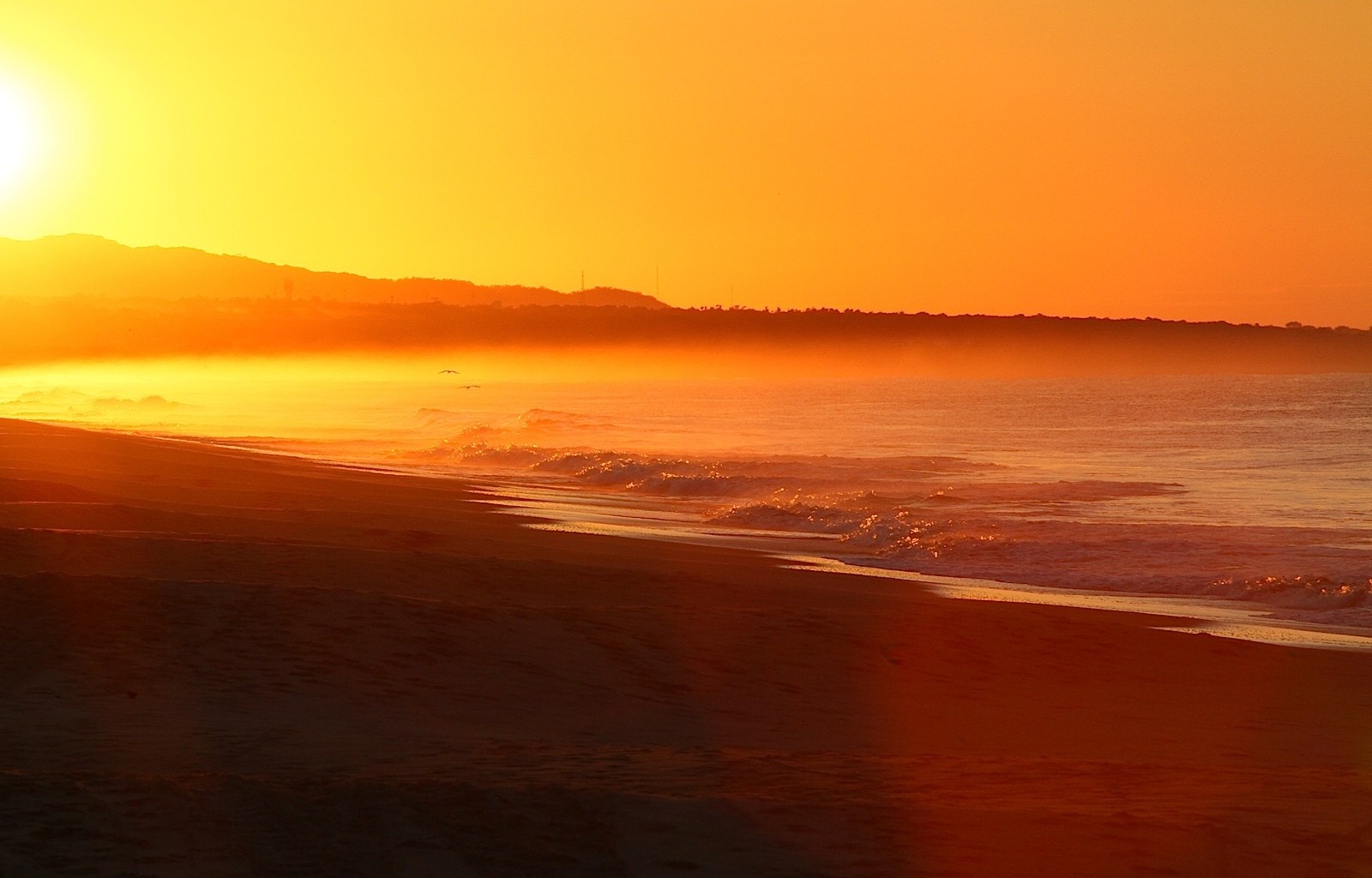
Oaxaca’s coastal climate can feel considerably hotter and more humid than an Australian winter or a mild Melbourne morning. Schedule stronger asana, mobility work and breath-led exercise shortly after sunrise, with restorative yoga, yoga nidra or seated meditation later in the day. Encourage guests to drink water regularly rather than waiting until they feel thirsty.
Loose, breathable clothing, a hat and reef-conscious sun protection are practical additions to the packing list. The coastal heat guide offers useful context for adapting activity levels and managing warm conditions. Teachers should provide options for beginners, older guests and anyone managing an injury, and should make rest a normal part of every session.
A balanced day might begin with a 45-minute sunrise flow, followed by breakfast and unstructured beach time. A midday workshop could explore meditation techniques or journalling, while sunset is suited to yin yoga, sound meditation or a quiet body scan. Leave enough space for naps, swimming and independent time; a retreat becomes stressful when every hour is programmed.
Pair wellness with local experiences
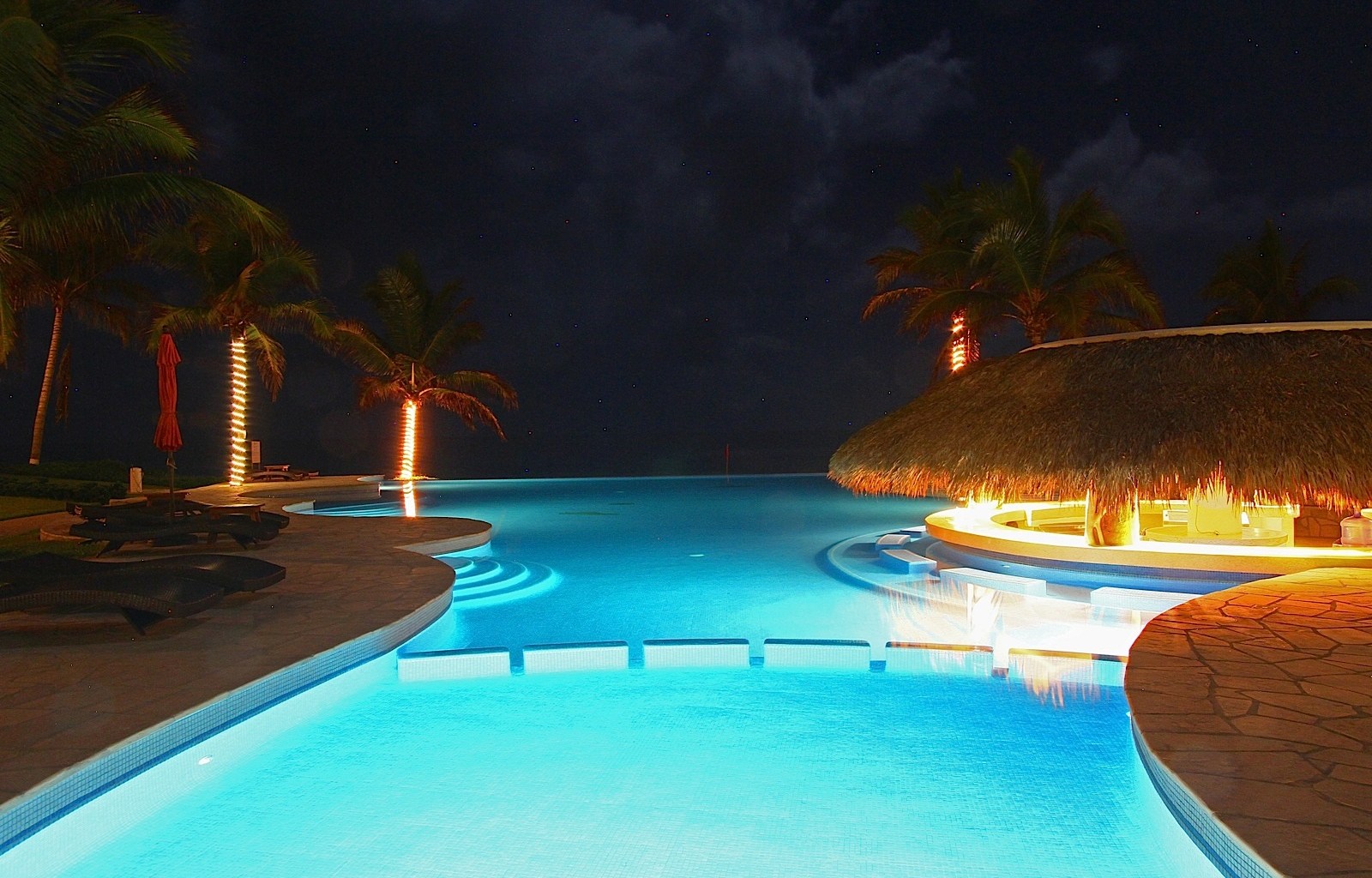
A beach retreat should include more than scheduled practice. Guests can use the resort’s pools, spa and beachfront setting, or arrange excursions to Puerto Escondido, nearby beaches and other coastal attractions. Keep excursions optional so that participants who need solitude are not pressured into a busy day.
Dining arrangements deserve early attention. Share allergies, vegetarian or vegan preferences, gluten-free requirements and preferred meal times with the resort. Australian guests are accustomed to clear food labelling and varied café-style options, but local menus may feature regional ingredients and different levels of spice. A short briefing can help everyone approach unfamiliar dishes comfortably.
Evenings can remain quiet, with a reading hour or candle-free meditation, or become more social after the formal programme ends. For guests who want to experience the area without planning their own outing, information about nearby evening venues can help the organiser suggest suitable beach bars and live music close to Playa Palmarito.
Confirm costs, responsibilities and guest care
Prepare a per-person budget in Australian dollars, then allow for exchange-rate movement, international transfers, flights, insurance, transfers, instructor fees, excursions and optional spa treatments. Quote inclusions clearly: accommodation, meals, classes, equipment, airport transport and gratuities should never be left ambiguous. If the organiser collects money in Australia, check obligations under the Australian Consumer Law, including accurate advertising, cancellation terms and refund handling.
An Australian teacher or retreat host should also review professional indemnity and public liability insurance, especially if sessions are paid group activities. Any business structure, invoicing or GST responsibilities depend on the organiser’s circumstances and turnover, so professional accounting advice is sensible. Keep health information confidential, obtain emergency contacts and make participation voluntary for every practice.
Details to settle before payment
- Confirm the retreat dates, room mix, minimum group size and payment deadlines.
- Provide a written itinerary with arrival time, class intensity, free periods and excursion options.
- Ask participants about allergies, accessibility, injuries, medication needs and emergency contacts.
- Arrange suitable insurance for international travel, wellness activities and cancellation risks.
- Share packing guidance covering breathable clothing, a reusable water bottle, sun protection and light layers.
- Establish a communication channel for flight updates, airport transfers and last-minute changes.
- Give guests a clear Australian-dollar estimate while noting that currency conversion may vary.
Once those details are settled, the retreat can feel spacious rather than complicated: reserve the calmest practice periods, protect time for sleep and let the Pacific setting do some of the restorative work. A practical plan is simple—confirm rooms and responsibilities early, schedule movement around the heat, and leave each day enough freedom for guests to find their own pace.