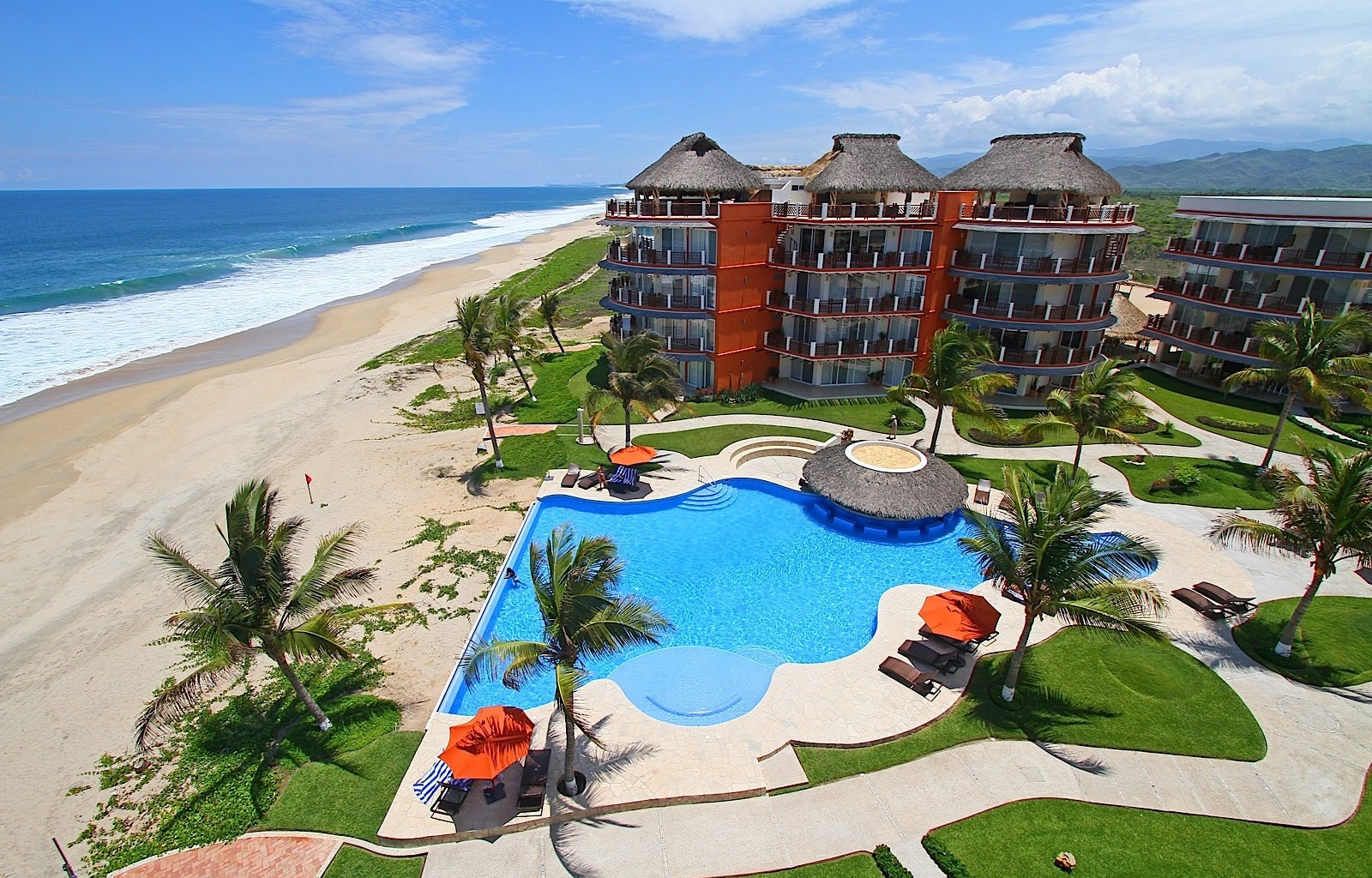
A guide to accessible and comfortable rooms at Vivo Resorts
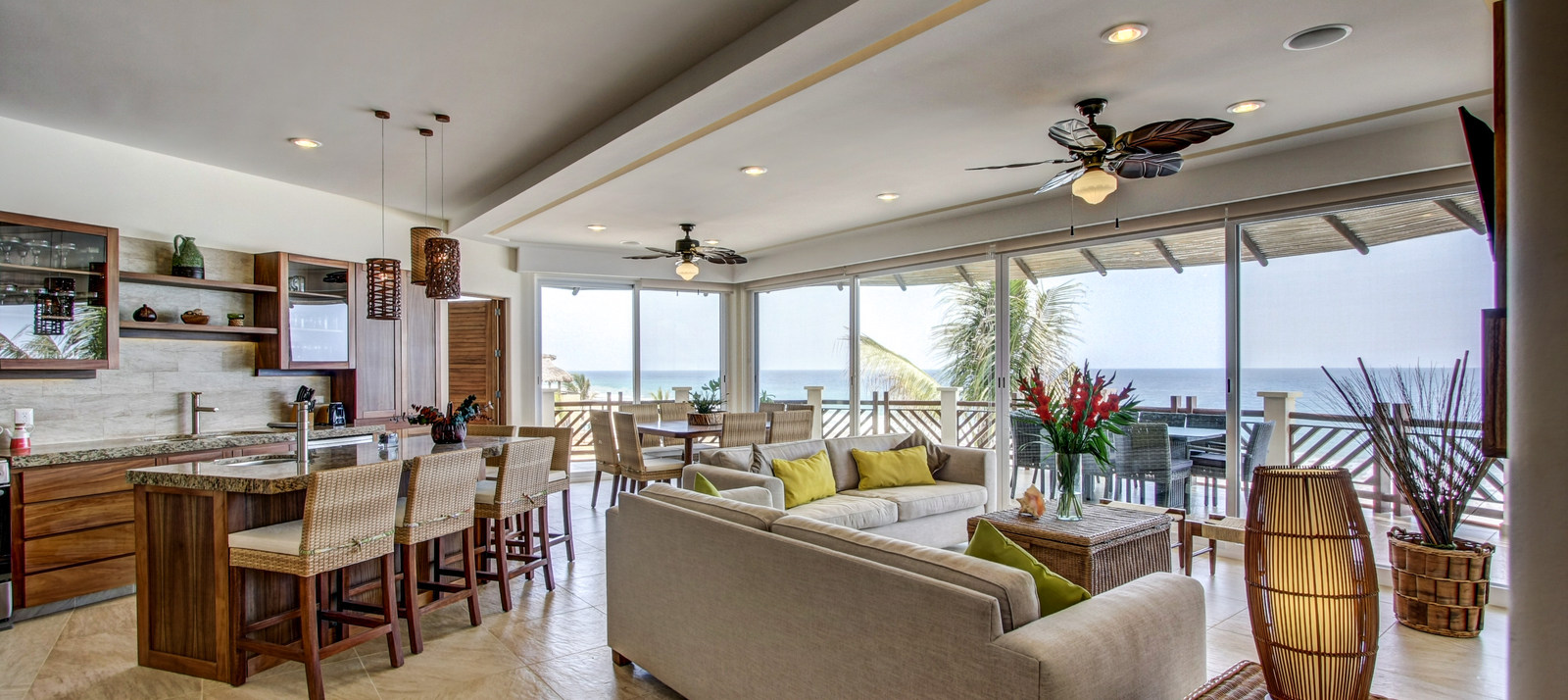
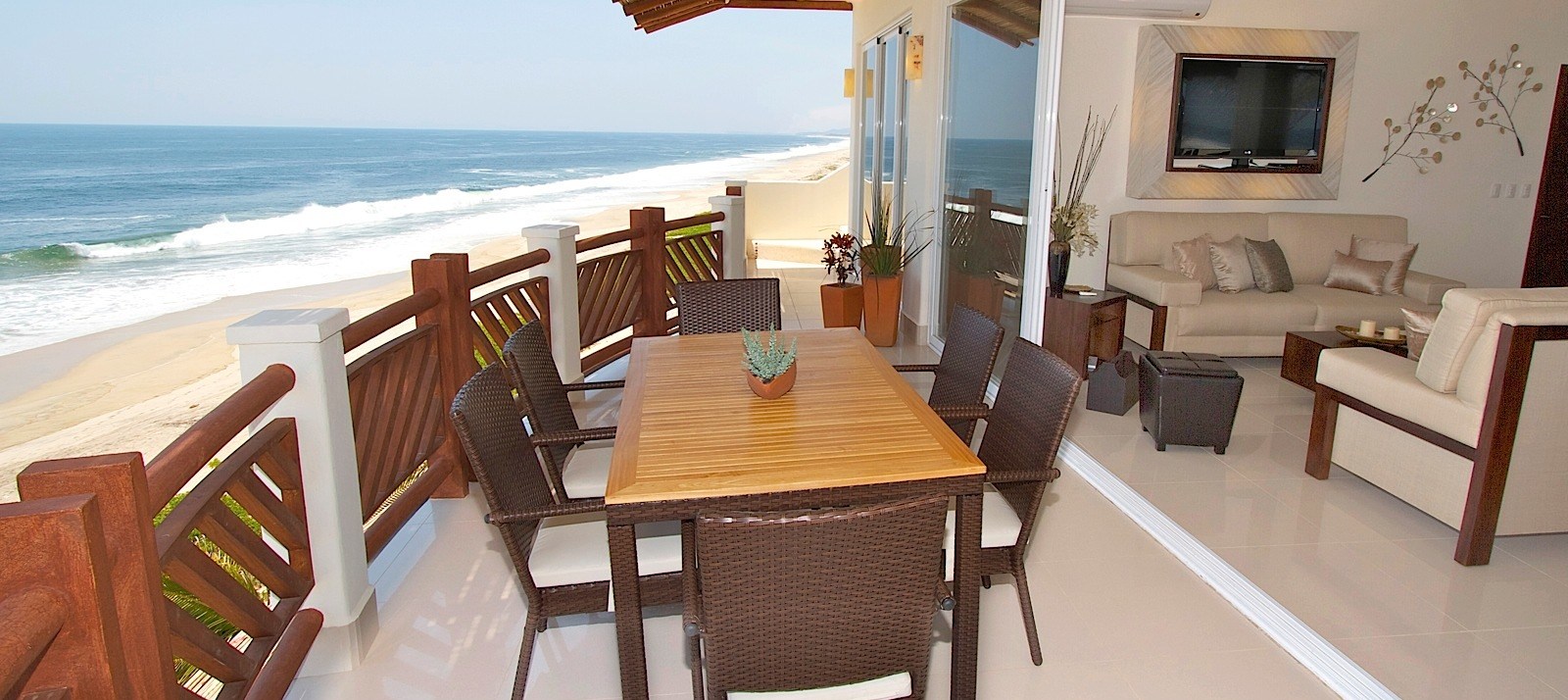
A relaxing beach stay begins with a room that fits the way you travel. At Vivo Resorts on Playa Palmarito near Puerto Escondido, spacious suites and private villas give guests more room to sleep, unwind, dine, and spend time together between oceanfront activities.
The best accommodation choice depends on more than the view. Mobility needs, preferred sleeping arrangements, bathroom access, balcony design, kitchen facilities, and the number of people sharing the residence can all shape the experience.
Because room features and accessible inventory may vary, guests should confirm details with the resort before booking. The Vivo Resorts website is a useful starting point for reviewing residences, villas, resort amenities, and the setting along Oaxaca’s coast.
Start with the layout that suits your stay
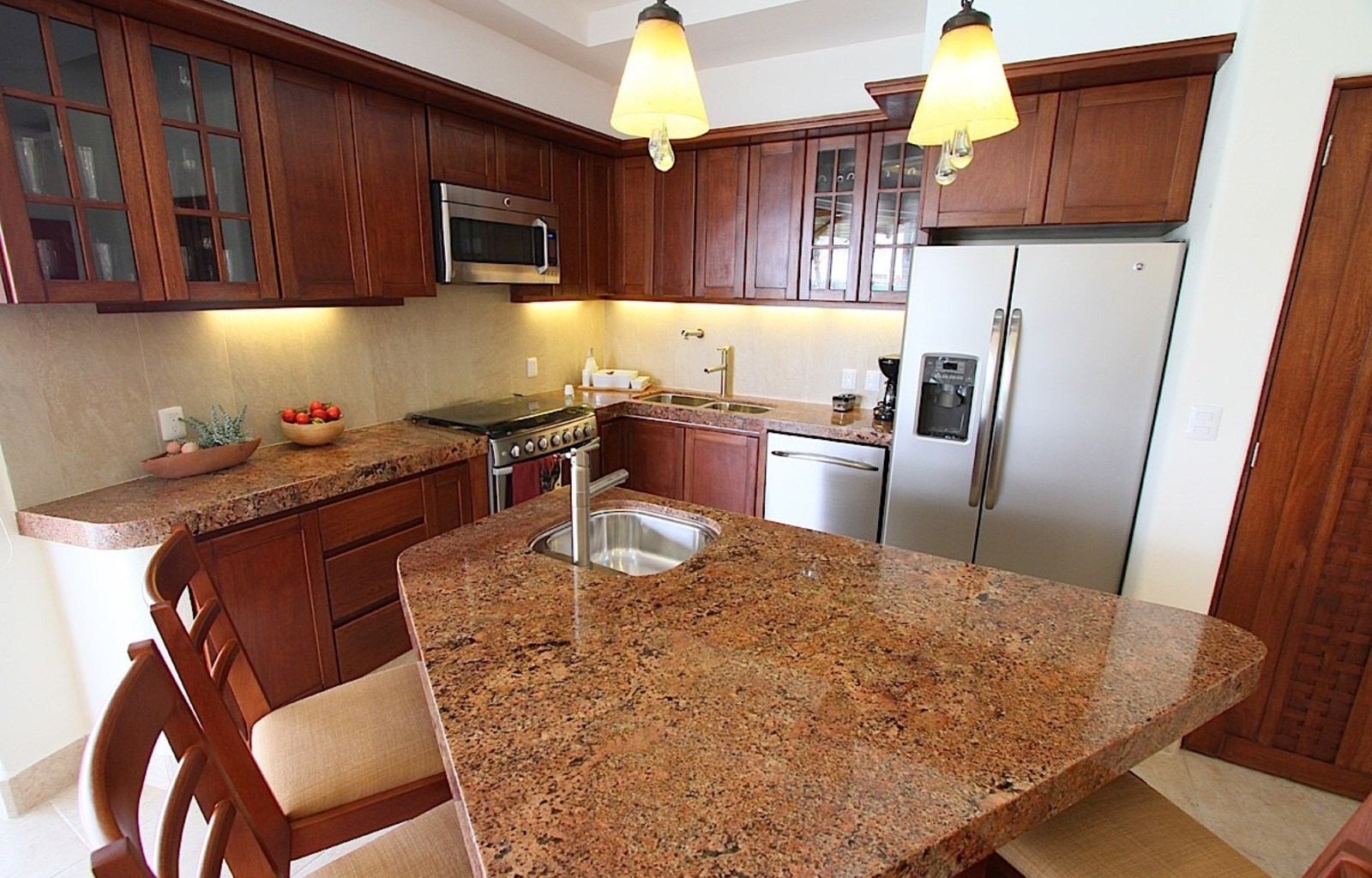
All-suite accommodations can be especially comfortable for longer visits, families, and guests who appreciate separate areas for sleeping and relaxing. A residence-style layout may provide space for storing luggage, preparing light meals, or taking a quiet break while others use the living area.
Couples may prefer a more compact suite with a direct ocean view, while families and groups could benefit from a private villa or a residence with multiple bedrooms. Before selecting a category, check the maximum occupancy, bed configuration, and whether the layout includes stairs, split levels, or a long route from the entrance to the main facilities.
A floor plan or current room description can clarify details that photographs may not show. Ask whether furniture can be repositioned, whether a crib or rollaway is available, and how much clearance surrounds the beds and seating areas.
Confirm accessibility features before arrival
Travelers with mobility requirements should request specific information rather than relying on a general “accessible” label. Useful details include the route from arrival areas to the room, elevator access where applicable, doorway width, threshold height, bathroom turning space, toilet height, and the type of shower entry.
It is also worth confirming whether the room has grab bars, a handheld shower, a shower seat, or space for a guest’s own mobility equipment. If a wheelchair, walker, or other device will be used, provide its approximate dimensions so the resort can recommend a suitable accommodation.
Guests with visual or hearing-related needs can ask about visual alerts, telephone accessibility, lighting levels, room controls, and communication support. A written request sent before arrival helps the hospitality team understand the practical details and prepare any available equipment.
Match comfort features to your travel style
Ocean views and generous interiors are appealing, but comfort also depends on temperature control, sound levels, seating, mattress preferences, and the ease of moving through the space. Guests who sleep lightly may wish to ask about the room’s location relative to pools, restaurants, elevators, and evening activity.
Families should consider whether the accommodation offers enough separation for children’s bedtime routines. A kitchen or dining area can make breakfasts, snacks, and medication schedules easier to manage. Parents may also want to confirm the availability of high chairs, cribs, bed rails, and child-friendly dining options in advance.
Couples seeking a quieter escape may prioritize a private terrace, a larger bathroom, or a villa setting. Guests with allergies can ask about housekeeping procedures, bedding materials, and whether fragrance-free arrangements are possible.
Compare accommodation considerations
The following guide can help organize priorities before speaking with the reservations team. The exact features available depend on the selected category and current inventory.
| Travel priority | Details to review | Why it matters |
|---|---|---|
| Step-free mobility | Entrance route, thresholds, elevators, and surface changes | Reduces barriers from arrival through daily activities |
| Bathroom access | Shower entry, grab bars, seat, toilet height, and turning space | Supports safer, more independent routines |
| Family convenience | Bed layout, kitchen or dining area, crib options, and storage | Makes shared stays easier to organize |
| Quiet and privacy | Room position, nearby facilities, terrace design, and bedroom separation | Helps light sleepers and guests seeking downtime |
| Sensory comfort | Lighting, controls, visual alerts, and communication options | Creates a more manageable environment |
| Longer stays | Laundry access, food preparation space, seating, and storage | Adds practicality beyond a typical hotel room |
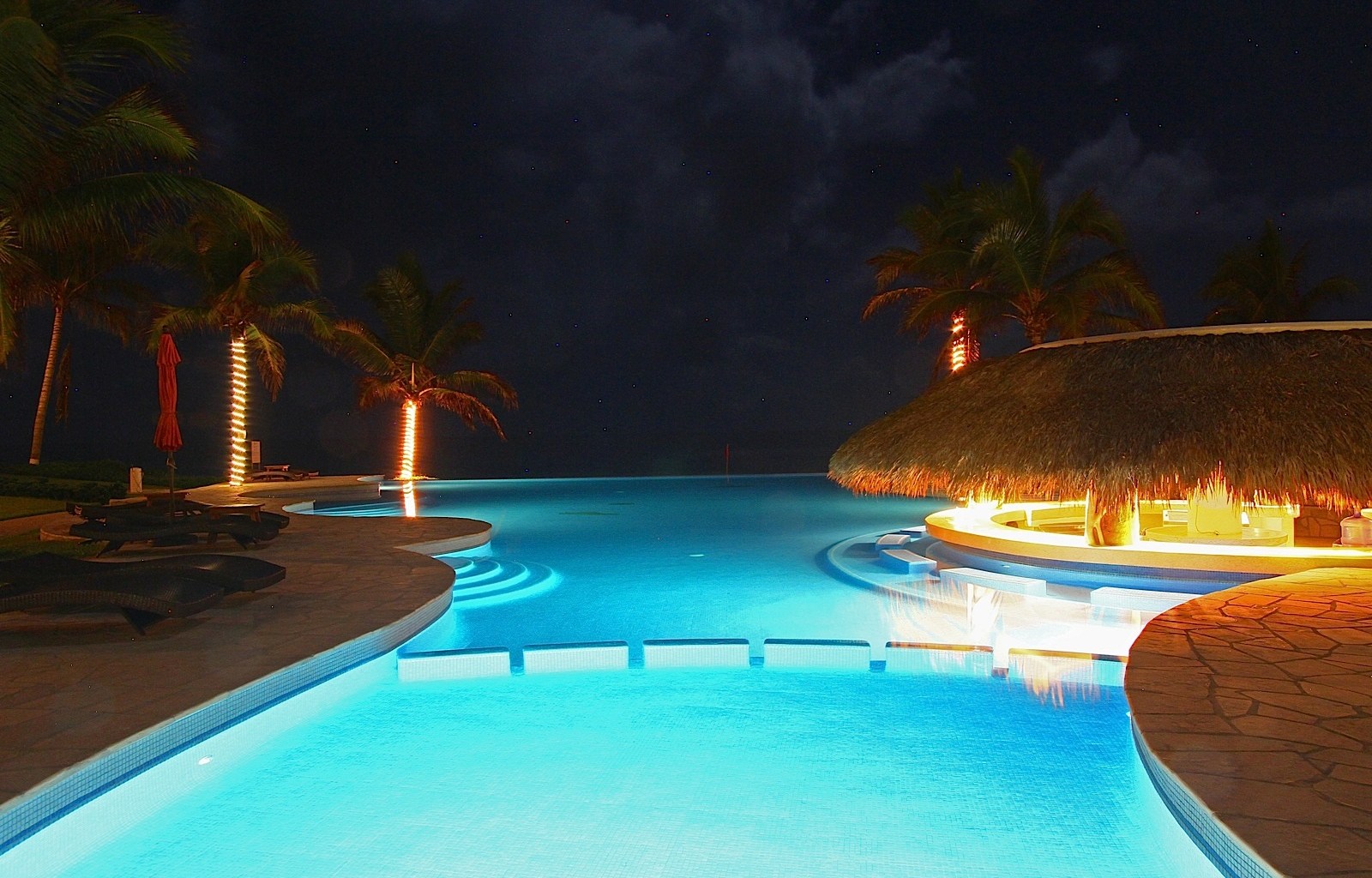
A reservation specialist can also help identify the most convenient location within the property. For some guests, being close to dining and pools is valuable; for others, a shorter route to the beach or a quieter position may be more important.
Plan the room around wellness and recovery
Rest is central to an accessible vacation. After a day exploring Puerto Escondido or the beaches of Oaxaca, guests may value a room with supportive seating, convenient controls, and enough space to keep mobility aids within reach. Requesting housekeeping at a preferred time can also protect rest periods.
The resort’s full-service spa adds another way to build comfort into the itinerary. Guests can review treatments and wellness services through the spa information page, then ask about arrival access, treatment-room arrangements, and any limitations that may affect their visit.
Sun exposure, humidity, and long walks can be tiring, especially for older travelers or guests managing chronic conditions. Planning breaks between activities, keeping water nearby, and choosing a room with an easy route to indoor facilities can make the stay more sustainable.
Use a practical booking checklist
Clear communication before arrival gives the resort a better opportunity to provide a comfortable match. Describe functional needs in plain language, including what the guest can and cannot manage independently, rather than naming a room type without explaining the reason for it.
- Request the exact accessibility features needed in the bedroom and bathroom.
- Ask for the room location, route details, and any stairs or uneven surfaces.
- Confirm bed dimensions, sleeping arrangements, and available support equipment.
- Share dietary, allergy, sensory, or housekeeping requirements before arrival.
- Reconfirm special arrangements several days before the travel date.
Keep written confirmation of important requests and bring essential personal equipment when a specific item is not guaranteed. If needs change after booking, notify the resort as early as possible so the accommodation and arrival plan can be reviewed.
A well-matched room allows guests to enjoy Vivo Resorts with less daily effort and more independence. Contact the reservations team with a detailed list of requirements, compare the available suite or villa categories, and choose the Playa Palmarito accommodation that best supports a relaxed, comfortable stay.