Manialtepec lagoon: birdwatching and kayaking near Puerto Escondido
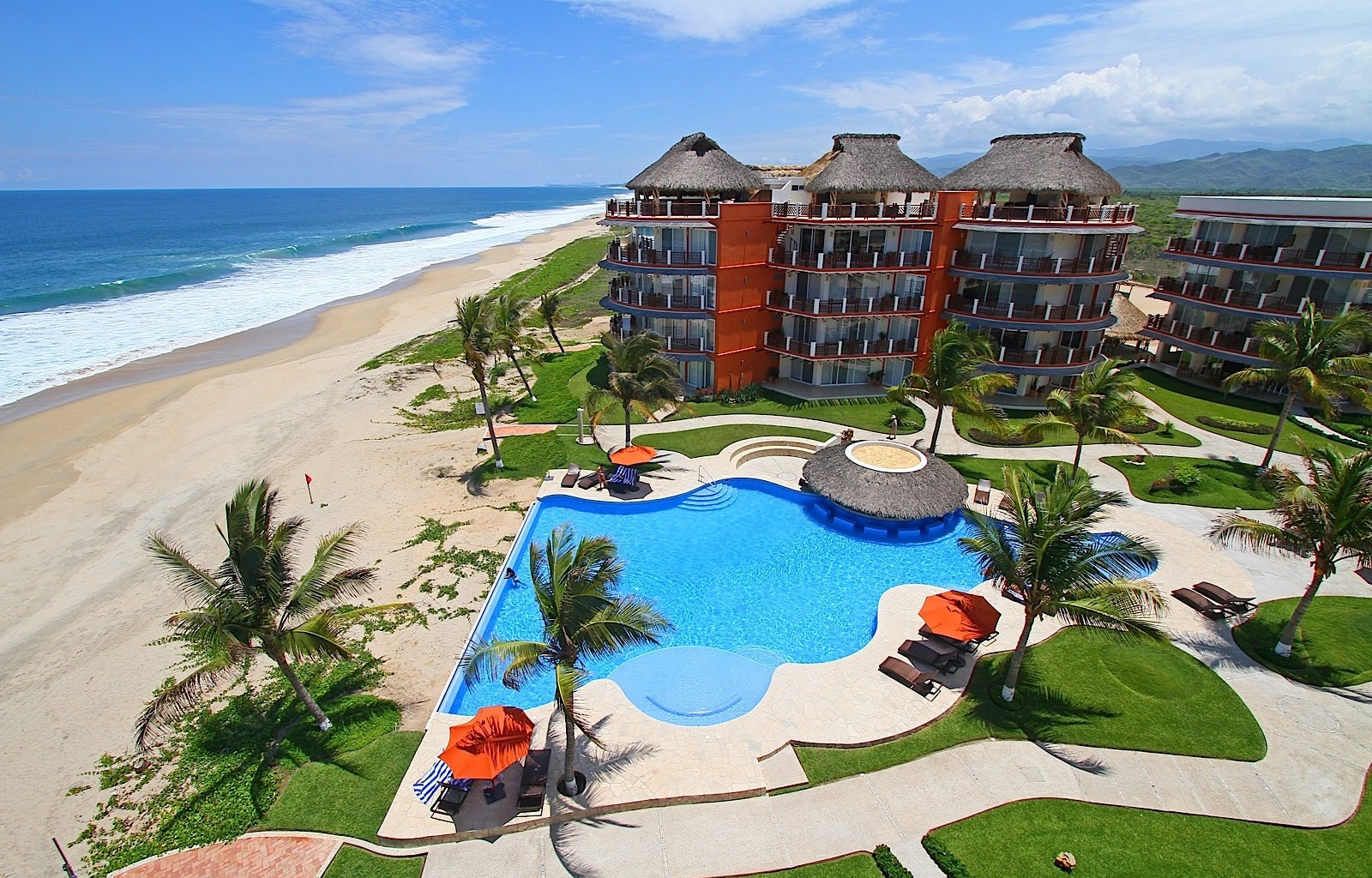
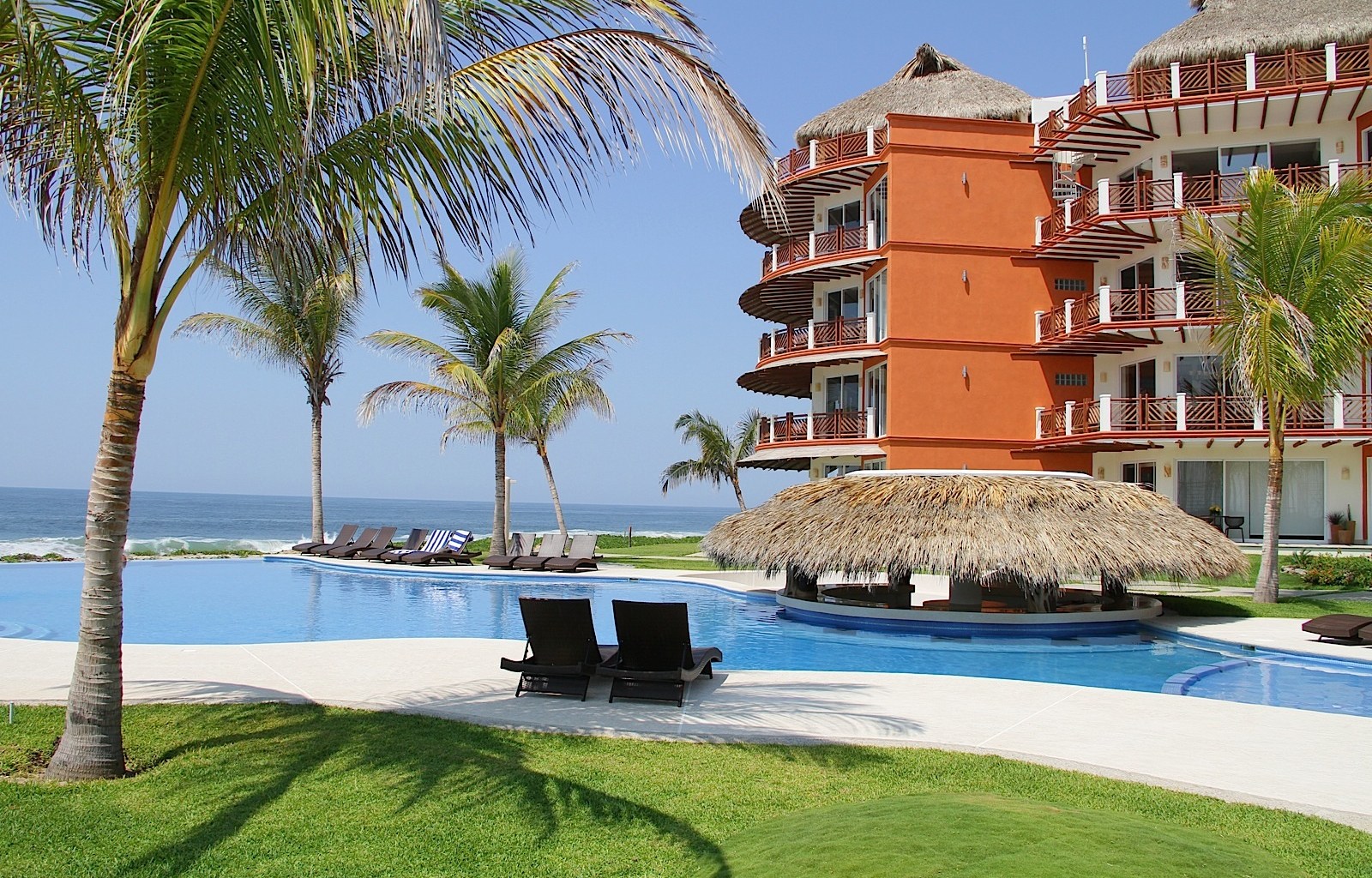
Many travellers arriving at Playa Palmarito imagine their days filled with pool loungers, in-villa coffees, and slow walks along the sand. Few realise that within an hour of leaving the resort gates, a completely different landscape opens up. The Manialtepec lagoon is a tidal estuary on the coast of Oaxaca, and it rewards visitors with a kind of wilderness encounter that feels a world away from the surf breaks outside Puerto Escondido.
For Australians who already love paddle weekends on the Gippsland Lakes or dawn tours through the Noosa Everglades, this Pacific Coast wetland reads like a familiar chapter written with a Mexican accent. Mangrove channels thread through salt flats and freshwater pools, herons stalk the shallows, and at certain times of year the water itself shimmers after dark. It is easily the most underrated day trip a guest at the resort can arrange.
The journey from the coast
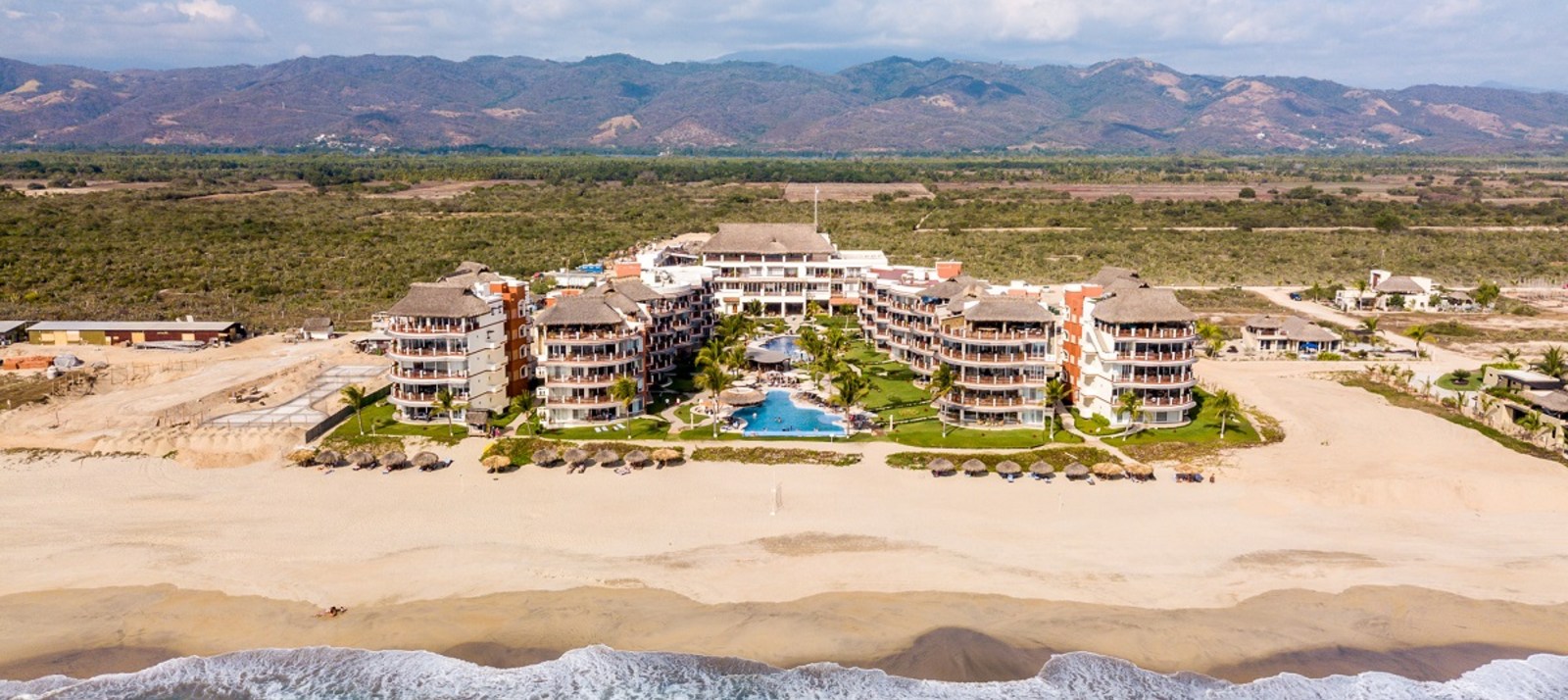
The drive from Vivo Resorts to Manialtepec covers roughly thirty kilometres and takes about forty minutes by car, hugging the coastal road before turning inland near the village of El Tomatal. Most guests arrange transport through the concierge, often bundled into a half-day or full-day package that includes a small motorboat transfer into the lagoon itself.
Travellers used to navigating the Pacific Highway between Sydney and Brisbane will find the roads here a comfortable contrast: light traffic, well-maintained asphalt, and few aggressive overtakers. The last few kilometres are dirt, so choosing a vehicle with reasonable clearance makes sense if you decide to go independently. Local guides usually meet visitors at a small dock and pilot them straight to the calmest part of the estuary, depending on the tide.
A living sanctuary for migratory birds
Manialtepec sits within a recognised Important Bird Area and has the protected status to match. More than two hundred and fifty species have been recorded here, ranging from resident herons and kingfishers to migratory visitors that travel down the Pacific Flyway. Among the most photographed are the roseate spoonbill, the Mexican endemic yellow-winged cacique, and the elegant wood stork.
Birders coming from Melbourne or Brisbane often arrive with long life lists behind them, yet still find themselves logging new species here. Waders, cuckoos, orioles, and hummingbirds all put in appearances, while raptors like the snail kite cruise the upper canopy. Bring binoculars rather than relying on a phone camera for the first few stops; the mangrove edge is where the action concentrates, and a telephoto lens quickly proves its worth.
Pushing off in a kayak
Kayaking is the most rewarding way to experience the lagoon. Stable sit-on-top doubles are standard, and paddlers of mixed ability can comfortably share one. The flat water inside the mangrove channels is gentle enough for beginners, while the open sections provide a light workout for those who want it.
Australians used to the early-morning paddle culture of Sydney Harbour or Whitehaven Beach will feel at home launching with the dawn tide. Skilled local guides point out basking iguanas, smooth-billed anis, and the occasional river otter. For anyone wanting a slightly more demanding session, choosing the right excursion makes the difference between a flat-water hour and a full circuit around the deeper channels.
When to plan around the tides
The character of the lagoon shifts dramatically with the tides. At high water the channels flood and the birdlife retreats to the inner ponds; at low water, vast mudflats emerge and waders pour in to feed. Sunrise paddles usually catch the falling tide, which is when photographers get the best light and the most bird activity.
The dry season runs from November through April and lines up neatly with the European and North American winter. Australians planning around the southern hemisphere winter (June, July, August) should know that this also counts as the Mexican rainy season. Mornings tend to stay clear, but afternoon thunderstorms are common. Packing a quick-dry layer and treating the trip like a typical Far North Queensland wet-season outing is a sensible approach.
Capturing the wildlife on camera
Long lenses make a real difference here. A 400mm or larger prime lens lets you frame spoonbills without disturbing them, and many of the colourful species stay just out of reach of shorter focal lengths. Photographers from Perth and Adelaide will already be familiar with the discipline of hiding behind vegetation and shooting into the rising sun, both of which pay off at Manialtepec.
The real surprise comes after sunset. Bioluminescent organisms light up when the water is disturbed, so a kayak paddle or a hand trailing in the lagoon leaves a glowing blue trail. Tripods are useful, but most visitors find a fast-shutter phone mode or a small mirrorless camera does the job. The phenomenon peaks in late summer and early autumn, when the lagoon goes properly dark with no moon.
Pairing the lagoon with broader excursions
Manialtepec slots neatly into a longer holiday plan. Most guests combine a morning paddle with an afternoon in Puerto Escondido itself, where the seafood restaurants around Zicatela Beach make a natural lunch stop. Others extend the day to include the surf break at Playa Carrizalillo or a quick visit to a local crocodile sanctuary further north.
Couples celebrating a wedding at Vivo Resorts often use excursions like these as welcome events for guests who arrive a few days early. A lagoon morning gives wedding parties a shared story for the reception dinner, particularly when the bioluminescence kicks in. Anyone organising a celebration can use a step-by-step guide to planning your destination wedding timeline to weave natural landmarks like this into the broader schedule.
Practical notes for Australian visitors
A handful of small details help the day run smoothly. Sun protection matters even on overcast mornings; the mangrove canopy casts deceptive shadow. Reef-safe sunscreen, a long-sleeved rashie, and a brimmed hat cover most scenarios, and Australians already accustomed to slip-slop-slap will be well prepared.
Australian biosecurity laws are strict about what can be brought home, and Manialtepec is close enough to protected wetlands that extra care is worthwhile. Sand, seeds, feathers, and any plant material should be left at the lagoon. Currency-wise, small pesos for tips are appreciated, although most operators at the dock accept cards or US dollars.
What stays with most visitors after the trip is the contrast. A few hours inland from the resort, the lagoon's quiet tidal rhythm, its cacophony of birds, and that extraordinary after-dark glow create a memory that beach time alone rarely delivers. Treat the day as a slow adventure rather than a checklist, and Manialtepec quietly becomes the highlight of the trip.