Surf Breaks Near Puerto Escondido for Every Skill Level
Australia produces world-class surfers and a deep affection for the ocean, so when Aussie travellers start thinking about a surfing holiday beyond Bells Beach or Noosa Heads, Mexico has started showing up on more shortlists. Puerto Escondido sits on the Oaxacan coast where the Pacific swells roll in clean and consistent, and the range of waves nearby means a couple, a group of mates, or a family can all find something that suits their ability within a short drive of each other.
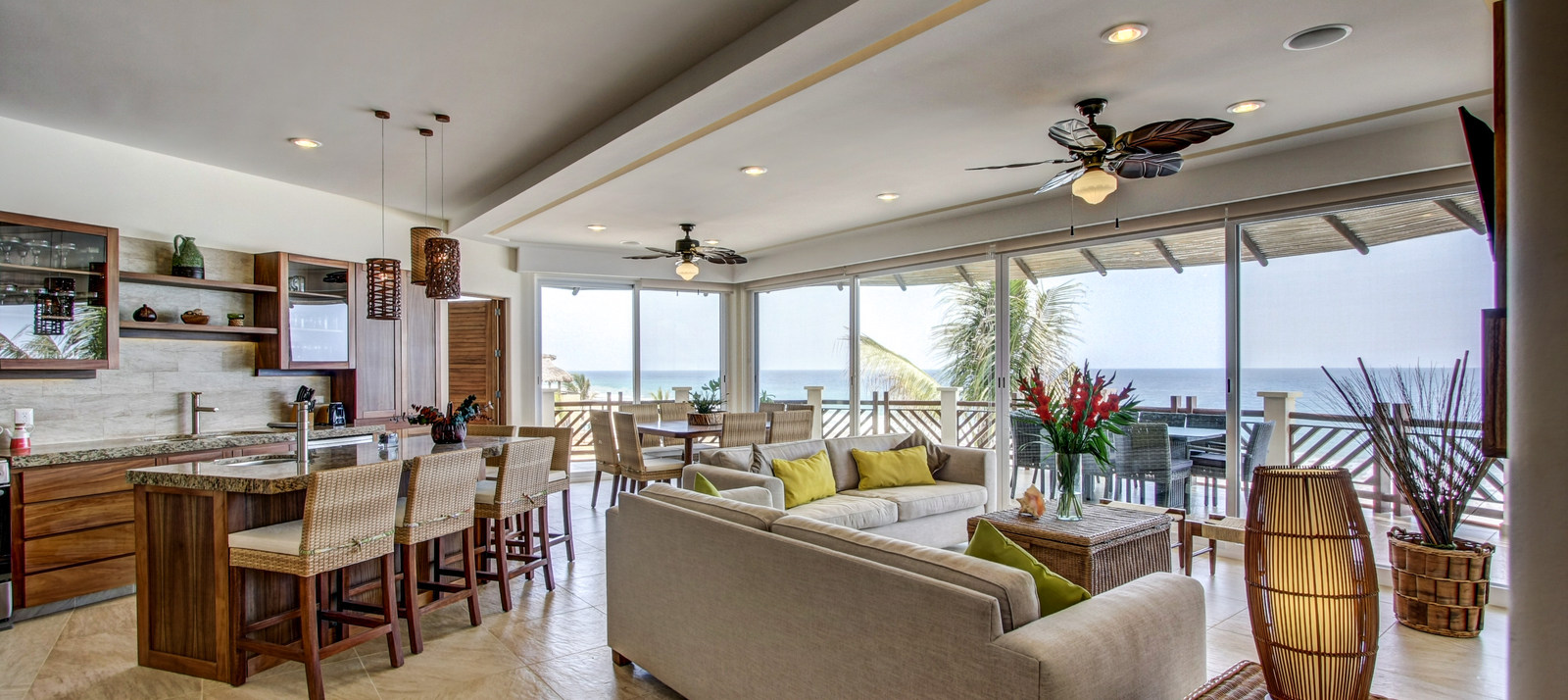
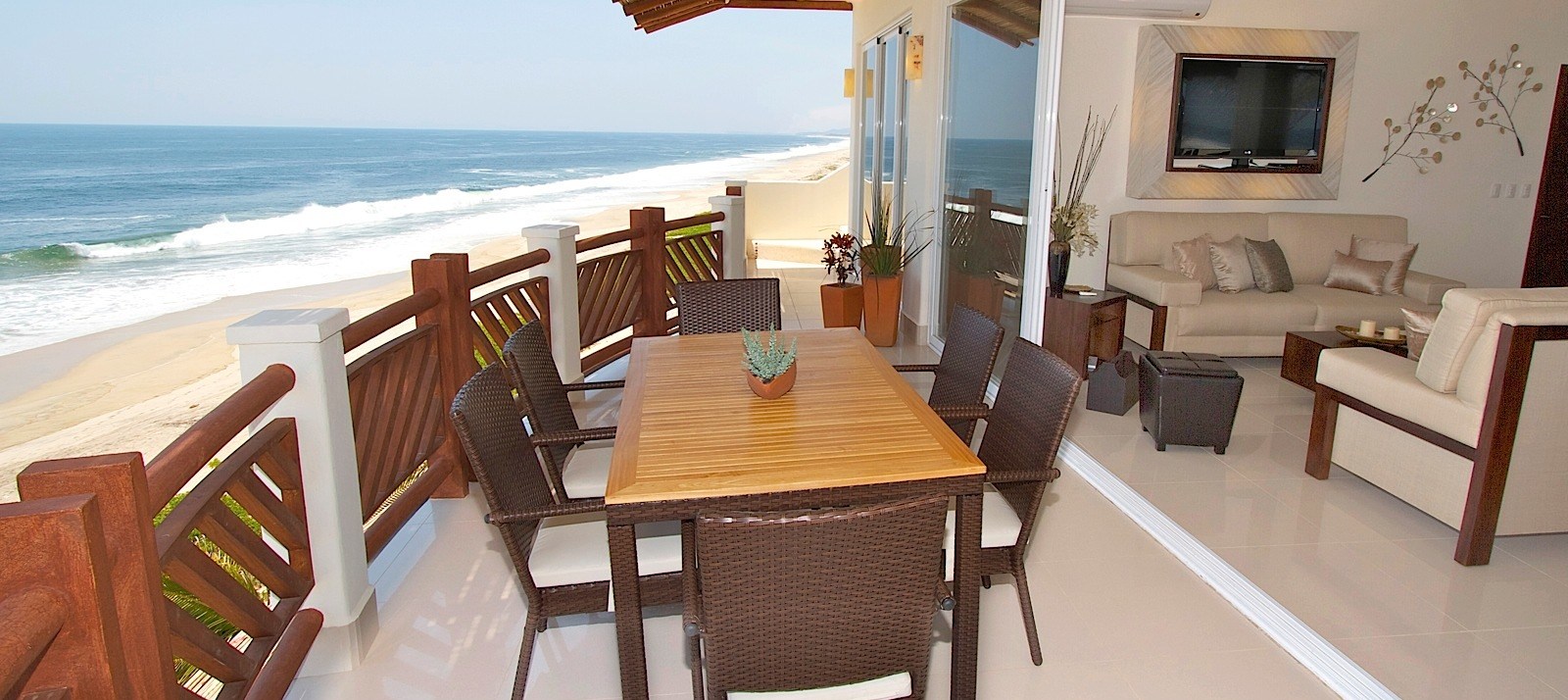
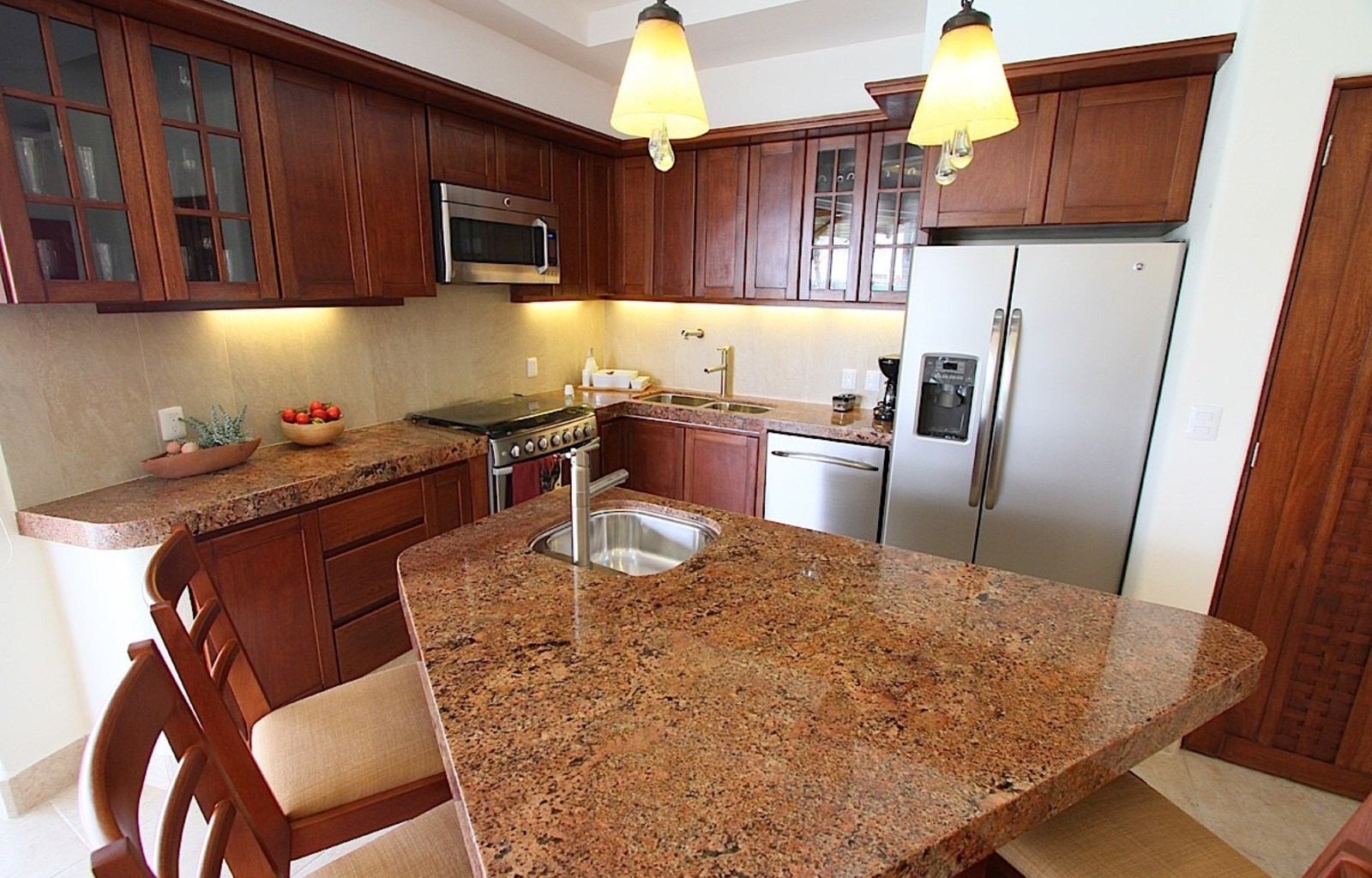
The town has earned a global reputation mostly because of one wave. Zicatela, often called the Mexican Pipeline, is a heavy beach break that draws big-wave chargers from around the world during the southern hemisphere winter. Around it sit a handful of friendlier beaches, reef setups, and points that open up options for first-timers, longboarders, and everyone in between. Travellers who stay at a full-kitchen residence find themselves within easy striking distance of nearly all the breaks worth paddling out at.
What makes the area work for mixed-ability groups is geography. The coastline bends and pockets the swells differently within just a few kilometres, so the same morning that delivers double-overhead barrels at one spot can offer knee-high cruisers down the road. Add in warm water, a long season, and a laid-back Mexican-Pacific vibe, and the trip feels like a coastal holiday back home, just with better waves and cheaper tacos.
The Famous Mexican Pipeline and Its Neighbours
Zicatela is the wave that put Puerto Escondido on the map. It breaks over a sandbar at the end of a long beach, and when the south-west swell lines up, the wave jacks up into a thick, hollow tube that has claimed boards and reputations. It is not a place to learn, and even experienced surfers should hire a local guide for their first session. Crowds peak between November and March.
Just south, La Punta is the opposite end of the spectrum. This right-hand point break peels gently over a rocky bottom, handles knee to head-high swell comfortably, and is far more forgiving when bigger pulses wrap around the headland. Mornings are usually glassy, and you will often swap waves with a longboarder from Sydney or a backpacker who learned to surf in Noosa.
Just to the north, Playa Marinero offers another mellow option. Sheltered from the biggest swells by the headland, it works as a learner beach when conditions are small, and turns into a fun, mushy peak once the swell builds. Families travelling with teens often end up here, with the instructor waist-deep in the whitewash while parents grab a coffee at the beachside palapas.
Gentler Breaks for First-Timers and Longboarders
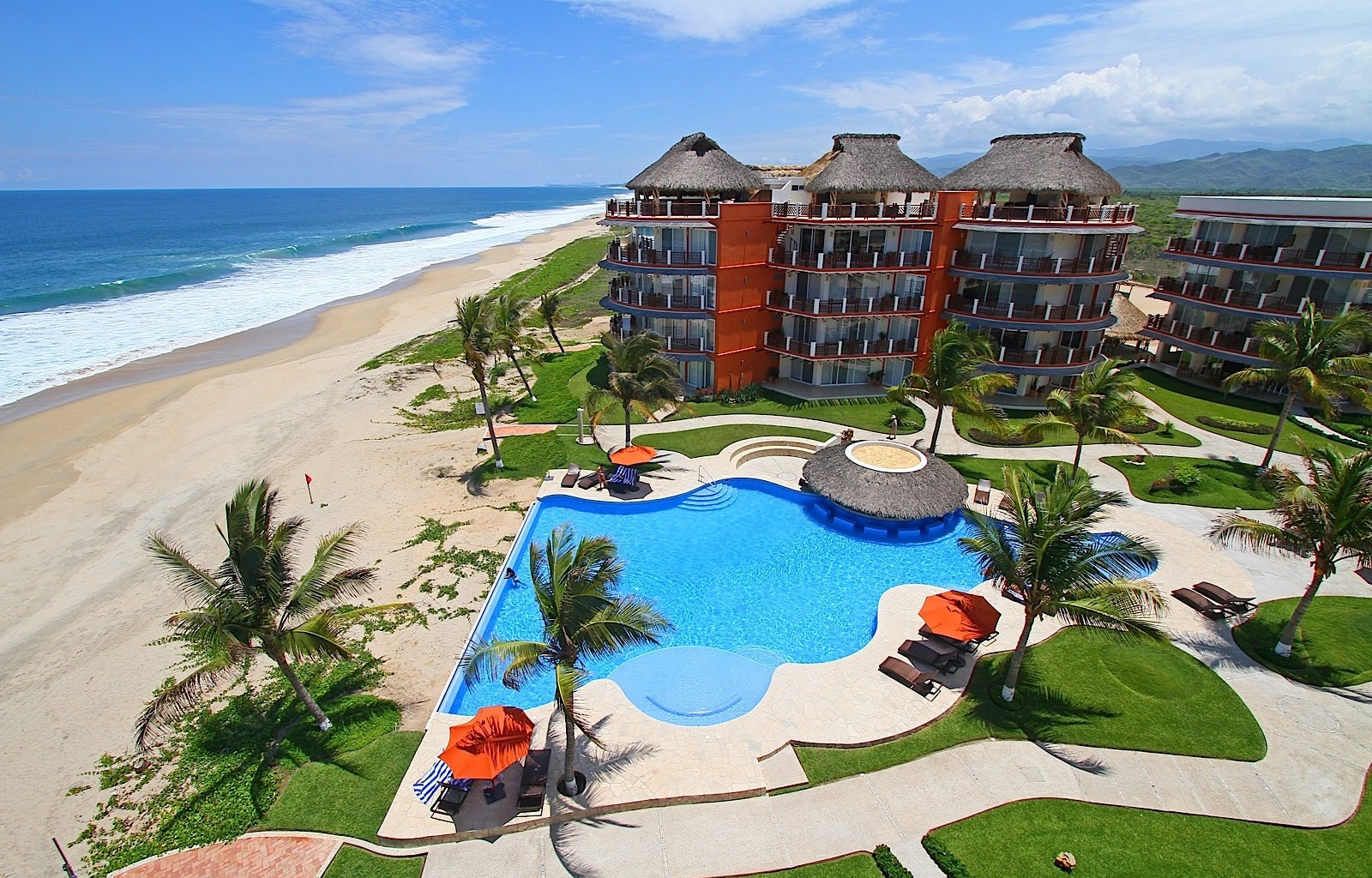
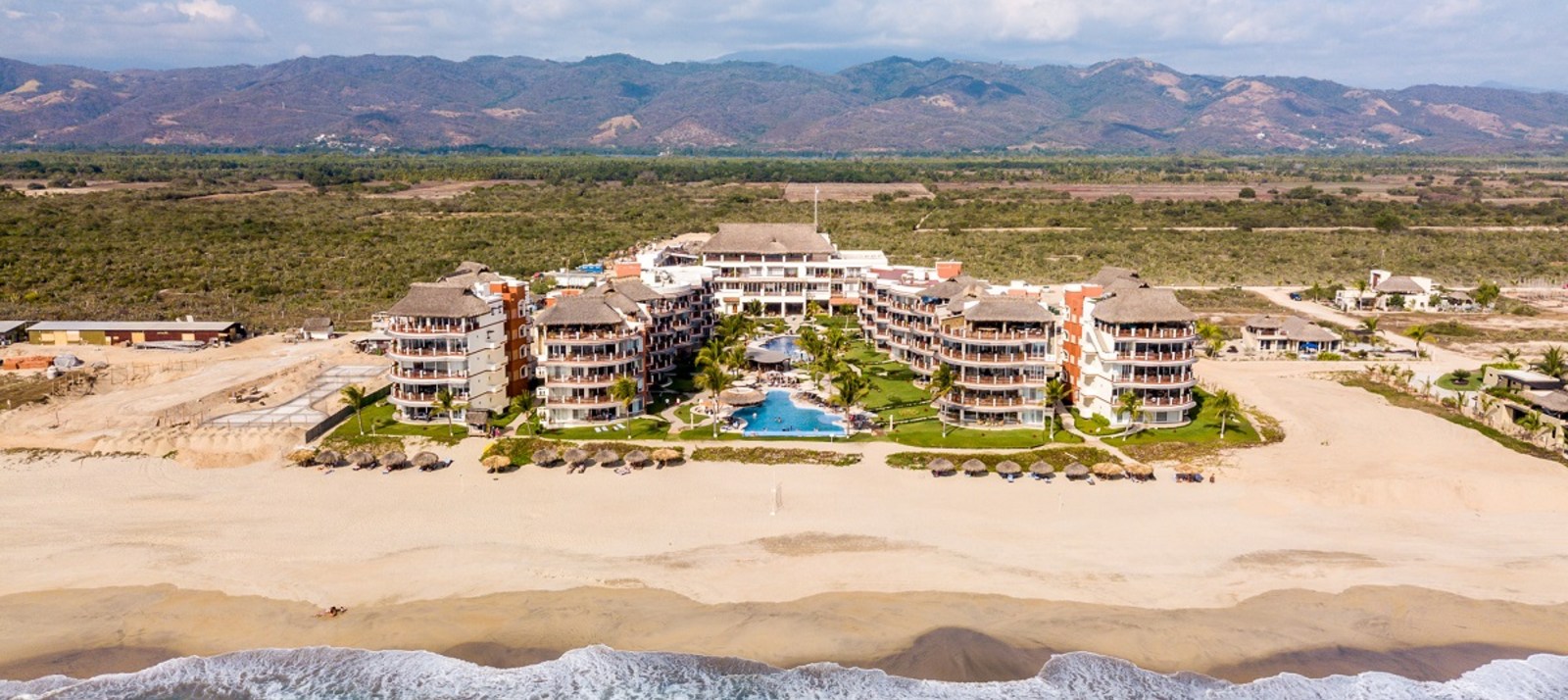
Playa Palmarito, the stretch of sand in front of Vivo Resorts, is where most beginners start. The swell wraps in soft and the slope of the beach keeps the waves rolling rather than dumping, which makes it a kind spot to practise pop-ups and that first real take-off. Board rental shops in town will deliver foam boards and leggies to the resort, removing the hassle of lugging gear on the plane.
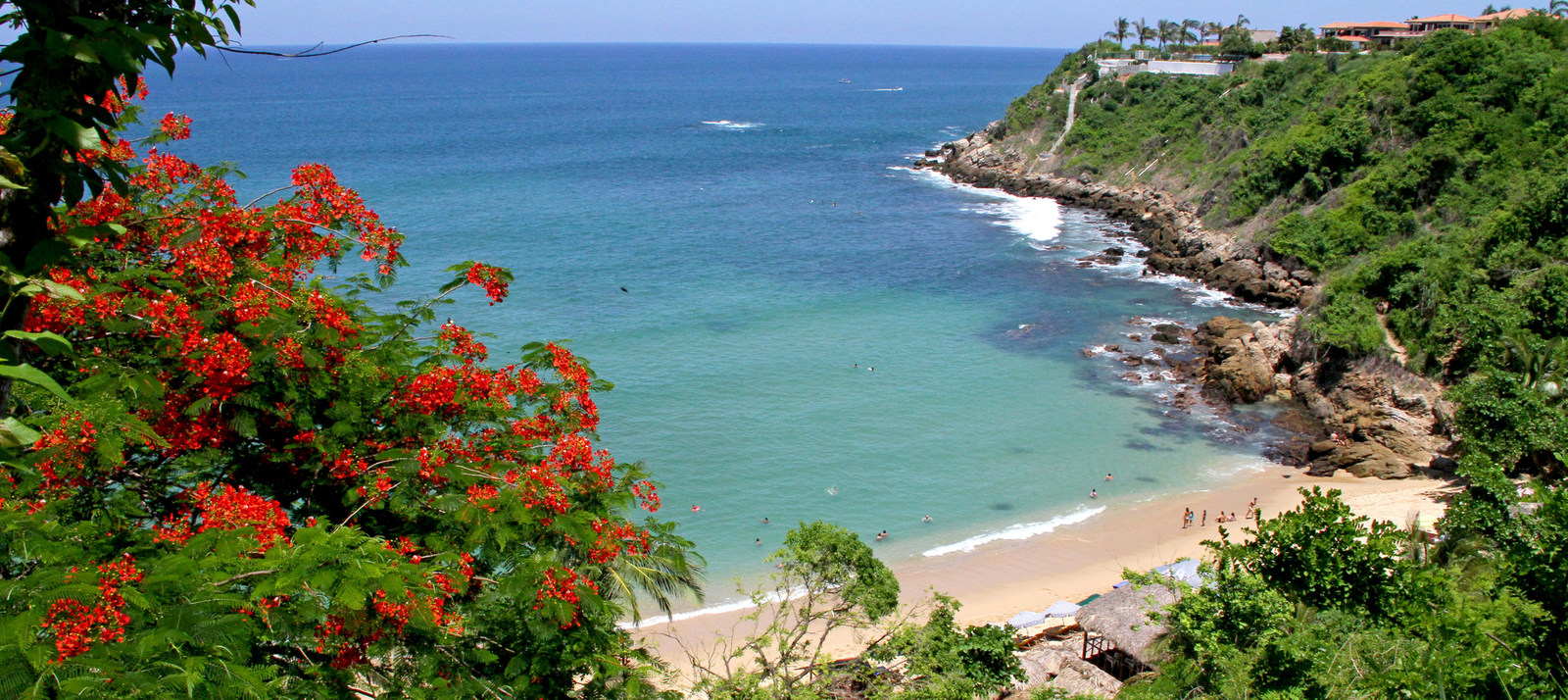
A short drive east, Carrizalillo is a postcard beach tucked into a small bay. The paddle out is around the rocks and the wave is a slow, peeling left that works on most tides. It is popular with longboarders and intermediates, and the walk down the cliffside steps is almost as memorable as the wave itself. Mornings are busy with surf schools, so arriving in the late arvo means a quieter lineup.
Further up the coast, San Agustinillo and Mazunte handle smaller swell beautifully and have a sleepy fishing-village feel. Many Aussie travellers rate them as the highlight of the trip for their chilled-out atmosphere alone.
Beginner-Friendly Spots Worth Shortlisting
- Playa Palmarito for soft rollers straight out front
- Carrizalillo for a peeling left in a sheltered bay
- San Agustinillo for a gentle beach break and quiet vibe
- Playa Marinero for waist-deep lessons with friendly locals
Intermediate Point Breaks and Reef Setups
Travellers in the intermediate bracket have a surprising amount of choice. Back at La Punta on a bigger day, the wave grows into a long, racy right that rewards a good bottom turn and patient wave selection. The locals are welcoming but protective, so dropping in uninvited is a fast way to lose your wave and reputation.
The reefs around Puerto Ángelito and the coves to the east can produce some of the most beautiful waves in the region when conditions line up. They need a longer interval south-west swell to wrap in, and reward surfers who can read the ocean. Many of these spots are best reached by panga boat, and a local boatman will know exactly which corner is working.
For groups of mixed abilities, the practical rhythm looks like this: experienced surfers head to Zicatela at dawn, intermediates grab La Punta mid-morning, and beginners spend the late arvo popping up on the whitewash back at Palmarito. Everyone meets back at the resort for tacos and a Pacifico.
Beyond the Waves: Side Trips and Downtime
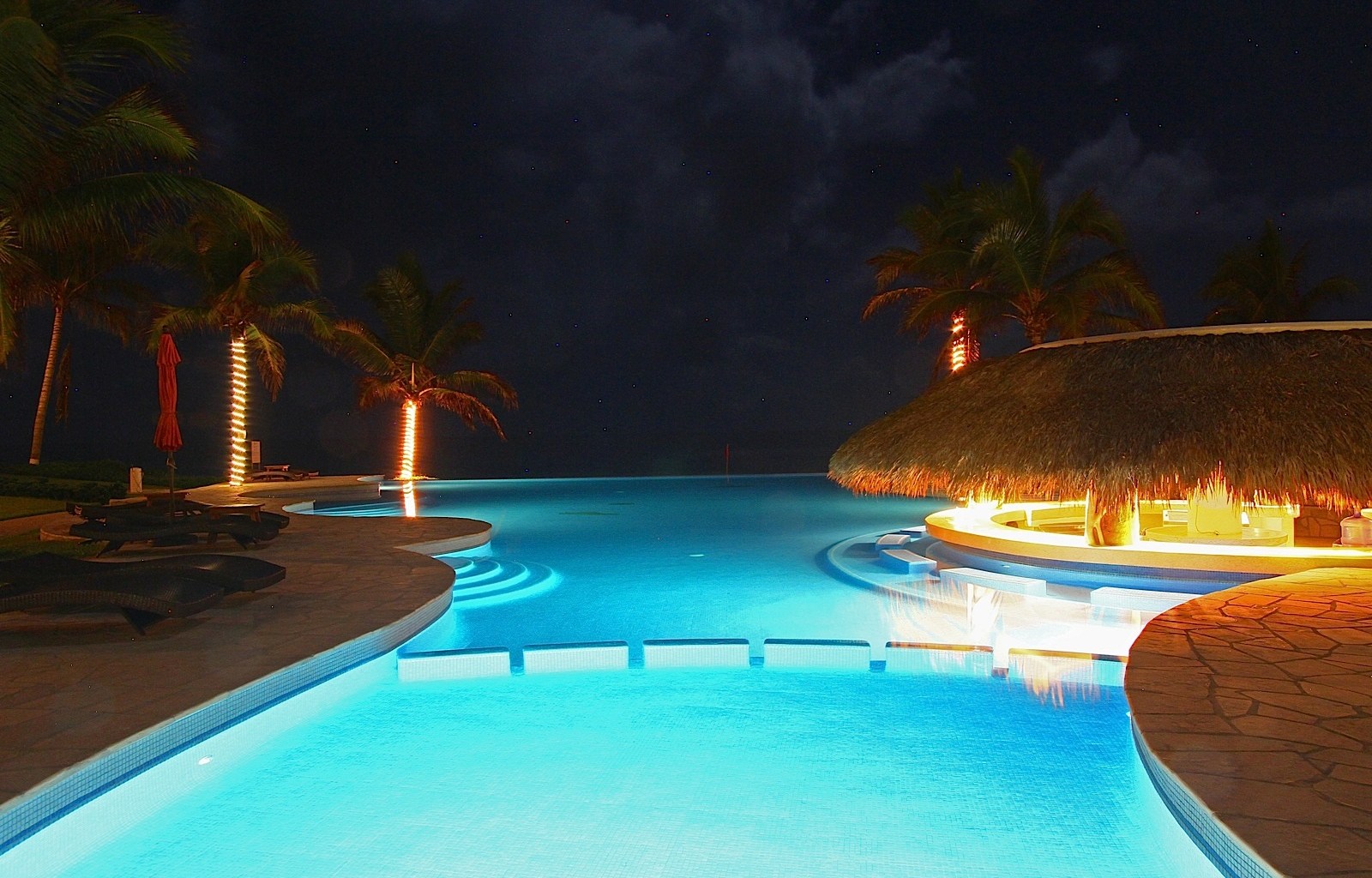
Not every day needs to start with a sunrise paddle-out, and the area around the resort has plenty to fill the gaps. The coastline lends itself to long walks, snorkelling in the calm bays, and lazy afternoons by the pool. Travellers wanting a change of pace can book a horseback beach ride, where the horses pick their way along the sand at the edge of the surf.
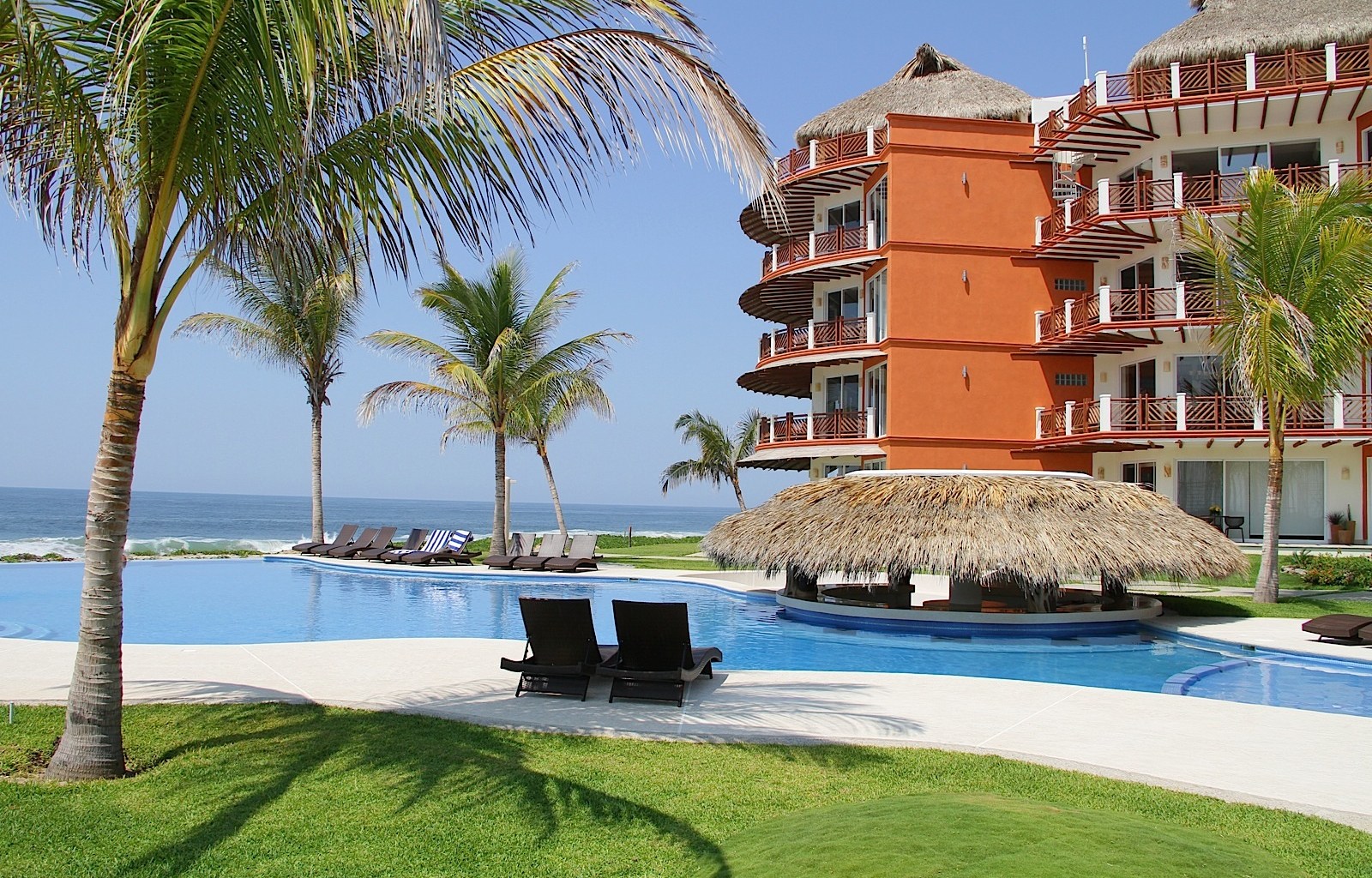
At the resort, downtime is half the appeal. A self-catered brekkie on the terrace, a slow coffee while checking the surf cam, and a couple of hours by the pool before the afternoon breeze kicks in suits the Australian holiday tempo. Picking up a few essentials in the boutique shop for souvenirs or forgotten wax completes the lazy-morning picture.
Practical Planning: Gear, Season, and Travel
Surf season along the Oaxacan coast runs roughly from April through October, with the most consistent south-west groundswells arriving between May and September. November through March brings the biggest waves and the heaviest crowds at Zicatela. Travellers flying out of Sydney or Melbourne usually connect through Los Angeles or Mexico City, with the final leg to Puerto Escondido by shuttle or rental car.
Most surfers travelling from Australia bring their own board shorts, rashies, and a favourite pair of thongs, but a full quiver is rarely worth the baggage fees. Local shops rent decent soft-tops and shortboards, and the exchange rate against the Australian dollar stretches a budget further than most expect. A shortboard rental costs about the same as a schooner at a Surfers Paradise pub.
Packing Tips for Aussie Surfers Headed to Mexico
- Two or three rashies and a long-sleeve sun top for long sessions
- A spare leash and a small first-aid kit for reef cuts
- Reef-safe sunscreen and zinc for the face, head, and lips
- A light wetsuit top only if you are sensitive to early-morning wind chill
Etiquette matters more than most visitors realise. Always ask before paddling out at a crowded break, respect the locals, and never surf alone at an unfamiliar spot. Pick the right break for the conditions on the day, and Puerto Escondido will reward patience, humility, and a good sense of humour far more than bravado.