Vivo Resorts fitness: what guests can expect
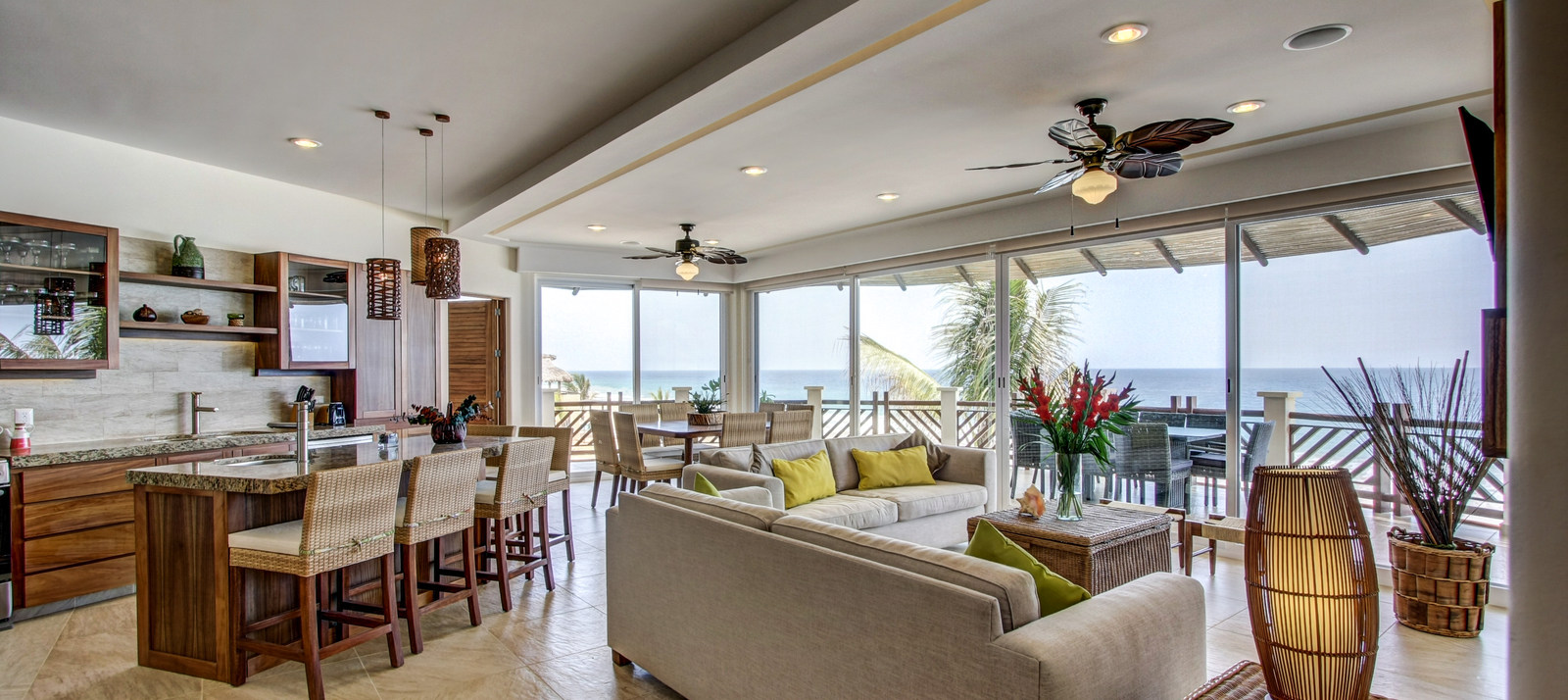
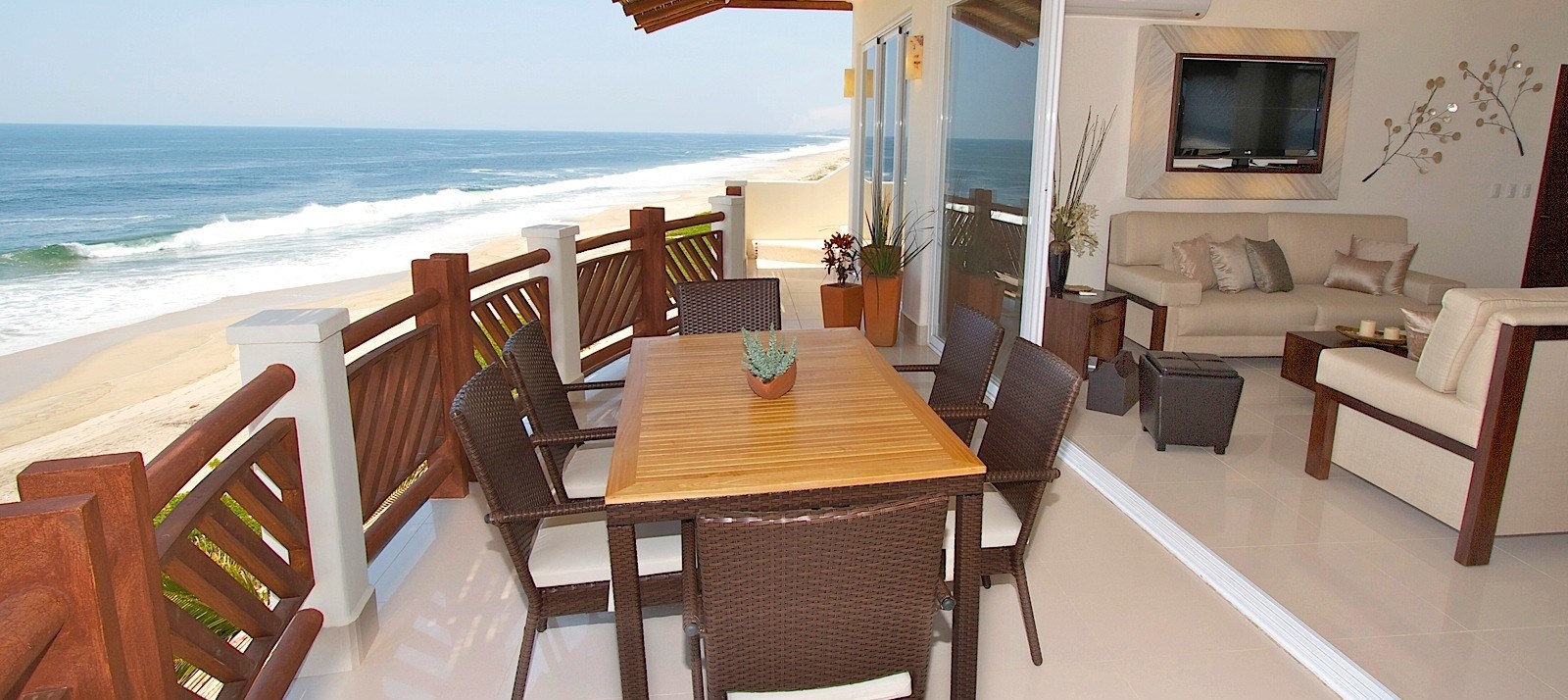
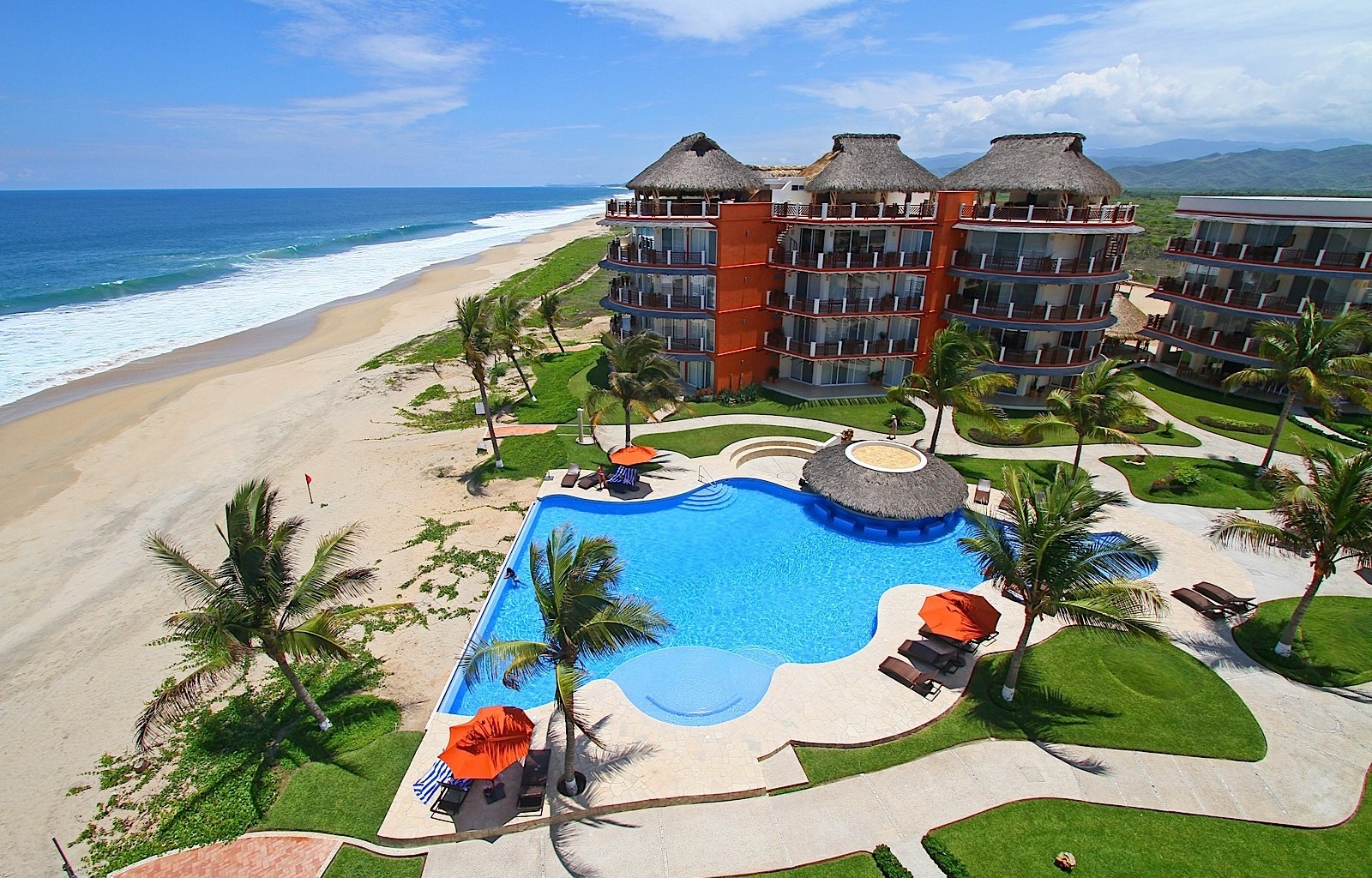
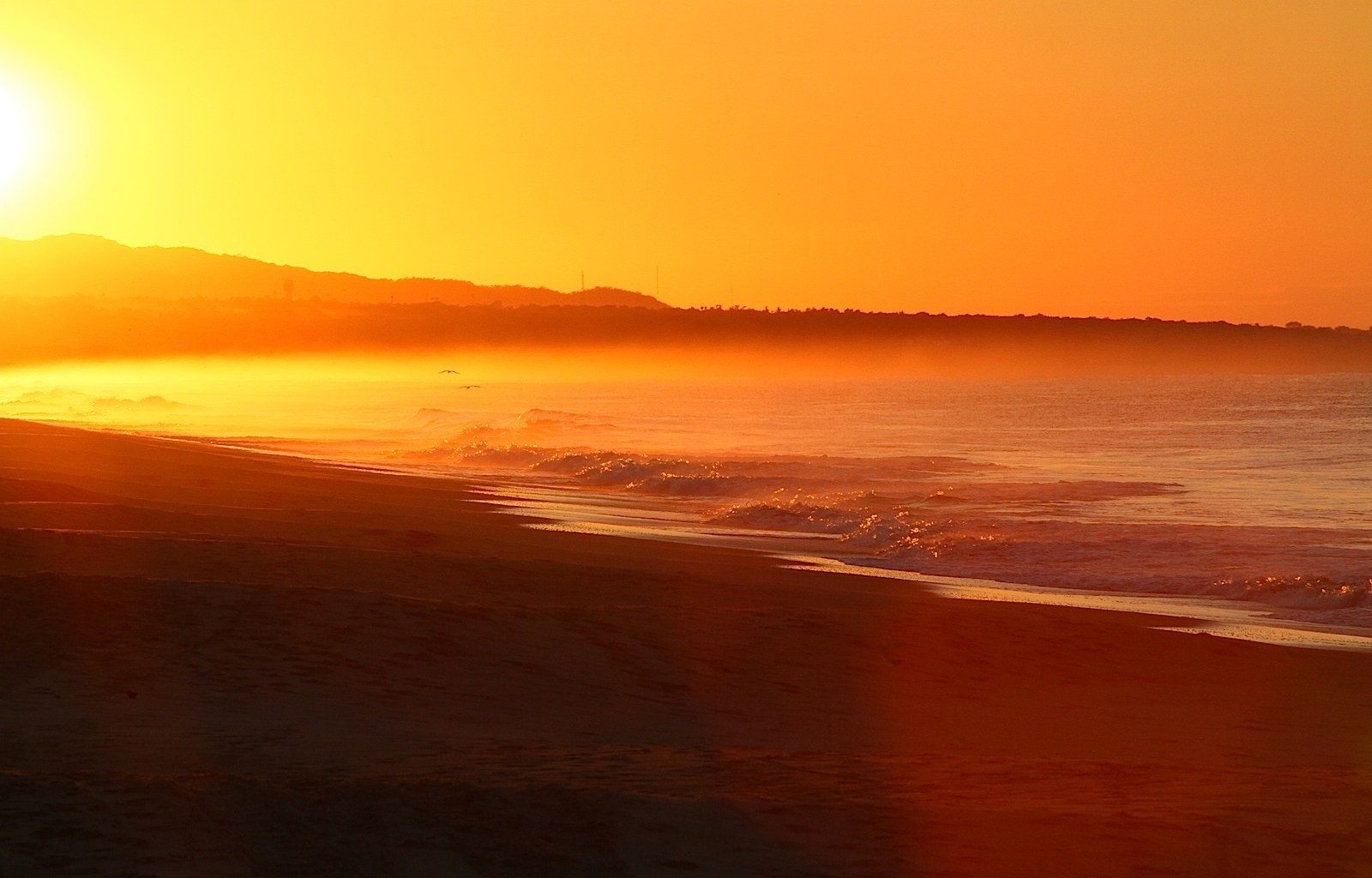
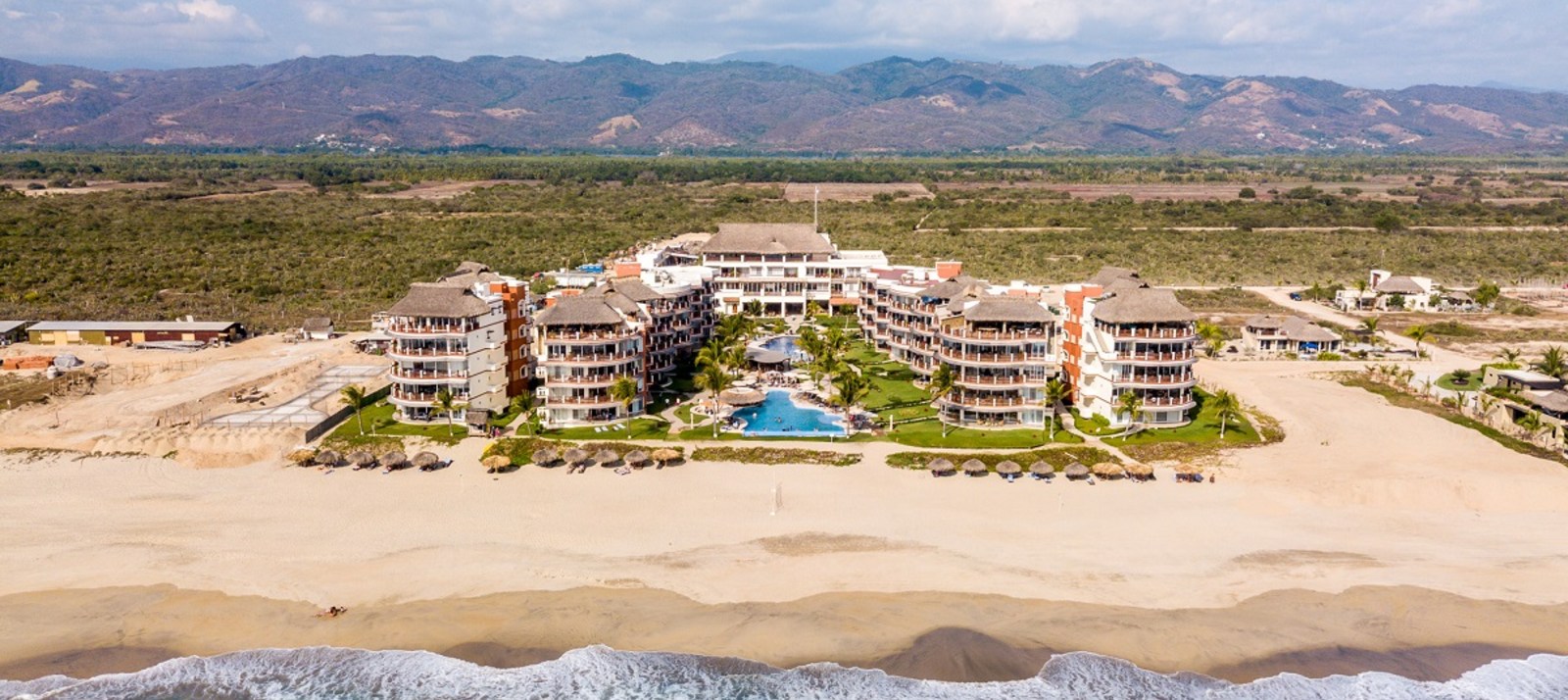
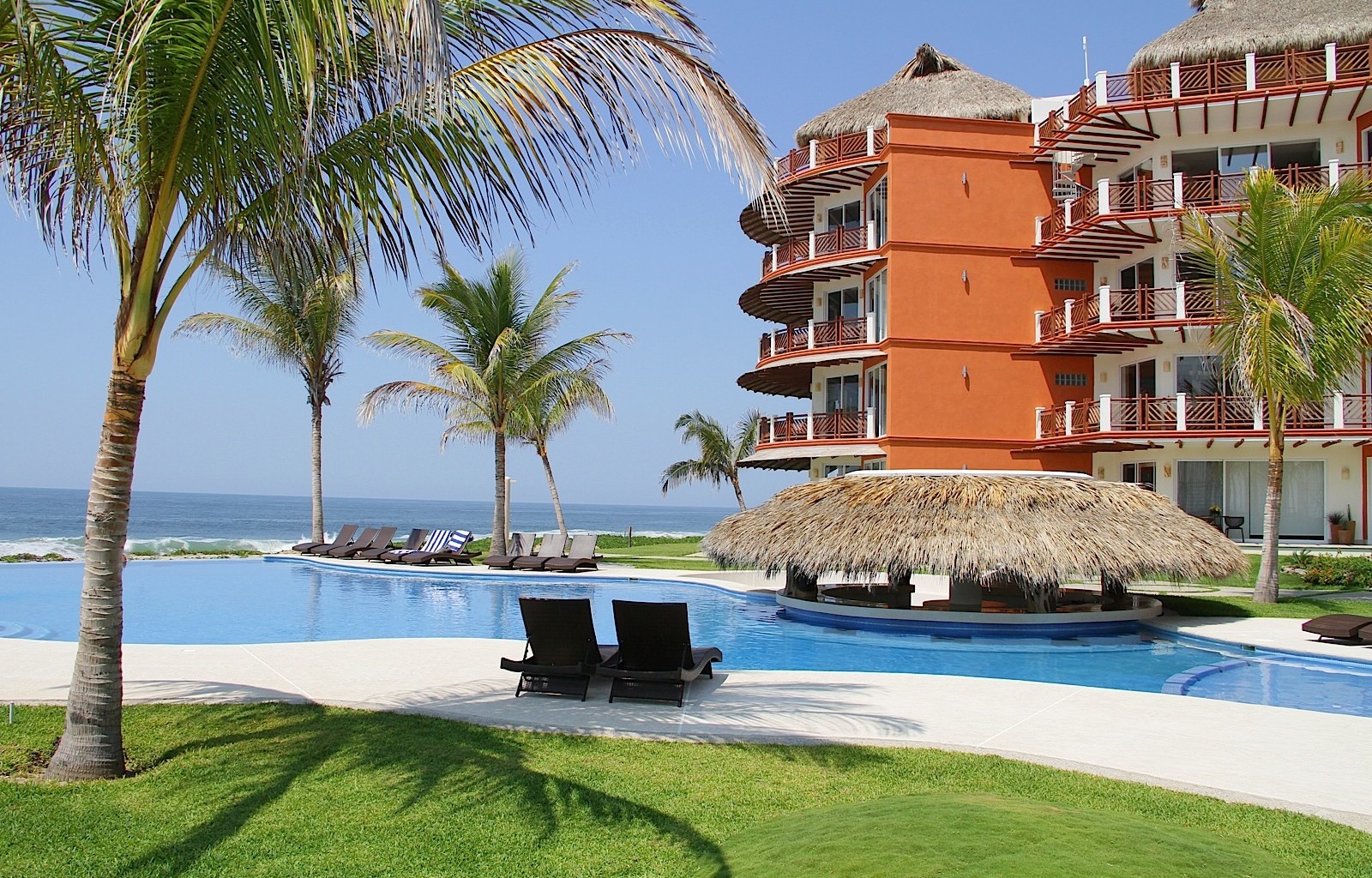
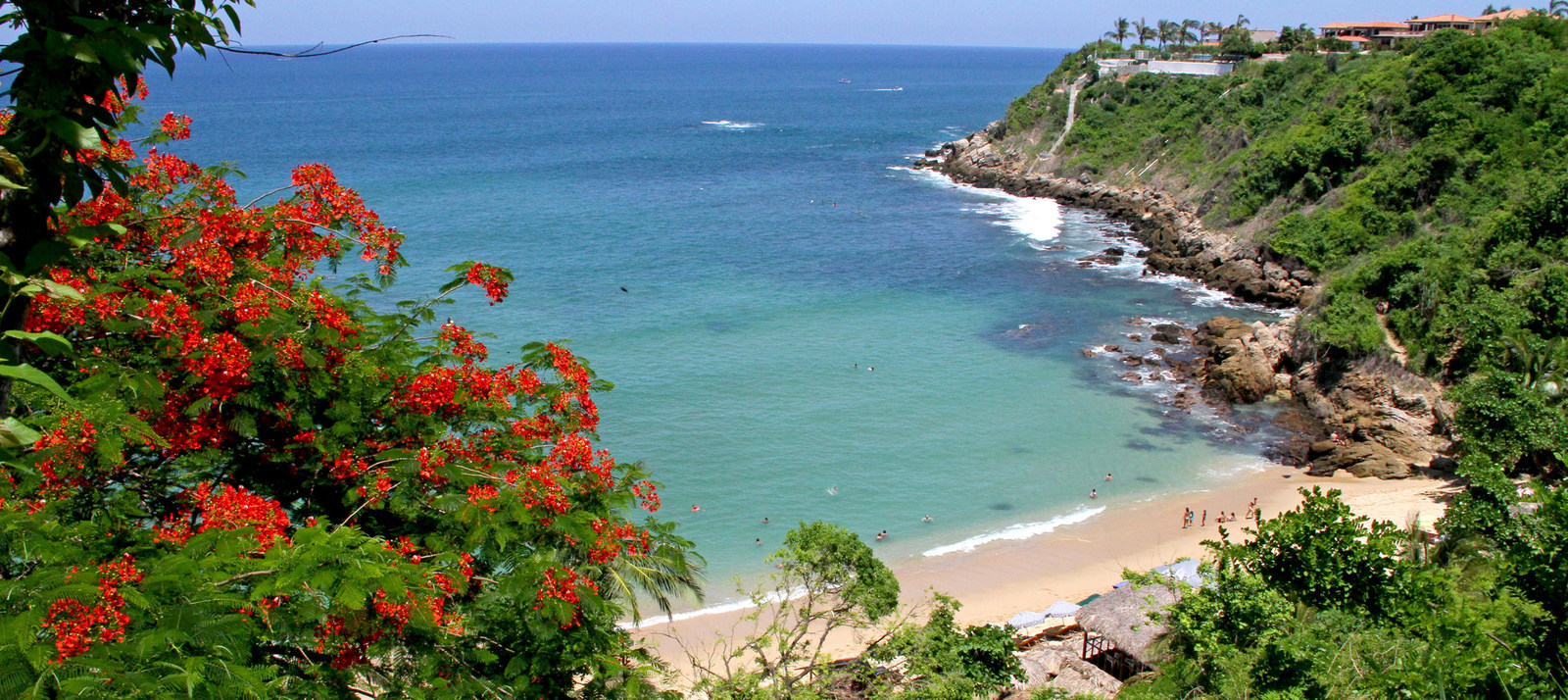
Vivo Resorts places fitness within an all-suite beachfront stay on Playa Palmarito, near Puerto Escondido. The setting shapes the experience: ocean air, nearby pools and an easy transition between a workout and time on the sand. It is a more leisurely proposition than a hard training camp while still serving guests who want structure during a holiday.
A resort gym is usually more compact than the large clubs Australians visit in Sydney or Melbourne. Expect a functional mix of cardio and strength equipment, a class studio and practical amenities such as water, towels and changing space, rather than a huge machine catalogue. Opening hours, equipment and class access can change, so current details from the resort are more reliable than assumptions based on another hotel.
Classes tend to be more schedule-led than drop-in training, with attendance influenced by weather, holidays and the guest mix. Australians will recognise formats such as yoga, Pilates, strength work, mobility and HIIT, but the current timetable determines what runs. Tropical heat, humidity and beach life also call for more flexibility than Melbourne’s changeable weather or the air-conditioned clubs common in Brisbane.
Equipment and studio comfort
Think of the gym as a convenient resort facility, not a specialist performance laboratory. Guests can generally expect cardio machines, free weights or light resistance equipment, and space for stretching and bodyweight exercises. The range may be smaller than at a metropolitan club, so anyone following a specialised programme should check what is available and bring accessories such as resistance bands.
Class space is usually simpler than a dedicated boutique studio. Mirrors, speakers, mats, fans and air-conditioning are common, although the setup varies by session and season. A shaded outdoor area may be used in warm weather, while an indoor room offers relief from midday heat. Trainers with good grip, a towel and a refillable bottle cover most needs; towels may also be supplied at the gym or pool.
Class styles and guest experience
The exact weekly programme is less important than understanding the range of movement styles. Hatha-style yoga can suit a slow holiday morning, Pilates emphasises control and core work, while HIIT or strength circuits provide a sharper challenge. Warm-weather sessions may move outdoors, so they should be treated as schedule-dependent rather than guaranteed inclusions. Guests with injuries, pregnancy or limited mobility should confirm suitability before joining.
The atmosphere is often relaxed and social, yet instructors expect punctuality and basic fitness etiquette. Australians accustomed to booking a studio session through an app should still check whether reservations are needed, how early to arrive and whether equipment must be booked. Clean indoor training shoes, taking only the water needed and telling the instructor about modifications are normal courtesies in Australia and Mexico. Private instruction may be available, with fees set by the resort.
Families and wedding parties can shape the class schedule as much as individual guests. A busy resort may offer shortened group movement sessions or arrange private coaching around shared activities. Groups travelling for a wedding can contact the groups and weddings team to understand how reservations, room coordination and group amenities are handled, without assuming that every fitness service is automatically included in a package.
Daily timing and outdoor conditions
Early mornings usually provide the most comfortable window for outdoor exercise, especially after a hot or humid day. Evening classes can be pleasant if they begin after the strongest afternoon heat, while midday sessions are usually easier indoors. Timetables may change around private events, maintenance or weather. Guests should verify the meeting point and return time rather than relying on general resort hours.
Hydration matters more than many Australian visitors expect. Air-conditioning and exertion can conceal fluid loss, while the Oaxacan sun adds UV exposure beyond a typical Melbourne winter day. Australians used to checking the UV index and applying sunscreen still need to reapply after swimming and use shade outdoors. Water, electrolytes and breaks are useful before and after class, while a pool or sea swim offers natural low-impact recovery.
Access, payments and legal practicalities
Gym access may be included, linked to a particular accommodation category or charged separately; private classes usually carry their own fee. Check whether the booking includes towels, lockers, bottled water, equipment hire or programme access. Keep some Mexican pesos for incidental expenses and confirm whether card payment or a resort account is easier. Tipping is optional in Australia, while good-service tips are customary at many Mexican hotels and restaurants, even where a service charge appears.
Australian Consumer Law does not automatically govern a fitness service provided in Mexico. Travel insurance can add cover for eligible medical events, cancellations or lost equipment, but its exclusions and evidence requirements should be read before departure. Australian trainer accreditation and workplace-safety standards also do not transfer automatically to an overseas resort; local Mexican procedures apply. Passports, visas, emergency contacts and health guidance should be checked against current government and insurer requirements.
A light kit is enough for most sessions, but useful additions include swimwear, a change of clothes, sun protection, a refillable bottle and supportive footwear. Use the resort’s official contact channel for current timetables and health-related questions. If a session is cancelled or moved, follow the stated credit or refund policy rather than assuming a standard Australian cancellation rule.
Recovery, dining and the wider stay
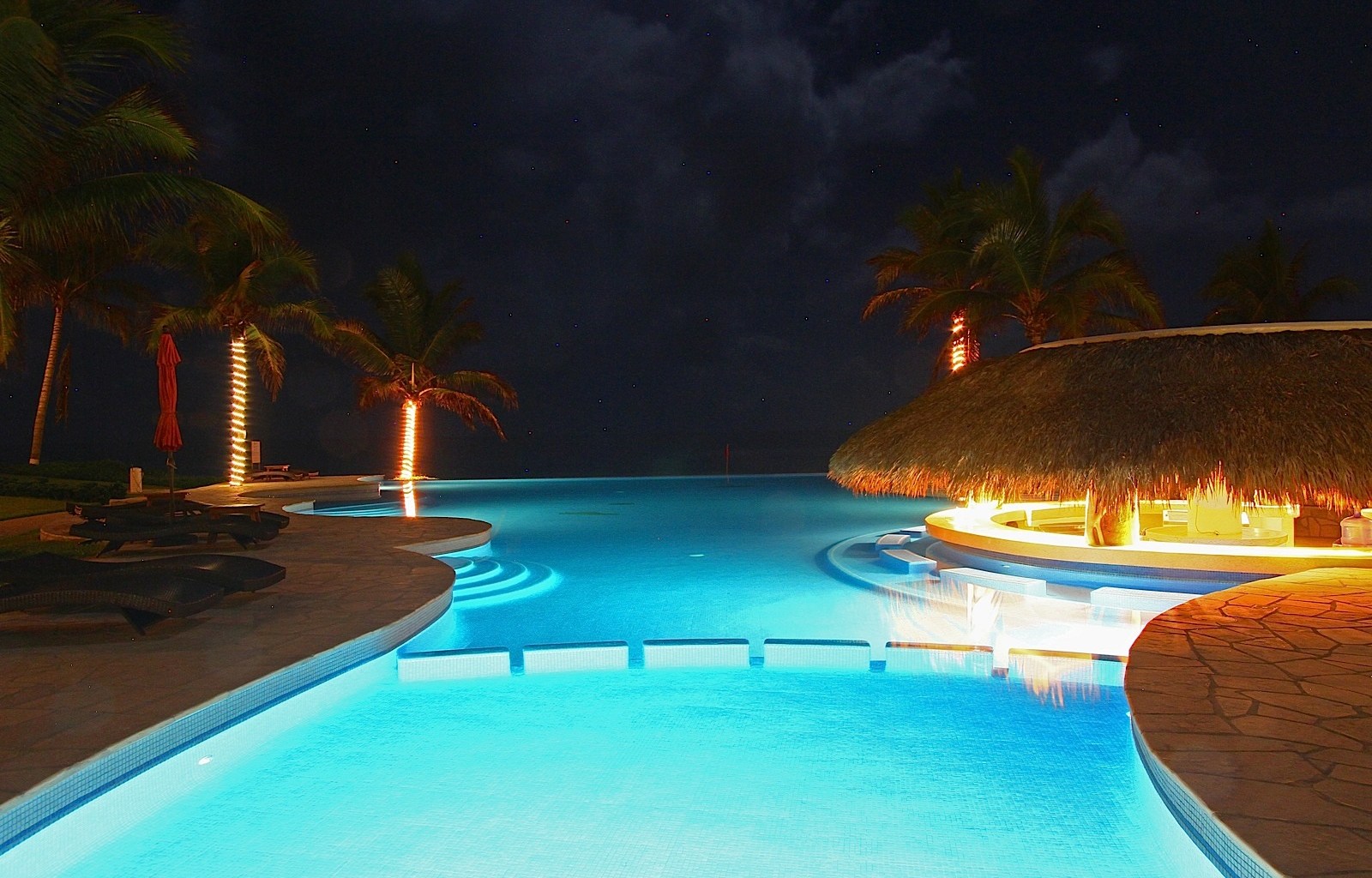
After exercise, the resort’s pools, open-air areas and full-service spa provide ways to cool down and unwind. This combination is a strong draw for a fitness-led beach holiday: a class can occupy only part of the day, leaving time for a swim, massage or quiet afternoon while relatives or friends enjoy the beach and other amenities. A personal schedule can remain demanding without turning the whole stay into a training camp.
Food and drink can support recovery, from hydration after an outdoor session to a leisurely breakfast. Current restaurants, bars and menus can be reviewed through dining and bars, making it easier to plan around class times. For couples, families and wedding guests, the all-suite layout and varied activities let a group pursue fitness independently while sharing meals or excursions to Puerto Escondido and nearby beaches.
The lasting point is that Vivo Resorts’ gym and fitness classes form a polished, holiday-integrated wellness offering, rather than a full-scale metropolitan club. Expect convenience, a changing class mix and an outdoor rhythm shaped by the coast, with practical details confirmed beforehand. The memory to carry away is simple: the best workout complements the beach, recovery and flexibility that define a stay at Playa Palmarito.