Medical assistance at Vivo Resorts for Australian travellers
When you need medical assistance at the resort, ask for help promptly and give staff enough accurate information to act. Chest pain, difficulty breathing, stroke symptoms, severe bleeding, a seizure or loss of consciousness require emergency care, not a wait for concierge advice.
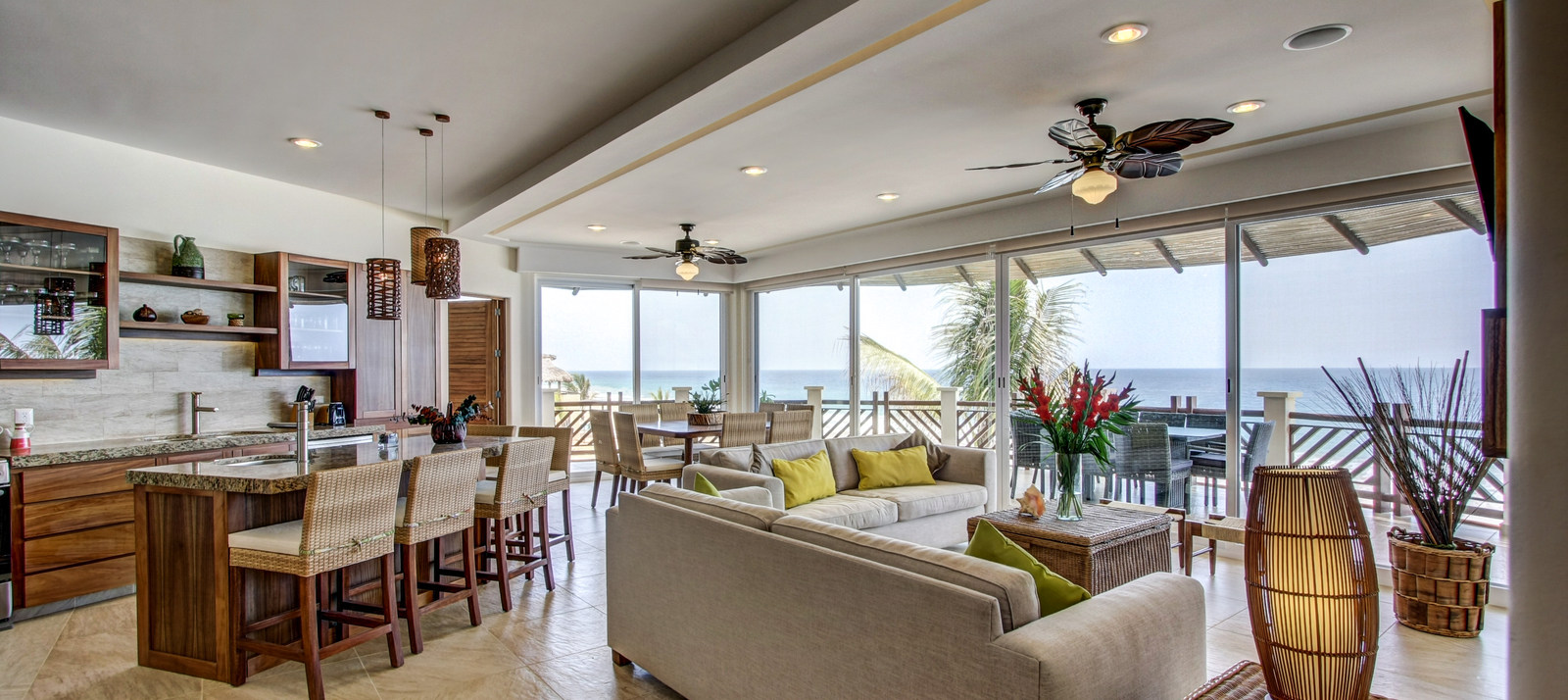
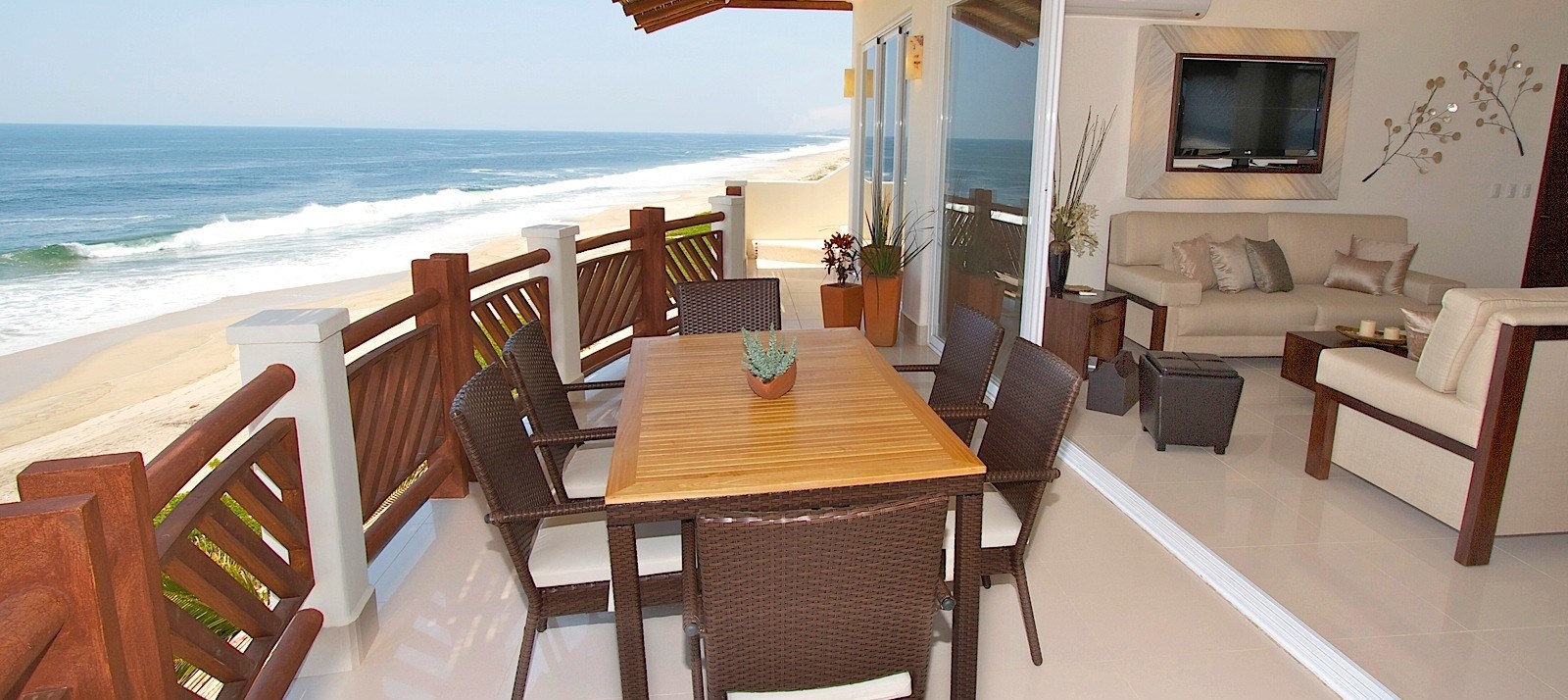
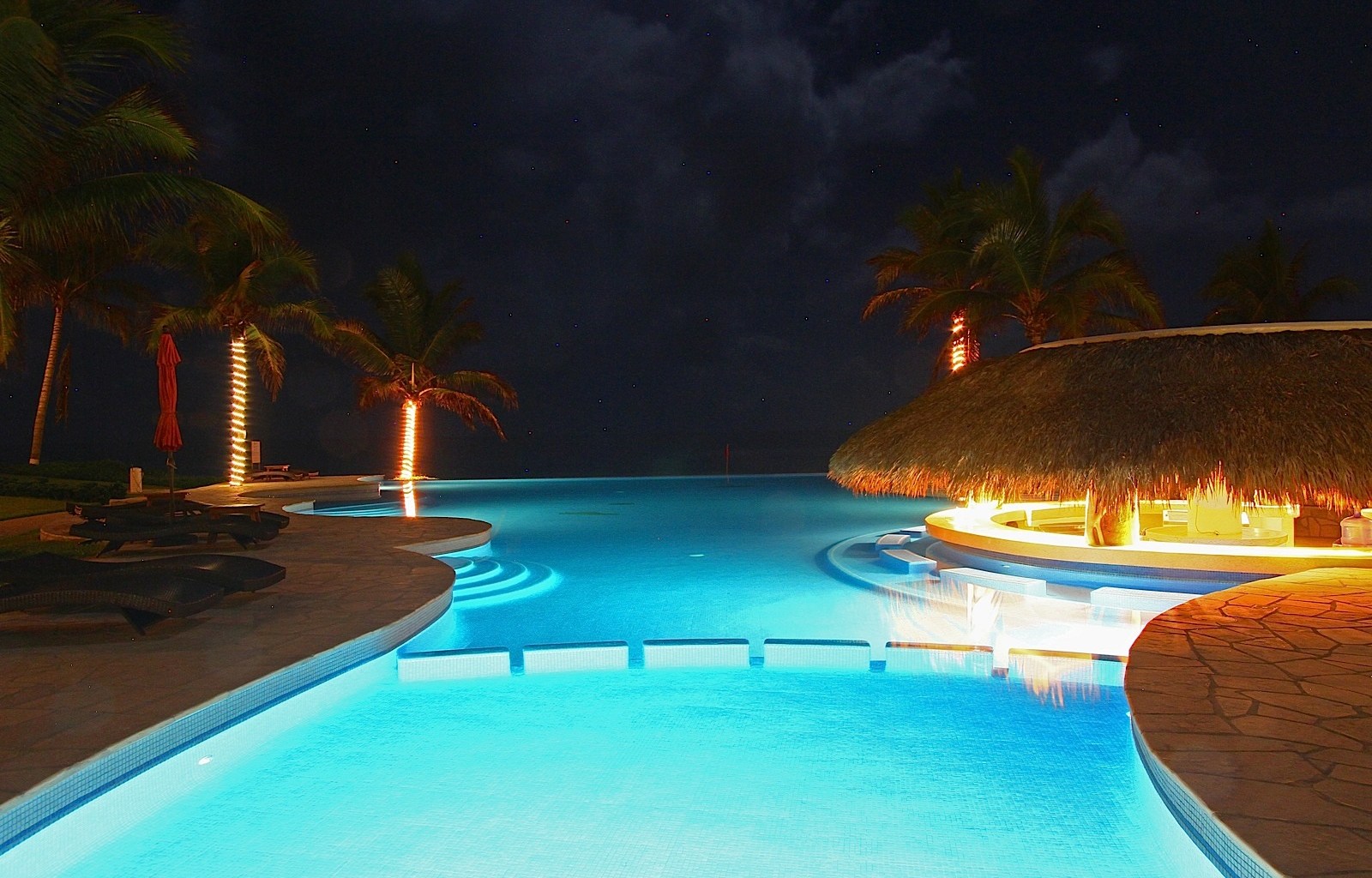
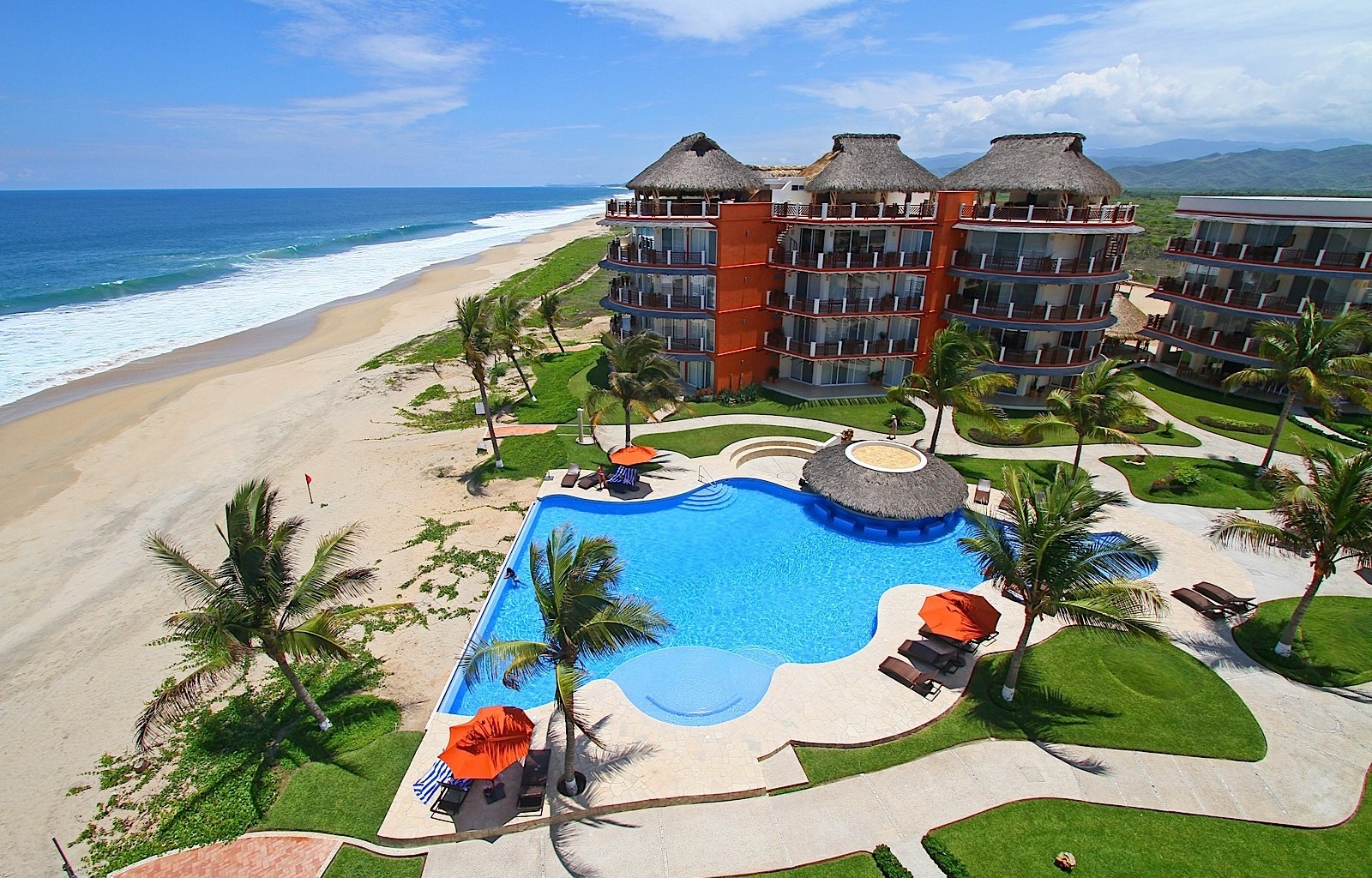
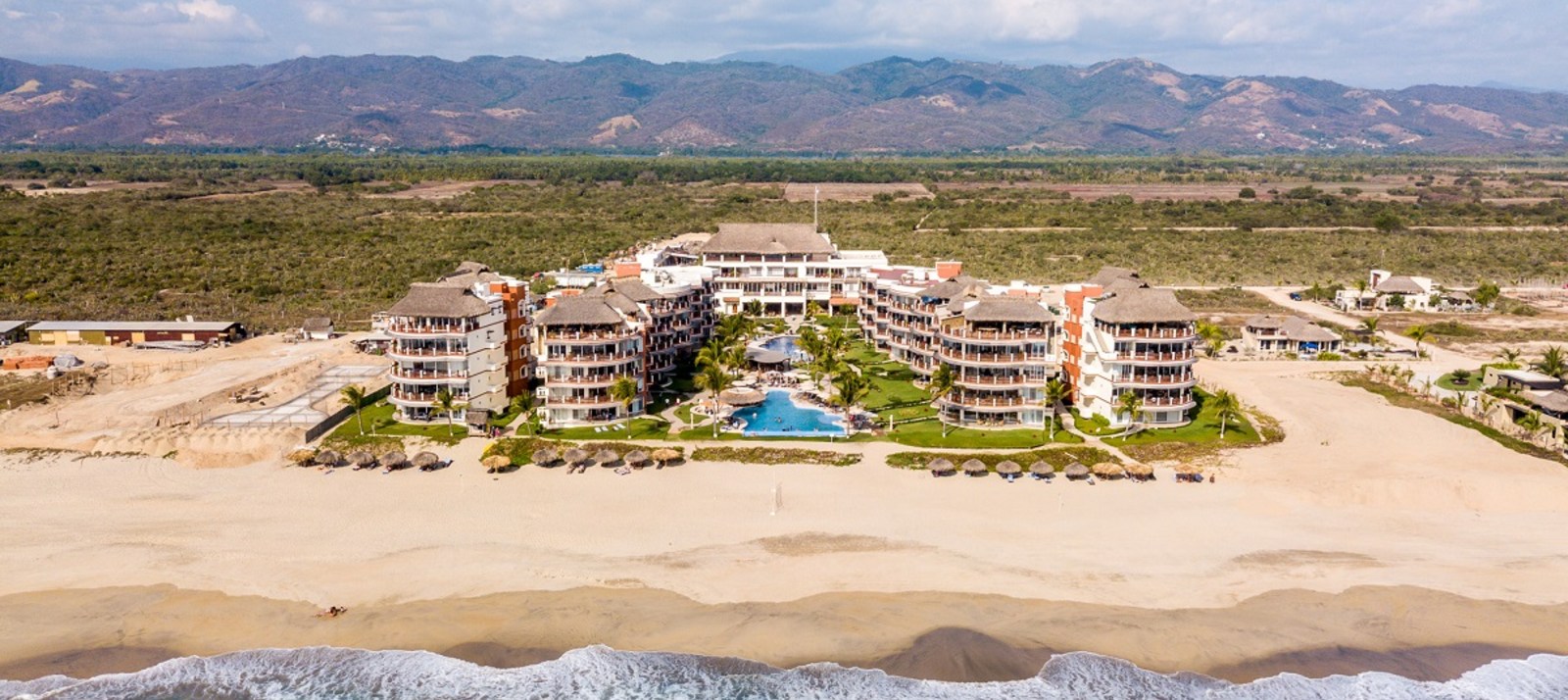
Vivo Resorts sits on Playa Palmarito near Puerto Escondido. Its team can coordinate local medical support and transport, while guests should understand that emergencies run through Mexico’s 911 service and hotel staff can help direct responders.
Recognise an emergency and act quickly
Severe symptoms need a phone call and a precise location, not self-diagnosis. If someone collapses or cannot breathe well, call 911 first and then alert the front desk.
| Level of need | Immediate response | Who can help | Likely next step |
|---|---|---|---|
| Emergency | Call 911 and alert the resort | Ambulance and resort team | Assessment and possible hospital transfer |
| Urgent | Contact the concierge or duty manager | Resort team coordinating a local clinic | Medical review, with insurer notification |
| Minor | Ask the front desk for first-aid guidance | Resort staff or local pharmacy | Advice, medicine or observation as appropriate |
Give the dispatcher the resort name, Playa Palmarito, your villa or suite number and the best entrance for an ambulance. Ask a staff member to meet responders. Australia’s 000 number will not work in Mexico. Australian friends may say someone feels “crook” or “not right”, but describe the actual symptoms plainly so the right response is not delayed.
Ask the resort team for help
For a non-life-threatening problem, contact the concierge or duty manager and ask whether the resort can arrange a local clinic visit. Give your location, when the symptoms began, allergies, medicines and an emergency contact. If language is a barrier, request a Spanish-speaking staff member rather than trying to manage a worsening condition alone.
If symptoms follow food or drink, note the dish, ingredients and exact time. The resort can check its resort dining venues to identify the right venue contact, but breathing difficulty or throat swelling still means calling 911 immediately.
Manage insurance, transport and prescriptions
Contact your travel insurer as soon as practical for non-emergency care because policies may require authorisation. Medicare generally does not cover treatment in Mexico, so retain invoices, prescriptions and receipts and keep copies of claims. Emergency care should never be delayed while waiting for an insurer, travel agent or family member to respond.
The resort can help arrange a taxi or other suitable transport to a clinic or hospital in Puerto Escondido after checking the appropriate local route and service. Staff can display the property address in Spanish for the driver. Follow clinical advice on admission and ask the insurer or medical provider about the next step before authorising non-essential treatment or transfers.
For repeat prescriptions, bring the medicine in its original packaging, a copy of the script and, where practical, a note from your Australian GP. Australians call a pharmacy a chemist; in Mexico, ask for a farmacia. Some medicines are tightly controlled, so obtain advice before travelling and do not buy an unfamiliar substitute without a clinician’s guidance.
Adjust beach and excursion plans
If a condition makes you dizzy, feverish or unusually tired, do not swim, hike or drive. Tell resort staff before changing plans and follow their advice about the pool, spa and excursions. Alcohol can intensify dizziness or dehydration, while some medicines increase sun sensitivity.
Before joining Puerto Escondido cultural tours, give the guide any relevant medical needs, medication timing and emergency contact. Smaller tours may move away from the hotel, so confirm transport, meeting points and whether your insurance covers the activity. Keep enough water with you and postpone a tour if symptoms return.
Australian beachgoers are used to red-and-yellow flags, but conditions and flag meanings at Playa Palmarito may differ from those around Sydney, Melbourne or Brisbane. Follow local warnings, swim near lifeguards and use shade during the strongest sun. Heat, humidity and long walks can worsen an illness even when the beach looks inviting.
Keep medical details close
Keep a digital and paper medical card with your full name, date of birth, allergies, conditions, regular medicines and an Australian emergency contact. List both brand and generic medicine names, carry your passport and insurer details, and show the card to any clinician. Confirm that your travel insurance applies in Mexico before leaving Australia.
Store the resort’s address and local numbers offline, tell a companion where the information is, and keep medicines in your carry-on rather than checked luggage. If refrigeration is needed, confirm storage arrangements with staff. A small supply can be useful if a pharmacy is closed, but it should not replace prescribed treatment.
The priority to remember is simple: call 911 for a serious or rapidly worsening problem, alert the resort and let medical staff determine the next step. For less urgent concerns, use the concierge and insurer while keeping medical facts and coverage documents close at hand.