Why Honeymooners Choose Vivo Resorts on the Oaxaca Coast
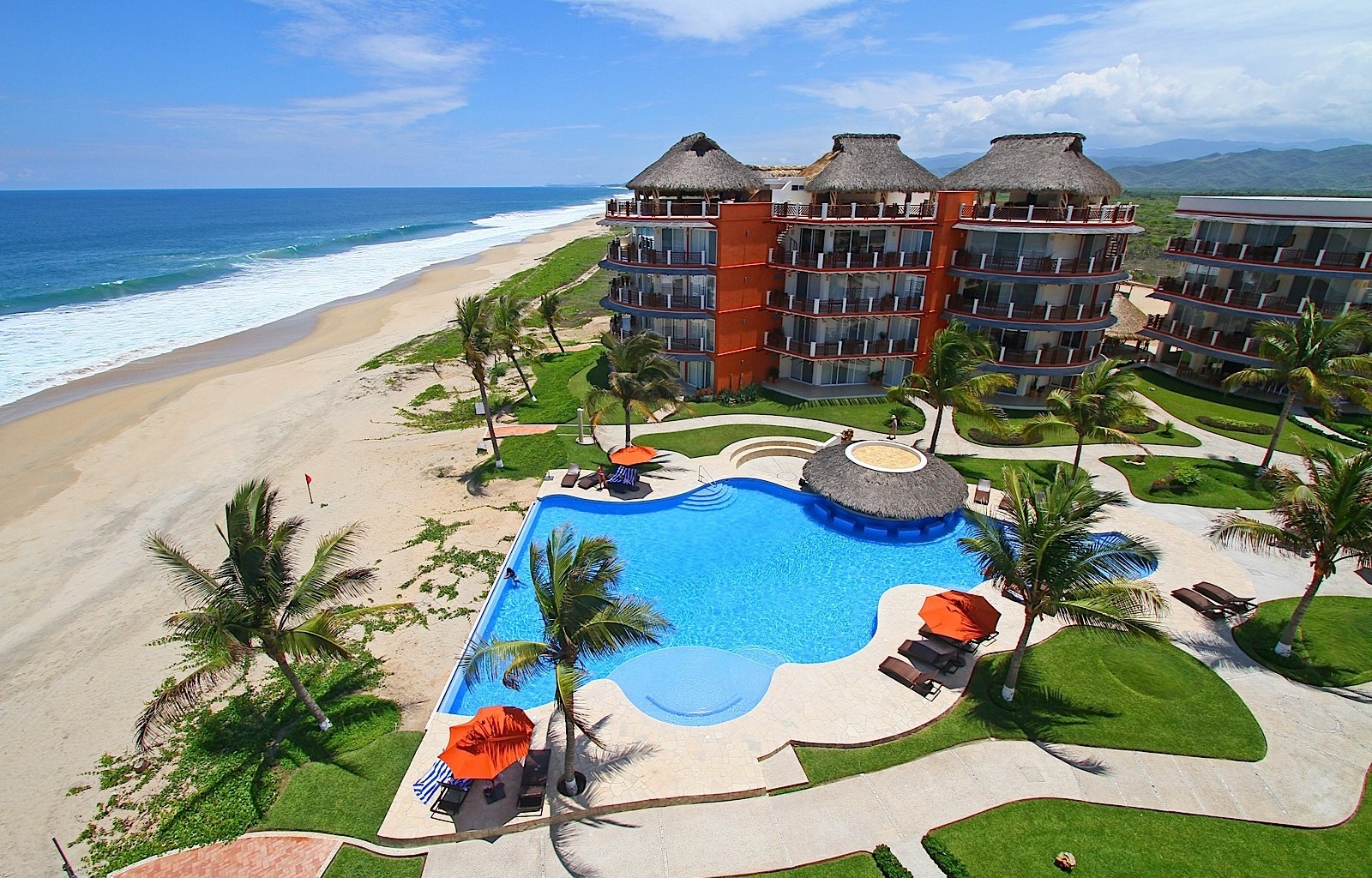
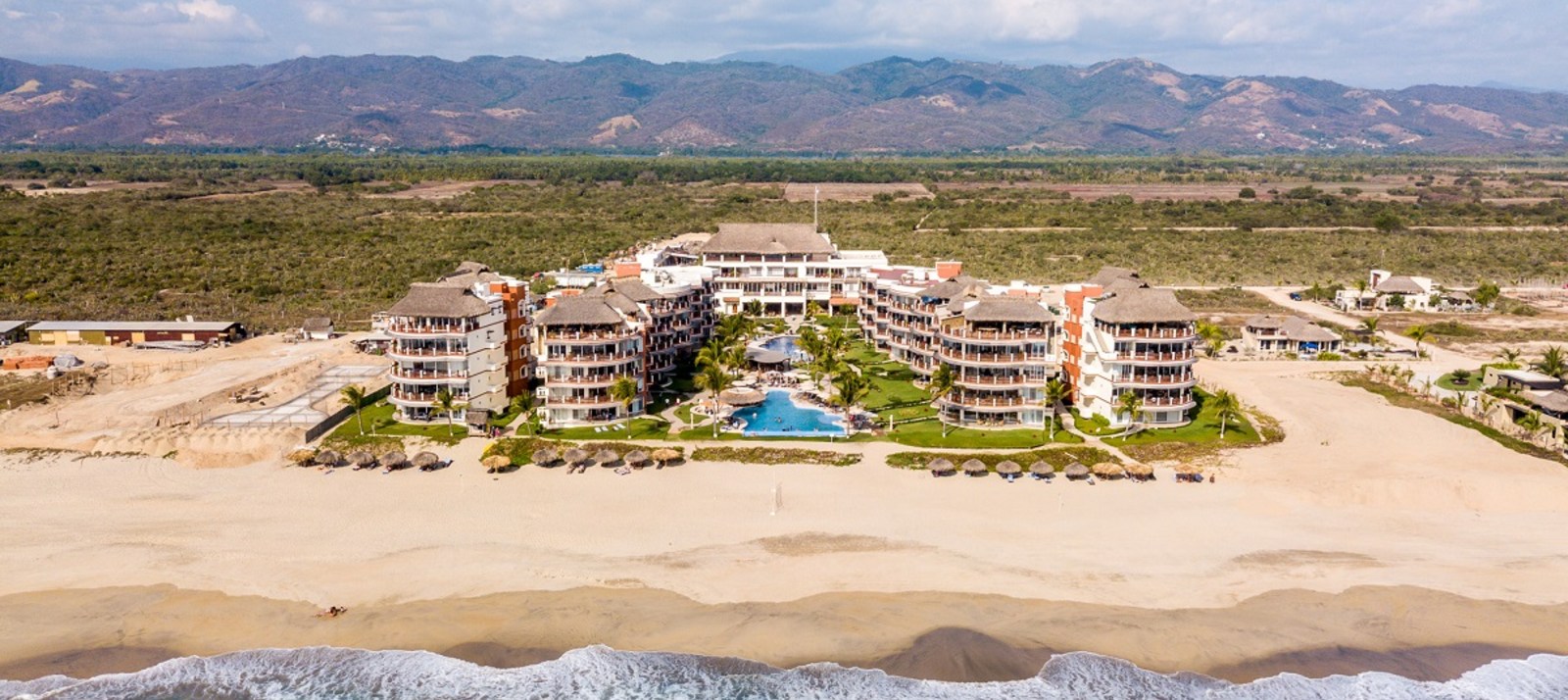
A honeymoon booking has to carry the weight of a year's worth of planning, and that is where many couples start to overthink. Vivo Resorts takes the pressure off by offering scale instead of fuss. Set directly on Playa Palmarito, roughly an hour and a half from Puerto Escondido airport, the property is all-suite and beachfront, so every room faces sand rather than a corridor. Couples arrive for the ocean at the end of the bed, for pools they can drift between, and for the particular luxury of not having to decide what to do next.
Most Australians still plan, pay and dream about a honeymoon in their own currency, through a travel agent or a direct booking, and then spend the first few days of the trip mentally translating it back to Sydney, Melbourne or Brisbane. That translation gets easier when a resort handles the small things well: a swim-up villa for the first night, a terrace table for dinner, a spa treatment booked for the afternoon after a twenty-hour flight. The reasons to choose Vivo Resorts for a honeymoon stack up precisely because they are practical ones, measured in hours saved and evenings kept entirely for two.
Space, privacy and an ocean at the window
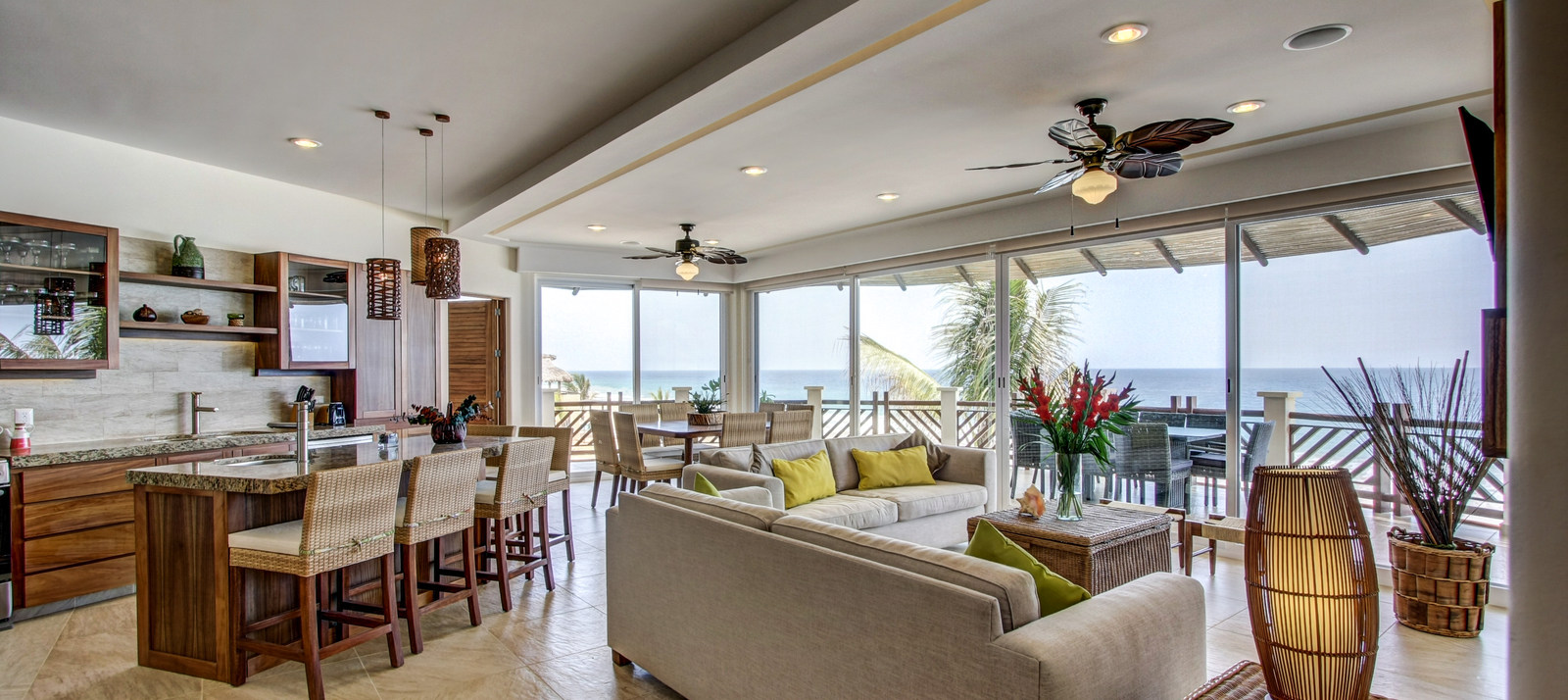
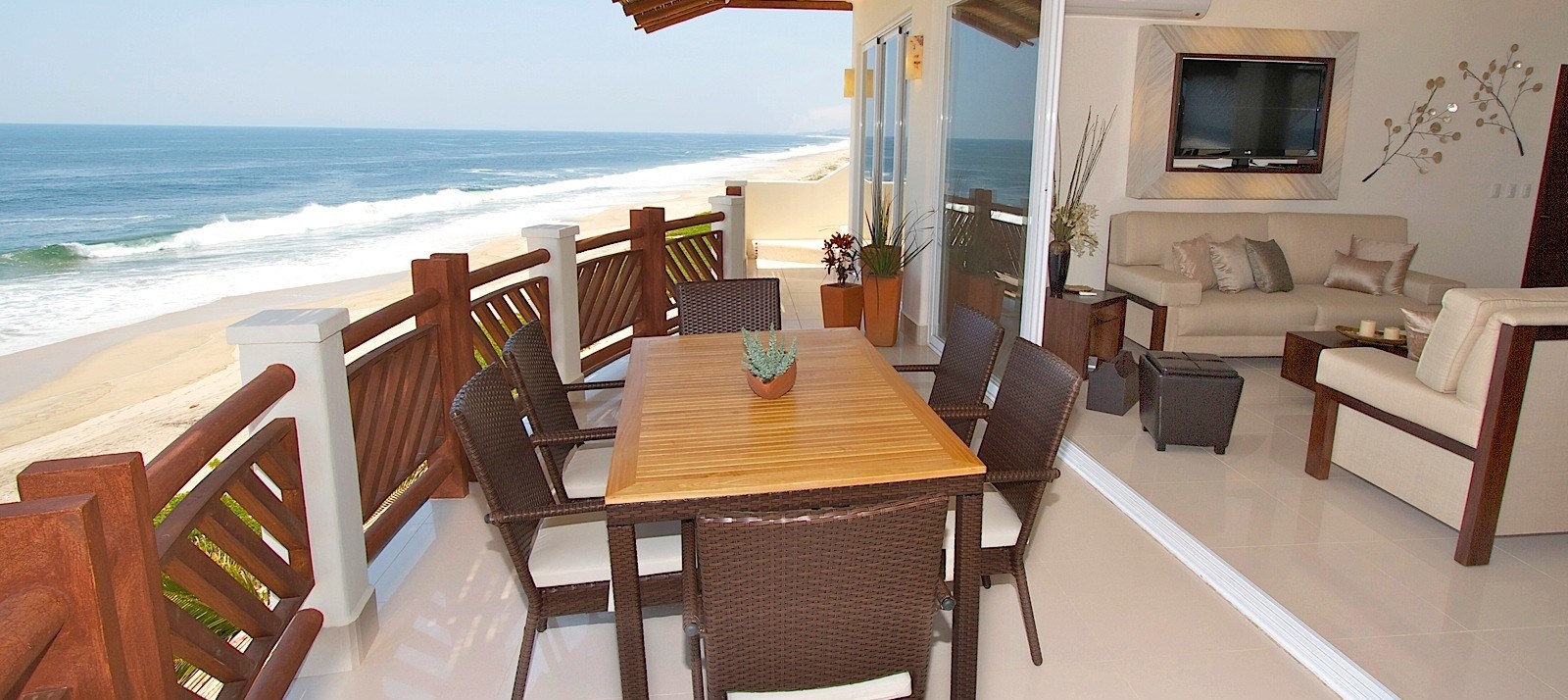
Every category of accommodation at Vivo Resorts is a residence of some kind, and the difference between them matters more than a honeymoon brochure suggests. Some suites sit steps from the sand with balconies over the Pacific; the private villas add a plunge pool, a shaded terrace and a door that closes on nobody. Guests who want the most separation between themselves and other travellers tend to move up the villa ladder, paying for the extra privacy rather than a larger room elsewhere.
Australians have grown noticeably fussier about private space since the pandemic years. Couples who once were happy sharing a balcony with strangers now search for accommodation with its own pool, its own outdoor dining area and no shared walls. That shift in habit is one reason all-suite beachfront hotels have moved up the wish lists of newly married pairs, and another reason Vivo Resorts works so well as a honeymoon property.
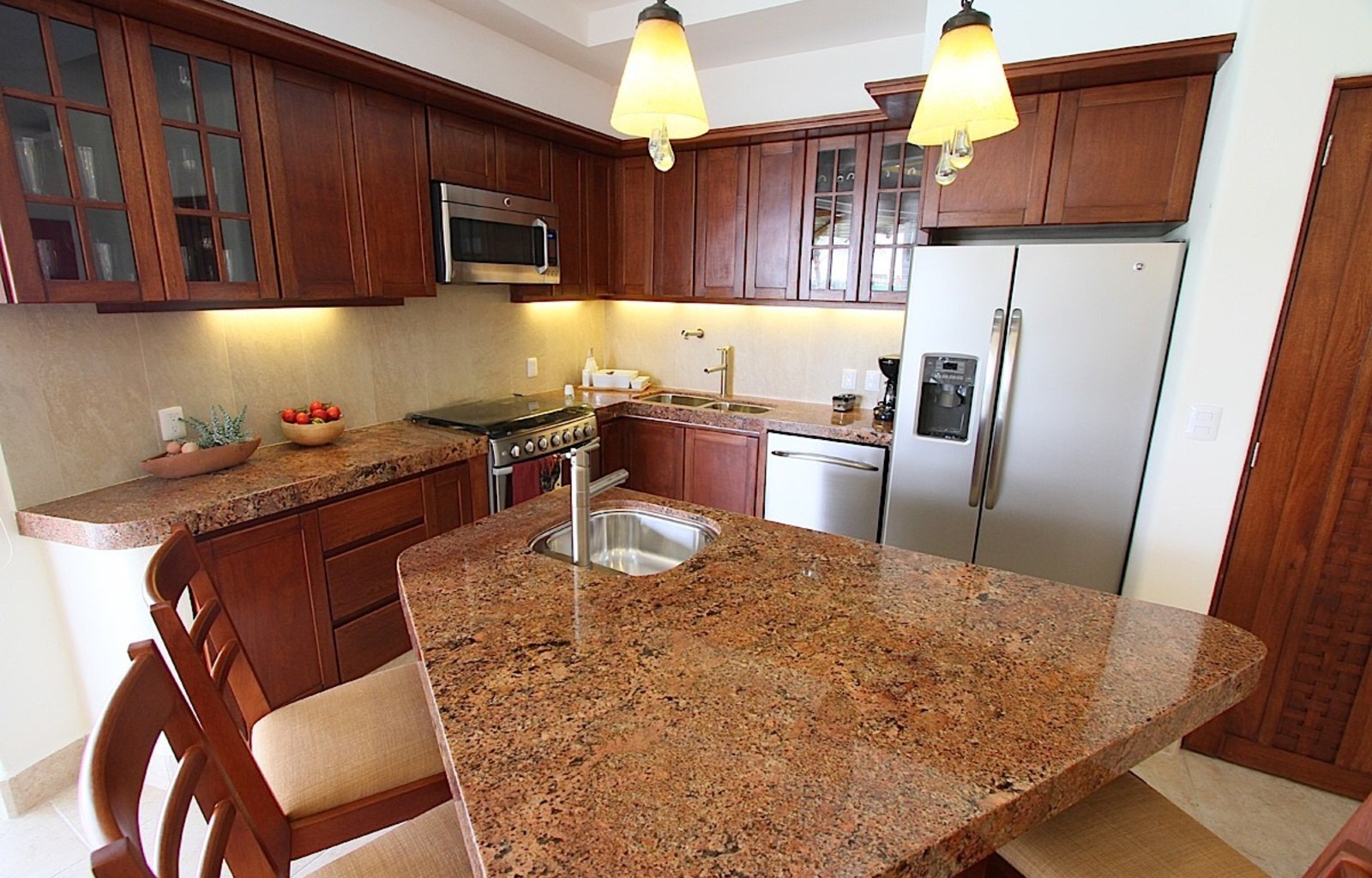
Interiors are designed to be lived in rather than slept in, with generous living areas, kitchenettes and indoor-outdoor flow that make staying in all day feel like a decision rather than an admission of bad weather. Coffee on the terrace at eight, a swim before the heat builds, and a second coffee at eleven are all reasonable things to do at a resort that keeps the ocean within sight.
Pools for slow mornings and lively afternoons
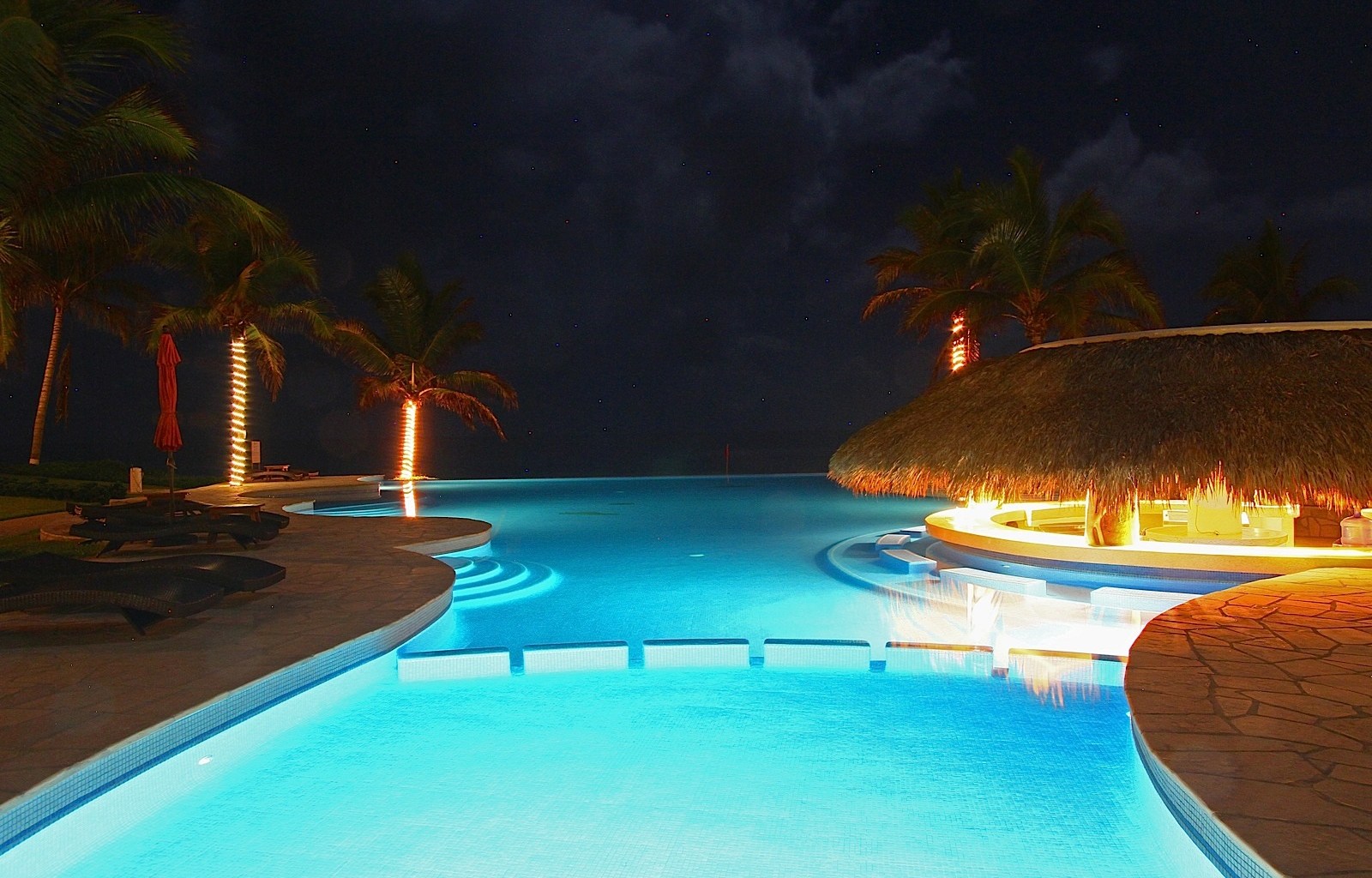
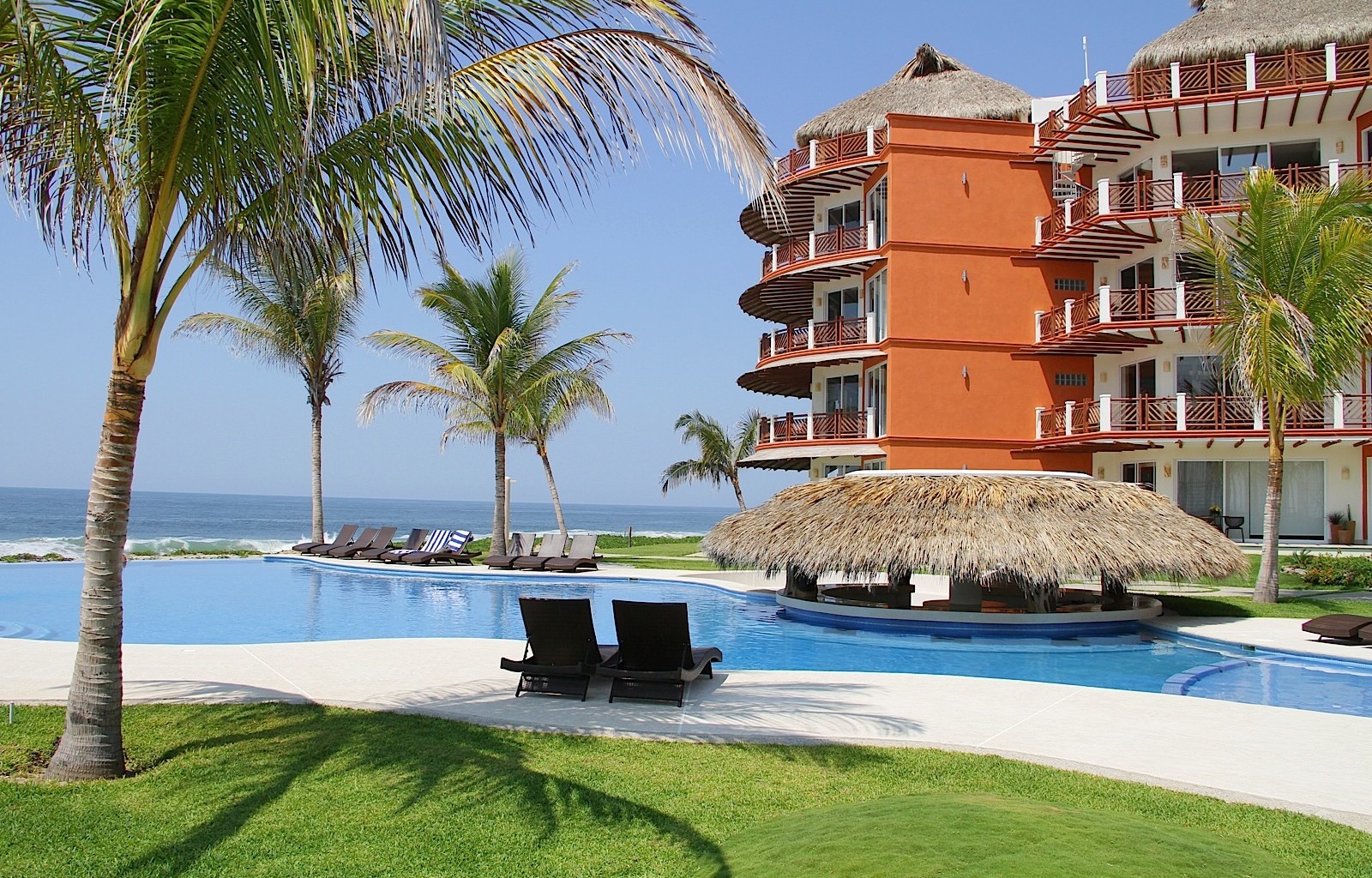
The pool scene is the part of the resort that photographs best and functions even better. There are quiet areas for reading, livelier stretches where the family pool gathers, and edges that face the water so that swimming feels like being in the sea without the swell. If you want to match a pool to your temperament before you commit to dates, our breakdown of the resort's multiple pools is worth ten minutes of reading.
Poolside service also removes one of the small irritants that follow a couple around on a normal holiday: the constant walk back to a buffet for a drink. Order something cold, find a chair, and stay there. In the middle of the day, when Oaxaca's sun is direct and unforgiving, a shaded lounger with a view becomes the single best seat in the house.
Water sports and the coastline beyond
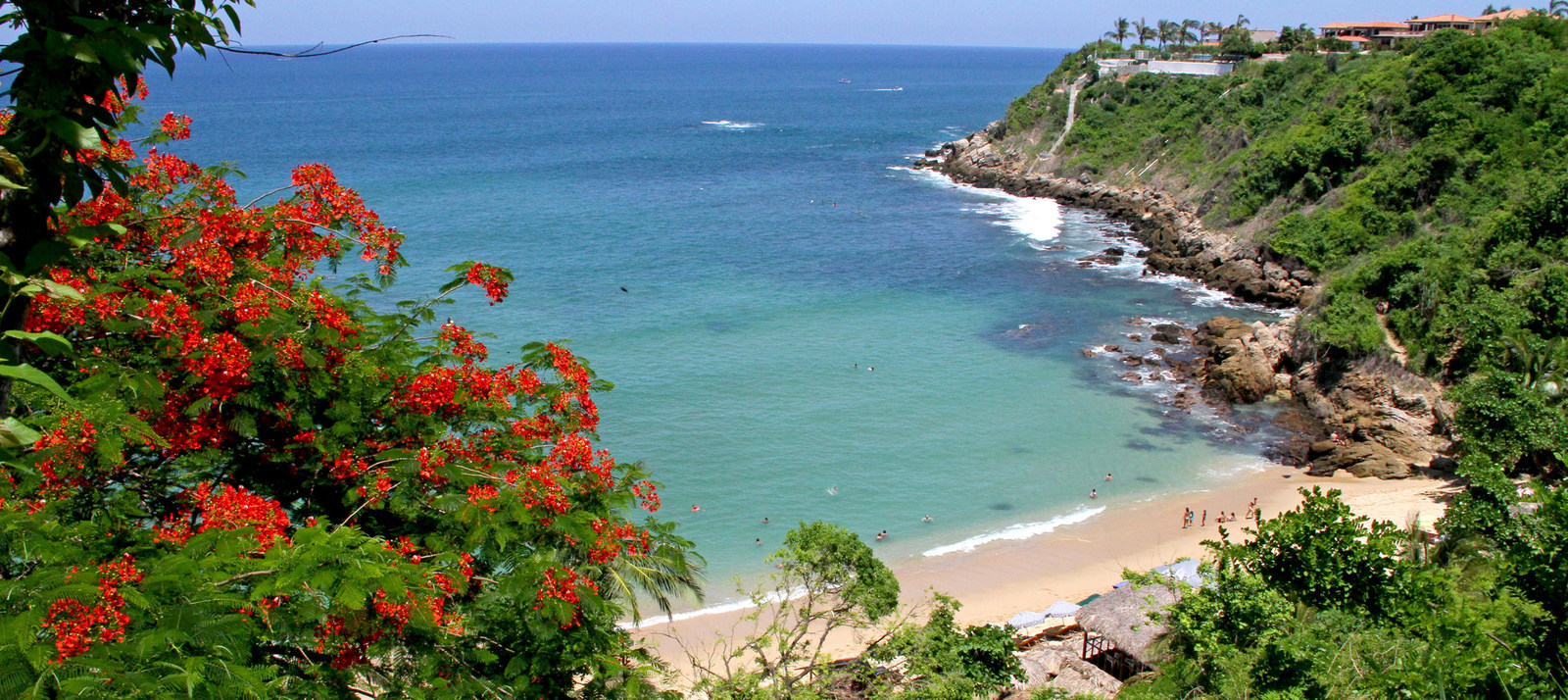
Playa Palmarito sits on a bay that suits first-timers far better than most Mexican surf coast. The water is warm, the waves are gentle, and the marine life is close enough to see while snorkelling. Our selection of water sports nearby covers what the bay can offer for paddleboards, kayaks, sailing trips and reef snorkelling, along with the stretch of sand where beginners can learn to surf.
Beyond the resort, excursions run to Mazunte, Carrizalillo and the longer beaches near La Ropa, each with its own character and its own pace. A boat trip along the coast, a morning at a beach café, a late return for lunch on the terrace: the distance from Puerto Escondido is short enough to make a day trip feel effortless, and long enough that you feel you have actually gone somewhere.
Dining that rewards staying in
Several dining venues sit within the property, ranging from a relaxed beachfront kitchen serving regional Oaxacan and Mexican dishes to a candlelit dining room built for slow evenings. Breakfast is the meal most honeymooners mention afterwards, because eating at your own table with the sea outside takes very little planning.
Budgeting is easier when you know how Mexican resort costs translate into Australian dollars. Guests are asked for a government-imposed value-added tax on hotel services, usually shown as a percentage at check-out, and tipping in Mexico is a genuine custom rather than an optional gesture: ten to fifteen per cent in pesos is normal for good service. Card payment works at the resort, though carrying some pesos for the towns beyond it is still the habit of anyone who has driven rural Oaxaca before.
Wellness, celebrations and a wider guest list
The full-service spa is the destination many couples cancel their excursions for. Treatments designed for two, a quiet room, and the luxury of not watching a clock make the first post-flight afternoon the easiest one of the trip. Honeymooners who arrive early tend to book a massage for the morning after landing, treat the following days as a reward, and then wonder why they never left the property.
Destination weddings are a large part of what happens here, and the legal picture has changed in recent years. Australia legalised same-sex marriage in 2017, and Mexico's Congress approved nationwide same-sex marriage in late 2023, after Oaxaca had permitted it earlier. Australian couples can therefore marry at home, hold a symbolic ceremony on the beach, or do both, with a celebratory dinner and a villa for the night arranged in advance. Groups travelling with children or a blended family also find plenty to do, from shallow pools and family excursions to beach days that suit mixed ages.
Getting there and making the booking
Most Australian couples fly from Sydney, Melbourne or Brisbane to Mexico City, then connect to Oaxaca or Puerto Escondido, with a ground transfer that takes about ninety minutes to Playa Palmarito. Routing through the United States adds a day but sometimes costs less. Timing works in the traveller's favour if you plan around Australia's winter and school holidays in July, when many couples trade a cold Australian June for a warm Mexican afternoon, though the coastal rains generally arrive between May and October.
Paperwork deserves an afternoon of attention. Australian passport holders can stay in Mexico without a visa for up to 180 days, but must be issued an official visitor permit at immigration and carry passport validity beyond the intended departure date. Travel insurance, as with any long-haul trip, is standard practice among Australian travellers, and registering with Smartraveller before departure takes five minutes.
The next step is concrete: contact the reservations team with your travel dates, ask which villa category has the earliest availability and request the ocean-view option in writing, then send that reply to your travel agent so the booking can be locked in before the dates you want disappear.