Walking Nature and Ocean at Vivo Resorts
The best way to explore the resort’s nature trail and observation decks is to treat them as one connected outing: walk slowly, pause to read the vegetation, then use the decks to watch wildlife, surf, weather and changing light. This approach feels more rewarding than ticking off viewpoints separately, especially when a calm horizon becomes the main event.
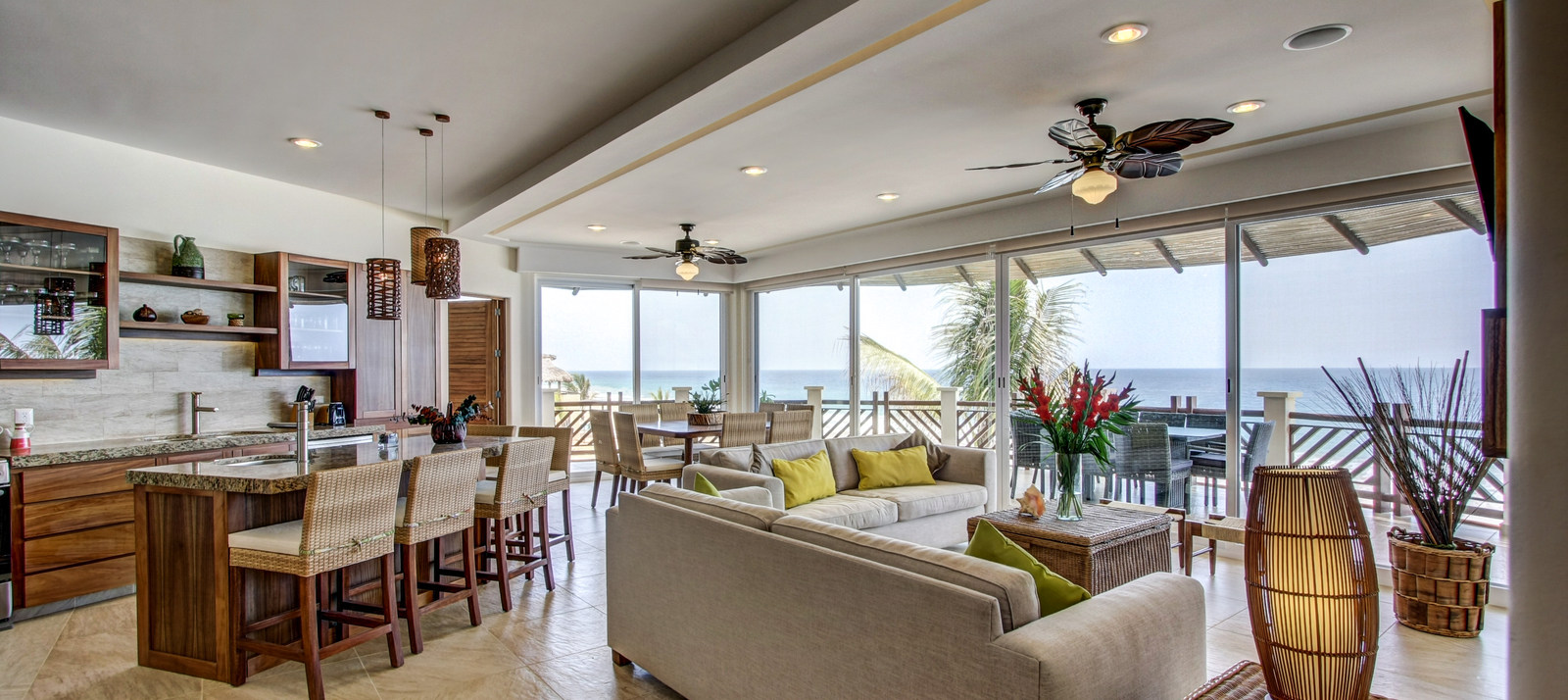
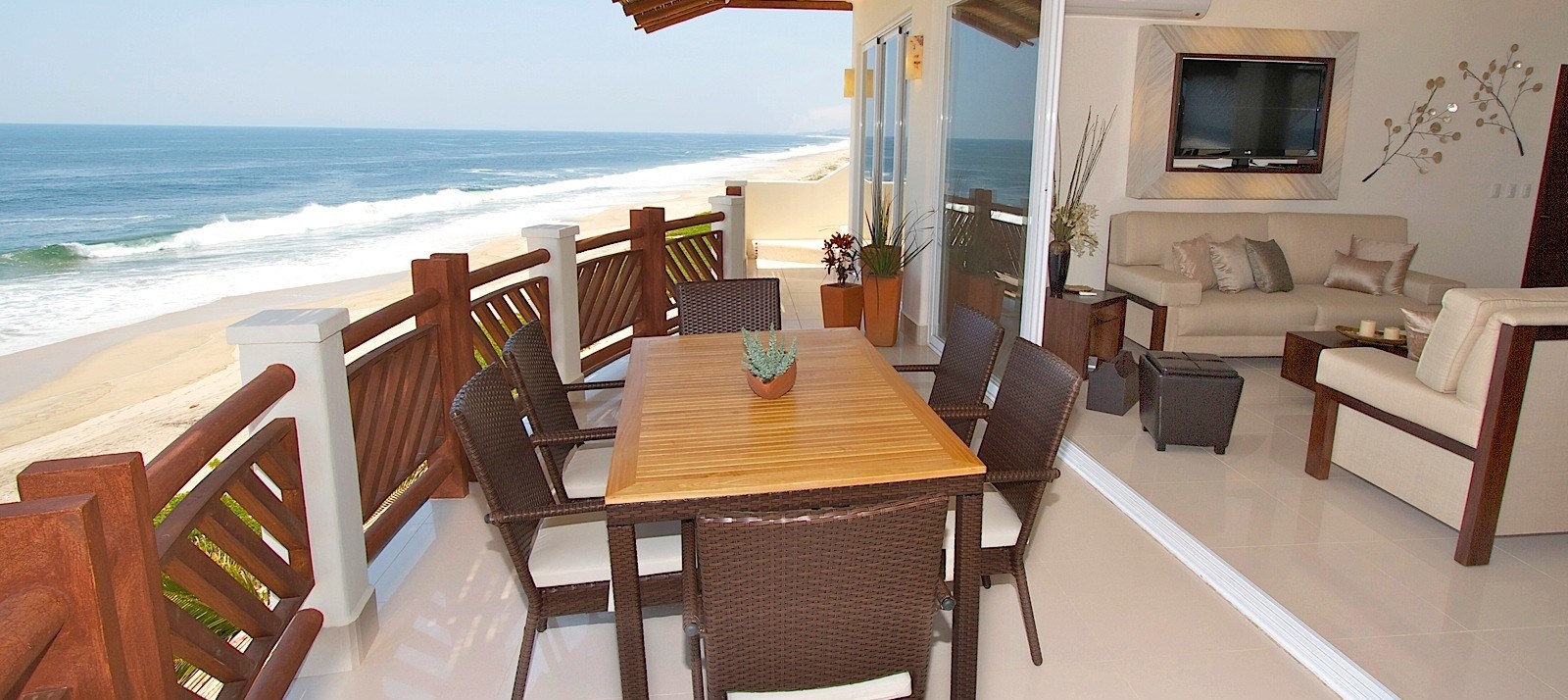
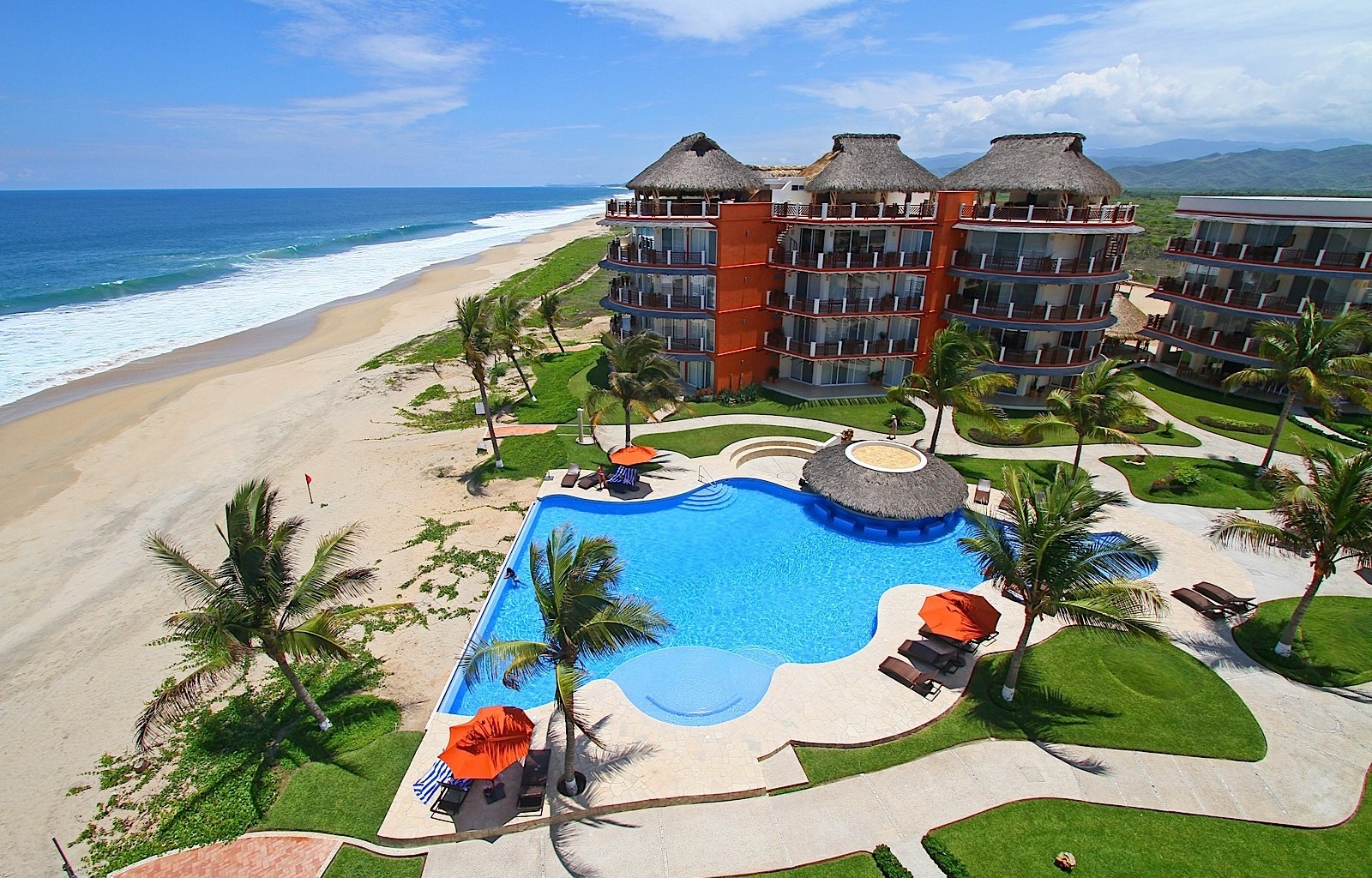
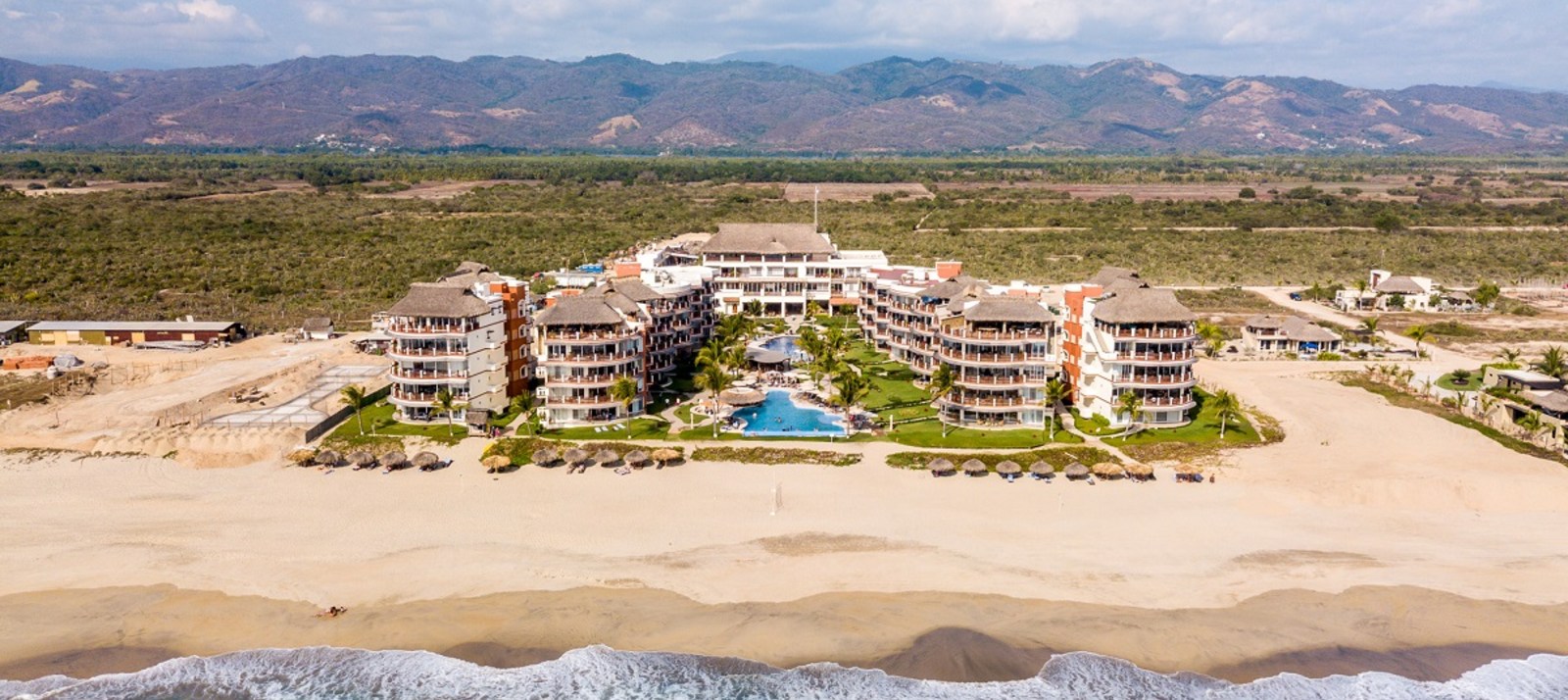
Playa Palmarito provides the setting for this experience, with the resort’s all-suite accommodation close to the beach and the wider attractions of Puerto Escondido within reach. The trail brings guests closer to coastal plants and small creatures, while the elevated decks create useful places to scan the tree canopy, shoreline and Pacific Ocean.
Australian visitors already know the appeal of a rewarding coastal walk. A short loop at Vivo can feel like a compact version of the Bondi to Coogee path or Victoria’s Great Ocean Walk, but the emphasis here shifts from distance to observation. That familiar interest in native plants, birdlife and ocean views makes the nature trail particularly engaging.
Time the Walk for Comfort and Wildlife
Begin by checking the trail’s opening arrangements, access conditions and weather forecast with the resort concierge. Also ask whether a guide or scheduled ecology walk is available. Morning usually offers cooler air, softer light and fewer people, while the first part of the day can bring more active birdlife.
Australians call the afternoon “arvo,” and that is when the coastal sun often feels strongest. Midday walking can still work, but carry extra water, seek shade on the decks and save the exposed trail for a cooler period. Aim to finish before the heat builds rather than pushing through it, especially when travelling with children or older guests.
Read the Landscape as You Walk
Move at a pace that allows details to emerge. Look beneath leaves for changing textures, listen for birds beyond the obvious calls and watch where insects gather. Coastal scrub, dune-edge plants and dry woodland each reveal different structures, while the line between vegetation and beach can shift surprisingly quickly after rain.
Local staff can often help identify plants or explain behaviours that are difficult to notice alone. Use their knowledge rather than assuming every flowering species attracts the same birds or butterflies. Keep observations general where certainty is limited, and record the species that staff or the resort’s printed information confidently identifies.
This is also where Australian bushwalking habits translate well. Leave plants, shells and stones where they lie, avoid feeding wildlife and keep a respectful distance from nesting or resting animals. A quiet walker usually sees more than someone trying to approach every movement, and the same low-impact approach protects a relatively compact coastal habitat.
Use the Decks as Outdoor Classrooms
The observation decks provide a change of pace after the trail. At the first suitable platform, stop scanning the ocean and look back across the vegetation instead. A raised viewpoint often makes it easier to see bird movement, cloud shadows, wave patterns and the boundary between the resort grounds and the natural coastline.
Binoculars can be useful, particularly for distant birds or activity along the waterline. The concierge can advise whether any equipment is available, though bringing a small pair from home is straightforward. For photography, protect lenses against sand, keep phones secured and avoid flash when animals are nearby. The broad horizon often works better with a simpler composition than a tightly packed scene.
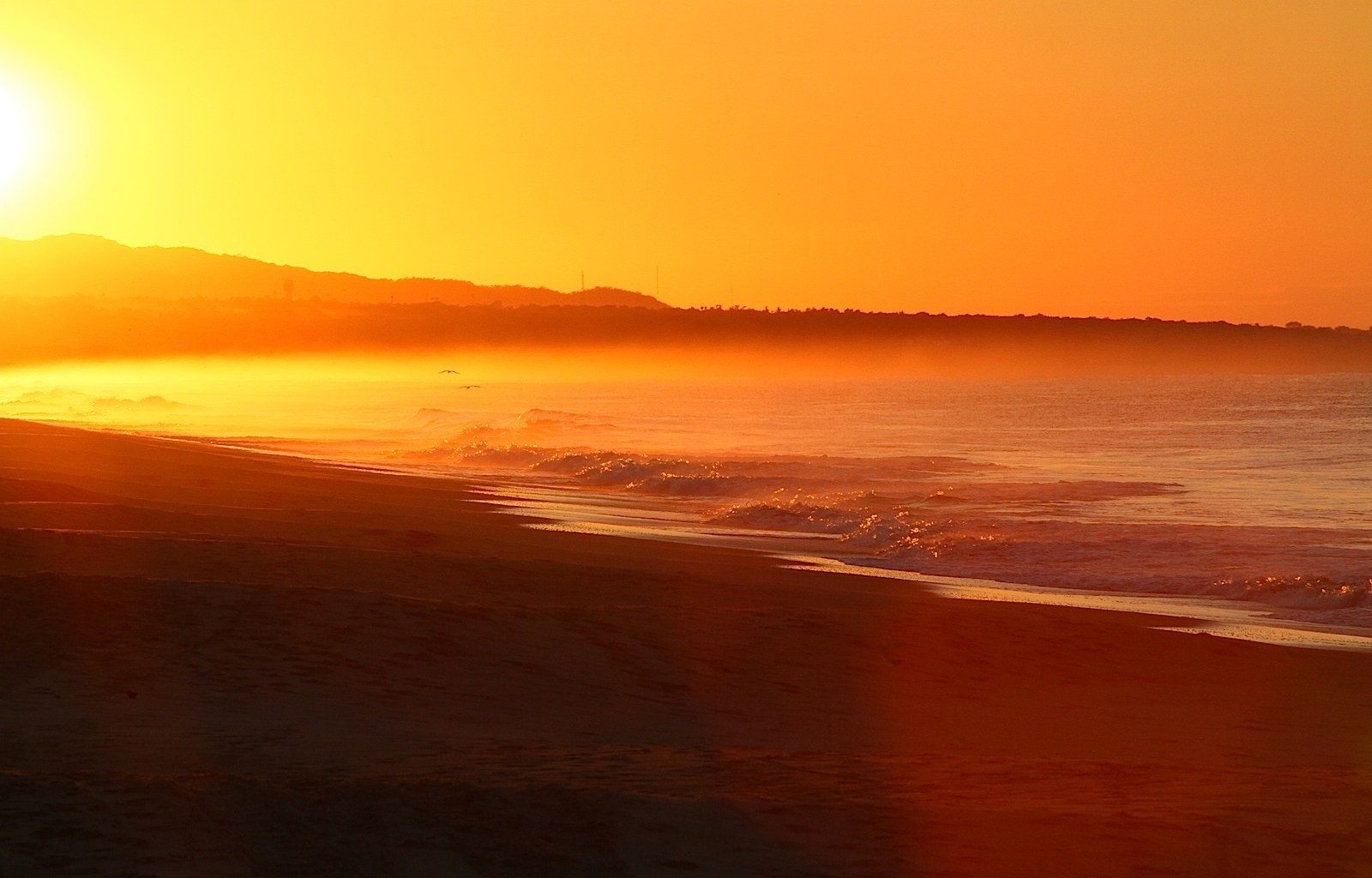
Return to the decks later if the weather and energy allow. Morning offers crisp coastal light, while late afternoon creates long shadows and warm colour over the Pacific. A surprise shower may initially interrupt a viewpoint session, yet it can also freshen the vegetation, strengthen the scent of the coast and produce a dramatic change in visibility.
Make the Outing Work for Your Group
Bring sun protection, a hat, water, insect repellent and footwear with a secure grip. Closed shoes are usually more comfortable on rough or damp ground than thongs, while a light layer helps after sunset or during a passing shower. Download the trail map or ask for a printed copy, as phone reception may vary around the denser planting.
Families can combine the walk with beach time, a pool break or a relaxed meal without making the outing feel rushed. For a wedding party or a large family gathering, ask the resort about coordinated use of the trail and deck areas through its group bookings service. A shared departure time keeps everyone together, while flexible turns at the decks prevent slower walkers from being left behind.
Pair the Trail With the Wider Resort Day
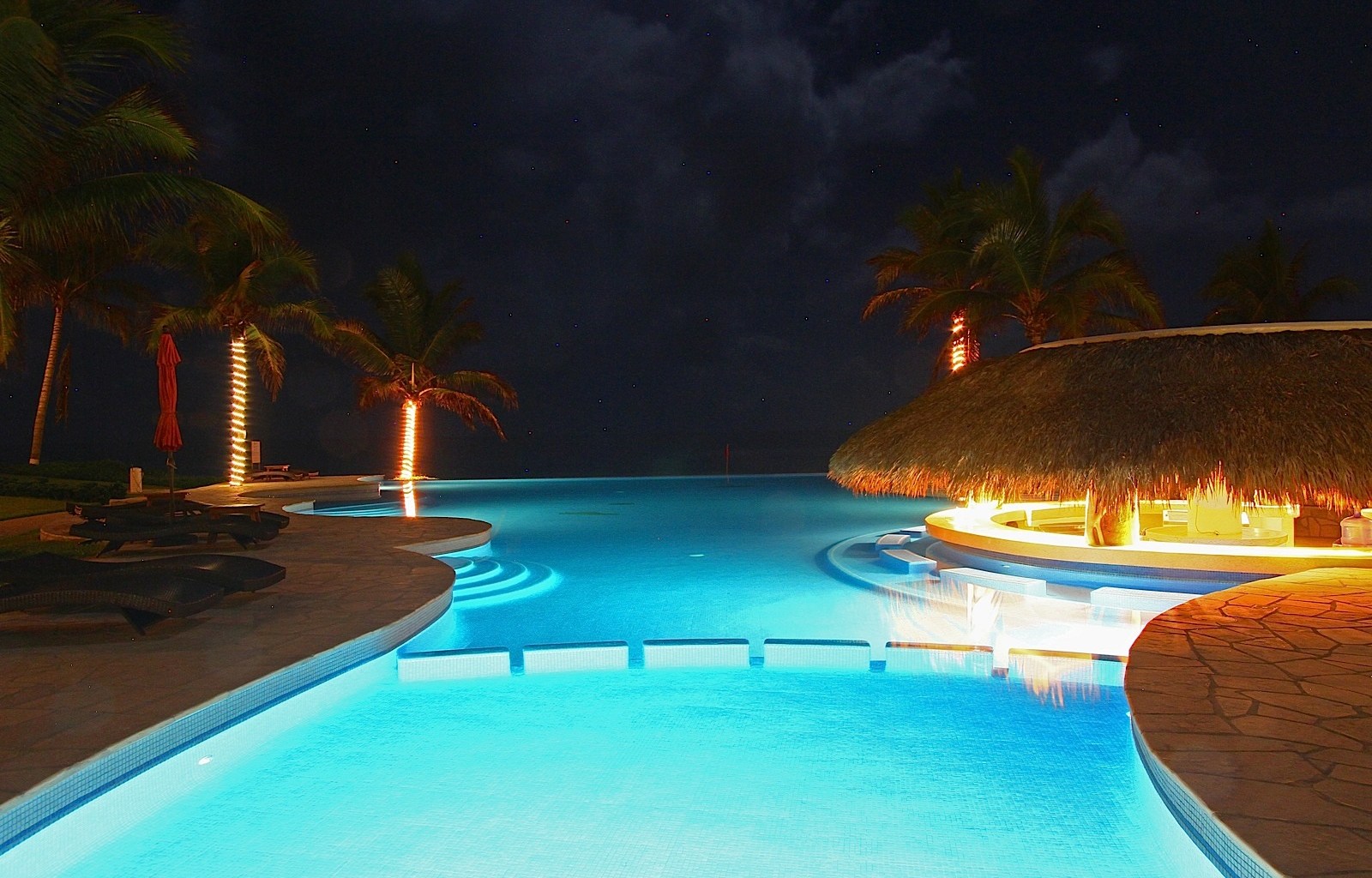
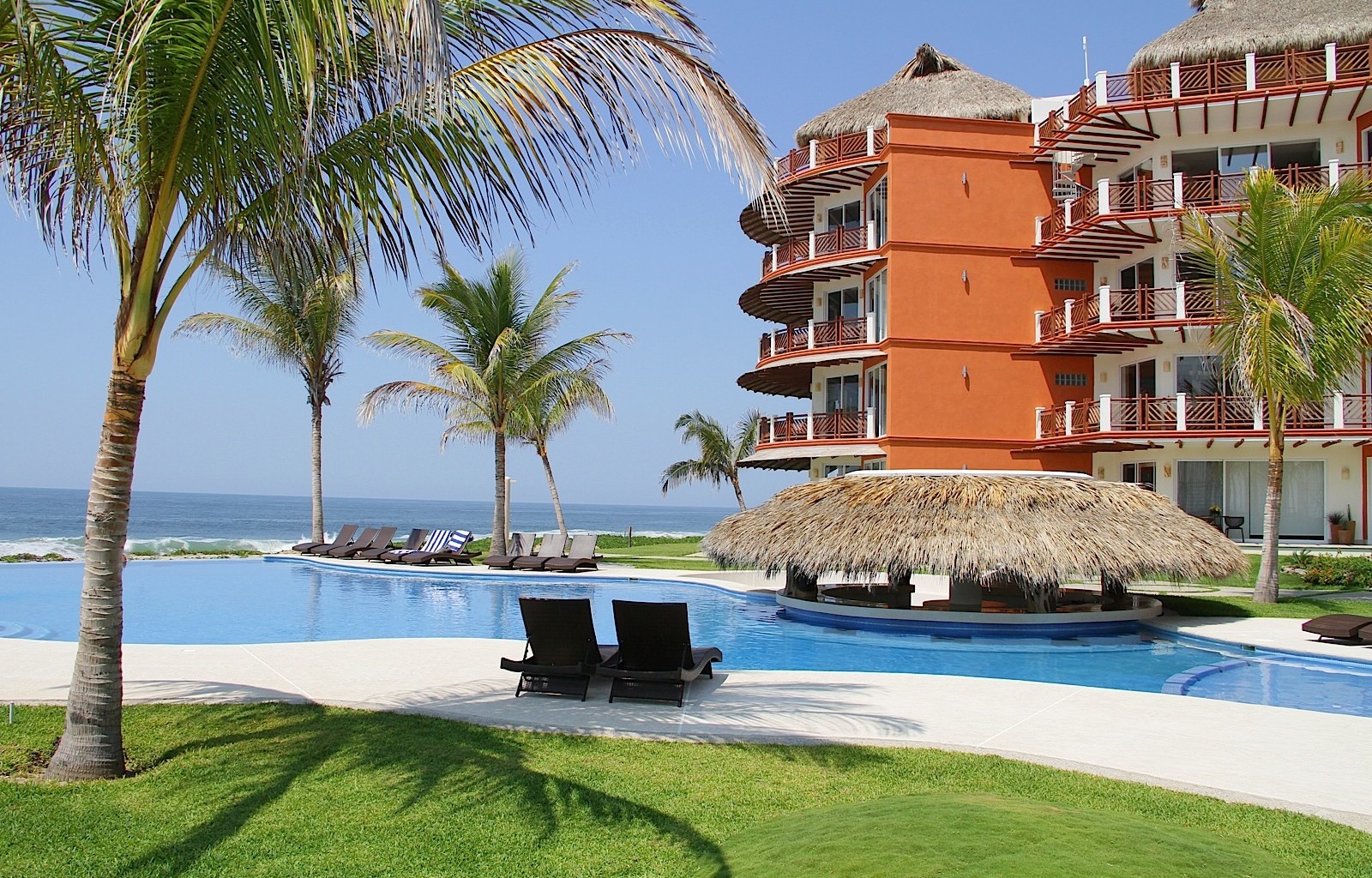
The nature trail works best as one part of a broader Playa Palmarito itinerary. Guests can spend the middle of the day at the beach or pools, visit the full-service spa and then return to the decks for sunset. Romantic travellers might reserve an ocean-view dinner, while families can choose a morning walk before the children claim the remainder of the day.
Rain should change the order of activities, not cancel them. The resort’s rainy-day resort guide provides alternatives for indoor relaxation, dining and entertainment when the coast receives a tropical downpour. Deck viewing may still be possible between showers, but the concierge can advise when conditions are safe and when a longer break indoors makes more sense.
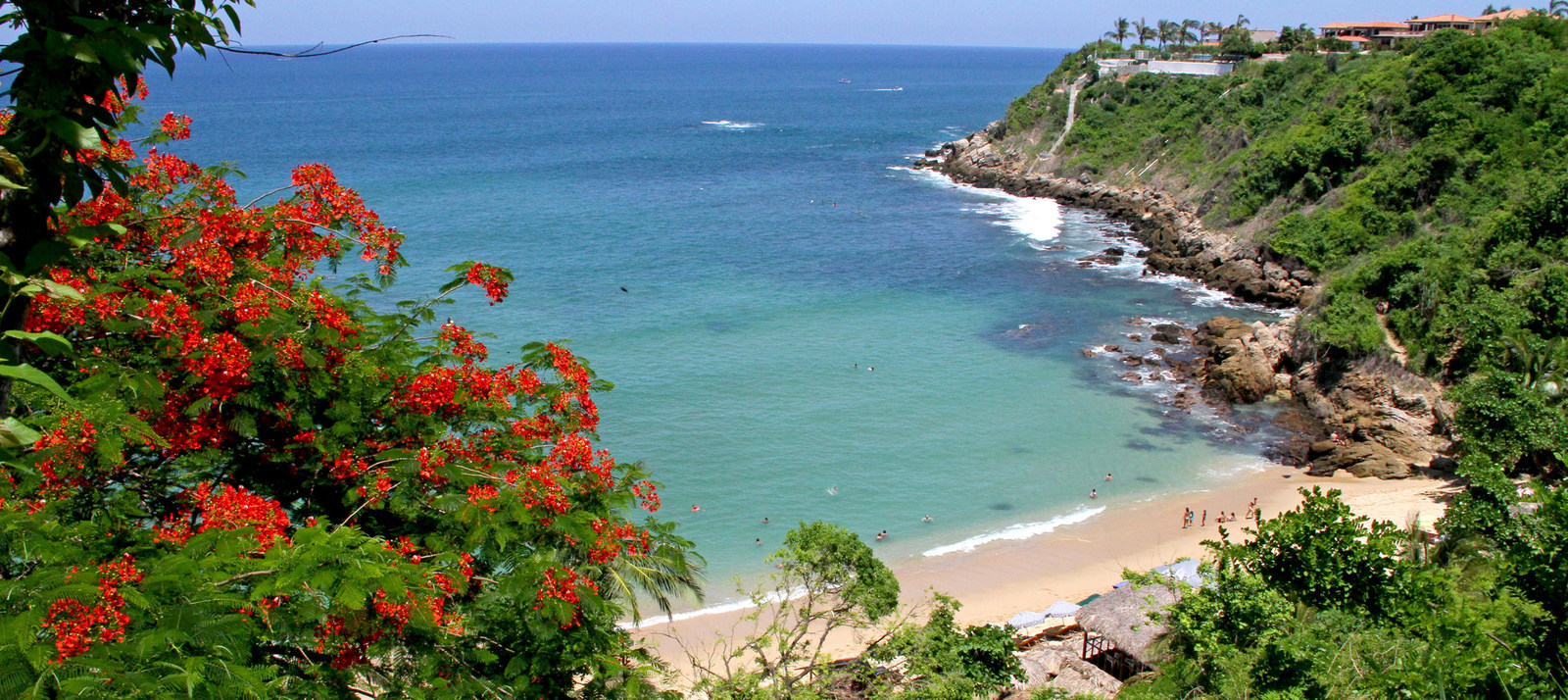
Excursions to Puerto Escondido, nearby beaches and other parts of Oaxaca’s coast offer a different coastal perspective. Travellers accustomed to Australian booking websites can compare quotes in Australian dollars, check deposit and cancellation terms, and confirm whether transfers or insurance are included. The resort can arrange local experiences, allowing the trail and deck visit to remain a relaxed part of the stay rather than another complicated excursion.
Give the First Morning a Clear Plan
A successful first outing begins with one simple decision: walk early and treat the decks as the destination within the journey. Pack light, carry water and allow enough time to pause without chasing wildlife or a specific photograph. The surrounding landscape becomes more interesting when the schedule leaves room for unexpected movement offshore.
Before arrival, ask the resort concierge to confirm the trail’s opening time and the best low-crowd deck access for your arrival date.