Best Times to Visit Puerto Escondido for Weather
Puerto Escondido has a tropical Pacific climate with a strong seasonal rhythm. When weighing the best times of year to visit Puerto Escondido for weather, the main choice is dry-season consistency against wet-season savings. From about November to April, sunshine and long beach days are most dependable; May to October brings heavier rain, humidity and greater tropical-storm risk.
December to February is usually the easiest period for beach plans, with warm mornings, reliable afternoons and generally calmer conditions around Playa Palmarito. It is also peak season, so Christmas, New Year and Easter raise hotel demand. March and April remain broadly dry and often feel less busy, although temperatures begin to climb.
Rain does not mean constant washouts from May to October. Many showers are brief and pass by late afternoon, but September and October can be wet for stretches, and rough surf may interrupt boat trips or beach excursions. Travellers with flexible dates gain lower rates, greener coastal scenery and more space.
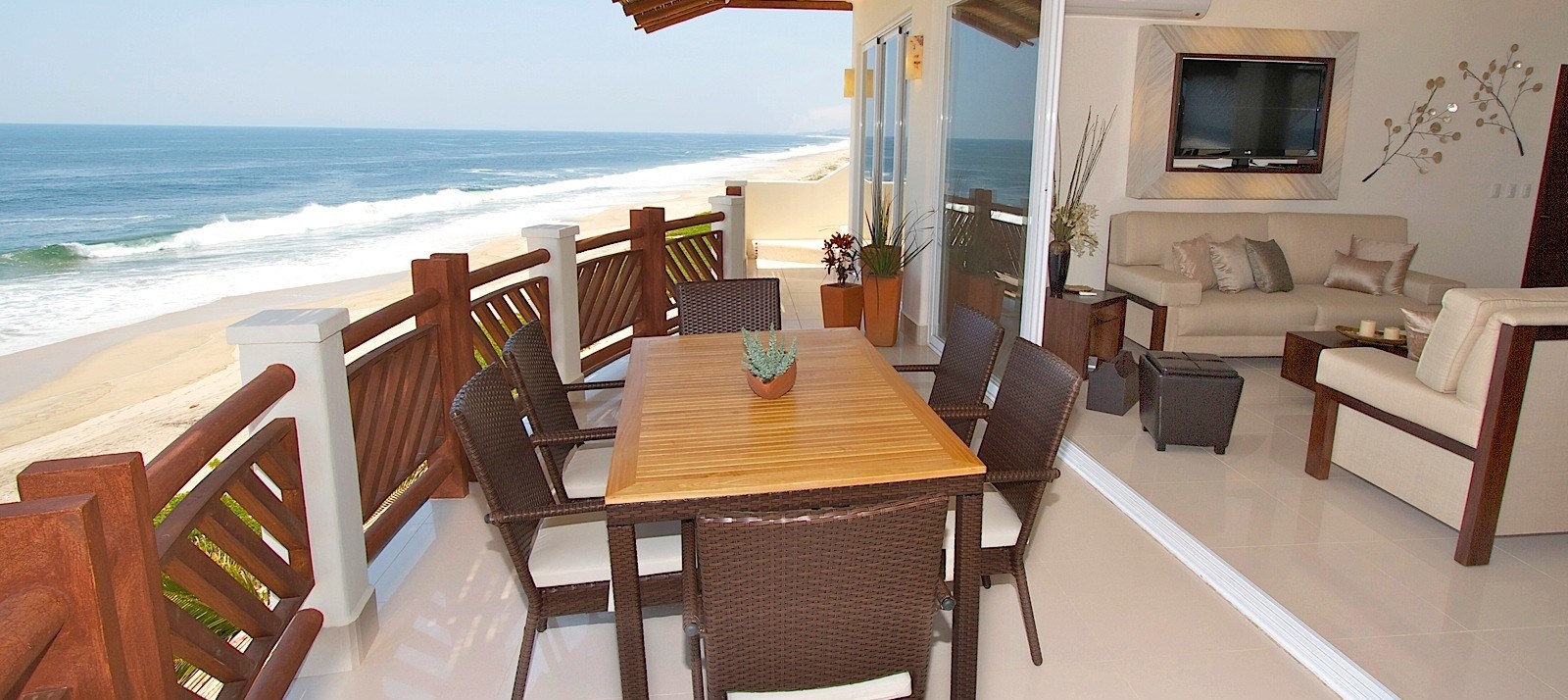
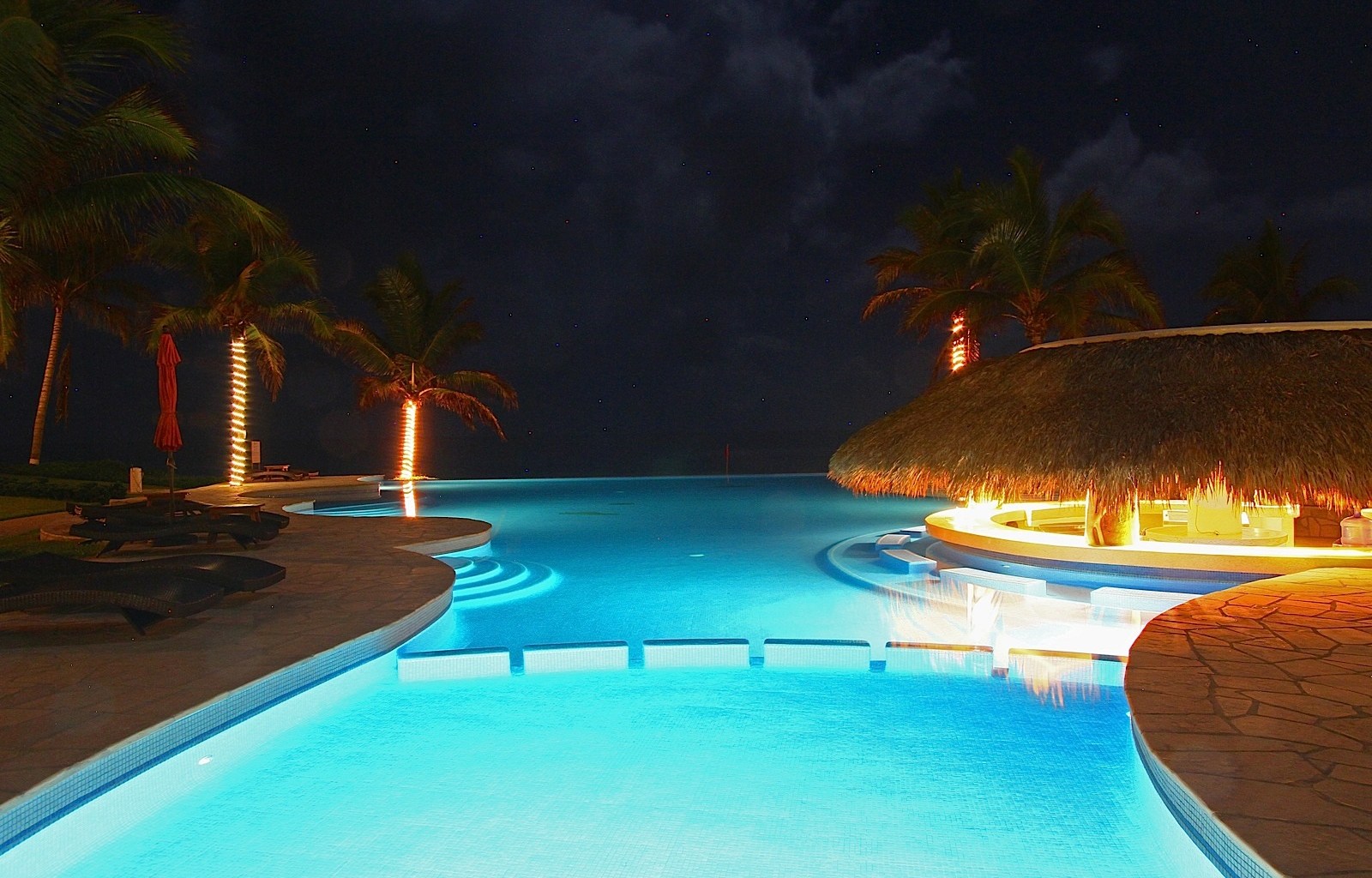
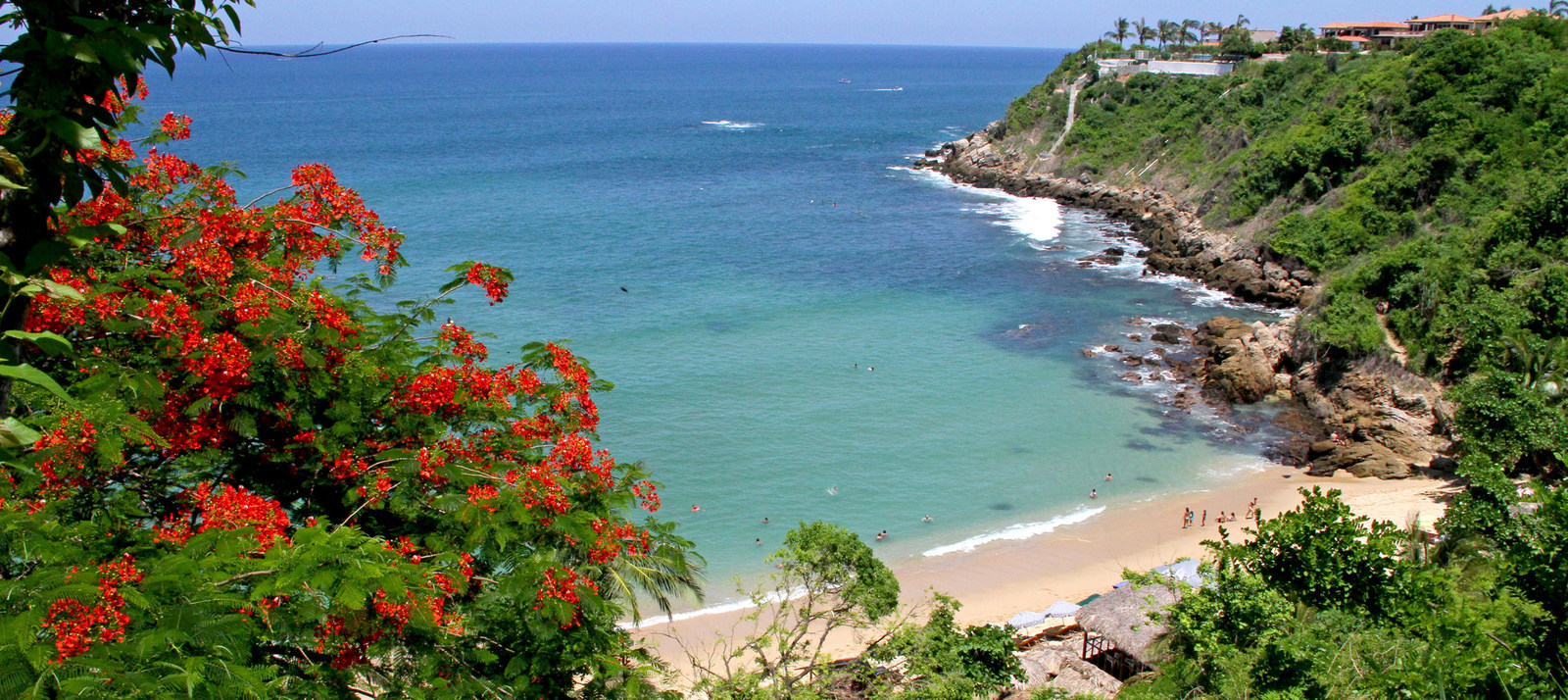
The right base matters as much as the month. Playa Zicatela draws surfers, while Palmarito offers a more sheltered shoreline for swimming and family beach time. Vivo’s Puerto Escondido resort is an all-suite beachfront option with pools, a spa, several dining venues and private villas, suited to couples, families and wedding parties that want to limit daily commuting.
Dry Season Delivers the Strongest Beach Days
The dry season normally begins in November and continues through April. January through March generally brings the most balanced combination of sunshine, warm ocean water and relatively settled weather. Mornings suit beach walks and excursions, while afternoons are ideal for swimming, surfing or lounging by the pools.
Typical daytime temperatures sit around 30–33°C, with humidity lower than during the green season. The Pacific remains warm for most of the year, often around 27–30°C, although wave conditions vary. Strong currents can still occur, so guests should follow lifeguard advice and local beach flags rather than assuming every calm morning guarantees safe swimming.
Dry-season weekends and holiday periods are busiest, particularly between Christmas and early January and around Easter. Travellers seeking more space should consider weekdays, the shoulder of November or the latter part of April. Morning reservations for popular restaurants and excursions can also make a busy week feel more relaxed.
Spring Heat Changes the Planning
March, April and May are the hottest part of the dry-season window. April can bring temperatures above 33°C, with the strongest afternoon heat arriving before the first significant rains. These months often offer excellent value between major holiday periods, but visitors need a sensible daily rhythm.
Beach activity is usually most comfortable before noon. Lunch can be followed by a long pool break, spa treatment or a shaded afternoon indoors, with outdoor dining and sunset walks taking over later in the day. At a resort such as Vivo, having meals, pools and accommodation within the grounds makes it easier to avoid the hottest hours.
May marks a transition rather than an abrupt change. The first serious downpours may arrive late in the month, humidity rises and some hotels begin reducing operating schedules. It can be a rewarding choice for warm-weather lovers, but it carries more weather uncertainty than March or April.
Wet Season Rewards Flexible Travellers
June to October is broadly the wet season, with September and October often producing the heaviest rainfall. Showers are frequently short but intense, and a cloudburst can fill streets or make unpaved access roads slippery. Travellers should still expect plenty of sunshine between tropical systems.
The official Pacific hurricane season runs from May through November, with activity most concentrated between July and September. A direct hit is uncommon, but tropical depressions can bring heavy rain, strong surf and flight disruption. Checking official weather and travel advisories before each journey is more useful than relying on a single forecast made months ahead.
Wet-season advantages include lower accommodation rates, quieter beaches and lush vegetation around the Oaxacan hills. The ocean stays warm, but swimming and boating depend on daily conditions. Flexible bookings are valuable because an afternoon excursion may need to move to the following day. Some seasonal closures also mean visitors should confirm that restaurants, transfers and attractions will be operating.
Weather-Led Timing for Australian Travellers
Australia’s seasons run opposite to Mexico’s. December and February are Australian summer and prime Mexican dry-season months, while June to August bring Australian winter and Puerto Escondido’s wettest period. Most Sydney- and Melbourne-based guests connect through Mexico City before taking a domestic flight to Oaxaca or Puerto Escondido. Brisbane-based travellers commonly have fewer direct options, so allowing at least a full connection day is sensible.
Australian dollars can be used for many online bookings, but Mexican pesos remain useful for taxis, markets and smaller businesses. Credit cards are widely accepted at major hotels and restaurants, while carrying some cash avoids ATM or network problems. Service charges are not assumed in Mexico as they often are in Australia; a 10–15% tip is common where none is shown. Travellers should also check Smartraveller and official Mexican guidance for passport validity, entry authorisation and health requirements.
- Choose November to February for the most dependable beach weather, then book early around Christmas, New Year and Australian school holidays.
- Travel in March or April for hot, broadly dry conditions with fewer crowds, while planning outdoor activities for the morning.
- Consider early June or late August for better-value villas and rates, accepting that tropical showers may alter plans.
- Choose September or October only with flexible dates, substantial travel insurance and few fixed commitments.
For families, the school-holiday calendar in New South Wales, Victoria and Queensland can affect both fares and room prices. Australian guests frequently look for self-contained suites, pools and nearby restaurants so children can travel without repeated hotel changes. Those preferences align well with staying near Playa Palmarito, though advance booking remains essential during the Australian summer break.
A Flexible Plan for Puerto Escondido
Weather-aware planning starts with a stay that offers both indoor and outdoor options. A villa or suite with a private plunge pool, on-site spa and several dining venues provides alternatives when rain arrives. It also allows guests to move activities between mornings and late afternoons without adding long transfers or depending entirely on external transport.
For longer holidays, checking current resort packages can reveal useful combinations of accommodation, dining and experiences. Flexible cancellation terms are particularly helpful during the wet season or when Australian school-holiday dates affect flights. Keep the first and final days light, use local forecasts for each outing and protect flight times with appropriate buffers. The practical takeaway is to prioritise November through April for predictable beach days, choose the wet season for savings and greenery, and treat a flexible itinerary as the strongest protection against tropical weather.