How to get the most from Vivo’s water sports rentals
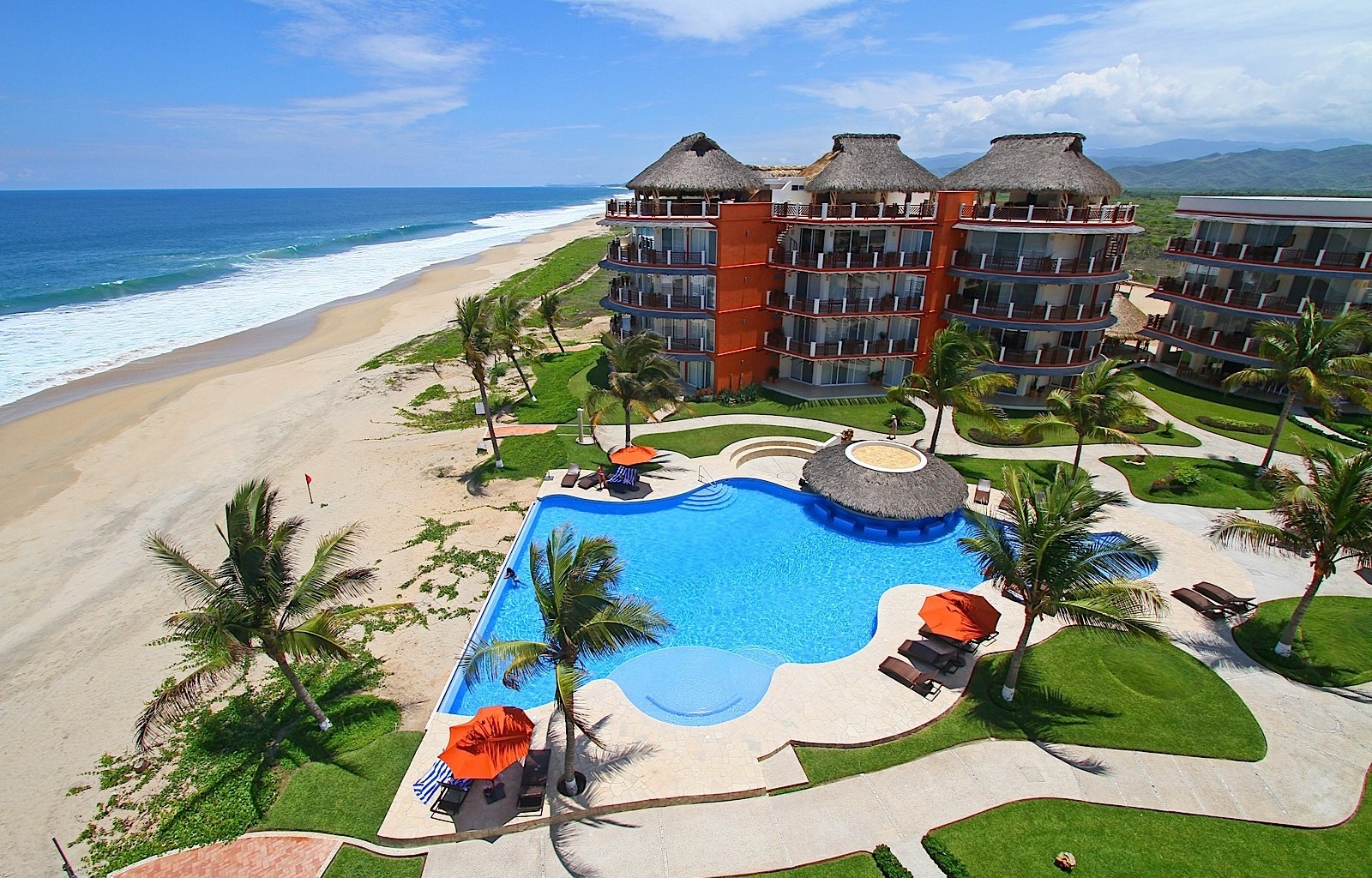
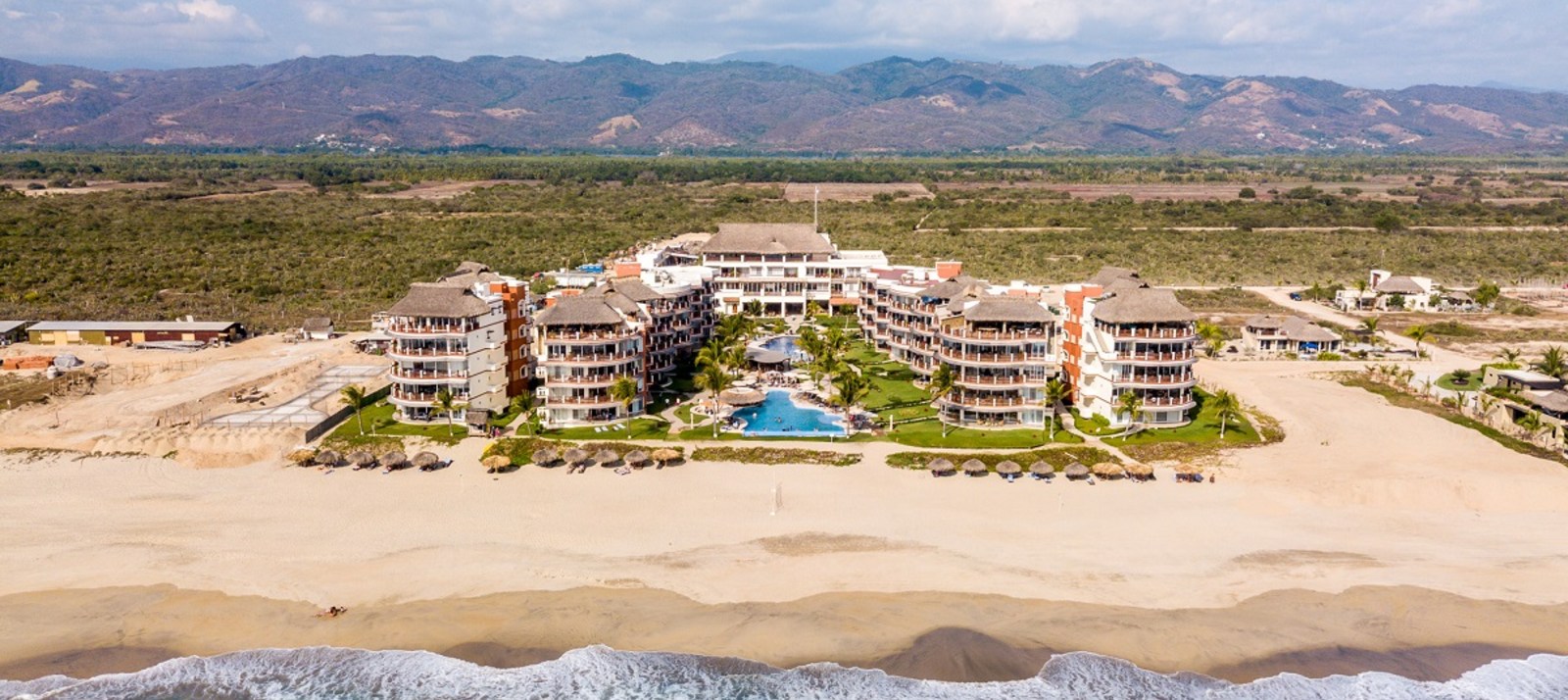
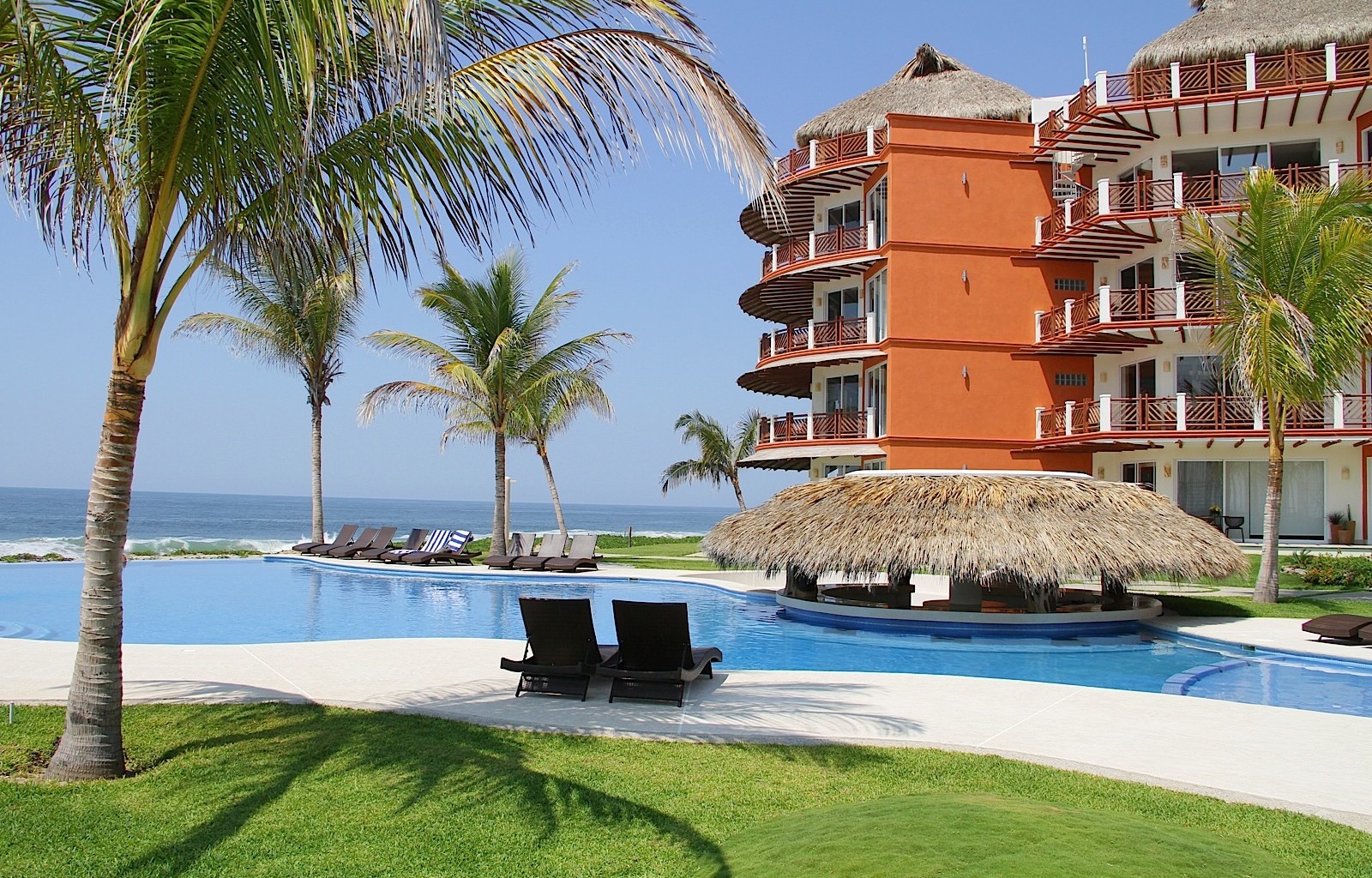
At Vivo Resorts on Playa Palmarito, the water-sports desk turns a beachfront stay into an active one. Renting a kayak, paddleboard or bodyboard, where offered, gives guests a simple way to try the bay without arranging transport or buying their own equipment. It also makes family outings, couples’ sessions and group adventures easier to organise.
Start by recognising that availability, operating hours and charges can change with sea conditions and demand. Some sessions may carry an extra fee, while age, weight or swimming requirements may apply. Asking the concierge or activities team for the current arrangement prevents a casual question at the pool from becoming disappointment at the beach.
For Australians travelling from Sydney, Melbourne or Brisbane, a long-haul flight and connection to Oaxaca can make the first afternoon feel less appealing than a quiet swim. A short, pre-booked paddle session can be easier to manage than an ambitious itinerary, especially for families managing children, heat and equipment after a flight.
The best results come from treating the hire as a planned part of the day rather than an extra to squeeze in. Confirm the activity, timing, cost and safety requirements before arrival, then allow enough time for fitting equipment, sunscreen, hydration and a relaxed return. This is particularly useful for wedding parties, where many guests need one reliable plan.
Find the activity that suits the group
Begin with what the group can genuinely enjoy. A calm-water paddle may suit first-time kayakers, whereas confident swimmers may prefer a longer route or bodyboarding. Ask whether kayaks, stand-up paddleboards, bodyboards or other equipment are available, and choose by comfort and ability rather than by the longest advertised option.
Reserve the preferred morning or late-afternoon slot if advance bookings are accepted. Morning departures generally offer cooler conditions and attractive light for photography, while the afternoon can suit guests who want to combine the session with other beach plans. For a large family or wedding group, clarify whether equipment is held collectively or issued per person.
For wedding parties, the resort’s wedding packing list is a useful companion when deciding who needs swimwear, sandals, dry bags and sun protection. Keep the water-sports plan separate from formal-event luggage so the group can move from breakfast to the water without unpacking half the suitcases.
Check the price, booking and handover rules
Get the full price before confirming. Ask whether the charge covers one rental period, a guided session or a package, and whether buoyancy aids and basic beach equipment are included. Clarify the cancellation window, late-return fee, minimum session time and where the equipment must be returned. These details matter more than a headline rate.
Australian guests should expect the payment mechanics to differ from a standard café transaction. The hotel may place a deposit or pre-authorisation on a physical credit card in the lead guest’s name, while some Australian cards levy foreign transaction fees. Check the amount, currency and expected release time with the activities desk, and contact the card issuer before travel if the hold is substantial.
Ask whether resort charges are processed in Mexican pesos, US dollars or another currency, then compare the total with an Australian-dollar conversion. Where the terminal offers a choice, local currency may avoid an unfavourable conversion by the hotel. Keep the receipt and rental terms until any deposit has disappeared from the account.
Treat the first safety briefing seriously
At handover, check that buoyancy aids, paddles, leashes and other safety items are correctly sized and working. Listen to the route briefing, identify swimming ability or medical needs, and confirm where the session starts and finishes. If the guide’s directions differ from expectations, follow the guide and local beach signage.
Australian water confidence is useful, but so is Australian caution. Lifejacket requirements differ between states and vessel types, and those rules do not set the standard for an activity in Mexico. The resort’s instructions, local flags and staff directions govern the session. Pause if conditions deteriorate, and accept a cancelled or shortened outing if the operator identifies a safety issue.
Playa Palmarito’s conditions can feel different from a familiar Australian beach, where currents, surf and wind patterns vary widely. Stay within the designated area, keep children in sight and avoid going alone if the operator has not recommended it. The outing is enjoyable only when everyone understands the boundaries.
Plan around heat, sun and hydration
Sun protection deserves the same attention as the rental itself. A common Australian beach-bag routine—broad-spectrum SPF 50+, a hat, rash vest and refillable bottle—works well here. Australia’s sunscreen market is regulated by the Therapeutic Goods Administration through the Australian Register of Therapeutic Goods. Choose a water-resistant product, apply it before exposure and reapply regularly.
Timing matters because the equatorial sun can make a midday session hot rather than refreshing. The resort’s hot-afternoon cooling guide offers practical ways to adjust the day between activities. If heat builds, move the rental earlier, add a shaded break and use water as the main source of hydration.
Keep sessions shorter than planned if nobody seems comfortable. A shaded breakfast, indoor break or calm swim can prevent fatigue turning a pleasant paddle into a rushed return. Save the most demanding outing for the freshest part of the day and leave the final period flexible for drying off.
Link the rental to the rest of your stay
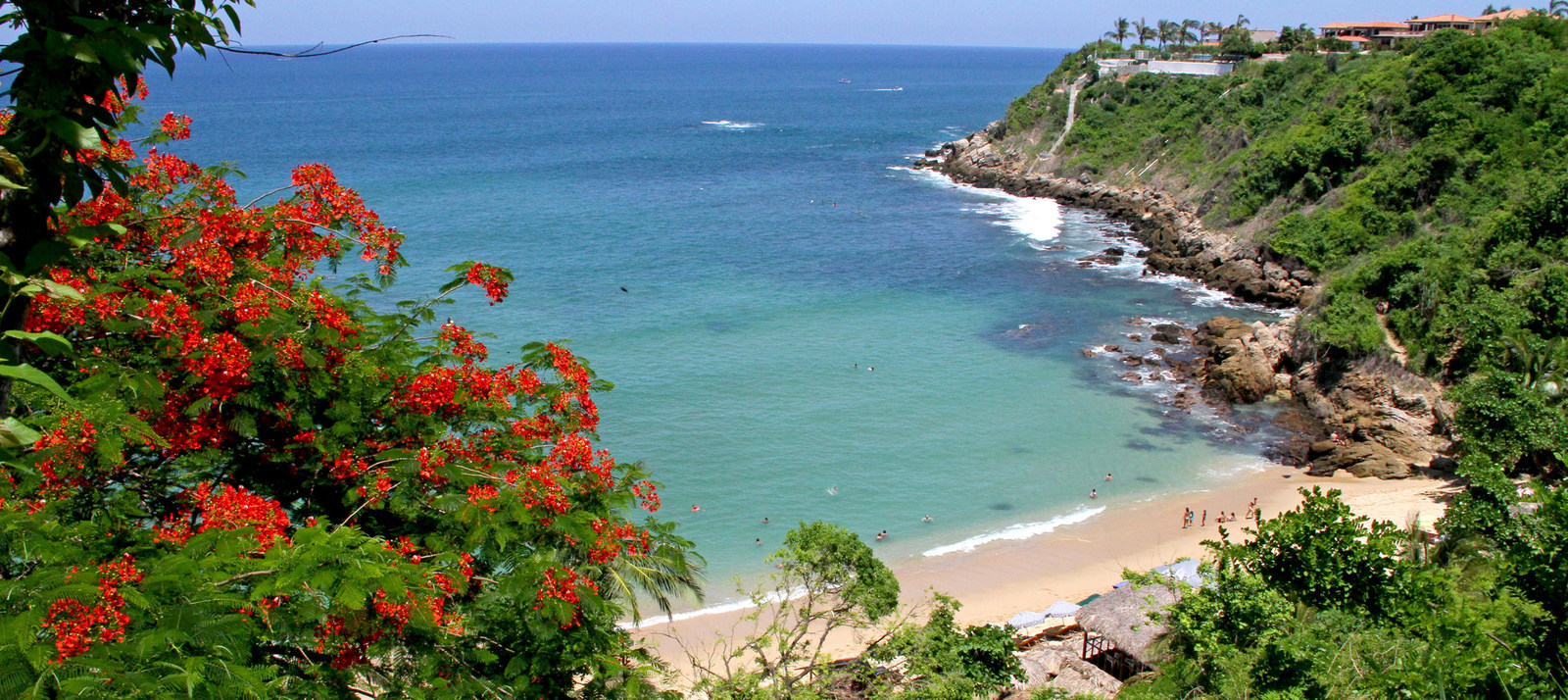
Tie the hire into nearby excursions without trying to cover everything. Puerto Escondido and other coastal attractions around Oaxaca can fill a day of their own, while Playa Palmarito is right outside the resort. For groups, one shared paddle session is often more memorable than having everyone pursue separate activities with different start times.
Wet swimwear and towels need a drying plan. The laundry and valet guide explains how resort laundry and valet services fit into a longer stay, while guests can also air-dry suitable items according to resort policy. Return rental gear on time so it does not interfere with these services or another guest’s booking.
Use a dry bag for phones and sunscreen, and leave valuables secured in the suite rather than on the beach. Pack a second shirt, towel where permitted and a clean change of footwear. A lightweight tote gives the group somewhere to keep water and personal items without weighing down the paddle.
Make the reservation count
Treat each person’s ability and attention span as part of the plan. Book the activity with the shortest setup, assign an adult to supervise younger children and avoid splitting a wedding party across distant meeting points. Clear roles reduce delays once everyone reaches the hire area.
Ask the team for local tips, including a recommended route, a good place to watch from shore or a calm window for photography without stopping active paddlers. Guests can then enjoy the equipment and beach setting at their own pace. The hire becomes more valuable because the resort handles the basics while the group shares one memorable experience.
The practical takeaway is to confirm availability, price and deposit terms before arrival, reserve a realistic time slot, and keep the session flexible around sea and weather conditions. Arrive with the right sun and hydration kit, complete the safety briefing and leave enough margin to enjoy Playa Palmarito rather than rush back for the next event.