How to Visit Pochutla Town and Its Traditional Market
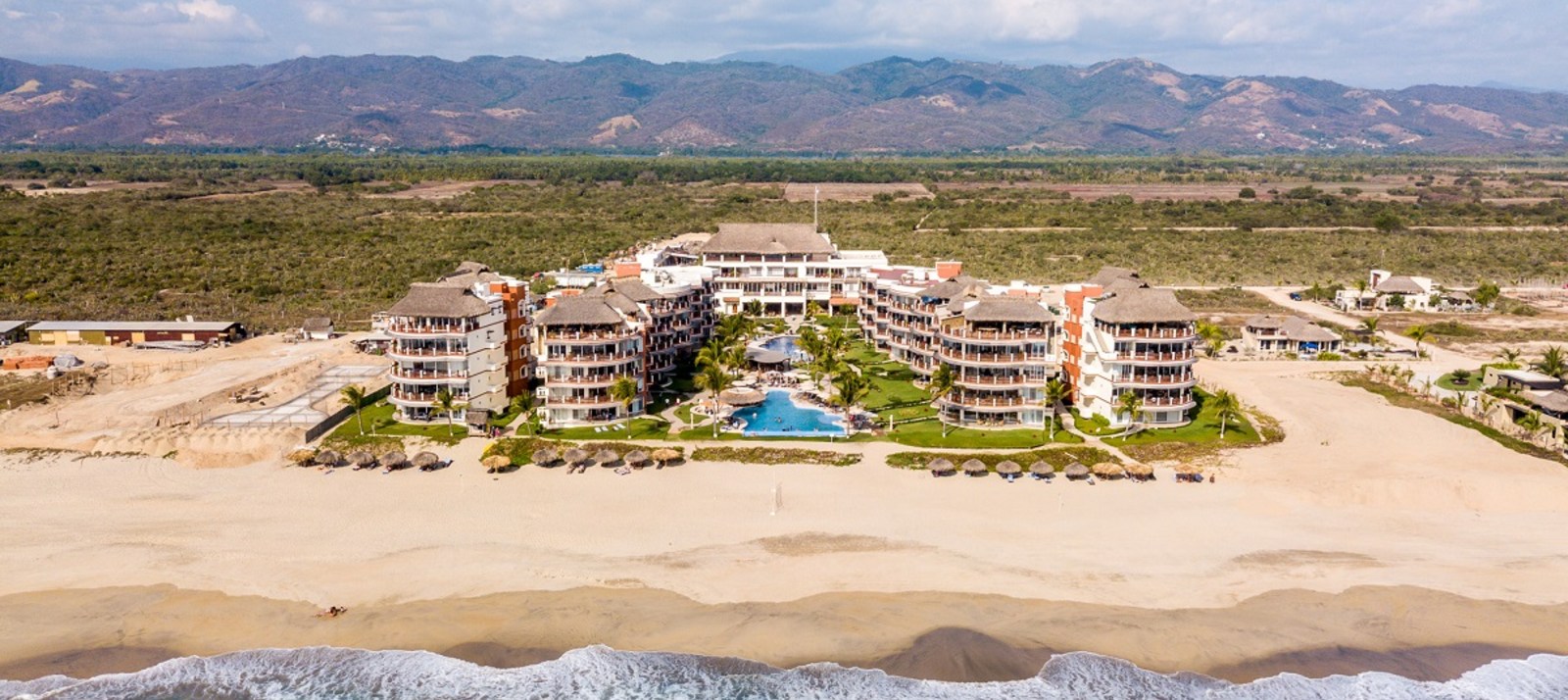
Pochutla lies roughly 10 kilometres east of Puerto Escondido, making it an easy and rewarding outing from Playa Palmarito. At Mercado Benito Juárez, the town’s traditional market, shoppers move among fruit and vegetable stalls, small eateries and everyday local goods. A visit reveals more about coastal Oaxaca than a stop arranged solely for visitors.
A hotel-arranged driver is the simplest way to travel from Vivo Resorts, although the paved coastal road makes the journey straightforward. Guests flying from Sydney, Melbourne or Brisbane can connect through Mexico City before continuing to Oaxaca, treating Pochutla as a compact extension of their stay. Going early offers the widest choice and the calmest conditions for browsing.
Why Pochutla works as a day trip
The market is busiest in the morning, when produce arrives and regular shoppers plan the week’s meals. Going early also means seeing the market as working locals know it: quick greetings, familiar routines and vendors focused on serving neighbours rather than performing for tourists. That everyday rhythm is the main reason to come.
Pochutla also makes a good base for a relaxed coastal day. The town is small enough to explore on foot, and the return journey leaves time for a Pacific swim, a spa treatment or dinner overlooking the ocean at Vivo Resorts. Keeping the outing compact avoids turning a nearby market into an exhausting road trip.
Planning the journey from Playa Palmarito
Allow about 20 to 30 minutes by car from Playa Palmarito, more at busy times. A pre-booked driver can wait, combine stops and return you to the resort; trying to join taxis and local buses can consume the morning. Distances are given in kilometres, as in Australia, and Mexico also drives on the right.
Before setting off, consider these practical details:
- Check the market’s trading rhythm with the concierge
- Carry small-denomination Mexican pesos for stalls without cards
- Download an offline map and save your driver’s number
- Agree on a pickup time and keep the resort address handy
The resort’s connectivity details are covered in the resort Wi-Fi guide, including useful information for streaming and work while on holiday. Keeping one photo of the market entrance and the resort’s name in Spanish can also make communication easier.
Arriving at the traditional market
Give yourself an hour or two at the market. Look for products that are plentiful and seasonal rather than souvenirs with a fixed price. Many stalls open early and begin to wind down by lunchtime, so a relaxed breakfast stop is best placed after browsing.
The displays commonly include:
- Avocados, tomatoes, chillies, watermelon and seasonal fruit
- Local cheese, eggs, tortillas, bread and grains
- Fresh fish or seafood, depending on the day and season
- Herbs, dried chillies, flowers and small household items
Ask before photographing a vendor, and treat displayed prices as firm unless the seller invites negotiation. In a market setting, especially for produce or food, a few polite pesos can buy a bottle of water without interrupting the morning. For visitors used to the polished displays of Melbourne’s Queen Victoria Market, the lively, less formal layout offers a refreshing change.
Cash, language and Australian market habits
Many Australian market traders accept cards, but smaller Pochutla stalls are more likely to work in cash. Bring small-denomination Mexican pesos rather than a large note; the concierge can advise where to exchange Australian dollars or withdraw pesos nearby. Queues are informal, so keep an eye on your bag and phone without looking over anyone’s shoulder.
A friendly “buenos días” goes a long way when you enter a stall. Australians may be accustomed to a casual “g’day”, while a Spanish greeting acknowledges the person serving you. Tipping customs also differ: Australia generally has no automatic café gratuity, and Mexico rarely adds one either, though a small tip for a guide or driver who handles luggage is appreciated.
Choosing lunch in Pochutla
Lunch can be part of the market experience rather than a separate reservation. Look for busy taco or quesadilla stalls and choose food cooked in front of you. Tacos with grilled meat, tortas filled with local cheese and vegetables, or a simple plate of seafood with tortillas are dependable choices. Bottled water is safer than unsealed drinks.
Ask “¿cuánto cuesta?” before ordering and check the final price if several items are added. For a lighter finish, buy fruit from the market and eat it near the beach. Oaxacan food often relies on chillies, herbs and smoky sauces, so request less spice if needed; “poco picante” means a little hot.
Pairing the town with the coast
Pochutla pairs well with Hierve el Agua, the inland formations known for pale mineral terraces and pools. For advice on transport and timing, the Hierve el Agua excursion provides a useful model for combining a coastal settlement with a wider regional day. It is a different landscape from the resort beach, yet still firmly part of the Oaxaca experience.
Build in time for photos, a walk and a proper pause rather than rushing between locations. Bring water, sun protection and shoes with grip, and confirm current access rules with the driver. Australians used to long beach days will still appreciate shade breaks under Oaxaca’s stronger sun, especially around midday.
Returning to Vivo Resorts
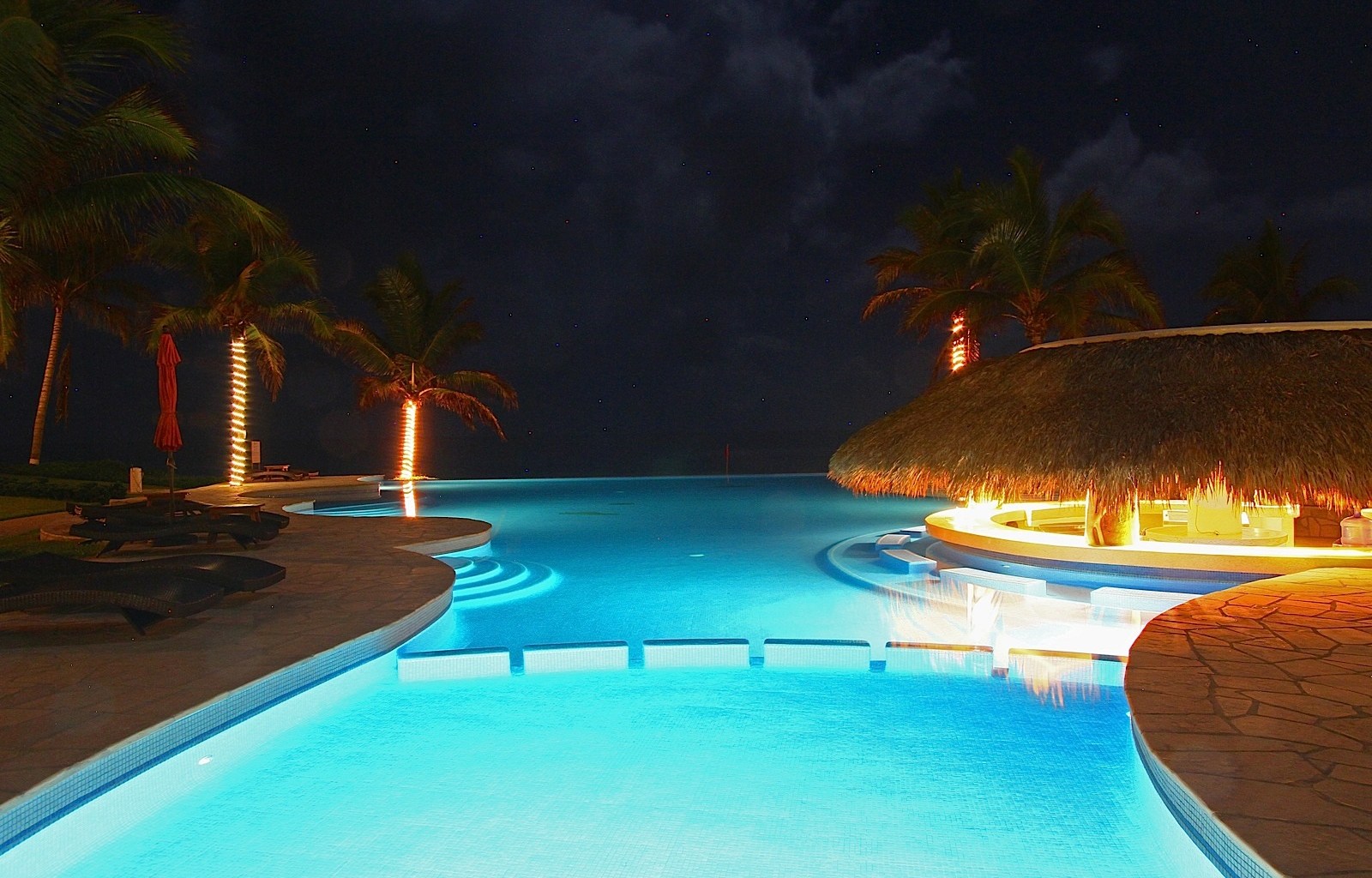
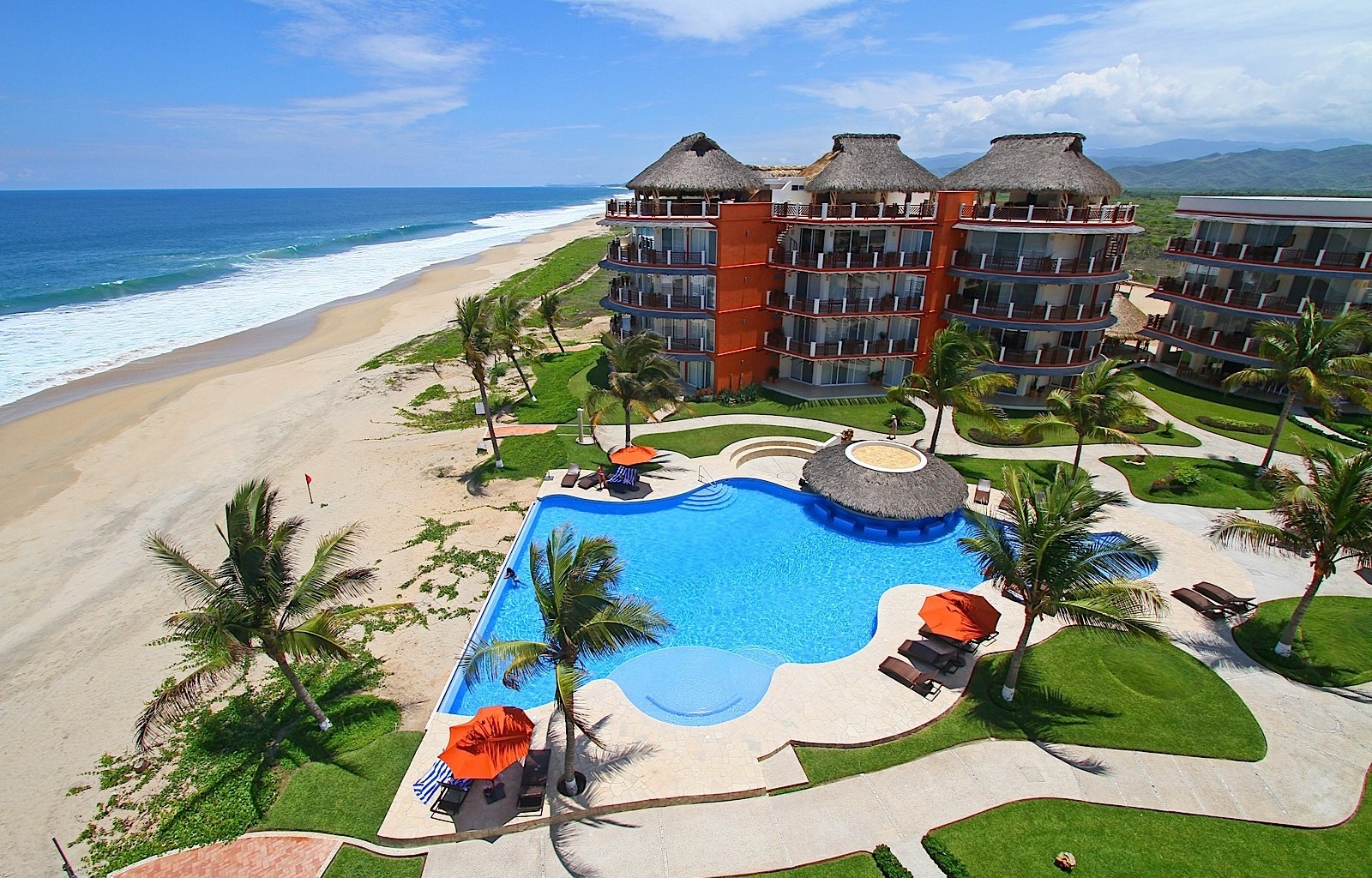
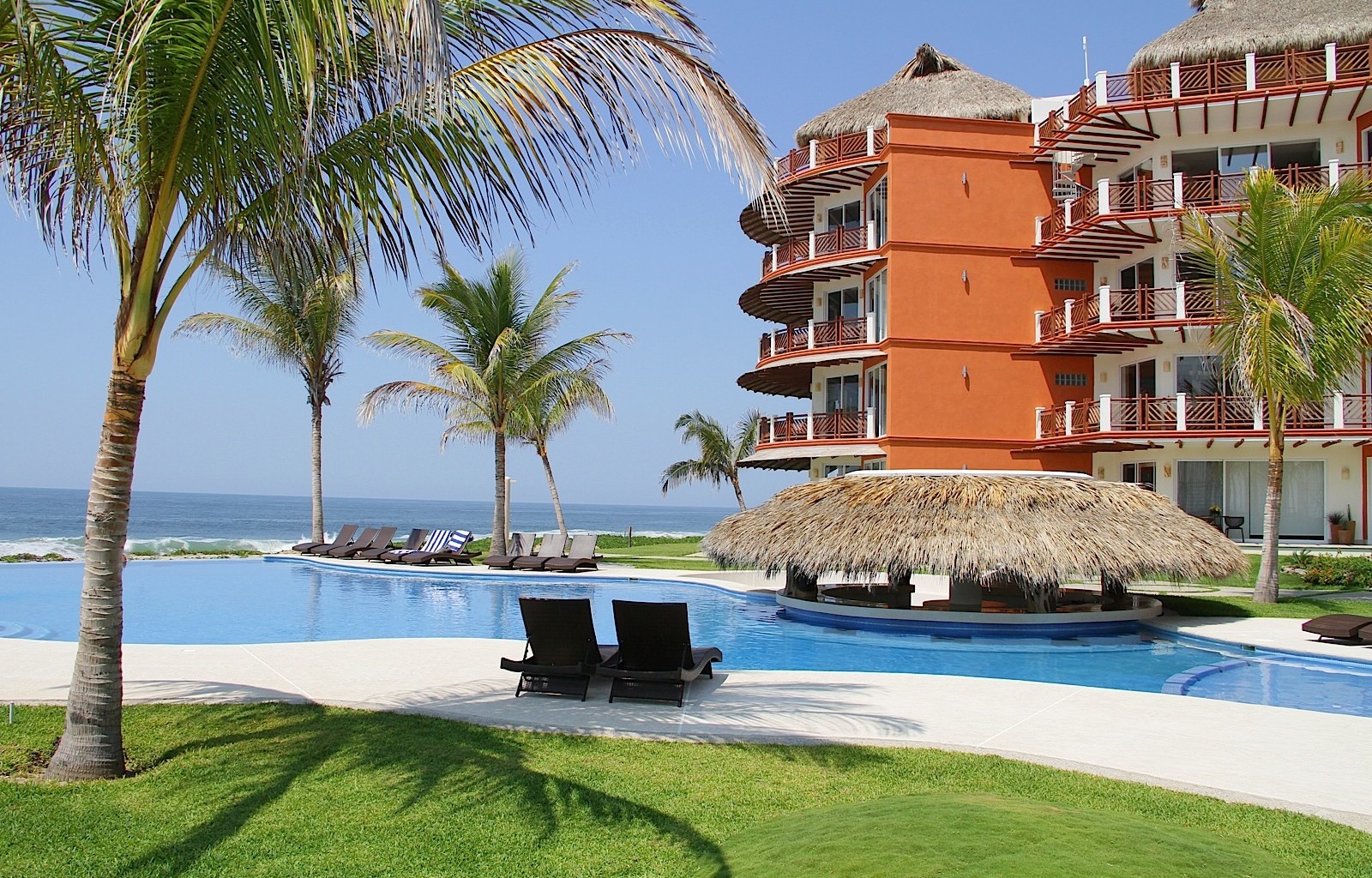
Back at Vivo Resorts, the rest of the day can stay deliberately simple. A swim in the pool, time in the spa or a quiet meal on the terrace provides contrast to the market’s activity. The resort’s ocean-view restaurants have their own culinary range, which is explored in the food lover’s tour of the dining venues.
The strongest day leaves enough energy for that unhurried return: market breakfast, time among the stalls, a local lunch and one change of scenery along the coast. The day to remember is the one that balances lively Oaxaca hospitality with the calm of Playa Palmarito.