How to keep kids entertained at the resort's family pools
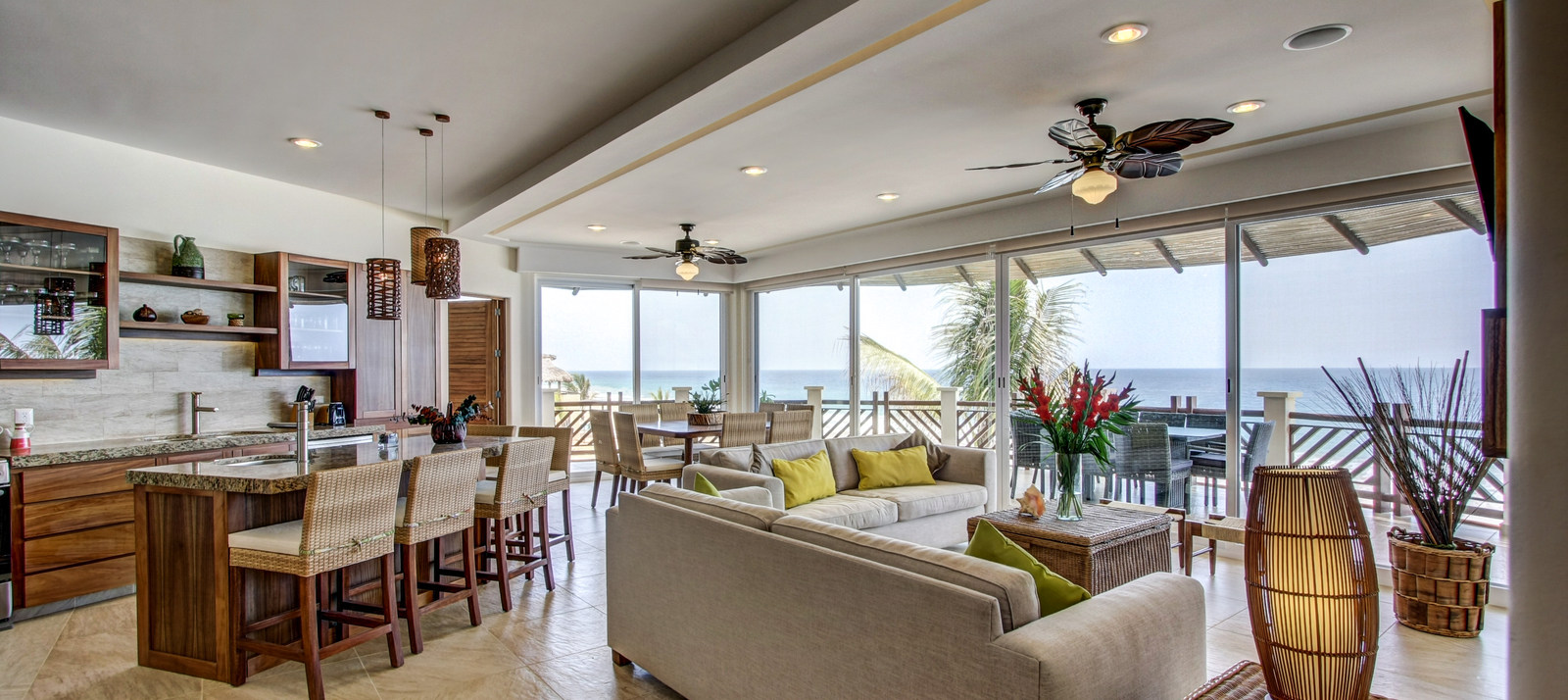
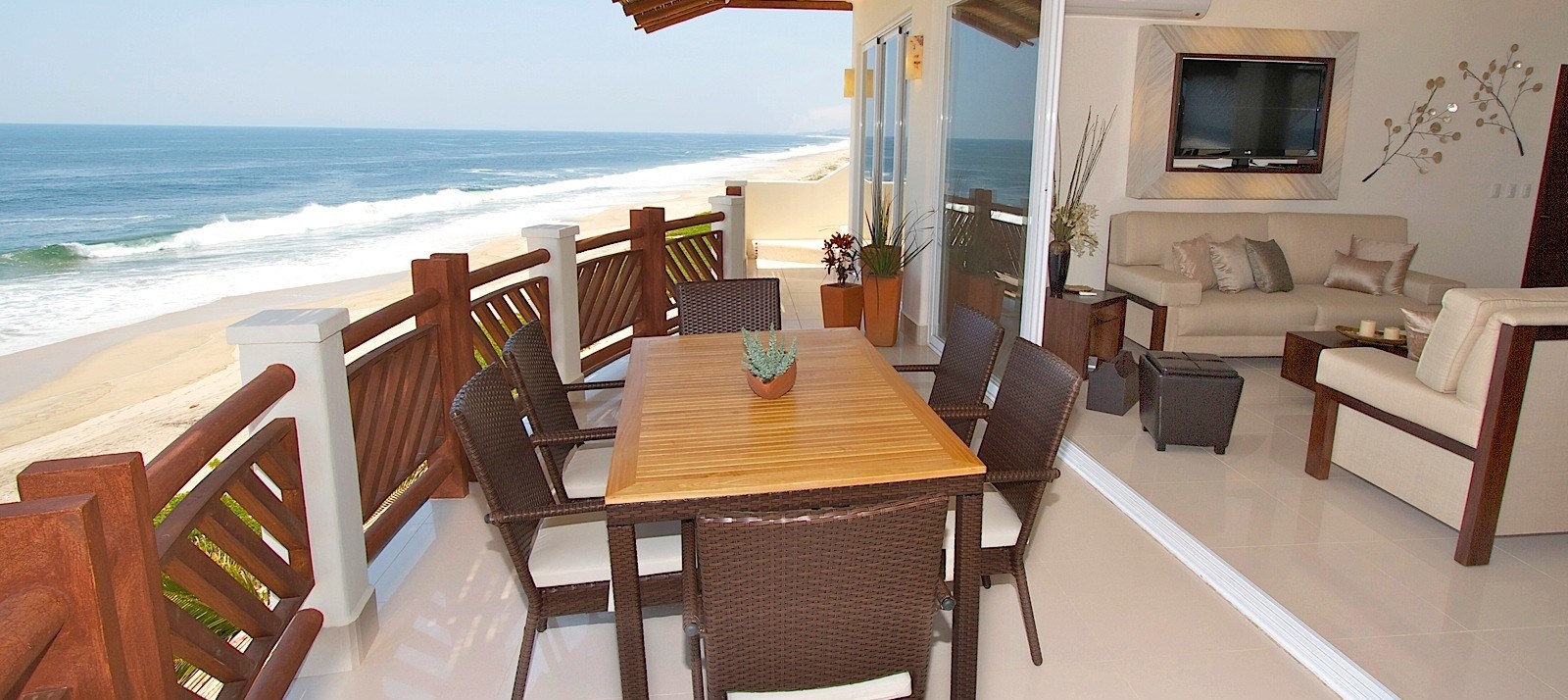
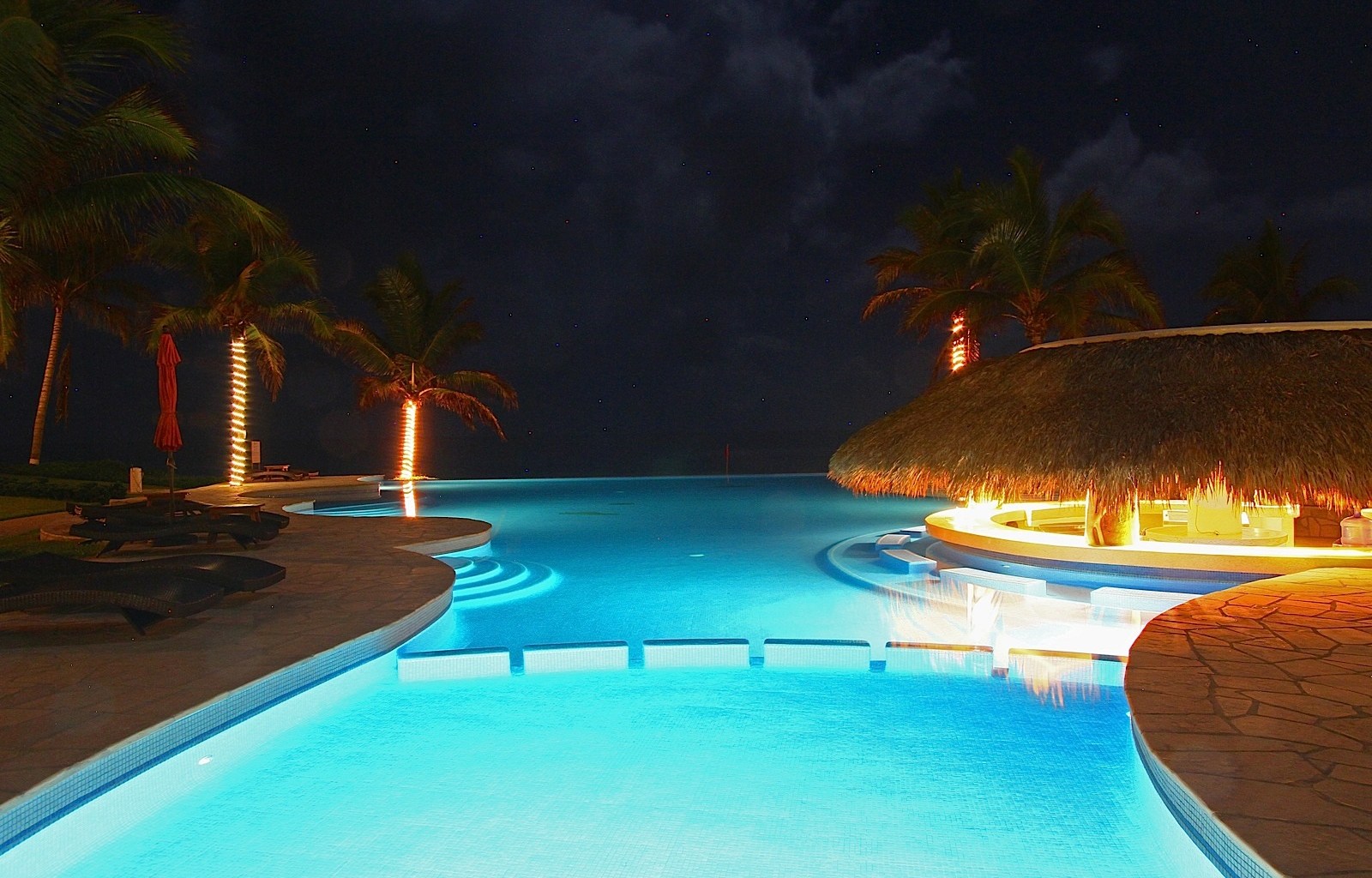
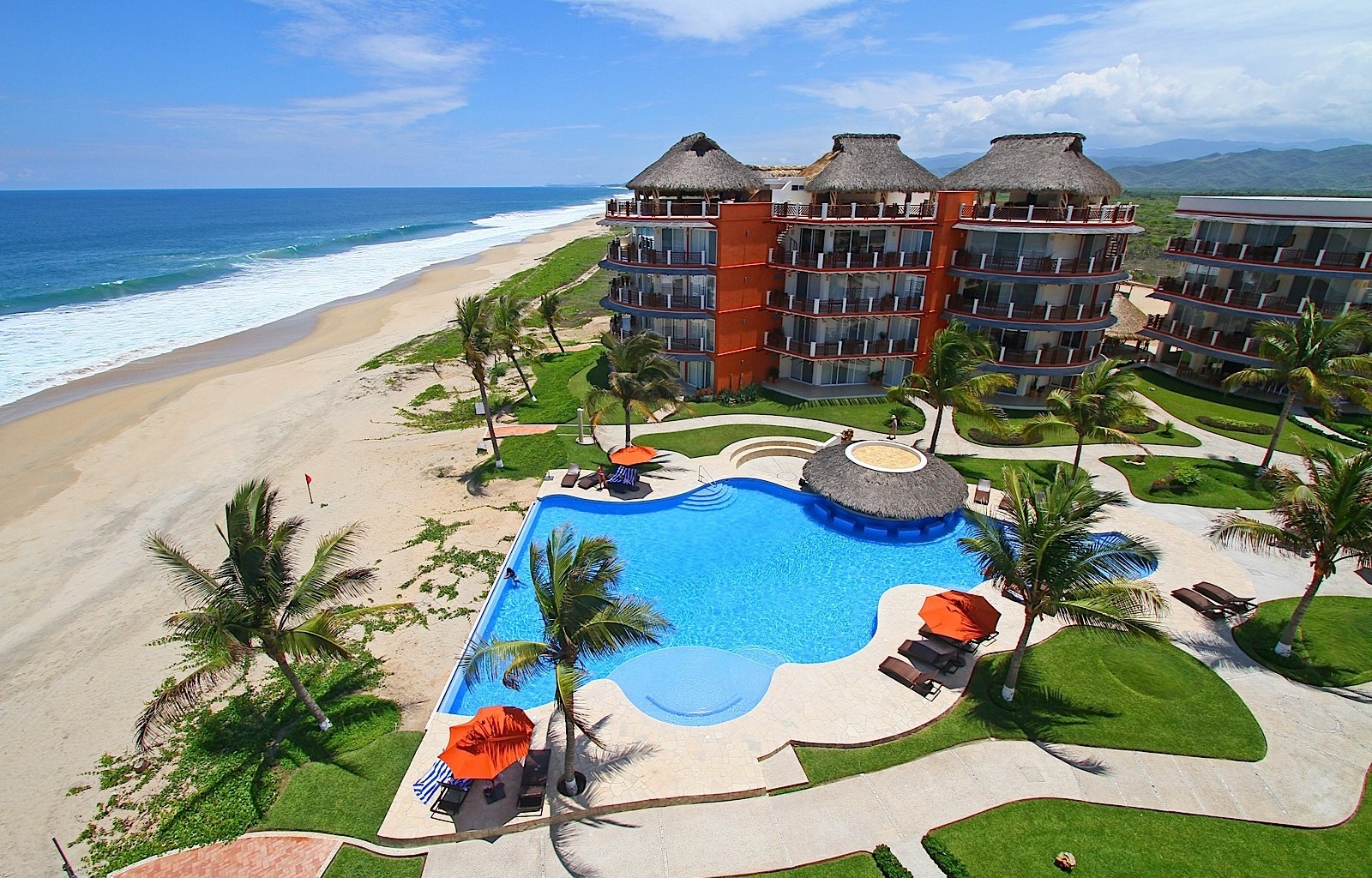
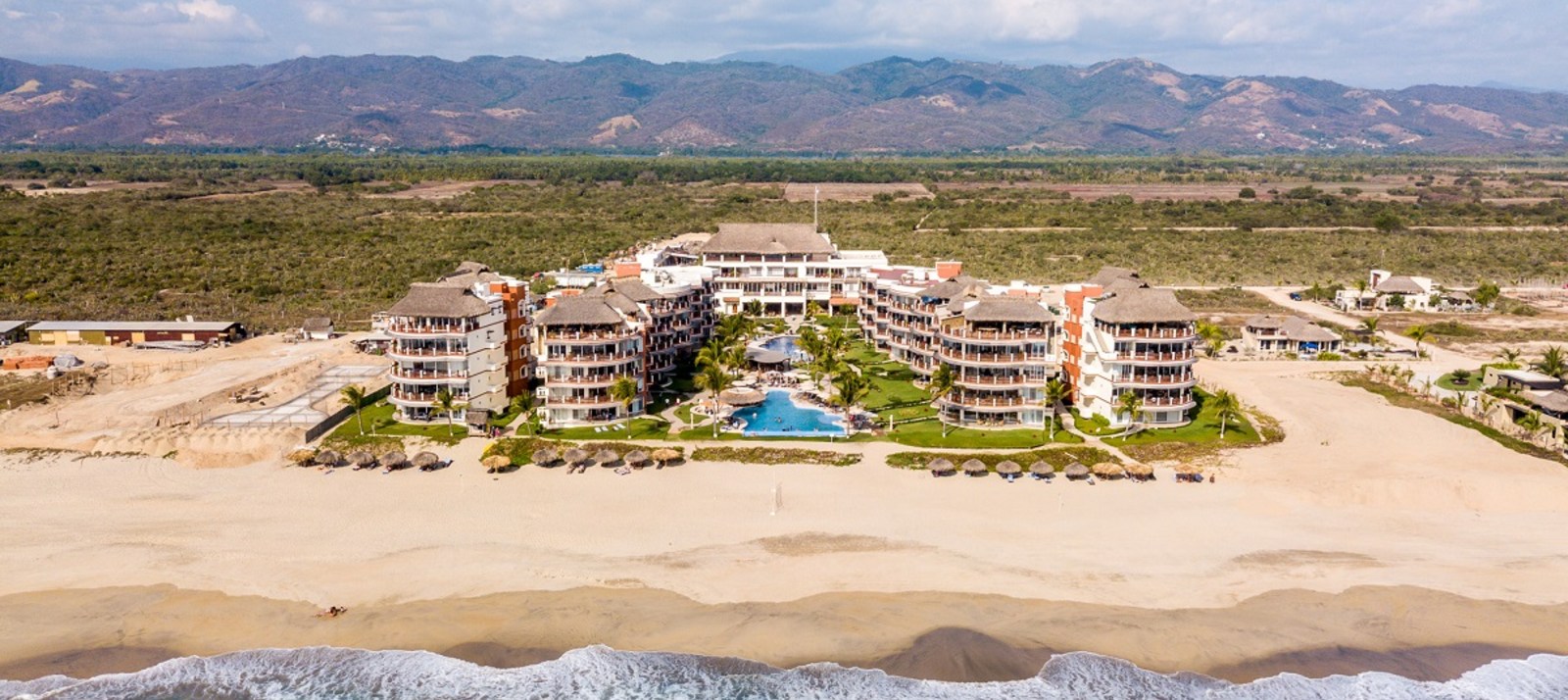
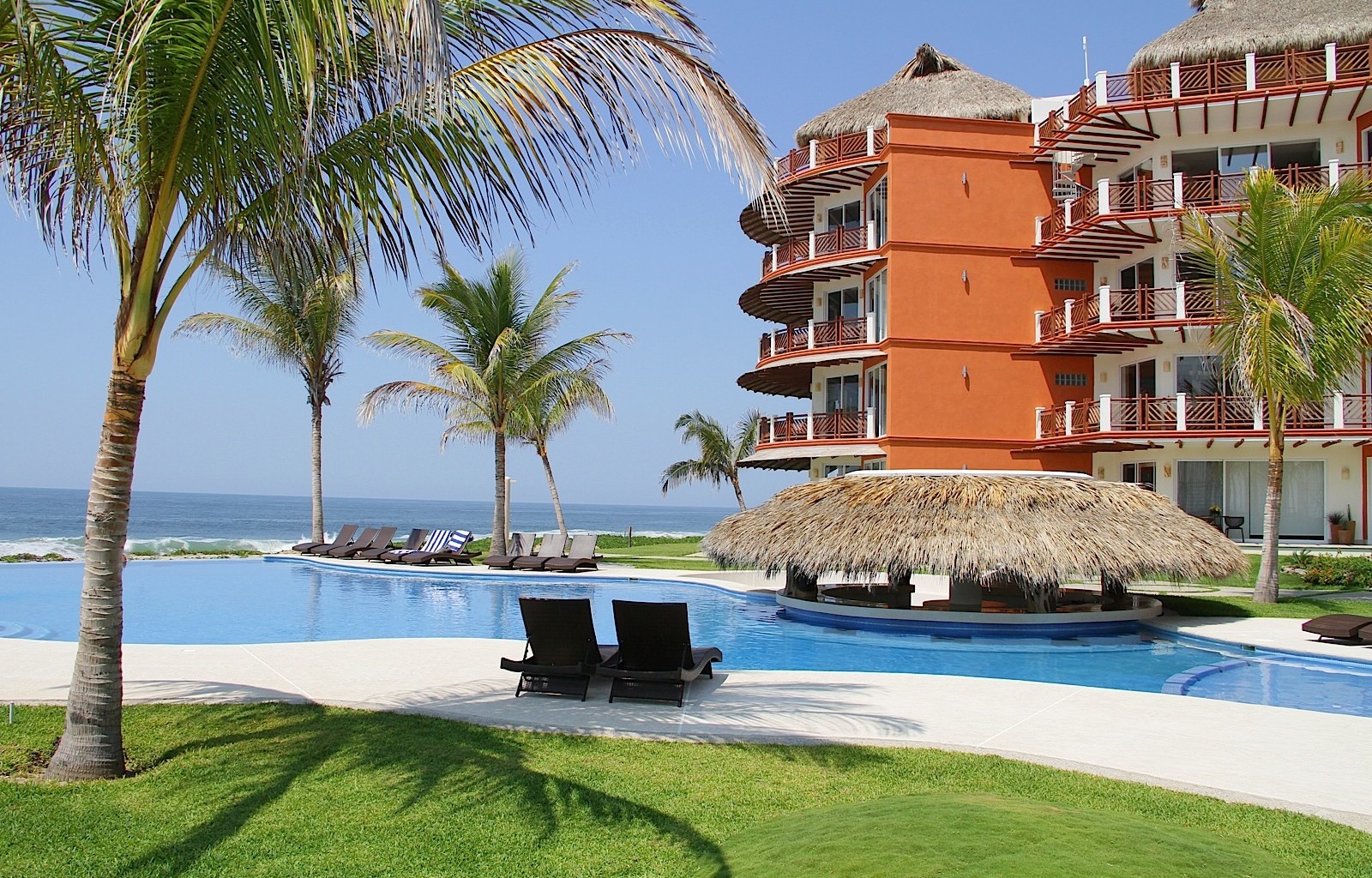
Keeping children entertained around Vivo Resorts’ family pools is easier when play follows a loose daily rhythm rather than a packed schedule. The all-suite beachfront setting near Playa Palmarito gives families space to move between water, sand and their own residence or private villa, so swimming becomes one part of a comfortable day rather than the entire holiday.
Australian families commonly plan holidays around summer school holidays, when outdoor swimming and easy meals become daily priorities. At destinations such as the Gold Coast, Sunshine Coast or Byron Bay, many are accustomed to patrolled beaches, marked swim zones and pools with shallow areas for younger children. Those expectations travel well, without turning a Mexican escape into a strict routine.
The relaxed Australian tone helps too: call the warm part of the day the arvo, use “no dramas” when plans change, and keep requests to children simple and direct. Children of different ages also want different things. A toddler may enjoy watching others and splashing, a school-age child may prefer games, and teenagers may need room to socialise.
Before arrival, ask which pools suit younger swimmers, what supervision is provided and where shaded seating is available. These details can change with weather and maintenance, so leave room to adjust. The aim is to give each child variety, familiarity and adult attention, not to organise every minute of a family holiday.
Build around the daily rhythm
A simple sequence prevents the pool from becoming an all-day challenge. Have breakfast, apply sunscreen and swim while the air is cooler, then return indoors for a rest. Older children can try a timed game, while younger ones explore at their own pace. A snack and a dry change of clothes give everyone a natural pause without making the day feel regulated.
By the arvo, heat often makes active play less appealing, so alternate short swims with reading, drawing or a shaded snack. Poolside games can be the reward between these quieter periods rather than the only entertainment. Keep the schedule in one place and let adults shift it when everyone’s energy changes.
Match the pool to every age
Choose the area that matches each child’s swimming confidence rather than sending the whole family to the same pool. Confirm whether a shallow section is available for beginners, and select a deeper area only when it is permitted and supervised as the resort advises. Teenagers may settle better with a game, a book or music beside the water instead of joining constant organised activity.
Explain the boundary before anyone enters the water, then let children repeat it in their own words. Australian families are used to clear beach flags and swim-zone habits, so use familiar terms such as “inside the line” and “ask before going deeper”. Keep personal float toys in use only under the agreed supervision; they are playthings, not a substitute for an attentive adult.
Bring games that need few instructions
Games work best when they need almost no setup. Pack a small set of waterproof cards, a soft ball, a notebook and a container for finding shells or sea-glass on the beach. A simple treasure hunt can bridge the pool and shoreline, while familiar card games and a quiet drawing challenge suit children who want a break from splashing.
Offer a choice between two activities rather than a long list, and let children take turns choosing. Give each game a clear end, such as completing three rounds, so nobody feels trapped. Avoid glass, sharp objects and electrical devices near the pool, and keep a dry bag for damp clothing, sunscreen and a small towel.
Make meals an easy part of pool time
Tired children are often hungry children, so build meals into the rhythm instead of waiting until a meltdown. Check the resort’s dining venues for suitable children’s portions, flexible serving times and options for allergies or dietary needs. Bring familiar snacks only if needed, and keep them in a shaded, reachable place so swimming can continue without a long wait.
Pool time also changes how a family eats. Let adults take turns over a snack or an early dinner rather than expecting everyone to leave together. For groups using more than one table, advice on coordinating group dinners can help with reservations, meal timing and keeping children’s seating needs clear.
Add variety beyond the water
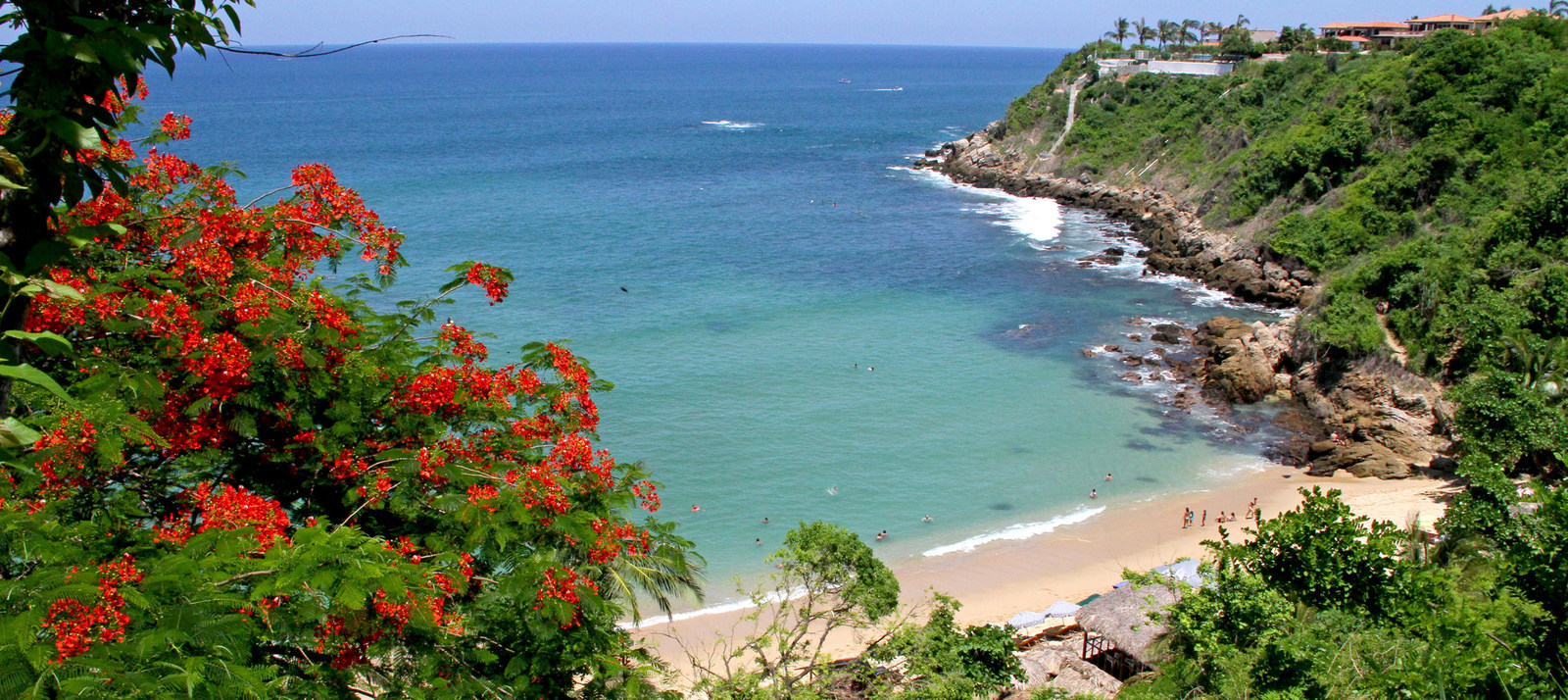
Add a change of scene after the second or third swim. Playa Palmarito, nearby beaches and Puerto Escondido offer options for family excursions along Oaxaca’s coast, while the beach itself is right outside the hotel. Check the weather, transport and age suitability before splitting the group, then use the outing to introduce a new activity rather than adding another obligation.
Some children will not want to join every excursion, so identify a familiar adult who will stay with them and agree on a simple activity. The resort’s full-service spa gives adults another option when they can be released from supervision. After the final swim, try to recreate a spa experience in a suite for a quiet reset close to the family.
Protect energy, skin and confidence
Sun protection needs a plan of its own. Apply sunscreen before pool time, reapply as directed, and choose shade whenever possible. Australian families are accustomed to rash guards and frequent water breaks in summer, so pack those familiar pieces alongside hats and swimwear. Offer water often, especially after active play, because thirst can be easy to overlook.
Check the day’s pool rules and any weather warnings before the first swim. Agree on one clear meeting point in case anyone becomes separated, and keep an eye on younger children even when others are nearby. Stop when a child becomes cold, overheated or frustrated; a short break at the suite often works better than pushing through tiredness.
A good pool day at Vivo is varied rather than perfectly scheduled: familiar games, time to splash, satisfying meals and enough shade to recover. Before departure, write each child’s age, favourite activity and swimming confidence on one card in your phone, then use that card to confirm the family-pool arrangements with the resort.