How to Capture Sunrise Photos at Vivo Resorts
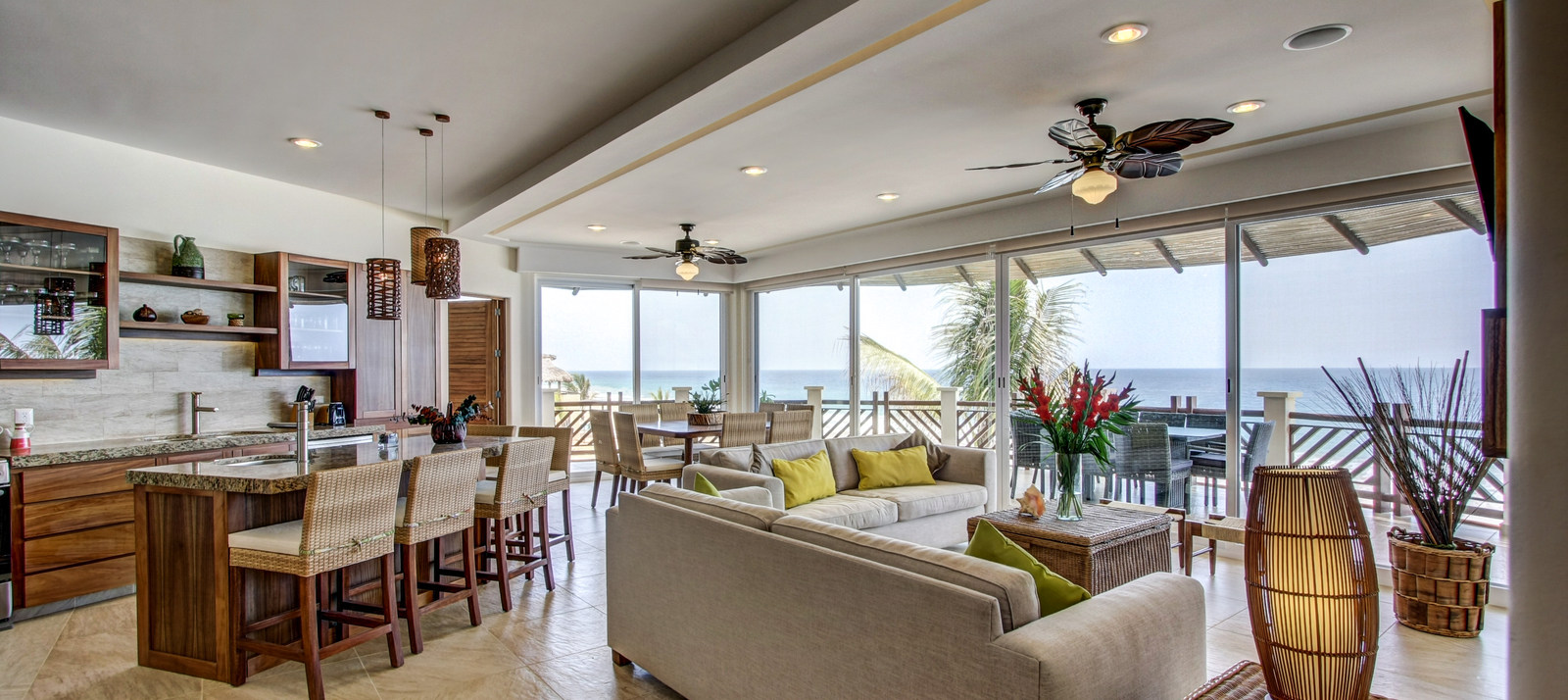
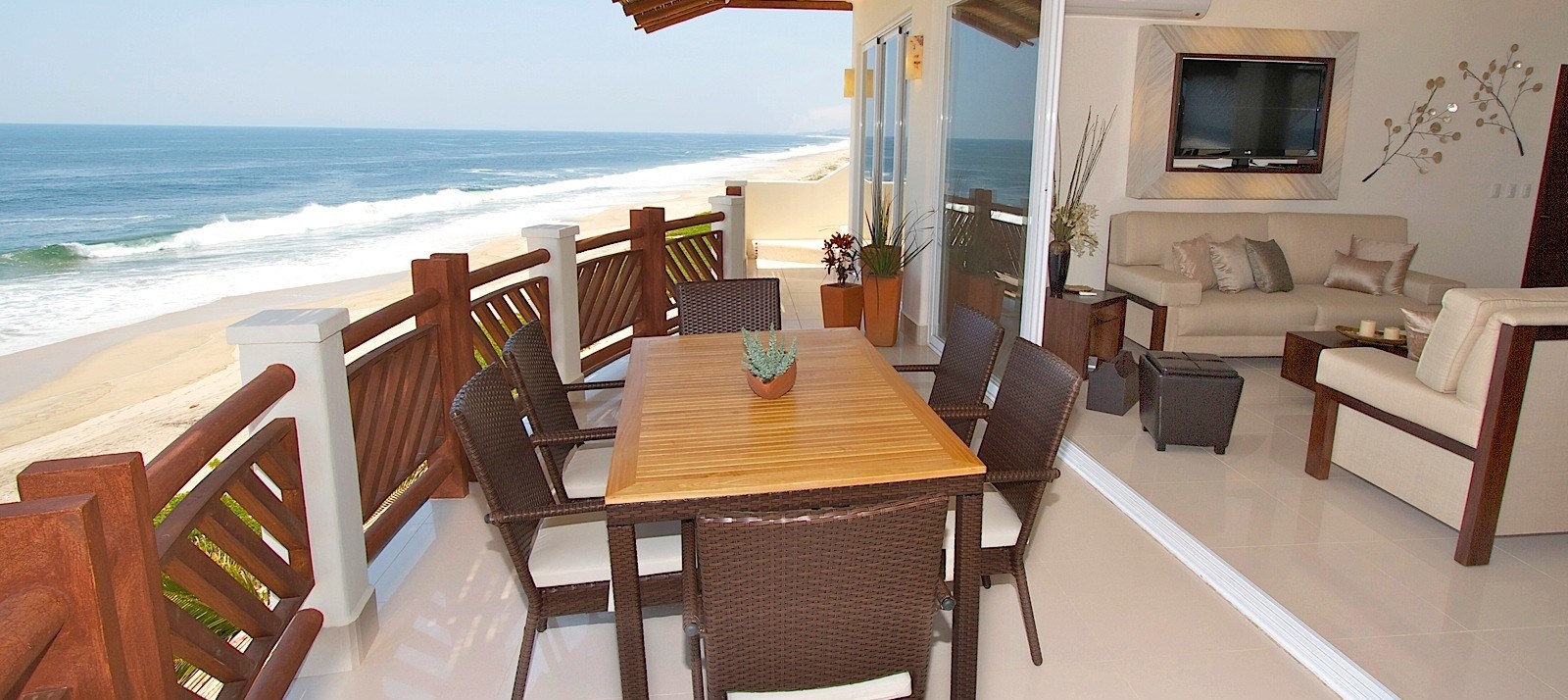
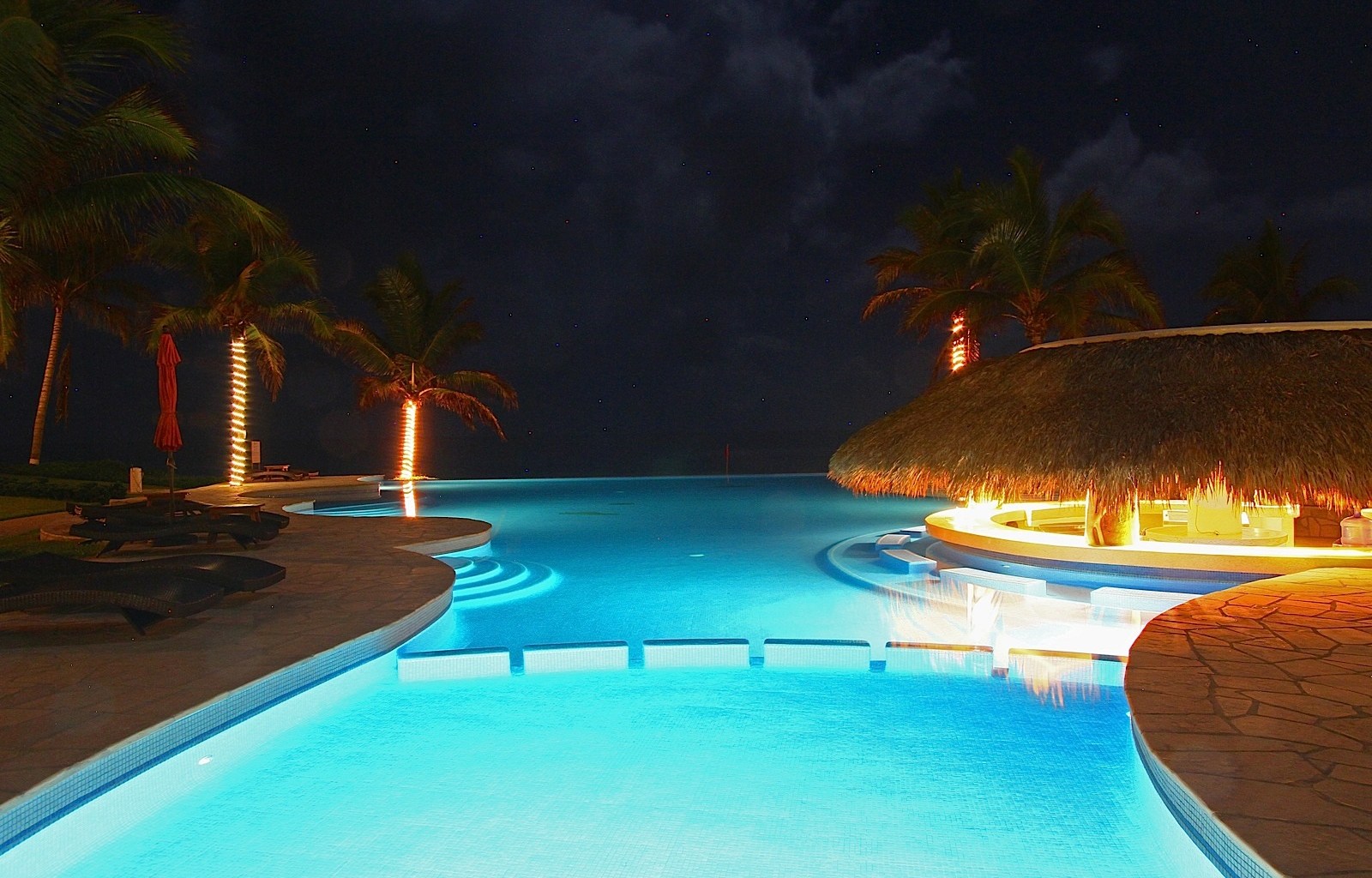
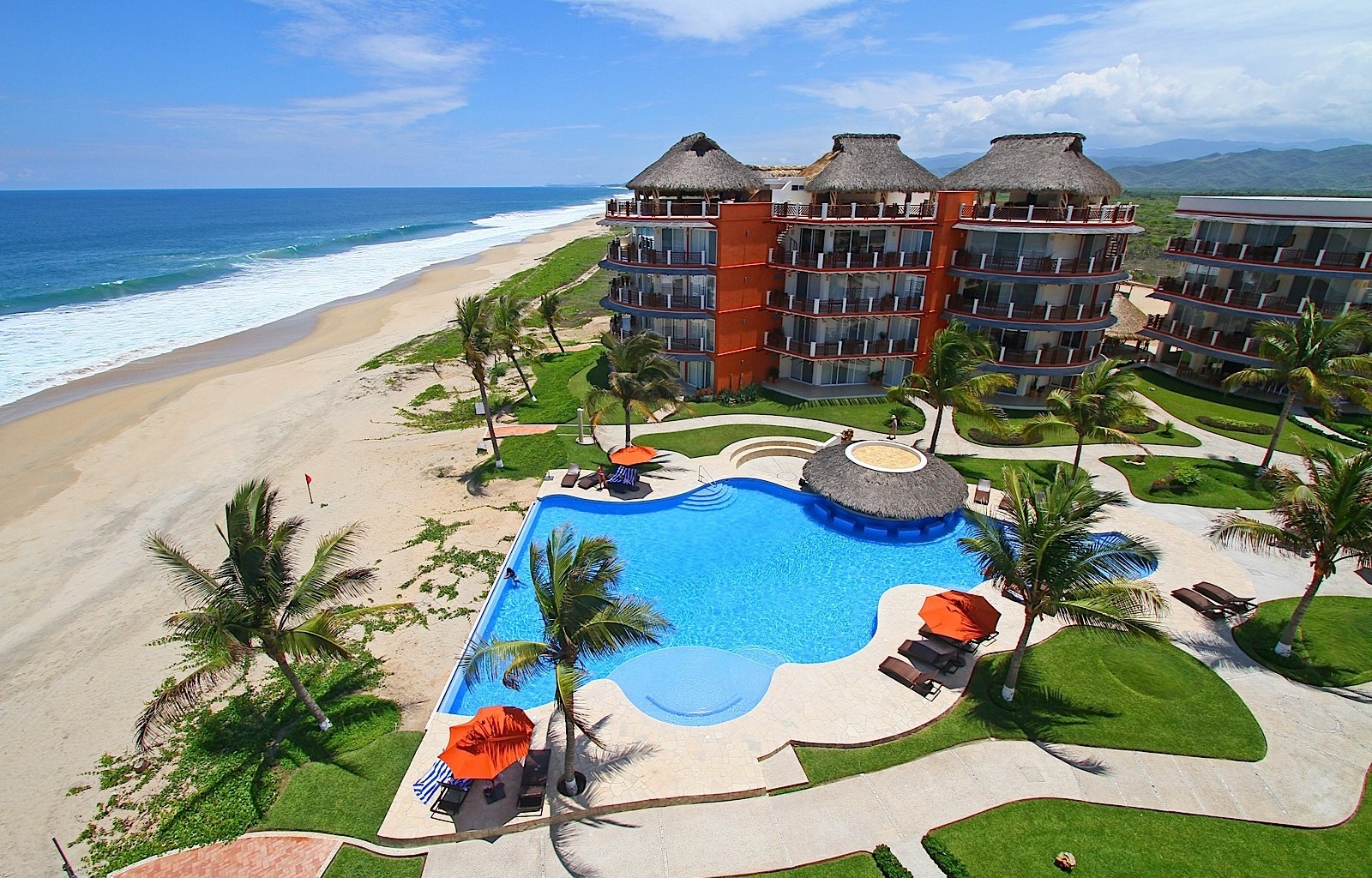
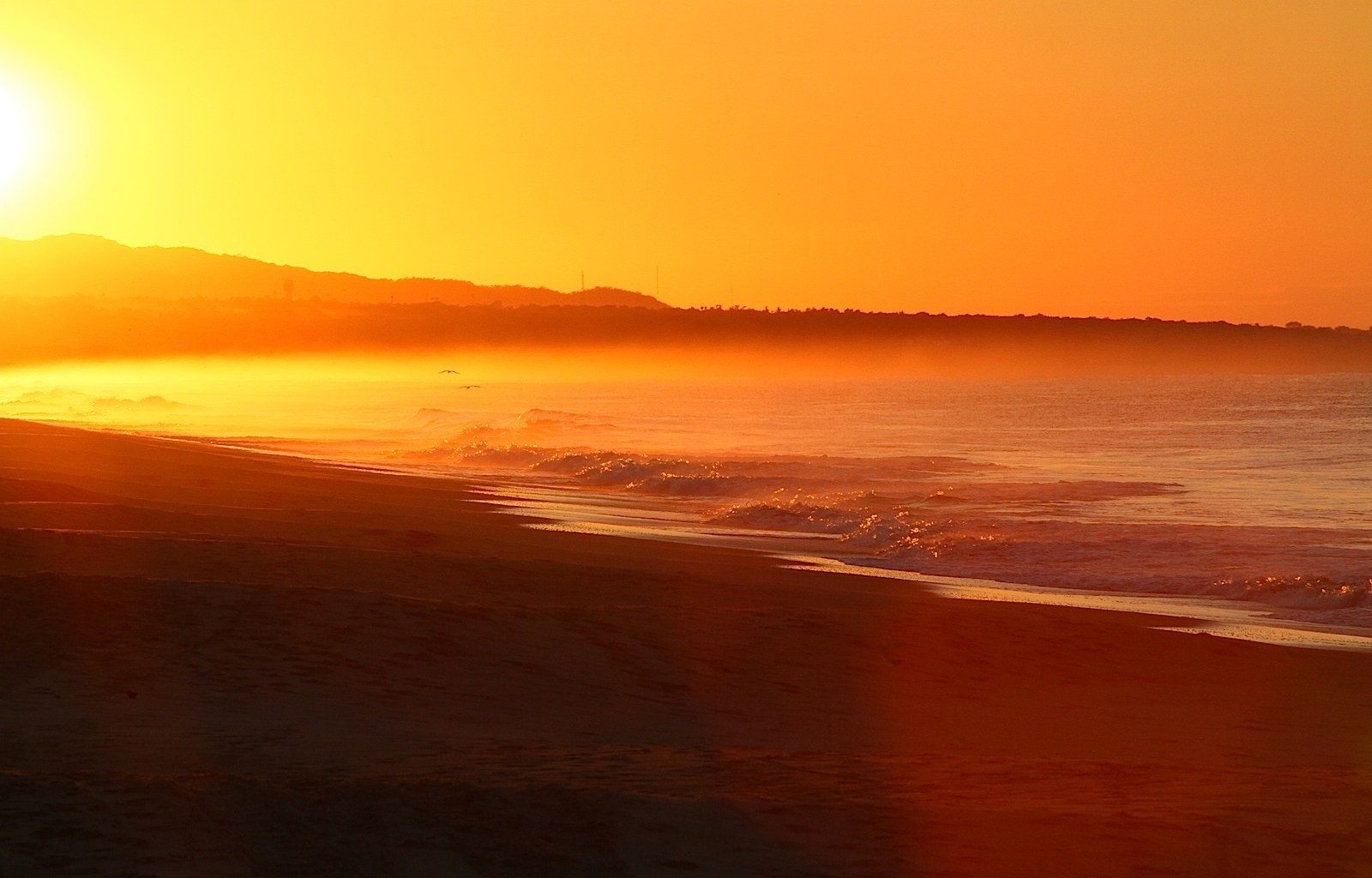
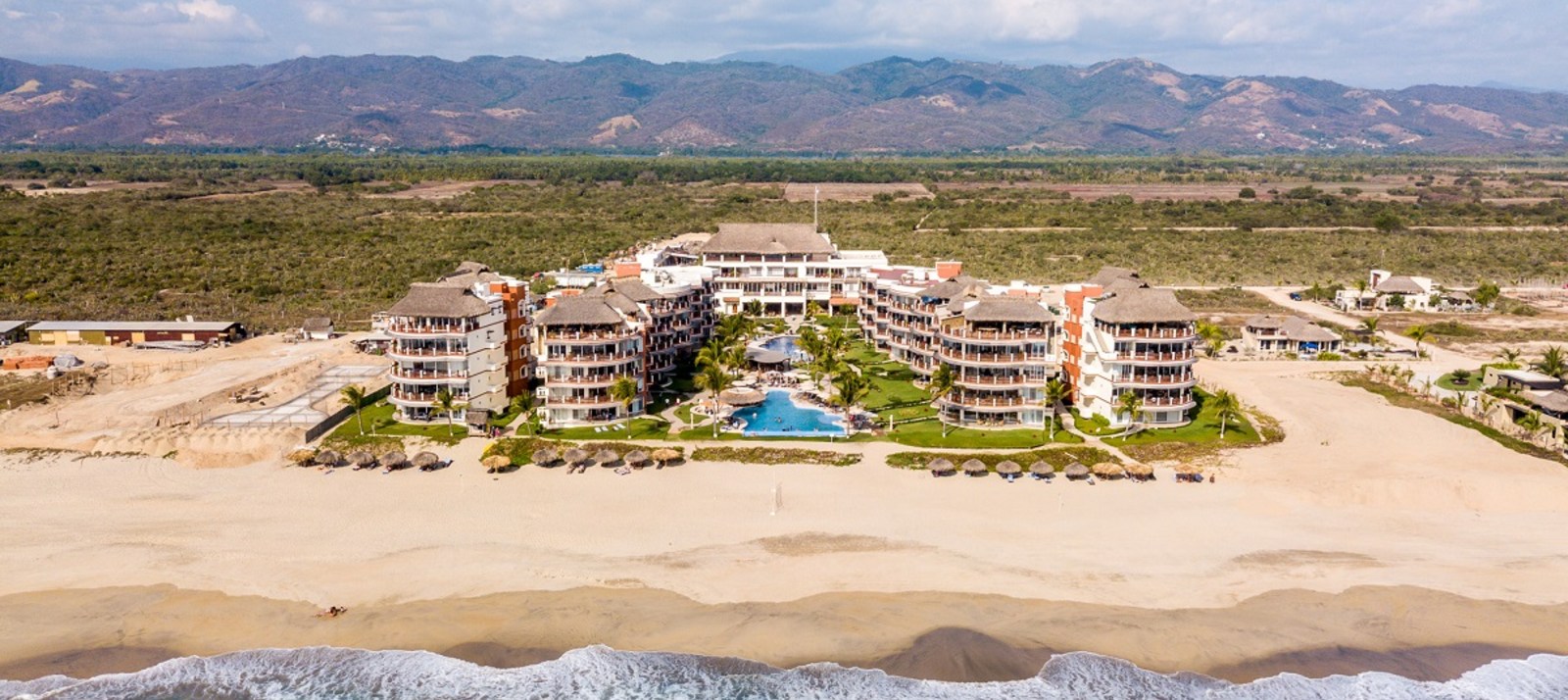
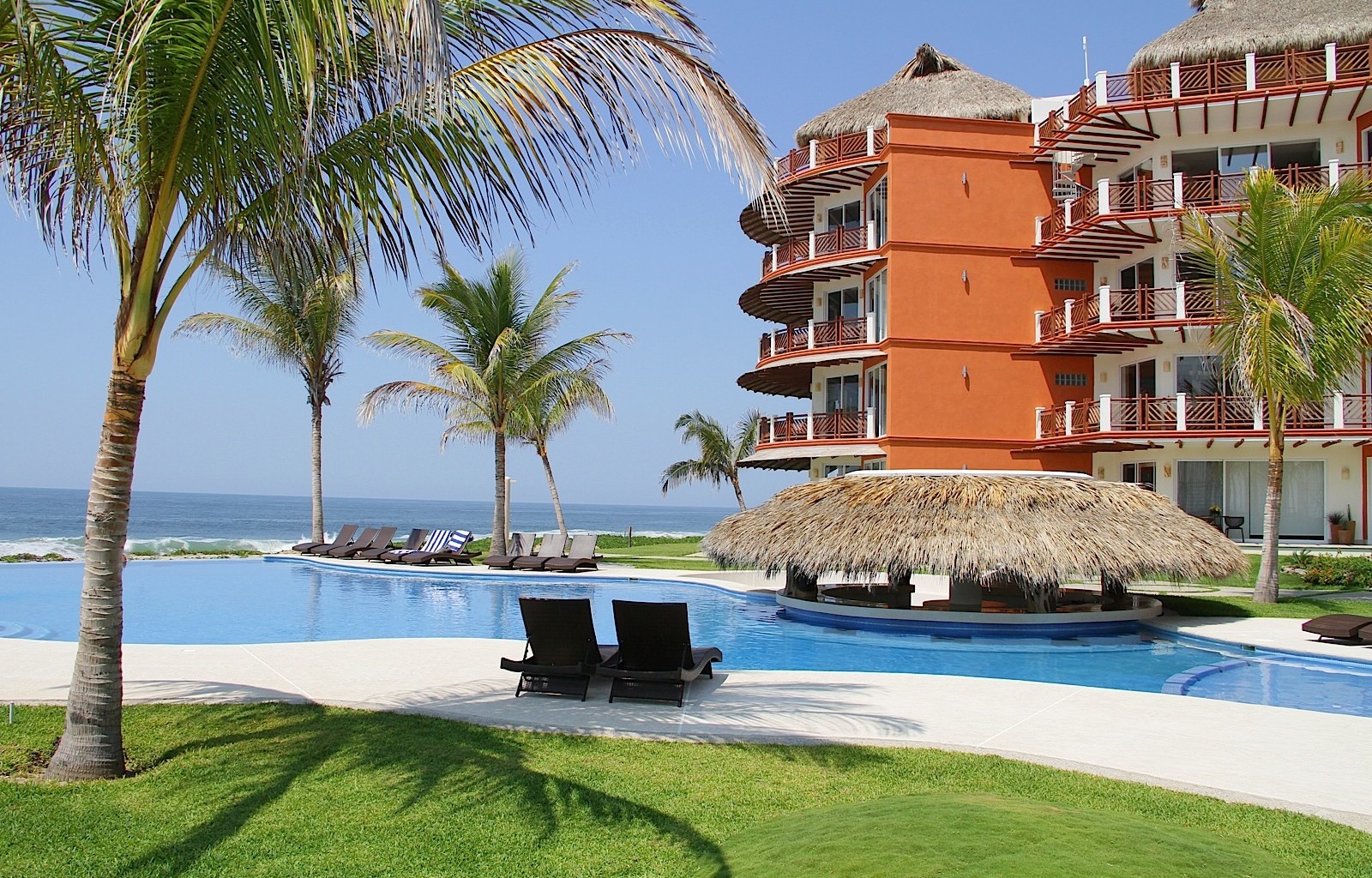
Vivo Resorts sits on Playa Palmarito near Puerto Escondido, where the all-suite beachfront property pairs ocean views with private villas, pools, dining and a spa. A practical approach to how to capture the perfect sunrise photo from the resort’s east-facing suites is to treat dawn as three stages: blue hour, first light and full sunrise.
Preparation starts the night before. Clear a space beside the bed for your camera bag, check the balcony doors, identify the best position for a tripod and set an alarm. Keeping the camera ready prevents the rich colours and brief opening of the sun from passing unnoticed.
Australian visitors often arrive from Sydney, Melbourne or Brisbane with familiar travel cameras and a compact tripod. A clean, balanced frame might earn an enthusiastic “beaut”, while an unexpected cloud cover can be met with a reassuring “no worries” rather than disappointment.
The resort’s spacious residences also make it possible to alternate balcony photography with breakfast, pool time or spa appointments. If the weather obscures one sunrise, another morning during your stay provides a fresh chance without leaving the property.
Find the best angle from your suite
The curve of Playa Palmarito matters because the visible horizon changes with each building position. Some east-facing rooms look toward a point of land, while others include a cleaner slice of ocean. Use a wide lens to establish the view, then try a longer focal length for a tighter composition with more visual compression.
Arrive while it is still dark and inspect the balcony carefully. Railings, palm fronds, nearby villas and reflections in the glass can all interrupt the shot. A lens cloth and a small step stool are often more useful than extra equipment, allowing you to frame cleanly without leaning against furniture or leaving marks on the glass.
Set the camera while the room is dark
Switch to manual exposure, RAW capture and daylight white balance before the sky begins to brighten. An initial setting around ISO 100, f/8 and 1/125 second provides a dependable starting point, but check the histogram as the light changes and raise the ISO if the foreground becomes too dark.
Bracketing three exposures at roughly two stops below, level and above the meter gives you more latitude when the sun and coastline differ greatly in brightness. Protect the sky’s colour without losing detail in the sand, balcony or distant hills. If you are using a phone, lock focus and exposure on the horizon, disable the flash and use HDR where the camera supports it.
Oaxaca observes Central Standard Time throughout the year, so local sunrise does not change with daylight saving. Set your watch and camera clock carefully, particularly if they were previously configured for an Australian time zone, and test the remote release before relying on it in the dark.
Work with the changing light
Blue hour offers the best chance for soft colour, gentle gradients and a photograph that feels less like a straightforward landscape. Try one frame with the sun outside the image, then widen the composition when the disc appears. Exposure may need to increase as the sky brightens, so review each frame rather than relying on settings chosen hours earlier.
Thin clouds can create dramatic bands of gold and pink, while a completely clear sky may produce a harder transition between the bright sun and darker foreground. Wait for gaps when possible, but keep the camera active because tropical conditions can change quickly. Patience is often more valuable than switching locations.
Look for layers rather than centring everything on the sun. A horizon line, distant headland, flowering plant or balcony edge can give the photograph depth. Include people only with their permission, and leave enough quiet space around a silhouette to keep the final image calm and uncluttered.
Build the morning around resort life
Check pool, restaurant and spa opening times before setting your alarm, then reserve the first part of the morning for photography. A later breakfast works well after the blue-hour session. Families can photograph together once the light strengthens, while guests attending a wedding should coordinate with the planner before entering private areas or repositioning decorations.
Australian mobile plans differ, so Telstra, Optus and Vodafone customers should check their Mexico roaming inclusions before departure. Download offline maps and carry a charged power bank, particularly when using data for navigation. Australia’s nominal 230–240-volt supply also differs from Mexico’s 110-volt system, so check appliance labels and bring a suitable Type I plug adapter or all-plugs adapter.
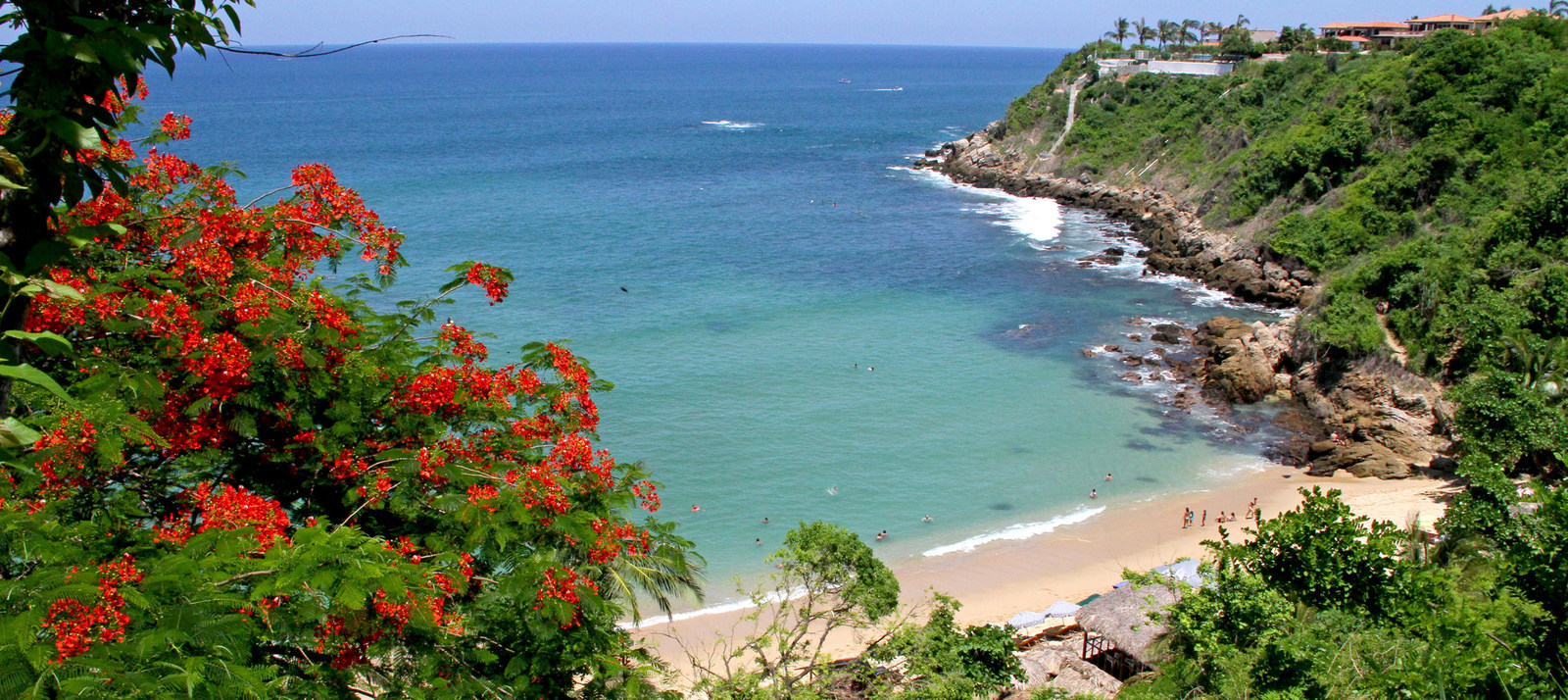
If you want to experience more of the surrounding area, this guide to combine beach and culture offers a useful approach to balancing local excursions with time beside the Pacific. Schedule demanding tours for the afternoon so the dawn remains your most important photographic priority.
Use a car only when it improves the shot
A useful starting point is this explanation of driving from Puerto Escondido, which covers the journey towards Playa Palmarito. A car can provide access to coastal viewpoints and nearby beaches, but driving before dawn introduces traffic, fuel and navigation concerns that may outweigh the benefit.
Australians are accustomed to comparing rental-car prices, excess waivers and roadside assistance, so check the Mexican rental market with the same care. Confirm liability coverage, tyre conditions, fuel policy and what happens after an accident. Carry both your Australian licence and an International Driving Permit as backup, and check the rental company’s requirements before booking.
Both Australia and Mexico drive on the right, but road markings, surfaces, speeds and local traffic habits differ. Do not attempt a long coastal drive while tired after an overnight flight. For a sunrise session, a prearranged hotel transfer or a rested driver may be the wiser choice.
Edit carefully and keep the file safe
Begin with the strongest bracketed exposure rather than applying heavy effects immediately. Correct the white balance, recover modest highlight detail, adjust shadows and add restrained contrast. Lens correction and a slight crop can remove distracting edges, but the colour of the real Pacific dawn should remain recognisable rather than becoming unnaturally saturated.
Protect the original files with redundant backups. A second memory card, laptop or portable SSD is inexpensive insurance, and spare batteries are essential if the balcony is cooler than expected. Keep equipment away from splashes, salt and humidity, then wipe sand from the camera before changing lenses.
Before dinner tonight, open the resort map, identify your balcony and one nearby safe shooting position, then set an alarm for eighteen minutes before local sunrise. Charge the camera, clear the memory card and place the tripod beside the door.