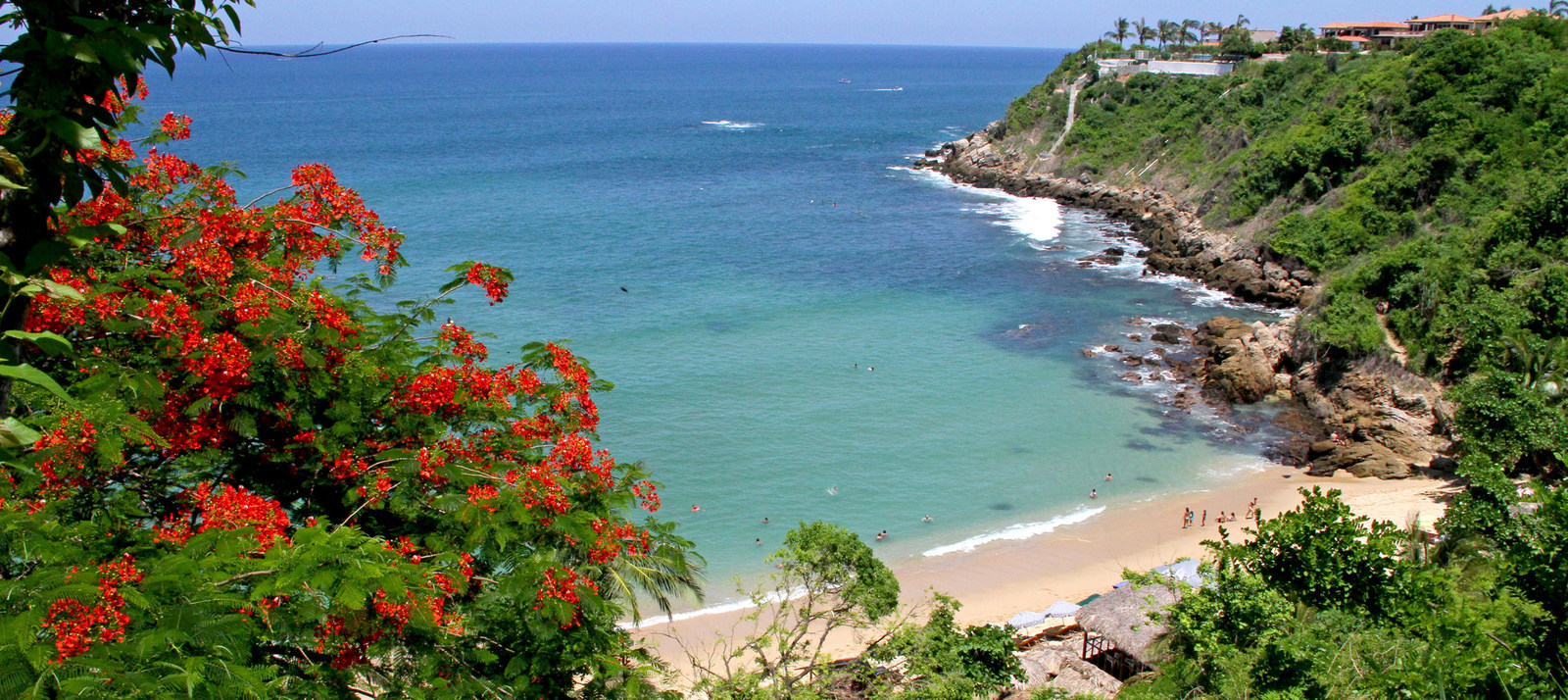
Private Boat Transfers to the Chacahua Lagoons
A private boat transfer from Playa Palmarito to the Chacahua Lagoons is a convenient way to exchange the Pacific coast road for open water and sandbar scenery without giving up a comfortable hotel base. Depending on the pickup point, a speedboat crossing can take around 30 to 50 minutes, subject to sea conditions.
Guests can arrange the journey for a same-day lagoon visit, a longer beach outing or one leg of a coastal itinerary. The important distinction is between a genuine private charter and a seat on a scheduled group boat; quotes, routes and flexibility may differ substantially.
Choose the route and departure point
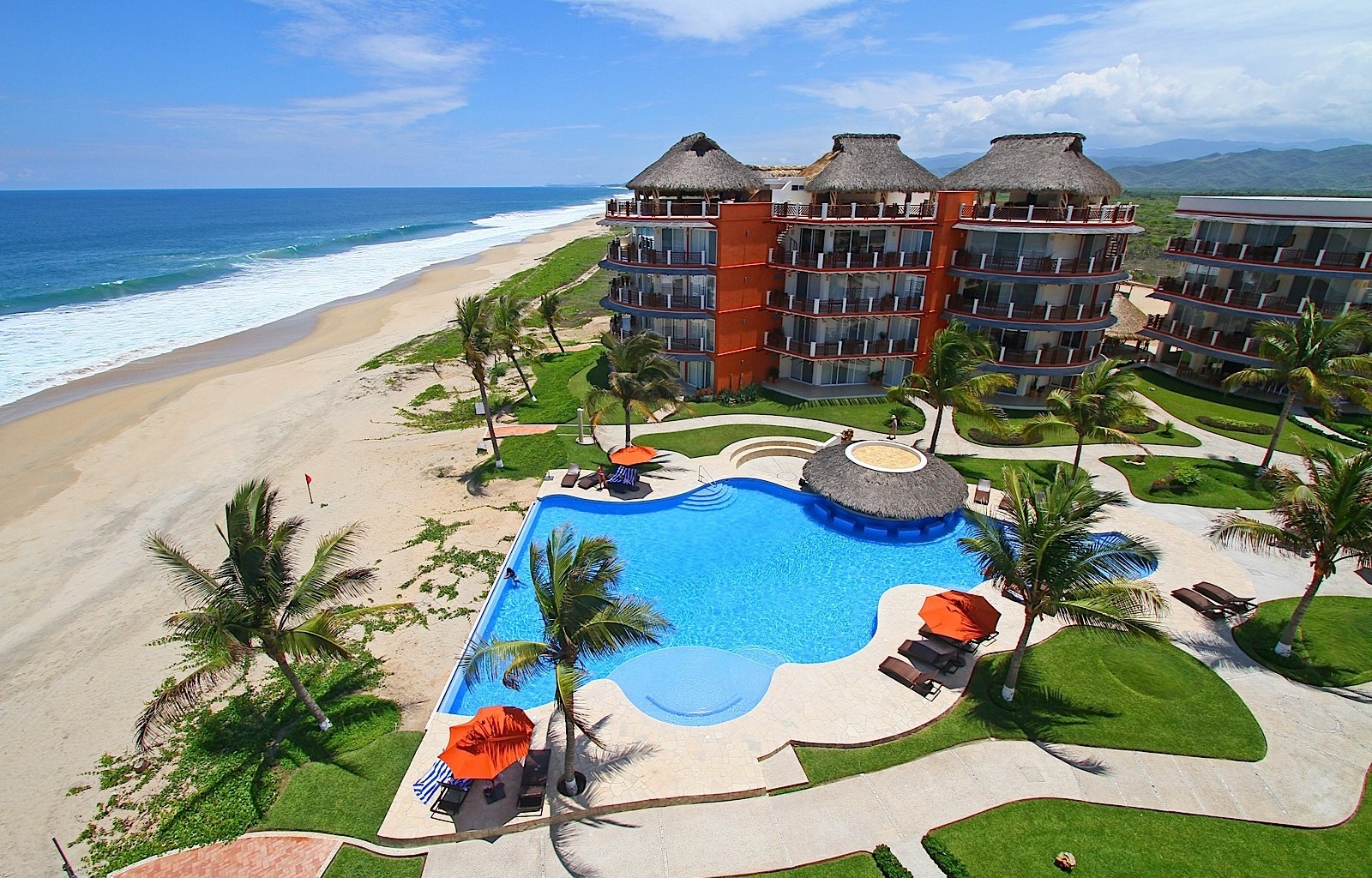
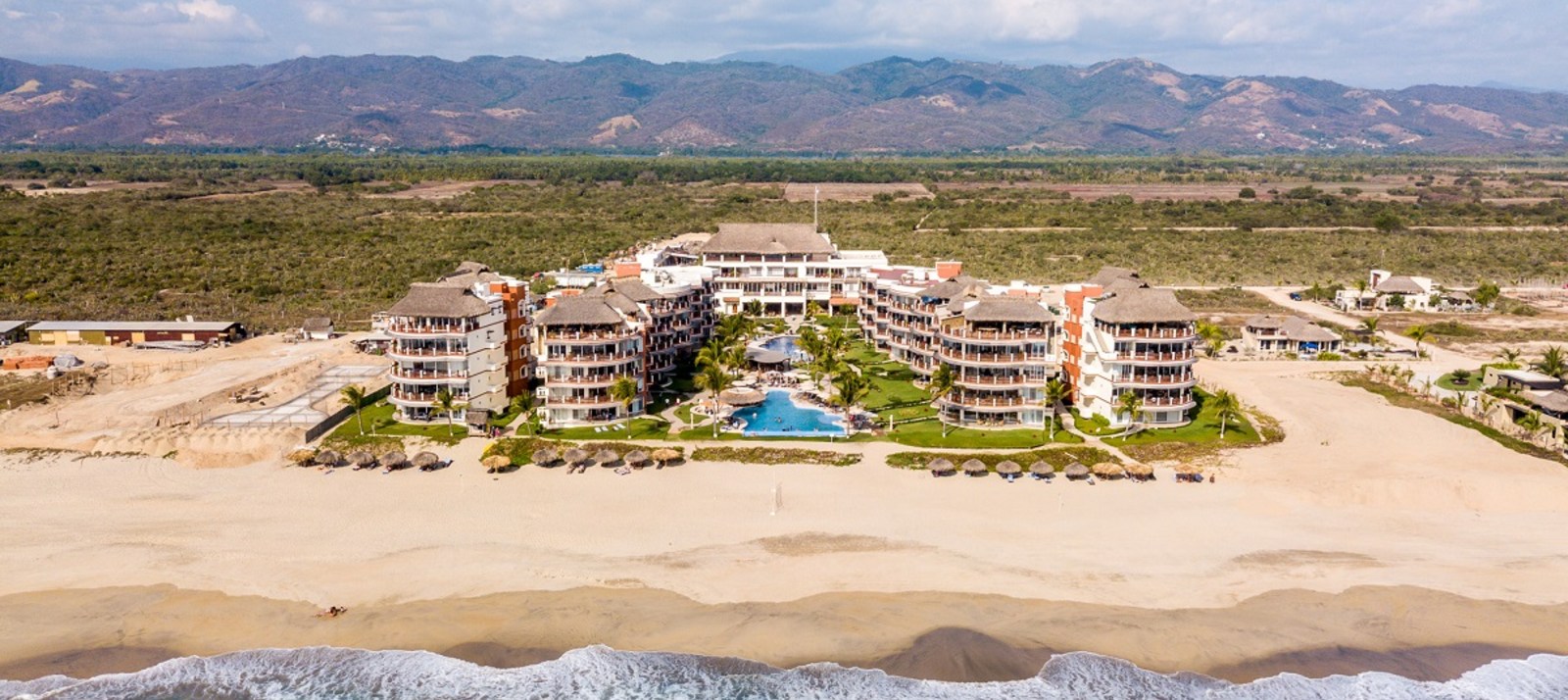
Playa Palmarito sits just south of central Puerto Escondido, so guests can be collected from the resort or, where offered, the airport. Confirm that the quoted price includes hotel or airport pickup rather than a meeting point in town; that detail can add useful travel time.
Some operators run a direct speedboat to the lagoon entrance, while others combine a road journey to La Puntada with a smaller boat across the lagoon. The road option can take roughly 2½ to 3½ hours, depending on traffic and the exact drop-off, and may suit travellers who prefer to see the coast on land.
Ask precisely where the boat will leave you: at a village landing, an anchorage near the sandbar, or a beach where a local panga makes the final hop. Direct water transfers are exposed to Pacific swell, so the operator should check conditions and tides. Australian families travelling in December and January should book early, as those dates coincide with Christmas, Australian school holidays and a busy peak season.
Know what your private charter includes
A private charter should give you the boat, skipper and agreed itinerary for your party rather than a guaranteed place on a larger excursion. It can be worth paying for privacy, an earlier start, extra swimming time or a flexible drop-off, but the inclusions need to be written down.
Before paying, confirm:
- The exact pickup location, time and name of the transfer company.
- Whether the quote covers the crossing, lagoon-side drop-off, fuel, port fees and waiting time.
- Total passengers, luggage capacity and flotation equipment for children.
- Deposit, cancellation terms and the procedure if weather prevents the crossing.
Ask whether the lagoon-side stop is included if the main vessel must anchor offshore, and whether drinks, lunch, port charges or gratuities sit outside the quoted amount. Child passengers should be included in the passenger count from the outset so the skipper can provide the correct flotation equipment.
Coordinate timing with your resort
Resort concierge desks are useful for checking local operators, arranging the vehicle and making sure that a flight delay or meal schedule does not clash with the boat. For a group or wedding party, group travel coordination can organise transport and shared activities around the same departure window.
Timing is easier when the pickup address, boat name and skipper’s contact are all confirmed. Mexico uses Central Time, while Sydney and Melbourne are generally 16 to 17 hours ahead depending on daylight saving. English is often understood in tourism settings, and a simple “por favor” is appreciated; an Australian “no worries” may fit a casual conversation, but it is no substitute for reconfirming a time-critical meeting.
Leave a generous buffer for vehicle collection and arrive with the booking reference ready. Local operators may have a narrow departure window because of weather, tides and the boat’s onward schedule, so a delayed transfer can affect the rest of the day.
Plan costs, documents and contingencies
Tourism quotes are often in US dollars, while fuel, port fees and small local purchases are usually paid in Mexican pesos. Australian cards generally work at established hotels and operators, but foreign transaction fees can apply. Ask for the total in pesos and check your bank’s rate; if a terminal offers conversion into Australian dollars, compare it with the card issuer’s rate before choosing. Some cash is useful away from the main resort strip.
Keep these practical details together:
- The quoted currency, total payable amount and any card surcharge.
- Passport, entry permit and onward-travel checks for the specific arrival method, using current Australian Government advice.
- Insurance covering the boat ride, medical treatment and emergency evacuation.
- Offline booking confirmations, the operator’s contact details and Mexican mobile data or roaming arrangements.
A backup land transfer is sensible when the sea forecast is uncertain, although it changes the timing of the day. Ask the operator who makes the weather decision, how much notice you will receive and whether the deposit can be moved rather than lost if the crossing is postponed. A Zicatela day itinerary offers useful context when combining nearby beaches and excursions with the lagoons.
Make the most of the lagoon crossing
Once on the water, the lagoon offers a slower rhythm than Puerto Escondido’s surf beaches: calm swimming areas, birdlife, fishing trips and long walks along the sandbar. Keep an eye on local instructions about currents, protected areas and where boats may anchor. The lagoon and its communities are not simply a swimming pool, so pack out rubbish and avoid damaging mangroves or dunes.
Carry water, sun protection, a dry bag and a change of clothes. Leave valuables at the resort unless you need them, and use a secure waterproof pouch for passports, cards and phones. Anyone prone to seasickness may prefer the stabilised part of the journey and should follow the skipper’s advice about movement on board. Life jackets are essential, particularly for children and non-swimmers.
A practical takeaway is to treat the crossing as a scheduled private charter: agree the pickup point, inclusions, passenger numbers, weather plan and backup route in writing, then allow a generous hotel-collection buffer. Those details turn the boat into a dependable link between Playa Palmarito and the lagoons and keep the focus on the scenery rather than on uncertainty.