How Vivo Resorts Supports Local Environmental Initiatives
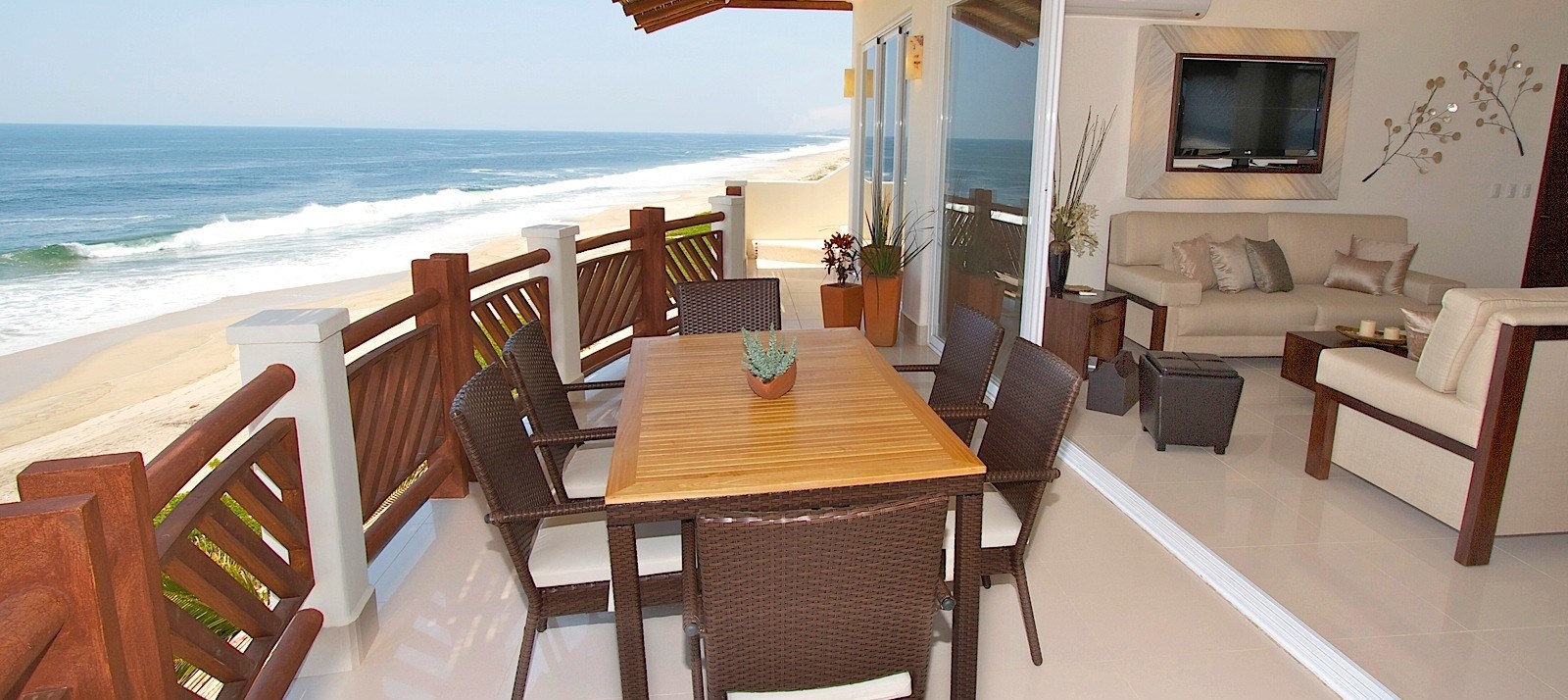
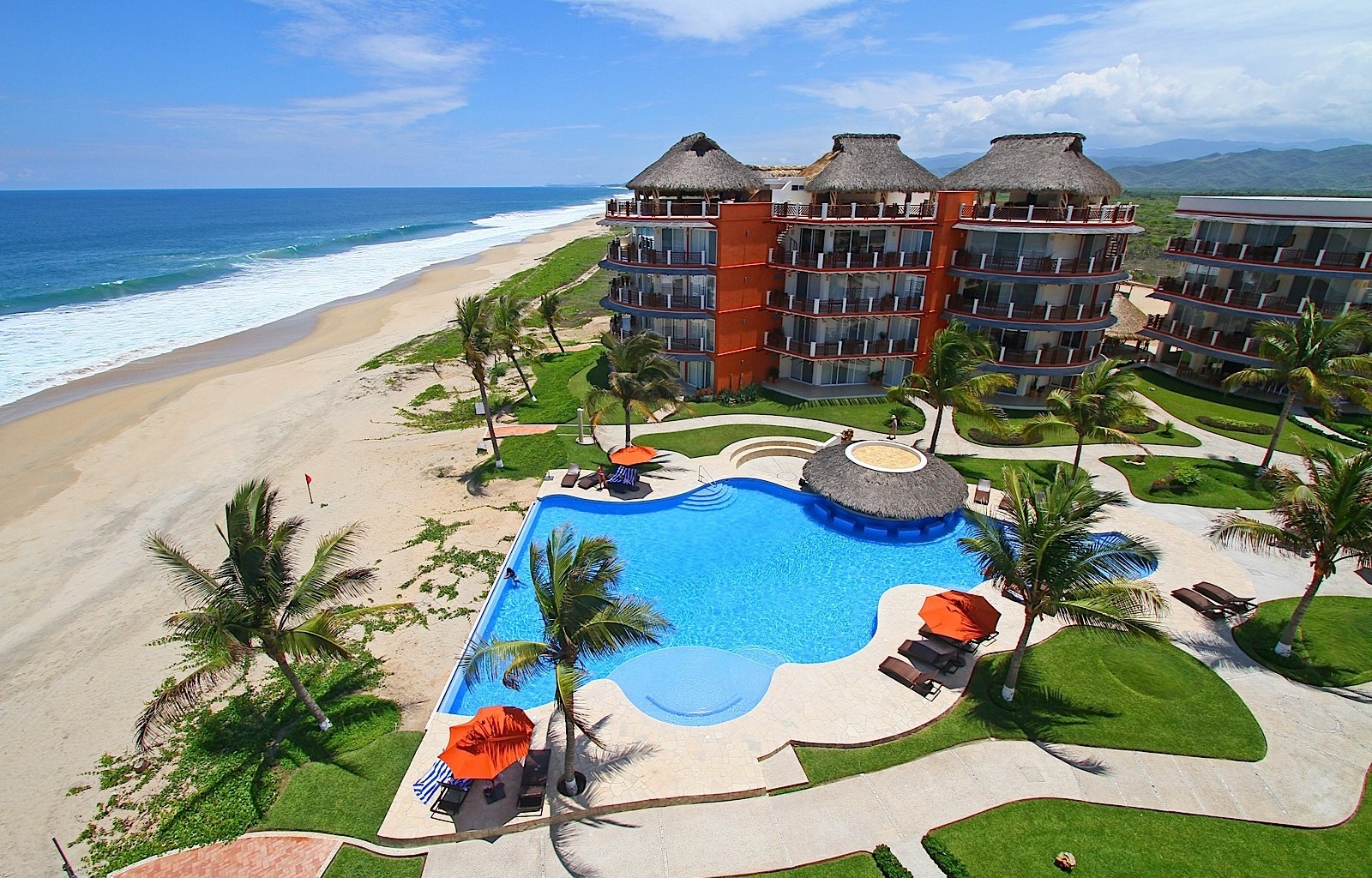
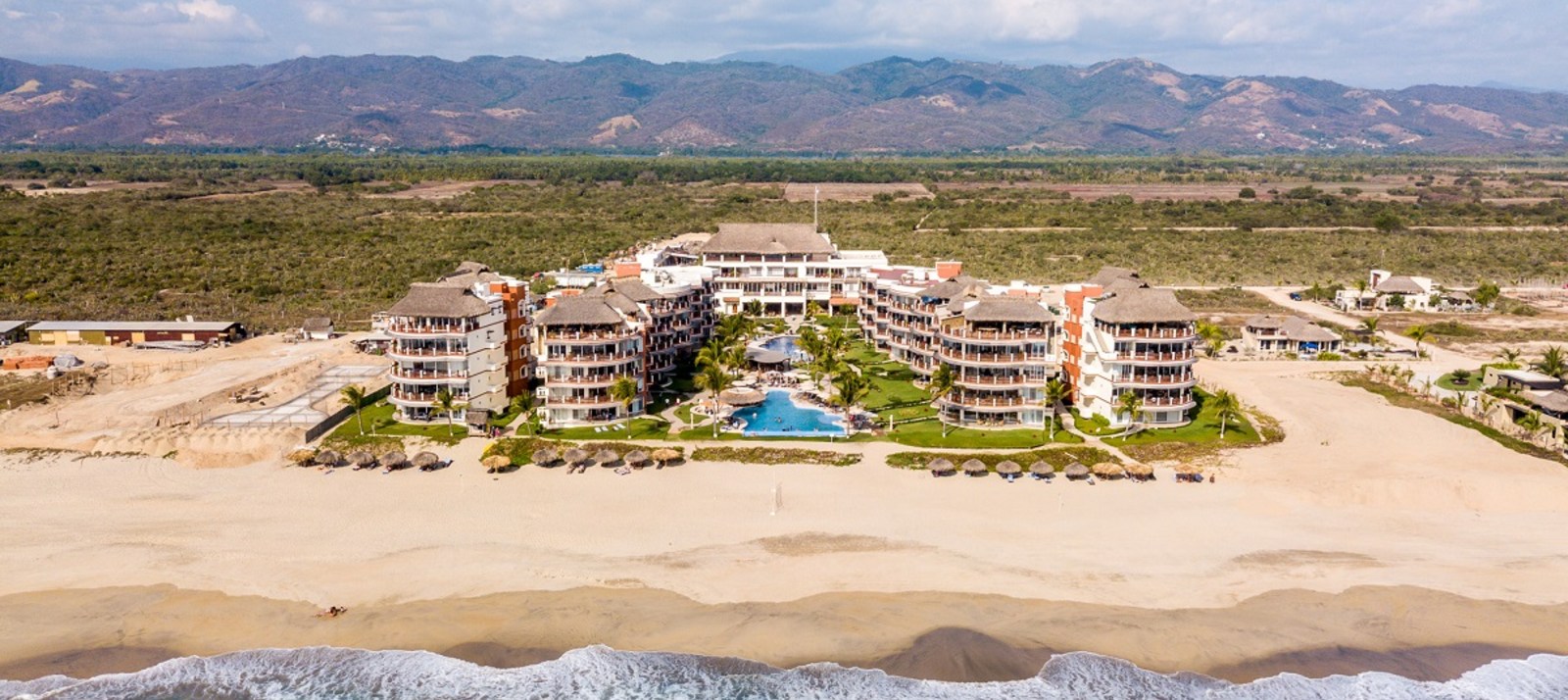
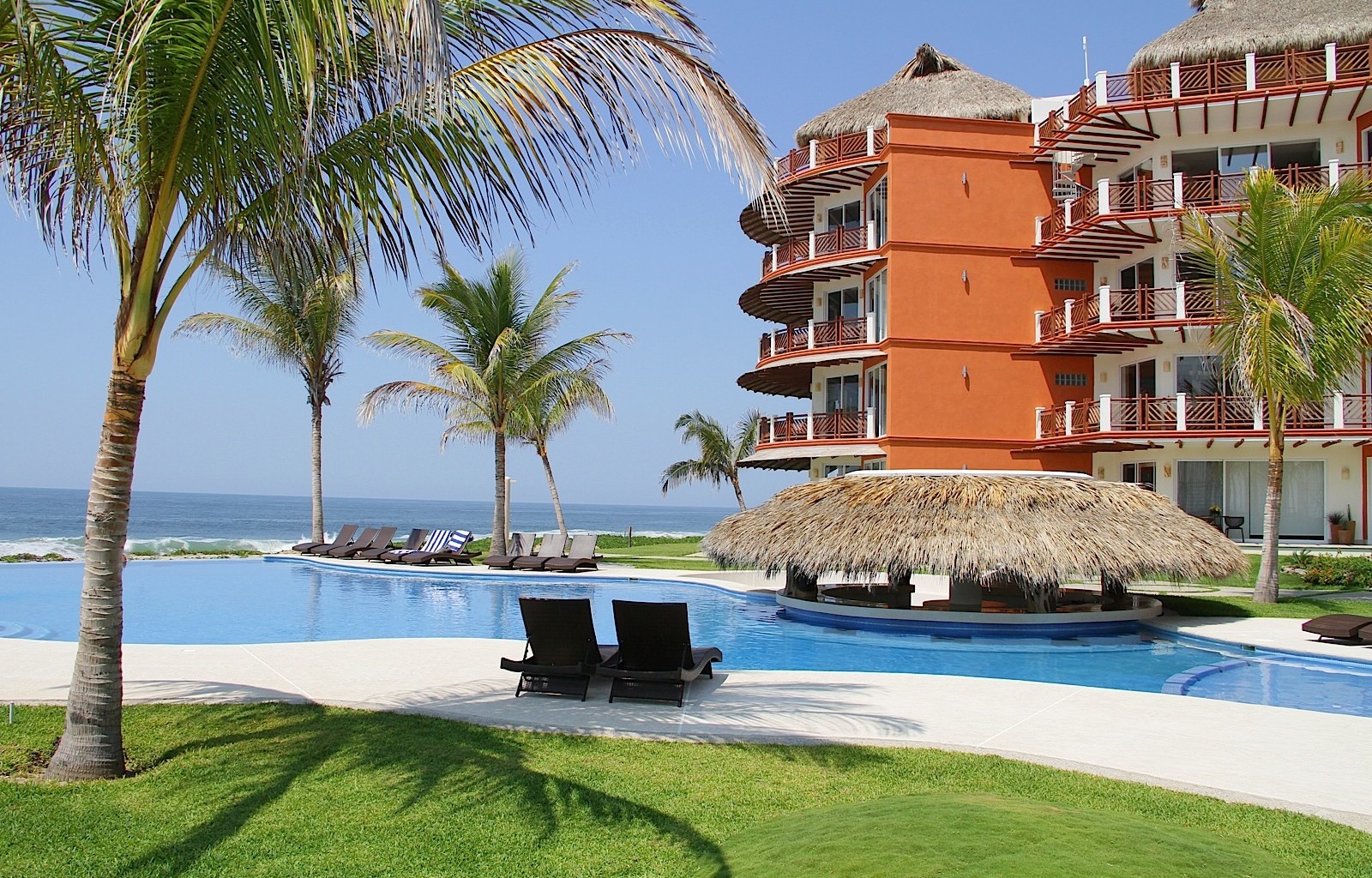
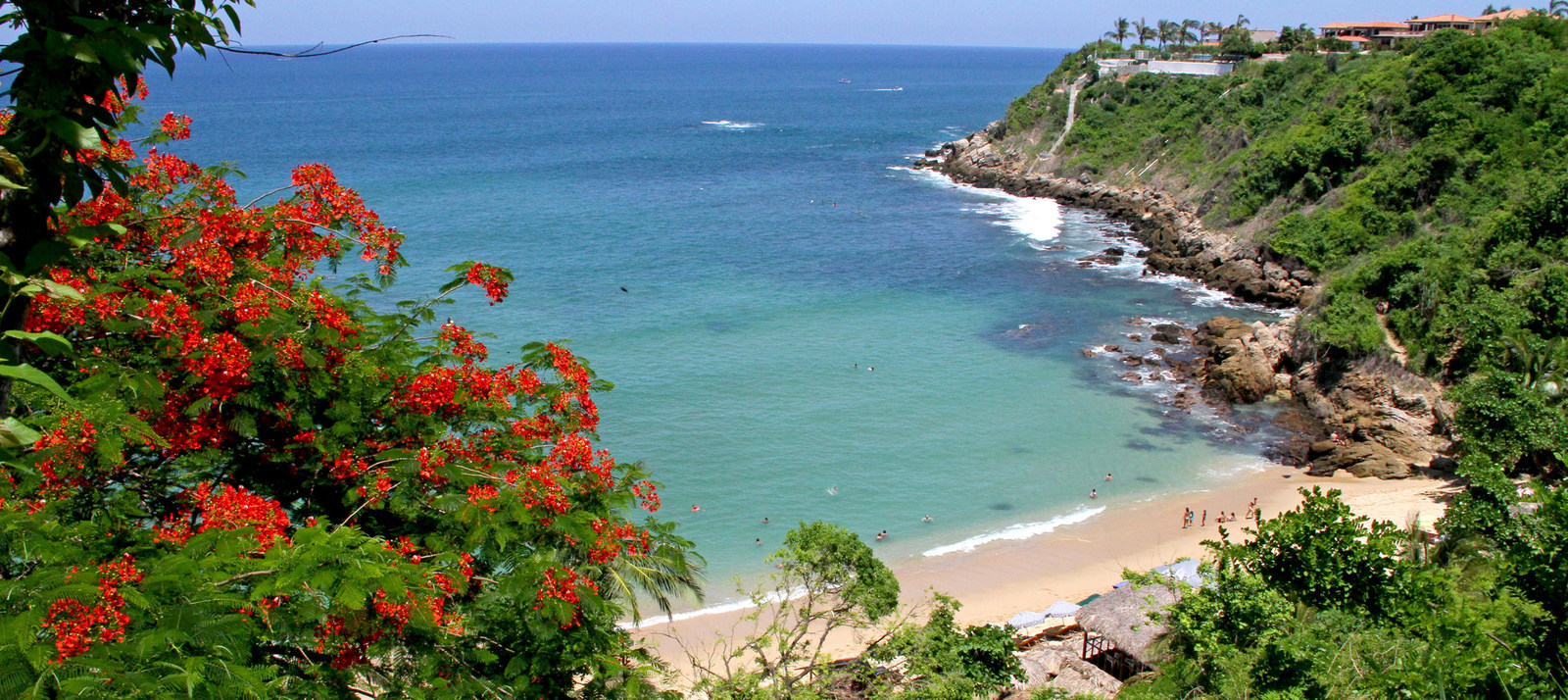
Playa Palmarito, roughly half an hour up the coast from Puerto Escondido, is a working shoreline as much as a holiday strip: olive ridley and leatherback turtles nest in the sand above the high-tide mark, fishing families still launch boats from the beach, and the tidal lagoons behind the dunes hold mangroves that nurse juvenile fish and crabs. The all-suite beachfront resort Vivo Resorts sits inside that landscape rather than replacing it, and its environmental programme is judged by how much of the local ecology it protects and how many local people it pays to do the work.
Australian travellers arrive with a fairly specific set of expectations. Having grown up within reach of the Great Barrier Reef, Coffs Harbour and Byron Bay, they are used to eco-certification, Leave No Trace ethics and volunteer beach clean-ups, and they read resort claims with a blunt eye. They also talk about travel the way they talk about anything else — plainly, sometimes sceptically — and they want to know who is actually doing the work. The question worth answering is whether conservation on this coast is a marketing line or a working arrangement with the community that lives there.
Turtles, dunes and the people who guard them
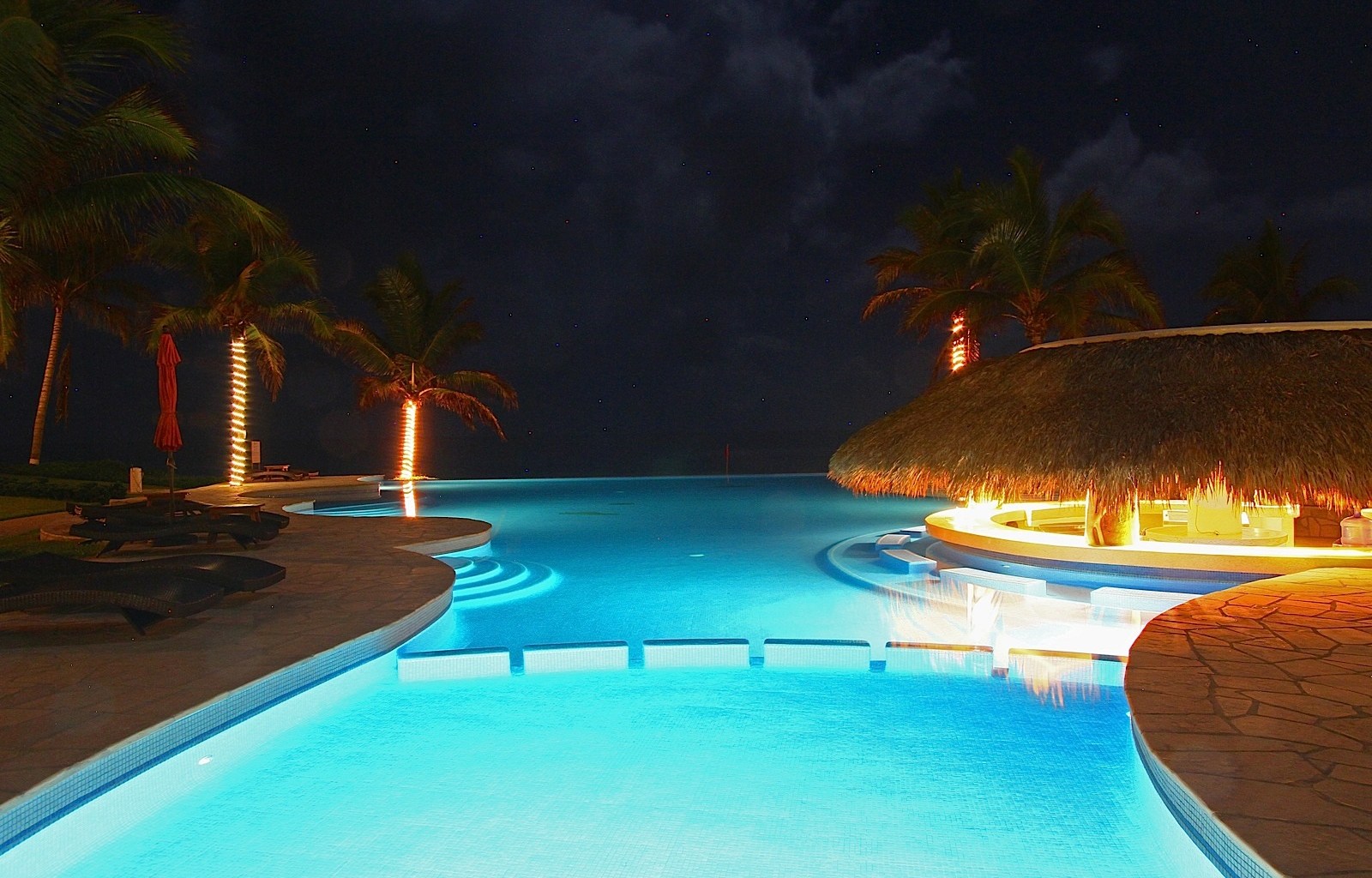
Turtle nesting on Playa Palmarito runs through much of the warm season, and the beaches are watched by local fishing families and volunteer collectives who mark nests, record hatchlings and shift eggs when spring tides would flood them. The resort's role, as described by local guides and by the resort's own published material, is to support that effort rather than replace it: keeping beach-facing lighting low and warm-coloured during the season, briefing guests about what a nest looks like, and avoiding scheduled beachfront activity after dark. Guests still walk the same sand, but they walk it with information.
Two strands run through all of this, and separating them is the quickest way to understand what a resort can and cannot do alone.
| Focus | Resort operations | Local partnership |
|---|---|---|
| Turtle nesting | Shielded, low-intensity lighting and no night beach programming during nesting season | Nest patrols, egg relocation and hatchling releases carried out by fishing families and volunteer groups |
| Dunes and mangroves | Development set back from the active foredune, with native planting and sand management | Guides and community monitors who check lagoon condition and report erosion |
| Water and energy | Solar hot water, water treatment, greywater reuse for landscaping | Local nurseries supplying native dune and mangrove species |
| Waste and plastics | Refill stations, fewer single-use items, recycling and composting | Municipal recycling co-operatives and resident-run beach clean-ups |
| Food and seafood | Menus weighted to Oaxacan produce and catch landed nearby | Small-scale fishermen and market traders whose income depends on resort trade |
Read across those rows and a pattern emerges: the resort supplies infrastructure, money and visibility, while the specialised knowledge stays with the people who work the coast every day. That division matters, because a conservation programme run entirely by a hotel's own staff tends to collapse the moment the season ends and the incentives with it.
Mangroves, dunes and the infrastructure nobody sees
Most guests never see the working side of an all-suite resort, which makes it easy to miss how much environmental engineering sits behind a sea view. At Playa Palmarito that includes treating and reusing water for irrigation and pool make-up instead of drawing fresh water twice for the same job, and generating hot water without burning a fuel for every shower. It also includes landscaping choices, where drought-tolerant and native species planted for the dunes survive salt spray and dry sand far better than imported ornamentals that need constant watering.
Australian comparisons sharpen the eye here. A property advertising itself as eco-friendly in Queensland is measured against a state that already publishes water-efficiency benchmarks and audits reef-safe sunscreens, so the bar for the word sits higher. Australians have also seen plenty of resorts that looked green in the brochure and ungreen in the laundry room, which is why published consumption figures matter more than a single good season.
Cutting plastic and the beach waste problem
Plastic is the easiest promise for any resort to make and the hardest to keep, because it enters through every second purchase: pool service, minibar restocking, spa treatments, excursions, laundry and staff drinks. A credible programme removes single-use items at the point of purchase, keeps refill stations where guests actually walk, and routes waste to recycling or composting rather than straight into a skip. On a beach like this one the visible payoff is a shoreline that stays clear through the nesting season, when a plastic bottle in the sand is a hazard as much as an eyesore.
There is a familiar Australian comparison for the accountability half of this. Clean Up Foundation drives and council-run rubbish collections have made waste handling an ordinary part of Australian outdoor culture, and travellers who grew up with that will ask who is paid to collect, where it goes and whether it is genuinely processed. Beach clean-ups that include guests alongside local residents are worth more than the group photograph, because they build the local knowledge the rest of the programme depends on.
Dining, sourcing and what actually lands on the plate
Guests weighing all-inclusive versus à la carte dining ask how much of what is served actually comes from nearby. At Playa Palmarito the answer runs through Oaxacan farms, small producers and local fishing boats, with sourcing priorities favouring short supply lines over imported goods. It also runs through the seafood itself: the local octopus, snapper and tuna served in the dining venues are landed by the same fishing families that watch the turtle nests, so buying from them supports a household and a beach patrol at the same time.
That said, the two dining models carry different waste profiles, and honesty is better than spin. Buffet service can over-buy and discard; à la carte ordering generates more packaging and more plate waste if volumes are poorly forecast. Either way, the questions an Australian guest would put to a hotel in Perth or Brisbane still apply: what is the real food waste rate, who supplies the produce, and is the catch traced back to a boat rather than a broker?
Partnerships, excursions and where the money lands
Most of the environmental work described here happens off the property, in the form of local guides, boat operators, artisans and market traders whose income rises when guests spend locally rather than on imported day trips. Excursions to Mazunte, La Zipolina and Cacaluta are the visible side of that arrangement, and the better ones are staffed by residents who can explain the reef, the estuary and the nesting beaches rather than reciting a script. A morning at the local seafood market in Puerto Escondido shows the other half of the chain, where the small-scale traders selling to restaurants and to visitors are the same people who set the price of the catch that reaches a resort kitchen.
Australian guests are typically keen to support this kind of arrangement, especially when it comes with something to do — joining a morning nest patrol, helping a guide check the lagoon, or learning which species on the menu come from a managed fishery. It also suits a booking culture where many travellers arrange an international holiday through an agent and then ask that agent for specifics about local practice, because the agent can pull conservation details that a brochure leaves out.
Choosing a stay that keeps its footprint light
For an Australian traveller, the practical checks are simple and mostly about evidence. Ask whether the property holds a recognised certification, and whether it matches one of the schemes used in Australia, such as eco-certification programs or cleanliness audits run by motoring and travel associations. Ask what percentage of waste is diverted, what share of produce is sourced within a defined radius, and how much water is reused for irrigation. Ask who employs the guides and boat crews, and whether local staff hold permanent positions rather than seasonal casual contracts.
Then consider behaviour on the ground. Reef-safe, zinc-based sunscreen, no single-use plastic carried onto the beach, shoes rather than a chair for nesting areas, and staying clear of marked nests all cost nothing and protect a resource that cannot be replaced on a guest's timescale. Staying inside marked zones and following nesting-season briefings keeps the resort's conservation work intact for the next visitor, and the next season after that.
The most useful question any traveller can ask is not how many kilos of plastic left the property, but who was paid to remove it, who signed off on the answer, and whether anyone in the community would notice if the programme stopped.