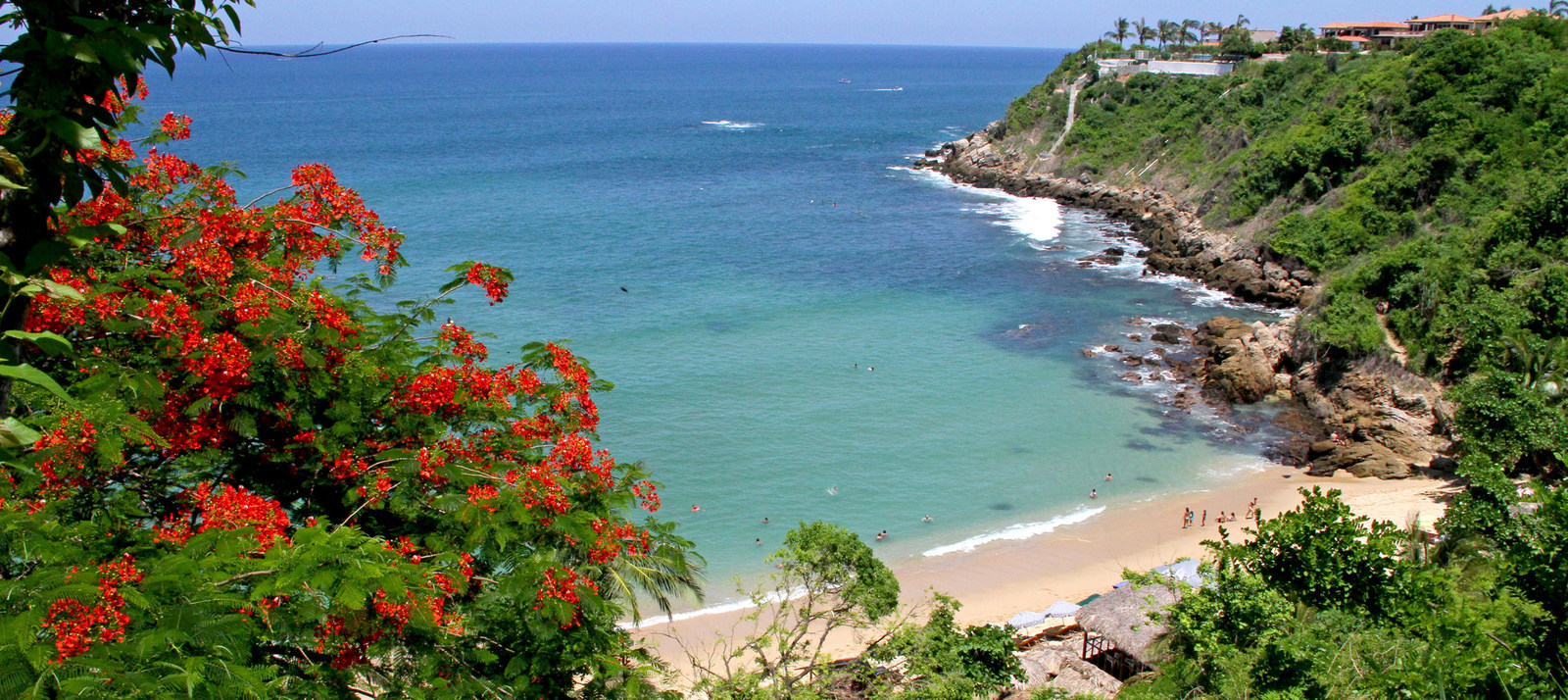
A Seasonal Guide to Turtle Nesting Tours on Playa Palmarito
On Mexico’s Pacific coast, sea turtle nesting is a quiet, moonlit experience rather than a guaranteed wildlife show. Along Playa Palmarito, turtles come ashore at different times of year to lay their eggs, while hatchlings may appear weeks later. The timing depends on species, rainfall, surf conditions and local conservation activity.
For Australian travellers, the appeal is easy to understand: it is a memorable addition to a beach holiday that feels very different from watching turtles on a Queensland beach or joining a wildlife cruise from Sydney. The experience is guided, seasonal and best approached with patience.
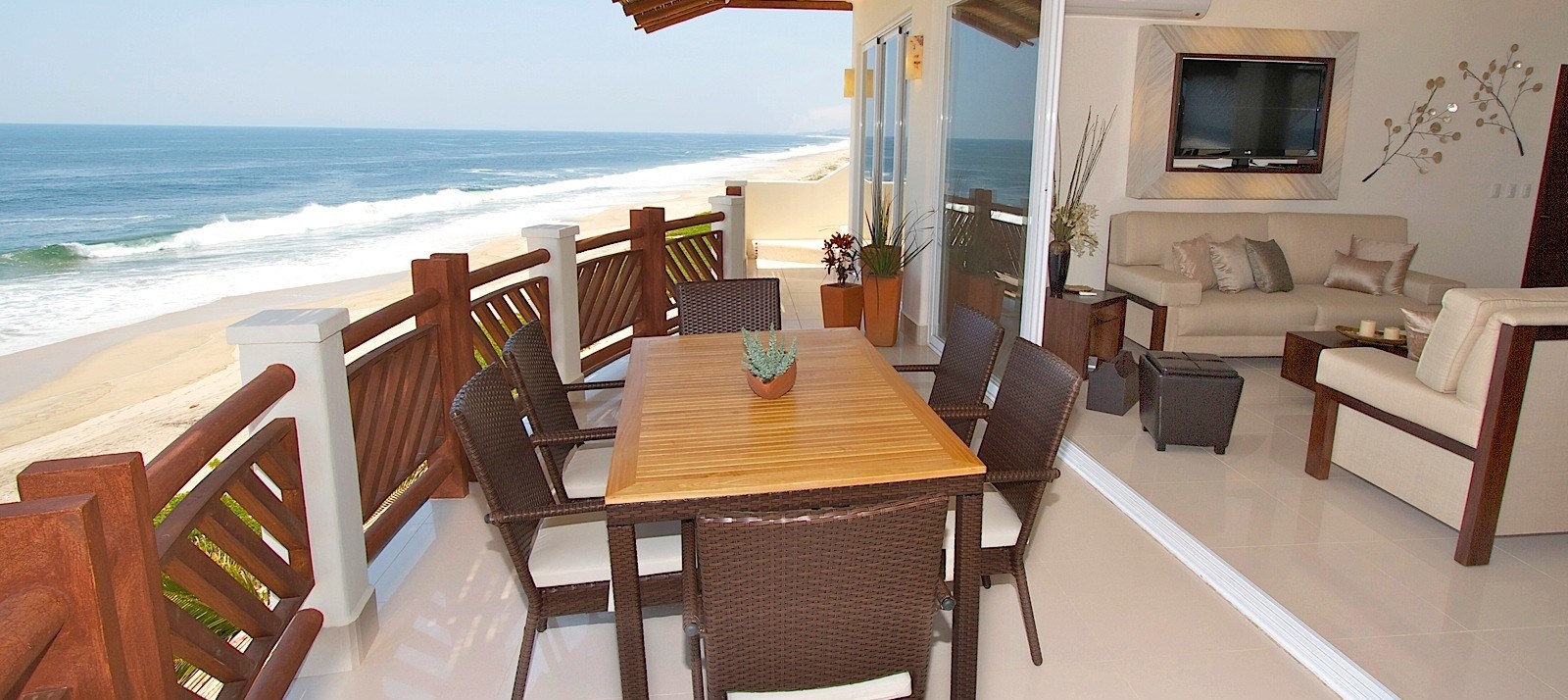
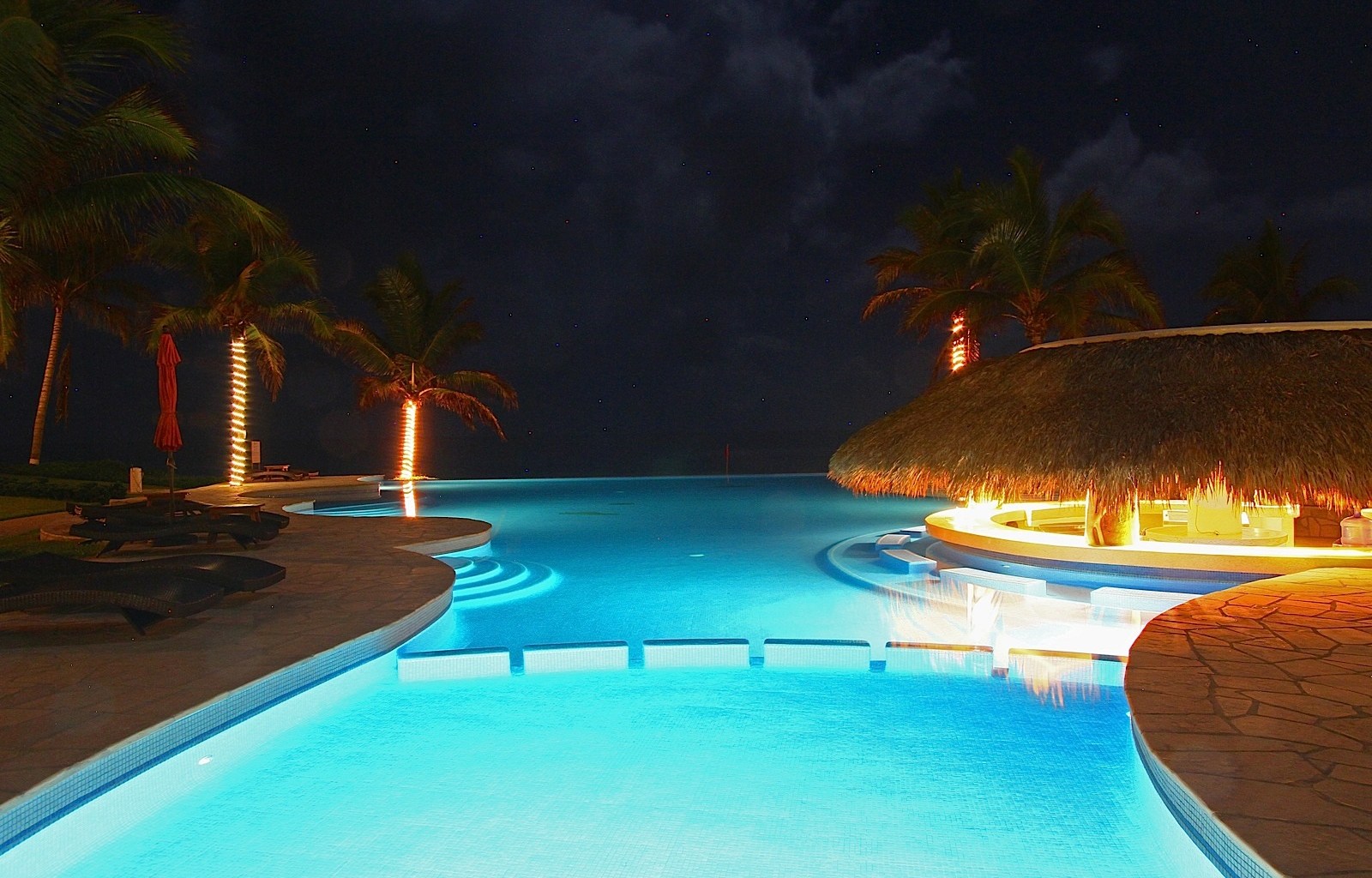
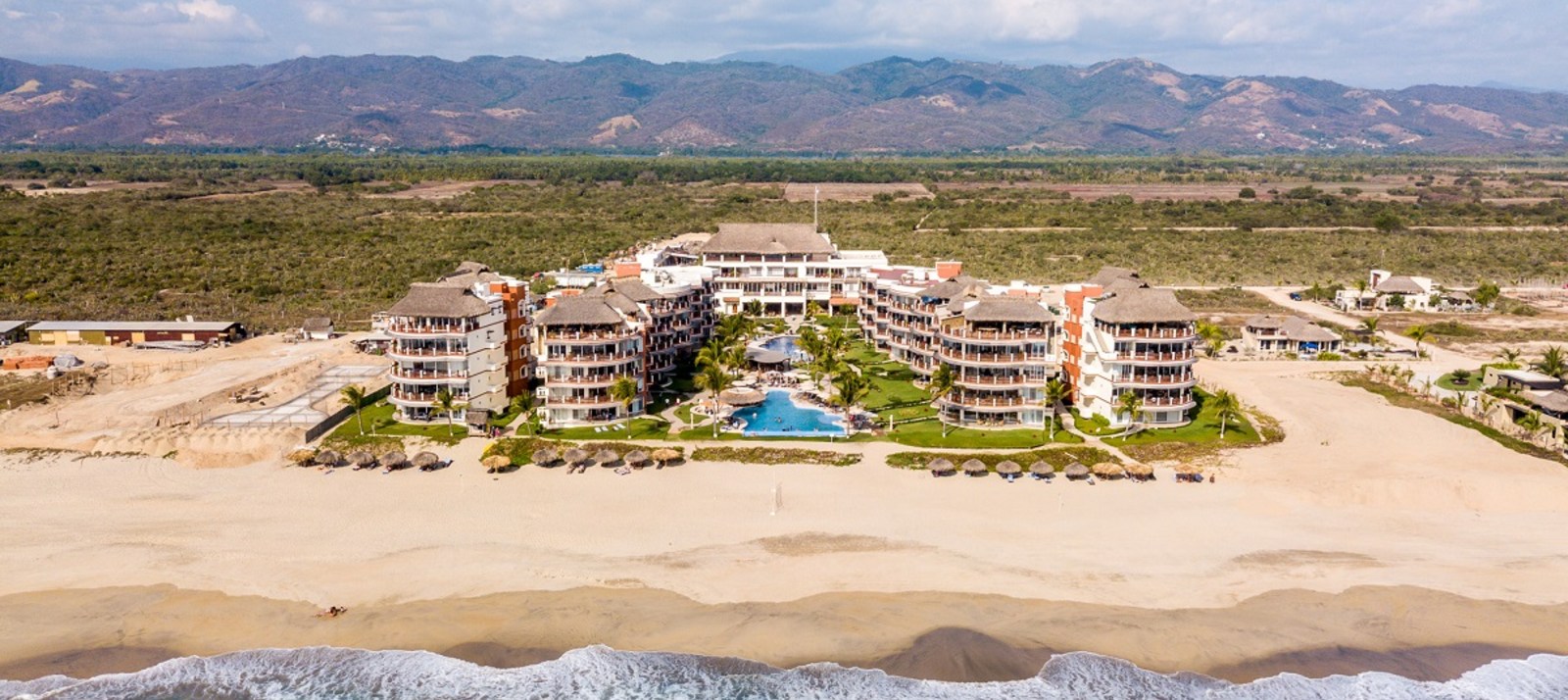
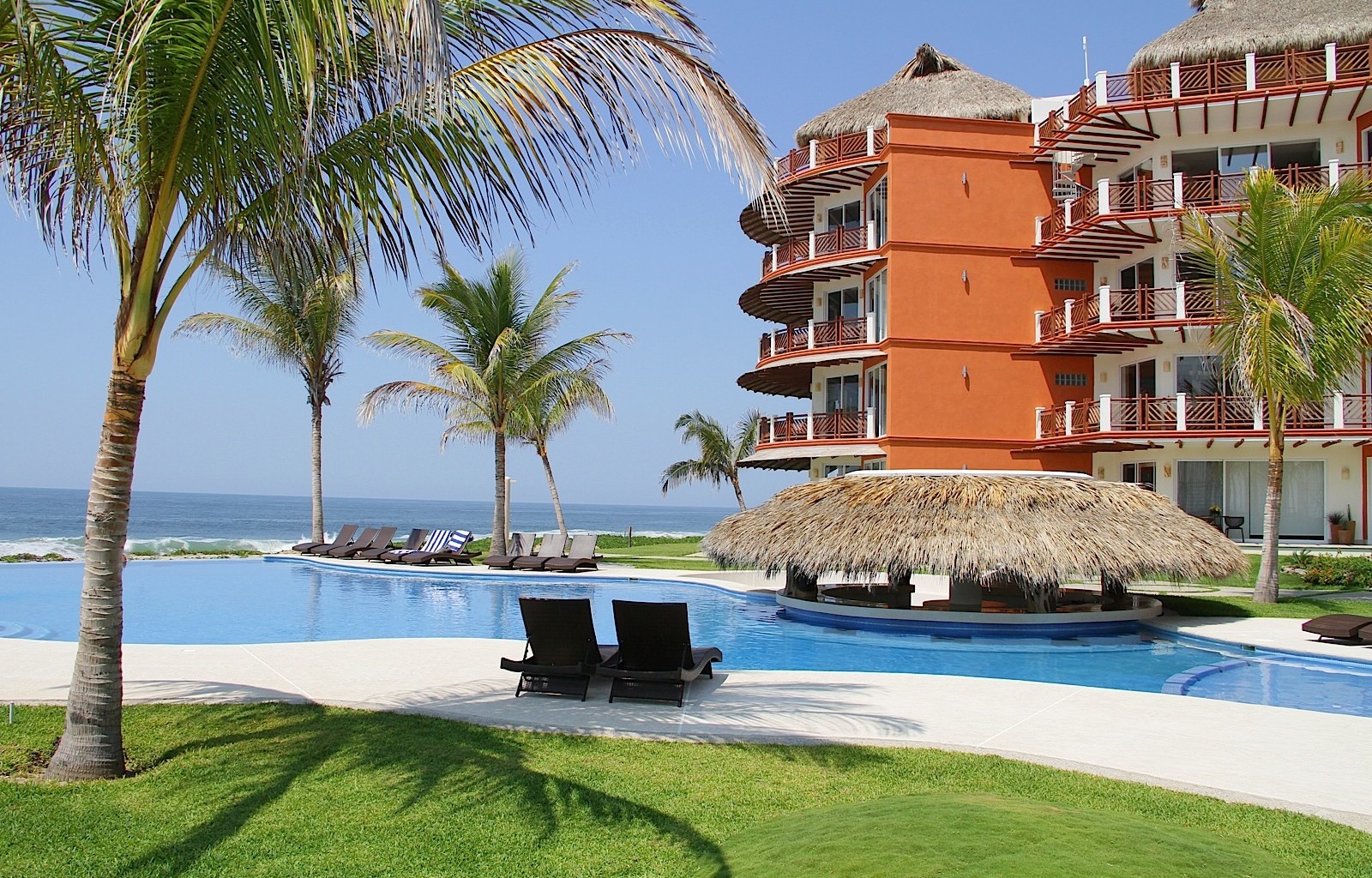
Vivo Resorts provides a practical base for exploring the Oaxaca coast, with beachfront accommodation, pools, dining and family amenities close to Playa Palmarito. The resort team can help guests ask about current turtle activity, approved local guides and excursions to Puerto Escondido or nearby beaches.
When Turtles Come Ashore
Sea turtle nesting along Oaxaca’s Pacific shoreline can occur across much of the year, with activity often increasing during the warmer and wetter months. Olive ridley turtles are among the species associated with this coastline, and nesting numbers can vary considerably from one week to the next. Some seasons bring frequent sightings, while others are quieter.
Hatchling season does not follow a simple calendar. Eggs generally incubate for several weeks, and the temperature of the sand can influence development. A nesting tour may therefore focus on adult turtles during one part of your stay and on emerging hatchlings at another. Ask for the latest local information rather than relying on a fixed annual promise.
What A Night Tour Usually Looks Like
Most turtle excursions take place after sunset, when female turtles are more likely to leave the water. A guide may lead a small group along a dark section of beach, stopping when tracks or a turtle are spotted. The pace is deliberately slow, with long pauses while everyone waits quietly.
The exact sequence varies. Guests might see a turtle crawl above the tide line, dig a body pit, lay eggs or return to the sea. Seeing a nesting turtle is never guaranteed, and the most responsible operators will cancel or adjust a visit if conditions are unsuitable. That flexibility protects the animals and keeps the experience calm.
Rules That Protect The Turtles
Follow the guide’s instructions about distance, movement and where to stand. Never touch a turtle, block her route, sit near the nest or use a phone flash. Bright white light can disorient both adults and hatchlings, so guides commonly use red-filtered torches or limit lighting altogether. Photography may be restricted during sensitive stages of nesting.
Keep voices low and avoid perfumes, smoking and sudden movement. Do not take shells, sand, eggs or other natural material from the beach. If you spot tracks without a guide, admire them from a distance and contact the resort or local conservation staff rather than following them into a nesting area.
Packing For A Dark Pacific Beach
Wear lightweight clothing with a long sleeve layer, as the coast can feel humid but the night breeze may be cool. Closed-toe shoes or secure sandals are more useful than thongs, particularly when walking over uneven sand. A small amount of insect repellent, drinking water and a reusable bag for personal items are sensible additions.
Australians travelling during the southern winter may need to adjust expectations about weather. A July escape from Melbourne or Hobart can lead to hot, tropical-feeling evenings in Oaxaca, while December and January travellers from Brisbane or Sydney may encounter a different pattern of coastal rain and cloud. Pack for heat, humidity and sudden showers rather than assuming every night will be clear.
Making The Experience Work For Families
Children often enjoy the tracks, conservation stories and anticipation of a hatchling release, but the late hour and quiet rules can be demanding. Check the minimum age, walking distance and expected return time before booking. Young children may be happier joining a shorter outing or visiting a conservation centre during daylight.
Families staying at Vivo Resorts can build the evening around an early meal, a rest period and an easy meeting point. Teenagers may appreciate the photography and science side of the excursion, while younger children benefit from a simple explanation: the beach is a nursery, and visitors must behave like quiet guests.
Combining Wildlife With A Resort Stay
A turtle excursion fits naturally into a longer Playa Palmarito holiday. Spend a morning by the pool, reserve time at the spa or explore the coast before returning to the beach after dark. Spacious suites and private villas make it easier for families or groups to keep different schedules without sacrificing shared time.
Special occasions can also be shaped around the experience. Guests planning a birthday or anniversary may find useful ideas in this milestone birthday guide, then pair a private celebration with a conservation-focused evening. For travellers returning late from a tour, checking late-night dining options can make the night more comfortable.
Practical Choices For A Better Tour
The most enjoyable visits usually come from choosing a low-impact operator and allowing room for uncertainty. Before booking, ask whether the outing is led by trained conservation staff, how many guests join each group and what happens if turtles are not present. Confirm whether transport, park fees and donations to local programmes are included.
- Choose a guided excursion that follows local wildlife regulations.
- Confirm the likely season, meeting time and walking conditions.
- Ask about red-light rules and photography restrictions.
- Bring quiet, practical clothing instead of bulky beach equipment.
- Allow flexibility for rain, surf, tides or a cancelled departure.
- Teach children the viewing rules before reaching the sand.
- Keep the following morning relaxed after a late-night outing.
Leaving The Beach With Respect
A turtle nesting tour is most meaningful when the animal remains the centre of the experience, not the photograph. You may see a mother turtle, fresh tracks or no turtle at all, yet still learn how coastal communities protect an important part of Oaxaca’s marine life. That uncertainty is part of genuine wildlife travel.
For Australian visitors, it is also a chance to slow down from tightly scheduled school-holiday itineraries and experience Playa Palmarito on local terms. Before reserving a tour, contact Vivo Resorts for the current nesting calendar, approved operators and the conditions expected during your stay.