Tennis, Pools and Play at Vivo Resorts on the Oaxacan Coast
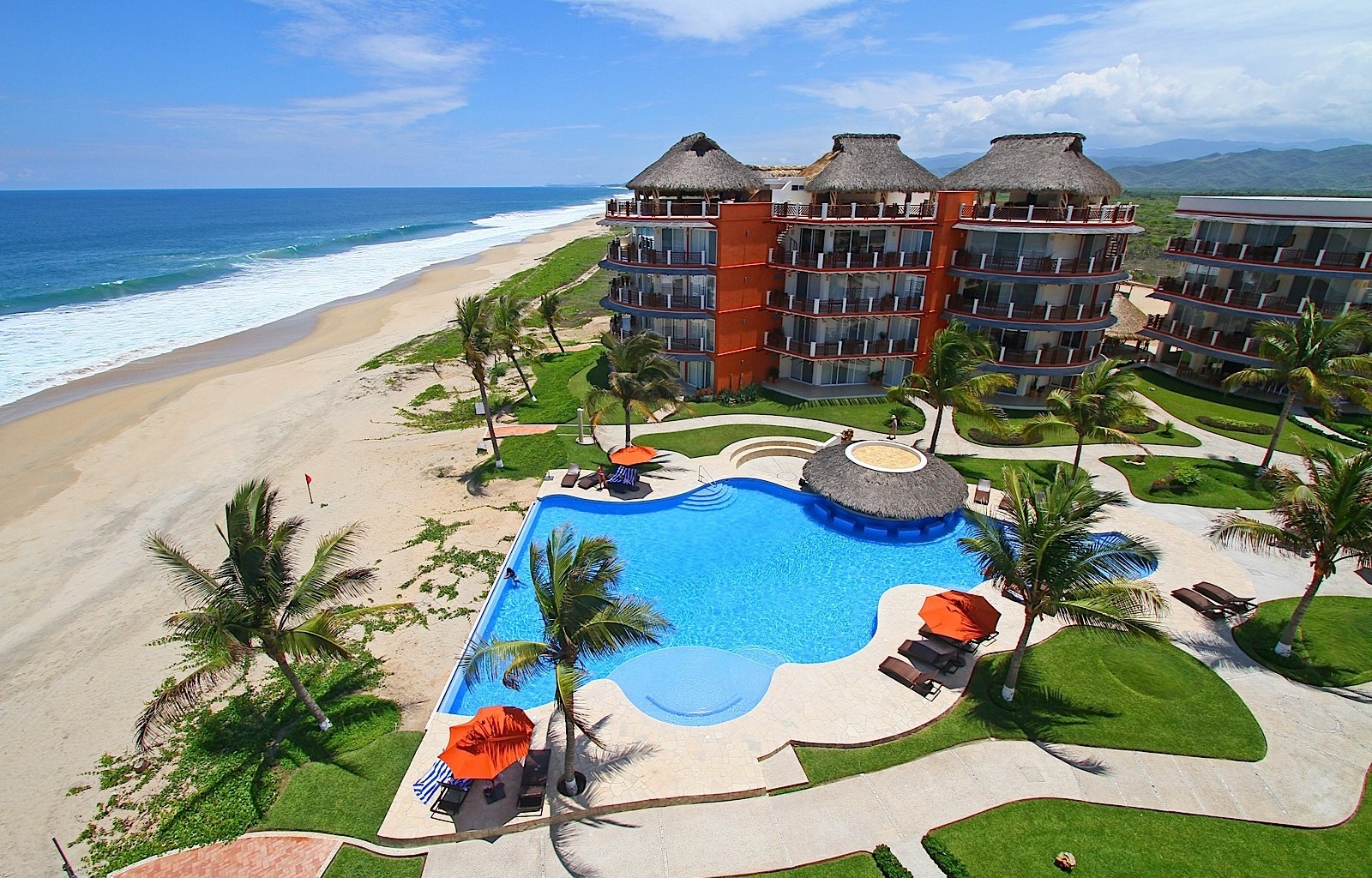
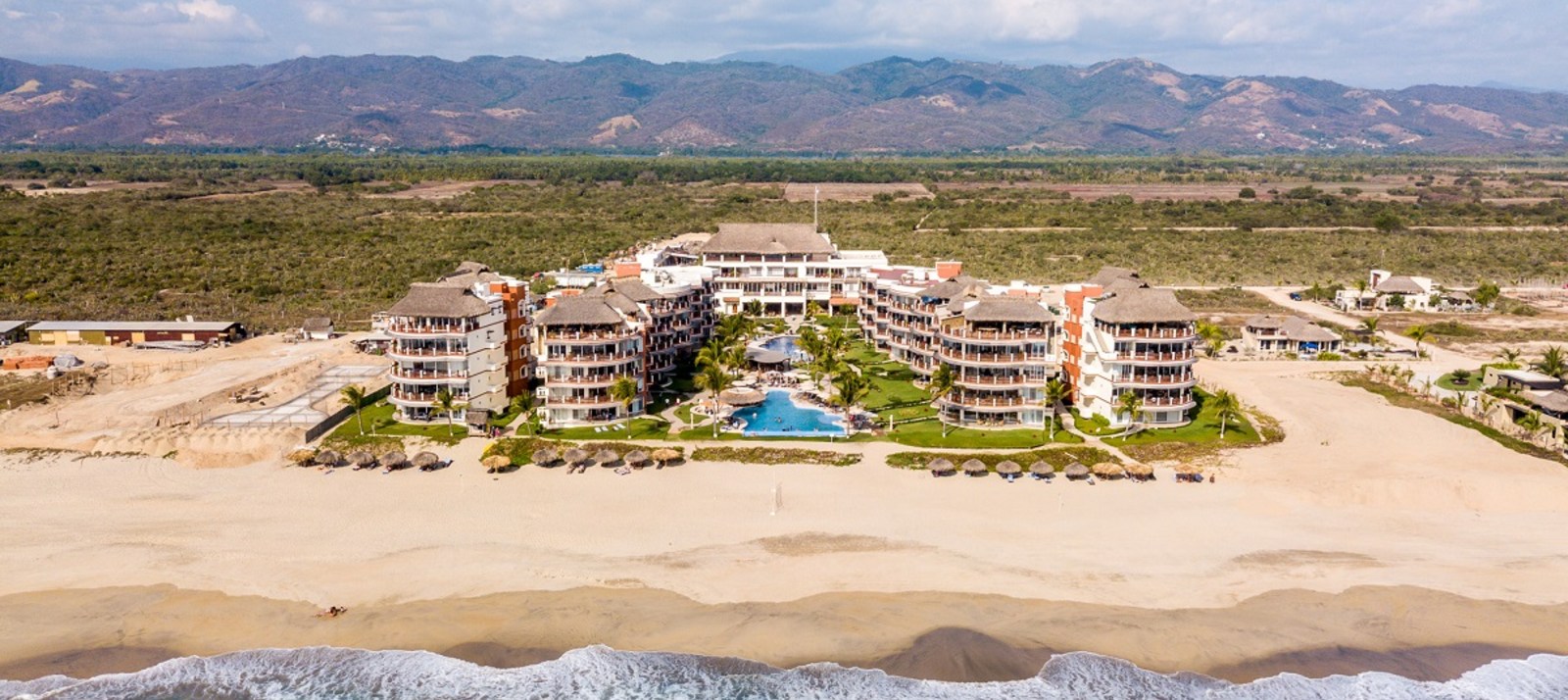
Play at Viva Resorts begins long before breakfast. The resort stretches along a beachfront site on Playa Palmarito, a short drive south of Puerto Escondido's centre, and almost every activity sits within a few minutes' walk of the suites. Tennis anchors the outdoor programme, but the courts are only one part of a wider collection of sports facilities that includes pools, a fitness centre, beach games and a full-service spa.
Australian travellers usually arrive with a particular appetite for the game. January's Australian Open leaves many households scheduling summer social tennis, and the standard of hard-court surfaces at home means most players settle into a fast, forgiving court without much adjustment. The seasons also run in opposite directions. Australia's summer holiday overlaps with Oaxacan's quieter winter months, while the June-to-August school holidays land in Mexican peak season, when courts and loungers fill quickly.
This guide walks through what the resort's tennis courts and other sports facilities offer, how to build a day around them, and the small adjustments that make life easier for guests flying in from Sydney, Melbourne or Brisbane. Expect different tipping customs, a currency that behaves differently from home, and biosecurity rules to remember on the way back.
Courts Set a Short Walk From the Sea
The hard courts occupy a quiet corner of the grounds, close enough to the ocean that salt air and afternoon breeze are constant companions. Rackets and balls are generally available through the sports desk, with towels, water and shaded benches nearby for players who want to watch rather than join in. Conditions hold up well, and the even bounce suits players who learned their footwork on similar surfaces in suburban Australian clubs.
Timing matters more than most guests expect. The first two hours after sunrise are the coolest and calmest window, and the courts are usually at their quietest then. By early afternoon the sun climbs sharply, and by late afternoon the onshore breeze picks up enough to push balls off line. Families with children tend to split the day, playing doubles before the heat arrives and returning later for a shorter set.
Groups mixing two generations often find doubles the easiest format, since a slower court pace keeps everyone involved. If you want the courts to yourselves for a birthday or a celebration, ask the concierge about block bookings, and whether refreshments can be sent out courtside.
Coaching, Gear and Court Etiquette
Local instructors work with guests regularly and can arrange private lessons, small-group clinics and hitting sessions for mixed-ability teams. A typical session covers serve mechanics, volley positioning and the kind of doubles movement that casual players often lack. It is a practical way to spend a warm hour and an effective way to meet other guests travelling from similar distances.
Bring your own grips and overgrips if you are fussy about feel, and pack tennis shoes with herringbone soles rather than running trainers, which mark up courts and grip poorly. A spare can of balls is worth the luggage weight, since a set that wanders toward the waterline tends to lose a few. Hats, sunscreen and a refillable bottle matter more here than many Australians expect, particularly between April and October.
Court reservations, instructor bookings and spa appointments can be arranged through the official resort site or the front desk, and it is worth confirming the day's opening hours and any guest charges at the time of booking rather than on arrival.
Pools That Split Into Generations
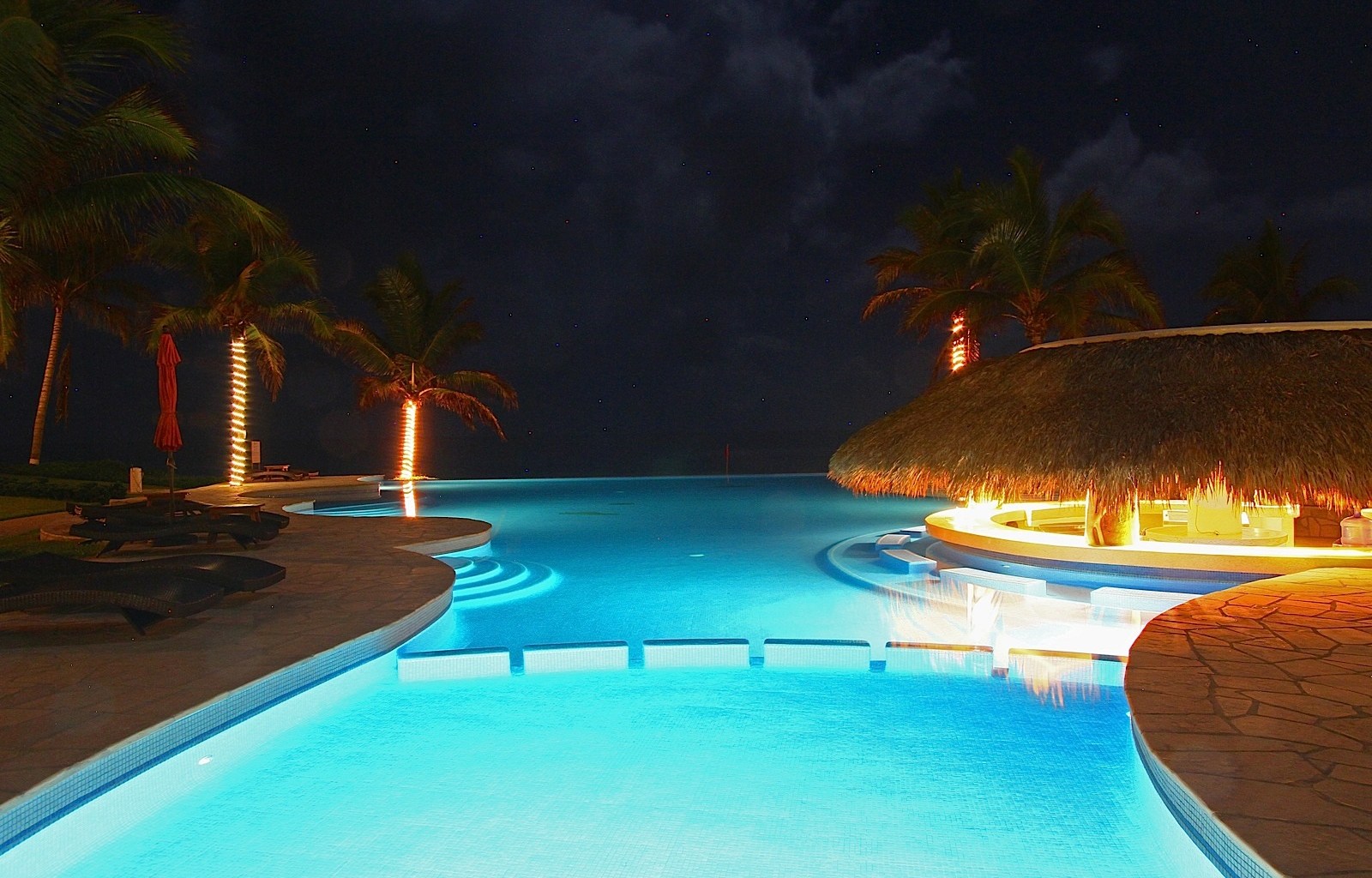
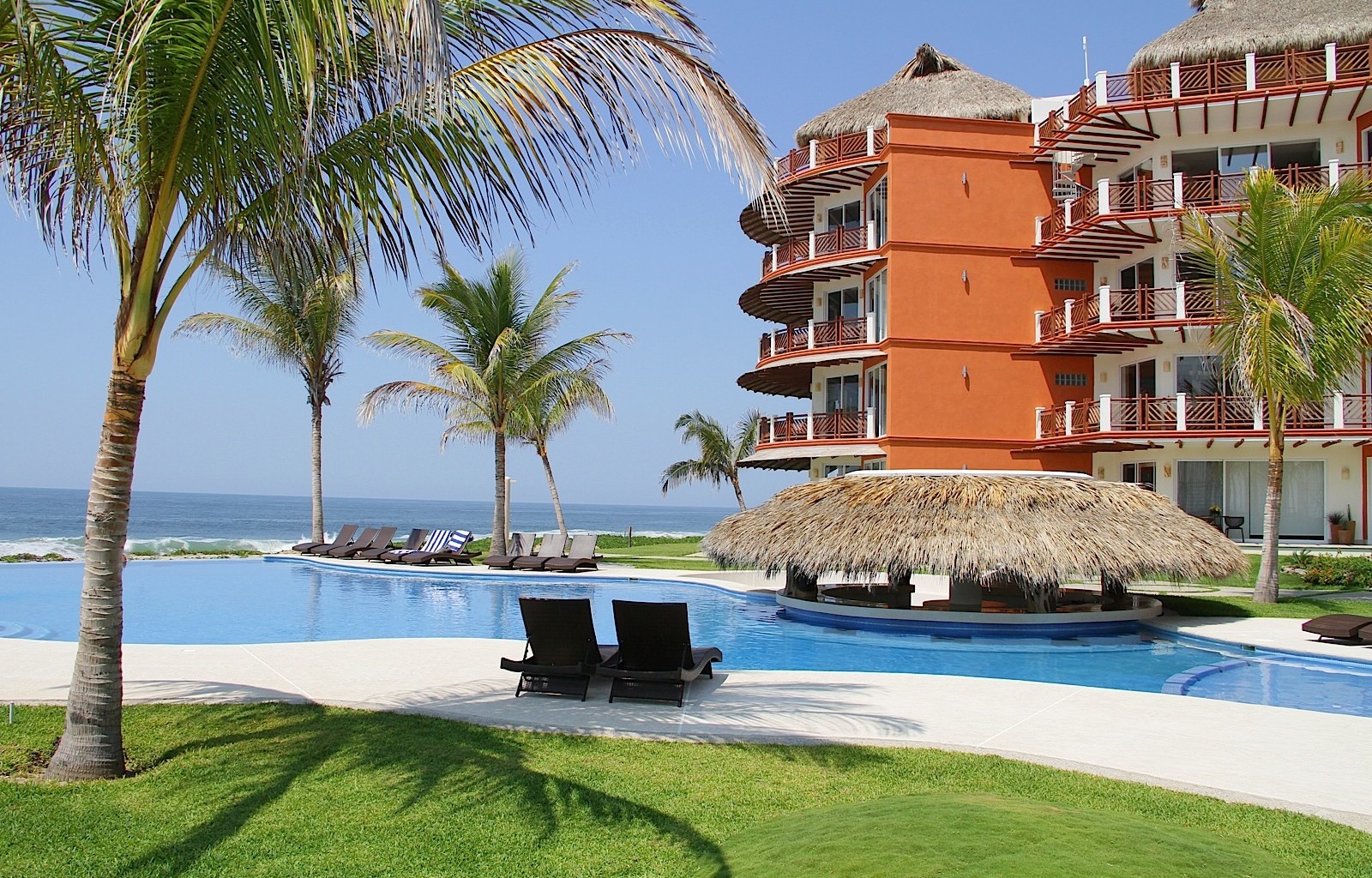
The pool area is designed to keep different sorts of guests apart and happy. One side holds a family pool with shallow edges and a splash area for younger children, while another section faces the ocean for adults who want quiet. Loungers come with towels, and shaded areas are easier to find than at many Australian resort pools, where summer crowds are often concentrated around the water.
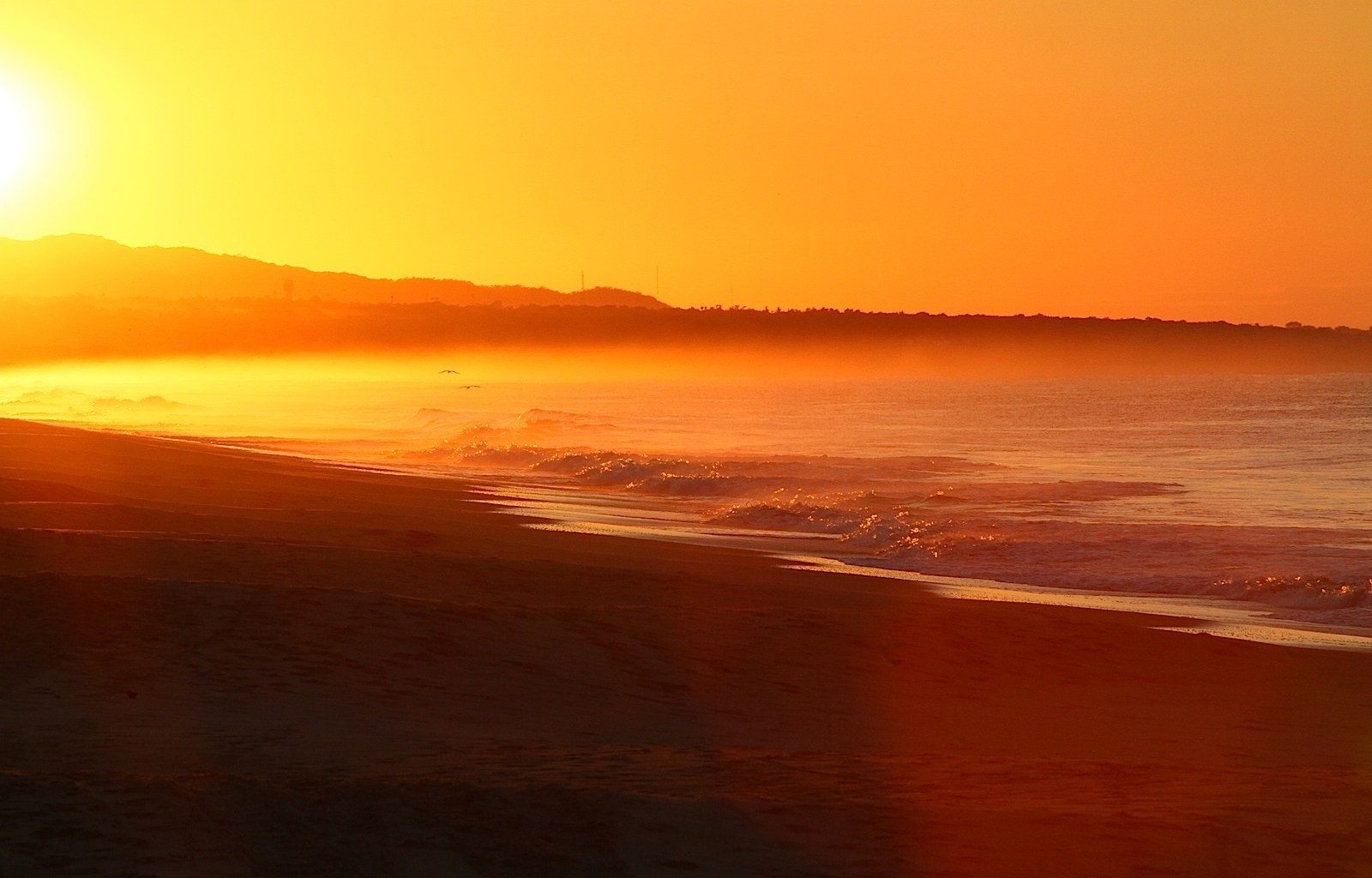
Families travelling with teenagers, grandparents or a small group of friends can compare the resort's private villa options, which typically come with their own pool or terrace space and keep everyone within a short stroll of the courts. Swimming at first light is the local rhythm, and the early evening session catches the last of the day's light over the Pacific.
Beach Games and Water Sports
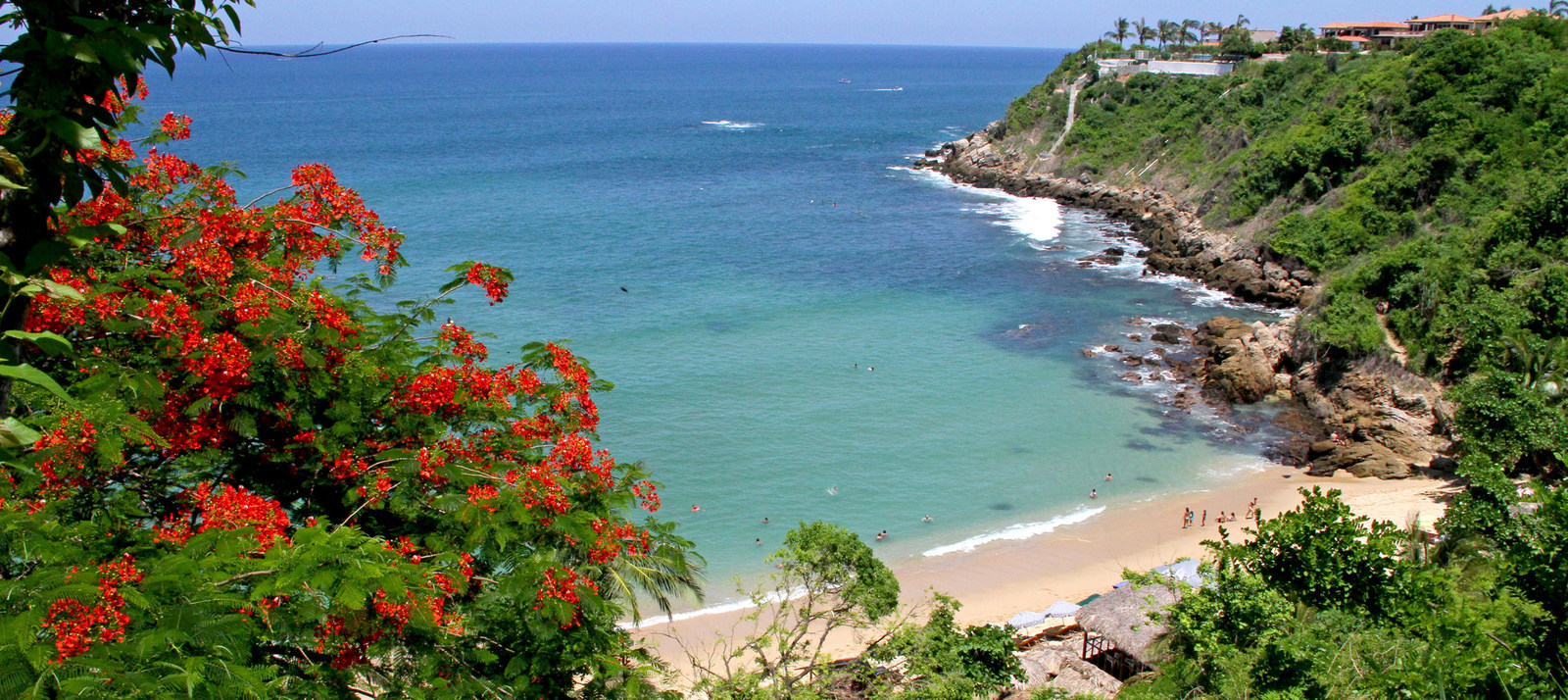
The sand in front of the resort is wide enough for volleyball nets, football goals and casual futsals, with equipment usually arranged through the recreation team. Kayaks and paddleboards are available for calm-water paddling around the sheltered section of the bay, and boogie boards are a simple option for children who are not ready for a full surf lesson.
Australians already know about reef-safe sunscreen, since oxybenzone and octinoxate were phased out of the domestic market years ago, and that habit travels well. The same applies to footwear: a pair of reef sandals protects feet on rocky entries at beaches such as Carrizalillo and La Entrega, and keeps hotel towels free of embedded sand.
Surf lessons, fishing trips and boat excursions along the coast can be booked for anyone wanting more than a half-day of activity. Guides speak a little English and more Spanish, and it helps to agree on the meeting point and return time in advance.
Yoga, Gym Work and the Spa
The fitness centre covers cardiovascular machines, free weights and functional training gear, enough for a maintenance routine rather than a heavy lifting block. Sunrise yoga and meditation classes on the terrace are the easiest way to loosen up after a morning on court, and spin sessions add a sociable element to the indoor programme.
The spa runs deep-tissue, hot-stone and couples treatments, and booking ahead during Australian winter school holidays is sensible, since the most popular time slots disappear first. Some guests make a rule of alternating hard and soft: tennis in the morning, massage in the afternoon, and the sea in between.
Evenings rarely require a car. Mezcal tastings, live music and themed dinners happen on site, and a guide to Oaxacan nightlife covers the best of what happens beyond the gates as well as what stays within them. If you do head into Puerto Escondido for a late set, arrange a taxi rather than walking back in the dark.
Excursions That Extend the Sports Day
The wider coastline supports plenty of half-day adventures, and they slot neatly around court time. Zip-lining through the dry inland valleys, surfing lessons with certified instructors, cycling the beach road and paddle trips through the lagoons near the marshes are all reachable through the excursion desk.
For sightseeing rather than exertion, the cobbled streets of Puerto Escondido, the local market and the coastal miradores are within easy reach of a hired driver. Combining one active morning and one cultural afternoon keeps the day's energy balanced, and avoids the trap of spending an entire holiday inside the resort gates.
Practical Notes for Australian Guests
Money works differently here. The Australian dollar converts favourably against the Mexican peso for most of the year, and cards are accepted in the resort and larger restaurants, but small market stalls and taxis in Puerto Escondido still favour cash. Tipping is also a Mexican habit rather than an Australian one: guides, drivers and restaurant staff expect around ten to fifteen per cent, and it goes directly to the people who look after you.
Connectivity is straightforward if you arrange it before departure, because prepaid eSIMs and international roaming plans are cheaper than buying data at the airport. Mexican sockets take standard North American plugs, so a universal adaptor or a 240-volt converter avoids dead chargers. WhatsApp is the normal channel for confirming transfers and lesson times, and many travellers find a local SIM simpler than juggling roaming settings.
Returning to Australia brings a set of rules worth remembering. Biosecurity officers require declarations for fresh food, plant material, wooden souvenirs and unprocessed items, and fines are steep. Personal medicines need to be declared too, and packaged for the trip. Travel insurance that covers medical evacuation is sensible on any long-haul journey.
The main thing to remember is how little effort it takes to mix sport with the sea. A morning on the hard courts, an afternoon in the water and an evening of mezcal and food on site can fill a single day without a car, a crowd or a plan that falls apart. Pack the court shoes and the sunscreen, reserve early when school holidays overlap, and let the rest of the day unfold at its own pace.