A guide to the resort’s tennis court lighting and night play options
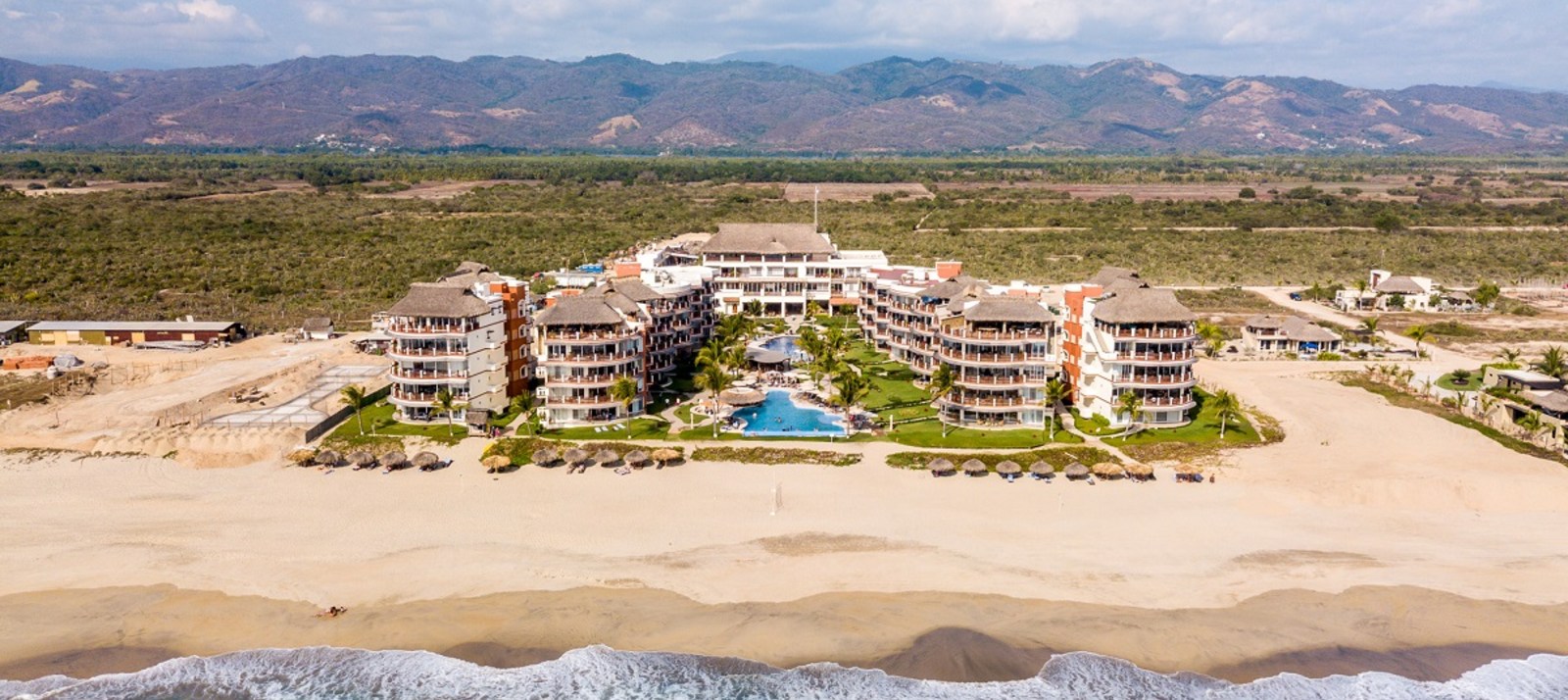
Playa Palmarito gives night tennis an unusual backdrop: the Pacific horizon beyond an all-suite beachfront resort near Puerto Escondido. At Vivo Resorts, illuminated courts let guests continue a match after sunset, whether they are settling into a holiday or squeezing in a game between beach plans and dinner reservations.
The experience is informal, but good results depend on planning. Court hours, equipment, access for children and weather interruptions should be confirmed with the resort’s team, especially for guests who want to combine floodlit tennis with a spa treatment, pool time or an excursion along Oaxaca’s coast.
Planning an after-dark match
Begin by confirming the resort’s tennis court lighting schedule for your stay, including the first and last illuminated sessions. Playa Palmarito generally follows Mexico’s Central time, UTC−6, while Australian states shift their clocks for daylight saving. A 9 pm booking can therefore correspond to late afternoon or early evening at home, depending on the state and season.
Next, fit the match around the rest of the day. Evening temperatures often remain warm, so tennis can be combined with a morning swim or afternoon excursion to Puerto Escondido. Leave enough time to cool down, shower and reach dinner without treating the court booking as a race between activities.
How the court lighting shapes play
The floodlights extend the usable court time well beyond sunset, but they create conditions that differ from daytime tennis. The court may appear sharper in some areas and more shadowed near its edges, particularly behind the baseline. Players should adjust their positioning rather than assuming every bounce will follow the same path as it did earlier in the day.
A bright yellow ball is easier to track under the lights than a pale or white one. It also helps to keep a few spare balls nearby, since one loose ball can stop play and create unnecessary walking around the court. Visibility is generally sufficient for recreational matches, although guests with strong sensitivity to glare may prefer the earlier evening session.
Reservations, rules and court etiquette
Reserve the court rather than assuming it will be available. The confirmation should establish the operating window, any charge, access arrangements and whether rackets and balls are supplied. It is also worth asking whether a weather plan exists, since coastal conditions can change quickly.
Australian club tennis culture values punctuality and fair use of booked time. Guests should arrive ready to play, respect the allotted session and avoid stretching a match beyond the agreed slot. The Australian Open at Melbourne Park, with its established tradition of evening sessions, has helped many Australians become familiar with night tennis, even though tournament conditions differ from a resort court.
Combining tennis with a wider resort day
Night play works well for couples who want activity without a formal lesson, as well as for families dividing their group between tennis and the pools. Younger guests may need an adult present, while more experienced players can organise a mixed doubles match using the resort’s other facilities.
Guests who want more balance in the day can explore wellness retreat ideas that pair movement with recovery. A short illuminated match followed by yoga or a spa treatment can feel more restorative than scheduling an exhausting session before a long travel day.
Choosing a suite or villa for tennis travellers
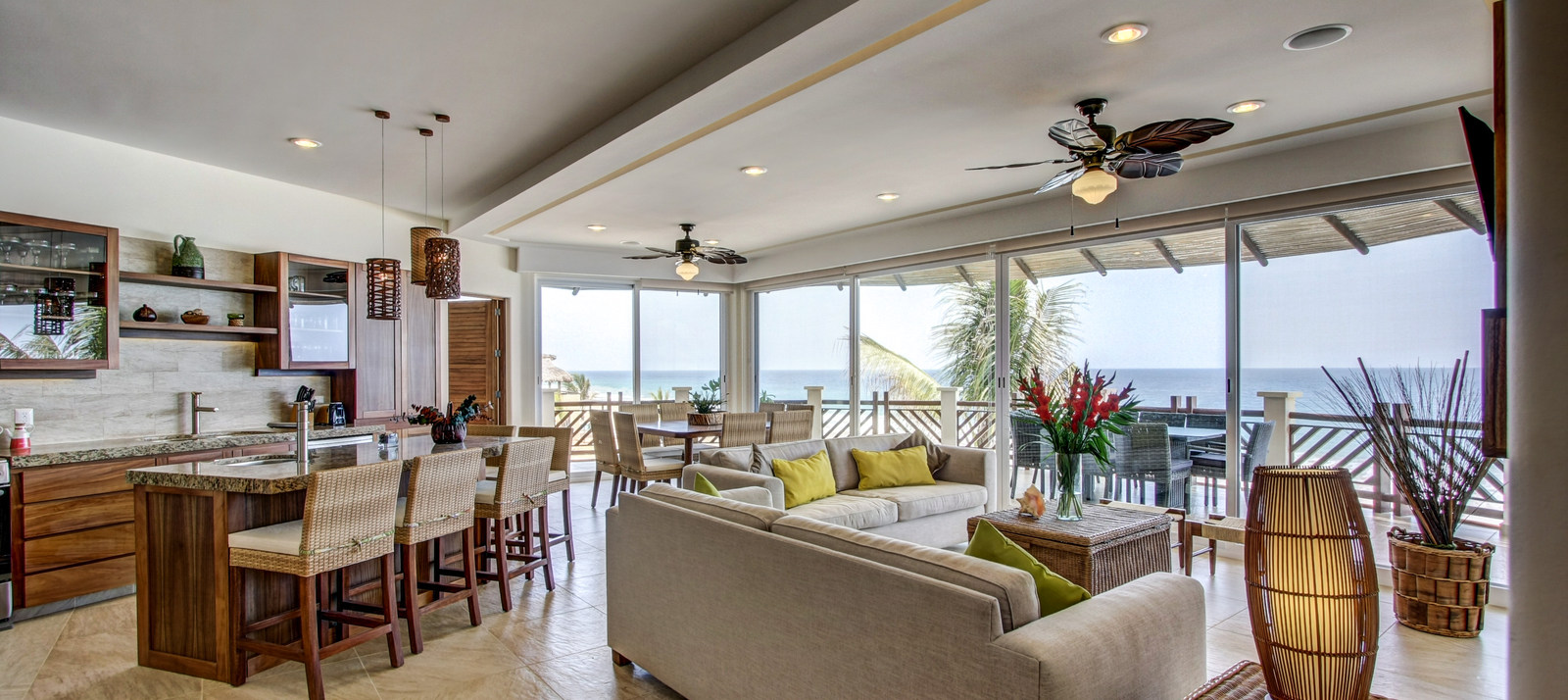
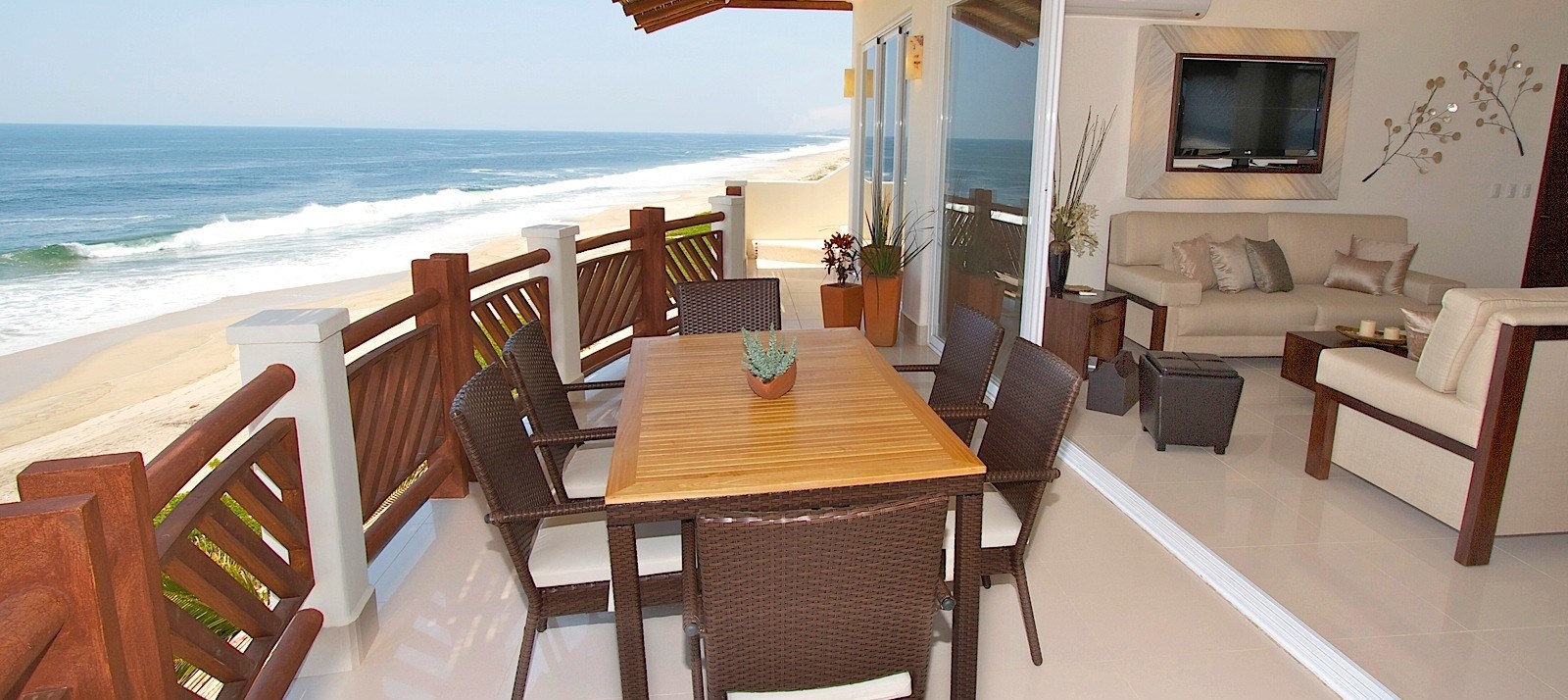
Accommodation choice should reflect how much space and privacy a tennis guest needs. The suite and villa guide explains the main differences between ocean-view accommodation and a private villa, including space, privacy and the character of the stay.
A suite may be convenient for couples or small families who want quick access to shared resort areas. A private villa offers more room for equipment, changing space and downtime between sessions. For regular players, secure racquet storage and a place to leave court shoes can be as important as the view from the balcony.
Equipment and conditions to check
Closed-toe tennis shoes are essential for lateral movement and provide a safer alternative to sandals or bare feet. Guests may also want their own racket, grip tape and several balls if they are familiar with a particular setup. Sunscreen, water and insect repellent remain useful even for an after-dark session.
Courts near a beach can feel different once the air cools, while sand carried onto the surface can affect traction. The resort team can advise on the current court condition and lighting coverage. Reviewing the Vivo residences can also help guests understand the available layouts before deciding how to organise their room and equipment.
A practical plan for Australian visitors
An Australian might call a daytime hit an arvo session, and the resort’s own timetable will be the final reference when aligning local and home times. January offers a useful overlap with the Australian summer and the Australian Open period, but it also falls in the busy holiday calendar. Travellers should protect their court time by agreeing on arrival times and dinner plans before leaving the hotel.
The most reliable routine is to confirm the lighting cutoff, reserve the session before activities fill the day, and pack court shoes, water and spare balls the night before. A short warm-up also matters under floodlights because muscles may feel less prepared than they do in daylight. This simple planning keeps the match enjoyable while leaving time for the beach, spa and restaurants that make a stay at Playa Palmarito memorable.