A guide to the resort’s eco-tours and conservation programs
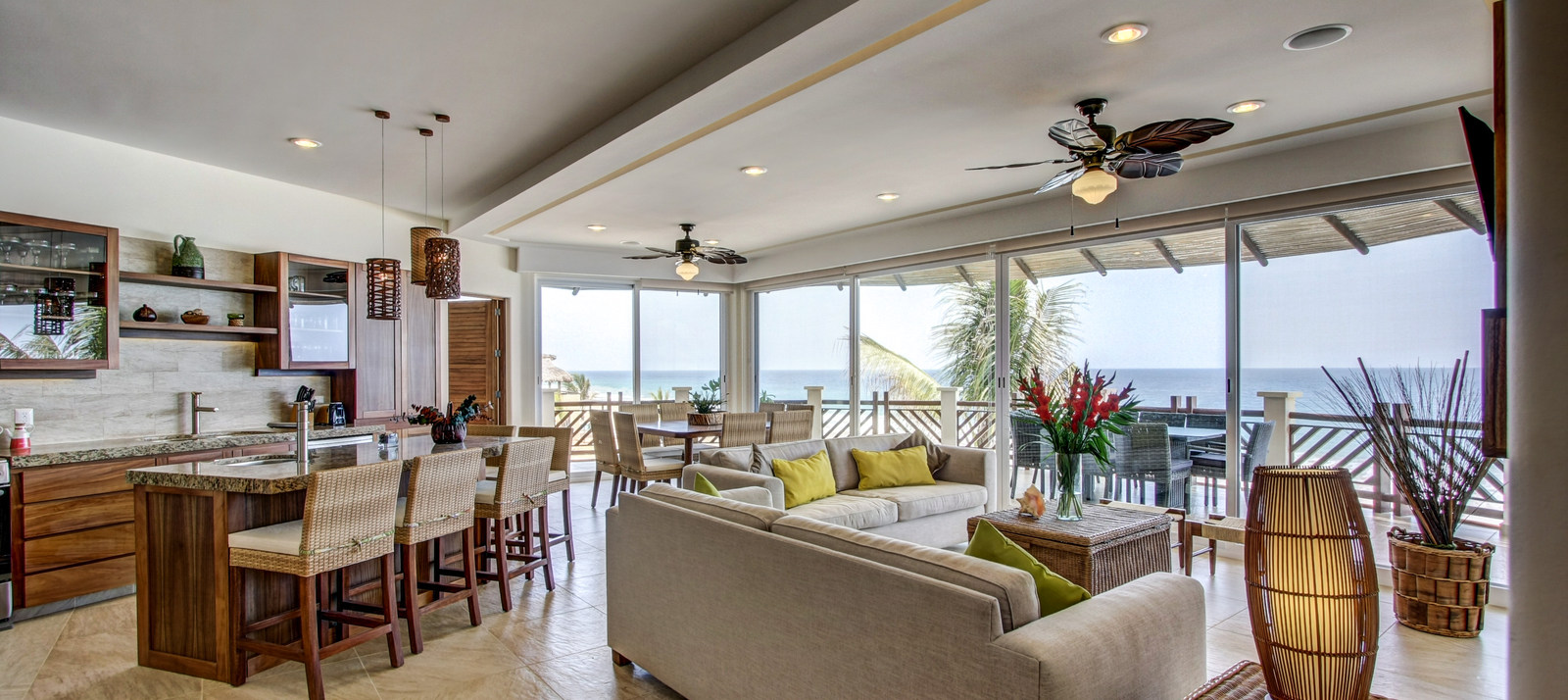
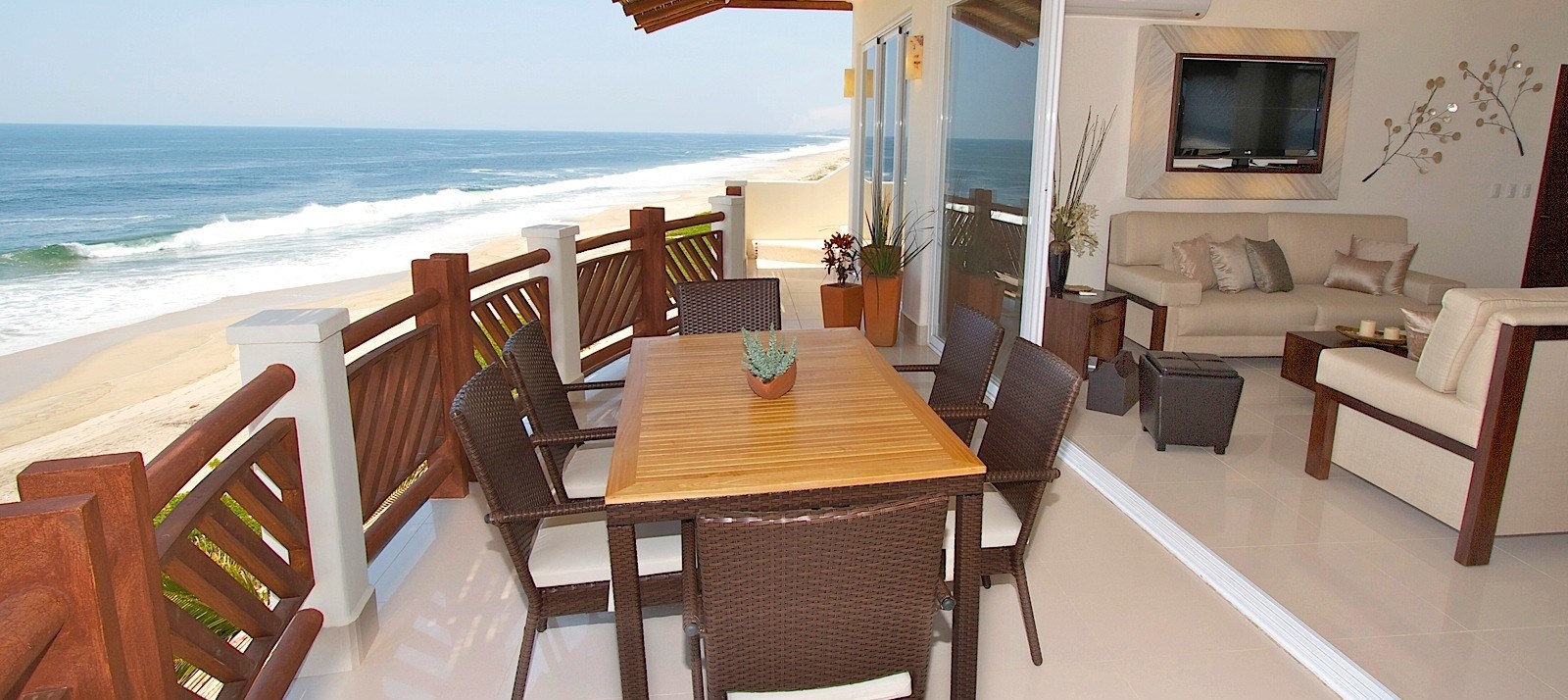
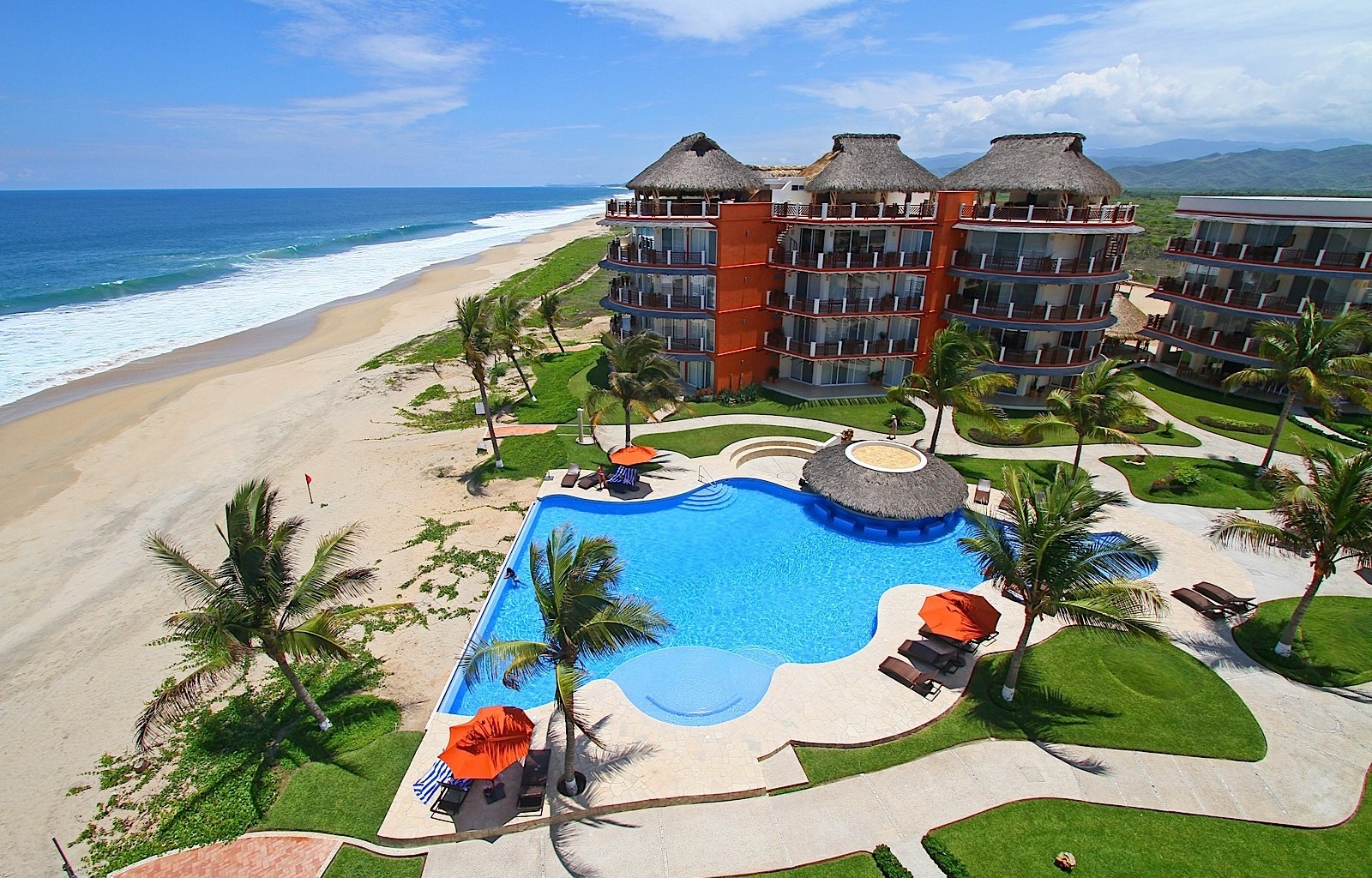
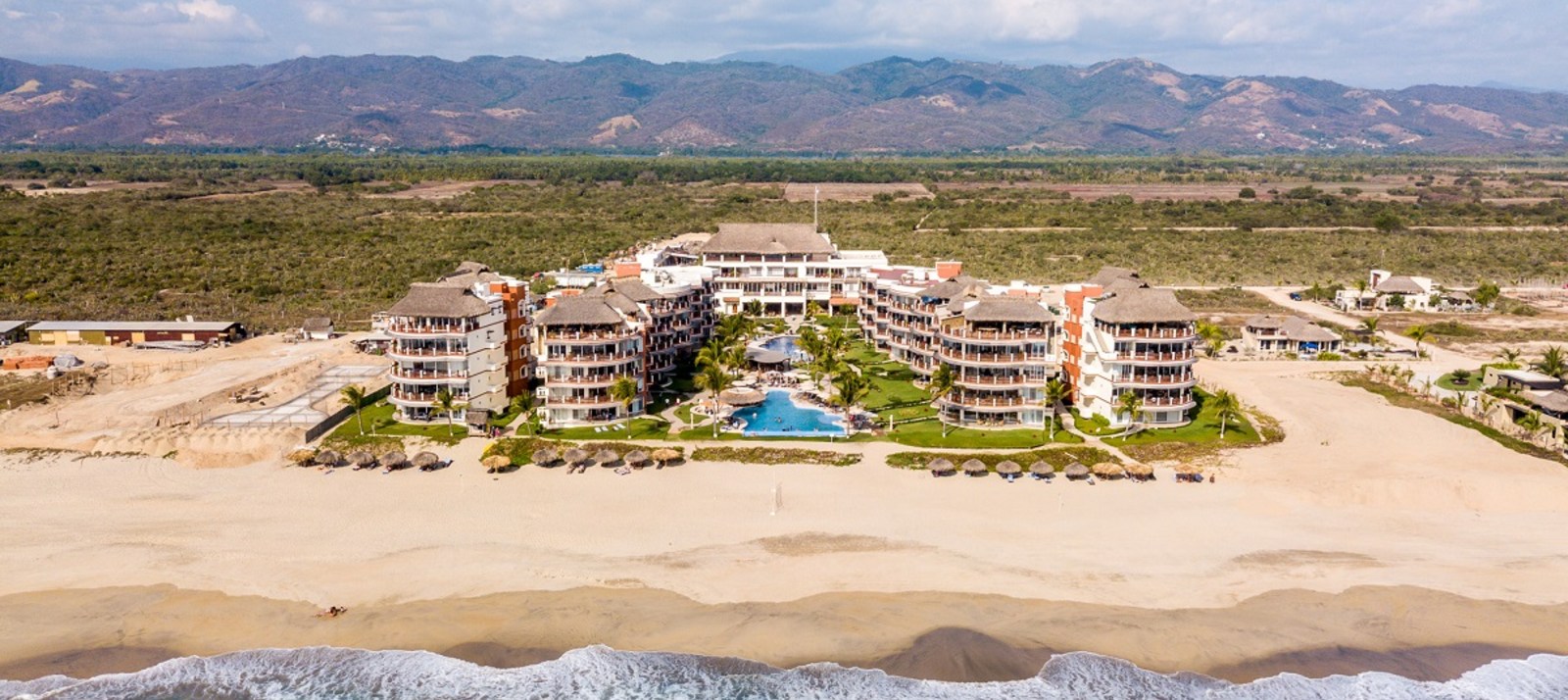
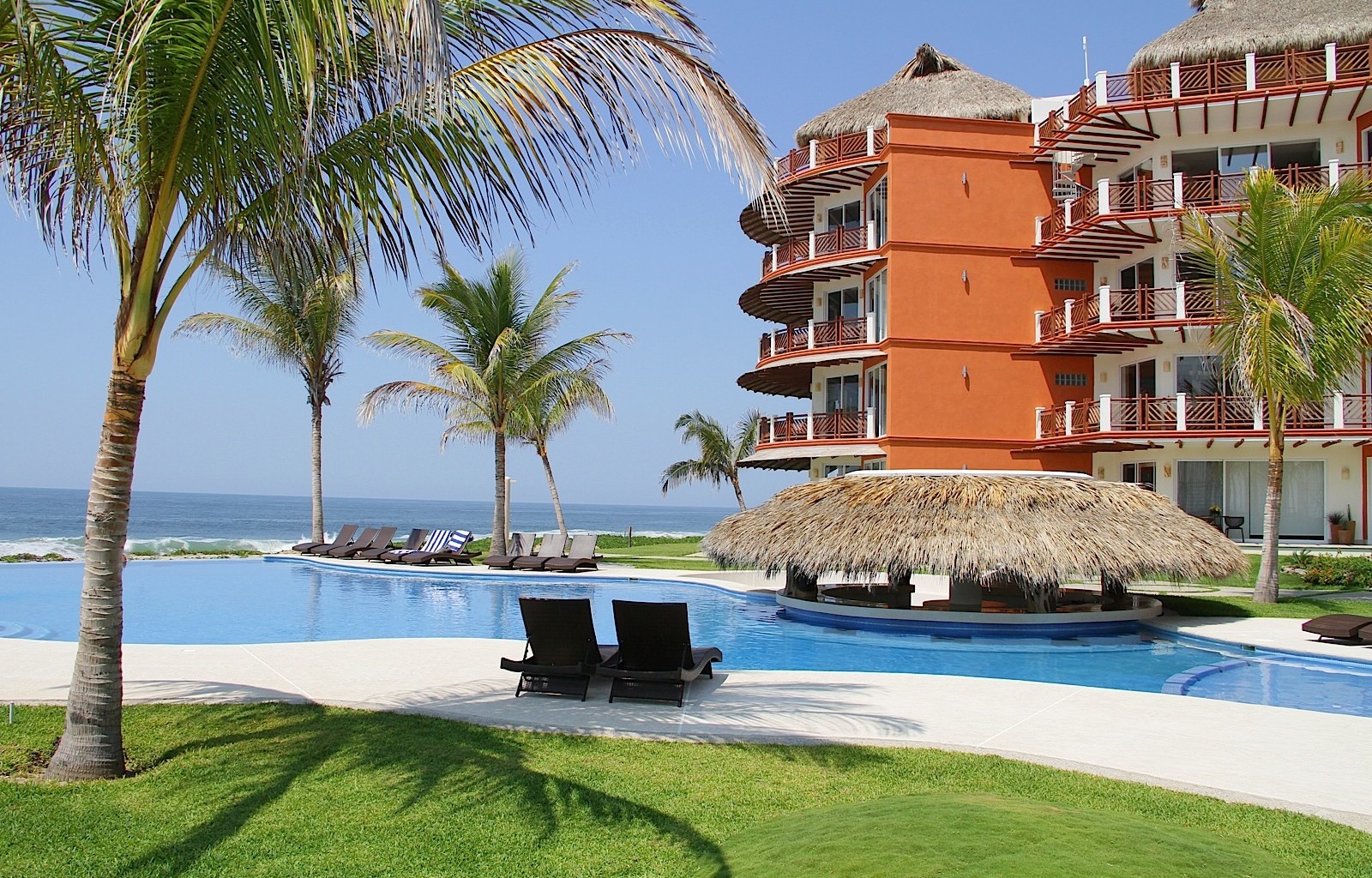
Vivo Resorts occupies a beachfront setting on Playa Palmarito, near Puerto Escondido, where its all-suite residences and private villas offer ocean views. Its eco-tours can connect coastal habitat with local knowledge and responsible travel. Tides, weather and wildlife seasons influence which activities operate, so ask the resort what is running during your stay rather than relying on a fixed tour list.
Australians arriving from Sydney, Melbourne or Brisbane often expect beach holidays to support environmental care. The reef-responsible instincts that matter around the Great Barrier Reef can also shape a better day at Vivo: choose an activity that teaches you something, limits your impact and contributes locally. It is a meaningful alternative to moving only between the pools, restaurants and nearby beaches.
Reading the coast before choosing a tour
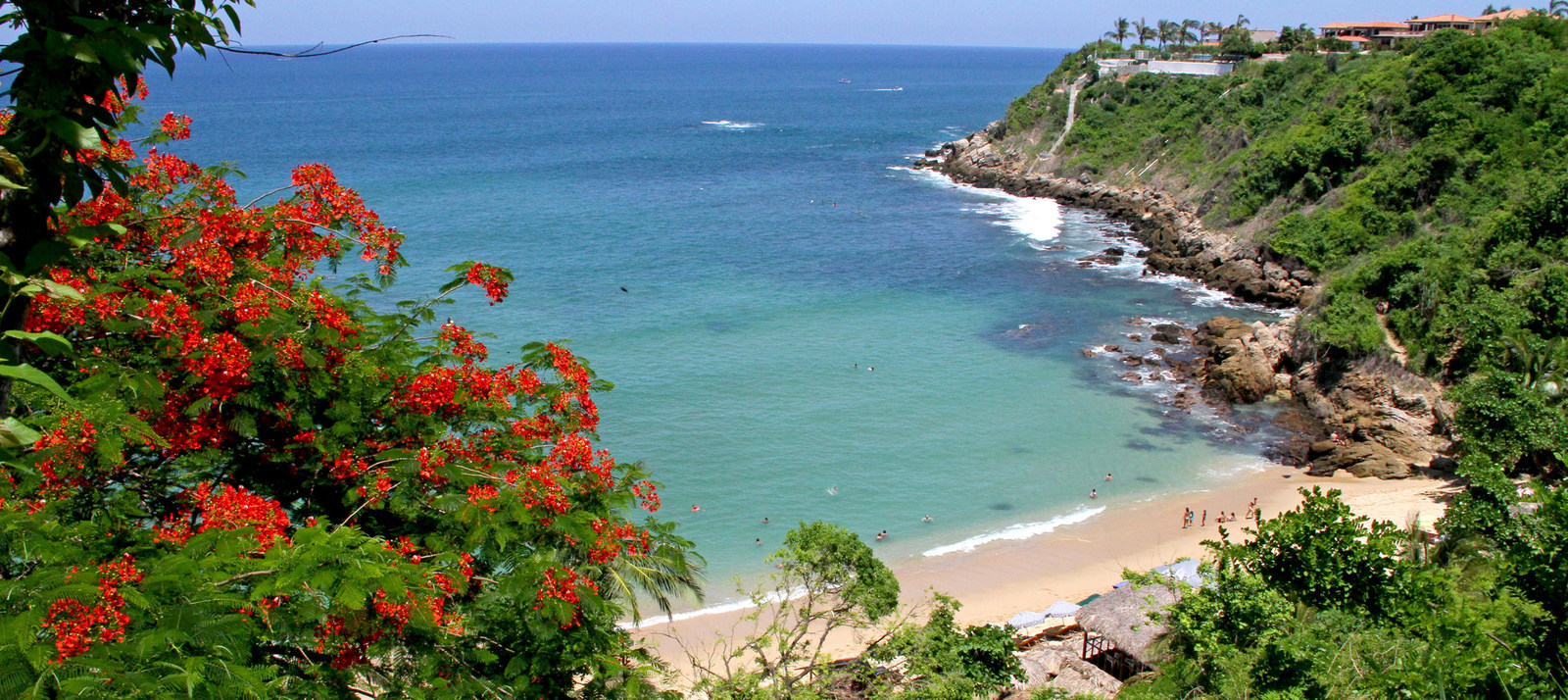
Playa Palmarito’s broad beach, dune edges and surrounding coastal habitat suit different forms of exploration. A good guide should explain where visitors may walk, where nesting animals need quiet and how rain affects the surrounding environment. Ask for each outing’s ecological focus, duration, difficulty and group size before choosing.
Leave recovery space between activities. An active morning can be followed by the pools, a meal across the resort’s dining venues or a spa appointment, so spa treatment timing is worth checking before adding another excursion. An unhurried afternoon also improves your chances of noticing birds, vegetation and changing surf.
Kayaking, paddleboarding and low-impact exploring
Kayaking and paddleboarding reveal the shoreline without engines. Where conditions and local rules allow, a guide may lead a paddle through calmer water or towards scenery that is awkward to reach on foot. Stand-up paddleboards can suit families who want a short outing, while a guided beach walk offers an accessible alternative.
Match the activity to the group and weather. The coast can feel exposed in strong sun, currents and afternoon winds, and some sections suit a stable board better than a kayak. Wear a rash vest and sun protection, follow instructions around wildlife, and finish with a litter check so nothing small becomes ocean debris.
Wildlife encounters with a conservation mindset
Wildlife watching should be observational, not intrusive. The Puerto Escondido area is associated with sea turtle nesting, and local conditions determine when organised encounters are appropriate. Guides may explain tracks, nest protection and legal buffers instead of allowing a close look. Keep voices low, avoid flash photography, and never reposition a turtle or touch wildlife.
Birding can be rewarding around wetlands and the transition between beach and inland vegetation. Early or late departures may offer better light and fewer crowds, though the resort should confirm the safest useful time. If a guide mentions community monitoring, ask how observations are recorded and what guests can learn from the data.
Supporting local conservation beyond the resort
Traceable local benefits are the test of a worthwhile conservation activity. Ask whether a beach clean-up, dune restoration, native-tree planting or wildlife-monitoring project is active, and whether a community partner is involved. Programmes can change with the season, so request current details on fees, materials and guest contributions. A specific answer says more than a general claim of being eco-friendly.
Local employment matters too. A guide, restaurant supplier or crafts cooperative based around Puerto Escondido can keep visitor spending in the region. Look for activities that explain sourcing, employ local experts or support community education. After a busy outing, the in-suite spa ritual offers a private way to wind down without another transfer.
Planning an eco-tour from Australia
Australians planning around school holidays should allow for the distance to Puerto Escondido and confirm transfer arrangements. Travellers from Sydney, Melbourne and Brisbane may use different flight connections, and late-summer departures can fill rooms and tour seats. Provide arrival details and ask the concierge to reserve a child-suitable departure; not every eco-tour will suit younger children.
Cards work well at the resort and established businesses, but small Mexican pesos help with guides, beach cafés, tips and small purchases. Tipping is not routine in Australia, yet modest tips are appreciated in Mexico. Check current Smartraveller and embassy advice, keep insurance details offline, and confirm whether an activity price includes equipment, transport or a contribution.
Pack for an exposed Mexican beach with Australian sun habits: broad-spectrum SPF 50+, a hat, rash vest, light long sleeves and a refillable water bottle. These are familiar in Brisbane summers and Western Australian boat trips, yet essential here. Add sandals, insect repellent for dusk and a light rain layer for the wet season.
A responsible itinerary checklist
Use this checklist to keep the day low-impact and worthwhile:
- Reserve one guided ecology or wildlife tour rather than attempting every activity.
- Choose a small group and ask which conservation outcome it supports.
- Carry SPF, water, a hat and a reusable rubbish bag.
- Keep distance from nesting turtles, roosting birds and other wildlife.
- Support locally led clean-ups, restoration work and community services.
- Review the guide’s local knowledge and the tour’s wider benefit.
Together, these choices turn an excursion into a practical contribution rather than a symbolic gesture. They also make the day easier to enjoy, with fewer hurried transfers and better questions from travellers and guides alike.
Building a conservation-minded escape
A conservation-minded escape still works as a holiday. The pools, spacious suites, private villas, dining choices and family amenities provide space to slow down between outings, while the beach makes environmental learning accessible. Strong programmes combine local guidance, modest visitor numbers and benefits that remain after guests leave.
The next concrete step is to contact the resort concierge with your preferred dates and request one guided shoreline or wildlife tour, including confirmation of the current conservation activity and how guests contribute.