A guide to Vivo Resorts children’s pool and safety features
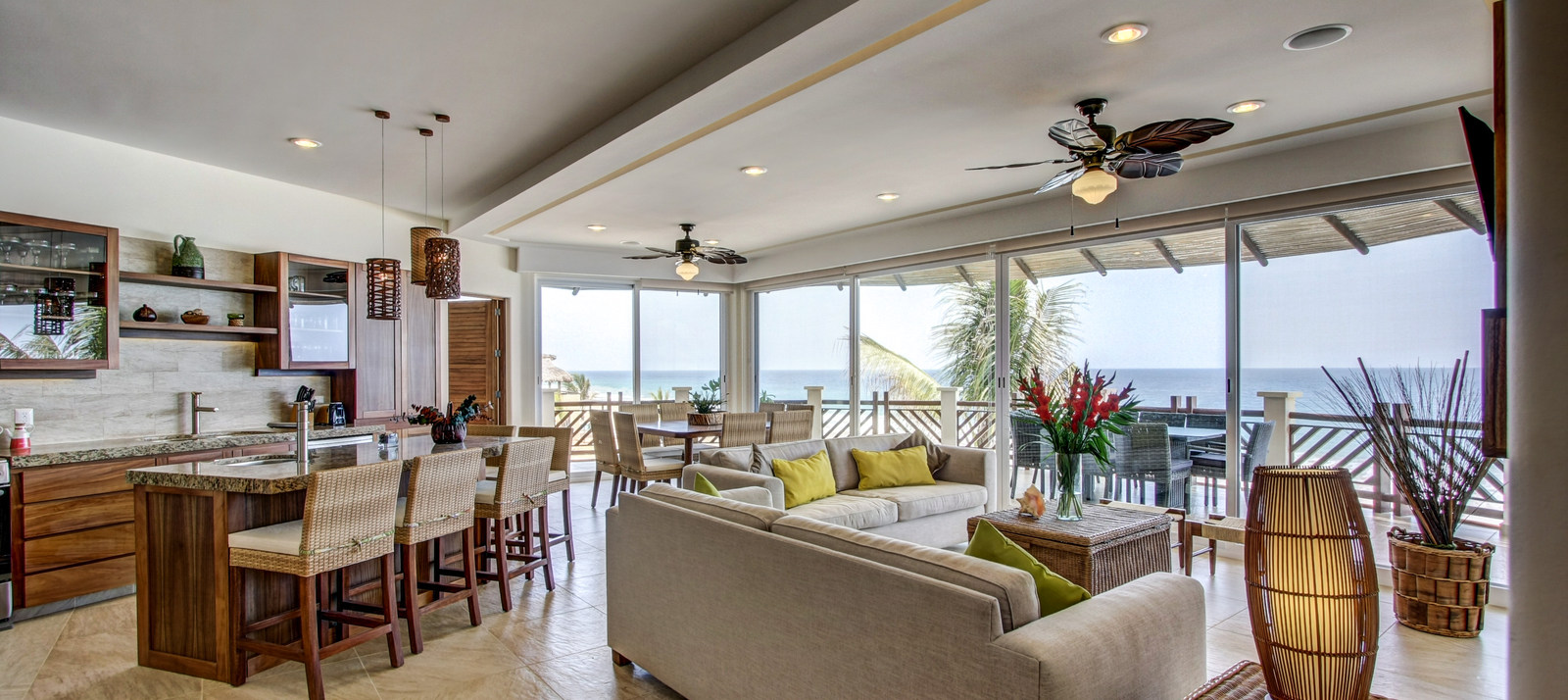
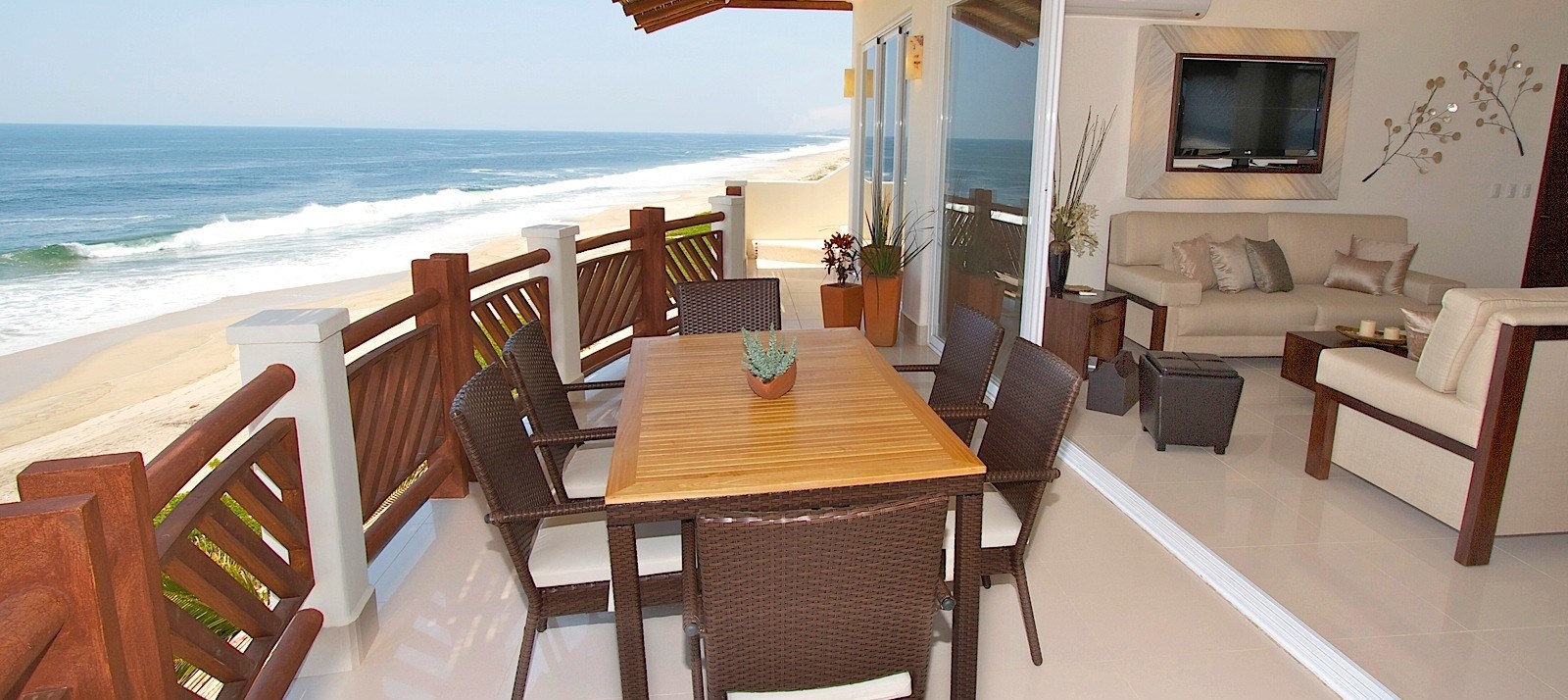
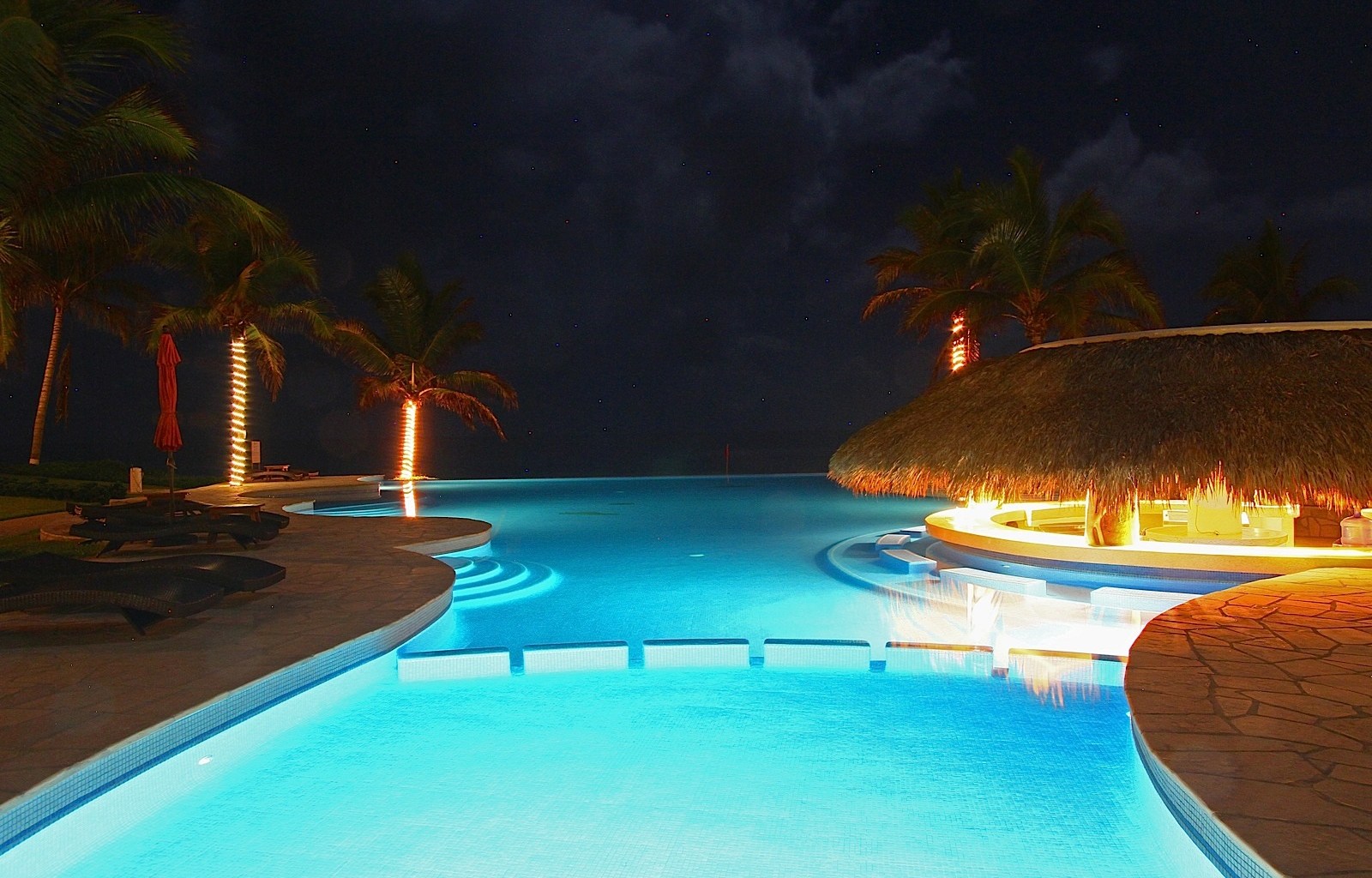
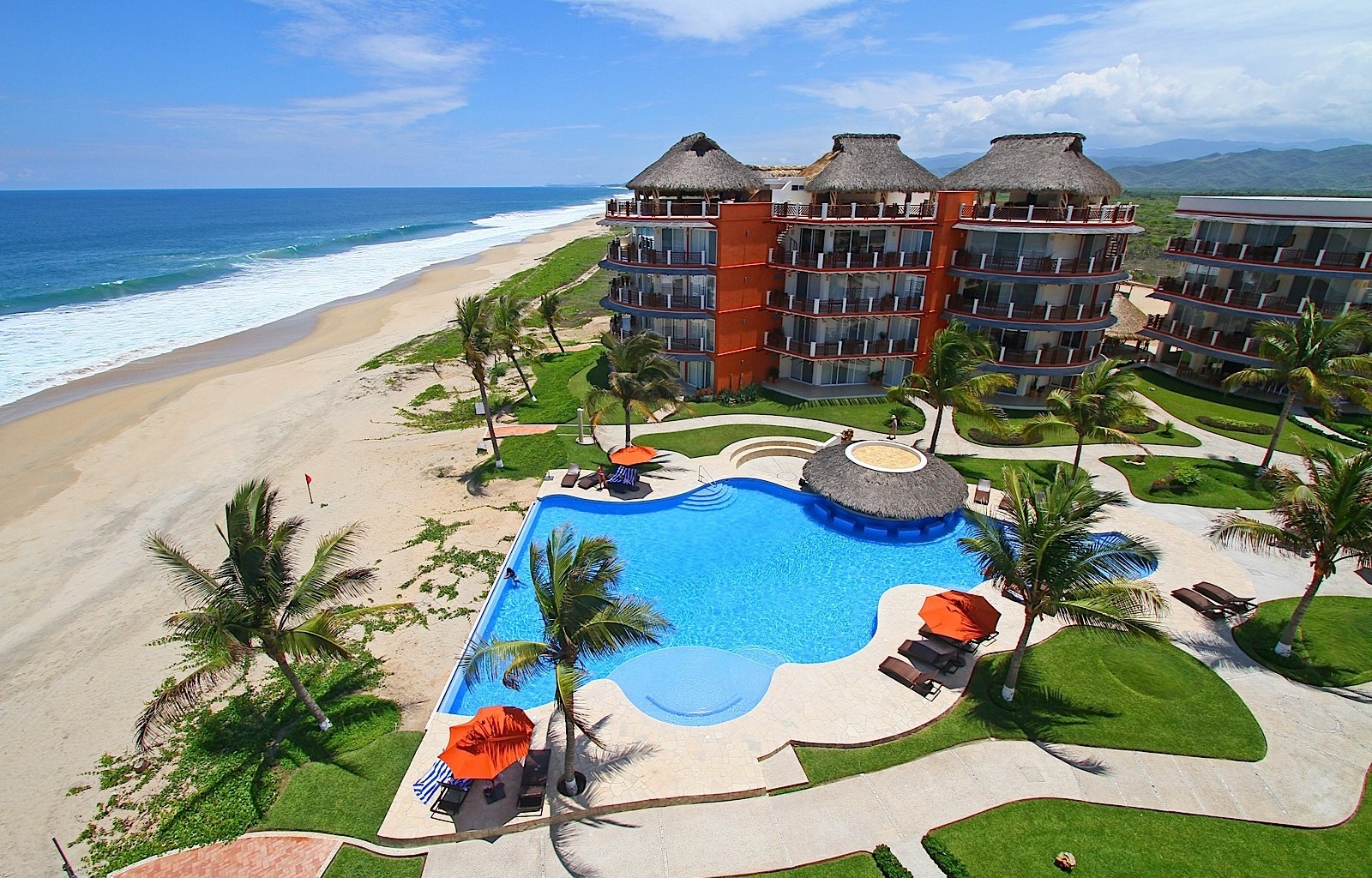
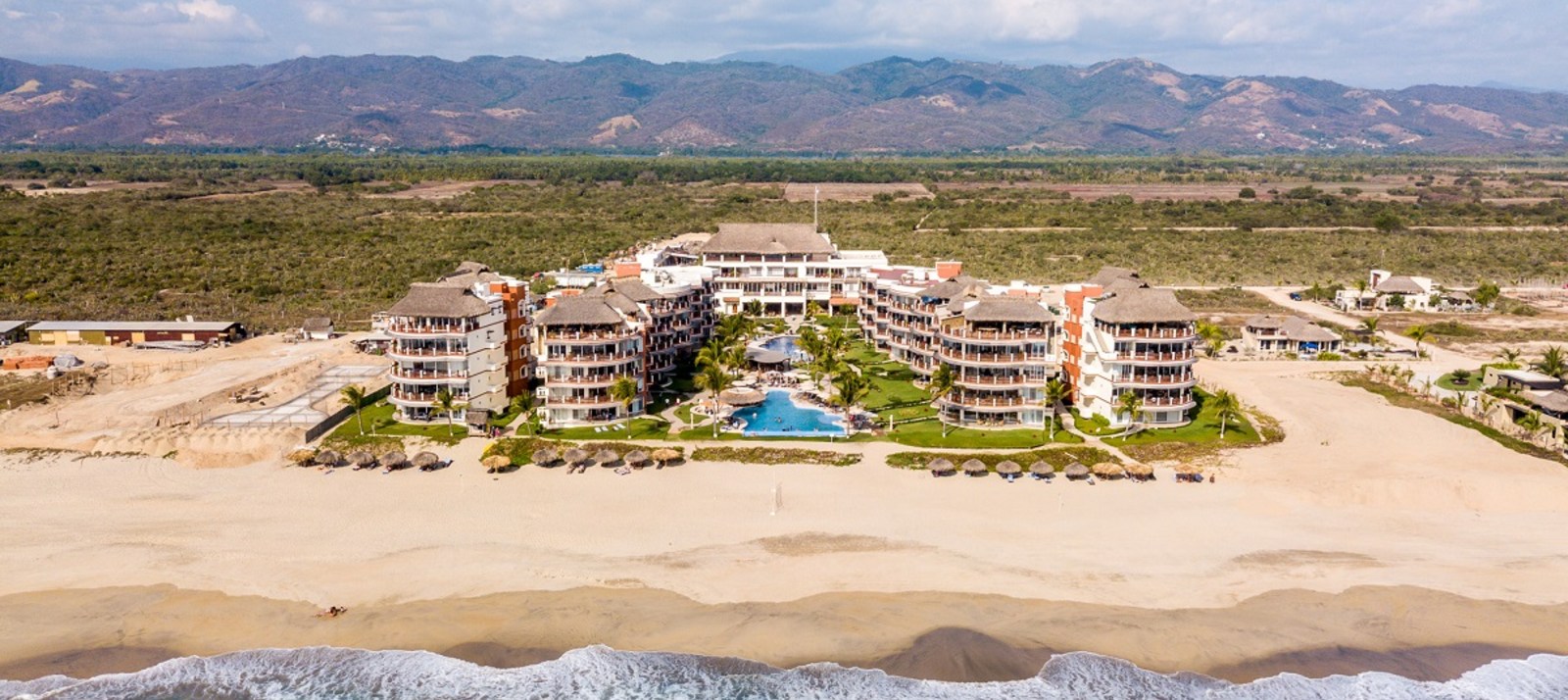
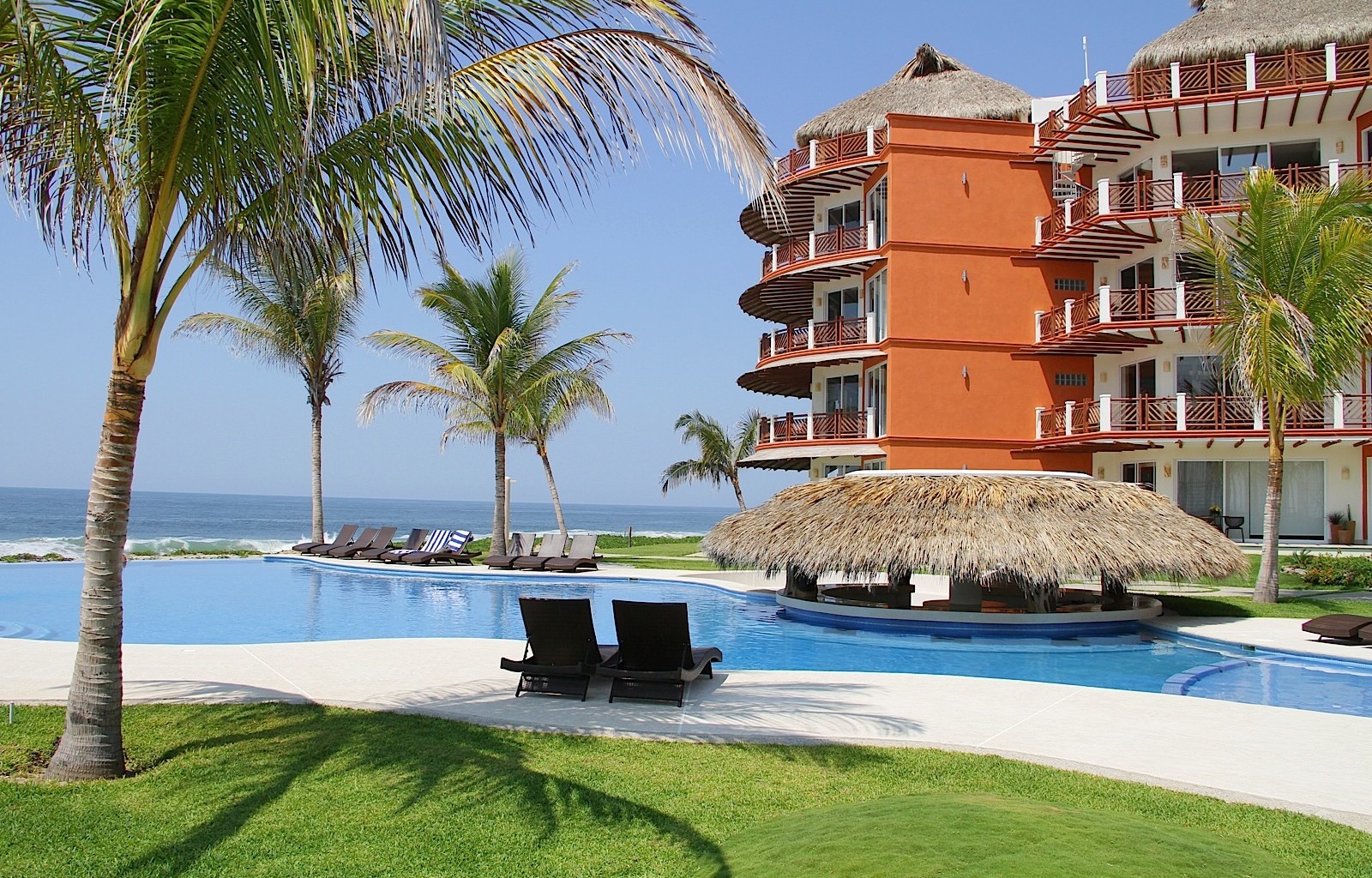
Vivo Resorts’ beachfront location near Puerto Escondido makes its family pool areas a useful base for a relaxed holiday. The children’s pool offers younger guests a shallow place to splash, while the all-suite residences and private villas give parents room for naps, meals and changes of clothes. Multiple pools mean families can move between active swimming and quieter breaks without leaving the property.
That convenience also creates responsibility. Pool depth, open water, a busy terrace and the ocean are different environments, even when they sit within the same resort. A safe visit depends on active adult supervision, clear house rules and knowing which areas suit each child’s swimming ability. The shallow pool reduces one risk; it does not remove slips, collisions, heat or supervision problems.
Australian families will find familiar cues here. December-to-February school holidays and Easter are peak times for family travel, while Australian sun-safety habits—broad-spectrum SPF 50+, rash guards, hats and regular reapplication—are especially valuable on Oaxaca’s coast. The guide below focuses on what to check, how to organise pool time and how to carry the same safety standard to the beach and excursions.
What the children’s pool offers
A children’s pool gives small swimmers a controlled transition into resort life. At Vivo Resorts, the shallow family area is suited to splashing and basic water play, but parents should still check the posted depth and entry point rather than judging by appearance. Some young children enter confidently yet become uncomfortable when water reaches their face, so an adult stays close enough to guide them physically.
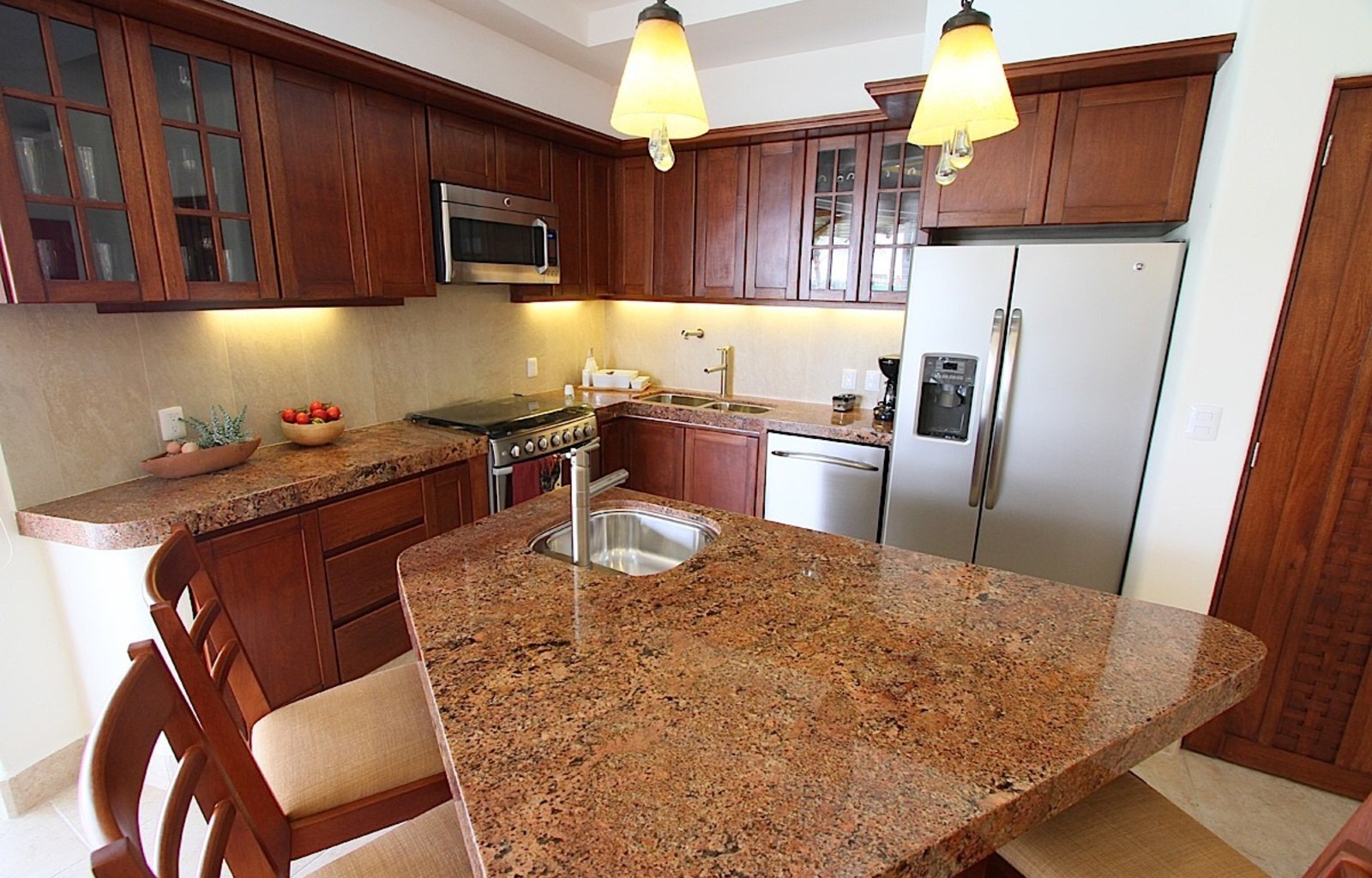
The spacious suites also help with the less exciting part of pool time. One parent can take a tired child back to the room while another remains with the remaining children; nobody needs to leave a child unattended to fetch a towel or change clothes. Adults planning a wellness break can read about early morning beach yoga, but any session works only if another responsible adult stays with the children and the swimming group is not left without an attentive supervisor.
Checking the safety setup on arrival
The best first pool visit is a short orientation. Find the children’s area, read the signs, locate the entry points and note the nearest exit, first-aid point and adult pool. Ask staff for the pool hours, current depth and whether lifeguard cover or controlled access is provided. Rules can change with weather, maintenance or group bookings, and staff will have the most reliable update.
Pool rules should be explained to children before they enter. Keep glass, sharp objects and running games away from the edge; match footwear to wet surfaces; and make it clear that food and drinks belong outside the pool zone. Australian families are accustomed to notices seen at council pools in Sydney, Melbourne and Brisbane, including depth markers, no-diving warnings and restrictions around lap lanes. Those same expectations are sensible here, even when the resort provides a holiday setting rather than a local aquatic centre.
Planning pool time for Australian families
Timing matters when school-holiday occupancy is high. Go soon after opening for calmer water and easier supervision, then move indoors or back to the suite through the hottest part of the day. Younger children often swim better after a rest and a snack, especially if they have arrived from Australia with disrupted sleep. Reserve accommodation early because Australian summer break dates and long weekends can push family demand well ahead; choosing a shaded lounger early also makes supervision easier.
Treat sun protection as part of the swim, not something added afterwards. Apply broad-spectrum SPF 50+ before exposure, reapply after towelling, and use a rash guard, hat and light cover-up between swims. Pack water and keep it beside the adult rather than only in a villa. Australian families often say “come on, kids, into the shallow area” to redirect children without creating a scene; a firm, calm instruction is clearer than several adults giving conflicting directions.
Moving between the pool and the coast
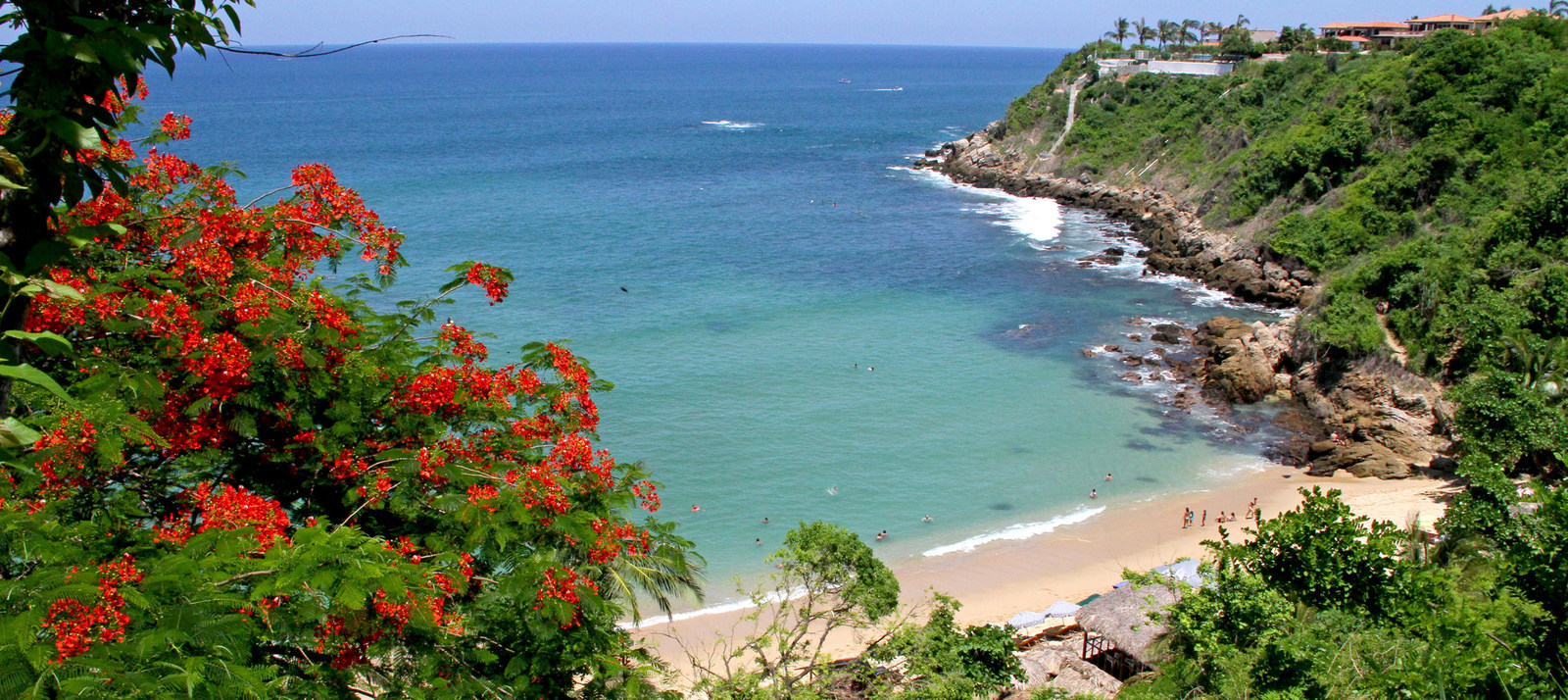
Playa Palmarito’s beach is beautiful, but ocean conditions require a different mindset from a calm pool. Check local warnings, swim near a patrolled area when one is operating, and keep non-swimmers within arm’s reach where waves can quickly change depth. Stay away from exposed rocks, strong currents and unguarded inlets, and follow instructions from lifeguards or knowledgeable local staff rather than relying only on a phone forecast.
Resort-arranged excursions need the same adult-child discipline. Puerto Escondido is about 15 kilometres from Playa Palmarito and Mazunte roughly 35 kilometres, distances that Australian travellers can judge easily in kilometres. Advice on avoiding crowded local attractions can help with timing and transport, yet it does not replace a named adult supervising each group. One adult should never be left responsible for several young children in unfamiliar surroundings, and any change of carer should be said aloud and confirmed.
A daily routine that keeps everyone safer
Before entering, agree on the swimming zone, the supervising adult, a toilet stop and the signal for leaving the water. Put sunscreen on before the pool rather than at the first signs of redness, and count every child before leaving the terrace. For ideas suited to all-suite hotels beyond the dedicated children’s area, this overview of family pool experiences shows how different pool settings can support a varied family day without turning supervision into guesswork.
At the end of the swim, do a final head count, collect all towels and check that no child has moved towards another pool while adults are packing. Keep valuables and room keys with the supervising adult, and never use the beach or balcony as extra childcare. The practical takeaway is simple: keep one alert adult, maintain arm’s reach for non-swimmers, follow posted rules and keep children within sight whenever the family moves between the pool, beach or excursions.