Wildlife You Might See Near the Resort at Playa Palmarito
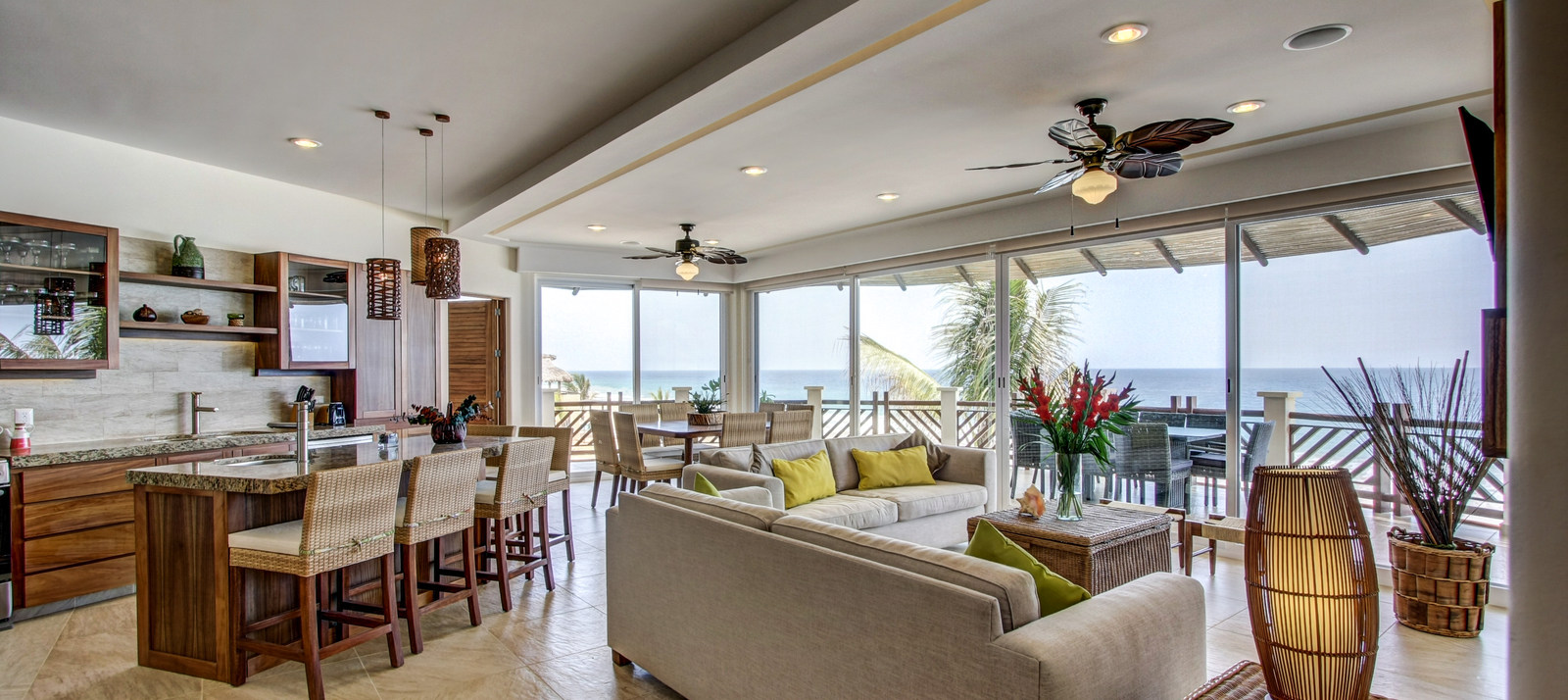
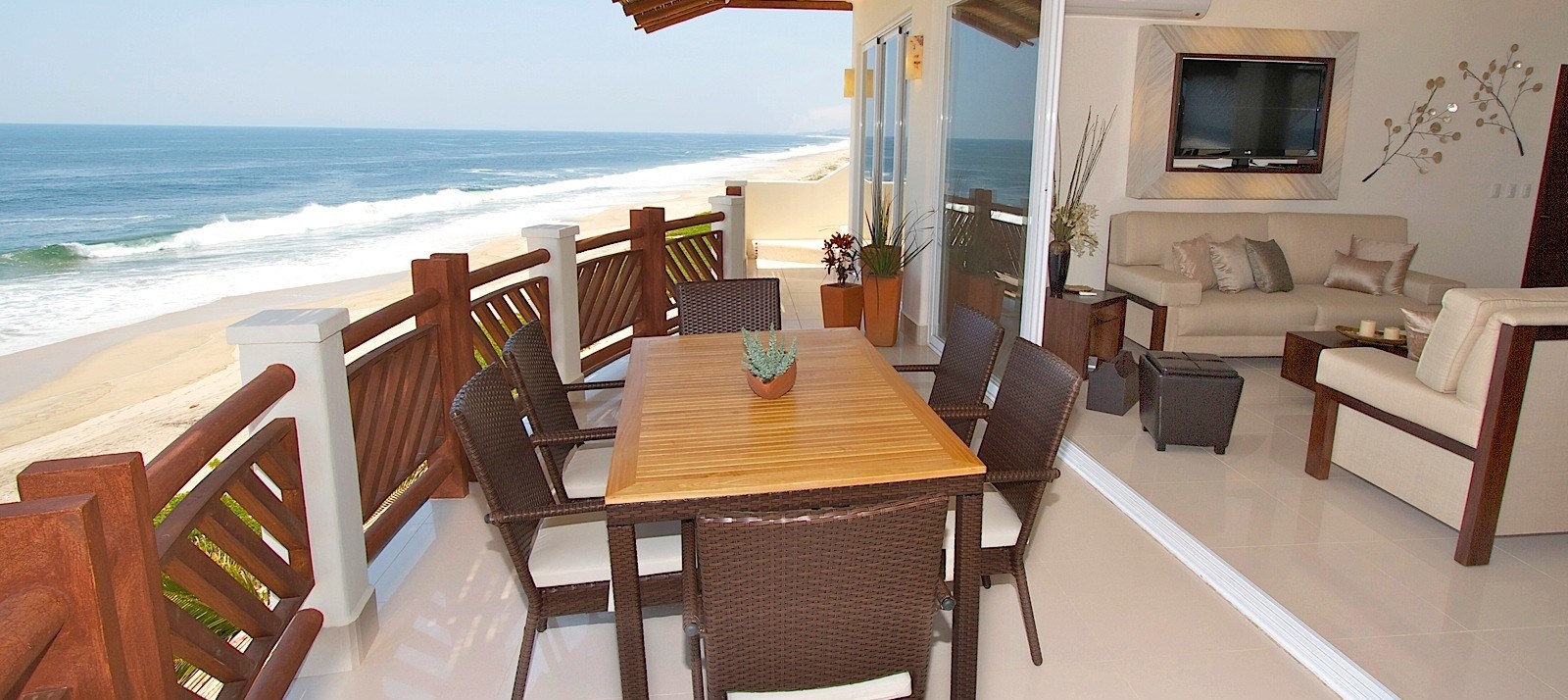
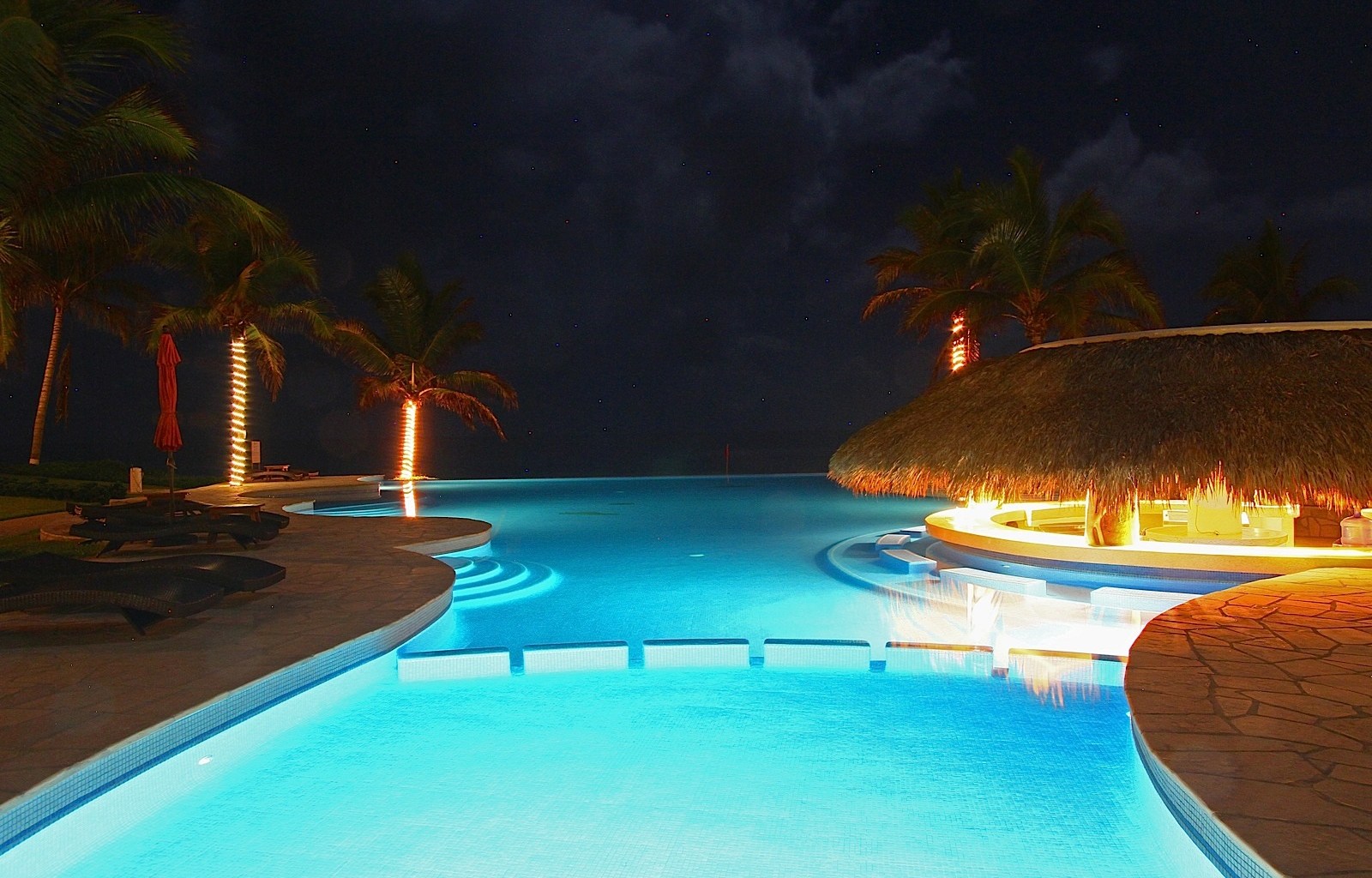
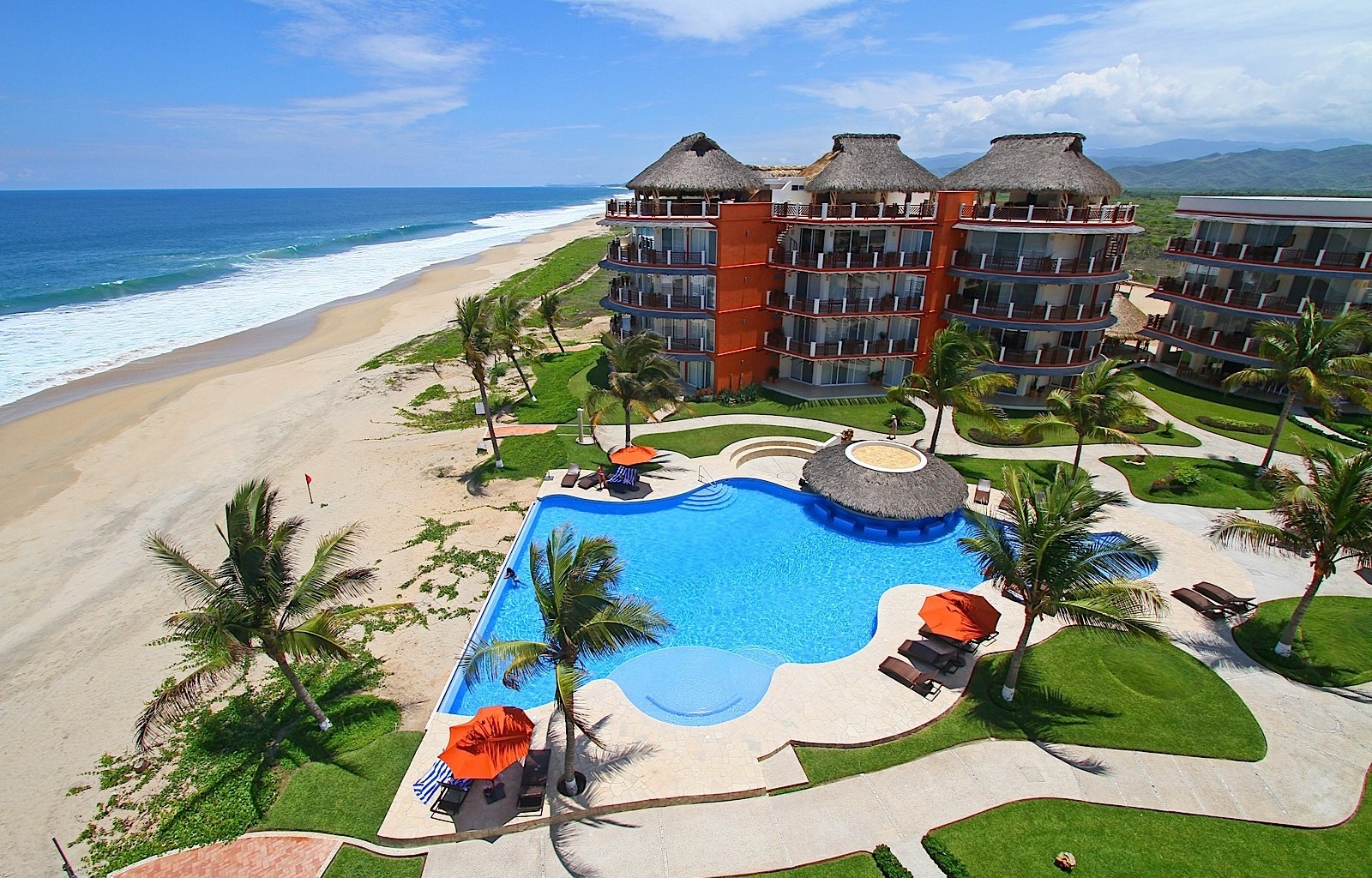
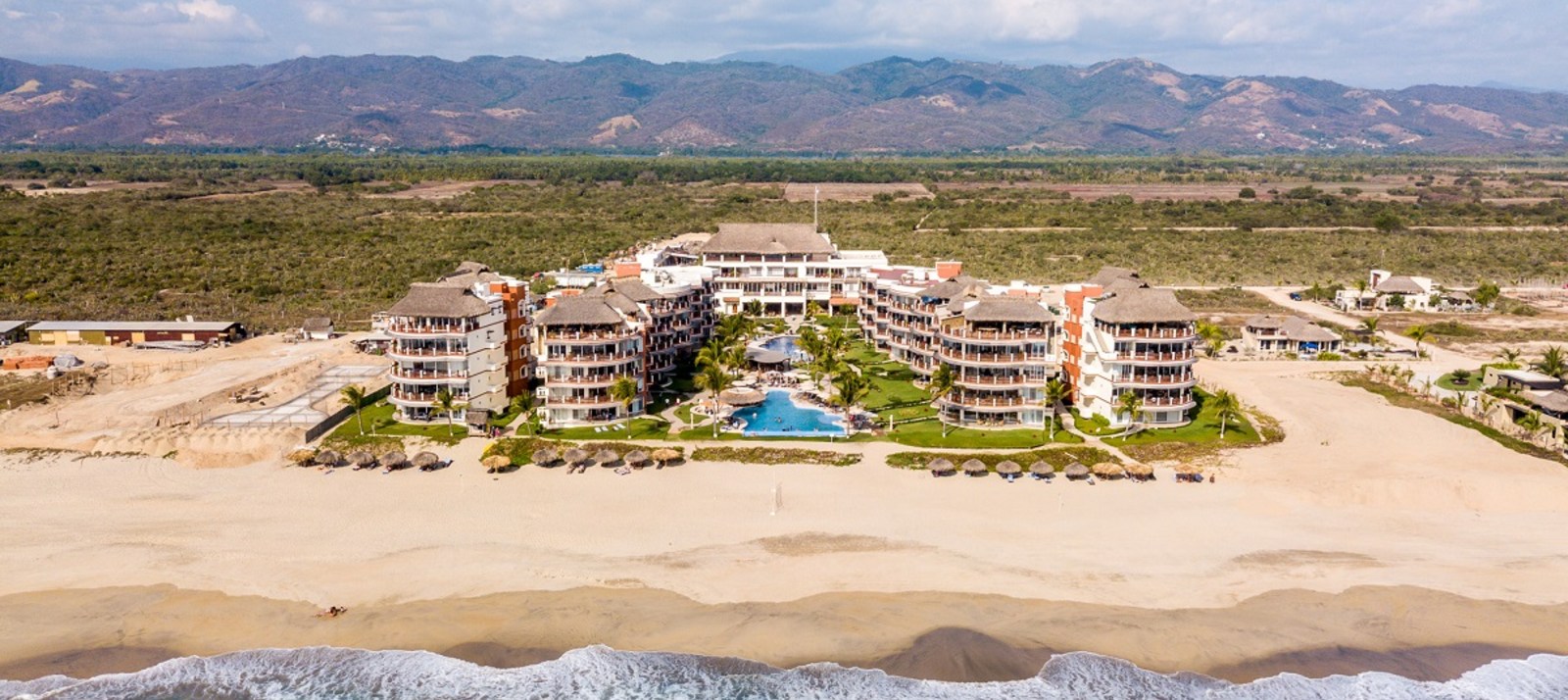
Playa Palmarito is a broad ribbon of sand on the Oaxacan coast, roughly 25 kilometres north of Puerto Escondido, where the village of Santa María Tonameca gives way to reef, lagoon and dry tropical forest. That mix is why the local wildlife you might see near the resort is so varied: the same morning can hold a turtle crawl on the sand, pelicans fishing the shallows and an iguana watching from the dune grass. Guests at Vivo Resorts can reach most of it on foot or with a short transfer arranged through the concierge.
Timing matters more here than almost anywhere else. Turtles nest after dark and are usually seen between dusk and the early hours, whales pass in cooler water, and the lagoon birds feed around low tide. The seasonal rhythm also runs opposite to Australia's, which is worth remembering if you are building a trip around school holidays or the southern summer.
Turtle nesting and the tidal hours
Olive ridley turtles are the most reliable big encounter of a trip here. Females dig into the sand above the high-water line, lay roughly 80 to 120 eggs, cover the nest and then haul themselves back to the sea. Playa La Soledad, about half an hour up the coast road, is one of the most consistently active nesting beaches in the region, and smaller numbers use stretches of sand closer to the resort. Leatherbacks, which grow past two metres, turn up far less often but are unmistakable.
The likeliest encounters, with the timing and place that suit each one, look like this:
| Animal | Best window | Where to look | Likelihood |
|---|---|---|---|
| Olive ridley turtle | Dusk to pre-dawn, nesting season | Playa La Soledad, beaches north | High |
| Leatherback turtle | Any night in season | Sandy stretches beyond the reef | Rare |
| Humpback whale | July to October | Morning boat trip | High in season |
| Bottlenose dolphin | Any time, moving boats | Open water offshore | High |
| Whale shark | June to September | Warm plankton offshore | Moderate |
| Manta ray | Warm months | Offshore water | Occasional |
| Brown pelican | Low tide | Reef and lagoon mouth | Daily |
| Sandpipers and plovers | Low tide | Lagoon flats | Daily |
| Green iguana | Warm parts of day | Dune scrub and palms | Daily |
Hatchlings emerge about two months after nesting, usually in the dark, and head for the water with guidance from local community watchers. Keep torches pointed at the sand and never walk over a track or a roped-off section of beach; the volunteers will tell you where to stand and when to move.
Whales, sharks and the reef beyond the breakers
From July through October, humpback whales work along the Oaxacan coast, blowing and feeding on sardines close to shore. Dolphin pods, usually spinner or bottlenose, ride the same currents almost year-round, and whale sharks appear in the warm months when plankton thickens. On a calm morning a skipper can take you out to snorkel over pale sand where sergeant majors and blue-green damselfish hover, with rays occasionally working the bottom.
Most operators run early-morning departures, because the wind settles and the light is clearer before the afternoon heat. After a day on the water, the live music venues nearby keep the evening moving with cumbia and salsa on the sand.
Birds, iguanas and the scrub behind the dunes
The lagoon and estuary edges are bird country. Brown pelicans dive for fish in the shallows, frigatebirds circle high with angular wings, and smaller waders such as sandpipers, plovers and egrets work the exposed mud at low tide. Several will look familiar to anyone who grew up near Australian wetlands, particularly the heavy-billed pelicans and the stint-like shorebirds that turn up on the flats during migration.
On land, the scrub behind the beach belongs to green iguanas that bask in the sun and drop into the vegetation when startled, plus geckos, anole lizards and the striking Mexican leaf frog, more often heard than seen after summer rain. The dry forest behind the lagoon supports hummingbirds, motmots and scarlet macaws, so a slow walk along the marked trails can add a dozen species to the list. Do not feed the iguanas, and keep food sealed so the wild species are not the ones being fed.
Practical notes for travellers from Australia
Getting the timing right takes a little adjustment. July to October, the best whale season, is the middle of the Australian winter and lines up with the southern school holidays, while December to February is the Australian summer and the driest part of the year here, when the water is calmer but whales are scarce. Most travellers leave from Sydney, Melbourne or Brisbane, connect through Mexico City or Los Angeles, and land in the early afternoon, so the first wildlife outing of any trip is realistically the following morning.
Sunscreen deserves a mention. Australia has trained generations of travellers to wear SPF 50, and Playa Palmarito's community, part of Santa María Tonameca, has asked visitors to leave oxybenzone and octinoxate sunscreens at home. Bring a UPF rash vest and a reef-safe formula rather than a discount tube from a Mexican shelf, since local brands often carry lower UVA ratings than Australian pharmacy standards allow.
Road and money customs catch people out too. Mexico drives on the right while Australia drives on the left, and the coastal highway towards Mazunte and La Soledad is peppered with topes that will jolt a hire car. Tipping is normal here, around 10 to 15 per cent for a guide or driver, and the Australian dollar has been hovering in the low-to-mid teens against the peso, so carrying small notes makes settling up easier. Excursions, transfers and restaurant bookings are all handled through the Vivo Resorts site, which is worth reading before you arrive.
A short checklist and the evenings after
Before you travel, pin down the two outings that matter most, a guided turtle walk and a half-day whale boat, then sort closed sandals for the reef, a wide-brim hat and a dry bag for the camera. For gifts and practical purchases, the on-site boutique and souvenir shop carries Mexican ceramics, carved wood and locally woven textiles, saving a drive into San Pedro Mixtepec for a last-minute birthday present.
- Time the first turtle walk for dusk on your arrival evening, with a community guide rather than a flashlight of your own.
- Book the boat for a July-to-October morning; it doubles as the best chance of seeing whale sharks in the warmer months.
- Check the tide chart before the lagoon walk, because the bird life concentrates on exposed flats at low water.
- Keep a hat, UPF rash vest and reef-safe sunscreen in the day bag, since the sand reflects more light than visitors expect.
- Stay on the marked trails behind the dunes and carry drinking water, as there are no shops along the beach stretch.
- Bring a small torch for the walk back from dinner and a spare shirt for the boat deck.
One concrete step before you fly: ask the concierge to add a 6:00 a.m. guided turtle walk and a 7:30 a.m. boat transfer to your first morning, with the week's tide chart printed out.