A Guide To Puerto Escondido Markets For Memorable Souvenirs
Puerto Escondido’s markets offer a more personal way to remember Oaxaca’s Pacific coast. Instead of choosing a mass-produced item in a hotel shop, you can browse woven textiles, painted ceramics, regional food products, handmade jewellery and small artworks while seeing how local residents shop.
The best places are spread across the town rather than gathered in one enclosed shopping centre. Central markets are useful for food, spices and everyday goods, while artisan streets and neighbourhood stalls are better for gifts that travel well. Prices, opening hours and stallholders can change, so a relaxed schedule works better than trying to visit everything in one morning.
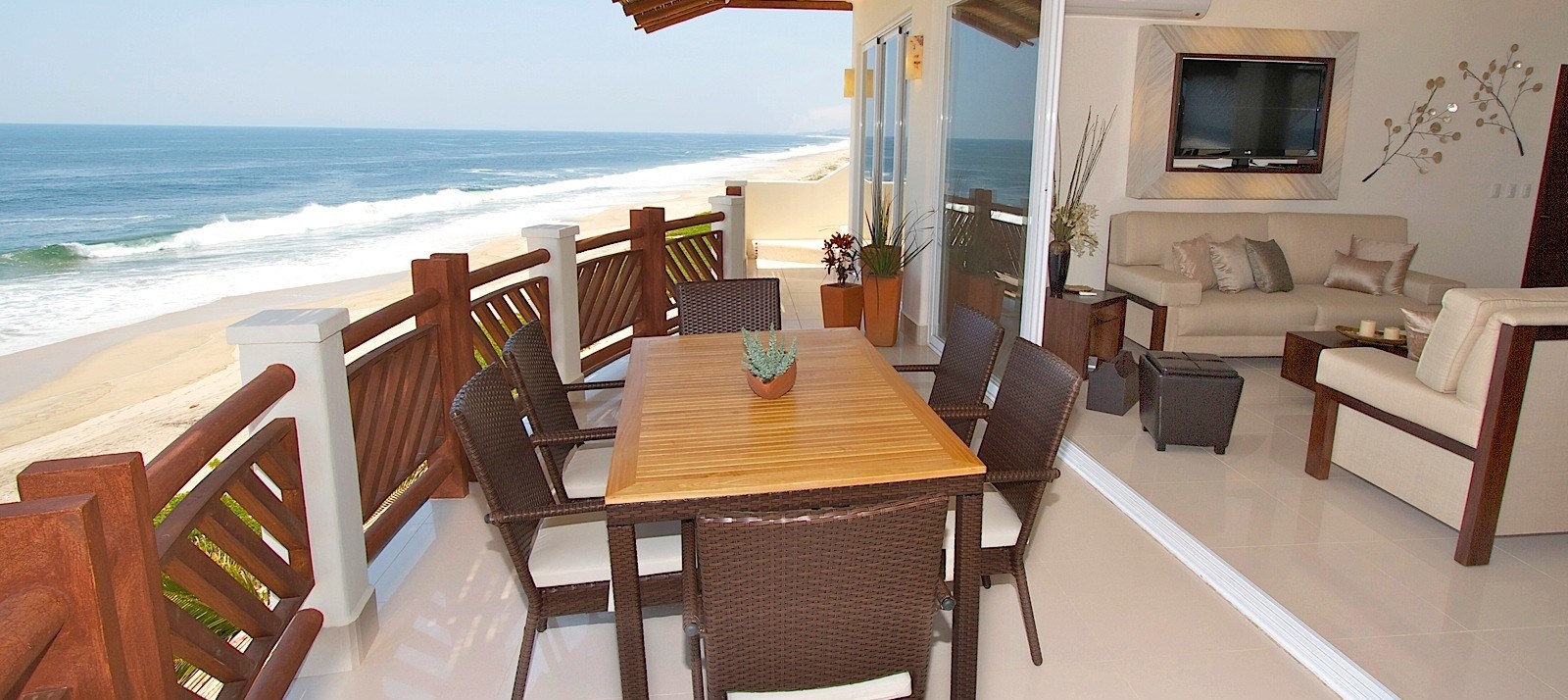
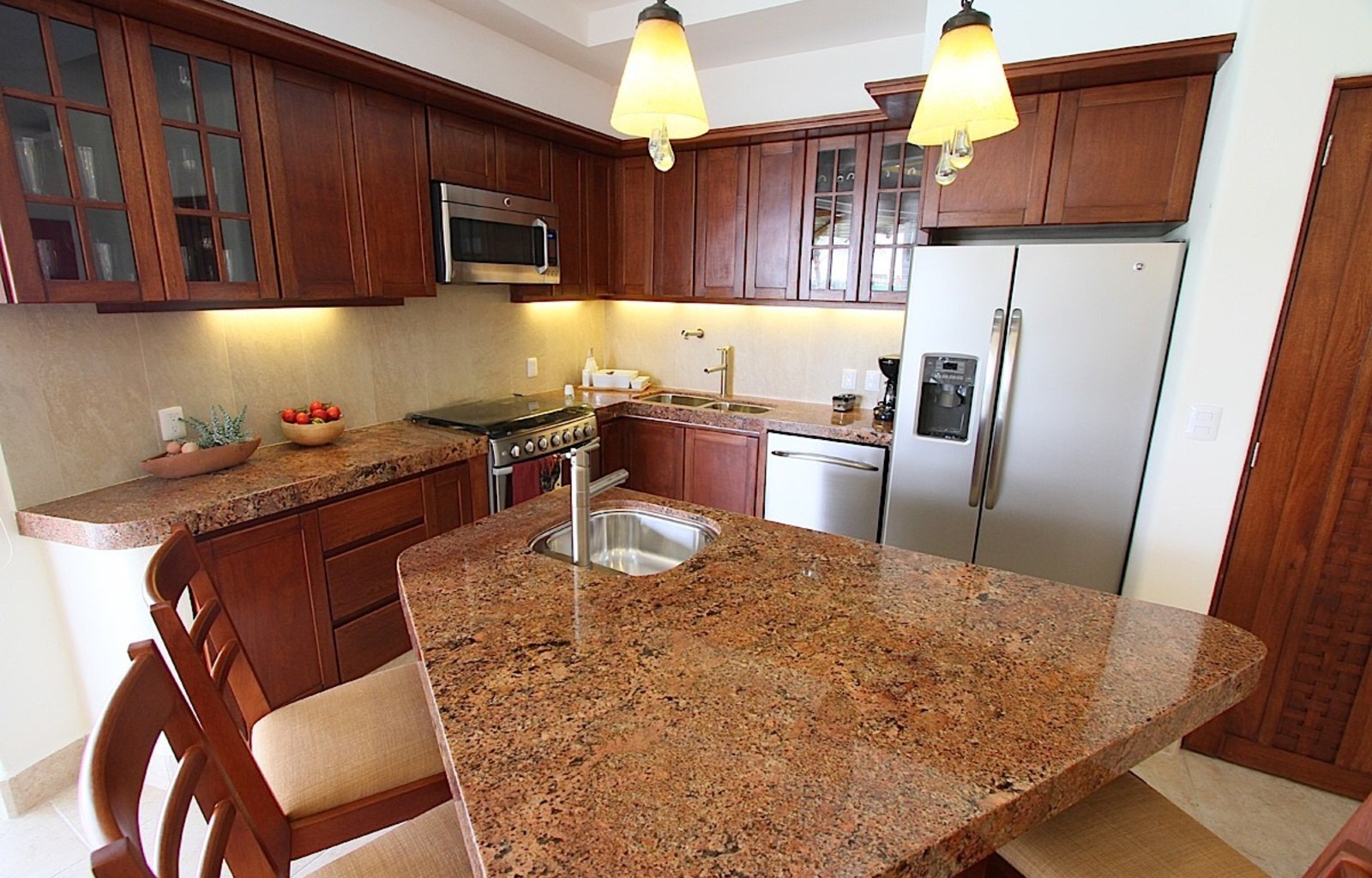
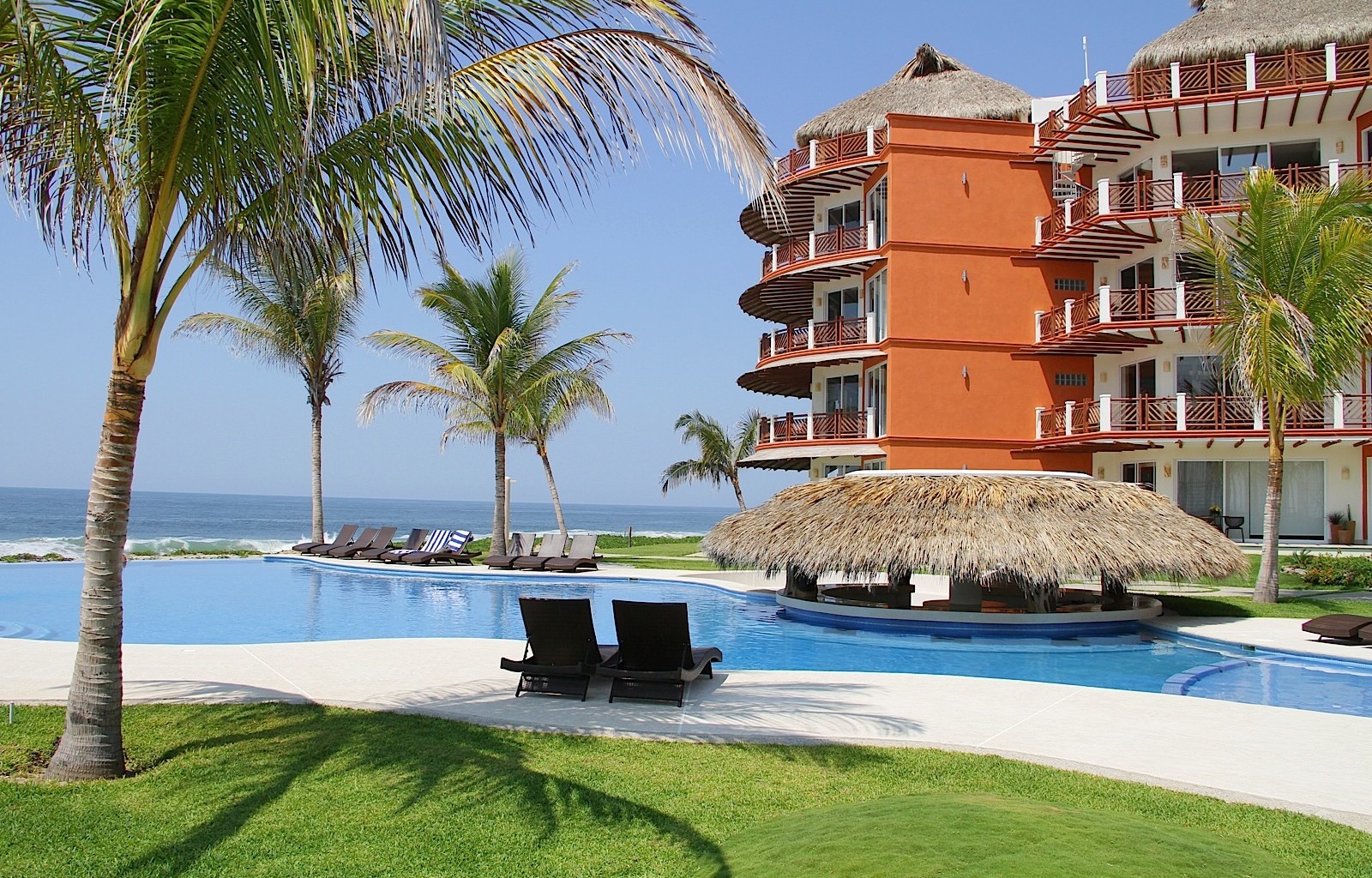
For guests staying at Vivo Resorts on Playa Palmarito, a market visit can be combined with time in Puerto Escondido, a coastal excursion or a leisurely day at the beach. The resort’s spacious suites make it easier to keep purchases organised, particularly when travelling with children or returning with fragile ceramics and woven pieces.
| Place | Best For | Useful Timing | What To Expect |
|---|---|---|---|
| Mercado Benito Juárez | Food, spices and practical gifts | Morning | Busy, local and authentic |
| El Adoquín | Crafts, clothing and small souvenirs | Late afternoon or evening | Pedestrian street with varied stalls |
| Rinconada | Art, jewellery and boutique pieces | Daytime | Quieter, polished shopping atmosphere |
| La Punta | Beach-style gifts and casual browsing | Afternoon | Independent vendors near restaurants and surf spots |
Choosing The Right Market
Mercado Benito Juárez, in the town centre, is the place to experience Puerto Escondido’s everyday rhythm. Stalls commonly sell fresh produce, chillies, coffee, mole ingredients, snacks and household goods. It is a strong choice for edible souvenirs, although fresh produce and unpackaged food may not be suitable for taking home to Australia.
El Adoquín, the pedestrianised area near the central beach district, is more focused on visitors and evening browsing. Look for embroidered tops, cotton clothing, woven bags, painted objects, leather goods and small decorative pieces. Rinconada and La Punta offer a more scattered selection of independent shops and vendors, with a beach-town feel that suits an unhurried afternoon.
Souvenirs Worth Packing
Textiles are among the most attractive keepsakes from Oaxaca. A colourful table runner, compact cushion cover or handwoven bag can add character to a home in Sydney, Melbourne or Brisbane without taking up much luggage space. Check the stitching, ask what fibre was used and look for an explanation of where the item was made.
Ceramics, carved wooden figures, painted ornaments and regional artwork can also be worthwhile. Choose pieces with sturdy construction and ask the seller to wrap them securely. For flights, small flat artworks and lightweight crafts are simpler than large sculptures. Coffee, sealed chocolate and packaged regional sweets are convenient gifts, but ingredient and import rules still apply when entering Australia.
Paying And Bargaining Respectfully
Mexican pesos are the most useful currency at local stalls. Some established shops accept cards, but a market vendor may prefer cash, particularly for a modest purchase. Australian travellers are accustomed to tap-and-go payments at weekend markets in Melbourne or Sydney; Puerto Escondido rewards a little more preparation, including carrying smaller peso notes and checking exchange rates before shopping.
Bargaining is usually more appropriate when buying several items or making a substantial purchase than when negotiating over a single inexpensive craft. Ask the price politely, consider whether the seller has made the item by hand and keep the tone friendly. A simple “¿Cuál es tu mejor precio?” is enough. Confirm the final amount before handing over cash, and count change discreetly.
Spotting Handmade Quality
A handmade souvenir will often show small variations in colour, shape or stitching. Those differences can be part of its appeal, especially with woven goods and painted ceramics. Look for consistent finishing, secure handles on bags and clean joins on wooden pieces. If every item on a stall looks perfectly identical, it may be factory-produced rather than locally made.
Ask questions without treating the maker’s work like a negotiation exercise. Sellers may be able to explain the material, technique or community connected with the product. This is particularly helpful when comparing natural fibres, synthetic fabric, hand-painted decoration and printed designs. A short conversation can also reveal whether an item is suitable for washing, display or regular use.
Packing Purchases For Australia
Australia has strict biosecurity requirements, so souvenirs should be checked before they go into your luggage. Declare anything that could contain plant, animal or soil material, including seeds, untreated wood, shells, feathers, dried botanical items and some food products. Requirements can change, and an item that seems harmless on a beach holiday may still need inspection on arrival.
Choose sealed, commercially packaged goods where possible and keep receipts or labels with them. Do not pack loose fruit, fresh food or unprocessed plant material simply because it is a small amount. Travellers returning through Perth, Adelaide or another Australian gateway should review current Department of Agriculture, Fisheries and Forestry guidance before departure; declaring an item is safer than guessing.
When buying liquids, remember that airline cabin restrictions may apply, while fragile or breakable goods need padding in checked baggage. Wrap ceramics in clothing or use a protective box, and keep valuable artwork flat and dry. A compact reusable tote is handy for a market visit and avoids relying on extra plastic bags.
A Simple Market-Day Plan
A practical outing begins early at the central market, when the temperature is comfortable and food stalls are active. After browsing, move towards El Adoquín for crafts, then pause for lunch or a cold drink before visiting Rinconada or La Punta. This sequence gives you a mix of local shopping, artisan pieces and coastal scenery without making the day feel rushed.
Families may prefer a shorter central visit followed by pool or beach time at Vivo Resorts. Couples and groups planning a special celebration can also pair shopping with an organised coastal excursion; ideas for a stylish group escape are outlined in this beachfront celebration guide. Keep valuables secure, carry only the cash needed for the outing and use a hotel transfer or trusted transport after dark.
Practical Souvenir Choices
These simple habits make market shopping easier:
- Carry small peso notes and a secure cross-body bag.
- Photograph labels or ask about materials before buying.
- Select lightweight, durable gifts for the flight home.
- Keep food sealed and declare questionable natural items in Australia.
- Leave space in your suitcase for textiles and carefully wrapped crafts.
A well-chosen souvenir should reflect the place without creating a packing or customs problem. A woven bag, sealed coffee, compact artwork or colourful textile can preserve the memory of Puerto Escondido while fitting naturally into everyday life back in Australia. For a comfortable base between excursions and market visits, Vivo Resorts provides the space to store purchases safely and enjoy the coast at an unhurried pace. Carry pesos, pack thoughtfully and check Australian biosecurity rules before leaving Mexico.