Local fishing villages and their seafood markets near Puerto Escondido
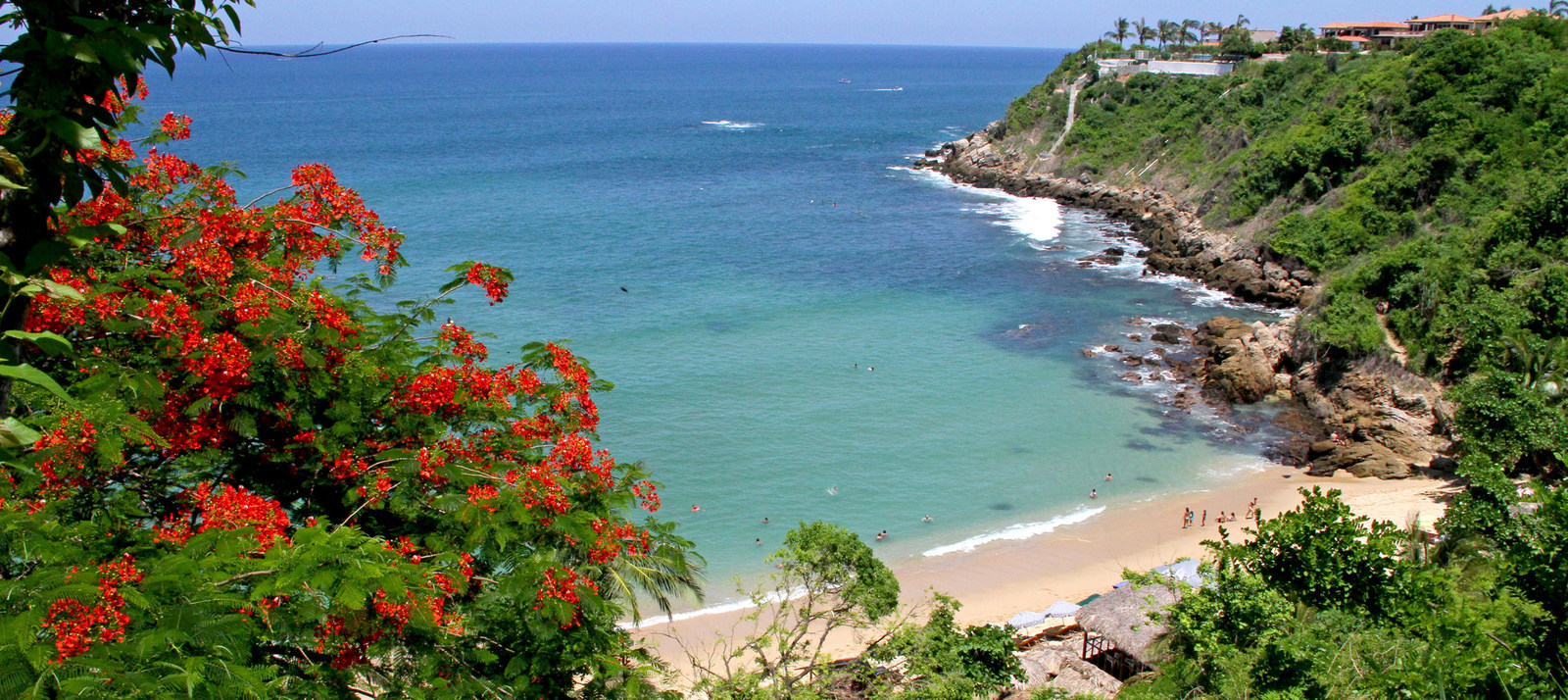
Playa Palmarito is known for its broad beachfront resorts, but the Oaxacan coast has a working side that operates beyond the hotel strip. Small boats land along the shore, while fishmongers and cooks serve the morning catch in villages west and east of Puerto Escondido. Visiting these communities offers a closer look at everyday coastal life and a chance to eat seafood chosen for freshness rather than a tourist menu.
Playa Palmarito itself is primarily a visitor destination rather than an active fishing harbour. The best opportunities begin in Puerto Escondido and continue toward San Pedro Mixtepec, Puerto Ángel and other coastal settlements. Markets vary from formal counters to beachside stands, and their most appealing produce appears early, before heat and the afternoon trade reduce the selection.
For Australians, Mexico’s metric measurements make portion sizes and prices easy to understand, while the local names for fish can require a little translation. Sydney Fish Market, Melbourne’s neighbourhood fish shops and familiar Australian seafood labels provide useful reference points. The result is a market visit where freshness, species and cooking method matter more than following a restaurant’s fixed menu.
Where the working coast begins
Puerto Escondido’s Mercado Benito Juárez is the easiest place to orient yourself. Its seafood counters sit within a larger market containing produce, cooked food and other local staples, making it useful for observing how residents shop rather than merely taking a photo of fish on ice. Mornings generally offer the broadest choice, although each vendor sets its own hours and stock.
Guests staying in the Vivo beachfront residences can arrange a short driver transfer to Puerto Escondido and return for a leisurely afternoon at the resort. A same-day trip is straightforward, but the coastal roads and unmarked entrances require local knowledge. Small-denomination pesos are useful for individual purchases, and not every stall accepts cards.
San Pedro Mixtepec provides a stronger sense of the working fishing coast. Here, landing sites, local boats and practical seafood stalls serve both residents and visitors. Puerto Ángel is smaller and more walkable, with a harbour that gives the seafood a visible connection to the sea. Even in a picturesque settlement, it is worth asking which fish came from the boats that morning.
How a Mexican seafood market works
Seafood counters are often called pescaderías, and vendors may sell whole fish, cleaned fillets or ready-to-cook portions. Prices are commonly quoted by weight, so confirm both the unit and the total before ordering. A whole fish may suit a group that wants the vendor to grill it, while fillets provide a simpler choice for a hotel meal or a light lunch.
Ask what landed that day and where it was caught. Answers may be brief, especially during a busy morning, but the question helps distinguish local catch from imported product. Common coastal fish include pargo, or red snapper, plus robalo, mojarra and sierra. Their English names can sound misleading because Mexican and Australian seafood classifications do not always align.
Fresh fish usually has clear eyes, firm flesh and a clean marine smell. Look for ice that is not melting into pooled water and for counters that keep raw products separate from cooked items. For raw preparations such asceviche or aguachile, choose a busy establishment with a steady turnover and avoid ordering if you are pregnant, elderly or otherwise vulnerable to foodborne illness.
The villages along the route
San Pedro Mixtepec is the clearest choice for visitors interested in an active fishing community. Boats and unloading areas make the scale of the daily catch easier to appreciate, while nearby stands offer grilled fish, seafood soup and simple plates at local prices. It is less theatrical than a large commercial market and more revealing of how the catch moves from the water to the neighbourhood.
Puerto Ángel has a compact harbour and a collection of seafood eateries around the waterfront. Its atmosphere suits a casual excursion, particularly on a cool morning. The catch fluctuates with weather, fishing conditions and the day’s boats, so flexibility matters. A dish advertised on a handwritten board may be available in one portion but unavailable in another.
Mazunte is often described as a fishing village, although it now functions largely as a beach and arts community. Its appeal lies in the combination of modest beachfront stands, village cafés and the surrounding countryside. By contrast, La Matraca and other small settlements closer to Puerto Escondido provide quieter alternatives, but they may have limited fresh seafood or irregular opening times.
Matching the coast to Australian tastes
At Sydney Fish Market, labels such as barramundi, snapper, prawn and kingfish make many shoppers feel comfortable immediately. Melbourne’s smaller fish shops similarly place prawns and barramundi prominently on their counters. Oaxacan markets use different names, so learning a few translations prevents a familiar-looking fish from being mistaken for its Australian equivalent.
Pargo is generally red snapper, but it is not the same species as Australian pink snapper. Robalo refers to sea bass and may be served as whole fish, while mojarra is commonly tilapia. Sierra is a mackerel-type fish, and camarón covers several kinds of prawn. If you recognise an Australian species on the board but cannot identify the local variety, describe the flavour and texture you prefer.
Australians tend to associate “catch of the day” with a fresh, seasonal choice, and the same confidence works well here. Ask whether the fish is meatier or milder, suited to grilling or suitable for tacos. Many vendors will also suggest a preparation. Since Australia and Mexico both use metric measurements, asking for 500 grams or a 300-gram portion translates without the need to calculate pounds and ounces.
Ordering with confidence
Grilled fish is the easiest market meal for visitors. Choose a whole pargo or robalo and ask for it to be cooked at the stall if that service is offered. Aguachile combines finely chopped raw fish with lime, onion and chile, delivering a sharper flavour than the softer, citrus-cured style of ceviche familiar to many Australian diners. Tacos with grilled prawn or fish are convenient for a casual lunch.
Seafood soups and rice-based dishes are more substantial, especially after a morning of walking around the market. Clarify ingredients and portion size, particularly if shellfish is involved. Shellfish allergies are more common than in some other parts of Mexico, making direct communication important rather than relying on a casual hand gesture.
Saturday morning fish markets are a familiar social ritual in many Australian cities, often involving paper-wrapped fish, prawns and conversation with the fishmonger. Oaxacan markets offer a comparable sense of community, but the buying customs differ. Stallholders may negotiate lightly, especially around fish prepared for immediate eating, while prices at formal seafood counters can be fixed.
Combining a market visit with a resort stay
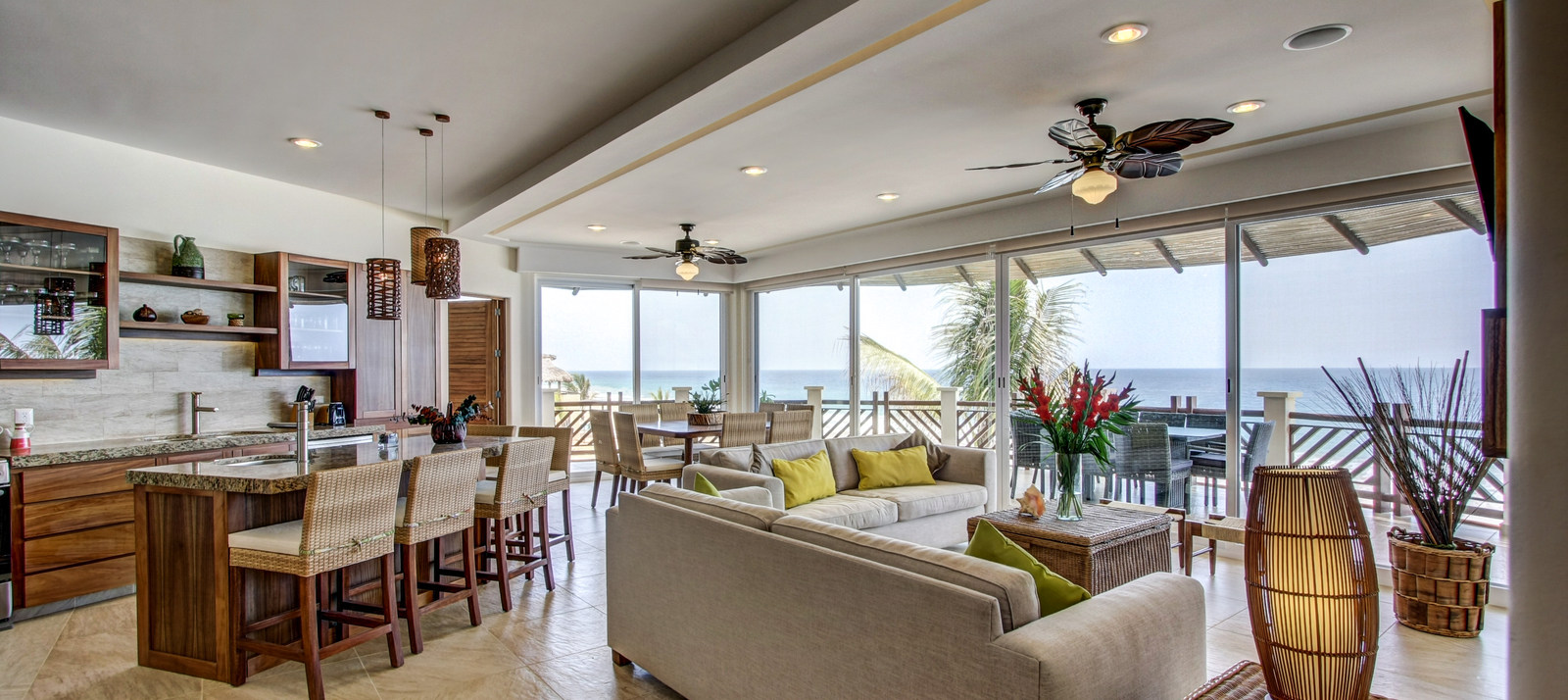
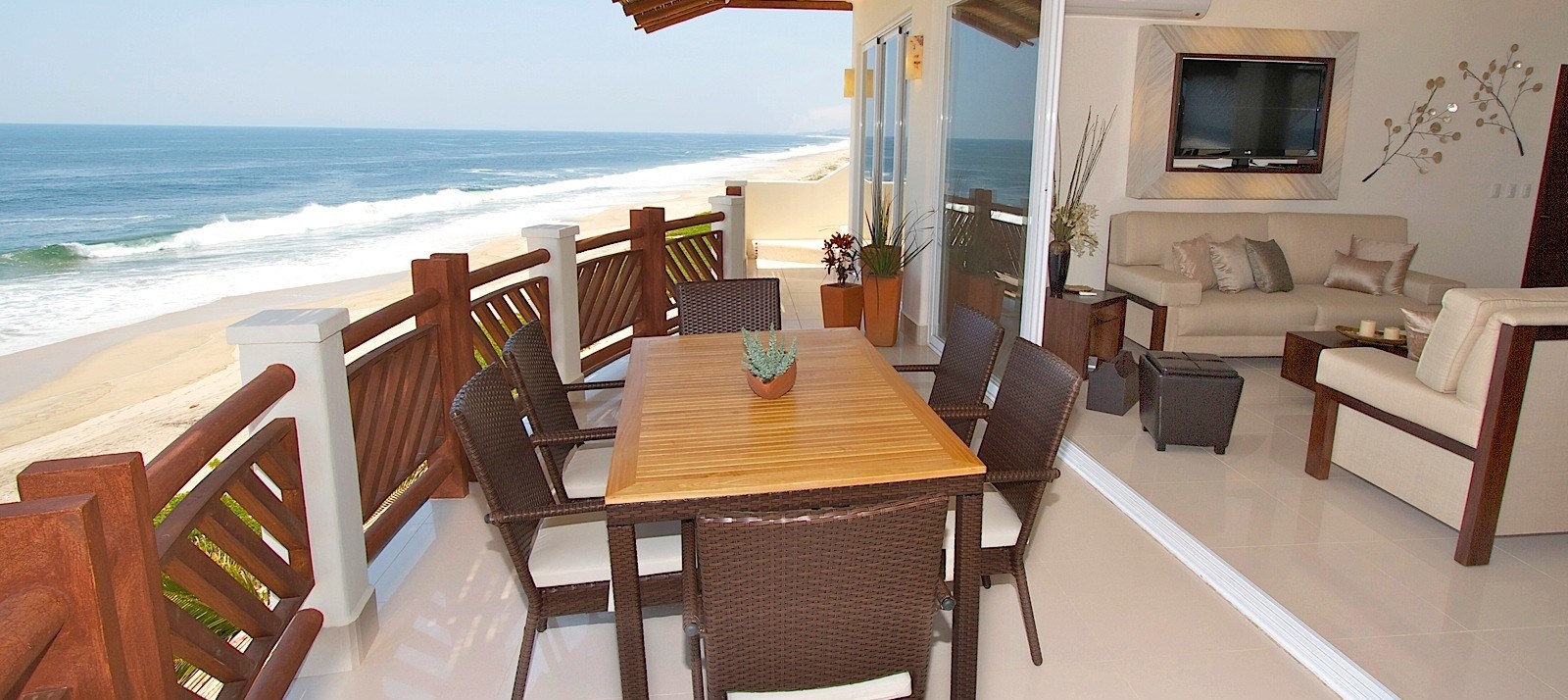
A market excursion creates variety without requiring guests to abandon the comfort of Playa Palmarito. The resort’s oceanfront restaurants provide a useful comparison with the informal stalls, allowing seafood to be enjoyed in a polished setting after seeing how the catch is handled locally. Morning visits also leave the middle of the day free for pools, beaches and spa appointments.
For travellers whose stay overlaps with a destination wedding, the resort’s wedding packing guide helps separate ceremony essentials from the lighter clothes and practical items needed for Mexico’s warm coastal weather. Layered outfits, breathable footwear and a compact rain cover are particularly sensible for evening events.
After a market morning or a full day around the coast, a reserved treatment through Vivo spa treatments provides a relaxed transition back into holiday mode. The location keeps the experience convenient for couples, families and wedding groups who want to maintain a flexible schedule while still enjoying a restorative few hours.
Taking the coastal experience home
Plan the market visit for early morning, keep it focused on one or two nearby communities and carry a small insulated bag if you want to bring fresh fish back to your accommodation. Bring enough pesos for small purchases, ask the price before a fish is cleaned and check whether the vendor supplies ice or cooking facilities. Leaving a little space in the bag is wiser than filling it with shellfish that will spoil quickly.
Australia’s biosecurity rules are strict about live and unpackaged food. Do not carry live crabs or other animals, and check the current requirements for fish and seafood products before departure; any permitted items must be declared and packaged as directed. Commercially prepared, shelf-stable products with clear labels are generally easier to manage than fresh catch.
The most useful takeaway is simple: choose one excellent fish, ask the vendor how it should be cooked, and eat it close to where it landed. With an early start, a few pesos and an open mind, the coast’s fishing villages reveal flavours that feel distinct from home without losing the familiarity of a well-prepared seafood meal.