A Guide to Local Fishing Charters Near Vivo Resorts
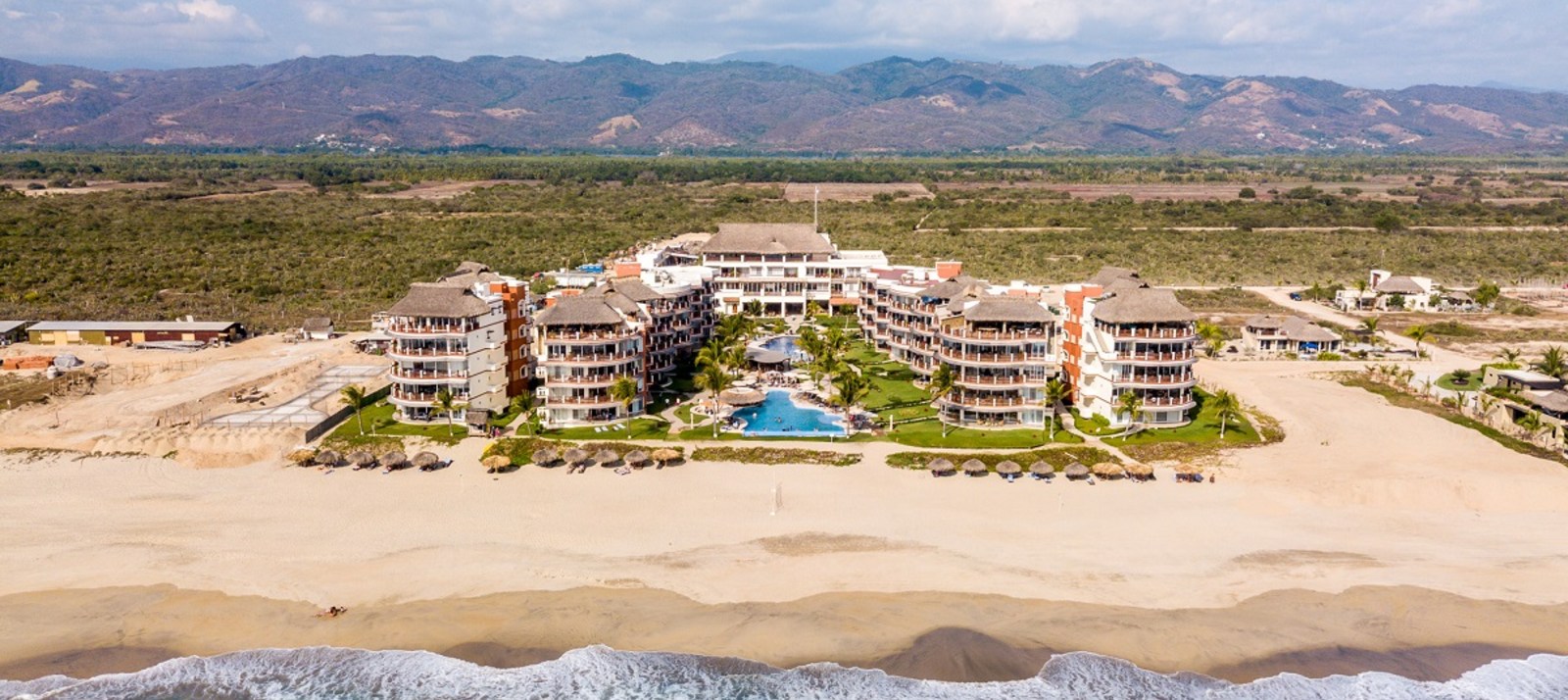
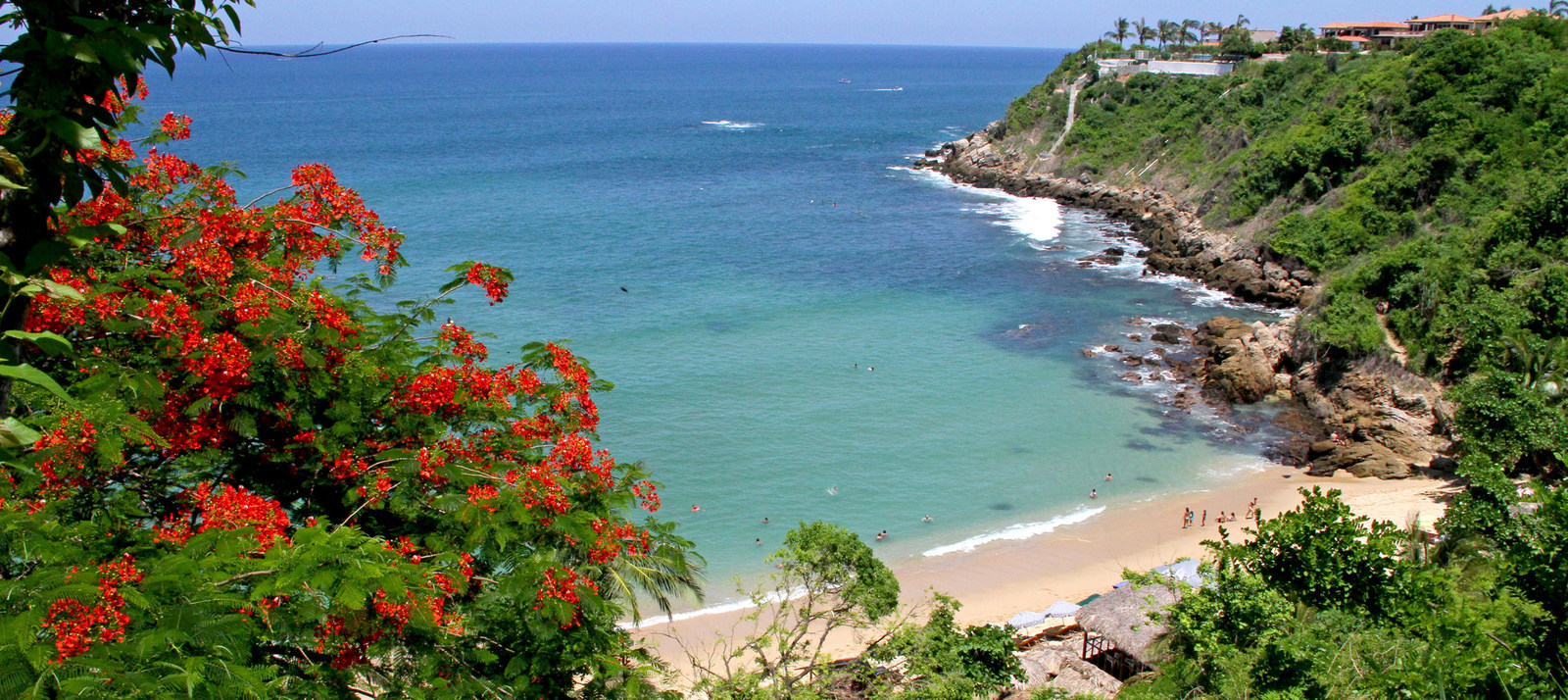
Vivo Resorts’ Playa Palmarito setting gives guests an easy base for a day on the Pacific, with Puerto Escondido and its working harbour a short drive away. Local fishing charters are the simplest way to reach offshore water and the reefs beyond the beach, but trip length, boat type and target species change with the season.
The fishing charters available near the resort range from relaxed half-days to full offshore runs for marlin. They are usually locally operated, so the best approach is to confirm the vessel, meeting point and inclusions rather than relying on a brochure image.
Where the boats meet
Many operators launch from beaches and points around Zicatela, Carrizalillo and the wider Puerto Escondido coastline, rather than from Playa Palmarito itself. Your transfer might take around 15 to 30 minutes, depending on the launch site, traffic and hotel pickup. Some boats wait at a central beach; others use a jetty or marina.
Ask for the exact meeting point in writing, including the map pin, arrival time and whether the transfer is included. The crew may use a beach launch, so footwear and a small day bag are more useful than full-size luggage. The resort’s Puerto Escondido guide is useful for understanding the surrounding area and local conditions.
Choosing a trip that fits
A nearshore or reef trip usually stays close to shore and can suit families, beginners or anyone sensitive to motion. Inshore boats travel farther along the coast for reef species, while offshore charters target pelagic fish such as yellowfin tuna, mahi-mahi, wahoo and marlin. Availability depends on weather and current fishing reports, not simply on the advertised species.
Half-days leave more time for the beach and are easier for children; full-day and overnight trips suit anglers with flexible plans. Private-boat rates can suit a family or small group, but shared trips may offer better value. Tell the operator about the least experienced person aboard, the expected sea conditions and any mobility or dietary needs before choosing.
How pricing and payments work
Charter prices can vary with boat length, distance, season, group size and whether a guide, tackle and ice are included. A written quote should identify permits, bait, fuel, onboard water, fish cleaning, transport, meals and gratuities. Deposit and cancellation terms matter too, especially when offshore weather can force a reschedule.
Mexican operators commonly quote in pesos or US dollars, while Australian cards charge the merchant’s local-currency amount or a converted dollar amount. Check your card’s foreign transaction fee and carry some Mexican pesos for small purchases and gratuities. Tipping is less routine in Australia, but a 10–15 per cent tip for a good crew is common in Mexican tourism. For a simpler booking, compare the resort’s resort packages before adding a separate charter.
Seasons, species and catch rules
The Australian calendar runs in the opposite direction: December through February is Mexico’s cooler, often calmer dry season, while the Australian winter overlaps Mexico’s wet season. Marlin opportunities are often strongest from around June to October; spring and early summer can bring larger swell and tropical weather. The skipper’s local advice should outweigh a fixed expectation of one species.
Common targets include snapper, grouper, bonito, yellowfin tuna, mahi-mahi, wahoo, sailfish and blue marlin. Experienced crews commonly release billfish and other valuable breeding fish, and legal limits can alter what is retained. Confirm current rules, licences, size limits and handling requirements. Ask whether fish will be cleaned and iced, and whether there is any special transport arrangement for a permitted catch.
What Australian travellers should know
Australian anglers will recognise words such as snapper, tuna and marlin, but local names can differ; “dolphinfish,” for example, means mahi-mahi. Anglers accustomed to fine reels, barbless hooks and catch-and-release practice may appreciate a similar conservation-minded approach. Phrases such as “worth a crack” and “take a squiz” are understood at home, though written Spanish or clear English avoids confusion about the boat, meeting point and catch rules.
Money and time are common trip-planning snags. Australian travellers from Sydney, Melbourne or Brisbane may book a room, transfers and an excursion as one product through a travel agent or directly with the resort, so inclusions should be checked line by line. Some Australian travel policies exclude fishing or medical evacuation, so confirm that the charter is covered. Puerto Escondido generally follows Mexican Central Time, while Australian states use several time zones and change clocks for daylight saving. Confirm both departure time and time zone in the booking confirmation.
Accommodation choice can affect the rest of the trip, especially for families. Comparing space, privacy and pool access through the resort’s villa and residence guide helps guests select a base suited to a busy beach day. A residence may suit a larger group sharing meals and gear; a villa may suit couples or families wanting more separation.
Questions and kit for charter day
Get the commercial details agreed before the balance is due:
- Confirm which permits, bait, tackle, ice and water are included.
- Establish whether hotel pickup and the beach launch are included.
- Check which species are realistic for the date and current weather.
- Review deposit, cancellation, rescheduling and passenger-limit terms.
Then pack light, sun protection and motion-sickness supplies:
- A brimmed hat, SPF 50 sunscreen and polarised sunglasses.
- Closed shoes, a light long-sleeved shirt and a windproof layer.
- Water, electrolyte drinks and light snacks.
- Passport copy, small peso notes and a phone in a dry pouch.
Making the most of the day
Meet the crew early enough to hear the safety briefing, check the life jackets and confirm how the radio and emergency equipment work. Stay seated while the boat is moving, secure loose gear and follow the skipper’s instructions around hooks and lines. Move fish carefully: photographs are good, but quick release and correct handling matter more than a crowded catch.
If the plan includes keeping fish, verify regulations and transport arrangements before the trip, and ask about local cleaning services rather than improvising on the beach. Support the crew and community by keeping waste aboard and avoiding pressure to purchase fish. Before paying any deposit, ask the resort concierge to confirm the captain, meeting point, inclusions and final price in Australian dollars.