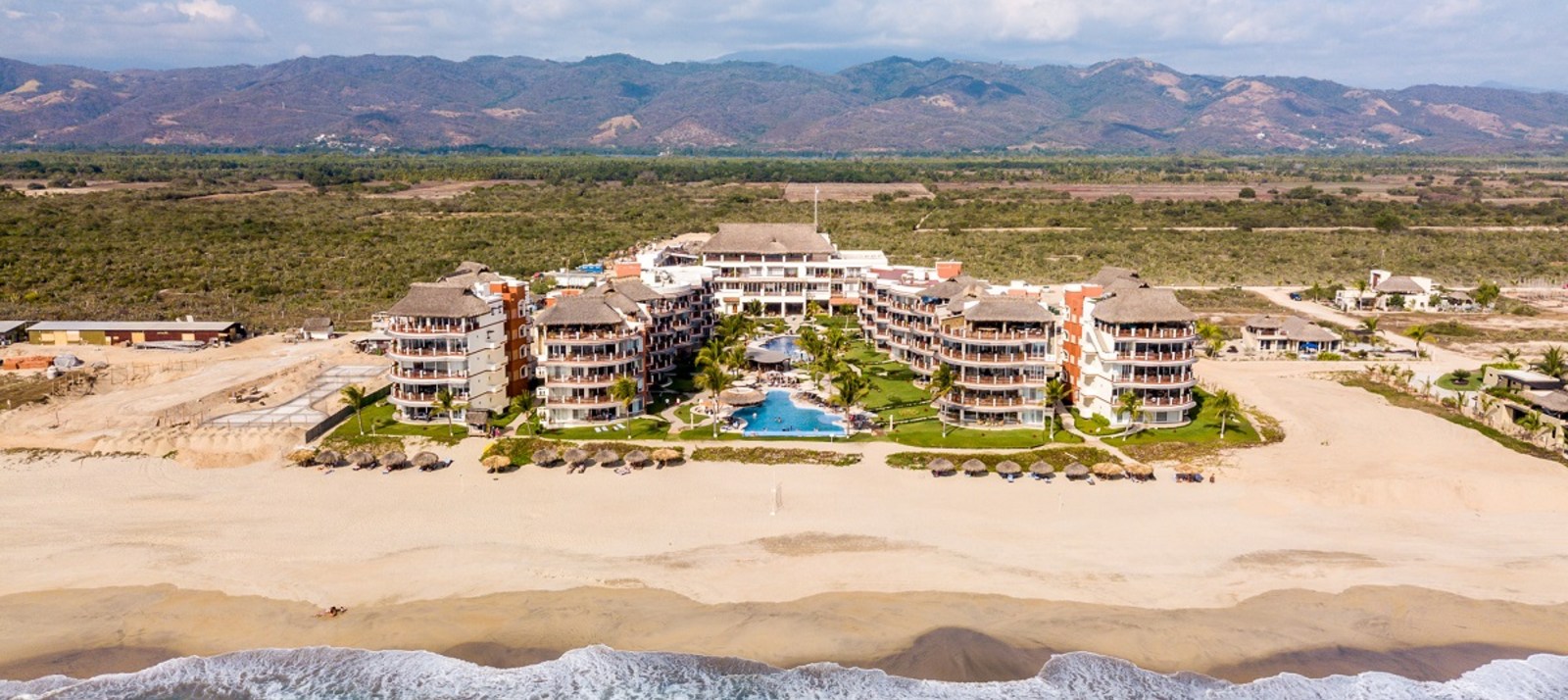
How Vivo Resorts Approaches Environmental Sustainability on the Oaxacan Coast
Many Australian travellers weighing up a Mexican beach escape now check a resort's environmental record with the same attention they used to reserve for the room rate. Years of front-page coverage about reef bleaching on the Great Barrier Reef, and quiet grassroots work by surf clubs from Byron Bay to Bondi, have shifted expectations. When a property sits on a biologically rich stretch of coast, the questions become sharper: what happens to the turtles, where does the food come from, and is the energy bill being paid with anything cleaner than diesel generators.
Vivo Resorts, on Playa Palmarito near Puerto Escondido, has woven several practical sustainability measures into day-to-day operations rather than packaging them as a marketing layer. The result is a property where conservation work happens alongside the cocktail service, often without guests noticing until they ask. Travellers who book through a local agent in Sydney or Melbourne, or who simply scroll comparison sites on a Sunday arvo, are increasingly looking for that kind of substance.
Protecting the marine ecosystem around Playa Palmarito
The stretch of sand in front of the resort falls within a known olive ridley and leatherback turtle nesting zone, and the team coordinates with regional biologists during nesting season. Night patrols relocate vulnerable clutches to protected hatcheries, and guests who book during the right months can sometimes witness hatchlings making their way to the surf. Strict lighting controls on beachfront walkways stop hatchlings from wandering toward the buildings instead of the ocean, a small change with measurable results over several seasons.
Offshore, the coral heads and rocky outcrops shelter a healthy population of tropical fish, rays, and the occasional sea turtle. The resort partners with licensed local guides to run reef-friendly snorkeling outings that follow carrying-capacity limits and avoid anchoring on sensitive substrate. Sunscreens containing oxybenzone and octinoxate are discouraged at the dive shop, and reef-safe alternatives are stocked at the towel station. For visitors who have watched bleached coral on their own coastline, the policy feels familiar and welcome.
Water, energy, and waste across the property
Fresh water in this part of Oaxaca is not a given, and the resort treats it accordingly. Greywater from guest suites is filtered and redirected to landscape irrigation, while kitchen waste feeds an on-site composting programme that supplies herbs and ornamentals used around the property. Single-use plastics have been quietly phased out of the pool bars and minibars, and the front desk hands out aluminium bottles to guests who ask.
On the energy side, the property runs a substantial solar array that covers a meaningful share of daytime demand, with a battery system smoothing out evening peaks. Air-conditioning units in the suites are high-efficiency inverter models, and balcony sensors cut cooling when doors stay open. None of this is hidden, and engineering staff will walk curious visitors through the setup if they fancy a tour.
Local sourcing, seasonal menus, and food miles
The kitchens lean heavily on Oaxacan producers, from coffee growers in the surrounding hills to small-scale fishermen landing daily catch at Puerto Escondido. Menus shift with what is available rather than what a head office in another country has ordered, which keeps food miles short and gives chefs room to be creative with mezcal, heirloom corn, and tropical fruit. A small on-site herb garden supplies basil, mint, and chillies for several outlets.
The resort also works with local cooperatives on toiletries, laundry, and décor, channeling a portion of every booking back into surrounding villages. That model has particular appeal for Australian visitors who have grown used to questioning supply chains at home, from the wool in their jumper to the prawns on the barbie during a long weekend.
Cultural partnerships and community programmes
Sustainability here is not only ecological. The resort supports cultural programmes that keep traditional practices alive, including partnerships with local healers and elders who lead the what to expect from a traditional temazcal ceremony near the resort experiences offered to guests. The temazcal, a sweat-lodge ritual rooted in pre-Hispanic tradition, uses locally harvested wood and medicinal plants and is led by a community member rather than a hotel staff member, with proceeds directed back to the host village.
Beyond ceremonies, the property funds English-language scholarships for local students and prioritises hiring from surrounding communities. Several senior staff began as housekeeping or kitchen assistants and have moved into management roles over the years, which gives the operation a continuity that imported labour often lacks.
How guests can contribute during their stay
A few small choices during a holiday can multiply the resort's efforts, particularly in a sensitive coastal setting. Travellers who like to plan their impact alongside their itinerary often follow a short list of habits.
- Refill the aluminium bottle provided at check-in rather than buying bottled water on day trips into Puerto Escondido.
- Stick to reef-safe sunscreen, available at the dive shop, especially before any boat excursion to neighbouring bays.
- Switch off the air-conditioner and ceiling fan when the balcony doors are open, and reuse towels across more than one night.
- Order off the seasonal menu where possible, and ask staff about the day's catch before defaulting to imported options.
- Join a guided beach walk during nesting season, where researchers explain how to spot fresh tracks without disturbing the nest.
A practical takeaway for any traveller weighing up a stay is to treat the resort's sustainability story as a living document rather than a brochure. Ask the concierge which turtle patrols are running that week, where the morning fish was caught, and how the composting programme actually works. The answers at Vivo Resorts tend to be specific, honest, and worth a proper listen, and they make a Mexican beach holiday feel connected to something larger than a poolside lounger.