What to Know About All-Inclusive Dining at Vivo Resorts
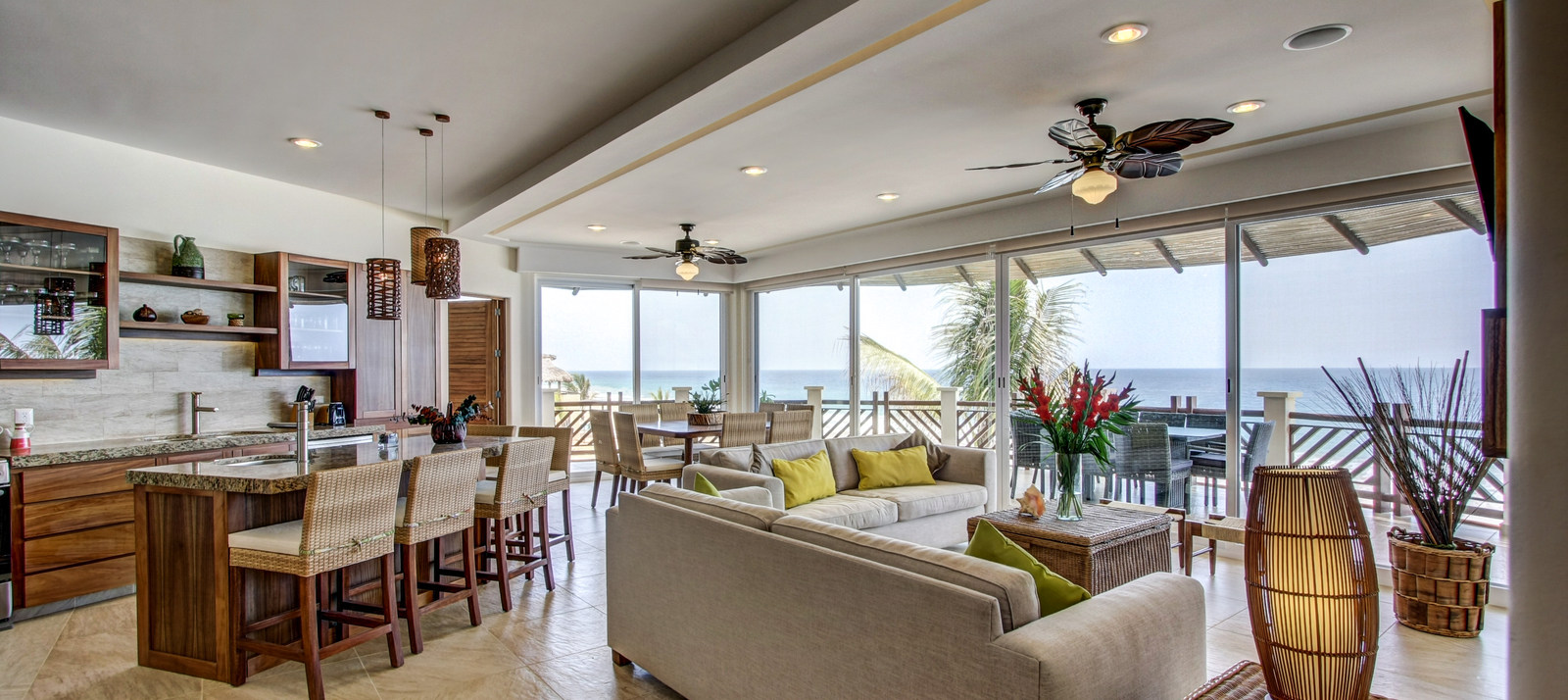
At Vivo Resorts on Playa Palmarito, dining is designed to make a beach holiday feel easy. Guests can move between resort restaurants, poolside service and casual spaces without planning every meal in advance. The all-inclusive experience generally combines breakfast, lunch, dinner, selected drinks and snacks, although exact inclusions can vary by package and booking dates.
The setting also shapes the menus. Fresh seafood, tropical fruit, Mexican seasonings and Oaxaca-inspired dishes sit alongside familiar international choices. That balance can suit Australian travellers who enjoy trying local food but still want reliable options for children, early risers or anyone needing a simpler meal after a day in the sun.
Before travelling from Sydney, Melbourne, Brisbane or elsewhere in Australia, check what your rate includes and whether any premium dishes, imported wines, special events or room-service items cost extra. A quick review before departure helps avoid surprises and leaves more time for the beach, spa and pool.
What The All-Inclusive Plan Usually Covers
An all-inclusive dining plan commonly covers meals served at the resort’s principal venues, along with selected non-alcoholic drinks and a range of house beverages. Menus may include Mexican favourites, international comfort food, salads, grilled dishes, seafood and lighter options suited to warm coastal weather.
The details matter. Some packages may include buffet-style services, à la carte dining or a combination of both, while premium spirits, upgraded wine, private dinners and certain special events may be excluded. Ask the resort or your booking provider for the current inclusions, dress expectations and reservation requirements before arrival.
How Menus Reflect Puerto Escondido
Vivo Resorts is positioned near Puerto Escondido, where the food culture combines Pacific seafood with the distinctive flavours of Oaxaca. A stay can be a chance to sample dishes featuring citrus, chilli, herbs, corn and local produce rather than relying solely on international hotel staples. For ideas about the surrounding destination and resort setting, explore the Puerto Escondido stay information before booking.
Expect menus to change with availability and seasonality. Fish, prawns, fruit and vegetables may be presented differently from one meal to the next, and the chef’s daily recommendations can be worth considering. Travellers who prefer mild food can usually request less chilli, though it is sensible to communicate clearly when ordering.
Breakfast For Slow And Active Mornings
Breakfast is important on a resort holiday because guests may have very different schedules. Some Australians will want coffee and fruit before an early excursion, while families may prefer a more substantial meal before swimming or visiting nearby beaches. A typical spread may combine eggs, pastries, yoghurt, cereal, fresh fruit and Mexican breakfast dishes.
Coffee preferences can vary. Australians accustomed to flat whites or strong café coffee may find resort coffee different from what they order in Melbourne or Sydney. If a particular style matters, ask about espresso service, and consider bringing a small preferred option for the room if permitted by your accommodation arrangements.
Lunch By The Pool Or Beach
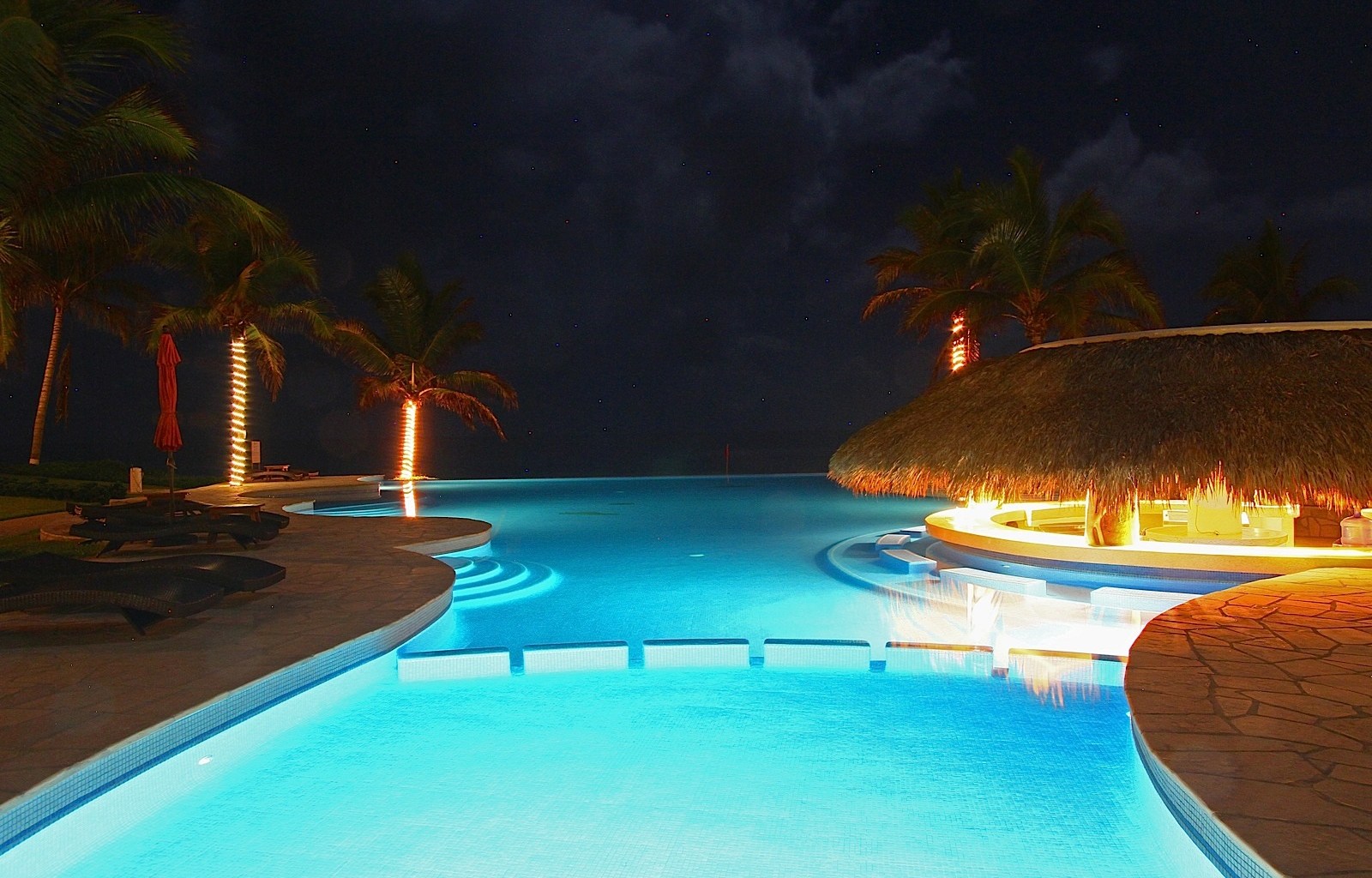
Lunch menus are usually built for flexibility, with salads, sandwiches, tacos, grilled items and other dishes that are easy to enjoy between swims. Poolside dining can be especially convenient for families, while a sit-down venue may suit guests looking for a quieter midday meal away from the sun.
Portion sizes, spice levels and service pace may differ from Australian expectations. Allow extra time when lunch is part of a full-day excursion schedule, and carry water when leaving the resort. Mexico’s heat can make hydration more important than another alcoholic drink, particularly during the warmer part of the afternoon.
Dinner And Evening Dining
Dinner is where the resort’s range is often most apparent. Guests may find Mexican specialities alongside seafood, meat, vegetarian dishes and international selections. The atmosphere can shift from relaxed family dining to a more polished evening experience, making dinner suitable for anniversaries, weddings and romantic getaways.
Reservations may be required for particular venues or high-demand times. During Australian school holiday periods, such as the summer break or Easter, families and larger groups may fill popular sittings quickly. Check whether children’s menus, high chairs and dress guidelines apply, especially if your party includes young travellers.
Drinks, Snacks And Dietary Needs
All-inclusive beverage service can include water, soft drinks, juices, coffee, tea, beer, wine and selected spirits. The exact brands and serving hours differ, so do not assume that every cocktail or bottle of wine is included. Responsible service rules apply at the resort, and staff may request identification for alcoholic drinks.
Guests with allergies should advise the resort before arrival and repeat the information when ordering. Australia’s food labelling standards, including mandatory allergen declarations under the Food Standards Code, can make travellers accustomed to clear written information; Mexican resort menus may communicate allergens differently. Coeliac, nut, shellfish, dairy and severe allergy requirements deserve specific discussion with the culinary team rather than a casual assumption.
Vegetarian, vegan and gluten-conscious choices are often possible, but availability can depend on the menu and kitchen. Australian eating habits also vary widely, from plant-based diets in inner-city areas such as Fitzroy or Newtown to traditional family-style meals, so sharing precise requirements is more useful than relying on broad labels.
Planning Your Dining Days
A little preparation helps Australian visitors match meals with excursions, children’s routines and the tropical climate. Tipping is not handled exactly like it is in Australia, where service charges are generally less central to everyday dining; in Mexico, gratuities may be appreciated for attentive service, so carry some pesos and check whether a service charge has already been added.
Use these practical steps when organising meals:
- Confirm which restaurants, drinks, snacks and room-service items your package includes.
- Ask about reservations, opening hours and any formal-dining dress requirements.
- Send allergy and dietary details before arrival, then repeat them at the venue.
- Carry pesos for gratuities and small purchases outside the resort.
- Match heavier meals and alcohol with water, shade and time away from the midday sun.
For current accommodation, dining and holiday-package information, review the Vivo Resorts website alongside your booking documents. This is particularly useful when comparing a family stay with a romantic package or destination-wedding arrangements.
Once the reservation is confirmed, save the resort’s current dining inclusions, dietary notes and preferred restaurant times in your travel itinerary, then contact Vivo Resorts before departure to verify any details that affect your meals.