The Best Time of Year to Visit Oaxaca’s Coast for Whale Watching
Oaxaca’s Pacific coast offers a warm-water escape with a genuine wildlife highlight: humpback whales travelling south from northern feeding grounds and later returning north with the changing seasons. From Puerto Escondido to Mazunte and Huatulco, the migration can add an unforgettable dimension to a beach holiday.
For Australian travellers, the timing works especially well as a northern-hemisphere winter getaway. While Sydney, Melbourne and Canberra are dealing with cooler mornings, Oaxaca is often sunny, warm and inviting, with whale trips, relaxed beach days and coastal excursions all within reach of a comfortable resort stay.
When Humpback Whales Reach Oaxaca
Humpback whales generally begin arriving along Oaxaca’s coast from November and December. Sightings become more consistent through January and February, when large numbers of whales can be found travelling, resting, breaching and occasionally displaying their impressive tail flukes offshore.
The season often continues into March and sometimes April, although sightings can become less predictable as whales begin their journey north. January and February are usually the strongest months for travellers who want to give themselves the best chance of seeing whales during a short holiday.
Why January And February Stand Out
The middle of the migration season combines frequent whale activity with favourable beach conditions. Boats may encounter pods close to shore, while calm stretches of ocean can make it easier to watch surface behaviour without spending too long searching.
This period also suits Australians looking to escape the height of summer at home. Rather than planning around Christmas crowds in Noosa or the Great Ocean Road, travellers can use the January school-holiday window for a warm Mexican break, then enjoy whale watching alongside swimming, dining and downtime.
What A Whale-Watching Trip Is Like
Most outings leave in the morning, when the sea is often at its most manageable. Local crews know the coastline and commonly search areas near Puerto Escondido, although sightings are wild and never guaranteed. A responsible operator keeps a respectful distance, limits time near the animals and avoids chasing a pod.
Expect a small boat, bright sunlight, ocean spray and the possibility of a long period of patient observation between sightings. Pack reef-safe sunscreen, a hat, light layers, water and motion-sickness medication if you are prone to seasickness. The Australian habit of bringing a rash vest and a reusable water bottle is very useful here.
Month-By-Month Coastal Conditions
December marks the beginning of the more reliable whale period, with warm weather and a festive atmosphere along the coast. January and February typically offer the best balance of whale activity and clear holiday conditions, though bookings can be busy around Australian school holidays and major Mexican travel dates.
March can be an excellent compromise for visitors who prefer a quieter feel. The weather remains beach-friendly, and whales may still be active, while accommodation and excursions can have a little more availability. April is less dependable for whale watching, but it can suit travellers who care more about sunshine, swimming and coastal sightseeing.
Useful Timing Details
- December to March: strongest overall migration window
- January and February: best odds for regular sightings
- March and April: quieter travel with less predictable encounters
- Morning departures: often preferred for calmer sea conditions
Where To Stay For Easy Excursions
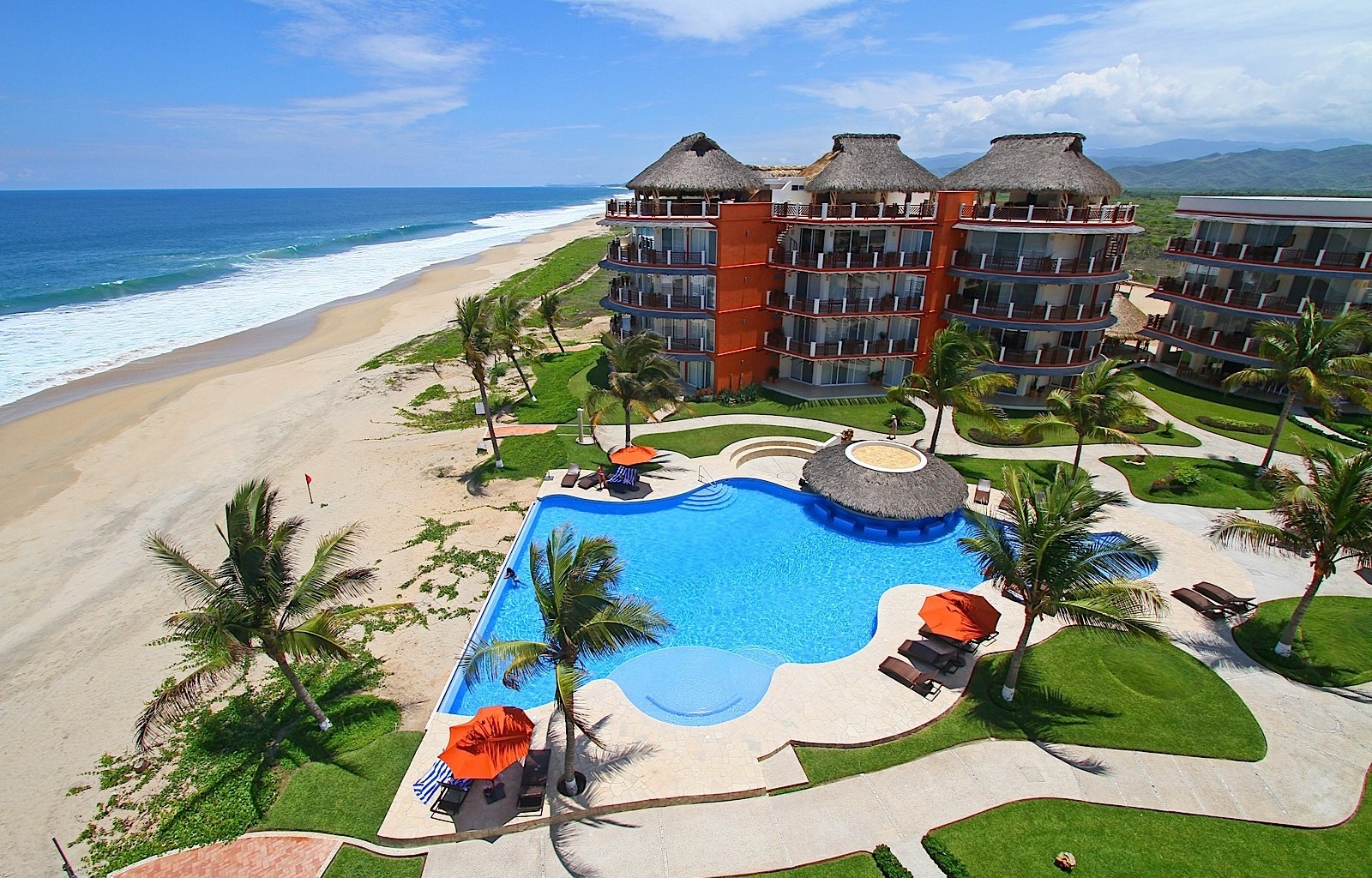
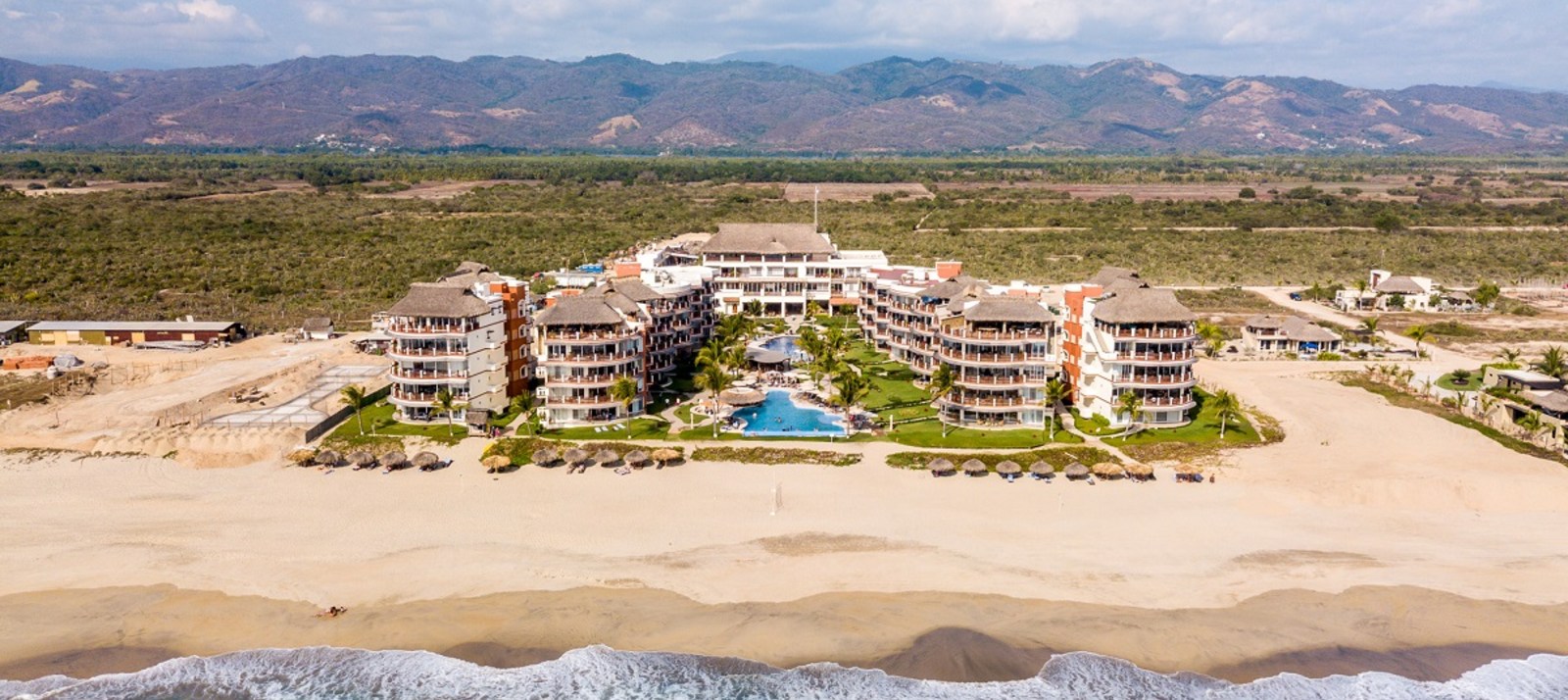
Playa Palmarito, near Puerto Escondido, provides a peaceful base for combining ocean wildlife with a longer beach stay. Vivo Resorts offers spacious residences, private villas, pools, dining venues and family-friendly facilities, so a whale-watching outing can sit comfortably within a broader holiday rather than becoming the entire itinerary.
Families may appreciate having room to spread out after a boat trip, while couples can balance an early start with spa time, an ocean-view meal or a slow afternoon by the pool. Travellers comparing accommodation styles can explore the resort’s beachfront villas when privacy and extra space are priorities.
Building An Oaxaca Coast Itinerary
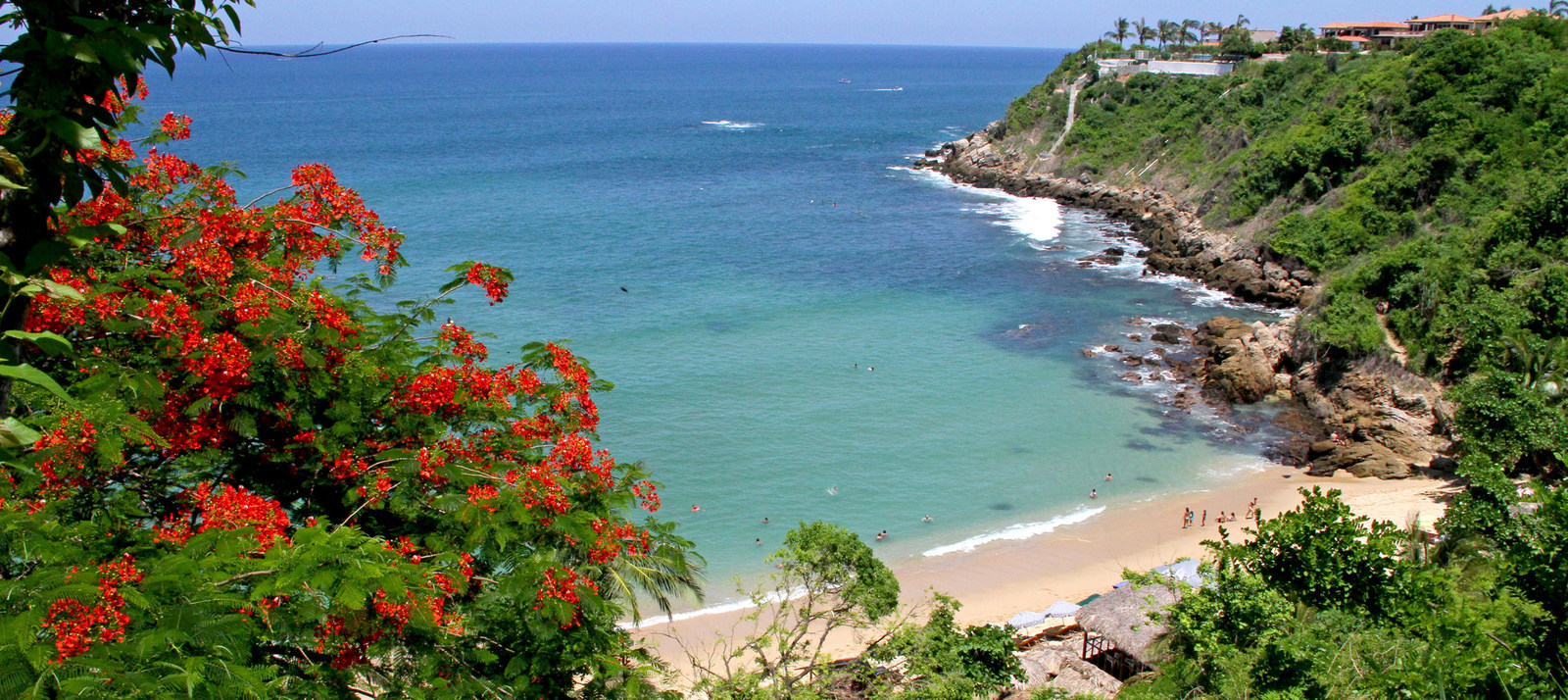
A whale trip pairs naturally with visits to Puerto Escondido, known for its beaches, surf culture and lively food scene. Nearby options may include La Punta, Carrizalillo Beach, Mazunte, Zipolite or the lagoons and bays around Huatulco. Excursion times vary, so allow flexibility rather than trying to fit every destination into a single day.
Australians are used to planning around school holidays, public-holiday weekends and long travel distances, and that mindset helps here. International flights may involve connections through Mexico City, Los Angeles, Dallas or another major hub, so adding several nights at the coast makes the journey from Brisbane, Perth or Adelaide feel worthwhile. A package can simplify transfers and activities, particularly for first-time visitors, and holiday packages may help organise the moving parts.
Making The Most Of A Wildlife Holiday
Whale watching is at its most rewarding when treated as one part of a varied coastal experience. Leave room for a second outing if seeing whales is especially important, since ocean conditions and animal behaviour cannot be controlled. A flexible schedule also means you can move a trip to a calmer morning.
The local pace may feel different from a tightly timed Australian tour. Allow time for traffic, changing sea conditions and unhurried meals. Ordering a cold drink for the afternoon or taking a relaxed “arvo” by the water can be just as memorable as a packed sightseeing schedule.
Choosing Your Travel Dates Carefully
For the highest likelihood of humpback encounters, aim for January or February. December is a strong early-season choice, while March offers a pleasant balance of warm weather, fewer crowds and continued migration activity. Families travelling during NSW, Victorian or Queensland school holidays should reserve accommodation and popular boat trips early.
The best season for whale watching on Oaxaca’s coast is therefore broad rather than limited to a single date. Plan around the peak months, choose a comfortable base near Puerto Escondido, and keep your itinerary flexible enough to follow the sea. What travellers should remember is simple: January and February usually offer the most dependable whale encounters, while every month from December into early spring brings its own coastal rewards.