Street Food Near Vivo Resorts on Playa Palmarito
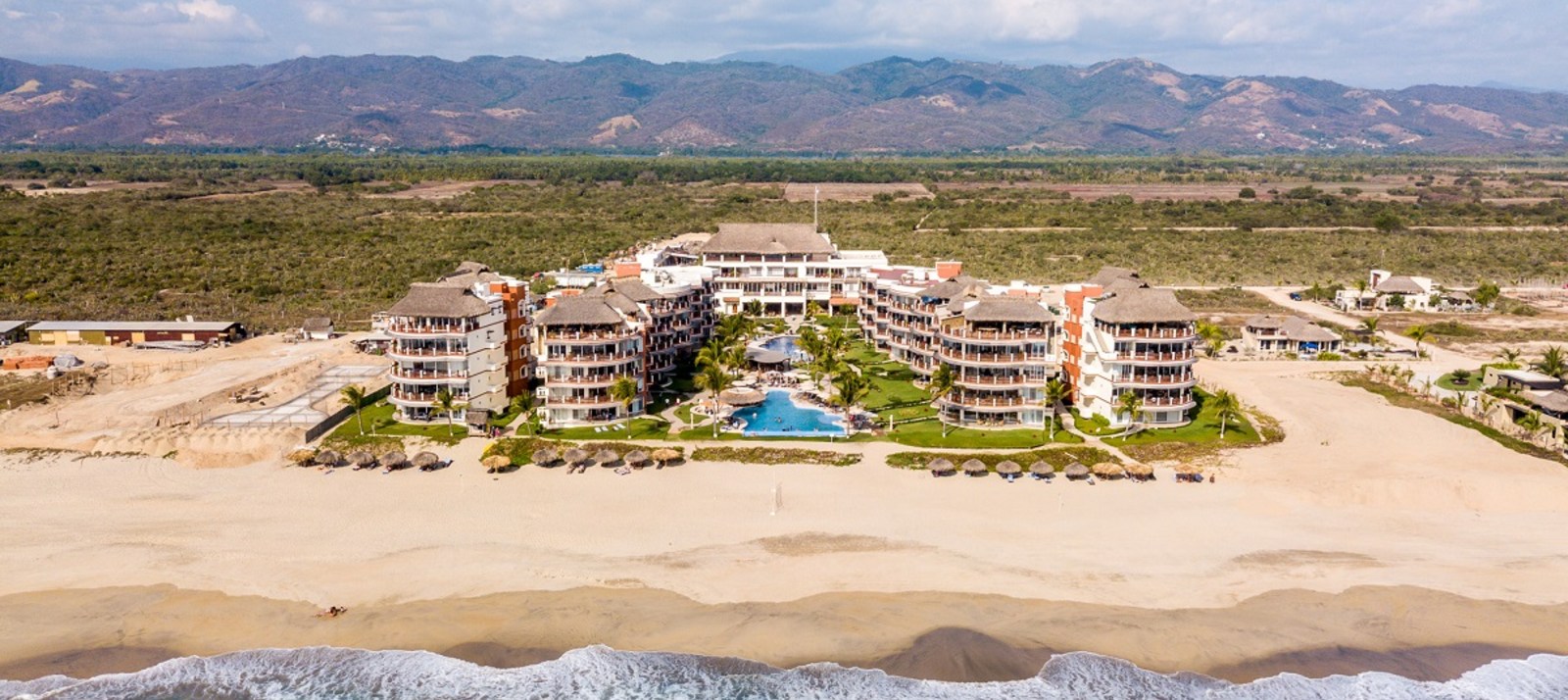
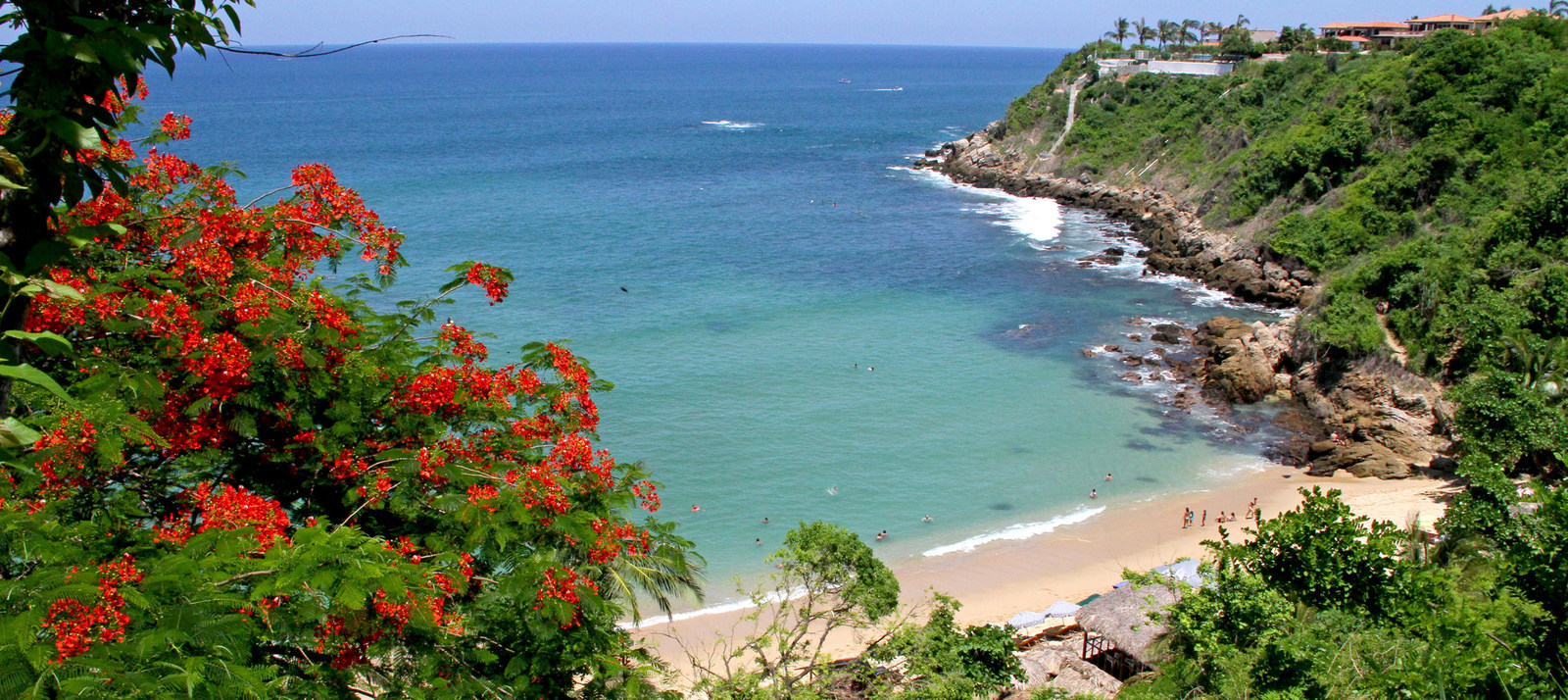
Vivo Resorts sits on a quieter stretch of Oaxaca’s coast, where the rhythm is shaped by surf, fishing, palm trees and long Pacific sunsets. That peaceful setting is a major attraction, although it also means the street-food scene within walking distance is more seasonal and informal than the busy food lanes of central Puerto Escondido.
Near the resort, you are more likely to find a temporary beach vendor, a small roadside stand or a family-run comal than a permanent market packed with stalls. Availability can change with weather, local events, weekends and the time of day, so ask the resort team what is operating before setting off. A short walk can become lengthy in tropical heat, especially with young children.
For Australian travellers used to the structured food markets of Melbourne, Sydney or Brisbane, the experience is wonderfully different. Bring Mexican pesos, carry water, and expect simple menus focused on fresh ingredients rather than polished presentation. The best food often comes from watching what local families are ordering and choosing a busy stall with quick turnover.
What You May Find Close To The Resort
The most realistic nearby options are small puestos serving antojitos, the everyday Mexican snacks that work well as a quick lunch or afternoon bite. Look for tacos, quesadillas, tostadas, tamales, elotes and grilled meats prepared to order. Some vendors may set up near access roads or beach areas rather than operating from a clearly marked shop.
Tacos may feature fish, shrimp, chicken, pork or vegetables, with chopped onion, coriander, lime and salsa offered separately. Quesadillas can be filled with cheese, squash blossom, mushrooms or meat, while tostadas provide a crisp base for seafood, beans or salad. Menus may be handwritten or entirely verbal, so knowing a few Spanish words helps: “¿Cuánto cuesta?” means “How much does it cost?”
Pacific Seafood And Beachside Favourites
Oaxaca’s coastline makes seafood a natural part of the local food culture. Depending on the catch and the vendor, you might see ceviche, aguachile, grilled fish tacos or cocteles de camarón. These dishes are best enjoyed when the ingredients look cold, fresh and well protected from direct sun.
Australians are familiar with seafood markets in places such as Sydney’s Fish Market, but the setting here is much more casual. A seafood stall may have limited refrigeration, no printed allergen information and a small selection that changes daily. If you have a shellfish allergy, explain it clearly in Spanish and choose a fully cooked alternative when you cannot confirm the ingredients.
For a more organised day by the water, a surf outing can pair naturally with a substantial local meal. Guests planning lessons can read about a nearby surf lesson before arranging an activity and deciding how far they want to walk afterwards.
Timing, Heat And Everyday Ordering
Many Mexican food vendors begin preparing later in the day, with lunch and early evening often offering the greatest choice. A stand may be closed during the hottest part of the afternoon or may appear only when there is enough local demand. Do not assume that a quiet weekday will have the same selection as a Saturday.
This timing may feel different from Australia, where early dinners and reliable café hours are common in Melbourne and Brisbane. Plan a snack from the resort if you are travelling with children, and avoid setting out for a food hunt just before sunset unless you know the route. Wear sandals with secure straps, carry a torch for the return walk and remember that unpaved paths can become uneven after rain.
Payment is another practical detail. Small vendors may prefer cash in Mexican pesos, and Australian debit cards will not always work where there is no terminal or mobile signal. Carry small notes, check the price before ordering and treat tipping as discretionary rather than assuming the Australian café habit of rounding up applies everywhere.
Food Safety Without Losing The Local Experience
Choose stalls where food is cooked in front of you, hot dishes are served hot and ingredients are protected from flies and dust. A busy vendor is often a useful sign because stock turns over quickly. Be cautious with sauces, cut fruit, raw seafood and ice if you cannot see how they have been handled.
This does not mean avoiding local food. Freshly pressed tortillas, grilled corn and sizzling tacos are often the safest and most satisfying choices when prepared to order. Wash your hands before eating, use bottled or purified water, and take extra care with children or anyone with a sensitive stomach.
Australian travellers may expect the familiar standards associated with Food Standards Australia New Zealand and regulated food premises. Mexico has its own hygiene practices and enforcement arrangements, so visual judgement matters. Australia’s strict biosecurity rules also mean fresh fruit, meat, seafood and other food bought abroad must not be packed for the journey home; declare anything required when returning.
Making A Walkable Food Plan
Start by asking reception which vendors are currently open, whether the public route is safe after dark and how long the walk takes in real conditions. “Walking distance” can mean very different things for a couple accustomed to city pavements and a family crossing sand with a pram. Confirm whether the vendor is on the beach, beside the access road or in a nearby settlement.
Vivo Resorts’ dining venues provide an easy fallback if the local stalls are closed, and a planned excursion can take you towards a wider choice in Puerto Escondido or along the coast. Guests comparing activities, dining and accommodation inclusions can browse the Vivo packages before building a food-focused day around the resort.
Pack for the conditions rather than for a formal restaurant. A lightweight cover-up, reusable water bottle, hat and comfortable walking sandals are more useful than several evening outfits. These packing light tips can help Australian visitors plan for beach walks, warm nights and spontaneous stops for tacos.
The best local street food experience near Playa Palmarito is flexible rather than fixed. Vendors may come and go, and the most memorable plate could be a simple taco eaten beside the sand rather than a famous named stall. Ask locally, choose busy stands with clean handling, carry pesos and allow extra time for the heat. What to remember is that the flavour is local, the setting is informal and the resort’s quiet location makes timing part of the adventure.