Fresh coconuts and tropical fruit around Playa Palmarito
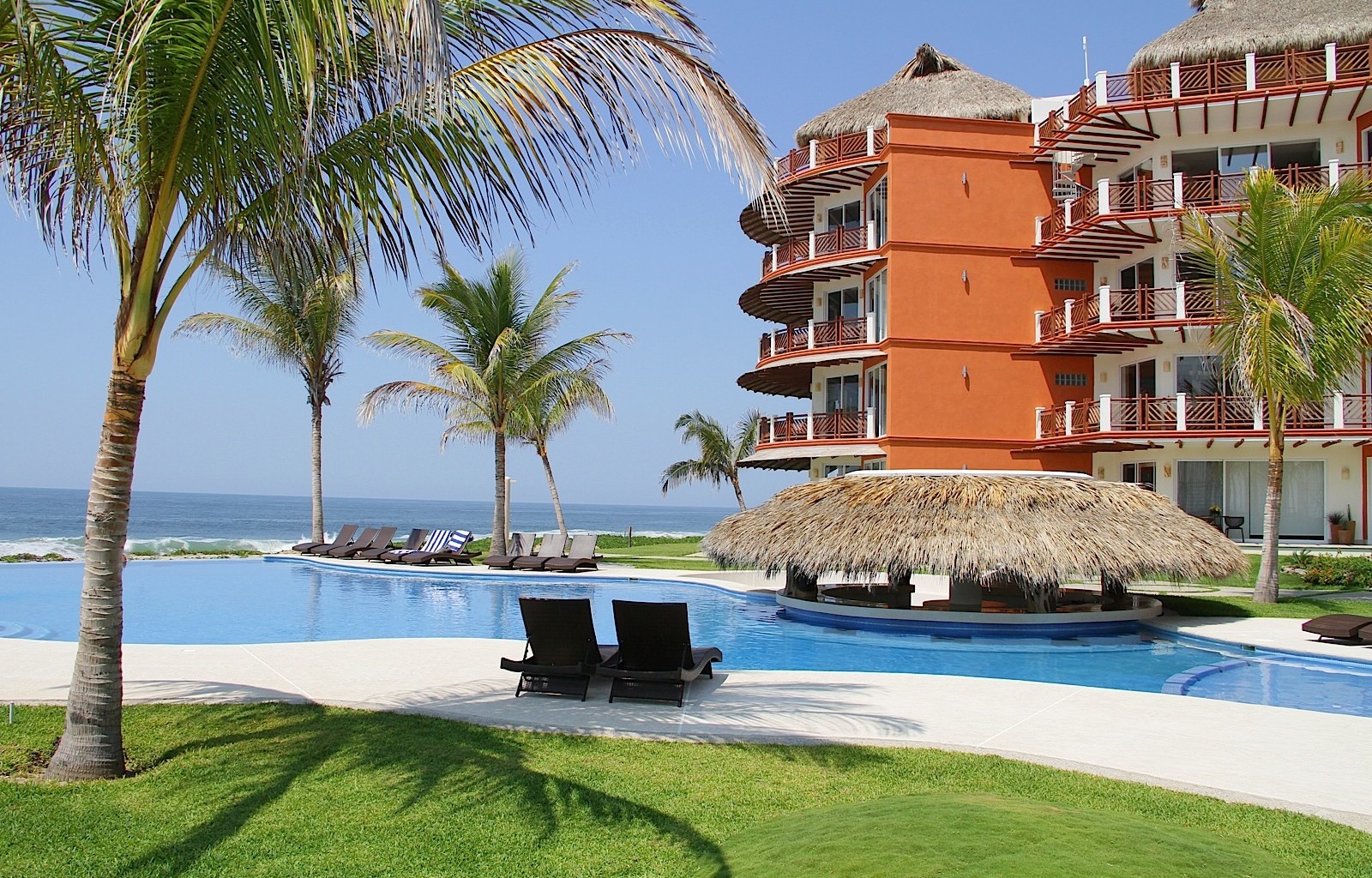
A holiday in Mexico rarely turns into a supermarket chore. Within a short walk or taxi ride of Playa Palmarito, you can find green coconuts opened to order, ripe mangoes, papayas and watermelon, with stalls that feel more like a beach-market ritual than a formal fruit shop. Vivo Resorts’ beachfront position makes it simple to sample the produce before taking it back to your suite.
For Australians, the comparison starts at home: a weekend at a Sydney or Melbourne growers’ market rather than a quick trip down the Coles or Woolies aisle. Whole fruit, changing daily prices and sellers with limited stock are familiar; buying by the piece, rather than always by weight, is the local twist.
Carry small Mexican peso notes because the best street stalls may not take cards and can struggle to break a large bill. Prices are quoted per coconut, kilo or piece, so agree on the amount first. If you are not fussed about a little variation in size, a vendor’s ripe selection will usually beat a spotless but hard one.
Ask simple questions such as “¿Está dulce?” (“Is it sweet?”) and “¿Me la puede abrir?” (“Can you open it for me?”). A friendly “good value” or “properly sweet” fits Australian holiday talk without needing a translator. Fruit bought for today’s lunch rather than a long picnic is the easiest way to enjoy it at peak flavour.
Start with the stands around Playa Palmarito
The quickest useful stop is along the beach road at Playa Palmarito and the side streets just inland, where small fruit stands serve beachgoers and nearby residents. Look for mangoes, papayas, pineapples and young coconuts rather than a branded juice counter. Stock varies, so ask Vivo’s concierge which sellers are operating that morning and how far you want to walk.
A busy stall is often a better bet than an elaborate display: the turnover is quicker and the fruit spends less time in the sun. Ask for a coconut opened for drinking, keep the flesh if you want it, and finish the water on the spot. Spare change is handy when several people each want one.
Browse Puerto Escondido’s central market
The wider selection starts at Mercado Benito Juárez, Puerto Escondido’s central market. Go early, when the produce tables are full and the heat has not yet driven vendors to move fruit indoors. A taxi or a colectivo, the local shared taxi, gets you there from Playa Palmarito without committing to a full-day excursion.
Australian shoppers may expect a clear per-kilo ticket, but here you can buy a single mango, a kilo of melon or several coconuts at once. Check the price before any fruit is cut. For a birthday group, the resort’s ideas for a milestone birthday celebration can be paired with market-bought mangoes and coconuts for a simple beach picnic.
Stop at roadside fruit stalls toward Mazunte
Between Playa Palmarito and Mazunte, roadside sellers appear near La Mesilla and along the bends toward La Puntilla. This is an easy place to buy fruit for the drive: watermelons, mamey sapote, prickly pear, also called tuna, and soursop, depending on the day. Pull over at a proper stopping place, and ask the vendor what is ripe now.
Do not assume every mango came from Oaxaca. Tropical produce can arrive from Veracruz or Chiapas, so a good stand sells fresh fruit without promising it was picked nearby. If you like the classic Mexican mango with lime and chile, order it that way; for a sweeter, simpler taste, ask for the mango without either.
Compare markets in Mazunte and San Pedro Mixtepec
Mazunte offers a slower alternative to the main resort strip. The Saturday market around its plaza is known for seasonal produce from small regional farms, though not every stall is certified organic. Nearby San Pedro Mixtepec has a market with a broader range of produce and a strong local feel; go in the morning before the heat builds.
It feels a little like shopping at an Australian farmers’ market, except the mangoes are usually ready to eat and the market may include juice, tacos and live music. Pick a shaded table, order what looks best, and eat soon. Fruit intended for the road home belongs in a separate bag, away from the picnic food.
Choose fruit that is ready to eat
Fresh-looking is not always the same as ready-to-eat. Weight, fragrance and a little give matter more than flawless skin. A mango that yields gently near the stem is usually a better holiday choice than a hard one that will ripen after you leave; pineapples should smell sweet at the base.
At a coconut stall, point to the green coconut you want and ask the seller to open it. The top is trimmed, and you can drink the water straight from the shell. Check the cut and the surrounding ice or storage area if you have just chopped fruit, and choose somewhere busy and clean.
Keep purchases fresh during your stay
A market morning and a spa afternoon need different packing. Keep delicate fruit cool and shaded, but let ripe mangoes, papayas and bananas finish at room temperature rather than in a very cold fridge. Bring purchases back to your suite in one bag, separate from damp swimwear and anything salty.
Ask for a clean box or bag for fruit to take to the airport. If you have a booked resort spa treatment, leave the fruit secure and shaded before you go rather than carrying it across the property. Check Australian biosecurity rules before packing fresh produce for the flight: many fruits are restricted, so eating them in Mexico is the simpler option.
Make your final-day fruit stop count
For the final day, choose the beach-road stand close to Vivo for speed, or the central market if variety matters more. A short outing to Mazunte makes sense when you want a village atmosphere and a relaxed meal. Staying around Playa Palmarito keeps the fruit fresh, the walk simple and the morning easy.
A practical rule is to buy what you can eat within a day, check the price before cutting or opening, and keep enough cash for small purchases. Buy the ripe fruit now, not a large haul for later, and finish the coconut water there.