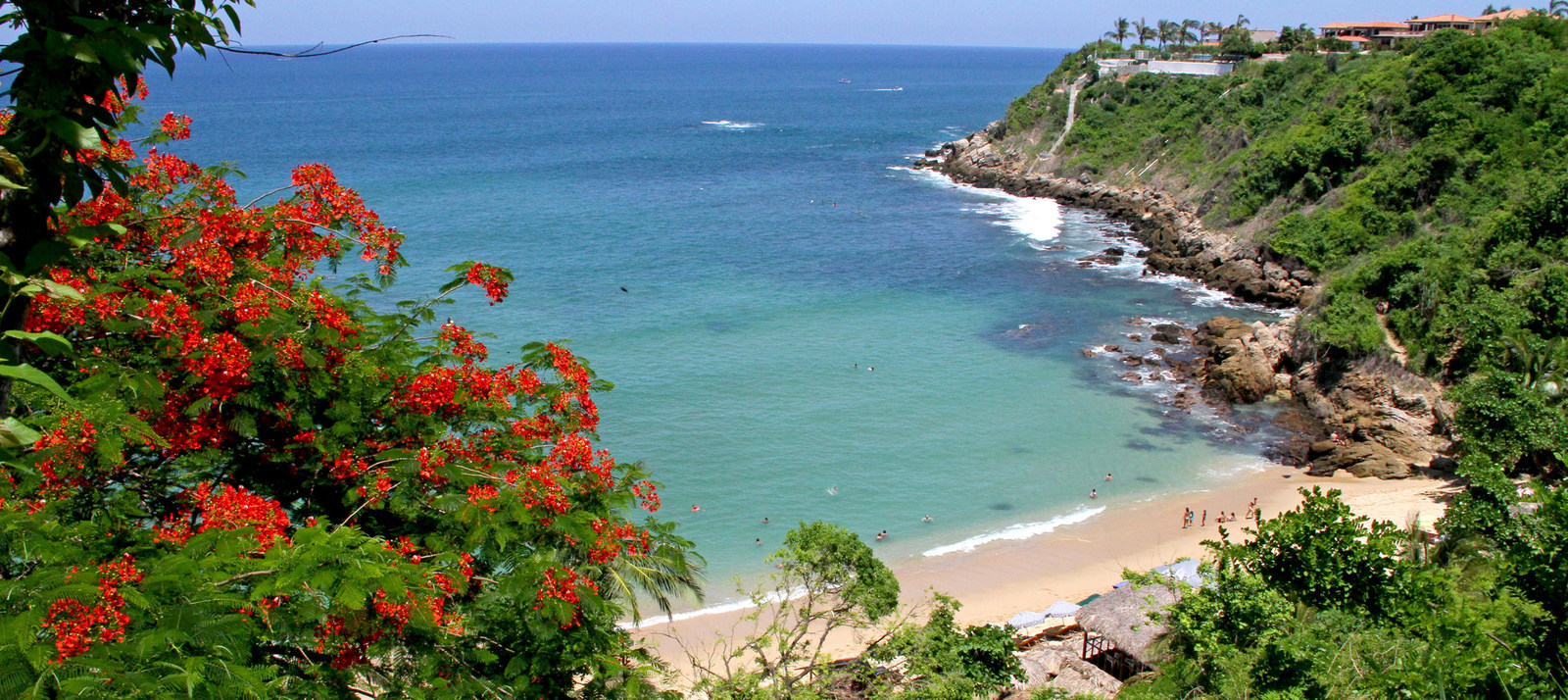
Instagram-worthy views around Vivo Resorts
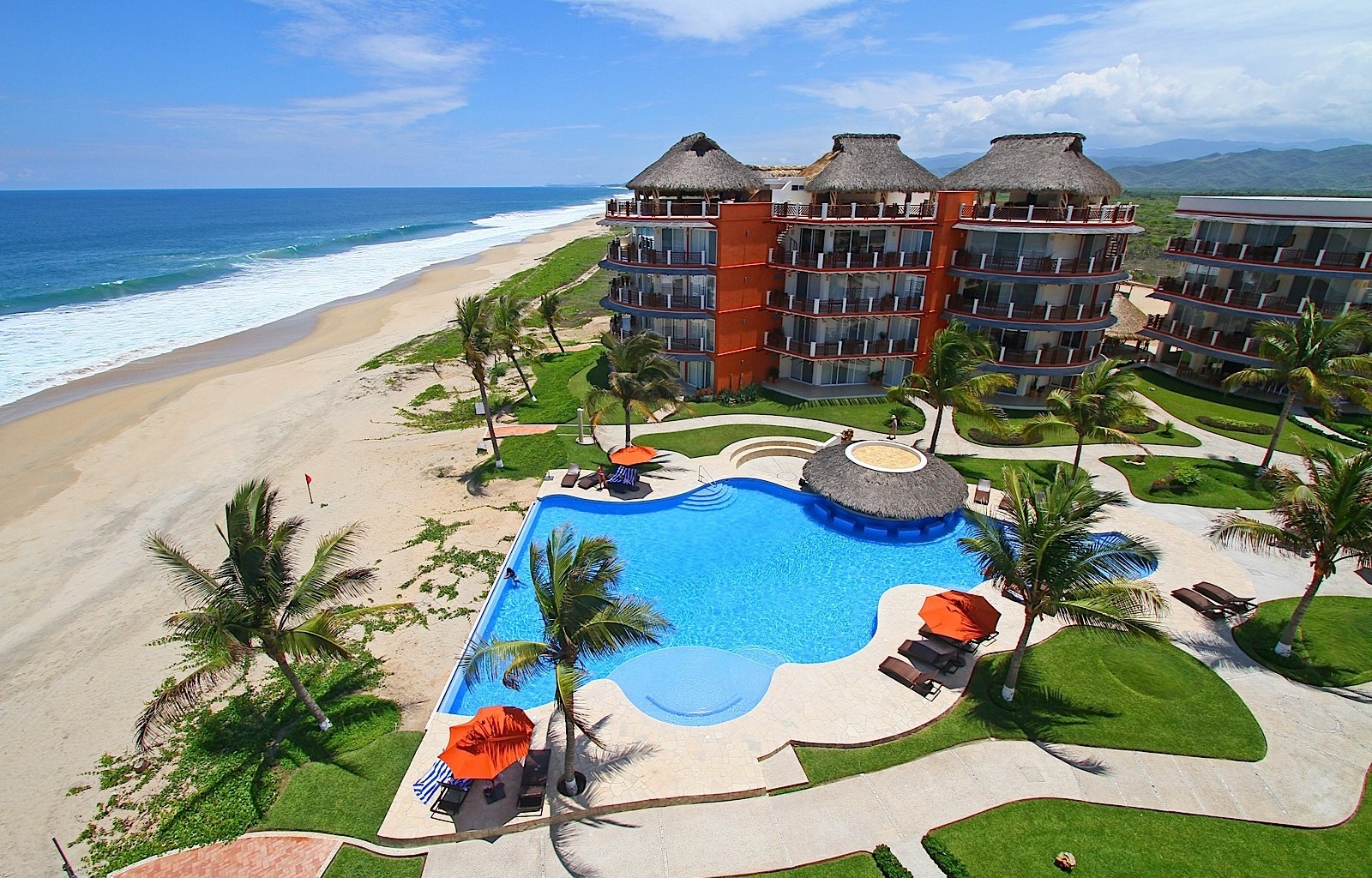
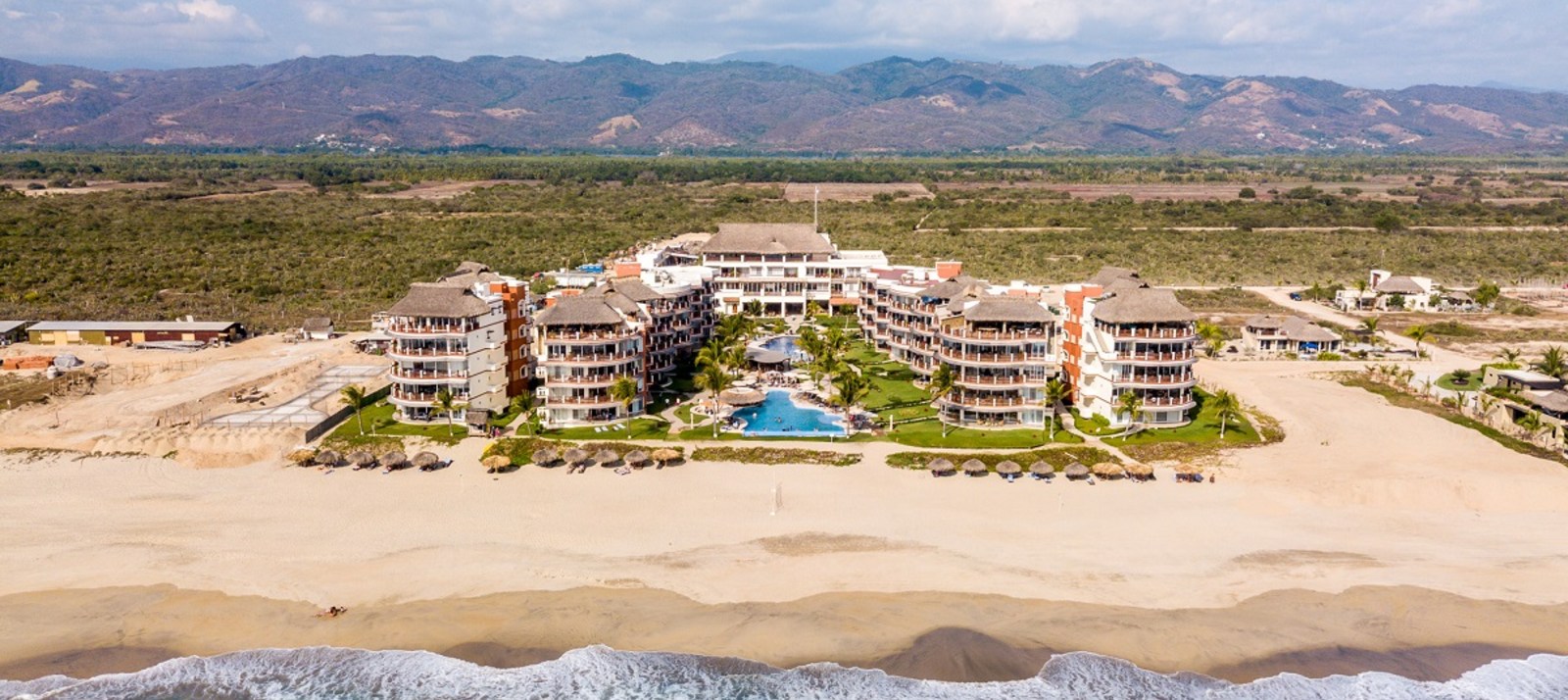
The best Instagram-worthy views around the resort and how to capture them begin with a simple principle: follow the changing light. At Vivo Resorts on Playa Palmarito, near Puerto Escondido, the Pacific, palms, private villas and broad resort spaces create scenes for intimate portraits, family records and polished travel imagery alike.
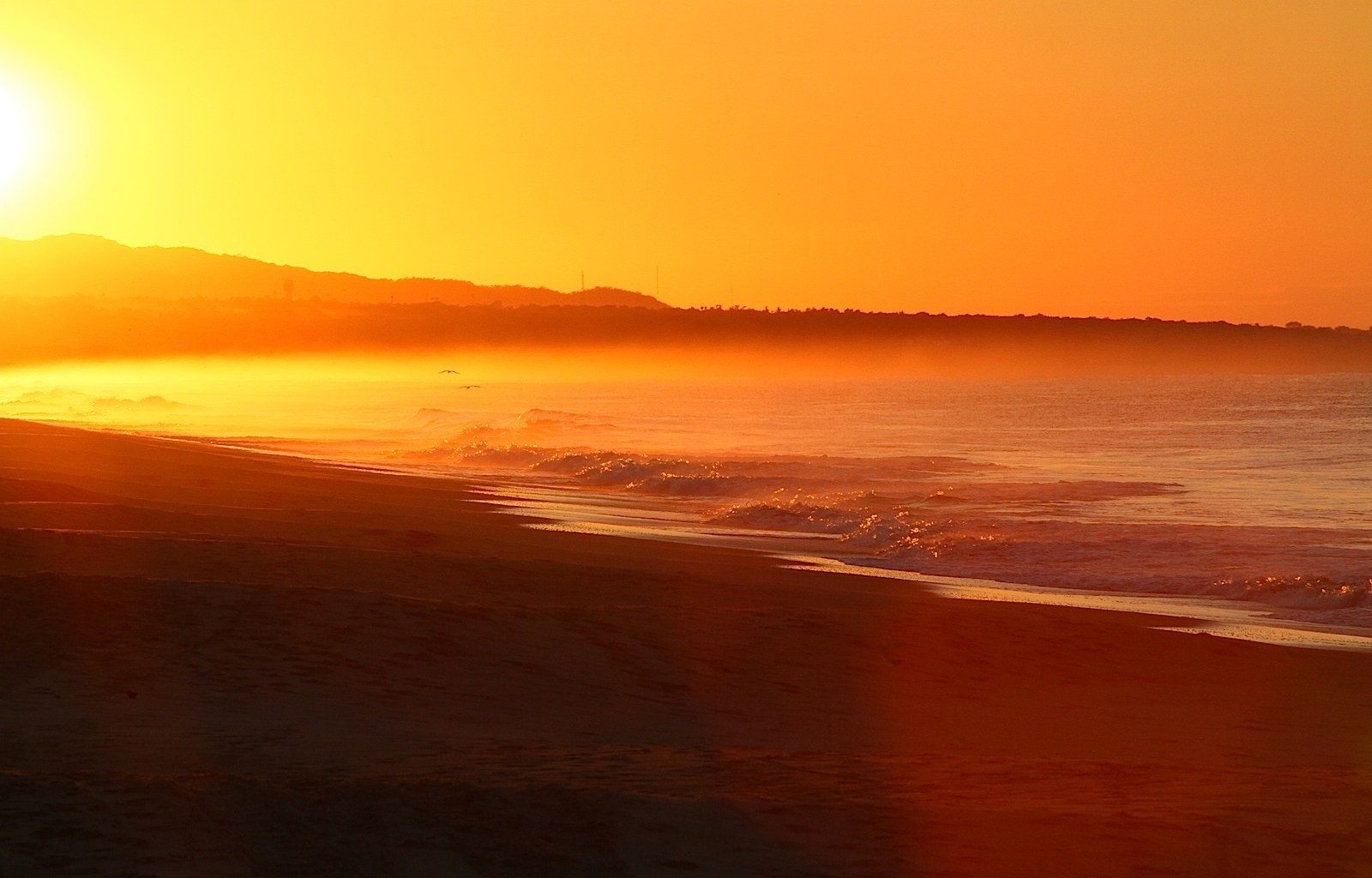
Early light softens the water and reveals the shape of Playa Palmarito, while late afternoon turns villa edges and pool surfaces warm. Midday can be strong for colour and architecture, especially when clouds break over the coast. Rather than working through every location at once, choose one anchor scene and wait for its character to change.
Australian travellers from Sydney, Melbourne, Brisbane or Adelaide will recognise the appeal of an oceanfront escape, but the scale feels different from Bondi or the Gold Coast. All-suite residences and private villas spread the experience out, giving couples, families and wedding groups room to settle in without turning the beach into a backdrop for a crowded queue.
Many guests follow familiar Australian holiday habits: checking the forecast, applying SPF 50 and carrying a hat and bottled water. Australian travel agents often bundle transfers with flexible terms, so compare inclusions carefully. Under Australian Consumer Law, agents must avoid misleading claims and honour promised contract and refund terms; check the fine print before paying.
Oceanfront mornings and private villa horizons
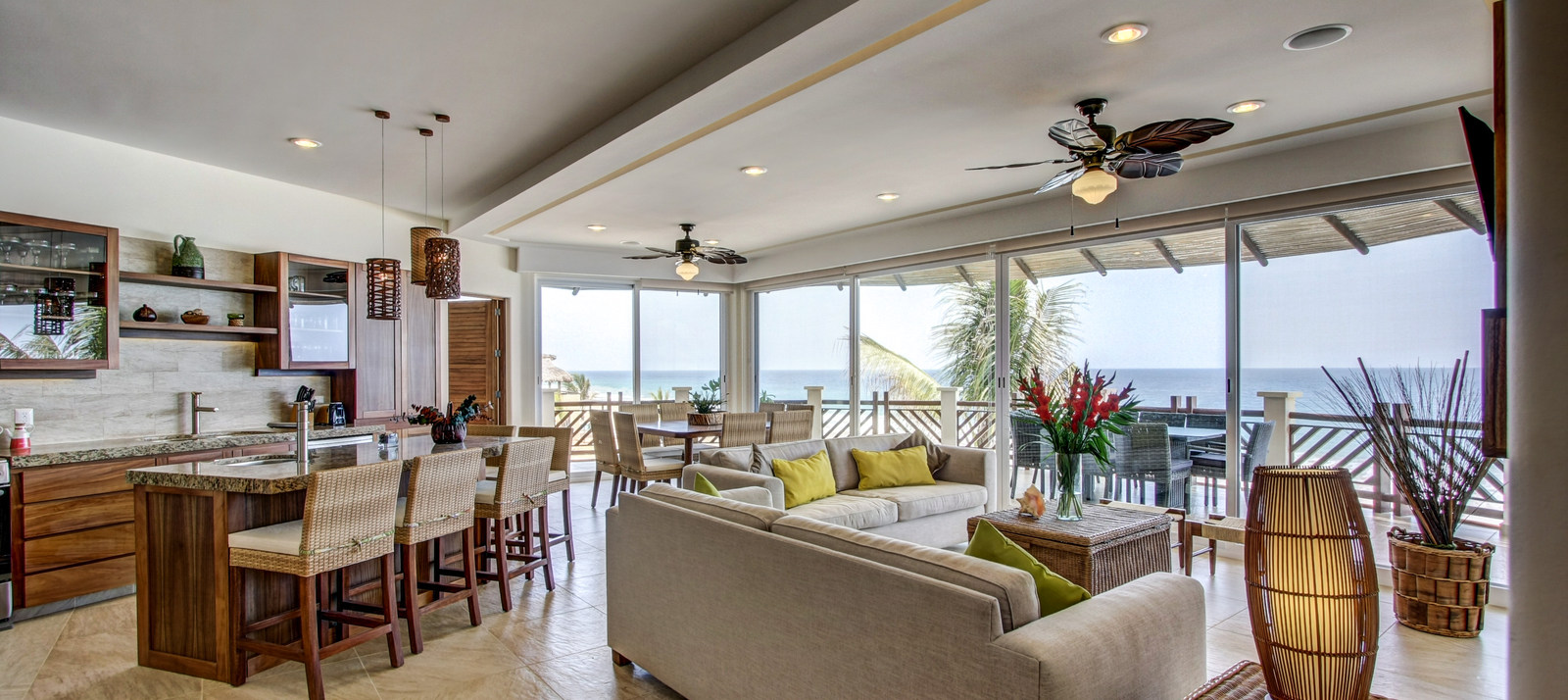
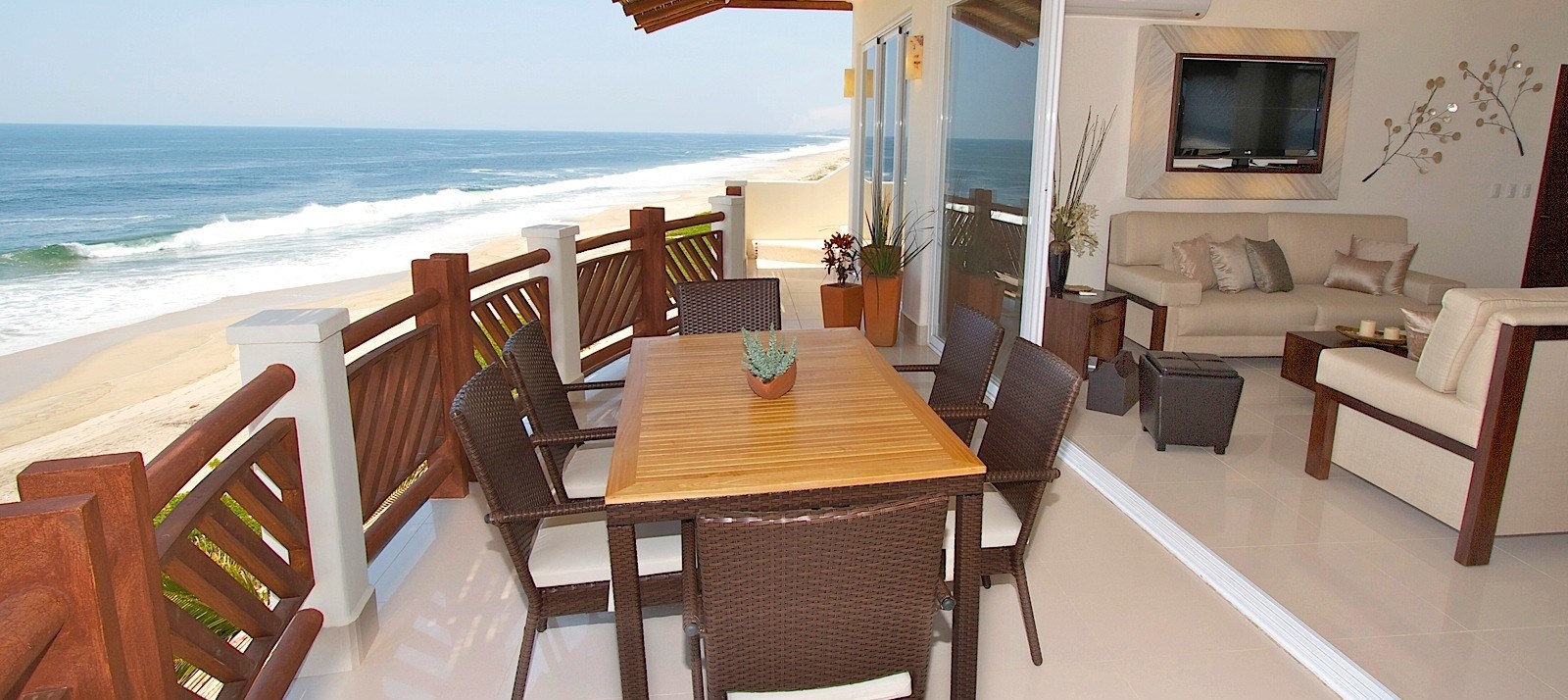
Begin on a sea-facing terrace. Place the horizon across the upper third, keep the camera or phone level, and include foreground such as curtains, timber or stone. The result feels inhabited rather than staged while preserving the sweep of ocean.
At first light, walk toward the water while the beach is quiet. Side lighting textures the sand, shallow reflections work near the shoreline, and long shadows point toward the palms. A wide frame suits the landscape; a tighter crop from a villa doorway can frame one person or coffee.
For a change of scenery, head beyond the main beachfront. The reserve’s mangroves and lagoons offer layered greens, water channels and wildlife details that contrast with the open Pacific. A mangrove and lagoon tour provides local context, and your guide can identify moments when bird activity or shifting reflections are most photogenic.
Beach days and snorkelling angles
Once the sun rises, the shoreline becomes a working studio. Look for wet sand that mirrors the sky, swimmers framed between palms and children building low silhouettes near the water. These candid frames feel more natural than posed beach portraits, particularly when the lens stays at eye level instead of looking down from above.
The clearest underwater colour often appears just offshore. The best snorkelling spots offshore can be paired with simple action shots: a swimmer entering the water, a snorkel mask above the surface or a burst of bubbles beneath it. Use a fast shutter speed, and let the swimmer approach diagonally so the frame gains depth.
For Australian beachgoers accustomed to checking surf reports, tide charts and UV levels, ask the resort team about local conditions and currents. Follow marked areas and lifeguard guidance, and avoid chasing a photograph into unsafe water. From shore, a low angle isolates a swimmer against the blue horizon.
Choosing the scene that fits the light
Different locations reward different conditions, so a single camera position will not suit the whole day. The comparison below focuses on practical variables rather than declaring one view superior. Think about sun direction, surface reflections and how much time you want to spend moving.
| Scene | Best conditions | Distinctive feature | Capture approach |
|---|---|---|---|
| Villa terrace | First or last light | Architecture frames the horizon | Keep verticals straight and include foreground detail |
| Beach | Early morning or late afternoon | Wet sand, palms and long shadows | Work low and shoot into the reflections |
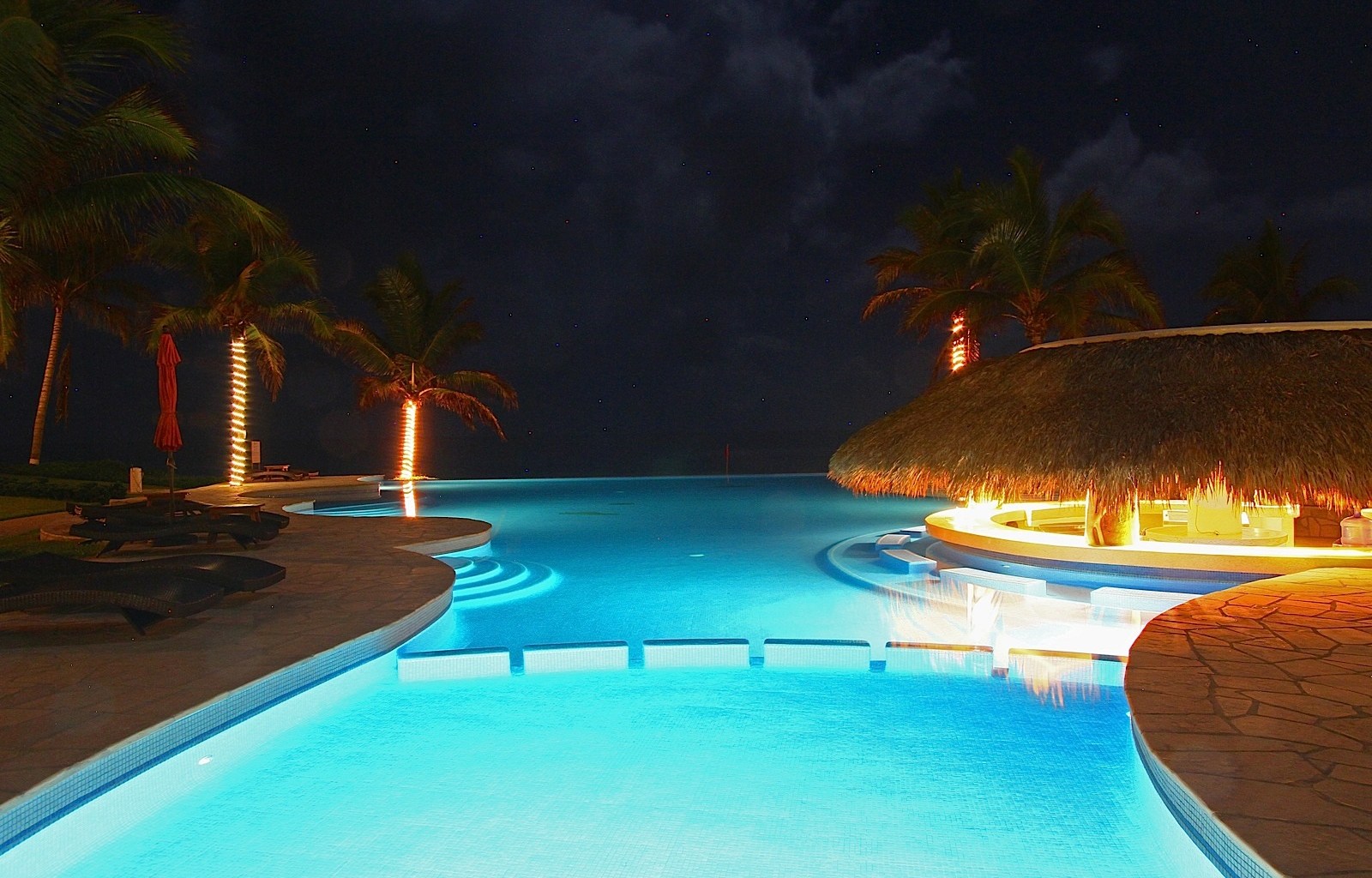
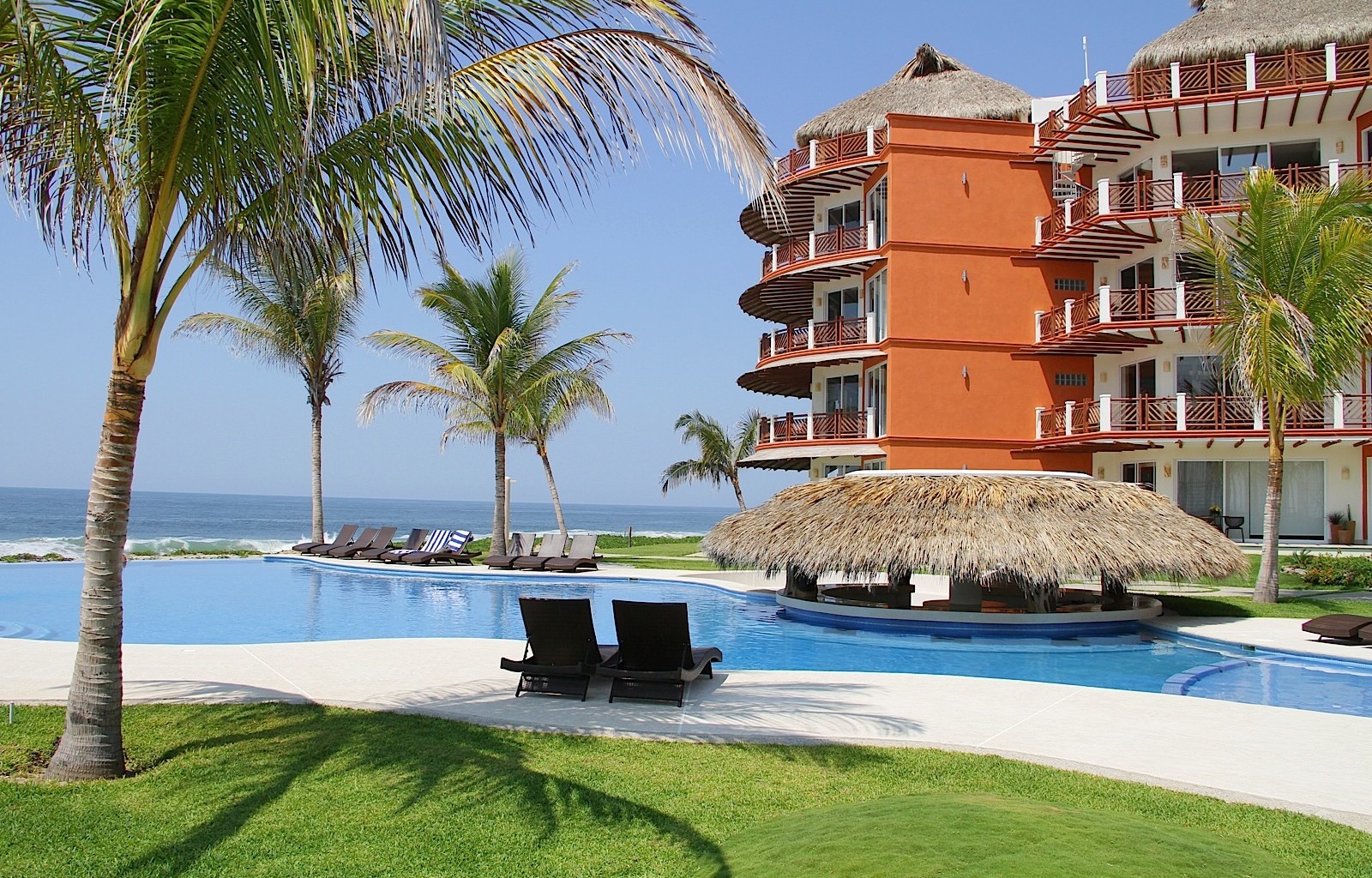
| Pool | Soft afternoon light | Clean geometry and changing reflections | Clean the lens and move along the edge for symmetry |
| Mangroves and lagoons | Diffused daylight | Layered texture, water and wildlife | Follow the guide and keep a longer lens ready |
| Offshore water | Calm, bright conditions | Blue water, masks and moving swimmers | Use a fast shutter speed with space in front |
Overcast light is useful for symmetrical pool photographs, dense palms and food displays because it controls harsh shadows. Strong sun calls for a lower viewpoint near a villa or dining terrace, where shade can frame the sea. Clouds can also add depth to an otherwise plain horizon.
Leave space in the frame for cropping. A generous composition can become a vertical story, a square detail or a wide banner without losing its atmosphere. Many travellers upload from both iPhones and cameras, so protect files as they would on a long Australian road trip: back up the best frames before changing memory cards.
A practical shot list for the day
A compact plan preserves energy and prevents every image from looking identical. Use these prompts, then adapt them to the resort’s current light, weather and access.
Quiet horizons
- Arrive 20–30 minutes before sunrise and choose a villa or beach access point.
- Keep the horizon level, but include a palm, doorway or towel for scale.
- Photograph the first and last light from the same place for a clean visual sequence.
- Switch to portrait orientation when architecture and sky need more height.
Colour and movement
- Use pool reflections at low sun, when the water holds warmer tones.
- Capture family movement rather than arranging everyone into a rigid line.
- Frame snorkelling swimmers from shore with space ahead of their direction.
- Include one detail each for flowers, a shaded breakfast or villa design.
Clean the lens before switching from beach to pool or dining areas; fine sand can soften a phone image more than an elaborate filter. Wipe condensation from a camera kept in an air-conditioned room, and let equipment acclimatise before opening its case.
Australian travellers accustomed to carrying everything in a day bag can keep a small pouch with a charger, cable, microfibre cloth and sunscreen. That habit prevents scratches, protects batteries in tropical heat and simplifies movement between a sunrise beach, a late lunch and an evening portrait session.
Keep the Mexican coast in focus
The strongest edit is usually the simplest: lower contrast, natural skin tones and enough shadow detail to keep the water blue without turning it electric. Keep one recognisable Vivo moment, one wide coastal view and one candid human detail. That mix tells a fuller story of a stay than a sequence of nearly identical sunset frames.
For families, private villas, pools, dining venues and the spa can be photographed as part of the same narrative rather than as separate stops. Wedding groups can stage the ceremony against the ocean and reserve colourful reception details for closer frames. Before finalising a resort or dining plan for a large group, contact the resort team to confirm access, timing and practical arrangements.
Remember Playa Palmarito as more than a backdrop for a polished post: it is a place of open horizons, quiet corners and changing light. The view worth keeping is the one that still feels like your time at Vivo when the colours are calm and the people in the frame are recognisable.