How to take a surfing lesson at Playa Zicatela from Vivo Resorts
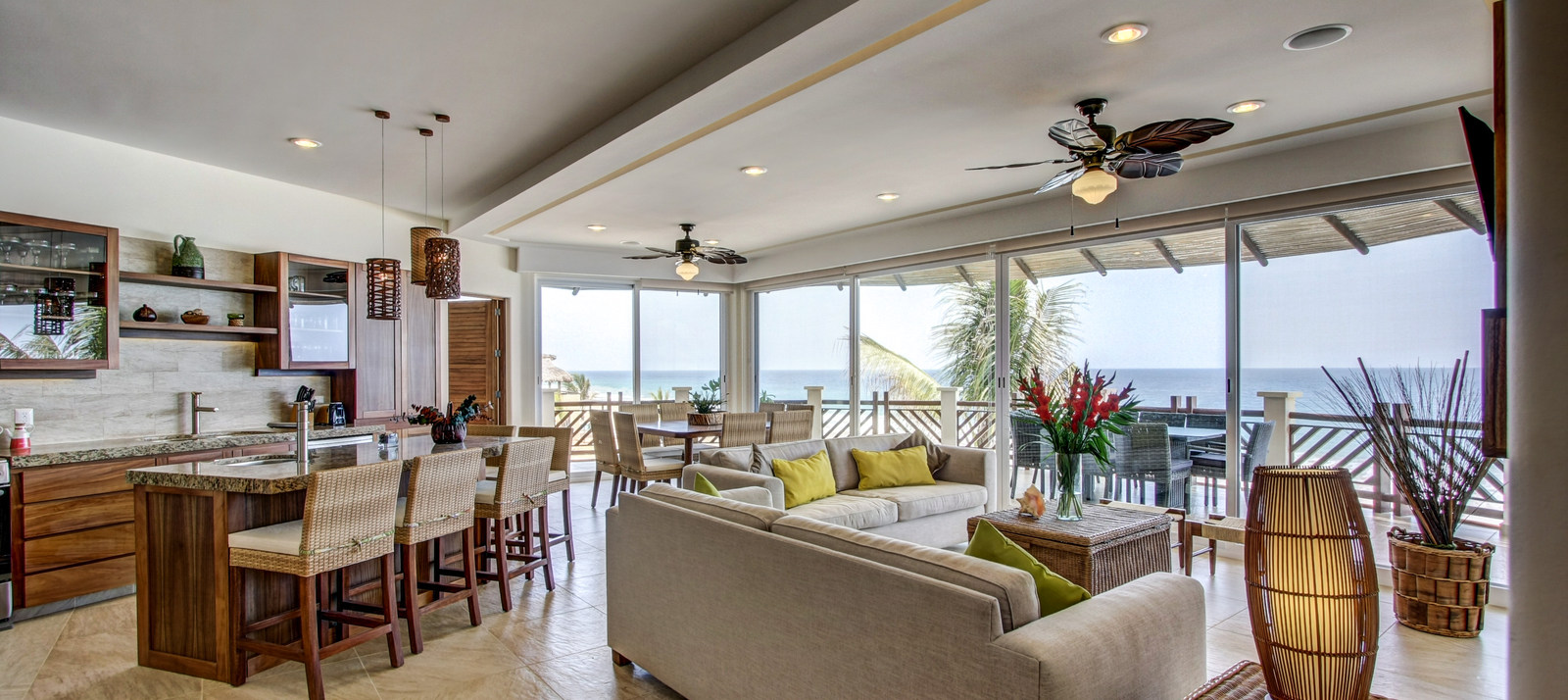
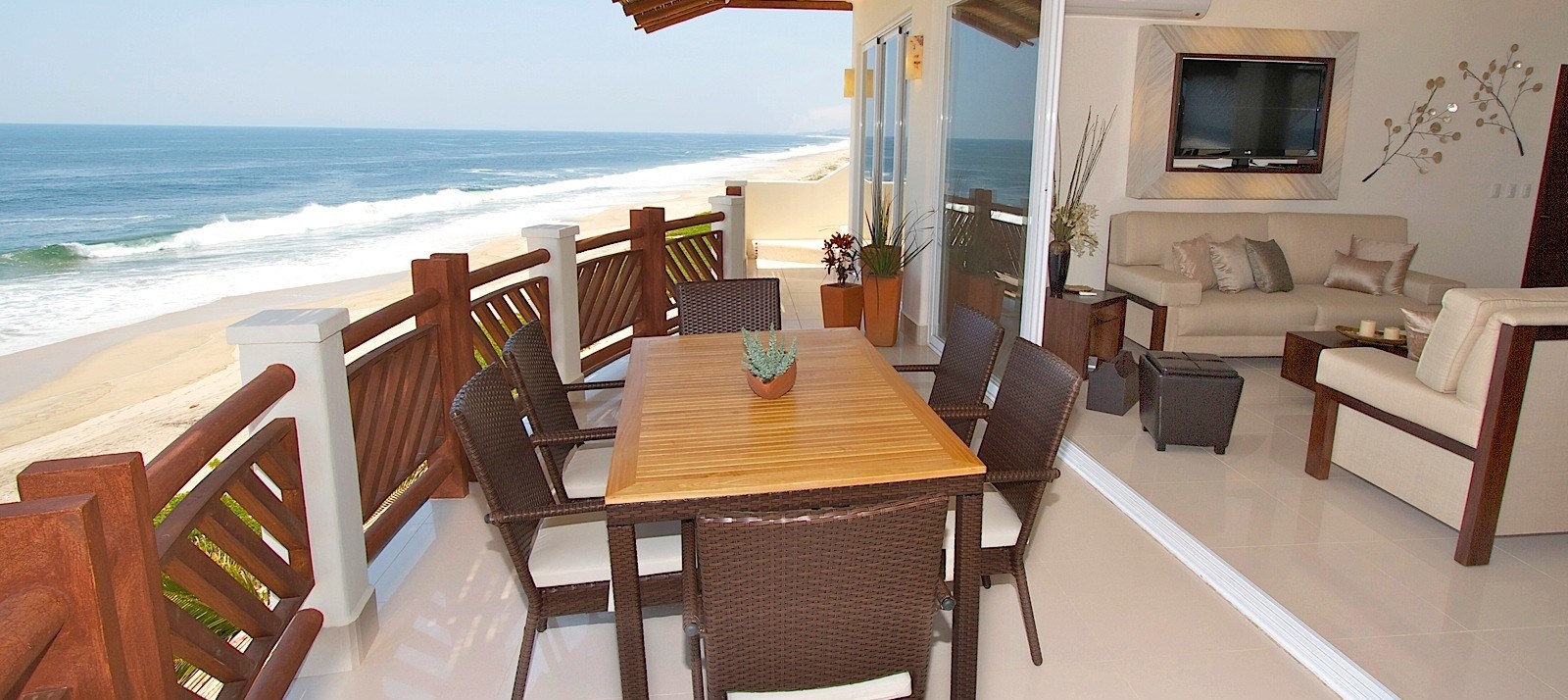
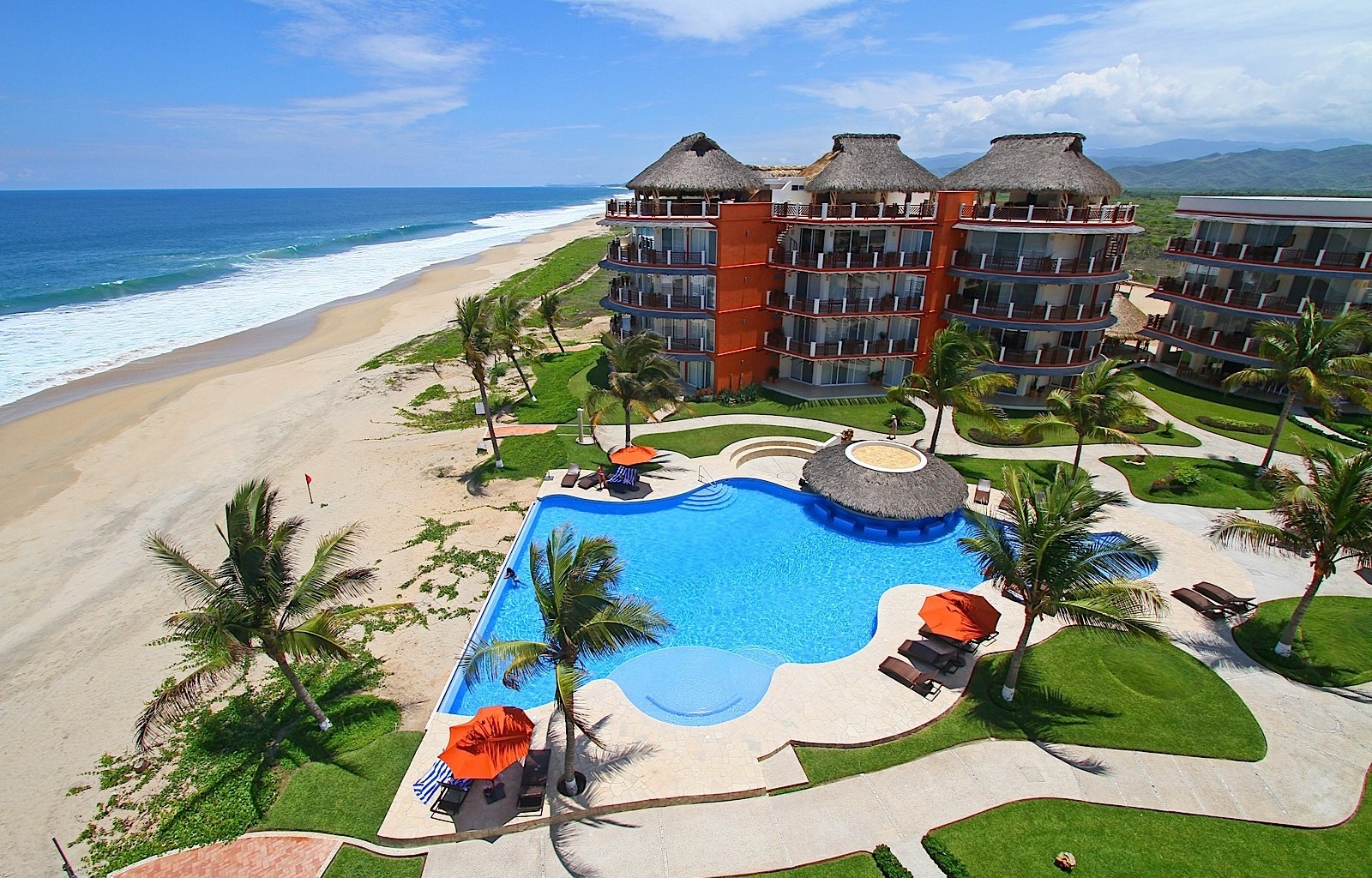
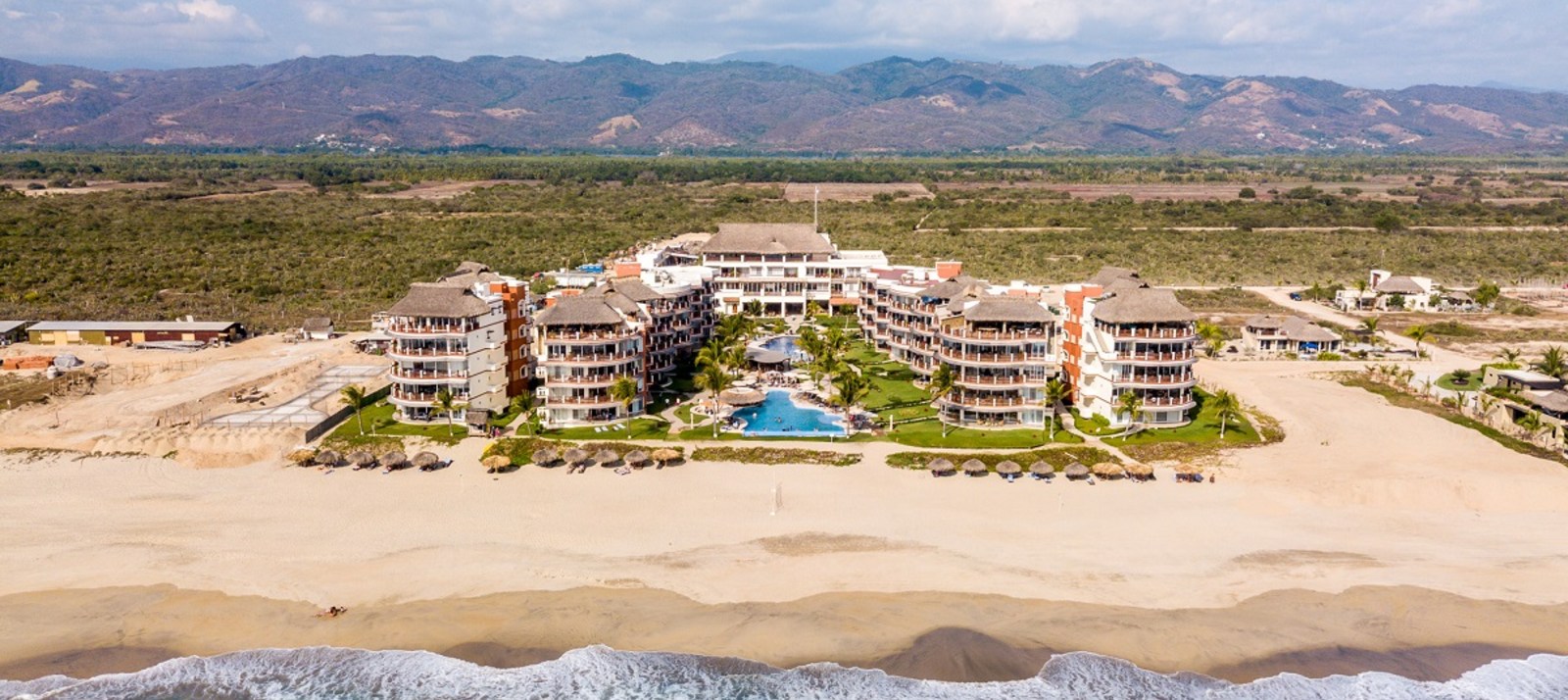
Australia's obsession with the ocean follows travellers from Bondi to Byron, and many boardriders eventually chase swells far beyond home waters. Playa Zicatela, a long, powerful left-hand point break south of Puerto Escondido, lives on bucket lists for that reason. From Vivo Resorts, sitting beachfront on Playa Palmarito, the famous break is only a short drive up the coast, making it easy to book a lesson and chase your first Mexican wave before lunch.
This guide covers the practical steps for arranging a surf lesson at Playa Zicatela from Vivo Resorts. You'll learn how the transfer works, which schools cater to first-timers, what a typical session looks like, the best months to travel, and how lesson formats compare. A few details tailored to Australian travellers are woven in.
Why Zicatela calls to Australian wave riders
Mexican Pipeline, some call it. Zicatela runs for nearly three kilometres of sand and peels a long, hollow left that Australian surfers compare to Snapper Rocks on a solid south swell. Travellers from Torquay, Noosa, and Margaret River recognise the lineage: Quiksilver and Rip Curl both trace back to Victoria and now sponsor events on this very beach.
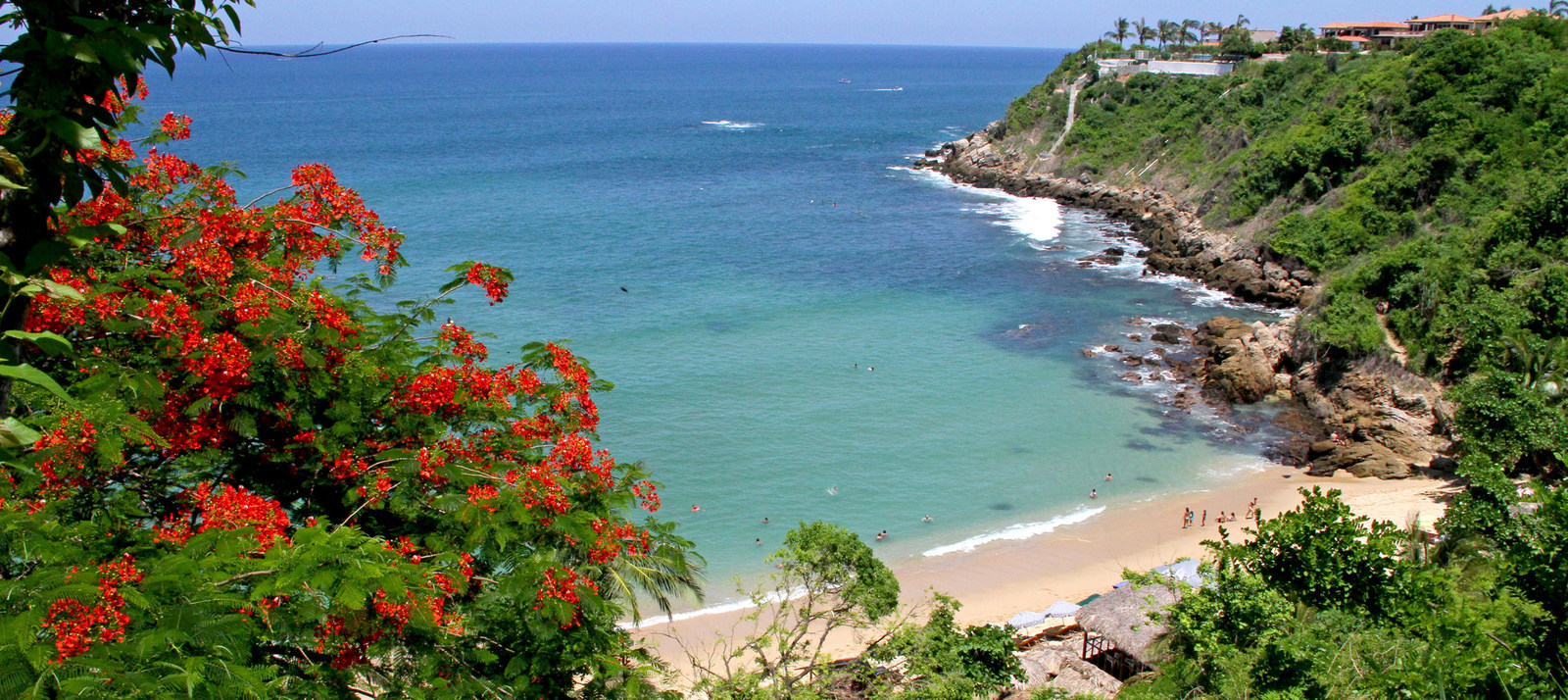
Beyond the prestige, the wave is genuinely fun for learners who pick the right section and tide. The main break is for experienced surfers, but the southern end near the river mouth softens into shoulder-high whitewater that is perfect for first pop-ups. Many schools split their groups between Zicatela and the calmer beach at Playa Palmarito, so a nervous first-timer can find their feet in knee-deep water.
Getting from Vivo Resorts to the break
Vivo Resorts sits about 25 minutes' drive north of Puerto Escondido, and Zicatela is roughly another 10 minutes beyond the town centre. Most surf schools offer pickup from the resort lobby, removing the need to rent a car or negotiate taxis. Guests who prefer flexibility can also use the resort shuttle to Puerto Escondido and arrange a short ride from there to the beach.
Plan to leave the resort by 7:30 am for an early session. The wind is lightest before 10 am and the water is glassy, which matters more than wave size when you're still working on pop-ups. Bring a small daypack with reef-safe sunscreen, a towel, water, and a long-sleeve rashie.
Picking a beginner-friendly surf school
Oaxaca's surf scene has grown steadily, and instruction quality varies just as it does in Byron Bay or Torquay. Stick with ISA-certified schools that run small group ratios (no more than four students per coach) and cover rips, rocks, and marine life in a clear safety briefing. Many instructors speak English; a few are former competitive surfers from Australia, Brazil, or the US.
Questions to ask before you book
- Is the lesson held at Playa Zicatela or a calmer nearby beach?
- What's the coach-to-student ratio?
- Are boards and rashies included, or do I bring my own?
- Is there a photographer in the water, and what does the package cost?
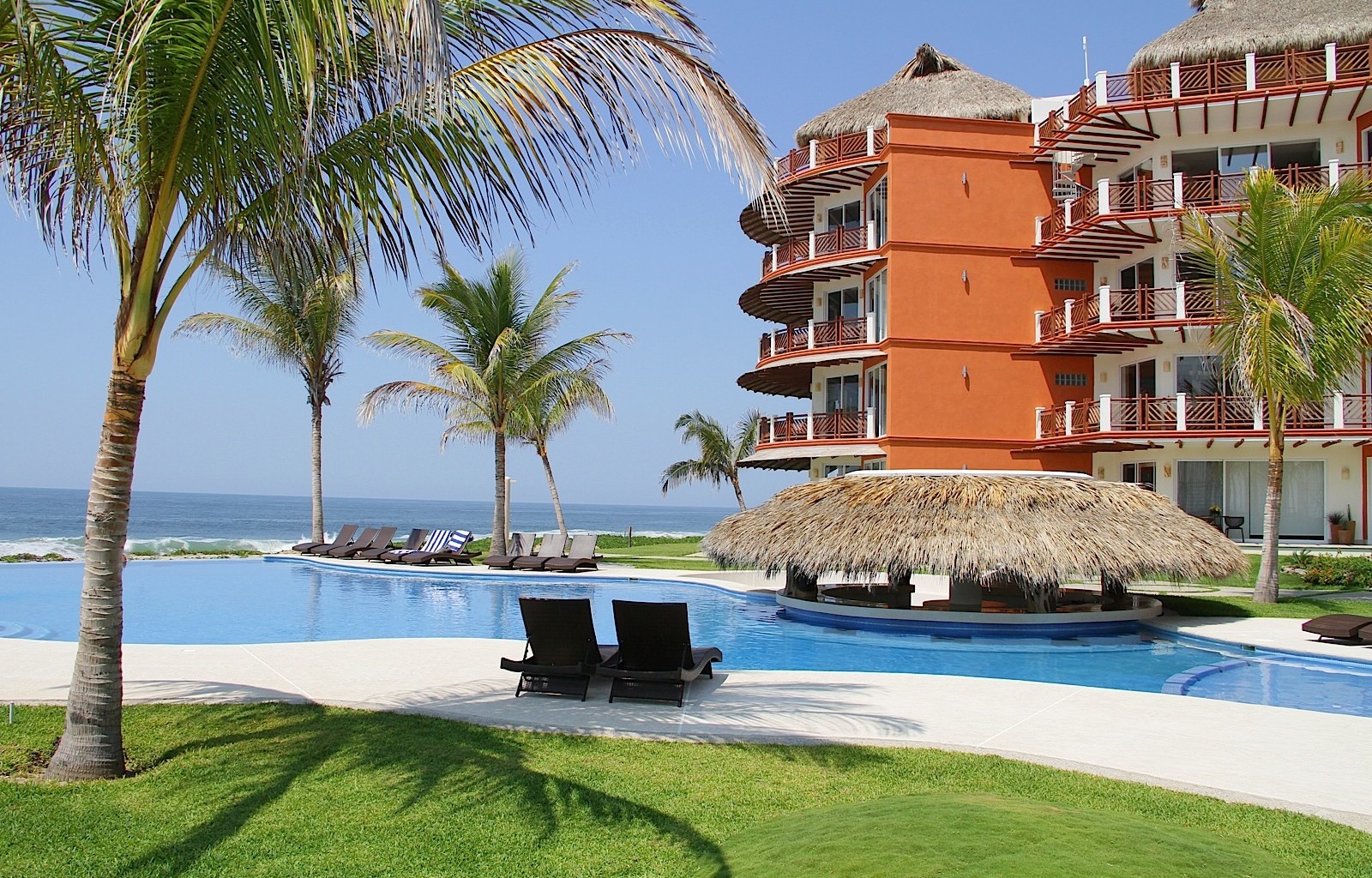
If you want to combine your lesson with other activities, ask the concierge about the best water sports at Palmarito, since SUP and kayaking are usually available right on the sand in front of the resort.
What your first lesson looks like
A standard 90-minute session starts with 20 to 30 minutes on the sand. The coach covers ocean awareness, paddling technique, how to identify rip currents (a skill every Aussie kid learns at Nippers), and the pop-up movement. You'll then carry your soft-top board into waist-deep water, where the coach pushes you into reformed whitewater waves. Most first-timers stand up within three to five attempts and are catching waves unassisted by the end of the session.
Expect to be tired. Paddling works muscles a gym session in Sydney or Melbourne rarely touches, and a long lunch by the pool feels earned. The resort's cabanas and spa are popular with first-day surfers who book a recovery massage that afternoon. Drink water, reapply sunscreen, and skip the margaritas until after the session; dehydration sneaks up faster here than on a Victorian winter morning.
Pairing surfing with other Palmarito water sports
Surfing is the headline, but the bay offers plenty more for the rest of the trip. Stand-up paddleboarding at sunrise is a favourite for guests who want to ease into the water without the wipeouts, and the glassy early-morning conditions suit non-surfers in the group. Snorkelling just offshore reveals volcanic rock formations, and kayaks are available for couples who want to paddle along the headland.
A balanced week might look like a surf lesson on day one, a recovery SUP session on day two, and a boat trip to nearby beaches on day three. Travellers celebrating a special occasion often pair the surf day with a private dinner back at the resort. If you're planning a group trip, read up on milestone birthday celebration ideas at the resort; the events team can coordinate surf school bookings, photographers, and beachside dinners in one package.
Best seasons to plan your trip
Zicatela works year-round, but the swell window is strongest between April and October, with the biggest pulses in June, July, and August. That lines up neatly with the Australian winter, peak ski season at home and the perfect time for an off-season surf escape. Water sits around 26 to 28°C, so a rashie and boardshorts is plenty; full winter steamers like those used at Bells are unnecessary.
The trade-off is crowds. Easter week, the July holiday window, and Mexican summer holidays draw big numbers, and the Oaxacan coast fills early. School holiday periods in New South Wales and Victoria also coincide with this peak, so book three to four months out for an ocean-view suite. November through March is quieter and still surfable, though smaller swells mean a longer hunt for clean waves.
Comparing lesson formats
Most surf schools around Puerto Escondido offer the same handful of formats, with prices scaling by group size and duration. Here's how the main options stack up.
| Format | Duration | Group size | Price range (AUD) | Best for |
|---|---|---|---|---|
| Group beginner | 90 min | 4–6 | $90–$130 | First-timers, solo travellers |
| Semi-private | 2 hr | 2 | $180–$240 | Couples, close friends |
| Private | 1.5 hr | 1 | $200–$260 | Focused coaching, returners |
| Multi-day package | 3 × 2 hr | 4–6 | $400–$520 | Travellers who want to progress |
Group lessons are the easiest way to meet other guests and suit anyone still figuring out whether surfing is for them. Semi-private sessions work for couples or parent-and-teen duos, while private coaching pays off if you have specific goals like improving your pop-up. The multi-day package is the most popular choice among Australian guests with a couple of weeks off who want to be confidently catching greenwater waves by the end of the trip.
Respect the locals in the water, listen to your coach, and expect to swallow a lot of saltwater on the way to your first real ride. The wave at Zicatela has been breaking for as long as anyone can remember, and your first session is just the start of a longer conversation with it.
Essentials worth remembering
- Book your school at least 48 hours ahead during peak season
- Reef-safe sunscreen and a long-sleeve rashie are non-negotiable
- Choose ISA-certified coaches with small student-to-coach ratios
- Plan a recovery afternoon; first sessions are deceptively tiring