Stay Cool and Hydrated Through Hot Coastal Afternoons
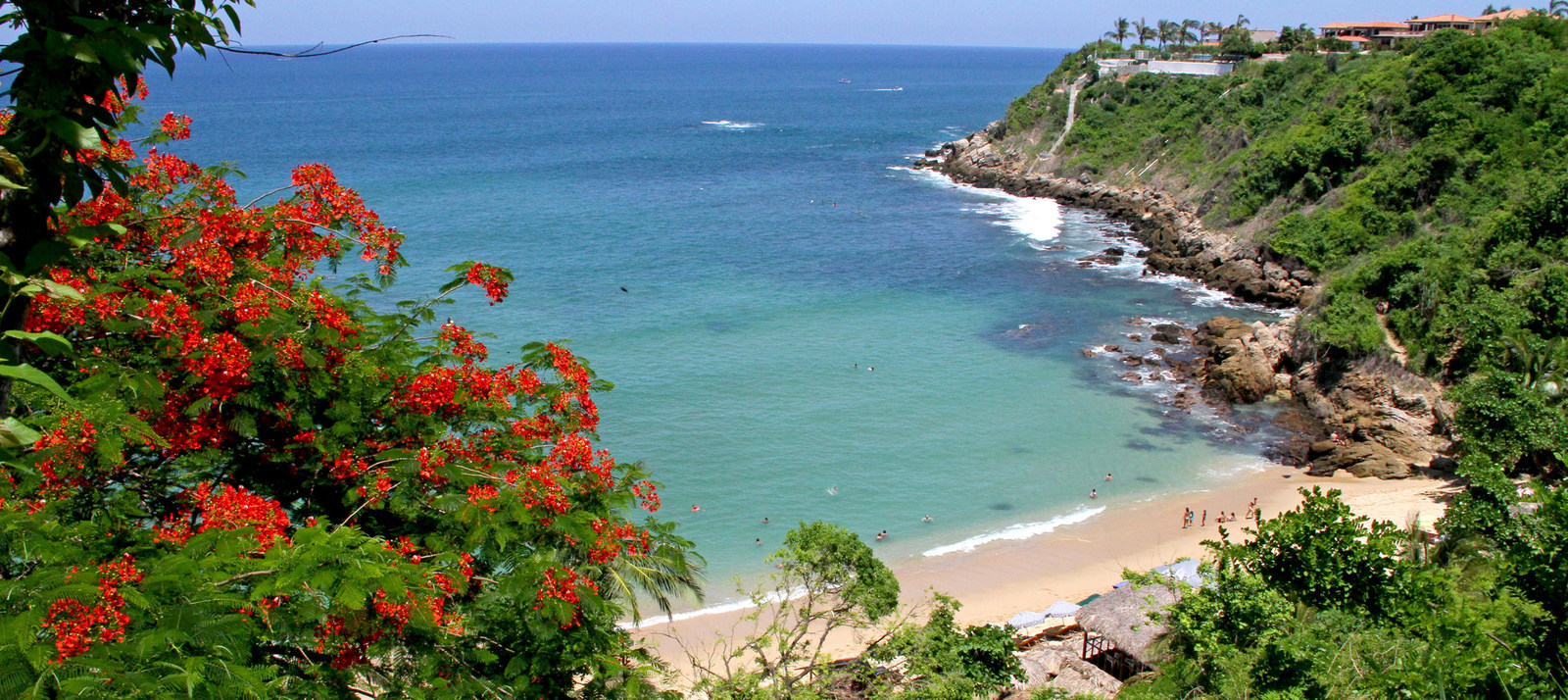
Knowing how to stay cool and hydrated during the hottest afternoons on the coast comes down to timing, shade and steady drinking. Playa Palmarito near Puerto Escondido combines strong coastal sun, warm air and exposed stretches of sand. The aim is a comfortable rhythm of beach time and restorative breaks, not simply surviving until sunset. This matters when spending hours at the beach, pool or nearby attractions.
Travellers from Australia know how demanding a hot day can be. Sydney, Melbourne and Brisbane can deliver uncomfortable summer afternoons, and a heatwave often turns outdoor plans into an early-morning or evening affair. Coastal Oaxaca adds humidity and intense ultraviolet exposure, so temperature alone does not describe your body’s strain.
Water should remain the simplest, most dependable drink. Electrolytes can help after heavy sweating, while cooling, light clothing and strategic breaks determine how well that water works. A good plan prevents arriving overheated and drinking too rapidly once discomfort sets in.
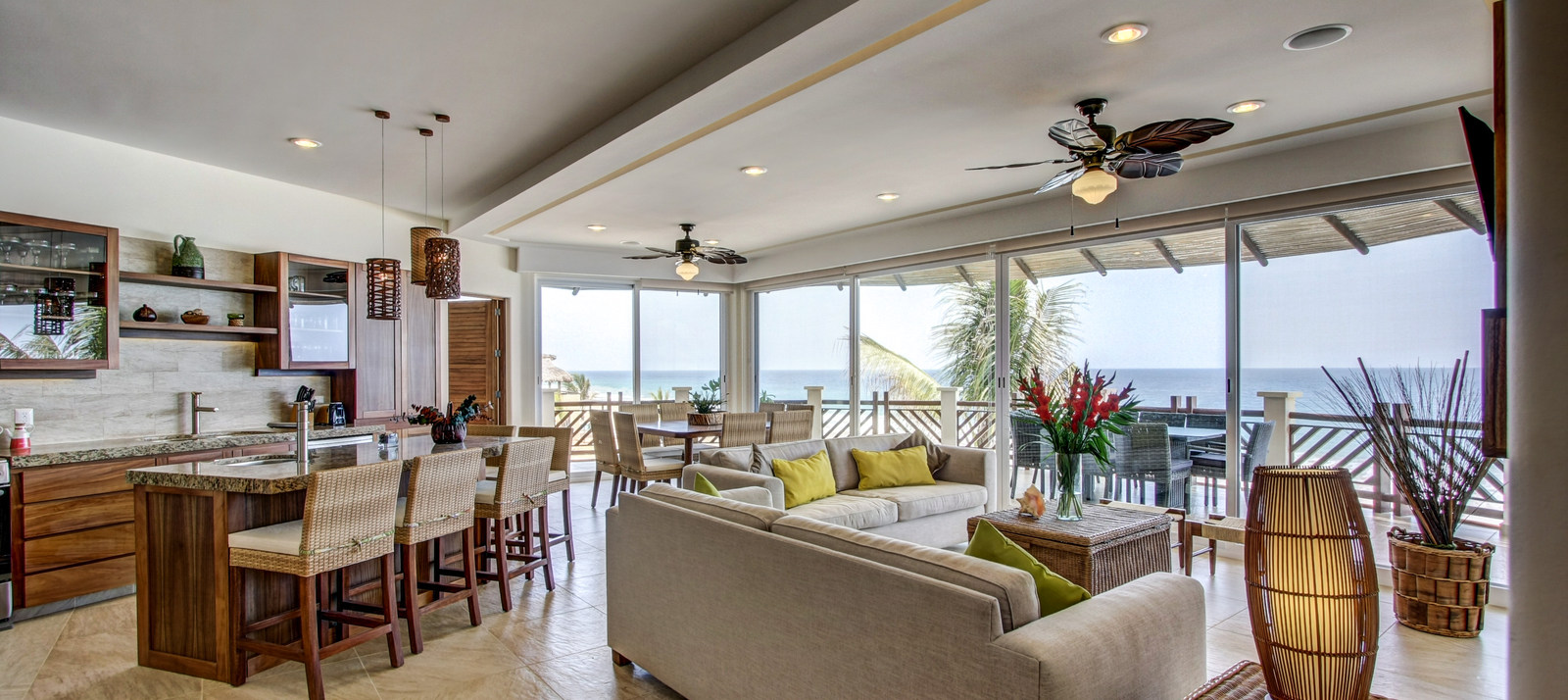
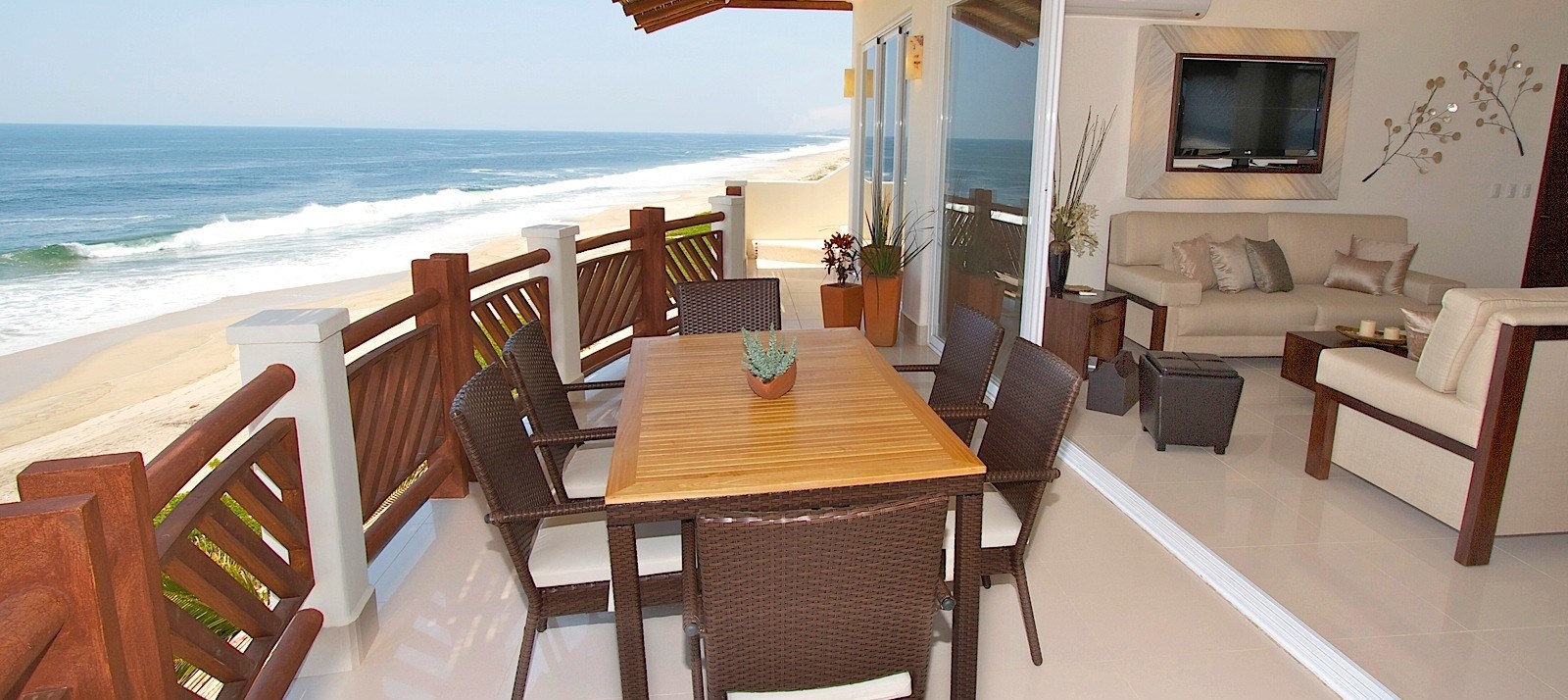
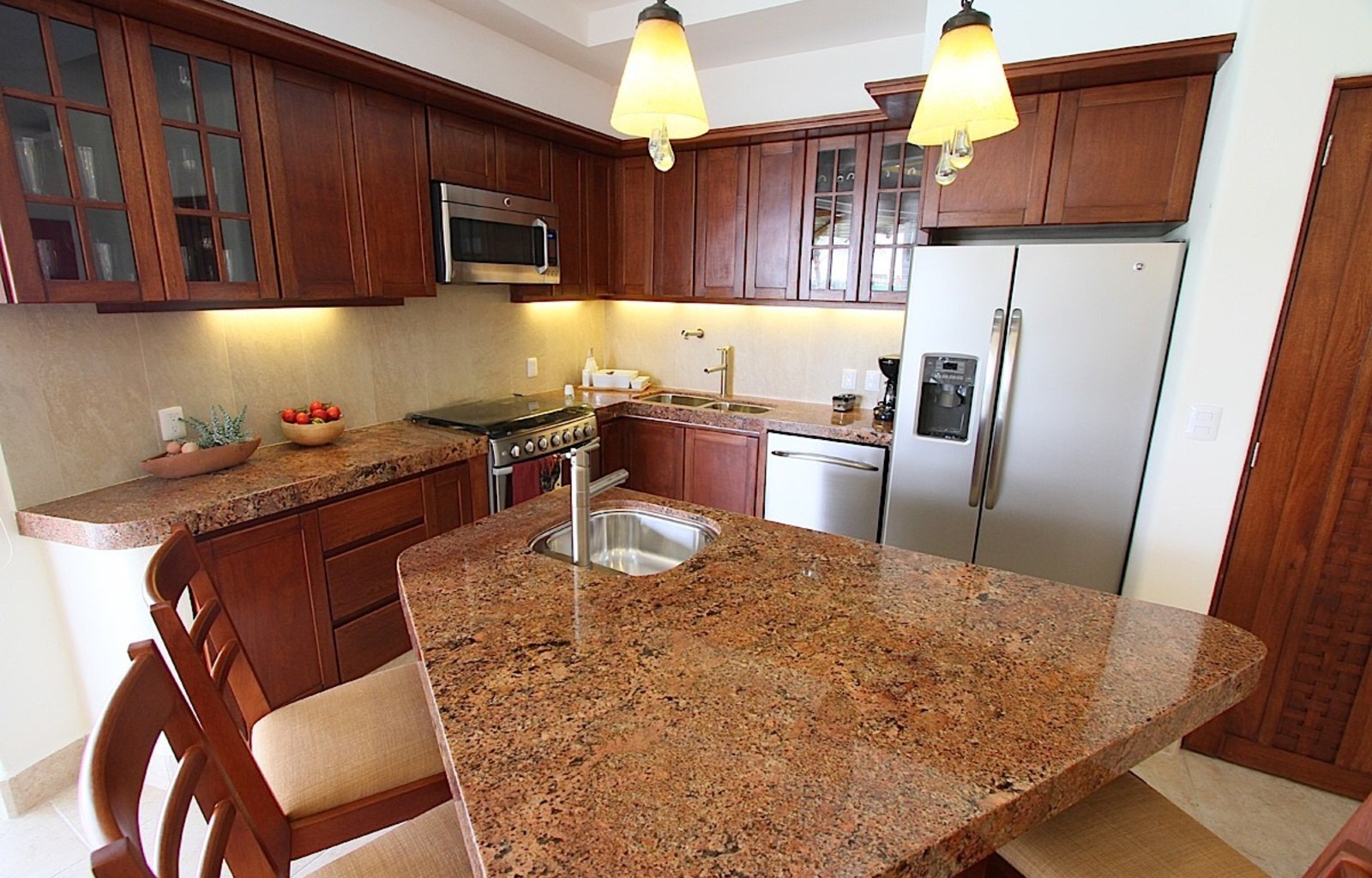
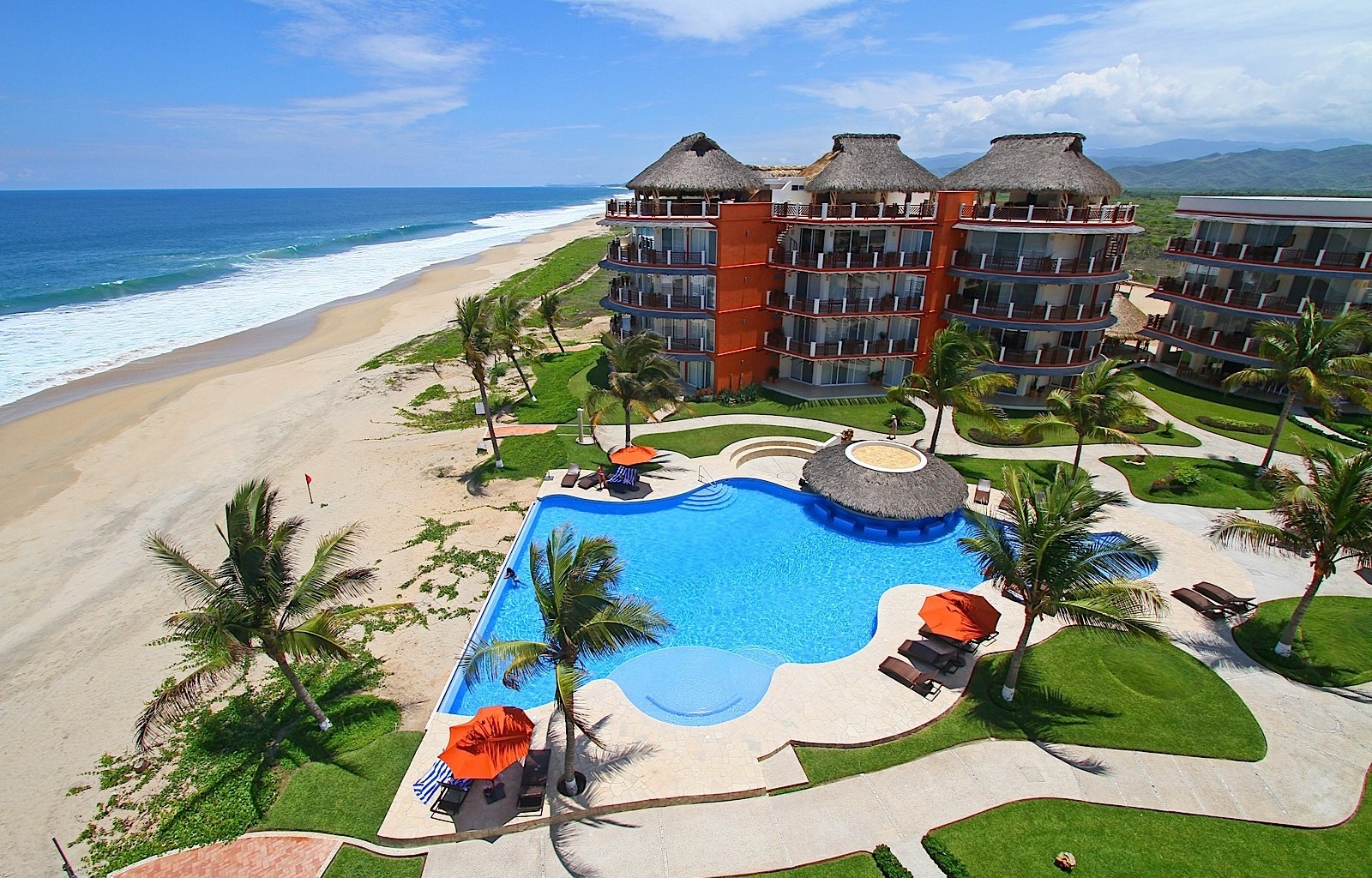
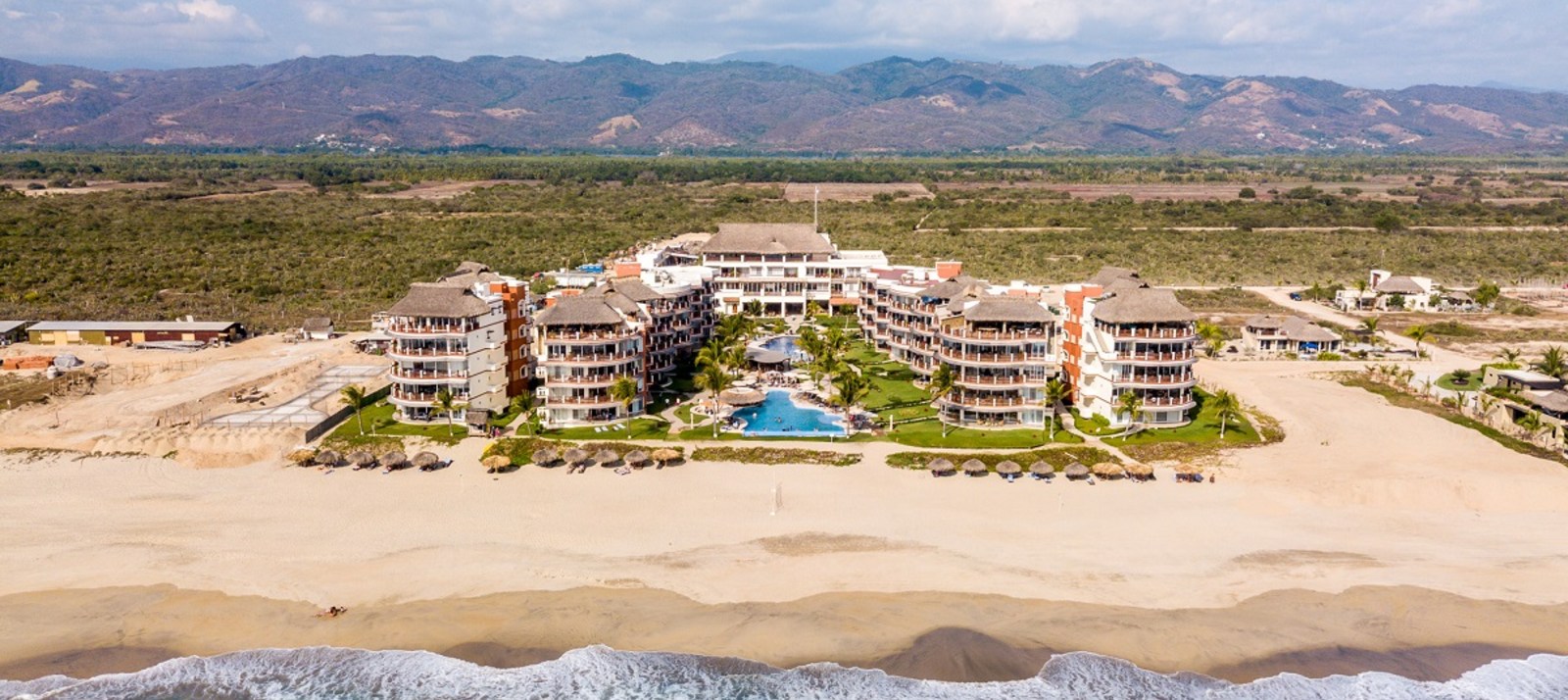
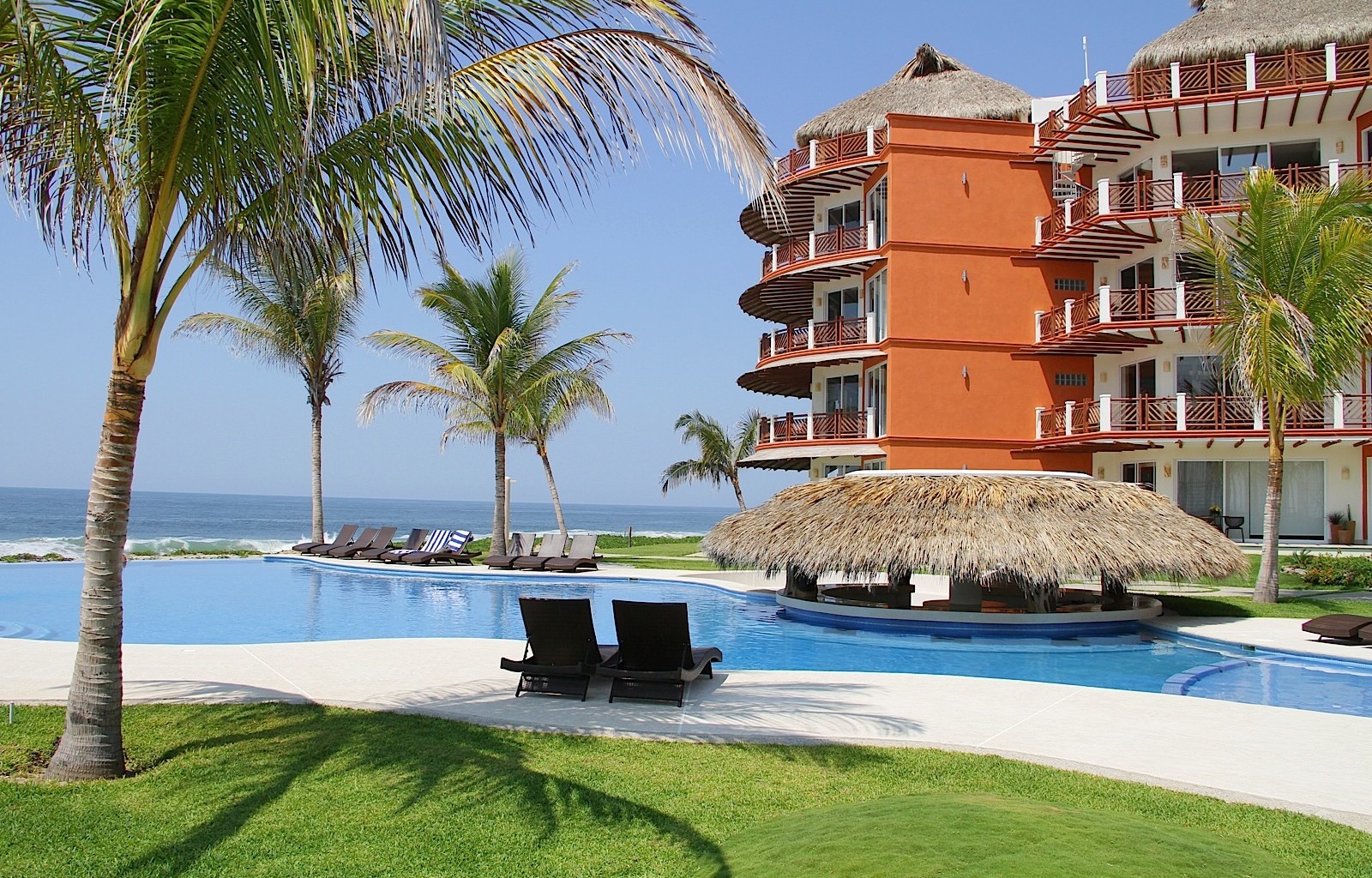
At Vivo Resorts, spacious suites and private villas make it easier to retreat from the sun without leaving the beachfront. Alternate ocean views, pools, indoor air-conditioning and a quiet terrace. Plan those transitions before thirst, fatigue or a headache tells you it is time.
Read the afternoon heat accurately
Heat and ultraviolet radiation create different risks. Reflected light and direct exposure increase UV even when the air temperature seems manageable on a breezy afternoon. Australians are accustomed to checking the UV index and using broad-spectrum SPF 50+ sunscreen, hats and light cover-ups; those habits are valuable because Playa Palmarito can have extreme UV from late morning through afternoon.
Humidity affects sweat evaporation, while wind can make a hot beach seem deceptively pleasant. Minimise prolonged exposure between noon and late afternoon, especially on days without a sea breeze. Pool time, a shaded meal or an indoor rest gives your body a real break from radiant heat.
Choose accommodation with shade and air-conditioning close at hand. The resort packages page helps you compare suite and villa arrangements before choosing where to spend the hottest hours. If your villa has a private pool or terrace, check that it provides reliable afternoon shade rather than assuming every outdoor space is protected.
Make water the easy default
Australians commonly carry refillable bottles, and tap water in cities such as Sydney and Melbourne is treated as safe. At Playa Palmarito, use resort-supplied drinking water or sealed bottled water if preferred; do not assume local tap water follows Australian standards. A filled bottle makes frequent sipping easier than ordering a drink whenever you feel warm.
Start before the beach and keep sipping. Small, regular drinks are generally easier than waiting until you are very thirsty, although needs vary with body size, activity, pregnancy and medications. Pale-yellow urine suggests reasonable hydration; dark urine after a long hot period means you should drink and rest.
Limit alcohol during the hottest hours because it increases fluid loss. Large amounts of coffee may have a similar diuretic effect, especially with little food. Water at meals, between excursions and whenever you return to your room is the easiest baseline for most beach days.
Match electrolytes to real losses
Sweating removes water and salts during long walks, energetic pool sessions, surfing or excursions along Oaxaca’s coast. An electrolyte drink can help after sustained sweating, but it is not automatically better than water. After a morning swim and lunch, plain water and normal meals usually cover routine needs.
This is familiar in Australia, where supermarkets, pharmacies and convenience stores stock sports drinks and powdered electrolyte mixes. Packaged sports drinks sold locally must comply with Food Standards Australia New Zealand’s ingredient and nutrition labelling standards, so checking sugar and sodium is routine when Australian shoppers compare products. Choose for the activity and follow serving directions rather than adding extra powder.
More is not always better. Concentrated homemade mixtures may cause stomach discomfort or an excessive sodium load, while sports drinks can contain substantial sugar. People with kidney, heart or blood-pressure conditions should ask a health professional about electrolytes. Most guests can meet ordinary needs with food, water and one practical serving after an active outing.
Use shade, movement and meals to cool down
Schedule demanding activities for early morning or later in the day. At the beach, use an umbrella or canopy, alternate walking with seated shade and keep towels, water and sun protection together. A wide-brimmed hat and loose, light clothing help more than a wet swimsuit, which can trap heat in direct sun.
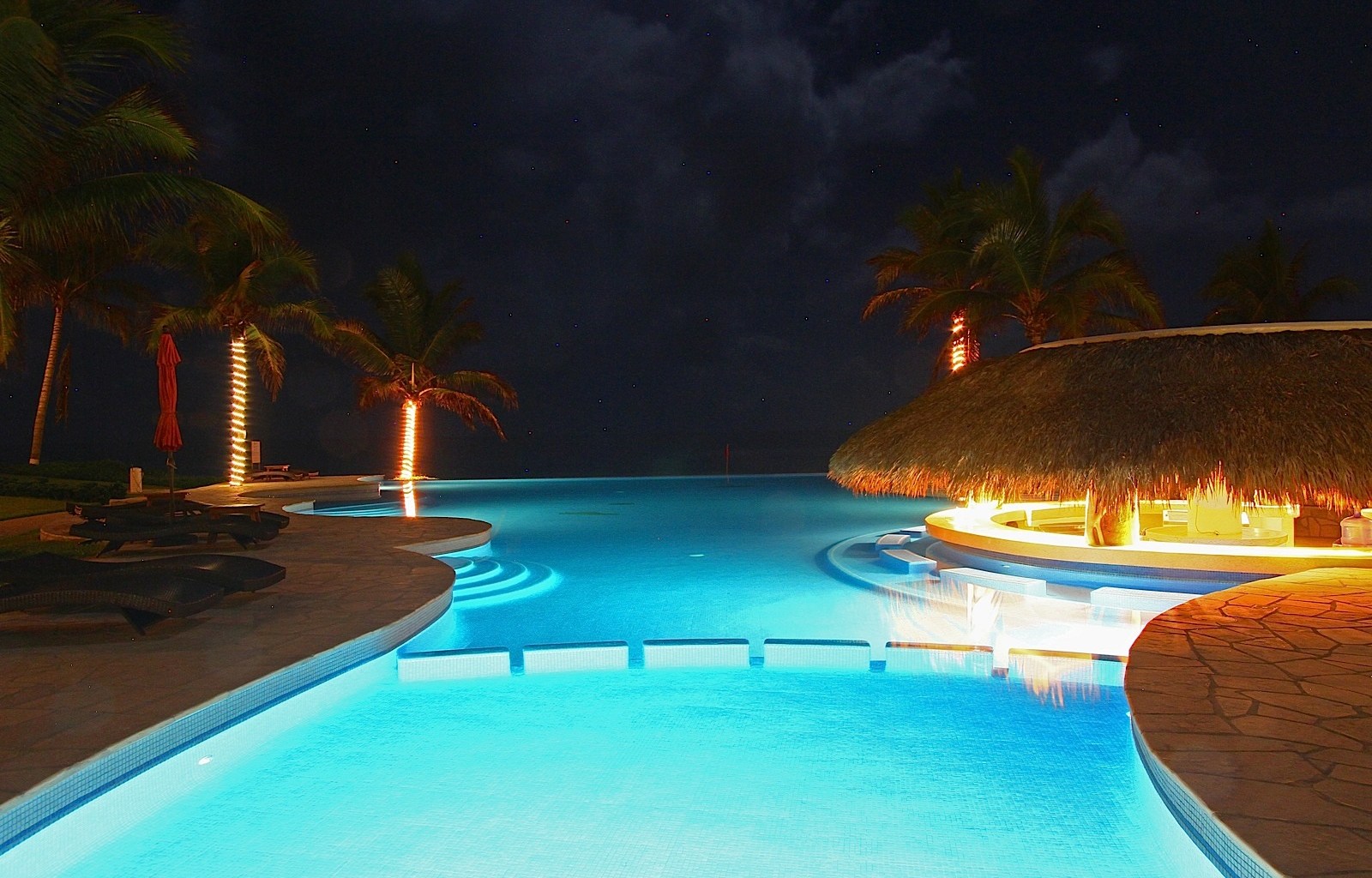
Cooling should feel gradual. A pool, lukewarm shower or wet towel against the skin can lower your temperature. After intense heat, cool gradually rather than with sudden icy immersion. The resort’s pools provide a practical break, while a shaded suite or villa lets you rest without repeated air-conditioning.
Dinner offers another chance to control heat exposure. A private chef dinner in your villa removes a busy restaurant trip from your evening. Ask about timing so dinner arrives as the afternoon cools, and pair it with water rather than making your first drink an alcoholic cocktail.
Keep a coast-day checklist
Start with the items that are difficult to replace while inland, then decide where you can pause later. This checklist suits a typical Playa Palmarito afternoon and can be adjusted for children, older guests or anyone with a medical condition.
Before leaving for the beach
- Fill your refillable bottle and locate somewhere shaded to refill it.
- Keep SPF 50+ sunscreen, a hat and a light cover-up in one bag.
- Move lunch or another substantial meal into the coolest part of the afternoon.
During the hottest hours
- Sip regularly between activities instead of waiting for intense thirst.
- Alternate ten minutes of movement with twenty minutes of shade, pool or indoor rest.
- After prolonged sweating, drink water and consider one measured electrolyte serving.
Compare the options before choosing what to stock:
| Drink or choice | Best for | Main benefit | Points to check |
|---|---|---|---|
| Still water | Everyday drinking | Simple and calorie-free | Add electrolytes only if sweating is heavy |
| Electrolyte drink | Long walks or active excursions | Supplies fluid and some lost salts | Follow the label and watch the sugar content |
| Coconut water | A refreshing meal accompaniment | Provides fluid and some potassium | Check for added sugar and keep portions moderate |
| Infused or fruit water | Variety through the afternoon | Encourages regular drinking | Choose low-sugar options and keep fruit rinsed |
Know when heat needs medical attention
Headache, dizziness, nausea, unusual weakness, cessation of sweating or confusion can indicate heat illness. Move to shade or air-conditioning, cool gradually and seek medical help if symptoms are severe, worsening or do not settle. Do not use alcohol or extra caffeinated drinks to push through those signs.
Before you leave for Mexico, set a calendar reminder for your arrival day that says, “Fill the water bottle before unpacking.”