From Palmarito to the pine forests: Planning a Sierra Juárez weekend
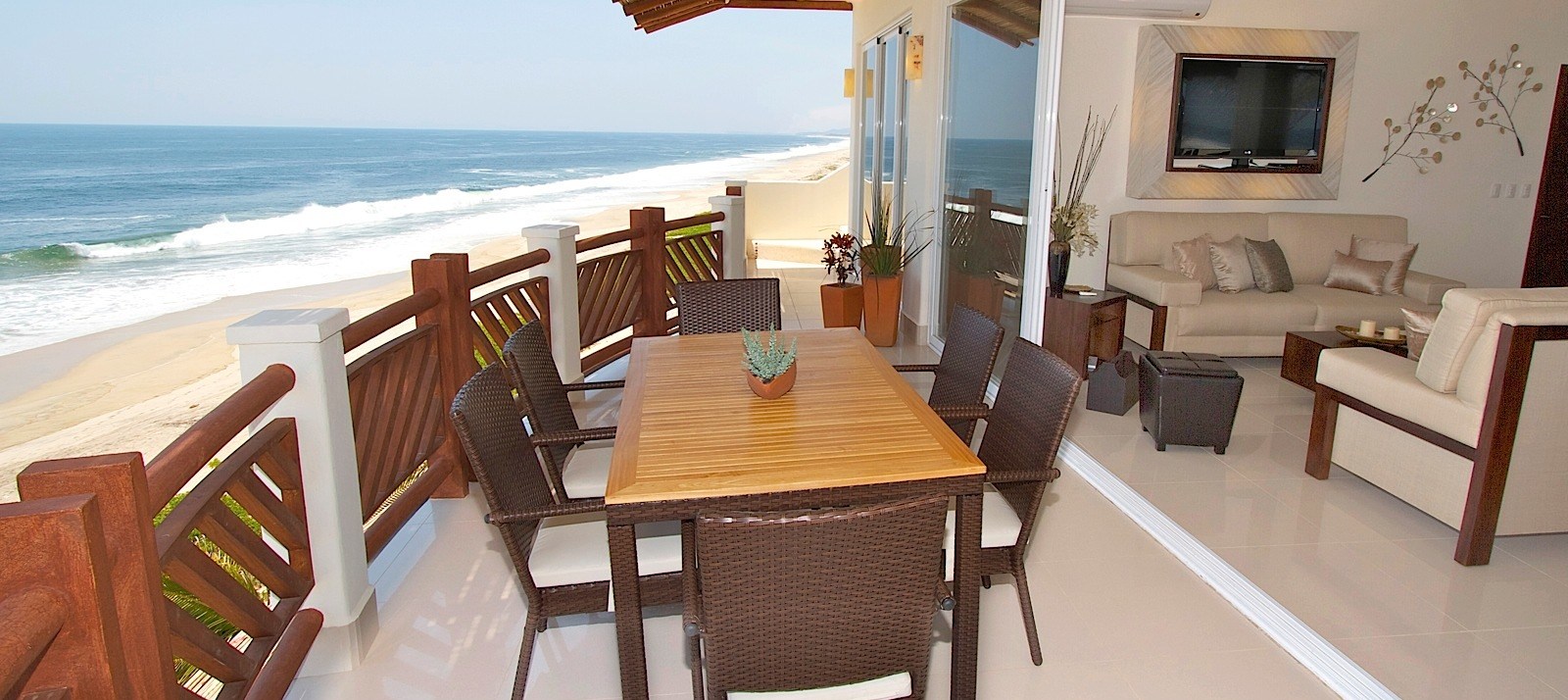
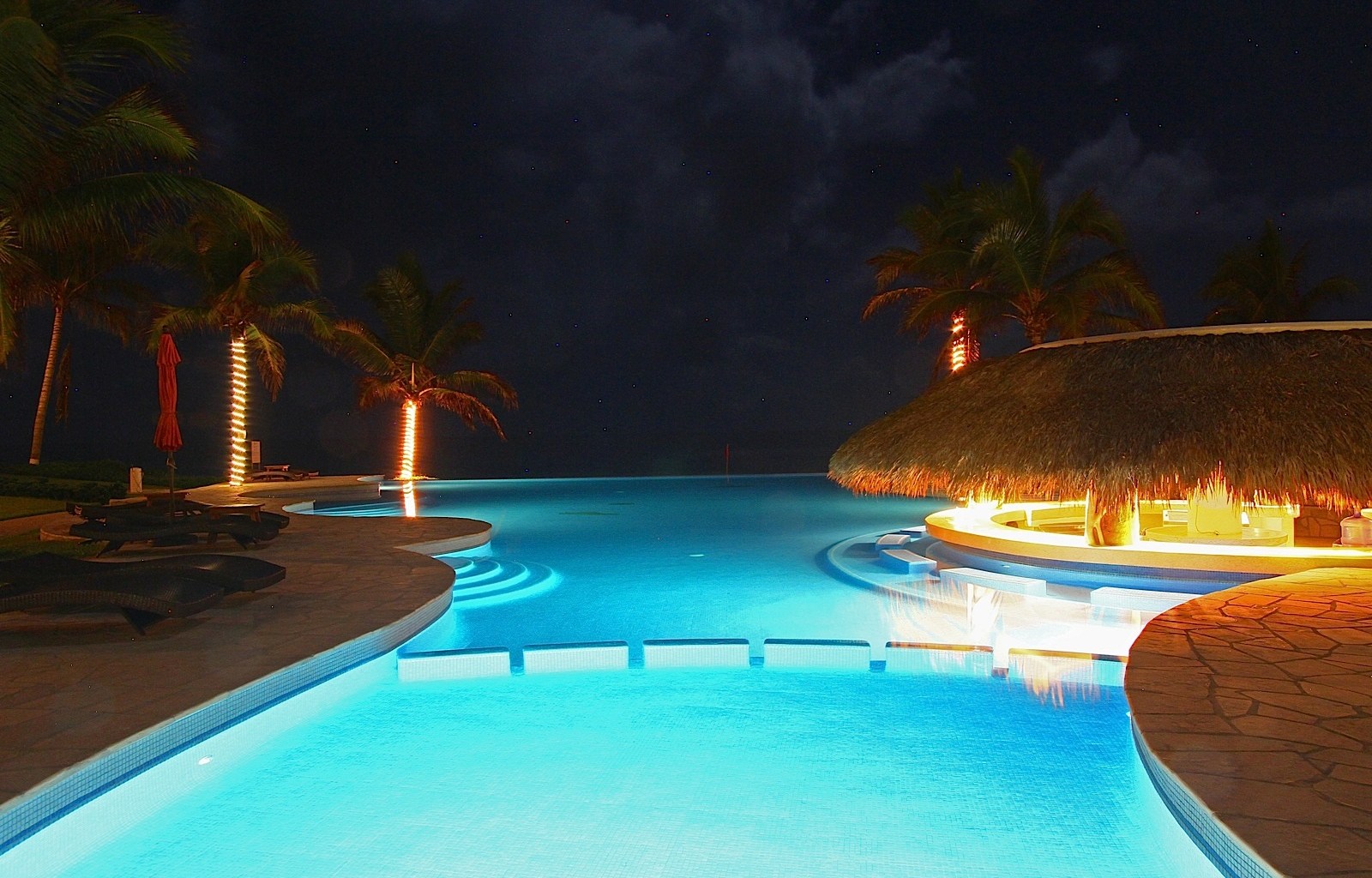
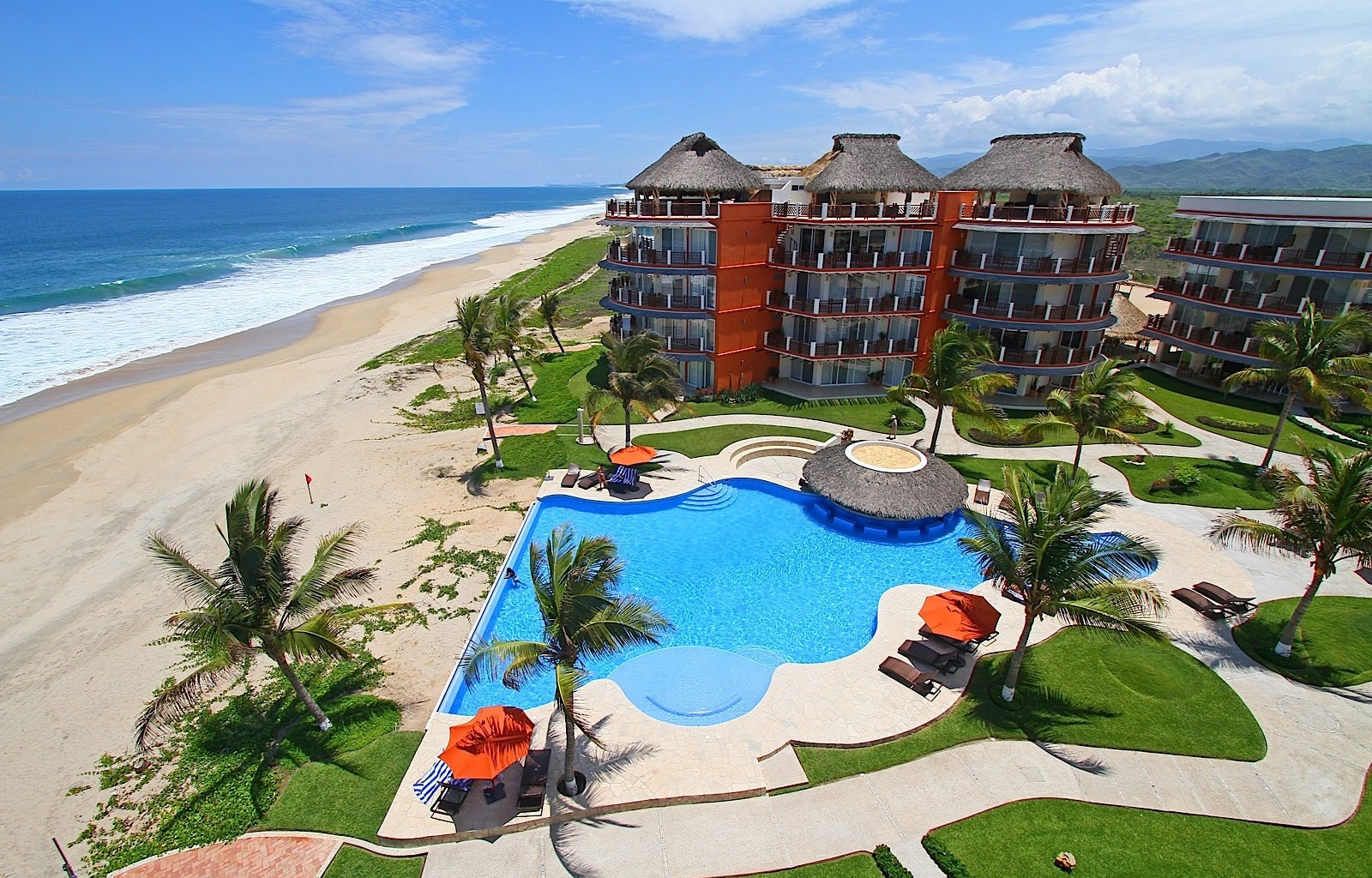
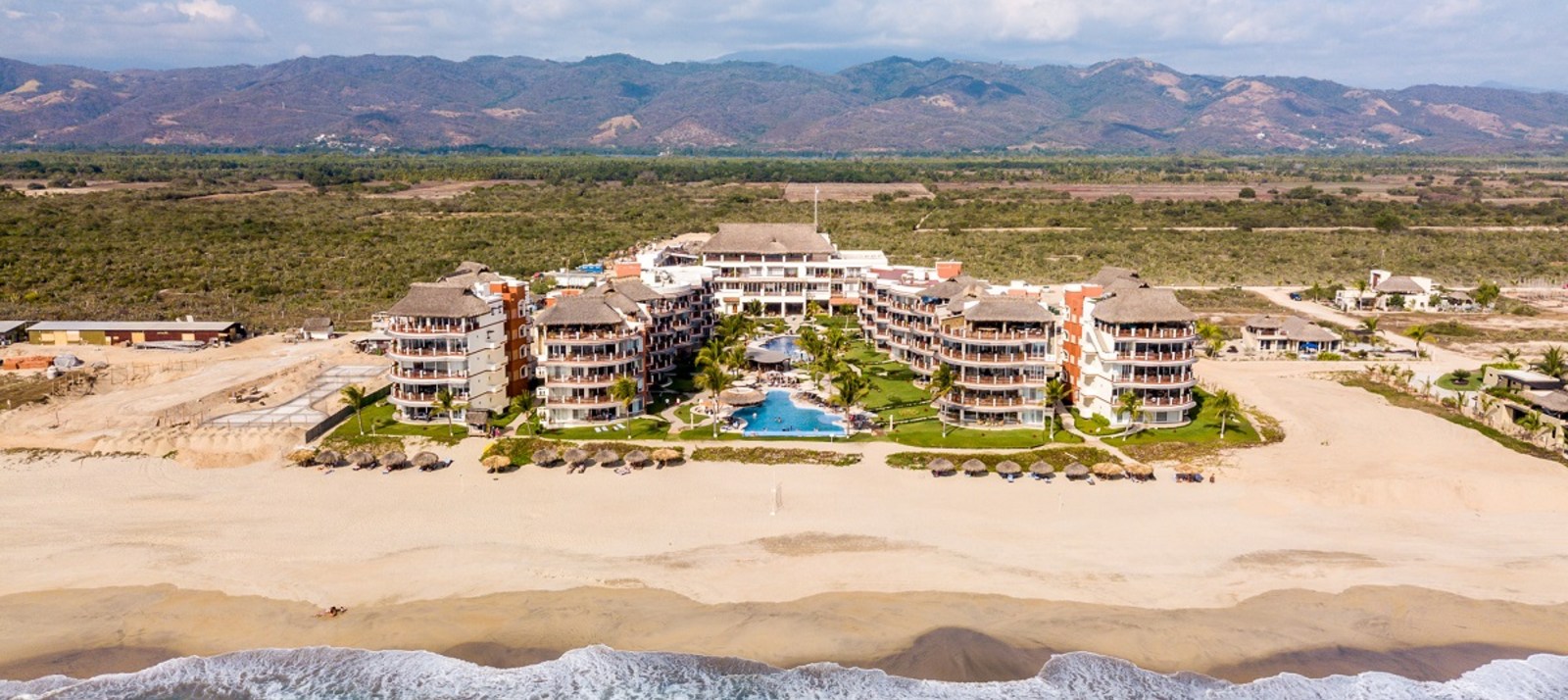
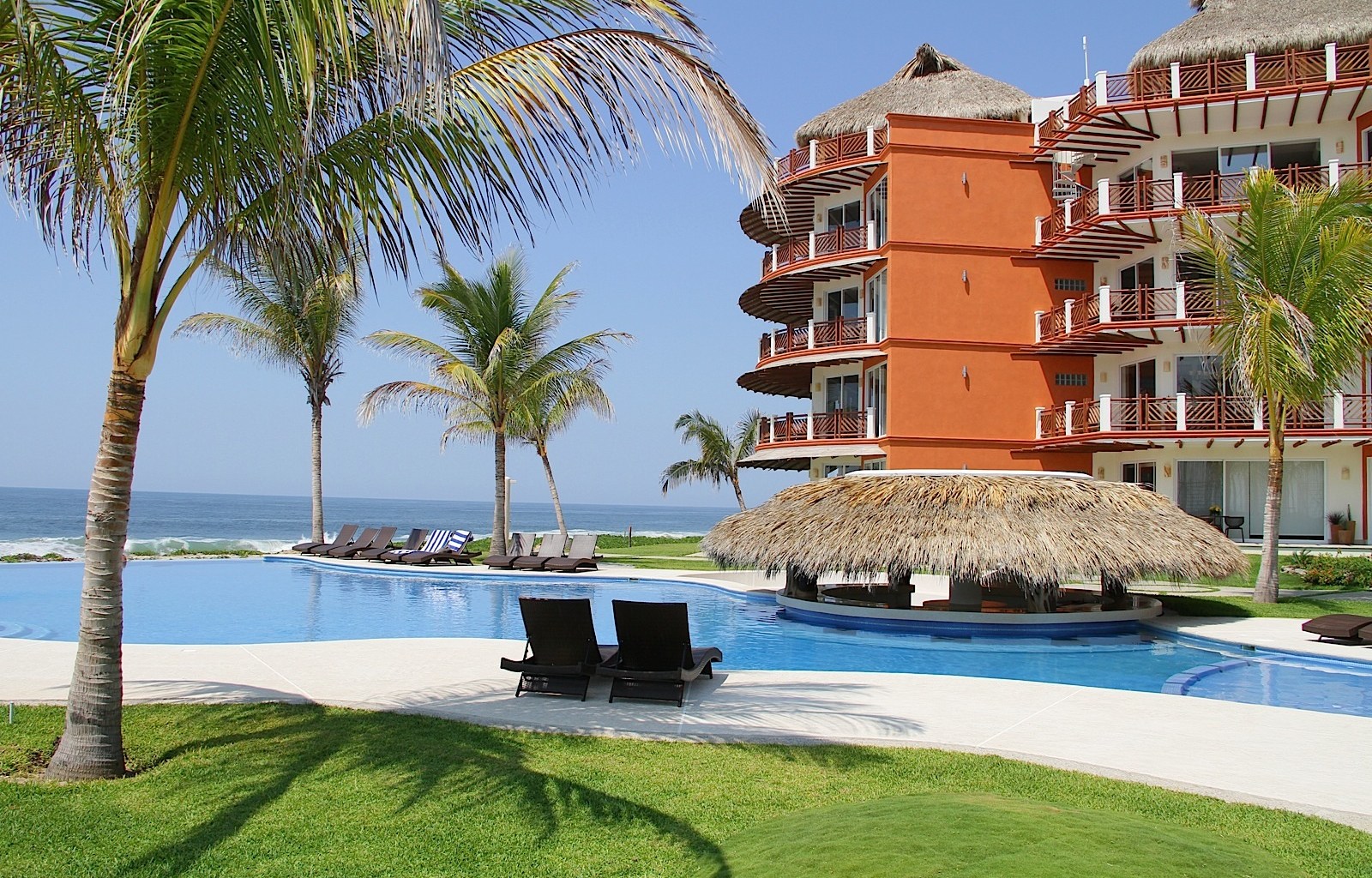
After a few days of swimming, papaya smoothies and slow afternoons under the palapas at Vivo Resorts, a different kind of quiet starts calling. The Pacific surf off Playa Palmarito is hypnotic, but inland, where the Oaxacan highlands fold into pine, oak and cloud forest, the air cools, the colours sharpen, and the rhythm of the coast gives way to something older. For travellers based at Vivo Vacations, a Sierra Juárez escape is one of the easiest add-on adventures in southern Mexico, and it slots neatly into a long weekend.
Australians are particularly well suited to this kind of compressed trip. Direct flights from Sydney, Melbourne and Brisbane typically connect through Los Angeles, and once on the ground in Puerto Escondido the mountains are only a few hours away. The shift from salt water to highland forest happens fast, and that contrast is exactly what makes the journey memorable.
Mapping the drive from coast to cloud forest
The most popular route climbs from the coastal lowlands through San José del Pacífico and on into the Sierra Juárez proper, with a frequent detour via the colonial capital, Oaxaca City. The full overland trip from Puerto Escondido to the cloud forest gateway towns of Ixtlán de Juárez, Guelatao or Cuajimoloyas takes roughly five to seven hours by car, depending on how often you stop for tamales, mezcal or photographs of the switchbacks.
For Australians used to long outback drives between Cairns and Broome, or weekend loops from Sydney up into the Blue Mountains, the Oaxacan roads feel familiar in scale. You will, however, want a sturdy vehicle for some of the higher stretches. Rain, fog and the occasional cow or donkey on the road are all part of the experience, especially between November and March. If self-driving feels daunting, ask the concierge at this Puerto Escondido resort to arrange a private driver for the round trip; they know the routes intimately and can layer in stops you would otherwise miss.
Where the highlands slow you down
The Sierra Juárez is not a single peak but a long forested spine, and the small towns strung along it each have their own personality. Guelatao is the birthplace of Benito Juárez and remains a sleepy plaza town with a tidy museum and trout farms where you can eat lunch beside a rushing creek. Cuajimoloyas, higher still, sits at roughly 3,100 metres above sea level and acts as a base for hikes into the fir forests above.
Ixtlán de Juárez is the largest of the gateway communities and a useful overnight hub, with comfortable boutique hotels, wood-fired restaurants and a strong Zapotec cultural identity. Travellers coming from coastal heat should plan on sleeping at altitude at least one night, even if only briefly. It is worth remembering that the body responds to the change in elevation: headaches and shortness of breath are common on day one, especially for anyone used to flat terrain at home in cities like Perth or Adelaide.
Trails, viewpoints and cultural stops
The signature walk of the region is the descent through the bosque de niebla, or cloud forest, where low-hanging moss, bromeliads and orchids cling to everything. The trails can be slippery, so proper hiking footwear is essential rather than trainers. Birders often tick off endemic species here, including the striking mountain trogon and several types of hummingbird. Guided hikes arranged through local cooperatives usually include a knowledgeable Zapotec guide who can point out medicinal plants and explain how the forest is managed.
Highlights worth leaving room for:
- Sunrise viewpoints near Cuajimoloyas, where the valley often fills with a slow tide of cloud
- The Benito Juárez birth house and museum in Guelatao
- Trout ponds scattered along the road, often serving freshly grilled fish with green salsa
- Weaving cooperatives in villages around Ixtlán, where backstrap looms still produce woollen rugs in rich reds and ochres
Allow at least half a day for one of these walks, and bring layers. Temperatures can swing from a single-digit morning chill to a mild spring afternoon within a few hours.
Eating, drinking and markets
The highland food scene is a world away from the beach. Expect clay-oven bread, sheep's milk cheeses, atole drinks made from toasted corn, and slow-stewed meats flavoured with pasilla and guajillo chillies. Markets in Ixtlán and Guelatao open early and are best visited on a weekday morning, when the surrounding villages bring in vegetables, herbs, flowers and freshly made chocolate.
A short list of highland experiences to consider:
- A mezcal tasting in a family palenque, often tucked behind a courtyard
- Trout lunch at one of the communal fish farms outside Cuajimoloyas
- A bakery stop for pan de yema, a sweet egg bread baked in wood ovens
- An evening walk along a quiet plaza, with the scent of woodsmoke drifting from chimneys
The Australian dollar stretches comfortably against the peso once you are off the resort strip. A full highland day including driver, lunch and a couple of museum entries usually comes in well under what you would spend on a comparable day in Sydney or Melbourne.
Timing, packing and returning smart
The dry season, roughly November to May, is the most reliable time to plan a Sierra Juárez weekend. December and January bring the coldest nights and the clearest skies, while February and March are particularly good for wildflowers in the lower forest. Avoid the height of the rainy season in summer if you can; trails turn to mud and visibility on the high roads can collapse to almost nothing.
Pack a warm fleece, a light rain jacket, closed shoes with grip and a reusable water bottle. Australians should also remember that on the return home, biosecurity laws enforced by the Department of Agriculture treat hiking gear seriously. Mud-caked boots, tents, walking poles and even walking sticks are routinely inspected at Sydney and Melbourne airports, so clean and dry everything before you fly back. Fines for undeclared organic matter can run into the thousands.
Most travellers spend two nights in the highlands and a third night back at the resort, which softens the re-entry into coastal life. The draw of the Sierra Juárez is not only the views but the contrast: cool pine air one afternoon, salt spray the next.
If the ocean has been your constant companion, give the mountains a weekend. You will remember the colours, the food and the hush of the cloud forest long after the sand has dried on your towel.